

Free Kilinochchi District Travel Guide & Mobile App
Explore Kilinochchi District with free travel guides. Discover regional history, expert tips, proposed trips, and audio guides on web or mobile app.


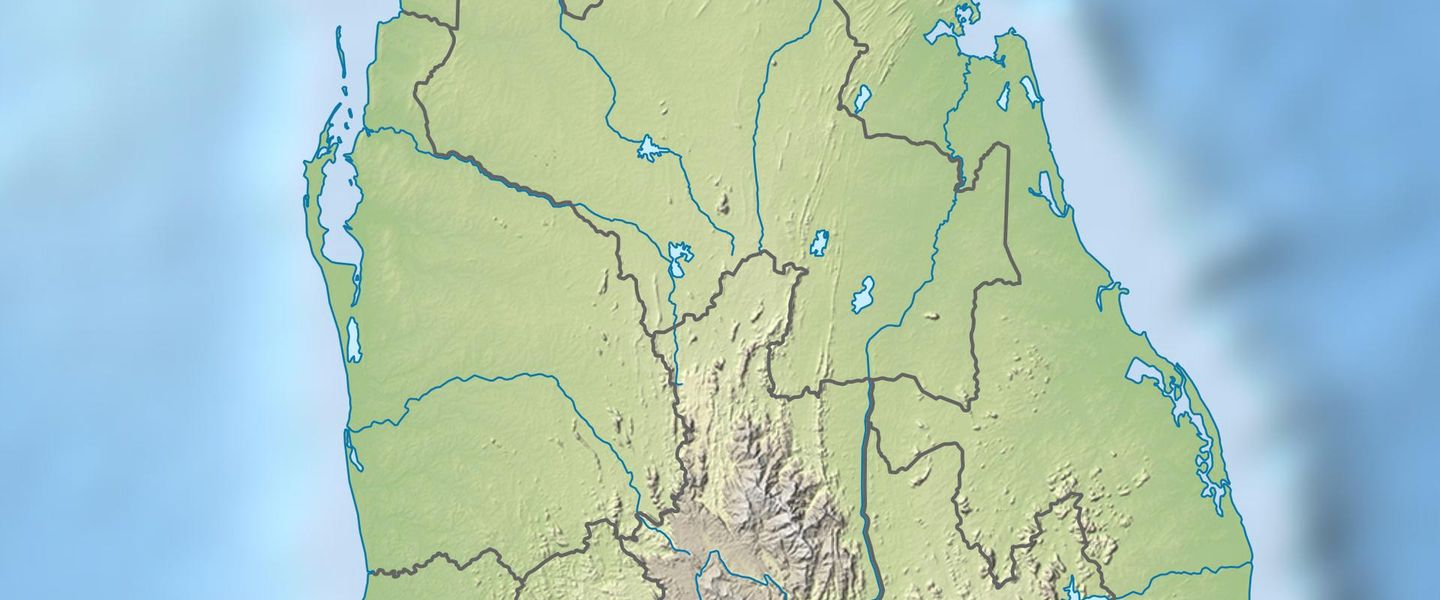


Explore Kilinochchi District for Sri Lanka's northern lagoons, irrigation landscapes, birdlife, Tamil culture and complex modern history.
Read more about Kilinochchi District
When is the best time to visit Kilinochchi District?
Best: January–March · 30–32°C| Month | High (°C) | Rainfall (mm) |
|---|---|---|
| January (best) | 30 | 60 |
| February (best) | 31 | 50 |
| March (best) | 32 | 70 |
| April | 33 | 100 |
| May | 33 | 120 |
| June | 33 | 110 |
| July | 33 | 100 |
| August | 33 | 110 |
| September | 33 | 120 |
| October | 32 | 140 |
| November | 31 | 160 |
| December | 30 | 150 |
Getting to and around Kilinochchi District
How to get there
Transportation
Best attractions in Kilinochchi District
Kilinochchi District's attractions are primarily landscapes, historical corridors and living rural environments rather than a concentration of formal museums. The broad waters and agricultural setting of Iranamadu Tank offer an insight into northern irrigation and are particularly atmospheric around sunrise and after the rains. The A9 journey through Pachchilaipalli leads to Elephant Pass, where causeways, lagoons and salt-marsh habitats reveal why this narrow passage has long mattered strategically. Westward, Poonakary provides access to lagoon scenery, fishing settlements and the remains associated with Dutch-period fortification. Chundikkulam National Park, in the district's north-eastern coastal zone, protects marshes, lagoons, scrub and shoreline habitats and is of interest to visitors seeking birdlife and quiet wetland landscapes. Kilinochchi town itself is useful for understanding post-war reconstruction, local markets and contemporary Tamil life, while surrounding villages offer glimpses of paddy cultivation, palmyra-based products and temple traditions. Outdoor visits should be planned with local advice, since access roads, seasonal water levels, heat and land-use restrictions vary across the district.
-
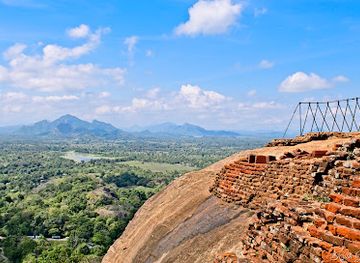
Fortress
Sigiriya
Discover the ancient marvel of Sigiriya, a UNESCO World Heritage Site and stunning fortress in the heart of Sri Lanka, rich in history and breathtaking views.
-
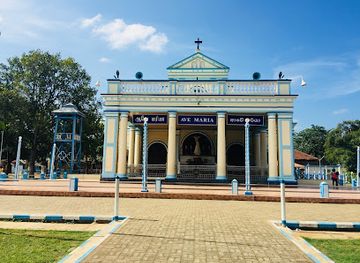
Catholic church
National Shrine of Our Lady of Madhu
Explore the National Shrine of Our Lady of Madhu, a sacred Catholic church in Sri Lanka, renowned for its spiritual significance and stunning architecture.
-
Market
Jaffna Market
Immerse yourself in the vibrant culture and flavors of Jaffna at the bustling Jaffna Market, a must-visit for every traveler.
-
Historical landmark
Samadhi Buddha Statue
Discover the serene beauty and historical significance of the Samadhi Buddha Statue in Anuradhapura, a true gem of Sri Lankan heritage.
Best landmarks in Kilinochchi District
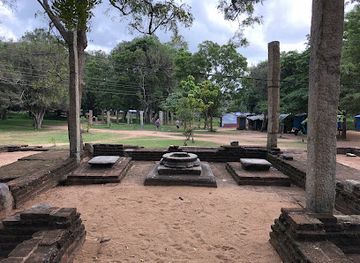
Elephant Pass is Kilinochchi District's most recognisable strategic landmark: the narrow causeway between lagoon waters has controlled movement towards the Jaffna Peninsula and became a major military objective during the civil war. Its physical geography explains its historical importance more clearly than any single monument. Iranamadu Tank is another defining landmark, an extensive irrigation reservoir whose bund, water surface and surrounding paddy landscape express the continuing importance of managed water in the northern dry zone. The Poonakary area contains remains linked with Dutch-period fortification, reflecting the colonial struggle to control lagoon routes and maritime access. Sangupiddy Bridge, on the western side of the district, is a notable modern crossing over the Jaffna Lagoon and forms part of the road connection between the mainland and the peninsula. Chundikkulam's lagoons and marshes are natural landmarks as well as protected habitats, while the open palmyra-lined roads around Kilinochchi provide a strong visual sense of the district's geography. Conflict-related sites should be approached respectfully and only where access is clearly permitted.
-
National park
Chundikulam Bird Sanctuary
Explore the serene Chundikulam Bird Sanctuary, a haven for birdwatchers and nature lovers in Northern Sri Lanka, boasting diverse wildlife and stunning landscapes.
-
War museum
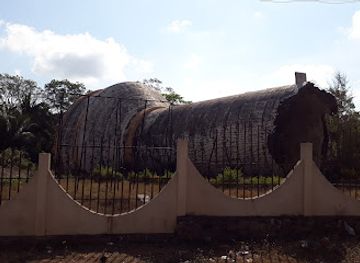
Killinochchi War Memorial Monument | කිලිනොච්චි යුධ ස්මාරකය | கிளிநொச்சி போர் நினைவு சின்னம்
Explore the poignant history of Kilinochchi at the War Memorial Monument, a tribute to resilience and remembrance in Sri Lanka's rich cultural tapestry.
-
Tourist attraction
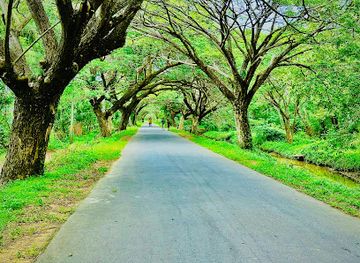
Akkarayan - Unionkulam Tree Cloud Photoshoot
Explore the surreal beauty of Akkarayan - Unionkulam Tree Cloud Photoshoot, a picturesque destination for nature lovers and photography enthusiasts.
-
Buddhist temple
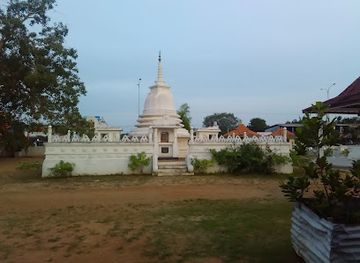
Kilinochchi Lumbini Viharaya
Explore the tranquility of Kilinochchi Lumbini Viharaya, a serene Buddhist temple offering spiritual insights and cultural immersion in Sri Lanka.

Explore Kilinochchi District on the map
Plan your trip on one map. See where the top cities, national parks and sights are, and book hotels and experiences in a few clicks.
Best hotels in Kilinochchi District
Best restaurants in Kilinochchi District
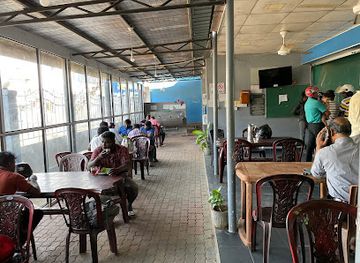
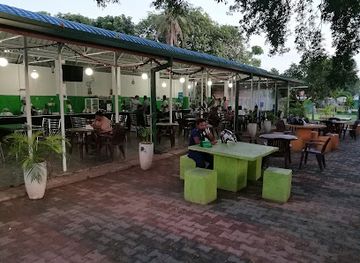
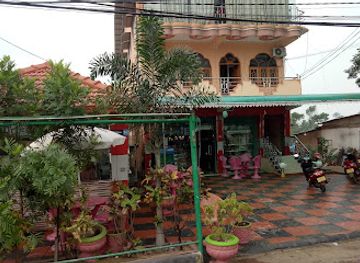
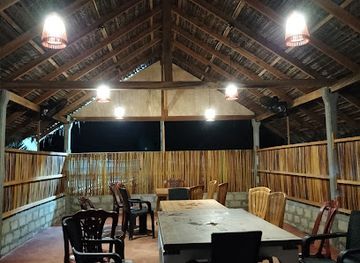
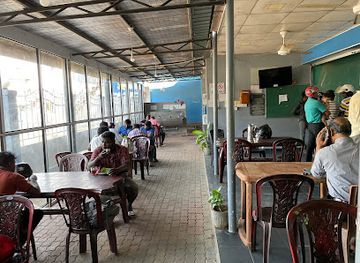
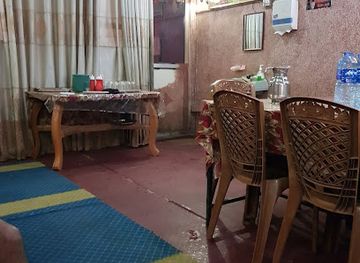
Dining in Kilinochchi District is rooted in northern Sri Lankan Tamil cooking, with rice, curries, vegetables, lentils, seafood, dried fish and coconut used in different combinations according to household and community traditions. Small restaurants and vegetarian eateries in Kilinochchi town are the most dependable places to find everyday meals, while roadside cafés serve tea, short eats, string hoppers and simple rice dishes. Around Poonakary and the lagoon settlements, fish and prawns may feature more prominently, though availability is seasonal and local rather than a guaranteed restaurant speciality. Palmyra products, including sweet and savoury preparations, are associated with the northern region and make useful food souvenirs when purchased from established sellers. Dining is generally informal, and menus may be limited outside the main town, so travellers heading towards Elephant Pass, Iranamadu or Chundikkulam should carry water and plan meal stops rather than expecting continuous restaurant coverage.
-
Traditional restaurant
Ammachchi - Kilinochchi | அம்மாச்சி உணவகம்
Experience authentic Sri Lankan flavors at Ammachchi - Kilinochchi, where tradition meets taste in every dish.
-
Vegetarian
Ammachi Traditional Food Center
Experience authentic vegetarian delights at Ammachi Traditional Food Center in Jaffna – where tradition meets taste.
-
Sri Lankan
Barathi Hotel
Discover the essence of Sri Lankan flavors at Barathi Hotel in Kilinochchi – a culinary gem offering authentic local dishes.
-
Restaurant
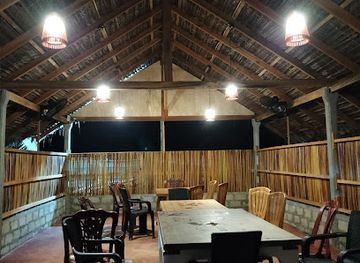
Phoenix restaurant
Experience authentic Sri Lankan flavors at Phoenix Restaurant in Kilinochchi - a must-visit culinary gem for all food lovers.
Best bars in Kilinochchi District
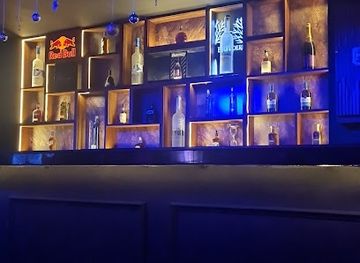
Kilinochchi District does not have a large nightclub or late-night entertainment scene. Evening life centres on family gatherings, cafés, tea shops, modest restaurants and local community activity, with the greatest concentration of services in and around Kilinochchi town. Travellers may find licensed hotel bars or restaurants serving alcoholic drinks, but options are fewer and more restrained than in Colombo, Kandy or the coastal resort areas. Rural settlements and the Poonakary side of the district generally become quiet after dark, and there is little reason to travel on unfamiliar minor roads at night. Visitors seeking music or a wider choice of evening venues are more likely to find them in Jaffna, outside the district, but Kilinochchi is better approached as a destination for early starts, temple visits, local food and landscape-based travel than for nightlife.
-
Traditional restaurant
Ammachchi - Kilinochchi | அம்மாச்சி உணவகம்
Discover the rich flavors of traditional Sri Lankan cuisine at Ammachchi, Kilinochchi’s top destination for a delicious breakfast experience.
-
 Hotel
HotelBarathi Star Hotel & Hall
Discover comfort and hospitality at Barathi Star Hotel & Hall in Kilinochchi, the perfect base for your Sri Lankan adventure.
-
Sri Lankan
Barathi Hotel
Discover the authentic taste of Sri Lanka at Barathi Hotel, Kilinochchi - a culinary gem offering traditional dishes in a welcoming atmosphere.
-
Restaurant
Phoenix restaurant
Discover the unique culinary experience at Phoenix Restaurant in Kilinochchi, where traditional Sri Lankan flavors meet a modern dining ambiance.
Best nightclubs in Kilinochchi District
Kilinochchi District does not have a large nightclub or late-night entertainment scene. Evening life centres on family gatherings, cafés, tea shops, modest restaurants and local community activity, with the greatest concentration of services in and around Kilinochchi town. Travellers may find licensed hotel bars or restaurants serving alcoholic drinks, but options are fewer and more restrained than in Colombo, Kandy or the coastal resort areas. Rural settlements and the Poonakary side of the district generally become quiet after dark, and there is little reason to travel on unfamiliar minor roads at night. Visitors seeking music or a wider choice of evening venues are more likely to find them in Jaffna, outside the district, but Kilinochchi is better approached as a destination for early starts, temple visits, local food and landscape-based travel than for nightlife.
-
Disco club
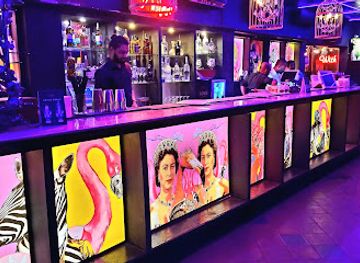
The Love Bar at Flamingo House
Discover Colombo's nightlife at The Love Bar at Flamingo House, where vibrant music, exquisite drinks, and an electric atmosphere await.
-
Night club
igloo Mix & Fix
Discover the vibrant nightlife of Colombo at Igloo Mix & Fix, where music, drinks, and stunning skyline views create unforgettable moments.
-
Social club
JAFFNA KKP YOUTH CLUB
Experience Jaffna's vibrant culture at the KKP Youth Club, a social hub for locals and tourists alike, offering activities and community spirit.
-
Bar
Palmyrah Toddy (Cool Place) - Karanavai South
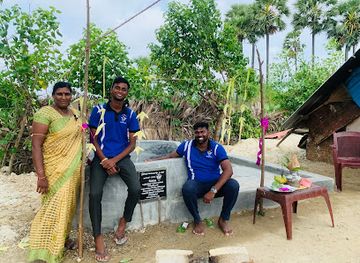
Experience the authentic taste of Sri Lanka at Palmyrah Toddy, a charming bar in Karanavai South known for its unique toddy and welcoming atmosphere.

Best shops in Kilinochchi District
Shopping in Kilinochchi is practical and local rather than centred on large retail complexes. The town's shops and market areas are the best places for everyday provisions, clothing, mobile-phone services, snacks and household goods, while smaller settlements offer limited roadside purchasing. Northern food products make appropriate souvenirs: palmyra-based sweets and flour products, dried fish, spices and seasonal produce can sometimes be found through local sellers. Quality, packaging and availability vary, so buy food items from clean, established outlets and check that agricultural or natural products can legally be taken through your onward destinations. Independent craft and community outlets may offer palmyra-leaf articles or other handmade goods, although selection is not consistent. Poonakary and rural villages are more useful for observing local production and buying directly when invited than for planned souvenir shopping. For a broader range of books, handicrafts, clothing and contemporary retail, Jaffna, outside the district, is the nearest major regional shopping centre.
-
Furniture store
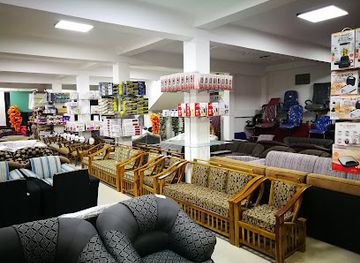
Sun Furniy City
Explore the exquisite craftsmanship at Sun Furniy City, Kilinochchi's premier furniture store, offering a unique blend of traditional and modern designs.
-
Hardware store
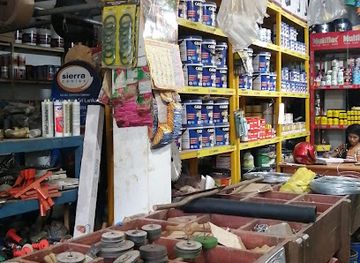
Murukandy Pillaiyar Hadware
Discover Kilinochchi's local craftsmanship at Murukandy Pillaiyar Hardware, a treasure trove of tools and essential goods.
-
Coffee store
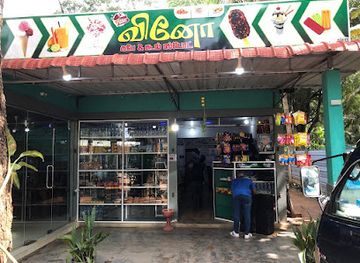
Vino Cafe & Cool Spot
Discover the unique flavors of Sri Lanka at Vino Cafe & Cool Spot, your perfect retreat for quality coffee and a cozy atmosphere.
-
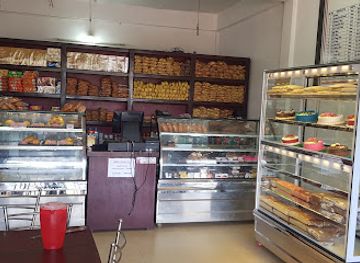
Bakery
Kilinochchi
Explore the sweet side of Kilinochchi with delightful pastries and local baked goods that capture the essence of Sri Lankan flavors.
Get your free copy of our complete guide to Kilinochchi District, delivered straight to you.
Everything on this page, from attractions and restaurants to essentials and local phrases, in one PDF you can read offline, print or share.
Already have an account? Sign in
Your Kilinochchi District guide is ready.
We'll send it to · Not you? Sign out

Getting your guide ready…
We are putting together a fresh copy of the Kilinochchi District guide. This can take up to a minute.
This can take a few moments. If your browser asks, choose Allow so the download can start. You'll find the guide in your Downloads folder.
Nothing happened? Download it again
Sorry, the guide is taking longer than usual. Please try again in a minute, or get it by email instead.
Kilinochchi District essentials
Currency and Payment
Safety
Emergency Situations
Do's and Don'ts
Local Tips
From Eve
Local phrases worth knowing
You don't need to get them perfect. A few words go a long way, and locals appreciate the effort.
Basics
| English | Local | Say it |
|---|---|---|
| Hello | ආයුබෝවන් | [Āyubōvan] |
| Goodbye | ගුඩ්බයි | [Guḍbai] |
| Yes | ඔව් | [Ov] |
| No | නැහැ | [Næhæ] |
| Please/You're welcome | කරුණාකර/ආයුබෝවන් | [Karunākara/Āyubōvan] |
| Thank you | ස්තූතියි | [Stūthiyi] |
| Excuse me/Sorry | කණගාටුයි | [Kaṇagāṭuyi] |
| How are you? | ඔබට කෙසේද? | [Obaṭa kesēda?] |
| Fine. And you? | හරි. ඔබට කෙසේද? | [Hari. Obaṭa kesēda?] |
| Do you speak English? | ඔබට ඉංග්රීසි කතා කරන්න ද? | [Obaṭa iṅgrīsi kathā karanna da?] |
| I don't understand | මට තේරෙන්නේ නැහැ | [Maṭa thērennē næhæ] |
Eating & Drinking
| English | Local | Say it |
|---|---|---|
| I'd like to see the menu, please | කැමැත්තෙන් මෙනුව බලන්න | [Kæmætten menyuva balanna] |
| I don't eat meat | මට මස් කන්න බැහැ | [Maṭa mas kanna bæhæ] |
| Cheers! | සමරන්න! | [Samaranna!] |
| I would like to pay, please | කැමැත්තෙන් ගෙවන්න | [Kæmætten gevanna] |
Emergencies
| English | Local | Say it |
|---|---|---|
| Help! | ආධාරයක්! | [Ādhārayak!] |
| Go away! | පියාසැරිය! | [Piyāsaeriya!] |
| Call the Police! | පොලිසියට කතාකරන්න! | [Polisiyata kathākaranna!] |
| Call a doctor! | ඩොක්ටර් කතාකරන්න! | [Ḍokṭar kathākaranna!] |
| I'm lost | මට අහිමිවී ඇත | [Maṭa ahimivī æta] |
| I'm ill | මට රෝගීයි | [Maṭa rōgīyi] |
Shopping
| English | Local | Say it |
|---|---|---|
| I'd like to buy... | මට මිලදී ගැනීමට කැමතියි... | [Maṭa milādī gænīmata kæmatīyi...] |
| I'm just looking | මම බලනවා | [Mama balanavā] |
| How much is it? | එකේ මිල කීයක්ද? | [Ekē mila kīyakda?] |
| That's too expensive | එක අධික මිලක් | [Eka adhika milak] |
| Can you lower the price? | මිල අඩු කරන්න පුළුවන්ද? | [Mila aḍu karanna puḷuvanda?] |
Time & Numbers
| English | Local | Say it |
|---|---|---|
| What time is it? | ඇත්තටම කීයක්ද? | [Ættatama kīyakda?] |
| It's one o'clock | එක් මිනිත්තුවයි | [Ek minitthuvayi] |
| Half past (10) | අර්ධය (10) | [Ardhaya (10)] |
| Morning | උදේ | [Udē] |
| Afternoon | දහවල් | [Dahaval] |
| Evening | සවස | [Savasā] |
| Yesterday | ඊයේ | [Īyē] |
| Today | අද | [Ada] |
| Tomorrow | හෙට | [Heṭa] |
| 1 | 1 | [1] |
| 2 | 2 | [2] |
| 3 | 3 | [3] |
| 4 | 4 | [4] |
| 5 | 5 | [5] |
| 6 | 6 | [6] |
| 7 | 7 | [7] |
| 8 | 8 | [8] |
| 9 | 9 | [9] |
| 10 | 10 | [10] |
Transport & Directions
| English | Local | Say it |
|---|---|---|
| Where's a/the...? | කොහේද ...? | [Kohēda...?] |
| What's the address? | ලිපිනය කුමක්ද? | [Lipinaya kumakda?] |
| Can you show me (on the map)? | මට පෙන්වා දිය හැකිද ( සිතියමෙන්)? | [Maṭa penvā diy hækida (sitiymen)?] |
| When's the next (bus)? | පසුව (බස්) කවදද? | [Pasūva (bas) kawadada?] |
| A ticket (to ....) | පෙරහනක් (....) | [Perahanak (....)] |
History of Kilinochchi District
Early Irrigation and Settlement
The dry northern plain has long depended on the careful management of seasonal water. Ancient and medieval communities developed paddy cultivation around tanks, channels and low-lying wetlands, creating a settlement pattern that remains visible around the district today. Iranamadu Tank, greatly enlarged and modified over time, represents this continuing relationship between agriculture and water. The wider northern region was connected to the networks of the historic Tamil kingdom centred on the Jaffna Peninsula, although settlement was dispersed and closely tied to local cultivation, fishing and palmyra resources.
Maritime Routes and Colonial Fortifications
Kilinochchi's western and northern waterways formed part of the maritime world linking the Jaffna Peninsula, the mainland and the Palk Strait. From the sixteenth century, Portuguese and then Dutch influence altered regional trade and administration. Poonakary and the approaches around the Jaffna Lagoon acquired strategic importance because shallow-water routes and causeways controlled movement between coastal settlements. Remains associated with Dutch-period fortification at Poonakary are a reminder of this period, though the district's historical landscape is broader than the surviving masonry.
British Rule and the Expansion of Transport
Under British colonial administration, northern Sri Lanka was incorporated into a more centralised system of roads, railways, irrigation works and commercial agriculture. The railway and the main north-south road strengthened links between Kilinochchi, Jaffna and the rest of the island, while irrigation development supported paddy cultivation and the growth of planned settlements. These changes did not erase older Tamil agrarian and religious traditions, but they reshaped how people, goods and government services moved through the district.
Post-Independence Irrigation and Resettlement
After Sri Lanka became independent in 1948, irrigation and settlement programmes continued to influence the northern dry zone. Kilinochchi developed as an agricultural and administrative centre, with paddy, livestock, palmyra and seasonal cultivation forming important parts of local life. The district's position between the Jaffna Peninsula and the mainland also gave it continuing strategic significance. Population movements and changing administrative arrangements affected communities over the decades, laying part of the background to the political and ethnic tensions that later became armed conflict.
Civil War and the Fall of Kilinochchi, 1983–2009
Kilinochchi was one of the principal theatres of Sri Lanka's civil war between the government and the Liberation Tigers of Tamil Eelam. The town became the LTTE's de facto administrative centre for much of the conflict, while Elephant Pass was repeatedly contested because of its control of access to the Jaffna Peninsula. Fighting, displacement, damaged infrastructure and restricted movement profoundly affected residents. Government forces captured Kilinochchi and nearby strategic areas in 2009, bringing the conflict's final phase in the district to an end.
Reconstruction, Demining and Post-War Change
Since 2009, Kilinochchi has undergone extensive reconstruction, resettlement and mine-clearance work, alongside the repair of roads, railways, schools, irrigation systems and public buildings. Agriculture has remained central, but the district has also seen new transport links and gradual growth in small businesses and services. The legacy of war is still present in memories, memorial practices, land-use restrictions and uneven development. For visitors, the contemporary district is best understood as a place where recovery, everyday Tamil life and unresolved historical interpretation exist alongside one another.
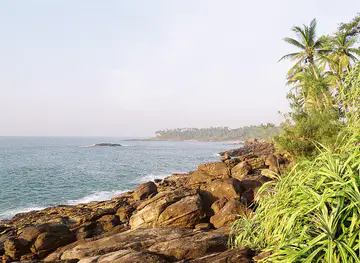
Kilinochchi District in Photos
Browse through our photo collection highlighting the charm and character of the destination.
Neighbouring regions of Kilinochchi District
The closest regions to Kilinochchi District, if you have time for more than one.
-
-

-

-

-


Swipe for more regions
Explore more

Explore more of Sri Lanka
Discover Sri Lanka: Rich culture, stunning landscapes, and warm hospitality await you in this tropical paradise. Explore ancient cities, wildlife, tea plantations, and pristine beaches.
Explore Sri Lanka