

Free Mullaitivu District Travel Guide & Mobile App
Explore Mullaitivu District with free travel guides. Discover regional history, expert tips, proposed trips, and audio guides on web or mobile app.


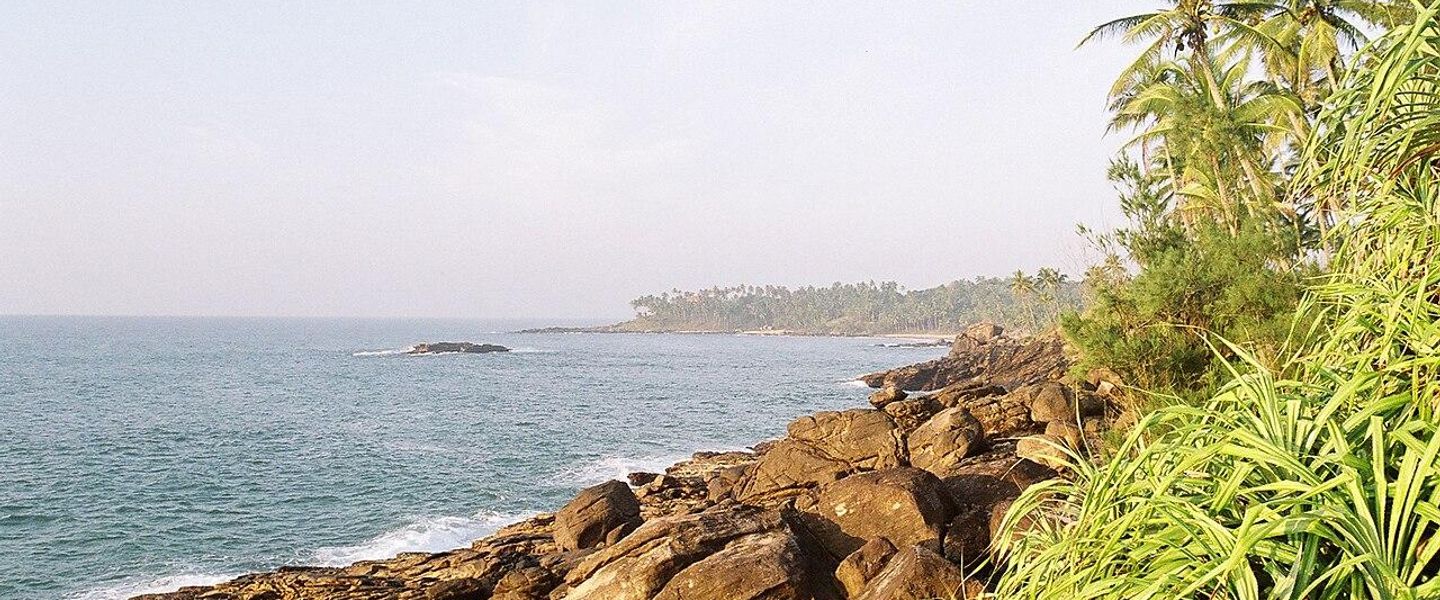


Mullaitivu District combines Sri Lanka’s northeastern beaches, lagoons, Tamil heritage, wildlife and powerful modern history in a quiet coastal landscape.
Read more about Mullaitivu District
When is the best time to visit Mullaitivu District?
Best: December–February · 30–31°C| Month | High (°C) | Rainfall (mm) |
|---|---|---|
| January (best) | 30 | 50 |
| February (best) | 31 | 45 |
| March | 32 | 60 |
| April | 33 | 80 |
| May | 33 | 100 |
| June | 32 | 120 |
| July | 32 | 100 |
| August | 32 | 100 |
| September | 32 | 100 |
| October | 31 | 120 |
| November | 30 | 140 |
| December (best) | 30 | 60 |
Getting to and around Mullaitivu District
How to get there
Transportation
Best attractions in Mullaitivu District
Mullaitivu’s attractions are primarily coastal, cultural and environmental rather than built for mass tourism. The beaches around Mullaitivu town and the wider Maritimepattu coast offer broad sands and open horizons, although swimming conditions vary and facilities can be limited. Nanthi Kadal and Nayaru provide landscapes of lagoons, fishing activity and birdlife, while Kokkilai Lagoon and its wetlands are important for observing coastal habitats and waterbirds. Local guidance is valuable because access roads, conservation arrangements and seasonal conditions can change. Religious heritage is represented by temples such as Vattappalai Kannaki Amman, whose rituals and annual festival connect the district to long-standing Tamil devotional traditions. Inland, Puthukkudiyiruppu and Oddusuddan reveal agricultural settlement, village temples and the physical traces of post-war reconstruction. Visitors interested in modern history can learn about the civil war and the 2004 tsunami through carefully approached memorials and local commemorative sites, but these should not be treated as entertainment. The district’s strongest experiences come from combining landscape, community life and historical awareness rather than following a dense circuit of ticketed attractions.
-
Buddhist temple
කුරුන්දි බෞද්ධ විහාරස්ථානය | Kurundi Ancient Buddhist Temple
Explore the serene beauty and rich heritage of Kurundi Ancient Buddhist Temple, a must-visit spiritual haven in Thannimurippu, Sri Lanka.
-
Tourist attraction
Mullaitivu Beach
Discover the tranquil beauty of Mullaitivu Beach, a stunning coastal paradise in Sri Lanka known for its golden sands and crystal-clear waters.
-
Beach
Arisimale Beach
Experience the tranquility and natural beauty of Arisimale Beach, a pristine coastline destination perfect for relaxation and adventure in Sri Lanka.
-
Memorial park
Mullaitivu Camp War Memorial
Explore the Mullaitivu Camp War Memorial, a serene tribute to resilience and remembrance amidst the lush landscapes of Mullaitivu, Sri Lanka.


Best landmarks in Mullaitivu District
The coast and lagoons provide Mullaitivu’s most distinctive geographical landmarks. Nanthi Kadal is a broad lagoon closely associated with the district’s modern history, while Nayaru Lagoon and the Kokkilai wetland landscape illustrate the meeting of brackish water, sand barriers and dry-zone vegetation. Their importance is ecological as well as historical, and visitors should remain on permitted roads and avoid disturbing fishing or bird habitats. Vattappalai Kannaki Amman Temple is one of the district’s most significant religious landmarks, recognised for its association with Kannaki devotion and its strong regional following. The temple at Oddusuddan reflects the continuing prominence of Hindu sacred sites in inland village life. Mullaitivu town’s coastal setting, rebuilt public areas and nearby commemorative places carry the visible imprint of the tsunami and the final years of the civil war. These sites require a measured approach: several are places of worship, mourning or living community memory rather than conventional monuments. Together, the district’s lagoons, temples and post-war landscapes form a landmark collection defined as much by cultural meaning as by architectural grandeur.
-
Buddhist temple
කුරුන්දි බෞද්ධ විහාරස්ථානය | Kurundi Ancient Buddhist Temple
Explore the rich heritage and serene beauty of Kurundi Ancient Buddhist Temple, a vital cultural landmark in northern Sri Lanka.
-
Tourist attraction
Mullaitivu Beach
Explore Mullaitivu Beach, a serene escape in Sri Lanka with golden sands, turquoise waters, and breathtaking sunsets, perfect for relaxation and adventure.
-
Monument
Monument of Victory
Explore the Monument of Victory, a powerful symbol of resilience and peace, commemorating the sacrifices of the Sri Lankan army and enriching your travel experience.
-
Memorial park
Mullaitivu Camp War Memorial
Discover the Mullaitivu Camp War Memorial, a serene tribute to resilience and history in the heart of Sri Lanka's beautiful landscapes.


Explore Mullaitivu District on the map
Plan your trip on one map. See where the top cities, national parks and sights are, and book hotels and experiences in a few clicks.
Best hotels in Mullaitivu District
Best restaurants in Mullaitivu District
Dining in Mullaitivu District is informal and closely tied to Tamil and northern Sri Lankan food traditions. Rice, curries, dhal, sambols, roti, string hoppers and hopper-style breakfasts are common, with seasoning and preparation varying from household to household. Along the coast and around lagoons, freshly prepared fish, prawns and crab may be available, although supply is seasonal and menus are often limited. Small cafés, bakeries, rice-and-curry shops and roadside eateries provide the main choice in towns and on transport routes; rural villages may have few places to eat outside meal times. Palmyra products, including toddy-related foods and sweets, are part of the northern food culture, while fresh fruit and tea are useful refreshments in the heat. Mullaitivu is not a destination for a large fine-dining scene, so visitors should choose accommodation with meals or carry provisions when travelling to remote beaches, lagoons and temples. Food markets and local shops are the best places to observe everyday produce and cooking rather than seeking a formal restaurant district.
-
Traditional restaurant
Ammachchi - Kilinochchi | அம்மாச்சி உணவகம்
Experience authentic Sri Lankan flavors at Ammachchi - Kilinochchi's beloved traditional restaurant known for its delicious breakfast offerings.
-
Restaurant
Moju Restaurant
Experience authentic Sri Lankan cuisine at Moju Restaurant in Vavuniya - where every dish tells a story!
-
Vegetarian
Ammachchi Traditional Food Center
Experience authentic Northern Sri Lankan vegetarian cuisine at Ammachchi Traditional Food Center in Vavuniya.
-
Restaurant
White Stone
Experience authentic Asian cuisine at White Stone, Vavuniya's beloved restaurant known for its delicious dishes and welcoming atmosphere.


Best bars in Mullaitivu District
Nightlife in Mullaitivu District is quiet and centred on family restaurants, tea shops, small cafés and traditional gathering places rather than nightclubs. Mullaitivu town offers the greatest concentration of evening services, while smaller settlements generally close early and rural areas may have no organised nightlife at all. Alcohol is available in Sri Lanka through licensed outlets, but it should not be assumed that every restaurant serves it, and public drinking is inappropriate around temples, memorials and family-oriented community spaces. Evenings are better suited to an early seafood or rice-and-curry meal, a walk near an inhabited town area, or conversation at a café than to late-night entertainment. Visitors staying outside town should arrange transport and meals before dark, as lighting, taxis and open businesses become scarce. Occasional religious festivals and community events create livelier evenings, but dates and access vary and should be confirmed locally.
-
 Hotel
Alai Mullaitivu
Discover the serene beauty of Alai Mullaitivu, a perfect hotel retreat offering comfort and relaxation amidst Sri Lanka's stunning landscapes.
-
Lodging
Pub Admin Rest - Mullaitivu
Experience the tranquility of Mullaitivu at Pub Admin Rest, your perfect lodging retreat amidst nature and history.
-
Hotel
Uthaya Guest House/ Restaurant and Bar
Experience authentic Sri Lankan hospitality at Uthaya Guest House in Silawattai, offering cozy accommodations and delightful local cuisine.
-
Restaurant
Best Yarl Cool Bar
Discover the Best Yarl Cool Bar in Puthukkudiyiruppu, where vibrant flavors and a relaxed atmosphere combine for an unforgettable dining experience.


Best nightclubs in Mullaitivu District
Nightlife in Mullaitivu District is quiet and centred on family restaurants, tea shops, small cafés and traditional gathering places rather than nightclubs. Mullaitivu town offers the greatest concentration of evening services, while smaller settlements generally close early and rural areas may have no organised nightlife at all. Alcohol is available in Sri Lanka through licensed outlets, but it should not be assumed that every restaurant serves it, and public drinking is inappropriate around temples, memorials and family-oriented community spaces. Evenings are better suited to an early seafood or rice-and-curry meal, a walk near an inhabited town area, or conversation at a café than to late-night entertainment. Visitors staying outside town should arrange transport and meals before dark, as lighting, taxis and open businesses become scarce. Occasional religious festivals and community events create livelier evenings, but dates and access vary and should be confirmed locally.
-
Night club
Kotuwa Kattu
Discover the nightlife at Kotuwa Kattu, a vibrant night club in Sri Lanka known for its exhilarating atmosphere, top DJs, and unforgettable nights out.
-
Night club
mullai Palace
Experience the electric nightlife at Mullai Palace, Tanniyutttu's premier night club offering vibrant music and unforgettable moments.
-
Bar
City Restaurant
Experience the vibrant culinary scene at City Restaurant in Mullaitivu, where tradition meets modern flavors in a lively bar atmosphere.
-
Night club
34 Size Item mithula
Discover the vibrant nightlife at 34 Size Item Mithula, a must-visit night club in Ammivaittan for unforgettable moments and exhilarating experiences.


Best shops in Mullaitivu District
Shopping in Mullaitivu is practical and local rather than centred on large retail complexes. Mullaitivu town has the broadest selection of grocery shops, pharmacies, clothing outlets, bakeries, mobile-phone stores and small markets, while Puthukkudiyiruppu and other larger settlements provide additional everyday services. Fish, dried seafood, seasonal fruit, vegetables and palmyra-based products reflect the district’s coastal and agricultural economy, although availability depends on the day and season. Small shops may sell northern snacks, sweets, spices and packaged foods that travel well, while temple areas sometimes offer devotional items during festival periods. Visitors seeking handicrafts should ask locally about reputable cooperative or community sellers rather than assuming that every roadside object is regionally made. Cash remains important, especially for market purchases and rural stalls. There is little reason to expect extensive designer shopping or a concentrated souvenir quarter, but locally produced food, simple woven goods and religious items can provide more meaningful purchases than generic tourist merchandise.
-
Book store
Vino Books
Discover the charm of Vino Books in Mullaitivu, a unique book store offering a wide selection of literature and a cozy atmosphere for all book lovers.
-
Grocery store
Cargills Food City Express
Experience local flavors and essentials at Cargills Food City Express, a one-stop grocery shop in Mullaitivu, Sri Lanka.
-
Electronics store
Nimalan phone shop
Explore Nimalan Phone Shop in Mullaitivu for the latest mobile phones and accessories, backed by exceptional customer service and competitive prices.
-
Bakery
Theensuvai Bakery | தீன்சுவை வெதுப்பகம்
Discover the delightful flavors of Sri Lanka at Theensuvai Bakery, where every bite tells a story of tradition and taste.


Get your free copy of our complete guide to Mullaitivu District, delivered straight to you.
Everything on this page, from attractions and restaurants to essentials and local phrases, in one PDF you can read offline, print or share.
Already have an account? Sign in
Your Mullaitivu District guide is ready.
We'll send it to · Not you? Sign out

Getting your guide ready…
We are putting together a fresh copy of the Mullaitivu District guide. This can take up to a minute.
This can take a few moments. If your browser asks, choose Allow so the download can start. You'll find the guide in your Downloads folder.
Nothing happened? Download it again
Sorry, the guide is taking longer than usual. Please try again in a minute, or get it by email instead.
Mullaitivu District essentials
Currency and Payment
Safety
Emergency Situations
Do's and Don'ts
Local Tips
From Eve
Local phrases worth knowing
You don't need to get them perfect. A few words go a long way, and locals appreciate the effort.
Basics
| English | Local | Say it |
|---|---|---|
| Hello | வணக்கம் | [Vaṇakkam] |
| Goodbye | பிரியாவிடை | [Piriyāviṭai] |
| Yes | ஆம் | [Ām] |
| No | இல்லை | [Illai] |
| Please/You’re welcome | தயவுசெய்து/ வரவேற்கிறேன் | [Dayavuceytu/ Varavēṟkiṟēṉ] |
| Thank you | நன்றி | [Naṉṟi] |
| Excuse me/Sorry | மன்னிக்கவும் | [Maṉṉikkavum] |
| How are you? | நீங்கள் எப்படி உள்ளீர்கள்? | [Nīṅkaḷ eppaṭi uḷḷīrkaḷ?] |
| Fine. And you? | சரியாக உள்ளது. நீங்கள் எப்படி? | [Cariyāka uḷḷatu. Nīṅkaḷ eppaṭi?] |
| Do you speak English? | நீங்கள் ஆங்கிலம் பேசுகிறீர்களா? | [Nīṅkaḷ āṅkiḷam pēcuhiṟīrkaḷā?] |
| I don't understand | எனக்கு புரியவில்லை | [Eṉakku puriyavillai] |
Eating & Drinking
| English | Local | Say it |
|---|---|---|
| I’d like to see the menu, please | மெனுவைப் பார்ப்பதற்கு விரும்புகிறேன் | [Meṉuvai pārppataṟku virumpukiṟēṉ] |
| I don't eat meat | நான் இறைச்சி சாப்பிடுவதில்லை | [Nāṉ iṟaicci cāppiṭuvataillai] |
| Cheers! | வாழ்க! | [Vāḻka!] |
| I would like to pay, please | எனக்கு கட்டணம் செலுத்த வேண்டும் | [Eṉakku kaṭṭaṇam celutta vēṇṭum] |
Emergencies
| English | Local | Say it |
|---|---|---|
| Help! | உதவி! | [Utavi!] |
| Go away! | பொய் செல்! | [Poi cel!] |
| Call the Police! | போலீசாரை அழைக்கவும்! | [Pōlīcārai aḻaikkavum!] |
| Call a doctor! | மருத்துவனை அழைக்கவும்! | [Maruttuvanaik aḻaikkavum!] |
| I’m lost | நான் இழந்துவிட்டேன் | [Nāṉ iḻantuvittēṉ] |
| I’m ill | எனக்கு காயம் | [Eṉakku kāyam] |
Shopping
| English | Local | Say it |
|---|---|---|
| I’d like to buy... | நான் வாங்க விரும்புகிறேன்... | [Nāṉ vāṅka virumpukiṟēṉ...] |
| I’m just looking | நான் வெறும் பார்க்கிறேன் | [Nāṉ veṟum pārkkiṟēṉ] |
| How much is it? | இதற்குச் செலவு எவ்வளவு? | [Itarkaḻcu celavu evvaḷavu?] |
| That’s too expensive | அது அதிகமாக செலவாகிறது | [Atu atikamaāka celavākiṟatu] |
| Can you lower the price? | விலை குறைக்க முடியுமா? | [Viḷai kuṟaikka muṭiyumā?] |
Time & Numbers
| English | Local | Say it |
|---|---|---|
| What time is it? | இப்போது எப்போது? | [Ippōtu eppōtu?] |
| It’s one o'clock | இது ஒன்று மணி | [Itu oṉṟu maṇi] |
| Half past (10) | பத்து மணிக்கு மிதமானது | [Pattu maṇikku mitamāṉatu] |
| Morning | காலை | [Kālai] |
| Afternoon | மாலை | [Mālai] |
| Evening | மாலை | [Mālai] |
| Yesterday | நேற்று | [Nēṟṟu] |
| Today | இன்று | [Iṉṟu] |
| Tomorrow | நாளை | [Nāḷai] |
| 1 | 1 | [1] |
| 2 | 2 | [2] |
| 3 | 3 | [3] |
| 4 | 4 | [4] |
| 5 | 5 | [5] |
| 6 | 6 | [6] |
| 7 | 7 | [7] |
| 8 | 8 | [8] |
| 9 | 9 | [9] |
| 10 | 10 | [10] |
Transport & Directions
| English | Local | Say it |
|---|---|---|
| Where's a/the...? | எங்கு ...? | [Eṅku ...?] |
| What's the address? | முகவரி என்ன? | [Mukavari eṉṉa?] |
| Can you show me (on the map)? | நீங்கள் எனக்கு (மேப்பில்) காட்ட முடியுமா? | [Nīṅkaḷ eṉakku (mēppil) kāṭṭa muṭiyumā?] |
| When's the next (bus)? | அடுத்த (பஸ்) எப்போது? | [Aṭutta (pas) eppōtu?] |
| A ticket (to ....) | ஒரு டிக்கெட் (க்கு ...) | [Oru ṭikkeṭ (kku ...)] |
History of Mullaitivu District
Early settlement and the northern dry-zone landscape
Mullaitivu’s history is rooted in the wider settlement of Sri Lanka’s northern dry zone, where communities adapted to seasonal rainfall through paddy cultivation, wells and small irrigation tanks. The district’s lagoons and coastal waters also supported fishing and movement along the northeast shore. Archaeological evidence across northern Sri Lanka indicates long-established exchange between inland settlements and maritime communities, although many local sites remain less extensively developed for tourism than those in the Cultural Triangle. Palmyra cultivation, village agriculture and temple-centred settlement patterns continued to shape the region over later centuries.
Tamil kingdoms and regional religious traditions
From the medieval period, the northern and eastern parts of the island were connected to Tamil-speaking political and cultural networks, including the Kingdom of Jaffna. The region’s temples, village shrines and pilgrimage traditions reflect the long presence of Tamil Hindu communities, while Christianity later became established through missionary and colonial activity. Temples associated with Kannaki worship, including Vattappalai Kannaki Amman Temple, remain important expressions of regional religious life. Political control changed over time, but local ritual traditions and networks of kinship maintained a strong cultural continuity.
Portuguese, Dutch and British colonial influence
European powers successively incorporated northern Sri Lanka into colonial systems: the Portuguese during the sixteenth and seventeenth centuries, the Dutch thereafter, and the British from the late eighteenth century. Mullaitivu was not transformed into a major colonial port, but its coast, lagoons and inland routes formed part of wider administrative and commercial networks. Colonial rule altered land administration, taxation, missionary activity and communications, while later British infrastructure connected the north more closely with the island’s emerging plantation and export economy. Many everyday institutions in the district ultimately developed within this colonial framework.
Agriculture, fishing and twentieth-century change
During the twentieth century, Mullaitivu remained predominantly rural, with livelihoods based on paddy, palmyra products, livestock, lagoon fishing and marine fishing. Irrigation and settlement schemes changed the distribution of villages and cultivated land, while roads and later rail connections improved links with the rest of the Northern Province. The district’s economy nevertheless remained vulnerable to drought, cyclones, displacement and limited infrastructure. These pressures encouraged movement between villages and towns, both within the district and across the wider north.
The civil war and displacement
Mullaitivu became a major theatre of Sri Lanka’s civil war from the 1980s until 2009. The conflict affected nearly every aspect of life, including education, agriculture, fishing, transport and family networks. The district was associated with the Liberation Tigers of Tamil Eelam and with major battles involving Sri Lankan government forces. Large numbers of civilians were displaced repeatedly, and the final phase of the war caused extensive loss of life and destruction. Accounts of the period remain politically and emotionally contested, so visitors should approach memorials and conflict-related sites with humility.
The 2004 tsunami and post-war reconstruction
The Indian Ocean tsunami of 26 December 2004 struck Mullaitivu’s exposed coast and lagoons, killing thousands of people and destroying homes, fishing equipment, roads and public facilities. Recovery was complicated by the continuing civil war, which ended in 2009 after severe fighting in the district. Since then, reconstruction has included housing, schools, roads, public services and the gradual restoration of fishing and farming livelihoods. The visible landscape of new settlements alongside older villages reflects both the scale of these disruptions and the continuing effort to rebuild community life.
Mullaitivu District in Photos
Browse through our photo collection highlighting the charm and character of the destination.
Neighbouring regions of Mullaitivu District
The closest regions to Mullaitivu District, if you have time for more than one.
-

-
-

-

-


Swipe for more regions
Explore more

Explore more of Sri Lanka
Discover Sri Lanka: Rich culture, stunning landscapes, and warm hospitality await you in this tropical paradise. Explore ancient cities, wildlife, tea plantations, and pristine beaches.
Explore Sri Lanka