

Free Vavuniya District Travel Guide & Mobile App
Explore Vavuniya District with free travel guides. Discover regional history, expert tips, proposed trips, and audio guides on web or mobile app.


Discover the serene landscapes, rich history, and vibrant culture of Vavuniya District in Sri Lanka, a hidden gem in the Northern Province.
Read more about Vavuniya District
When is the best time to visit Vavuniya District?
Best: January–March · 32–33°C| Month | High (°C) | Rainfall (mm) |
|---|---|---|
| January (best) | 32 | 50 |
| February (best) | 32 | 35 |
| March (best) | 33 | 45 |
| April | 34 | 100 |
| May | 34 | 110 |
| June | 33 | 85 |
| July | 33 | 55 |
| August | 33 | 65 |
| September | 33 | 85 |
| October | 31 | 150 |
| November | 30 | 235 |
| December | 30 | 150 |
Getting to and around Vavuniya District
How to get there
Transportation
Destinations in Vavuniya District
Resorts, valleys and scenic spots worth a trip of their own.

Swipe for more destinations
Best attractions in Vavuniya District
Vavuniya District, a hidden gem in Sri Lanka, offers a rich tapestry of cultural and historical experiences for intrepid travelers. Visitors can explore the ancient ruins of the Vavuniya Buddhist Temple, where the echoes of history whisper through the stone carvings and tranquil monasteries. The district is also home to the iconic Madukanda Vihara, a sacred site with roots stretching back over a millennium. Nature enthusiasts will revel in the lush landscapes of the Vavuniya Reservoir, perfect for serene boat rides and bird watching. The vibrant local markets offer a sensory feast of fresh produce, spices, and handcrafted goods, providing an authentic taste of Sri Lankan life. Additionally, the warm, welcoming communities and their traditional Tamil culture add a unique layer to the adventure, making Vavuniya District a must-visit destination that promises to captivate and inspire.
-
Park
Urban Council Children Park
Discover tranquility and joy at Urban Council Children Park in Vavuniya, a family-friendly oasis filled with play areas, green landscapes, and peaceful pathways.
-
Museum
Vavuniya Archaeological Museum
Explore the rich heritage of Sri Lanka at Vavuniya Archaeological Museum, where ancient artifacts bring history to life.
-
Historical landmark
Kimbulagala Rock Vavuniya | කිඹුලාගල පුරාණ විහාරය | கிம்புலகல
Explore Kimbulagala Rock in Vavuniya, a historical landmark that blends natural beauty with rich cultural heritage, perfect for adventurous tourists.
-
Hindu temple
Pillaiyar Kovil
Explore the enchanting Pillaiyar Kovil in Vavuniya, a Hindu temple rich in culture, spirituality, and remarkable architecture for an unforgettable experience.
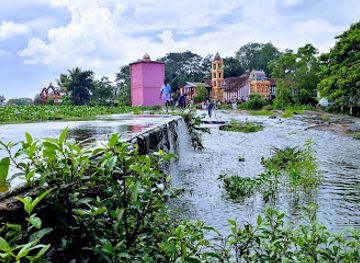

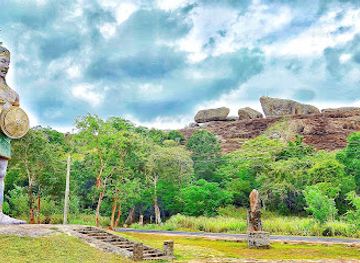
Best landmarks in Vavuniya District
Nestled in the northern heart of Sri Lanka, the Vavuniya District offers a captivating blend of cultural heritage and natural beauty for the intrepid traveler. The iconic Madukanda Vihara, with its ancient Buddhist relics and serene atmosphere, invites visitors to step back in time, while the sprawling ruins of the Vanni Archeological Museum reveal the rich tapestry of the region's history. Nature enthusiasts can explore the lush greenery and diverse wildlife of the Vavuniya Reservoir and the scenic Periyakulam Lake, perfect for peaceful boat rides and picturesque sunsets. The district also boasts the enchanting Kandasamy Kovil, a vibrant Hindu temple adorned with intricate carvings and colorful festivals that provide a glimpse into the local customs and spirituality. With its blend of history, culture, and natural splendor, Vavuniya District promises a truly immersive and unforgettable experience.
-
Hotel
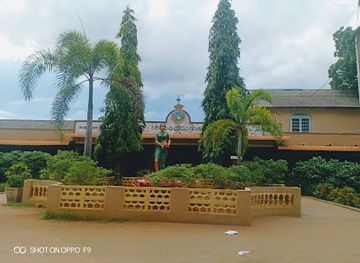
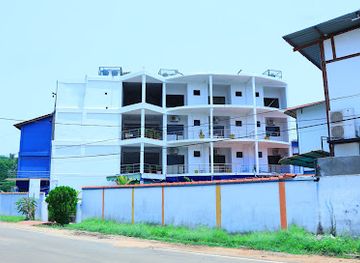
Vanni Inn
Discover the charm of Vavuniya at Vanni Inn, where comfort meets local hospitality for an unforgettable stay in Northern Sri Lanka.
-
Hotel
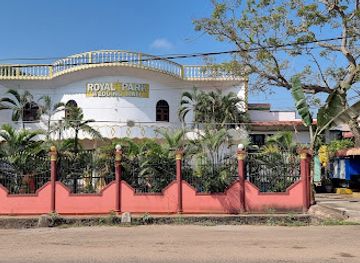
Royal Garden Guest House & Restaurant
Discover the perfect blend of comfort and authentic Sri Lankan cuisine at the Royal Garden Guest House & Restaurant in Vavuniya.
-
Railway services
Railway Station - Vavuniya | දුම්රිය ස්ථානය - වවුනියාව | புகையிரத நிலையம் - வவுனியா
Explore the vibrant atmosphere and rich heritage of Vavuniya Railway Station, a historic landmark connecting travelers to the beauty of Sri Lanka.
-
Hindu temple
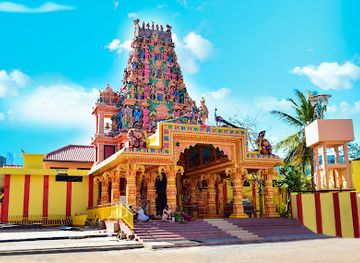
Kandasamy Kovil, கந்தசாமி கோவில்
Discover the spiritual and architectural wonders of Kandasamy Kovil, a Hindu temple rich in history and cultural significance in Vavuniya, Sri Lanka.
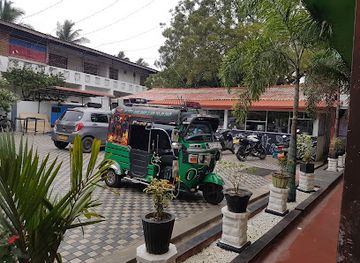
Explore Vavuniya District on the map
Plan your trip on one map. See where the top cities, national parks and sights are, and book hotels and experiences in a few clicks.
Best hotels in Vavuniya District
Best restaurants in Vavuniya District
The dining scene in Vavuniya District is a tantalizing fusion of flavors and traditions that reflect the rich cultural tapestry of northern Sri Lanka. Visitors can expect to indulge in a variety of authentic Tamil cuisine, with dishes like aromatic biryanis, spicy curries, and freshly made dosas taking center stage. Street food stalls offer local delicacies such as vadai and kottu roti, while quaint family-owned eateries serve mouthwatering seafood prepared with freshly caught fish from nearby waters. The district's culinary landscape also features a selection of vegetarian and vegan options, ensuring that every palate is catered to. Between meals, guests can savor the unique experience of sipping on freshly brewed Ceylon tea or indulging in sweet treats like jalebi and laddu. Each meal in Vavuniya is not just a feast for the stomach but a journey through the region's history and traditions.
-
Restaurant
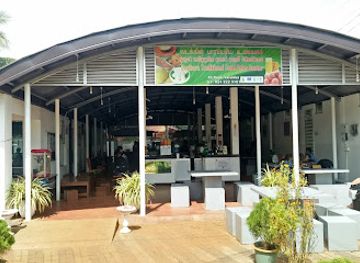
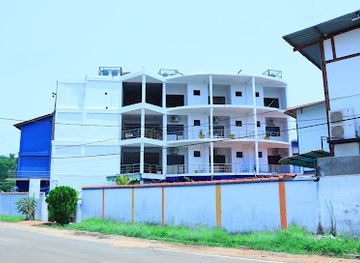
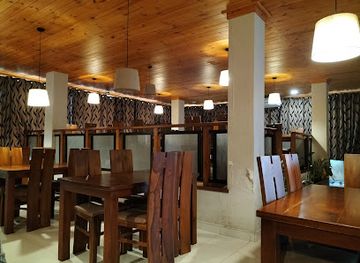
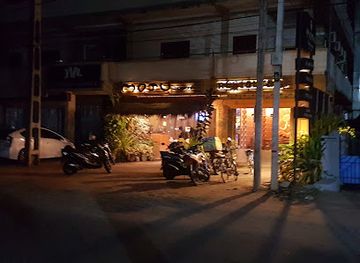
Moju Restaurant
Experience authentic Sri Lankan cuisine at Moju Restaurant in Vavuniya - where every dish tells a story.
-
Vegetarian
Ammachchi Traditional Food Center
Experience authentic Northern Sri Lankan vegetarian cuisine at Ammachchi Traditional Food Center in Vavuniya.
-
Hotel
Nelly Star Hotel
Discover comfort and flavorful Sri Lankan and Indian cuisine at Nelly Star Hotel in Vavuniya.
-
Restaurant
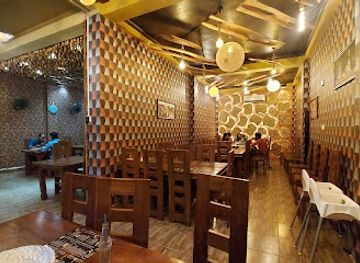
White Stone
Discover exquisite Asian cuisine at White Stone in Vavuniya - a must-visit culinary destination for all food lovers.
Best bars in Vavuniya District
Vavuniya District in Sri Lanka, while primarily known for its rich historical sites and serene landscapes, also offers a unique and captivating nightlife experience that subtly blends local culture with modern entertainment. As the sun sets, the district's modest array of bars and clubs come to life, providing a cozy yet vibrant atmosphere where visitors can unwind. Expect to find charming local pubs adorned with traditional decor, offering an array of local brews and spirits, often accompanied by live music performances that showcase traditional Tamil melodies and modern beats. Some venues even host cultural shows featuring traditional dance and folklore, creating an immersive experience that allows tourists to soak in the local heritage while enjoying their evening. Additionally, night markets and food stalls spring up, offering a variety of local delicacies and street food that tantalize the taste buds, making for a memorable nocturnal adventure in Vavuniya District.
-
Restaurant
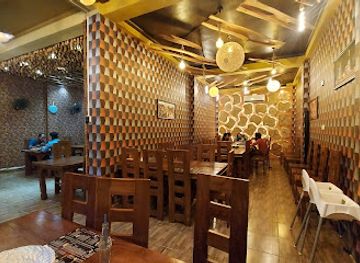
Moju Restaurant
Savor the rich flavors of local and international cuisine at Moju Restaurant in Vavuniya, a must-visit for food enthusiasts.
-
 Hotel
HotelOviya Hotel And Maharaja Restaurant
Discover the heart of Vavuniya at Oviya Hotel and Maharaja Restaurant, where comfort meets authentic Sri Lankan flavors.
-
Restaurant
White Stone
Discover the authentic taste of Asian cuisine at White Stone, a top restaurant in Vavuniya, offering a delightful dining experience for all.
-
Hotel
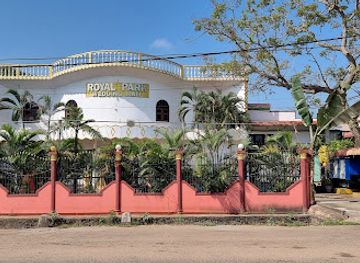
Royal Garden Guest House & Restaurant
Discover the authentic taste of Sri Lanka at Royal Garden Guest House & Restaurant, where comfort meets culture in Vavuniya.

Best nightclubs in Vavuniya District
Vavuniya District in Sri Lanka, while primarily known for its rich historical sites and serene landscapes, also offers a unique and captivating nightlife experience that subtly blends local culture with modern entertainment. As the sun sets, the district's modest array of bars and clubs come to life, providing a cozy yet vibrant atmosphere where visitors can unwind. Expect to find charming local pubs adorned with traditional decor, offering an array of local brews and spirits, often accompanied by live music performances that showcase traditional Tamil melodies and modern beats. Some venues even host cultural shows featuring traditional dance and folklore, creating an immersive experience that allows tourists to soak in the local heritage while enjoying their evening. Additionally, night markets and food stalls spring up, offering a variety of local delicacies and street food that tantalize the taste buds, making for a memorable nocturnal adventure in Vavuniya District.
-
Restaurant
Moju Restaurant
Experience authentic Sri Lankan flavors at Moju Restaurant in Vavuniya, where every dish tells a story of local culinary traditions.
-
Disco club
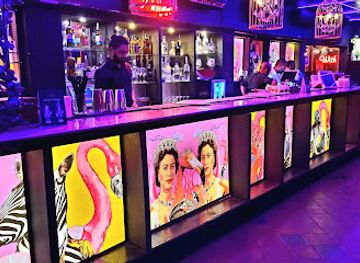
The Love Bar at Flamingo House
Experience the electrifying nightlife at The Love Bar in Colombo, where vibrant music, innovative cocktails, and a lively atmosphere await.
-
Hotel
UDA Lanka RestHouses Ltd Vavuniya තානායම வவுனியா
Discover the hospitality and comfort of UDA Lanka RestHouses Ltd in Vavuniya, your gateway to Northern Sri Lanka's beauty and culture.
-
Night club
Trinco town
Experience the vibrant nightlife of Trinco Town, where stunning beaches meet energetic nightclubs and local culture flourishes.

Best shops in Vavuniya District
Vavuniya District offers an eclectic shopping experience that blends the charm of traditional Sri Lankan markets with modern retail conveniences. Visitors can explore bustling bazaars like the Vavuniya Market, where vibrant stalls overflow with fresh produce, aromatic spices, and handcrafted goods that reflect local craftsmanship. The district is also known for its unique boutiques specializing in textiles, where you can find intricately designed saris and other traditional garments. Don't miss the chance to purchase exquisite handmade pottery and artisanal jewelry, which serve as perfect souvenirs of your visit. Whether you're hunting for unique gifts or simply soaking in the local culture, Vavuniya's shopping scene provides a captivating glimpse into the region's rich heritage and diverse offerings.
-
Supermarket
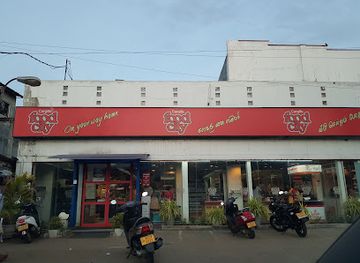
Cargills Food City - Vavuniya
Discover the flavors of Sri Lanka at Cargills Food City - Vavuniya, a vibrant supermarket offering local and international culinary delights.
-
Restaurant
Moju Restaurant
Experience the vibrant flavors of Sri Lankan cuisine at Moju Restaurant, a culinary haven in Vavuniya offering diverse dishes and warm hospitality.
-
Hotel
Oviya Hotel And Maharaja Restaurant
Discover the charm of Vavuniya at Oviya Hotel And Maharaja Restaurant, where comfort meets authentic Sri Lankan flavors for an unforgettable experience.
-
Hotel
Nelly Star Hotel
Discover the charm of Vavuniya while enjoying comfort and convenience at Nelly Star Hotel, your ideal stay in Sri Lanka.
Get your free copy of our complete guide to Vavuniya District, delivered straight to you.
Everything on this page, from attractions and restaurants to essentials and local phrases, in one PDF you can read offline, print or share.
Already have an account? Sign in
Your Vavuniya District guide is ready.
We'll send it to · Not you? Sign out

Getting your guide ready…
We are putting together a fresh copy of the Vavuniya District guide. This can take up to a minute.
This can take a few moments. If your browser asks, choose Allow so the download can start. You'll find the guide in your Downloads folder.
Nothing happened? Download it again
Sorry, the guide is taking longer than usual. Please try again in a minute, or get it by email instead.
Vavuniya District essentials
Currency and Payment
Safety
Emergency Situations
Do's and Don'ts
Local Tips
From Eve
Local phrases worth knowing
You don't need to get them perfect. A few words go a long way, and locals appreciate the effort.
Basics
| English | Local | Say it |
|---|---|---|
| Hello | ආයුබෝවන් | [Āyubōvan] |
| Goodbye | ගෞරවයෙන් පිටවන්න | [Gauravayen piṭavanna] |
| Yes | ඔව් | [Ov] |
| No | නැහැ | [Næhæ] |
| Please/You're welcome | කරුණාකර/ස්තුතියි | [Karunākara/Sthūthiyi] |
| Thank you | ස්තුතියි | [Sthūthiyi] |
| Excuse me/Sorry | කණගාටුයි | [Kaṇagāṭuyi] |
| How are you? | ඔබට කෙසේද? | [Obaṭa kesēda?] |
| Fine. And you? | හොඳයි. ඔබට? | [Hoṇḍayi. Obaṭa?] |
| Do you speak English? | ඔබට ඉංග්රීසි කතා කරන්න ද? | [Obaṭa iṅgrīsi kathā karanna da?] |
| I don't understand | මට තේරෙන්නේ නැහැ | [Maṭa thērēnnē næhæ] |
Eating & Drinking
| English | Local | Say it |
|---|---|---|
| I'd like to see the menu, please | කරුණාකර මෙනුව බලන්න | [Karunākara menuva balanna] |
| I don't eat meat | මට මස් කෑමක් නැහැ | [Maṭa mas kēmak næhæ] |
| Cheers! | සතුටින්! | [Satuṭin!] |
| I would like to pay, please | කරුණාකර මට ගෙවන්න | [Karunākara maṭa gevanna] |
Emergencies
| English | Local | Say it |
|---|---|---|
| Help! | ආධාර කරන්න! | [Ādhāra karanna!] |
| Go away! | ඉවතට යන්න! | [Iwatata yanna!] |
| Call the Police! | පොලීසිය කැදවුම් කරන්න! | [Polīsiya kædavuṁ karanna!] |
| Call a doctor! | කොවිඩ් කැදවුම් කරන්න! | [Kovid kædavuṁ karanna!] |
| I'm lost | මට අහිමි වුණා | [Maṭa ahimi vuṇā] |
| I'm ill | මට රෝගීයි | [Maṭa rōgīyi] |
Shopping
| English | Local | Say it |
|---|---|---|
| I'd like to buy... | මට මිලදී ගැනීමට අවශ්යයි... | [Maṭa milādī gænīmaṭa avashyai...] |
| I'm just looking | මම බලනවා | [Mama balanavā] |
| How much is it? | එය කොච්චරද? | [Eya kochcharada?] |
| That's too expensive | එය බොහෝ මිලකට | [Eya bohō milakaṭa] |
| Can you lower the price? | මිල අඩු කරන්න පුළුවන්ද? | [Mila aḍu karanna puḷuvanda?] |
Time & Numbers
| English | Local | Say it |
|---|---|---|
| What time is it? | දැන් කීයද? | [Dæn kīyada?] |
| It's one o'clock | එය එකයි | [Eya ekayi] |
| Half past (10) | අර්ධය (10) | [Ardhaya (10)] |
| Morning | උදේ | [Udē] |
| Afternoon | දවසේ පසුව | [Davasē pasuwa] |
| Evening | සන්ධ්යාව | [Sandhyāva] |
| Yesterday | ඊයේ | [Īyē] |
| Today | අද | [Ada] |
| Tomorrow | හෙට | [Heṭa] |
| 1 | 1 | [1] |
| 2 | 2 | [2] |
| 3 | 3 | [3] |
| 4 | 4 | [4] |
| 5 | 5 | [5] |
| 6 | 6 | [6] |
| 7 | 7 | [7] |
| 8 | 8 | [8] |
| 9 | 9 | [9] |
| 10 | 10 | [10] |
Transport & Directions
| English | Local | Say it |
|---|---|---|
| Where's a/the...? | කොහේද ...? | [Koheda ...?] |
| What's the address? | ලිපිනය කුමක්ද? | [Lipinaya kumakda?] |
| Can you show me (on the map)? | මට පෙන්වන්න (නක්ශාවෙන්)? | [Maṭa penvanna (nakṣāvēn)?] |
| When's the next (bus)? | ඊළඟ බස් කවදද? | [Īlaṅga bas kavadada?] |
| A ticket (to ....) | එක ටිකට්පතක් (....) | [Eka ṭikaṭpathak (....)] |
History of Vavuniya District
Ancient Beginnings
The Vavuniya District, located in the Northern Province of Sri Lanka, has a rich history that dates back to ancient times. This region was once part of the ancient Tamil kingdoms, which played a significant role in the cultural and political landscape of Sri Lanka. Archaeological evidence suggests that the area was inhabited as early as the prehistoric period, with numerous artifacts and remnants of ancient settlements being discovered.
Medieval Era and Chola Influence
During the medieval era, the Vavuniya District came under the influence of the Chola dynasty from South India. The Cholas were known for their military prowess and administrative skills. They established a strong presence in the northern parts of Sri Lanka, including Vavuniya, which served as a strategic location for their campaigns. The Chola influence is evident in the architectural styles of temples and other structures found in the region.
Colonial Period
The arrival of European colonial powers in the 16th century brought significant changes to Vavuniya District. The Portuguese, Dutch, and British all left their mark on the region. Under British rule, Vavuniya was developed as an administrative and transportation hub, with the construction of roads and railways. The remnants of colonial architecture and infrastructure can still be seen today, providing a glimpse into the district's colonial past.
Post-Independence and Civil Conflict
After Sri Lanka gained independence in 1948, Vavuniya District experienced significant socio-political changes. The district became a focal point during the Sri Lankan Civil War, which lasted from 1983 to 2009. Vavuniya served as a critical military and logistical base for both the Sri Lankan government forces and the Liberation Tigers of Tamil Eelam (LTTE). The war had a profound impact on the local population and infrastructure, with many historical sites being damaged or destroyed.
Cultural Heritage and Traditions
Despite the trials of war, the Vavuniya District has managed to preserve its rich cultural heritage. The region is home to a diverse population, including Sinhalese, Tamils, and Muslims, each contributing to the cultural mosaic. Traditional Tamil festivals such as Thai Pongal and Deepavali are celebrated with great fervor, and the district is dotted with ancient temples, mosques, and churches that reflect its multicultural heritage. The Vavuniya Public Library, one of the main cultural landmarks, houses a vast collection of books and manuscripts, preserving the literary heritage of the region.
Modern-Day Vavuniya
In recent years, Vavuniya District has been on a path to recovery and development. Efforts have been made to rebuild infrastructure, promote tourism, and enhance the quality of life for its residents. The district's natural beauty, including lush forests and serene lakes, along with its historical sites, makes it an emerging destination for travelers seeking to explore the northern part of Sri Lanka. Local markets offer a taste of traditional cuisine and handicrafts, providing an immersive experience into the daily life and culture of Vavuniya.
Vavuniya District in Photos
Browse through our photo collection highlighting the charm and character of the destination.
Neighbouring regions of Vavuniya District
The closest regions to Vavuniya District, if you have time for more than one.
-

-

-
-

-


Swipe for more regions
Explore more

Explore more of Sri Lanka
Discover Sri Lanka: Rich culture, stunning landscapes, and warm hospitality await you in this tropical paradise. Explore ancient cities, wildlife, tea plantations, and pristine beaches.
Explore Sri Lanka