

Free Jaffna Peninsula Travel Guide & Mobile App
Explore Jaffna Peninsula with free travel guides. Discover regional history, expert tips, proposed trips, and audio guides on web or mobile app.


Explore Jaffna Peninsula for Hindu temples, Dutch history, palmyra cuisine, northern Tamil culture and bright coastal landscapes in Sri Lanka.
Read more about Jaffna Peninsula
When is the best time to visit Jaffna Peninsula?
Best: January–March · 29–30°C| Month | High (°C) | Rainfall (mm) |
|---|---|---|
| January (best) | 29 | 30 |
| February (best) | 29 | 20 |
| March (best) | 30 | 30 |
| April | 31 | 40 |
| May | 31 | 50 |
| June | 31 | 60 |
| July | 31 | 50 |
| August | 31 | 60 |
| September | 31 | 70 |
| October | 30 | 120 |
| November | 30 | 170 |
| December | 29 | 140 |
Getting to and around Jaffna Peninsula
How to get there
Transportation
Top city travel guides in Jaffna Peninsula
The cities of Jaffna Peninsula, and the easiest places to base yourself.

Swipe for more cities
Best attractions in Jaffna Peninsula
The Jaffna Peninsula’s attractions combine living religious institutions, colonial history, archaeology and open coastal landscapes. In Jaffna town, the Dutch Fort offers broad views across the lagoon and a tangible reminder of the peninsula’s strategic maritime position, while the Jaffna Public Library introduces the region’s literary and civic history. Nallur Kandaswamy Kovil is a major centre of Saiva Hindu worship, best approached as an active place of devotion rather than simply as a monument. Outside town, Kantharodai’s small stupas provide an important archaeological perspective on early northern Sri Lanka, and Keerimalai brings together a sacred spring, a coastal setting and Hindu pilgrimage traditions. Point Pedro offers a different atmosphere, with fishing activity and exposed northern shores. Rural roads pass fields, palmyra groves, village shrines and lagoons, making guided drives or cycling useful ways to understand the landscape between formal sights. The peninsula also provides access to separate excursions on nearby islands, but these should be planned independently because transport arrangements and travel conditions vary. The strongest appeal lies in the relationship between place and culture: temples remain active, food traditions are closely tied to the dry-zone environment, and recent history is visible in both restored institutions and quieter, less formal landscapes.
-
Hindu temple
Nallur Kandaswamy Devasthanam
Discover the spiritual and cultural heart of Jaffna at Nallur Kandaswamy Devasthanam, a stunning Hindu temple rich in history and tradition.
-
Fortress
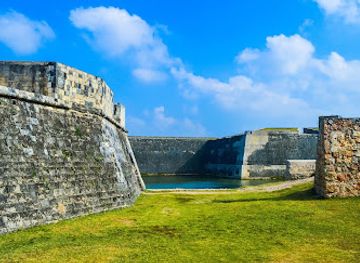
Dutch Fort - Jaffna
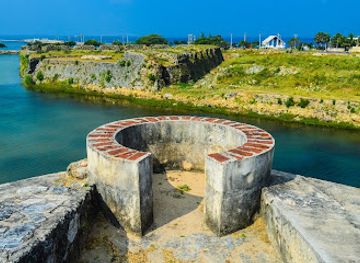
Discover the Dutch Fort in Jaffna, a historical fortress showcasing colonial architecture and rich cultural heritage in Sri Lanka.
-
Nagadeepa Temple
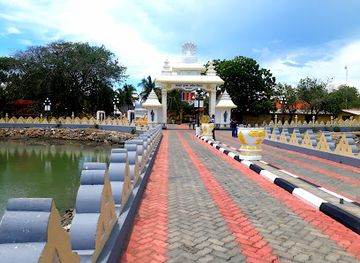
Discover the tranquil beauty and spiritual significance of Nagadeepa Temple, a must-visit Buddhist landmark in Sri Lanka's Nainativu.
-
Bridge
Sangupiddi Bridge
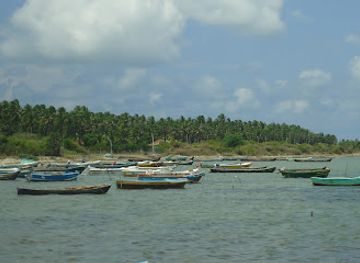
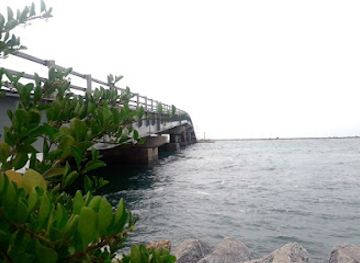
Explore Sangupiddi Bridge, a stunning gateway to Jaffna, where breathtaking views meet rich Tamil heritage and vibrant local culture.
Best landmarks in Jaffna Peninsula
Jaffna Fort is the peninsula’s most recognisable colonial landmark, occupying a defensive position beside the lagoon and revealing the importance of northern Sri Lanka to Portuguese and Dutch maritime administration. Its walls and angular bastions frame views that extend beyond the town towards the water, although parts of the complex have been affected by war and later restoration. Nallur Kandaswamy Kovil is the region’s great living religious landmark: its towering entrance, ceremonial spaces and strict ritual customs express the continuing importance of Saiva Hindu worship in Jaffna. The reconstructed Jaffna Public Library is a civic and cultural landmark whose significance lies as much in its history of destruction and recovery as in its architecture. At Kantharodai, the cluster of small ancient stupas creates a distinctive archaeological landscape among the settlements of the peninsula. Keerimalai’s sacred spring and nearby coast connect natural setting with pilgrimage, while Point Pedro represents the exposed northern edge of the landmass and its long relationship with fishing and the sea. Together these places show the peninsula through several lenses—fortification, faith, scholarship, archaeology and geography—rather than reducing its identity to a single historical period.
-
Fortress
Dutch Fort - Jaffna
Discover the rich colonial history and stunning coastal views at the Dutch Fort in Jaffna, a must-visit historical landmark in Sri Lanka.
-
Tourist attraction
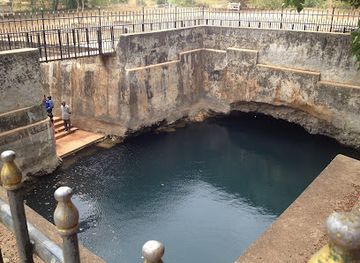
Nilavarai, Natural underground water well | நிலாவரை, இயற்கை நிலத்தடி நீர் கிணறு | නිලවරායි, ස්වභාවික භූගත ජල ළිඳ
Explore the mystical Nilavarai Underground Water Well, a unique natural wonder steeped in history and local folklore, located in the heart of Sri Lanka.
-
Historical landmark
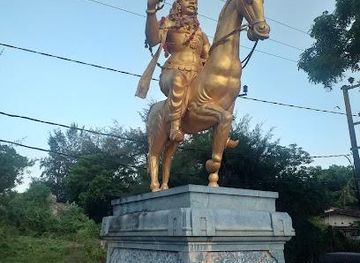
King Sangiliyan's Statue
Discover the historic significance of King Sangiliyan's Statue in Jaffna, a captivating landmark reflecting Sri Lanka's rich cultural heritage.
-
Historical landmark
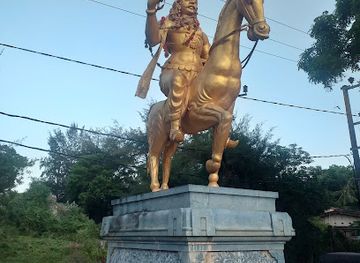
King Sangiliyan's Statue
Discover the rich heritage of Jaffna at the King Sangiliyan's Statue, a historical landmark symbolizing the region's cultural significance.
Explore Jaffna Peninsula on the map
Plan your trip on one map. See where the top cities, national parks and sights are, and book hotels and experiences in a few clicks.
Best hotels in Jaffna Peninsula
Best restaurants in Jaffna Peninsula
Jaffna cooking is one of Sri Lanka’s most clearly regional food traditions, with assertive spices, seafood, souring agents and dry-zone ingredients used in dishes served at family eateries, hotel restaurants and market stalls. Crab curry is particularly associated with the peninsula, while prawns, fish, mutton and vegetable preparations appear in different combinations according to season and household style. Meals are commonly accompanied by rice, sambals, pickles and dosai or other South Indian-influenced breads. Palmyra is central to the local food culture: visitors may encounter its fruit, treacle, jaggery and flour-based products, although availability varies. Jaffna town has the widest choice, from informal rice-and-curry restaurants to cafés and contemporary dining rooms, whereas smaller settlements offer a more limited but often more locally focused selection. Spice levels can be high, so ask for a milder preparation if needed. Vegetarian food is widely available, particularly around Hindu religious communities, and seafood is prominent in coastal areas. Markets are useful for seeing the ingredients behind the cuisine, but visitors should choose busy establishments with good food turnover and take care with unbottled water.
-
Hotel
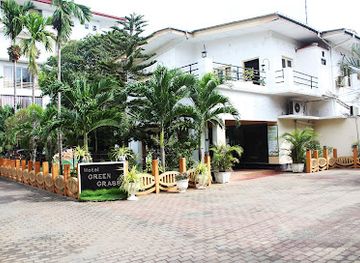
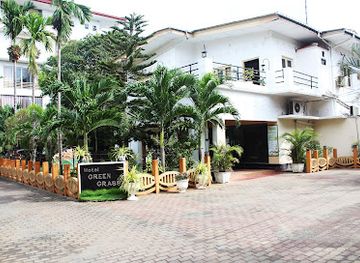
Green Grass Hotel & Restaurant (Pvt) Ltd.
Discover comfort and authentic flavors at Green Grass Hotel & Restaurant in Jaffna - where hospitality meets local cuisine.
-
Restaurant
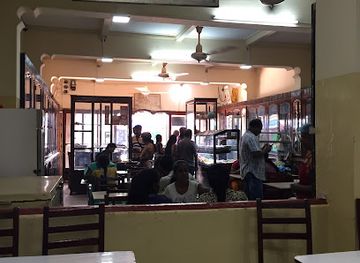
Malayan Cafe - Jaffna
Discover the rich flavors of Sri Lankan cuisine at Malayan Cafe in Jaffna - home to the best roti and authentic local dishes.
-
Restaurant
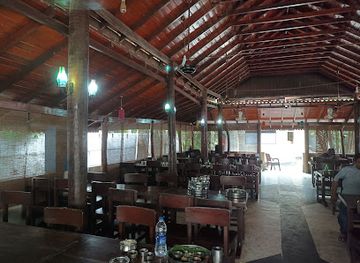
Mangos Indian Veg
Experience authentic vegetarian Indian cuisine at Mangos Indian Veg in Jaffna - where every dish tells a flavorful story.
-
Vegetarian
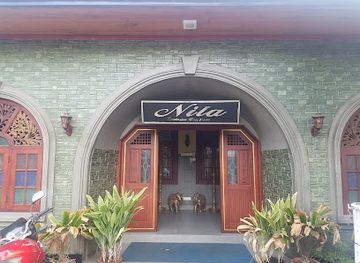
Akshathai/Nila
Experience the authentic flavors of Sri Lankan vegetarian cuisine at Akshathai/Nila in Jaffna.
Best bars in Jaffna Peninsula
Evening life on the Jaffna Peninsula is quieter and more socially centred than the nightlife of Colombo or Sri Lanka’s main beach resorts. Jaffna town has hotel bars, restaurants and a small selection of informal evening venues, while traditional tea shops and cafés are common places to pause after sunset. Alcohol is available in licensed establishments, but it is not central to the region’s cultural life, and some religious or family-oriented areas maintain a more restrained atmosphere. Outside town, evenings usually revolve around family gatherings, temple activity, small eateries and local shops rather than clubs. Live music and celebrations may accompany weddings, religious festivals or seasonal events, although these are not necessarily public tourist programmes. Visitors should check local advice about festival access and dress, particularly around Nallur. Because the peninsula can be hot during the day, an early dinner and a quiet evening often suit the climate better than late-night travel between dispersed villages. Transport becomes more limited away from Jaffna town, so arrange a return journey in advance rather than assuming that a three-wheeler or taxi will be immediately available.
-
Ice Cream
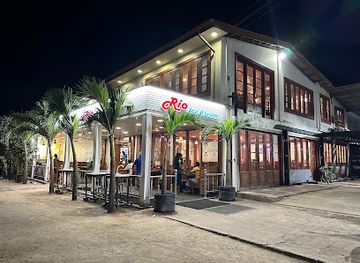
Rio Ice Cream - Jaffna
Discover a world of unique flavors at Rio Ice Cream in Jaffna, where every scoop is a delightful adventure in taste.
-
Restaurant
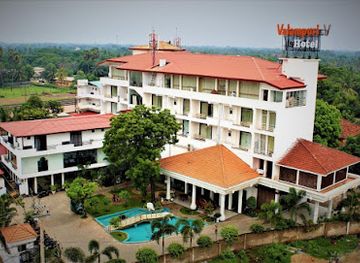
Valampuri Hotel
Indulge in the rich flavors of Sri Lanka at Valampuri Hotel, Jaffna's premier destination for authentic cuisine and warm hospitality.
-
Hotel
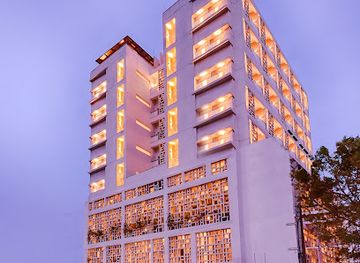
Jetwing Jaffna
Discover the elegance and cultural richness of Jaffna at Jetwing Jaffna, an exquisite hotel blending luxury with local charm.
-
Restaurant
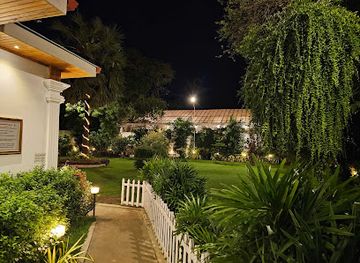
J Hotels Jaffna
Experience the flavors of Sri Lanka at J Hotels Jaffna, a premier restaurant and event venue offering exquisite dishes and exceptional service.
Best nightclubs in Jaffna Peninsula
Evening life on the Jaffna Peninsula is quieter and more socially centred than the nightlife of Colombo or Sri Lanka’s main beach resorts. Jaffna town has hotel bars, restaurants and a small selection of informal evening venues, while traditional tea shops and cafés are common places to pause after sunset. Alcohol is available in licensed establishments, but it is not central to the region’s cultural life, and some religious or family-oriented areas maintain a more restrained atmosphere. Outside town, evenings usually revolve around family gatherings, temple activity, small eateries and local shops rather than clubs. Live music and celebrations may accompany weddings, religious festivals or seasonal events, although these are not necessarily public tourist programmes. Visitors should check local advice about festival access and dress, particularly around Nallur. Because the peninsula can be hot during the day, an early dinner and a quiet evening often suit the climate better than late-night travel between dispersed villages. Transport becomes more limited away from Jaffna town, so arrange a return journey in advance rather than assuming that a three-wheeler or taxi will be immediately available.
-
Hotel
Green Grass Hotel & Restaurant (Pvt) Ltd.
Discover the perfect blend of comfort and delicious cuisine at Green Grass Hotel & Restaurant in Jaffna, where local flavors meet exceptional hospitality.
-
Movie theater
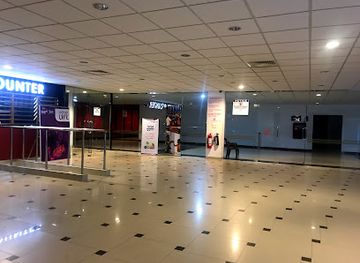
Majestic Cineplex
Discover the cinematic charm at Majestic Cineplex, Jaffna's premier movie theater showcasing the latest films in a vibrant atmosphere.
-
Disco club
The Love Bar at Flamingo House
Discover Colombo's vibrant nightlife at The Love Bar, where electrifying music and delicious cocktails create an unforgettable experience.
-
Concert hall
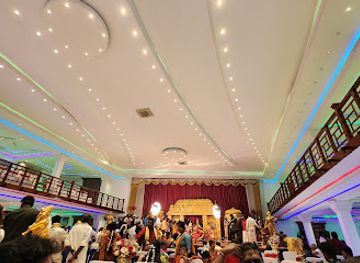
Samuthira Mahal Function Hall - Uduvil
Explore Uduvil's rich culture at Samuthira Mahal Function Hall, a vibrant venue for concerts and local celebrations.

Best shops in Jaffna Peninsula
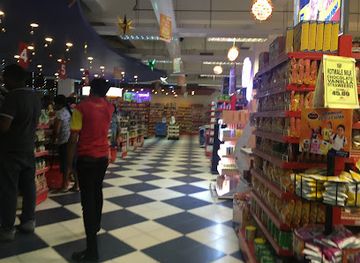
Shopping on the Jaffna Peninsula is concentrated in Jaffna town, where busy streets, small arcades, textile sellers, jewellers, bookshops and food retailers serve local residents as well as visitors. The town’s markets are useful for seasonal fruit, vegetables, spices, dried seafood and everyday ingredients, although they are working markets rather than staged attractions. Palmyra products are the most distinctive regional purchases, ranging from treacle and jaggery to flour-based foods, handicrafts and woven items; packaging and availability vary, so check what can travel safely. Hindu religious items, brassware, textiles and devotional materials are sold near temple areas, but visitors should buy respectfully and avoid treating sacred objects as casual souvenirs. Independent shops in Jaffna also stock Tamil-language books, music and household goods that reflect the peninsula’s cultural links with South India and the wider diaspora. Smaller towns and villages have basic provisions rather than a broad tourist retail scene. For food gifts, choose sealed products and confirm expiry information, particularly in hot weather. Bargaining is sometimes possible in informal markets, but a courteous approach is more appropriate than aggressive negotiation.
-
Market
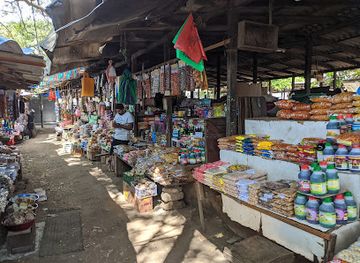
Jaffna Market
Explore Jaffna Market, a cultural hub full of vibrant colors, authentic flavors, and local craftsmanship in the heart of Jaffna, Sri Lanka.
-
Grocery store
Cargills Square
Explore Cargills Square in Jaffna for a unique blend of groceries and delicious cakes, perfect for every food lover.
-
Gift shop
YarlOlai Gifts
Explore YarlOlai Gifts for unique souvenirs and local handicrafts that reflect the rich culture of Jaffna, Sri Lanka.
-
Cell phone accessory store
Jaffna Online Shopping
Explore Jaffna Online Shopping for the best mobile accessories and exceptional service in the heart of Jaffna.
Get your free copy of our complete guide to Jaffna Peninsula, delivered straight to you.
Everything on this page, from attractions and restaurants to essentials and local phrases, in one PDF you can read offline, print or share.
Already have an account? Sign in
Your Jaffna Peninsula guide is ready.
We'll send it to · Not you? Sign out

Getting your guide ready…
We are putting together a fresh copy of the Jaffna Peninsula guide. This can take up to a minute.
This can take a few moments. If your browser asks, choose Allow so the download can start. You'll find the guide in your Downloads folder.
Nothing happened? Download it again
Sorry, the guide is taking longer than usual. Please try again in a minute, or get it by email instead.
Jaffna Peninsula essentials
Currency and Payment
Safety
Emergency Situations
Do's and Don'ts
Local Tips
From Eve
Local phrases worth knowing
You don't need to get them perfect. A few words go a long way, and locals appreciate the effort.
Basics
| English | Local | Say it |
|---|---|---|
| Hello | வணக்கம் | [Vaṇakkam] |
| Goodbye | பிரியாவிடை | [Priyāviṭai] |
| Yes | ஆம் | [Ām] |
| No | இல்லை | [Illai] |
| Please/You're welcome | தயவு செய்து | [Tayavu seytu] |
| Thank you | நன்றி | [Naṉri] |
| Excuse me/Sorry | மன்னிக்கவும் | [Maṉṉikkavum] |
| How are you? | நீங்கள் எப்படி இருக்கிறீர்கள்? | [Nīṅkaḷ eppaṭi irukkiṟīrkaḷ?] |
| Fine. And you? | நல்லது. நீங்கள்? | [Nallatu. Nīṅkaḷ?] |
| Do you speak English? | நீங்கள் ஆங்கிலம் பேசுகிறீர்களா? | [Nīṅkaḷ āṅkiḷam pēcukiṟīrkaḷā?] |
| I don't understand | எனக்கு புரியவில்லை | [Eṉakku puriyavillai] |
Eating & Drinking
| English | Local | Say it |
|---|---|---|
| I'd like to see the menu, please | மெனுவைப் பார்க்க விரும்புகிறேன் | [Meṉuvai pārkka virumpukiṟēṉ] |
| I don't eat meat | நான் இறைச்சி சாப்பிடமாட்டேன் | [Nāṉ iṟaicci sāppiṭamāṭṭēṉ] |
| Cheers! | சுகாதாரத்திற்கு! | [Sugātāratthirku!] |
| I would like to pay, please | நான் கட்டணம் செலுத்த விரும்புகிறேன் | [Nāṉ kaṭṭaṇam celutta virumpukiṟēṉ] |
Emergencies
| English | Local | Say it |
|---|---|---|
| Help! | உதவி! | [Utavi!] |
| Go away! | போய் விடு! | [Pōy viṭu!] |
| Call the Police! | போலிஸை அழைக்க! | [Pōlisaik azhaikka!] |
| Call a doctor! | ஒரு மருத்துவரை அழைக்க! | [Oru maruttuvarai azhaikka!] |
| I'm lost | நான் தவறினேன் | [Nāṉ tavariṉēṉ] |
| I'm ill | நான் உடல்நலக்குறைவு | [Nāṉ uṭalnalakkuṟaivu] |
Shopping
| English | Local | Say it |
|---|---|---|
| I'd like to buy... | நான் வாங்க விரும்புகிறேன்... | [Nāṉ vāṅka virumpukiṟēṉ...] |
| I'm just looking | நான் மட்டும் பார்க்கிறேன் | [Nāṉ maṭṭum pārkkiṟēṉ] |
| How much is it? | அது எவ்வளவு? | [Athu evvaḷavu?] |
| That's too expensive | அது மிகவும் mahal | [Athu mikavum mahal] |
| Can you lower the price? | விலை குறைக்க முடியுமா? | [Viḷai kuṟaikka muṭiyumā?] |
Time & Numbers
| English | Local | Say it |
|---|---|---|
| What time is it? | இந்த நேரம் என்ன? | [Inta nēram eṉṉa?] |
| It's one o'clock | இதுவரை ஒரு மணி | [Ituvarai oru maṇi] |
| Half past (10) | பத்து மணிக்கு பாதி | [Pattu maṇikku pāti] |
| Morning | காலை | [Kālai] |
| Afternoon | மாலை | [Mālai] |
| Evening | மாலை | [Mālai] |
| Yesterday | நேற்று | [Nēṟṟu] |
| Today | இன்று | [Iṉṟu] |
| Tomorrow | நாளை | [Nāḷai] |
| 1 | 1 | [1] |
| 2 | 2 | [2] |
| 3 | 3 | [3] |
| 4 | 4 | [4] |
| 5 | 5 | [5] |
| 6 | 6 | [6] |
| 7 | 7 | [7] |
| 8 | 8 | [8] |
| 9 | 9 | [9] |
| 10 | 10 | [10] |
Transport & Directions
| English | Local | Say it |
|---|---|---|
| Where's a/the...? | எங்கு...? | [Eṅku...?] |
| What's the address? | முகவரி என்ன? | [Mugavari eṉṉa?] |
| Can you show me (on the map)? | நீங்கள் (படத்தில்) எனக்கு காட்ட முடியுமா? | [Nīṅkaḷ (paṭattil) eṉakku kāṭṭa muṭiyumā?] |
| When's the next (bus)? | அடுத்த (பஸ்) எப்போது? | [Aṭutta (pas) eppōtu?] |
| A ticket (to ....) | ஒரு சீட்டு (....க்கு) | [Oru cīṭṭu (....kku)] |
History of Jaffna Peninsula
Early Settlements and Kantharodai
The Jaffna Peninsula has a long archaeological history shaped by maritime exchange, farming and contact across the Palk Strait. The site of Kantharodai, or Kadurugoda, near Chunnakam contains the remains of a distinctive complex of small stupas and is generally associated with an early Buddhist presence in the northern region. Its precise chronology and interpretation have been discussed by archaeologists, but the site demonstrates that the peninsula formed part of wider religious and trading networks long before the emergence of the modern town of Jaffna. The dry, open landscape and later development make the surviving remains especially valuable.
The Medieval Kingdom of Jaffna
From approximately the thirteenth century, the Jaffna Kingdom became a major political power in northern Sri Lanka, with its authority centred in the peninsula and extending at different times into parts of the island’s north and east. Tamil-speaking elites, temple institutions and links with South India shaped its culture and economy. Nallur served as the kingdom’s capital, although the surviving urban form does not reproduce the medieval city. The period established historical and cultural associations that remain important to northern Tamil identity, even though later invasions and colonial rebuilding transformed the original landscape.
Portuguese and Dutch Colonial Rule
Portuguese forces captured Jaffna in the early seventeenth century, ending the independent kingdom and introducing a new phase of fortified coastal administration and Catholic missionary activity. The Dutch East India Company displaced the Portuguese in the 1650s and developed Jaffna as an important centre within its northern Sri Lankan network. Jaffna Fort, rebuilt and enlarged under Dutch rule, reflects the peninsula’s strategic position beside the lagoon and maritime routes. Dutch administration also influenced trade, landholding and architecture, leaving a colonial layer that remains visible beside Tamil Hindu and Christian institutions.
British Ceylon and the Expansion of Education
The British incorporated Jaffna into Ceylon in the1790s and reorganised administration, transport and legal structures across the north. Christian missionary schools expanded during the nineteenth century, while Hindu communities developed their own educational and religious institutions in response. The peninsula acquired a reputation for literacy and scholarship, supported by schools, religious colleges and a substantial tradition of overseas migration. Jaffna town’s civic buildings, churches, temples and later library all belong to a modern history in which education became central to social mobility and public life.
The Rise of Nallur and Hindu Public Culture
Nallur Kandaswamy Kovil became a major centre of Saiva Hindu worship in the modern peninsula, particularly after the reconstruction of the temple in the eighteenth century under local patronage. Its festivals, processions and ritual calendar helped shape the public culture of Jaffna, drawing together residents and visitors from across the region and the wider Tamil diaspora. The temple is not simply an architectural monument: it remains a living religious institution. Its continuing importance illustrates how worship, community identity and cultural memory survived the political changes of colonial and post-colonial Sri Lanka.
The Jaffna Public Library and Cultural Loss
The Jaffna Public Library opened in 1933 and grew into one of South Asia’s notable centres of Tamil scholarship, holding books, manuscripts and materials of particular importance to northern Sri Lanka. Its destruction by fire in 1981 became a profound cultural trauma, with the loss extending far beyond the building itself. The library was later reconstructed and reopened, and it now stands as both a working civic institution and a symbol of cultural recovery. Its history reflects the political tensions that preceded the civil war and the enduring importance of knowledge to Jaffna society.
Civil War, Displacement and Reconstruction
The Jaffna Peninsula was deeply affected by the Sri Lankan civil war from the early 1980s until 2009. The region experienced military control, displacement, restrictions on movement, repeated violence and major disruption to education, fishing, farming and family life. Buildings and infrastructure were damaged, while many residents left for other parts of Sri Lanka or overseas. Since the war ended, roads, public institutions and religious sites have been repaired or rebuilt, although social and economic effects remain. Visitors encounter a region still shaped by this recent history, alongside an active and forward-looking civilian culture.
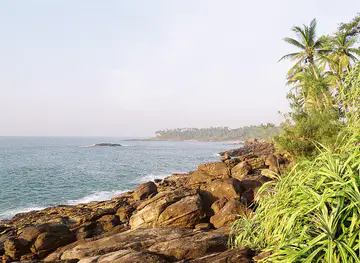
Jaffna Peninsula in Photos
Browse through our photo collection highlighting the charm and character of the destination.
Neighbouring regions of Jaffna Peninsula
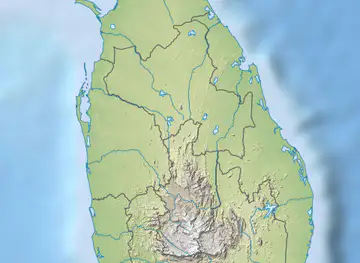
The closest regions to Jaffna Peninsula, if you have time for more than one.
-
-

-
-

-


Swipe for more regions
Explore more

Explore more of Sri Lanka
Discover Sri Lanka: Rich culture, stunning landscapes, and warm hospitality await you in this tropical paradise. Explore ancient cities, wildlife, tea plantations, and pristine beaches.
Explore Sri Lanka