

Free Mannar District Travel Guide & Mobile App
Explore Mannar District with free travel guides. Discover regional history, expert tips, proposed trips, and audio guides on web or mobile app.


Mannar District pairs dry-zone landscapes, bird-rich wetlands, ancient ports, pilgrimage sites and the open shores of Sri Lanka’s north-west.
Read more about Mannar District
When is the best time to visit Mannar District?
Best: January–February, August · 31–33°C| Month | High (°C) | Rainfall (mm) |
|---|---|---|
| January (best) | 31 | 31 |
| February (best) | 32 | 24 |
| March | 33 | 28 |
| April | 34 | 51 |
| May | 34 | 59 |
| June | 33 | 15 |
| July | 33 | 17 |
| August (best) | 33 | 16 |
| September | 33 | 31 |
| October | 31 | 84 |
| November | 30 | 175 |
| December | 30 | 115 |
Getting to and around Mannar District
How to get there
Transportation
Destinations in Mannar District
Resorts, valleys and scenic spots worth a trip of their own.

Swipe for more destinations
Best attractions in Mannar District
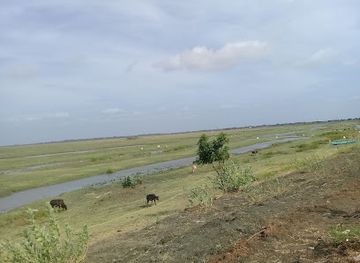
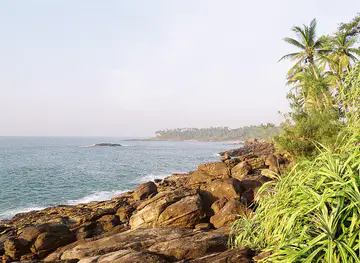
Mannar District’s attractions combine archaeology, pilgrimage, wildlife and open coastal landscapes rather than a dense concentration of conventional tourist facilities. Mannar Fort and the remains of the ancient port at Mantai introduce the district’s long maritime history, while the Catholic Shrine of Our Lady of Madhu and the Hindu temple complex at Thiruketheeswaram remain active centres of worship as well as places of cultural interest. On Mannar Island, the baobab tree and the settlements around Mannar town and Talaimannar offer distinctive reminders of the island’s environmental and trading connections. Nature-based visits focus on the Vankalai wetland system, the Gulf of Mannar coast and Giant’s Tank, where seasonal wetlands attract resident and migratory birds. Fishing villages, lagoons, salt-affected flats and broad beaches provide a strong sense of place, although access and facilities can be basic. Visitors should arrange transport carefully and obtain local advice before entering remote areas, conservation sites or places with restricted access.
-
National park
Wilpattu National Park
Discover the unparalleled wildlife and picturesque landscapes of Wilpattu National Park, Sri Lanka's largest national park and a haven for nature lovers.
-
Tourist attraction
Kattukkarai Kulam
Explore Kattukkarai Kulam, the serene tank in Northern Sri Lanka, perfect for picnics, nature walks, and breathtaking views.
-
Tourist attraction
Vankalai Bird Sanctuary
Explore the diverse avian wonders of Vankalai Bird Sanctuary, a serene retreat for birdwatchers and nature lovers in Sri Lanka.
-
 Tourist attraction
Shell grave
Explore the Shell Grave in Mannar, a historical site revealing ancient burial traditions and captivating coastal beauty.

Best landmarks in Mannar District
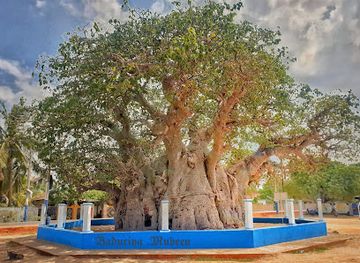
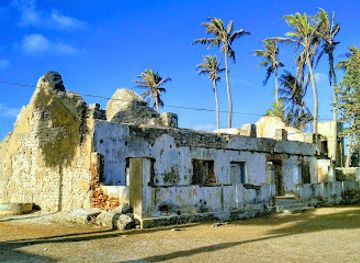
Mannar Fort is the district’s most recognisable colonial landmark, standing beside the harbour as a reminder of Portuguese and Dutch competition for the pearl fisheries and sea routes of the Gulf of Mannar. On Mannar Island, the ancient baobab tree has become an emblem of the district’s dry landscape and long maritime connections. Talaimannar’s old railway and pier area evokes the former transport link between Sri Lanka and India, although the historic sea connection is not a regular public passenger service today. Thiruketheeswaram is a significant Hindu sacred site whose importance reaches beyond its architectural setting, while the Shrine of Our Lady of Madhu is a major Catholic pilgrimage landmark on the mainland. The ancient port landscape of Mantai provides archaeological depth, even though much of its significance is read through excavation and interpretation rather than monumental ruins. Vankalai’s lagoons, mudflats and coastal wetlands form a different kind of landmark: a broad ecological landscape recognised for its importance to waterbirds and migratory species.
-
National park
Wilpattu National Park
Explore Wilpattu National Park: A Tranquil Sanctuary for Wildlife and Nature Enthusiasts in Sri Lanka's Untamed Wilderness.
-
Nature preserve
Baobab Tree Pallimunai, Mannar, Sri Lanka
Explore the iconic Baobab Tree in Pallimunai, Mannar—Sri Lanka’s oldest and largest, a stunning natural and historical landmark.
-
Historical landmark
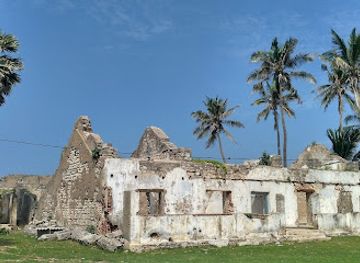
Mannar Dutch Fort
Explore the captivating Mannar Dutch Fort, a historical landmark showcasing Sri Lanka's colonial heritage and stunning coastal views on Mannar Island.
-
Historical landmark
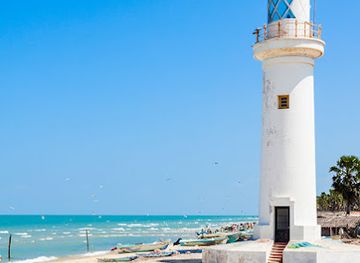
Talaimannar Lighthouse
Discover the historical charm and breathtaking views of Talaimannar Lighthouse, a top tourist attraction at Sri Lanka's northern tip.

Explore Mannar District on the map
Plan your trip on one map. See where the top cities, national parks and sights are, and book hotels and experiences in a few clicks.
Best hotels in Mannar District
Best restaurants in Mannar District
Dining in Mannar is closely connected with the district’s northern and maritime setting. Rice, curries, seafood, dried fish, sambols and dishes influenced by Tamil cooking are common, with crab, prawns and locally landed fish featuring where supplies permit. Mannar’s Muslim, Tamil and Christian communities contribute to a varied food culture, while palmyra products and seasonal produce reflect the dry-zone environment. Small rice-and-curry restaurants, cafés, bakeries and family-run eateries provide the most accessible meals, particularly in Mannar town and along main roads. Outside the town, choices become less predictable, so travellers should not assume that remote religious or wildlife sites have nearby food outlets. Hotels and guesthouses may offer pre-arranged meals, often with advance notice. Food markets are useful for observing everyday commerce and buying fruit, snacks and bottled water, but visitors should choose busy establishments with good turnover and carry cash for smaller purchases.
-
Historical landmark
Mannar Dutch Fort
Discover the rich colonial heritage at Mannar Dutch Fort – a captivating historical landmark offering stunning ocean views.
-
Hotel
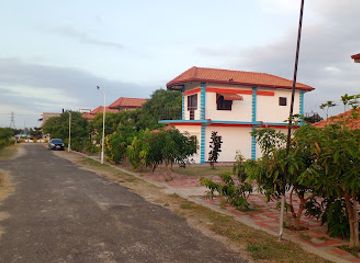
The Palmyrah House
Discover tranquility at The Palmyrah House in Mannar - your perfect getaway surrounded by nature's beauty.
-
Hotel
Hotel Agape
Discover your home away from home at Hotel Agape in Mannar - where comfort meets local charm amidst beautiful Sri Lankan landscapes.
-
Hotel
Seabreeze Hotel - Mannar
Experience comfort and local flavors at Seabreeze Hotel in Mannar - your perfect coastal getaway.
Best bars in Mannar District
Mannar is not a major nightclub destination, and evening life is shaped more by family, religious and fishing communities than by late-night entertainment. Mannar town has modest restaurants, cafés and hotel facilities, while smaller settlements generally rely on local eateries and informal social spaces rather than dedicated bars. Alcohol availability can be limited, and visitors should respect the character of religious areas and communities where drinking is not central to public life. Evenings are better suited to an early meal, a quiet walk in a populated area or conversation with a host than to searching for a club scene. During pilgrimage periods and community events, the district may become busier, but arrangements are temporary and should be checked locally. Visitors staying in remote areas should organise dinner and transport before nightfall, since distances are considerable and roadside services are sparse.
-
Hotel
Victory's Gardens
Discover the charm of Mannar at Victory's Gardens, a serene hotel offering comfort and nature's beauty for a memorable stay.
-
Hotel
Mannar Coccos Garden
Experience serenity and comfort at Mannar Coccos Garden, a perfect retreat for tourists seeking relaxation amidst nature's beauty.
-
Hotel
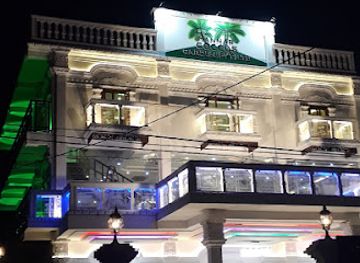
Oasis Wings Hotel
Discover comfort and tranquility at Oasis Wings Hotel, your perfect getaway on Sri Lanka's stunning South Coast.
-
Restaurant
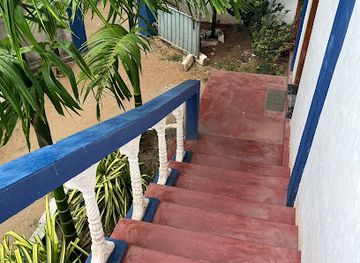
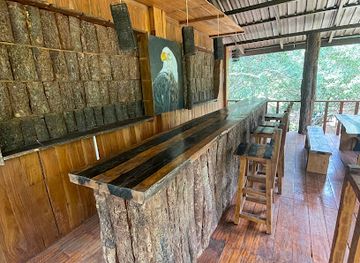
Eagles' Perch Driftwood Cabana
Experience the idyllic dining at Eagles' Perch Driftwood Cabana, where fresh flavors meet breathtaking coastal views.
Best nightclubs in Mannar District
Mannar is not a major nightclub destination, and evening life is shaped more by family, religious and fishing communities than by late-night entertainment. Mannar town has modest restaurants, cafés and hotel facilities, while smaller settlements generally rely on local eateries and informal social spaces rather than dedicated bars. Alcohol availability can be limited, and visitors should respect the character of religious areas and communities where drinking is not central to public life. Evenings are better suited to an early meal, a quiet walk in a populated area or conversation with a host than to searching for a club scene. During pilgrimage periods and community events, the district may become busier, but arrangements are temporary and should be checked locally. Visitors staying in remote areas should organise dinner and transport before nightfall, since distances are considerable and roadside services are sparse.
-
Disco club
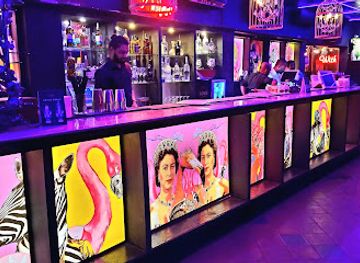
The Love Bar at Flamingo House
Experience the vibrant nightlife at The Love Bar, Colombo's premier disco club and bar, where unforgettable memories are made amidst pulsating music and lively ambiance.
-
Disco club
Rhythm and Blues
Explore Colombo's nightlife at Rhythm and Blues, a premier disco club with electrifying music and vibrant atmosphere.
-
Night club
Cleopatra Nightclub
Dive into the electrifying nightlife of Colombo at Cleopatra Nightclub, where unforgettable dance experiences await every night.
-
Night club
The Chiller Room
Dive into the vibrant nightlife of Colombo at The Chiller Room, where music, dancing, and unforgettable moments await every night.


Best shops in Mannar District
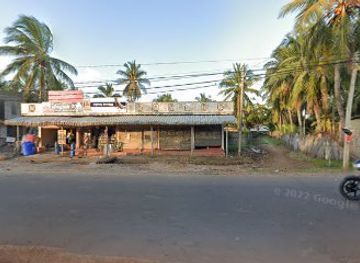
Shopping in Mannar is practical and locally oriented rather than centred on large retail complexes. Mannar town has everyday shops, pharmacies, food sellers, clothing outlets and small markets, while roadside stalls and village shops serve communities across the island and mainland. Visitors can look for dried fish, local spices, palmyra-based products, snacks and other food items associated with the dry northern landscape, subject to transport and customs restrictions when taking food abroad. Small craft and religious items may be available near pilgrimage sites, but quality and provenance vary, so purchasing directly from makers or established sellers is preferable. Fish markets offer insight into the district’s working coastal economy, although they are places of trade rather than curated visitor attractions. There is little reason to expect extensive designer or luxury shopping; the more meaningful purchases are modest regional foods, practical handicrafts and locally made items bought respectfully from independent traders.
-
Grocery store
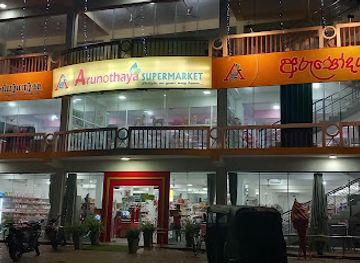
Arunothaya Supermarket
Explore local flavors and fresh produce at Arunothaya Supermarket, a vibrant grocery store in the heart of Mannar, Sri Lanka.
-
Gift shop
The corner shop
Discover local handicrafts and souvenirs at The Corner Shop in Mannar, a must-visit gift shop for every tourist.
-
Asian grocery store
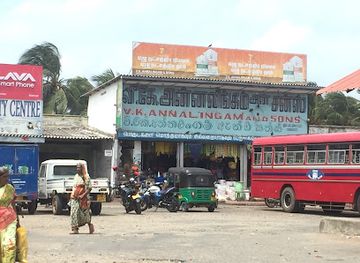
V.K.Annalingam & Sons
Experience the authentic flavors of Mannar at V.K.Annalingam & Sons, your gateway to Asian culinary delights.
-
Grocery store
Kabisha Stores
Explore the local flavors at Kabisha Stores, a quaint grocery store in Mannar offering fresh produce and local delicacies.

Get your free copy of our complete guide to Mannar District, delivered straight to you.
Everything on this page, from attractions and restaurants to essentials and local phrases, in one PDF you can read offline, print or share.
Already have an account? Sign in
Your Mannar District guide is ready.
We'll send it to · Not you? Sign out

Getting your guide ready…
We are putting together a fresh copy of the Mannar District guide. This can take up to a minute.
This can take a few moments. If your browser asks, choose Allow so the download can start. You'll find the guide in your Downloads folder.
Nothing happened? Download it again
Sorry, the guide is taking longer than usual. Please try again in a minute, or get it by email instead.
Mannar District essentials
Currency and Payment
Safety
Emergency Situations
Do's and Don'ts
Local Tips
From Eve
Local phrases worth knowing
You don't need to get them perfect. A few words go a long way, and locals appreciate the effort.
Basics
| English | Local | Say it |
|---|---|---|
| Hello | ආයුබෝවන් | [Aayubowan] |
| Goodbye | ගොස්සෙන්න | [Gosenna] |
| Yes | ඔව් | [Ow] |
| No | නැහැ | [Nehé] |
| Please/You're welcome | කරුණාකර/ආයුබෝවන් | [Karunakaré/Aayubowan] |
| Thank you | ස්තුතියි | [Stuthiyi] |
| Excuse me/Sorry | කණගාටුයි | [Kanagatuwi] |
| How are you? | ඔබට කෙසේද? | [Obata Keséda?] |
| Fine. And you? | හොඳයි. ඔබට? | [Hondai. Obata?] |
| Do you speak English? | ඔබ ඉංග්රීසි කීවද? | [Oba Ingirisi Kiwada?] |
| I don't understand | මට තේරෙන්නෙ නෑ | [Mata Therenné Næ] |
Eating & Drinking
| English | Local | Say it |
|---|---|---|
| I'd like to see the menu, please | මට මෙනුව බලන්න ඕනෙ | [Mata Menuwa Balanna One] |
| I don't eat meat | මට මෝස්තර කෑම නෑ | [Mata Mósthra Kæma Næ] |
| Cheers! | සතුටු වෙමු! | [Sathutu Wemu!] |
| I would like to pay, please | මට ගෙවන්න ඕනෙ | [Mata Gewanna One] |
Emergencies
| English | Local | Say it |
|---|---|---|
| Help! | ආධාරය! | [Aadháraya!] |
| Go away! | ගිහින් යන්න! | [Gihin Yanna!] |
| Call the Police! | පොලීසිය වෙත ඇමතුමක් කරන්න! | [Polísiyé Wétha Amaturamak Karanna!] |
| Call a doctor! | ඩොක්ටර්ට ඇමතුමක් කරන්න! | [Dóktarata Amaturamak Karanna!] |
| I'm lost | මම අහිමිවී ගියා | [Mama Ahimivi Giya] |
| I'm ill | මට රෝගයක් තියෙන්නෙ | [Mata Rógayak Thiyenné] |
Shopping
| English | Local | Say it |
|---|---|---|
| I'd like to buy... | මට මිලදී ගන්න ඕනෙ... | [Mata Miladi Ganna One...] |
| I'm just looking | මම බලනවා | [Mama Balannawa] |
| How much is it? | ඒක කීයද? | [Éka Kiyéda?] |
| That's too expensive | එය ගානක් අධිකයි | [Éya Ganak Adhikayi] |
| Can you lower the price? | ඔබට ගාන අඩු කරන්න පුළුවන් ද? | [Obata Gana Adu Karanna Puluwan Da?] |
Time & Numbers
| English | Local | Say it |
|---|---|---|
| What time is it? | ඒක කීයේද? | [Éka Kíyéda?] |
| It's one o'clock | එය එකට කාලයයි | [Éya Ekata Kálayi] |
| Half past (10) | අර්ධය (10) | [Ardhaya (10)] |
| Morning | සවස | [Sawasá] |
| Afternoon | දවල් | [Daval] |
| Evening | සඳ සවස | [Sanda Sawasá] |
| Yesterday | ඊයේ | [Eéyé] |
| Today | අද | [Ada] |
| Tomorrow | හෙට | [Héta] |
| 1 | 1 | [1] |
| 2 | 2 | [2] |
| 3 | 3 | [3] |
| 4 | 4 | [4] |
| 5 | 5 | [5] |
| 6 | 6 | [6] |
| 7 | 7 | [7] |
| 8 | 8 | [8] |
| 9 | 9 | [9] |
| 10 | 10 | [10] |
Transport & Directions
| English | Local | Say it |
|---|---|---|
| Where's a/the...? | කැයි...? | [Kayi...?] |
| What's the address? | ලිපිනය කුමක්ද? | [Lipinaya Kumakda?] |
| Can you show me (on the map)? | මට (නක්කා) දක්වන්න පුළුවන්ද? | [Mata (Nakká) Dakwanná Puluwanda?] |
| When's the next (bus)? | ඉදිරියෙන් (බස්) කවදාද? | [Idiriyen (Bus) Kawadáda?] |
| A ticket (to ....) | ඒකට ටිකට්පත් | [Ékaṭa Tikathpath] |
History of Mannar District
Mantai and the Ancient Indian Ocean Trade
The ancient port of Mantai, near modern Mathottam on the mainland, was one of the most important trading settlements in early Sri Lanka. Archaeological evidence indicates connections with South India, the wider Indian Ocean and distant commercial networks, with goods such as ceramics, beads and metals moving through the port. Mantai’s importance was linked to its position near the Gulf of Mannar and to inland routes serving the northern and central parts of the island. Its remains demonstrate that Mannar was internationally connected long before the arrival of European powers.
Pearl Fisheries and Medieval Mannar
The Gulf of Mannar was celebrated for its pearl oyster beds, which supported royal and commercial interests for centuries. Control of the fisheries shifted between regional powers, including rulers associated with the kingdoms of Anuradhapura, Polonnaruwa and Jaffna, while merchants and divers from across the Indian Ocean participated in the trade. Mannar’s maritime wealth helped make its settlements strategically valuable. The pearl industry depended on changing marine conditions and labour arrangements, and its history is best understood as part of a wider network linking northern Sri Lanka with the Tamil coast and other trading regions.
Portuguese and Dutch Fortified Mannar
Portuguese forces established control over Mannar in the sixteenth century and built a fort to secure the island, the pearl fisheries and sea routes around the Gulf of Mannar. The Dutch took the settlement in the seventeenth century and reconstructed the fortifications in their own style. The surviving Mannar Fort is therefore a visible reminder of European competition for Sri Lanka’s maritime trade. Its position near the harbour also reflects the military logic of the period: control of Mannar helped regulate movement between the island, South India and the western coast.
Catholic Missions and the Shrine of Madhu
Catholic communities developed in the Mannar region during and after the Portuguese period, joining older Hindu, Buddhist and Muslim traditions. The Shrine of Our Lady of Madhu became an important pilgrimage centre, drawing worshippers from across Sri Lanka and gaining particular importance during periods of communal tension and war. Its history is connected with the movement of Catholic communities and sacred images within the northern region. Today, the shrine remains a major religious institution rather than simply a heritage monument, so visitors should behave with the discretion expected at an active place of worship.
British Rule, Railways and Talaimannar
Under British colonial rule, Mannar’s maritime position was joined to expanding railway and administrative networks. Talaimannar became the western terminus of the railway line from the northern mainland and a transfer point for sea travel towards India, although the historic passenger connection across the Palk Strait is no longer a regular public service. Railways strengthened the movement of people and goods through the district, while colonial administration reshaped trade, land use and communications. Remains of the old railway infrastructure still contribute to Talaimannar’s distinctive historical character.
War, Displacement and Resettlement
Mannar was deeply affected by Sri Lanka’s civil war, which lasted from 1983 to 2009. Communities experienced displacement, restricted movement, loss of livelihoods and the disruption of religious, fishing and agricultural life. The district also received displaced people from other parts of the north at different stages of the conflict. Since the war, resettlement, reconstruction and the recovery of local economies have continued unevenly. Visitors may encounter memorials, military restrictions or communities whose recent histories remain sensitive; respectful, non-intrusive engagement is important.
Wetland Conservation and Contemporary Livelihoods
In recent decades, greater attention has focused on the conservation value of Mannar’s lagoons, mudflats, reservoirs and coastal habitats. The Vankalai wetland system is internationally recognised under the Ramsar Convention, while the Gulf of Mannar supports fishing communities and important marine ecosystems. Conservation now intersects with agriculture, salt production, fisheries, pilgrimage and tourism. The district’s contemporary identity is consequently shaped not only by its archaeological and religious heritage but also by efforts to protect migratory bird habitats and sustain livelihoods in a dry and environmentally fragile landscape.
Mannar District in Photos
Browse through our photo collection highlighting the charm and character of the destination.
Neighbouring regions of Mannar District
The closest regions to Mannar District, if you have time for more than one.
-

-

-
-
-


Swipe for more regions
Explore more

Explore more of Sri Lanka
Discover Sri Lanka: Rich culture, stunning landscapes, and warm hospitality await you in this tropical paradise. Explore ancient cities, wildlife, tea plantations, and pristine beaches.
Explore Sri Lanka