

Free Northern Province Travel Guide & Mobile App
Explore Northern Province with free travel guides. Discover regional history, expert tips, proposed trips, and audio guides on web or mobile app.


Explore Sri Lanka’s Northern Province for Jaffna’s Tamil heritage, island journeys, sacred sites, lagoons, wildlife and distinctive coastal cuisine.
Read more about Northern Province
When is the best time to visit Northern Province?
Best: February–March, December · 31–33°C| Month | High (°C) | Rainfall (mm) |
|---|---|---|
| January | 31 | 75 |
| February (best) | 32 | 65 |
| March (best) | 33 | 60 |
| April | 33 | 70 |
| May | 34 | 85 |
| June | 33 | 100 |
| July | 33 | 105 |
| August | 33 | 110 |
| September | 33 | 115 |
| October | 32 | 120 |
| November | 32 | 85 |
| December (best) | 31 | 75 |
Getting to and around Northern Province
How to get there
Transportation
Top city travel guides in Northern Province
The cities of Northern Province, and the easiest places to base yourself.
-

-


Swipe for more cities
Destinations in Northern Province
Resorts, valleys and scenic spots worth a trip of their own.

Swipe for more destinations
Best attractions in Northern Province
Northern Province offers a varied collection of cultural, historical and nature-based attractions spread across a large area. Jaffna’s principal experiences include Nallur Kandaswamy Kovil, Jaffna Fort, Jaffna Public Library, the Archaeological Museum and the busy streets around the city’s markets and temples. The surrounding peninsula is well suited to short drives or cycle rides between Hindu shrines, lagoons, causeways and beaches such as Casuarina Beach and the shore near Keerimalai. Island excursions add a different dimension: Nainativu is a major pilgrimage destination, while Delft presents coral-stone buildings, baobabs, colonial remains and open coastal scenery. Mannar combines its fort and historic churches with wetlands, fishing communities and birdwatching around Vankalai. Inland, Vavuniya and the Vanni provide access to rural landscapes and cultural sites, while Chundikulam National Park in the east protects lagoons, dry-zone habitats and important bird areas. The province’s attractions are less concentrated than those of Sri Lanka’s main resort belts, so private transport or carefully planned public transport is valuable. Visitors should also remember that some former conflict areas remain restricted or unsuitable for unsupervised exploration.
-
Buddhist temple
Nagadeepa Temple
Discover the tranquility and spiritual heritage of Nagadeepa Temple in Sri Lanka, a revered Buddhist site amidst stunning landscapes.
-
Historical landmark
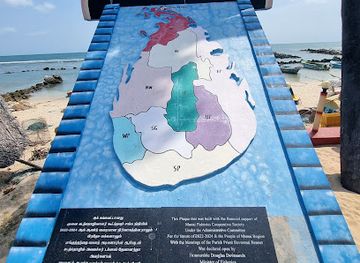
Nothern Palm Pole, வட பனை முனை, උතුරු තල් කෙළවර
Discover the iconic Northern Palm Pole in Point Pedro, Sri Lanka, a historical landmark that beautifully showcases the region's rich heritage and natural splendor.
-
Tourist attraction
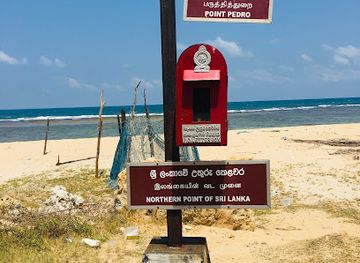
வடமுனை Northern Point of Sri Lanka
Experience the breathtaking beauty and cultural richness of the Northern Point of Sri Lanka, a hidden gem for every traveler seeking adventure.
-
Tourist attraction
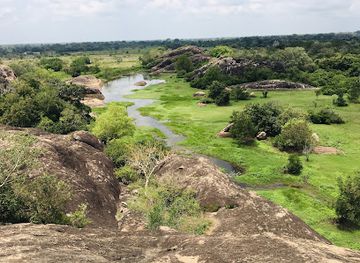
Nelum Pokuna
Explore Nelum Pokuna, a serene tourist attraction in Thanthirimale, Sri Lanka, featuring stunning lotus-shaped architecture and tranquil natural beauty.

Best landmarks in Northern Province
Jaffna Fort is Northern Province’s most recognisable historic structure, an angular coastal fortress whose present form reflects Dutch rebuilding over an earlier Portuguese stronghold. Nearby, the monumental Nallur Kandaswamy Kovil is a major symbol of Tamil Hindu faith and an important architectural presence, particularly during its annual festival. Jaffna Public Library carries a different kind of significance as a celebrated cultural institution whose destruction and reconstruction became closely associated with the region’s modern history. On Delft, low coral-stone walls, old masonry, baobab trees and colonial remnants give the island a distinctive historical landscape, while the open sea emphasises its geographic separation. Mannar Fort, built during the European colonial period, stands beside the causeway and marks the island’s strategic maritime position. The great baobab near Mannar is an unusual botanical landmark linked to the island’s long history of Indian Ocean movement, although its precise age is difficult to establish. Nainativu’s Nagapooshani Amman Kovil and Nagadeepa Purana Vihara represent the province’s intertwined Hindu and Buddhist pilgrimage traditions. Along the coast and lagoons, the flat horizon, palmyrah silhouettes and migratory-bird habitats are themselves defining natural landmarks.
-
Fortress
Sigiriya
Explore the breathtaking Sigiriya Fortress, a UNESCO site showcasing ancient Sri Lankan architecture and stunning views from the Lion Rock.
-
Fortress
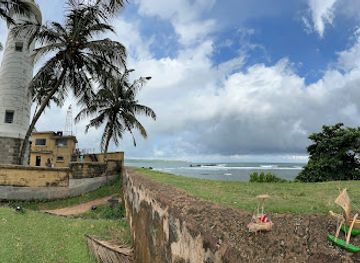
Galle Dutch Fort
Immerse yourself in the rich history and stunning coastal beauty of Galle Dutch Fort, a UNESCO World Heritage site in Sri Lanka.
-
Buddhist temple
Dambulla Royal Cave Temple and Golden Temple
Experience the tranquility and ancient artistry of Dambulla Royal Cave Temple and Golden Temple, a must-visit spiritual landmark in Sri Lanka.
-
Historical landmark
Pidurangala Rock
Explore Pidurangala Rock, an ancient historical landmark in Sigiriya, for breathtaking views and a journey through Sri Lanka's rich cultural heritage.

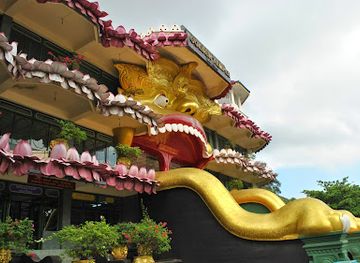

Explore Northern Province on the map
Plan your trip on one map. See where the top cities, national parks and sights are, and book hotels and experiences in a few clicks.
Best hotels in Northern Province
Best restaurants in Northern Province
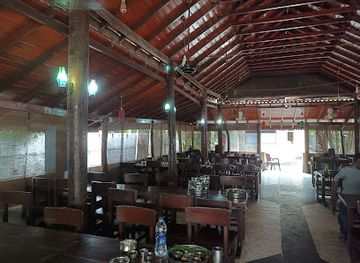
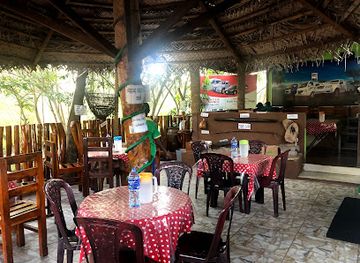
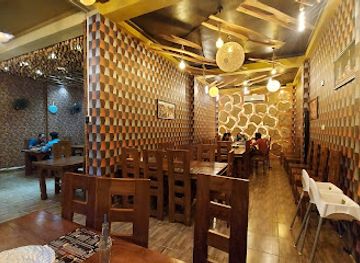
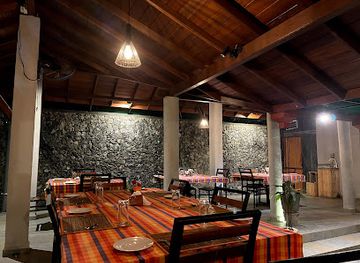
Northern Province has one of Sri Lanka’s most distinctive regional food cultures, with Jaffna kitchens known for dry-roasted spice mixtures, intense curries and generous use of seafood. Crab, prawns, cuttlefish and fish feature strongly in coastal cooking, while vegetarian meals may include brinjal, drumstick, okra, green leaves and pulses. Odiyal kool, a thick preparation made with seafood and palmyrah tuber flour, is particularly associated with northern Tamil culinary traditions. Pittu, dosai, idiyappam or string hoppers, vadai and rice-based meals are widely available in cafés, family-run restaurants and hotel dining rooms. Mannar adds a strong fishing and Christian coastal influence, while Muslim communities contribute their own rice, meat and sweet-making traditions. Palmyrah appears in treacle, jaggery, flour, fruit products and sweets, and local markets are useful for seeing the breadth of the ingredient. Dining ranges from simple vegetarian eateries and tea shops to more polished restaurants in Jaffna; menus and service can be limited outside the main towns, especially in rural districts and on islands.
-
Restaurant
Mangos Indian Veg
Savor authentic Indian vegetarian cuisine at Mangos Indian Veg in Jaffna – where flavor meets tradition in every dish.
-
Restaurant
Original Nelum Kole Bath Kade
Experience authentic Sri Lankan cuisine at Original Nelum Kole Bath Kade in Rambewa - where every dish tells a story.
-
Restaurant
Moju Restaurant
Experience authentic Sri Lankan cuisine at Moju Restaurant in Vavuniya – where flavor meets tradition in every dish.
-
Restaurant
Jaffna Authentic Cuisine / JAC Dining
Discover authentic Northern Sri Lankan flavors at Jaffna Authentic Cuisine – a must-visit for food lovers exploring Jaffna's culinary scene.
Best bars in Northern Province
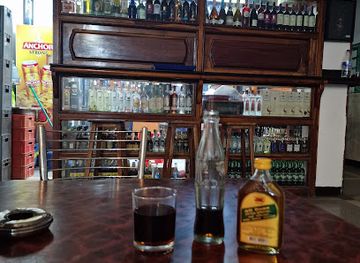
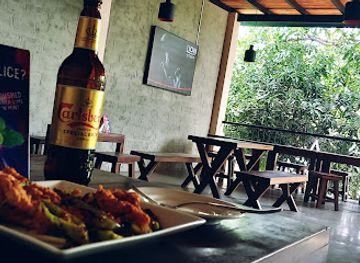
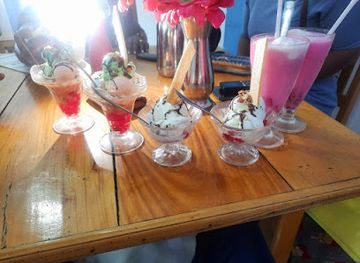
Nightlife in Northern Province is comparatively low-key and shaped more by family dining, cafés, hotel lounges and traditional tea shops than by a major club scene. Jaffna has the widest choice of evening venues, including informal restaurants, small bars, hotel-based drinking spaces and occasional live music or cultural programmes, while nightlife in Vavuniya and Mannar is generally centred on restaurants, local pubs and accommodation venues. In rural areas and on the islands, evenings are quiet, with social life often taking place in homes, eateries and community settings rather than dedicated entertainment districts. Alcohol is not served in every establishment, and visitors should be particularly respectful around temples, religious festivals and conservative communities. Check current arrangements locally, as venues and their operating patterns can change. Evening walks should remain on well-used, lit streets, and travellers returning from remote coastal areas should arrange transport rather than assuming late public services will be available.
-
Grill
Liquor Restaurant No1
Experience the vibrant flavors of Jaffna at Liquor Restaurant No1, a top grill destination offering delicious meals in a warm atmosphere.
-
Bar
Machang Jaffna
Experience the vibrant nightlife of Jaffna at Machang Jaffna, where great drinks and local culture come together in a lively atmosphere.
-
Restaurant
Best Yarl Cool Bar
Explore the vibrant flavors and lively atmosphere at Best Yarl Cool Bar in Puthukkudiyiruppu, a culinary hotspot for tourists and locals alike.
-
Bar
Toddy Shop රා තැබරුම 2
Discover the essence of Jaffna's nightlife at Toddy Shop, where traditional drinks and local flavors create an unforgettable experience.
Best nightclubs in Northern Province
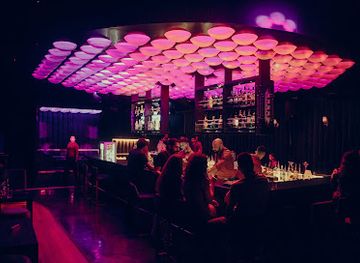
Nightlife in Northern Province is comparatively low-key and shaped more by family dining, cafés, hotel lounges and traditional tea shops than by a major club scene. Jaffna has the widest choice of evening venues, including informal restaurants, small bars, hotel-based drinking spaces and occasional live music or cultural programmes, while nightlife in Vavuniya and Mannar is generally centred on restaurants, local pubs and accommodation venues. In rural areas and on the islands, evenings are quiet, with social life often taking place in homes, eateries and community settings rather than dedicated entertainment districts. Alcohol is not served in every establishment, and visitors should be particularly respectful around temples, religious festivals and conservative communities. Check current arrangements locally, as venues and their operating patterns can change. Evening walks should remain on well-used, lit streets, and travellers returning from remote coastal areas should arrange transport rather than assuming late public services will be available.
-
Disco club
The Love Bar at Flamingo House
Experience the vibrant nightlife of Colombo at The Love Bar at Flamingo House; a perfect spot for disco, drinks, and unforgettable memories.
-
Disco club
Rhythm and Blues
Dive into the electrifying rhythms of Colombo at Rhythm and Blues, where vibrant nightlife meets unforgettable dance experiences.
-
Night club
Cleopatra Nightclub
Discover the vibrant nightlife at Cleopatra Nightclub, Colombo's premier destination for music, dance, and unforgettable experiences.
-
Night club
The Chiller Room
Experience the electrifying nightlife at The Chiller Room, Colombo's premier night club with two dance floors and unbeatable energy.



Best shops in Northern Province
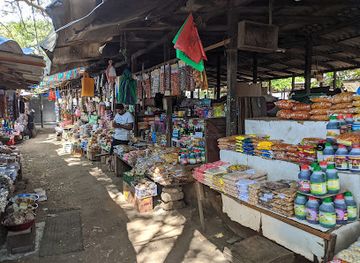
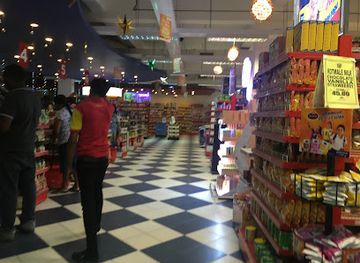
Shopping in Northern Province is strongest in Jaffna’s markets and commercial streets, with useful local purchases including palmyrah treacle, jaggery, flour, sweets and other products made from the region’s characteristic palm. Spice mixtures, dried seafood, snacks, pickles and northern-style food ingredients are practical souvenirs for visitors able to transport them safely. Jaffna’s shops also sell textiles, household goods, religious items and books connected with Tamil language and culture, while small craft outlets and island communities may offer locally made products on a modest scale. Mannar’s markets reflect its fishing economy, though fresh or dried seafood should be purchased with attention to packaging and travel conditions. Vavuniya functions as a commercial centre for the mainland districts, with everyday retail rather than a specialised tourist-shopping scene. Independent shops, market stalls and small producers are generally more characteristic than large shopping centres or luxury boutiques. Ask about ingredients and production methods, compare quality, and avoid buying archaeological objects, coral, shells or wildlife products whose collection may be restricted or environmentally damaging.
-
Market
Jaffna Market
Experience the vibrant culture and local flavors at Jaffna Market, a must-visit destination for every traveler in Sri Lanka.
-
Grocery store
Cargills Square
Explore Cargills Square in Jaffna—a bustling grocery store and cake shop offering local flavors, shopping delights, and a taste of Sri Lankan culture.
-
Artist
Jenys
Discover Jenys in Vavuniya, a vibrant art hub featuring galleries, supplies, and unique gifts for every art enthusiast.
-
Gift shop
Ganesha Stationery And Fancy
Explore Ganesha Stationery And Fancy in Vavuniya for unique gifts and authentic stationery that reflect Sri Lanka's rich culture.
Get your free copy of our complete guide to Northern Province, delivered straight to you.
Everything on this page, from attractions and restaurants to essentials and local phrases, in one PDF you can read offline, print or share.
Already have an account? Sign in
Your Northern Province guide is ready.
We'll send it to · Not you? Sign out

Getting your guide ready…
We are putting together a fresh copy of the Northern Province guide. This can take up to a minute.
This can take a few moments. If your browser asks, choose Allow so the download can start. You'll find the guide in your Downloads folder.
Nothing happened? Download it again
Sorry, the guide is taking longer than usual. Please try again in a minute, or get it by email instead.
Northern Province essentials
Currency and Payment
Safety
Emergency Situations
Do's and Don'ts
Local Tips
From Eve
Local phrases worth knowing
You don't need to get them perfect. A few words go a long way, and locals appreciate the effort.
Basics
| English | Local | Say it |
|---|---|---|
| Hello | ආයුබෝවන් | [Āyubōvan] |
| Goodbye | ගිහින් එන්න | [Gihin enna] |
| Yes | ඔව් | [Ov] |
| No | නැහැ | [Næhæ] |
| Please/You're welcome | කරුණාකර/ඔබට සාදරයෙන් පිළිගනිමු | [Karunākara/Obaṭa sādarayen piḷigaṇimu] |
| Thank you | ස්තුතියි | [Stutiyi] |
| Excuse me/Sorry | කණගාටුයි | [Kaṇagāṭuyi] |
| How are you? | ඔබට කොහෙද? | [Obaṭa koheda?] |
| Fine. And you? | හොඳයි. ඔබට? | [Hoṇḍayi. Obaṭa?] |
| Do you speak English? | ඔබට ඉංග්රීසි කතාකරන්න පුළුවන්ද? | [Obaṭa iṅgrīsi kathākaraṇna puḷuvanda?] |
| I don't understand | මට තේරෙන්නේ නැහැ | [Maṭa therenne næhæ] |
Eating & Drinking
| English | Local | Say it |
|---|---|---|
| I'd like to see the menu, please | මට මෙනුව බලන්න ඕනේ | [Maṭa menuva balanna ōnē] |
| I don't eat meat | මට මස් කනවා | [Maṭa mas kanavā] |
| Cheers! | සතියි! | [Sathiyi!] |
| I would like to pay, please | මට ගෙවන්න ඕනේ | [Maṭa gewanna ōnē] |
Emergencies
| English | Local | Say it |
|---|---|---|
| Help! | ආධාර කරන්න! | [Ādhāra karanna!] |
| Go away! | ගිහින් යන්න! | [Gihin yanna!] |
| Call the Police! | පොලිසිය අමතා! | [Polisiya amatā!] |
| Call a doctor! | ඩොක්ටර් අමතා! | [Ḍokṭar amatā!] |
| I'm lost | මට අමතක වුණා | [Maṭa amataka vuṇā] |
| I'm ill | මට රෝගීයි | [Maṭa rōgīyi] |
Shopping
| English | Local | Say it |
|---|---|---|
| I'd like to buy... | මට මිලදී ගන්න ඕනේ... | [Maṭa miladī ganna ōnē...] |
| I'm just looking | මම බලනවා | [Mama balanavā] |
| How much is it? | එය කොපමණද? | [Eya kopamaṇada?] |
| That's too expensive | එය වියදම වැඩියයි | [Eya viyadama væḍiyayi] |
| Can you lower the price? | ඔබට මිල අඩු කරන්න පුළුවන්ද? | [Obaṭa mila aḍu karanna puḷuvanda?] |
Time & Numbers
| English | Local | Say it |
|---|---|---|
| What time is it? | දැන් කුමන වේලාවද? | [Dæn kumana vēlāvada?] |
| It's one o'clock | එය පළමු වේලාවයි | [Eya paḷamu vēlāvayi] |
| Half past (10) | අර්ධය (10) | [Ardhaya (10)] |
| Morning | උදය | [Udaya] |
| Afternoon | මැදින් | [Mædin] |
| Evening | සඳ දිනය | [Sanda dinaya] |
| Yesterday | ඊයේ | [Īyē] |
| Today | අද | [Ada] |
| Tomorrow | හෙට | [Hæṭa] |
| 1 | 1 | [1] |
| 2 | 2 | [2] |
| 3 | 3 | [3] |
| 4 | 4 | [4] |
| 5 | 5 | [5] |
| 6 | 6 | [6] |
| 7 | 7 | [7] |
| 8 | 8 | [8] |
| 9 | 9 | [9] |
| 10 | 10 | [10] |
Transport & Directions
| English | Local | Say it |
|---|---|---|
| Where's a/the...? | කොහෙද ...? | [Koheda ...?] |
| What's the address? | ලිපිනය කුමක්ද? | [Lipinaya kumakda?] |
| Can you show me (on the map)? | ඔබට ප mapa එකේ මට පෙන්වන්න පුළුවන්ද? | [Obaṭa pa mapa ekē maṭa penvanna puḷuvanda?] |
| When's the next (bus)? | ඊළඟ (බස්) කවදද? | [Īḷaṅga (bas) kawadada?] |
| A ticket (to ....) | ආපසු කාඩ්පතක් (....) | [Āpasa kāḍpathak (....)] |
History of Northern Province
Early settlement and the northern megalithic tradition
The Northern Province contains evidence of long-established settlement, agriculture and maritime exchange. Archaeological work at sites including Kayts and surrounding areas has revealed material associated with early Iron Age and historic communities, while the peninsula’s location encouraged contact across the Palk Strait. The region’s dry climate, lagoons and seasonal water sources shaped settlement patterns differently from Sri Lanka’s wetter southwest. Early religious and trading networks laid foundations for the later growth of Jaffna and the coastal settlements that connected northern Sri Lanka with southern India.
Ancient kingdoms and Buddhist heritage
Northern Sri Lanka was connected to the political and religious worlds of the island’s ancient kingdoms, even when power was centred farther south. Buddhist sites, monastery remains and inscriptions testify to periods of Buddhist activity, while the northern ports participated in regional trade. Mannar and the surrounding mainland were especially important as maritime gateways. The continued presence of ancient religious sites, including Buddhist and Hindu places of worship, reflects the changing political and cultural geography of the north rather than a single uninterrupted tradition.
The medieval Kingdom of Jaffna
From roughly the thirteenth century, a Tamil kingdom based in the north emerged as a major political power, commonly known as the Kingdom of Jaffna. Its influence extended across much of the peninsula and at times into other parts of the island. Nallur became an important royal and religious centre, and links with South India strengthened trade, language and cultural exchange. Although little of the medieval capital survives above ground, the historical significance of Nallur and the peninsula remains central to northern Sri Lanka’s cultural identity.
Portuguese and Dutch rule
European intervention transformed the northern coast from the sixteenth century onwards. The Portuguese captured Jaffna in the early seventeenth century and built or adapted fortifications in a region already important for trade and political control. The Dutch East India Company took Jaffna in 1658 and developed the defensive and administrative structures now associated with Jaffna Fort and Mannar Fort. Churches, canals, cadastral patterns and surviving masonry provide reminders of this period, although local Tamil, Muslim and other communities continued to shape everyday life.
British administration and the growth of modern transport
British rule followed the Dutch period and incorporated the north into the administrative and economic structure of Ceylon. Roads, railways, schools and government institutions tied Jaffna and the mainland more closely to Colombo and other regions. Missionary and community-supported education contributed to high levels of literacy in the peninsula, while agriculture, palmyrah cultivation, fishing and trade remained important. The railway to Jaffna and later extensions towards Mannar and the Vanni altered the scale and speed of movement across northern Sri Lanka.
War, displacement and reconstruction
The Northern Province was the principal theatre of the Sri Lankan Civil War, which lasted from 1983 until 2009. Jaffna, the Vanni, Mannar and Mullaitivu experienced fighting, military control, displacement, destruction and severe disruption to civilian life. The war’s human consequences remain part of the region’s contemporary landscape and family histories. Since 2009, roads, railways, public buildings and tourism facilities have been rebuilt to varying degrees, but visitors should approach memorials, conflict sites and local conversations with sensitivity.
Contemporary Northern Province
Today the province is undergoing a gradual and uneven transformation shaped by agriculture, fishing, education, public-sector employment, small businesses, diaspora links and domestic tourism. Jaffna has expanded as a commercial and cultural centre, while island communities and rural districts retain more dispersed patterns of life. Tourism has grown around temples, forts, beaches, wetlands, bird habitats and food culture, but infrastructure and visitor services remain less extensive than in Sri Lanka’s southwest. The result is a region where modern development coexists with strong local traditions and a visible post-war legacy.
Northern Province in Photos
Browse through our photo collection highlighting the charm and character of the destination.
Neighbouring regions of Northern Province
The closest regions to Northern Province, if you have time for more than one.
-
-
-

-

-


Swipe for more regions
Explore more

Explore more of Sri Lanka
Discover Sri Lanka: Rich culture, stunning landscapes, and warm hospitality await you in this tropical paradise. Explore ancient cities, wildlife, tea plantations, and pristine beaches.
Explore Sri Lanka