

Free Puttalam District Travel Guide & Mobile App
Explore Puttalam District with free travel guides. Discover regional history, expert tips, proposed trips, and audio guides on web or mobile app.


Explore Puttalam District in Sri Lanka for lagoons, Kalpitiya beaches, wildlife, pilgrimage sites, wetlands and coastal village life.
Read more about Puttalam District
When is the best time to visit Puttalam District?
Best: December–February · 30–31°C| Month | High (°C) | Rainfall (mm) |
|---|---|---|
| January (best) | 30 | 40 |
| February (best) | 31 | 30 |
| March | 32 | 50 |
| April | 32 | 70 |
| May | 33 | 80 |
| June | 32 | 60 |
| July | 32 | 50 |
| August | 32 | 50 |
| September | 32 | 60 |
| October | 31 | 80 |
| November | 30 | 100 |
| December (best) | 30 | 60 |
Getting to and around Puttalam District
How to get there
Transportation
Destinations in Puttalam District
Resorts, valleys and scenic spots worth a trip of their own.

Swipe for more destinations
Best attractions in Puttalam District
Puttalam District offers a varied set of experiences built around coast, lagoon, wildlife and pilgrimage. Kalpitiya Peninsula combines fishing settlements, shallow lagoon waters and open-ocean activities, with seasonal opportunities for kitesurfing, dolphin-watching and boat trips. The Bar Reef Marine Sanctuary lies offshore and is approached from the Kalpitiya area, although visits should follow current conservation and sea-safety guidance. Anawilundawa Wetland Sanctuary, a Ramsar-listed wetland, is important for birdwatching and for its linked tanks, marshes and agricultural setting. In the north and north-east, Wilpattu National Park introduces dry forest, villu wetlands and the possibility of seeing elephants, deer, wild boar and, with luck, leopards. Chilaw provides access to the Munneswaram Hindu temple complex and the wider coastal pilgrimage landscape, while Talawila is associated with the Shrine of St Anne. Puttalam and surrounding villages reveal the everyday side of the district through markets, salt pans, coconut country and lagoon fisheries. Because these attractions are dispersed, the district is better explored through several bases or a planned road itinerary than as a sequence of quick day trips.
-
Buddhist temple
Jaya Sri Maha Bodhi
Discover the tranquility and historical significance of Jaya Sri Maha Bodhi, the oldest living tree and a revered Buddhist temple in Anuradhapura, Sri Lanka.
-
Buddhist temple
Isurumuniya Temple
Discover the serenity and cultural richness of Isurumuniya Temple, an ancient Buddhist site in Anuradhapura, Sri Lanka.
-
Catholic church
St. Anne's National Shrine - Thalawila | සා. ආනා ජාතික සිද්ධස්ථානය - තලවිල | புனித அன்னம்மாள் தேசிய யாத்திரை ஸ்தலம் - தலவில்ல
Discover the serene beauty and spiritual significance of St. Anne's National Shrine, a must-visit Catholic church and tourist attraction in Talawila, Sri Lanka.
-
Tourist attraction
Rangala Natural Pool
Explore the enchanting beauty of Rangala Natural Pool, a serene oasis in Sri Lanka known for its crystal-clear waters and lush landscapes.


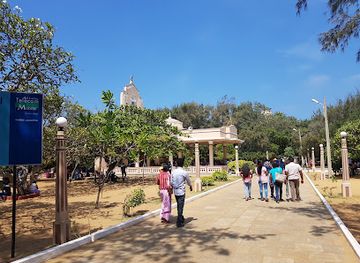

Best landmarks in Puttalam District
Kalpitiya Dutch Fort is the district’s most recognisable colonial landmark, a reminder of the peninsula’s strategic position in Dutch-era maritime administration and trade. Its presence is best understood alongside the lagoon, fishing communities and sea routes that made Kalpitiya valuable. Near Chilaw, the Munneswaram Temple complex is a major Hindu landmark whose shrines and pilgrimage traditions give the surrounding landscape religious significance. The Shrine of St Anne at Talawila is another prominent site, drawing large Catholic pilgrimages to the north-western coast and demonstrating the district’s layered religious history. Anawilundawa’s linked tanks and wetlands form a landmark landscape rather than a single monument; their importance lies in the long relationship between irrigation, agriculture and bird habitat. The broad Puttalam and Kalpitiya lagoons are also defining geographical landmarks, shaping travel, livelihoods and settlement patterns. In the northern part of the district, Wilpattu’s villu wetlands and dry forest provide a natural counterpoint to the coast, with their landscape and wildlife protected within Sri Lanka’s largest national park.
-
National park
Wilpattu National Park
Discover the rich biodiversity and serene landscapes of Wilpattu National Park, a must-visit destination for wildlife lovers in Sri Lanka.
-
Hindu temple
Sri Munneswaram Kovil
Experience the spiritual allure and historical richness of Sri Munneswaram Kovil, a sacred Hindu temple in Chilaw, Sri Lanka, perfect for cultural exploration.
-
Historical landmark
Kalpitiya Dutch Fort
Discover the rich history and stunning views at Kalpitiya Dutch Fort, a remarkable historical landmark on Sri Lanka's picturesque coast.
-
Historical landmark
Anamaduwa Clock Tower
Explore the historical Anamaduwa Clock Tower, a landmark showcasing Sri Lanka's rich heritage and vibrant local culture in the heart of the town.


Explore Puttalam District on the map
Plan your trip on one map. See where the top cities, national parks and sights are, and book hotels and experiences in a few clicks.
Best hotels in Puttalam District
Best restaurants in Puttalam District
Food in Puttalam District reflects its coastal position and its Sinhala, Tamil and Muslim communities. Fish and seafood are central, with lagoon crab, prawns, cuttlefish and locally landed fish appearing in homes, cafés and small restaurants, subject to season and availability. Muslim cooking contributes aromatic rice dishes, curries, short eats and meat preparations, while Tamil and Sri Lankan culinary traditions add dosa, string hoppers, sambols and strongly seasoned vegetable dishes. In Chilaw and Puttalam, look for simple rice-and-curry restaurants, bakeries, tea shops and market snacks rather than expecting a concentrated fine-dining scene. Kalpitiya’s accommodation-based restaurants often prepare seafood for visitors, but menus can vary with the catch. Coconut is fundamental to the local pantry, used in sambols, curries, sweets and oil, and the coconut-growing countryside also supports small-scale products and roadside refreshments. Fresh fruit, king coconut and spicy savouries are useful choices during journeys between towns.
-
Pizza
Pizza Hut - Puttalam
Experience delicious pizzas and comforting sides at Pizza Hut - Puttalam while exploring this vibrant Sri Lankan city.
-
Restaurant
Battuluoya Family Restaurant
Discover authentic Sri Lankan flavors at Battuluoya Family Restaurant – where tradition meets warmth and hospitality.
-
Restaurant
Sri Bravo Restaurant
Discover authentic Sri Lankan flavors at Sri Bravo Restaurant in Puttalam – where every meal is a delightful experience.
-
Hotel
Cloud Nine Wilpattu by Aaradhya
Experience unparalleled luxury amidst nature at Cloud Nine Wilpattu - your gateway to Sri Lanka's wildlife wonders.


Best bars in Puttalam District
Nightlife in Puttalam District is generally low-key and centred on food, conversation and early-evening social life rather than large clubs. Kalpitiya has the most visitor-oriented evening scene, with resort bars, casual beachfront venues and occasional music or seasonal gatherings, but opening arrangements and atmosphere vary. Puttalam and Chilaw offer restaurants, tea shops and a selection of hotel or guesthouse bars, while traditional cafés and eateries are more important than nightlife districts. In many smaller settlements, evenings become quiet soon after dinner, particularly outside holiday periods. Alcohol may not be served at some Muslim-owned establishments or near religious sites, and visitors should respect local expectations without treating drinking as central to the region’s culture. Check current arrangements locally, as businesses and seasonal tourism patterns can change.
-
Restaurant
Sri Bravo Restaurant
Experience the authentic taste of Sri Lankan cuisine at Sri Bravo Restaurant, a culinary gem in Puttalam offering diverse and delectable dishes.
-
Restaurant
TFB - Tuans Food Bowl
Discover authentic Sri Lankan cuisine at TFB - Tuans Food Bowl, where every meal is a flavorful journey through local culinary traditions.
-
Restaurant
Wilpattu Gate Family Restaurant
Experience the taste of local cuisine at Wilpattu Gate Family Restaurant, a family-friendly dining spot near Colombo Face Beach.
-
Seafood
Mama's Here Restaurant
Discover the culinary delights of Mama's Here Restaurant in Kalpitiya, where seafood meets vibrant ambiance and local flavors.


Best nightclubs in Puttalam District
Nightlife in Puttalam District is generally low-key and centred on food, conversation and early-evening social life rather than large clubs. Kalpitiya has the most visitor-oriented evening scene, with resort bars, casual beachfront venues and occasional music or seasonal gatherings, but opening arrangements and atmosphere vary. Puttalam and Chilaw offer restaurants, tea shops and a selection of hotel or guesthouse bars, while traditional cafés and eateries are more important than nightlife districts. In many smaller settlements, evenings become quiet soon after dinner, particularly outside holiday periods. Alcohol may not be served at some Muslim-owned establishments or near religious sites, and visitors should respect local expectations without treating drinking as central to the region’s culture. Check current arrangements locally, as businesses and seasonal tourism patterns can change.
-
Pub
Cockpit Night Club
Cockpit Night Club: Dive into Sri Lanka’s vibrant nightlife with lively music, great drinks, and a welcoming atmosphere.
-
Night club
Black Eagles கோட்டை
Dive into the heart of Puttalam's nightlife at Black Eagles, the ultimate night club for music and dance lovers!
-
Night club
RED MARK BAJAR
Discover the heartbeat of Puttalam's nightlife at RED MARK BAJAR, the ultimate destination for dance, drinks, and unforgettable memories.
-
 Jazz
{Jalees Star}
Experience the enchanting world of jazz at Jalees Star, Etalai's premier jazz club, where soulful rhythms and vibrant performances await.


Best shops in Puttalam District
Shopping in Puttalam District is practical and locally rooted, with the largest choice of everyday goods found in Puttalam and Chilaw. Town markets sell fruit, vegetables, spices, seafood, clothing and household products, while smaller roadside stalls serve coconut-growing and fishing communities. Kalpitiya has guesthouse and resort outlets offering a limited selection of beachwear, snacks and locally produced items, but it is not a major retail centre. Useful regional purchases include spices, coconut products, dried fish where appropriately packaged, treacle or sweets, woven goods and small handicrafts; buy food products from reputable sellers and check whether marine items are legally sourced before purchasing. Chilaw and Puttalam are better places to observe ordinary market life than to seek luxury shopping. Independent shops, bakeries and produce stalls provide a stronger sense of the district’s commercial character than formal shopping centres, and carrying cash remains helpful outside the main towns.
-
Supermarket
Keells - Puttalam
Explore the vibrant flavors of Sri Lanka at Keells - Puttalam, your go-to supermarket for local and international delights.
-
Resort hotel
Wilpattu Nature Resort
Experience the beauty of nature and luxury at Wilpattu Nature Resort, the gateway to Sri Lanka's breathtaking wildlife.
-
Hotel
Kitesurfing Kalpitiya - Margarita Village kite school
Experience the thrill of kitesurfing at Margarita Village, Kalpitiya - where adventure meets stunning coastal beauty.
-
Gift shop
HashUp Gallery
Discover the charm of Sri Lankan artistry at HashUp Gallery, where unique gifts and local crafts await every traveler.


Get your free copy of our complete guide to Puttalam District, delivered straight to you.
Everything on this page, from attractions and restaurants to essentials and local phrases, in one PDF you can read offline, print or share.
Already have an account? Sign in
Your Puttalam District guide is ready.
We'll send it to · Not you? Sign out

Getting your guide ready…
We are putting together a fresh copy of the Puttalam District guide. This can take up to a minute.
This can take a few moments. If your browser asks, choose Allow so the download can start. You'll find the guide in your Downloads folder.
Nothing happened? Download it again
Sorry, the guide is taking longer than usual. Please try again in a minute, or get it by email instead.
Puttalam District essentials
Currency and Payment
Safety
Emergency Situations
Do's and Don'ts
Local Tips
From Eve
Local phrases worth knowing
You don't need to get them perfect. A few words go a long way, and locals appreciate the effort.
Basics
| English | Local | Say it |
|---|---|---|
| Hello | හෙලෝ | [Helō] |
| Goodbye | බායි | [Bāyi] |
| Yes | ආයුබෝවන් | [Āyubōvan] |
| No | නැහැ | [Næhæ] |
| Please/You're welcome | කරුණාකර/ස්තූතියි | [Karunākara/Stūthiyi] |
| Thank you | ස්තූතියි | [Stūthiyi] |
| Excuse me/Sorry | කණගාටුයි | [Kaṇagāṭuyi] |
| How are you? | ඔබට කෙසේද? | [Obaṭa kesēda?] |
| Fine. And you? | හොඳයි. ඔබට? | [Hoṇḍayi. Obaṭa?] |
| Do you speak English? | ඔබට ඉංග්රීසි කතා කරන්න ද? | [Obaṭa iṅgrīsi kathā karanna da?] |
| I don't understand | මට තේරෙන්නේ නැහැ | [Maṭa thērēnnē næhæ] |
Eating & Drinking
| English | Local | Say it |
|---|---|---|
| I'd like to see the menu, please | කරුණාකර මෙනුව බලන්න | [Karunākara menuva balanna] |
| I don't eat meat | මට මස් කන්න නැහැ | [Maṭa mas kanna næhæ] |
| Cheers! | සියුම්! | [Siyum!] |
| I would like to pay, please | කරුණාකර මට ගෙවන්න | [Karunākara maṭa gewanna] |
Emergencies
| English | Local | Say it |
|---|---|---|
| Help! | උදව්! | [Udav!] |
| Go away! | ඉවර වෙන්න! | [Ivara wenna!] |
| Call the Police! | පොලිසියට ඇමතුම් කරන්න! | [Polisiyata æmaṭhum karanna!] |
| Call a doctor! | ඩොක්ටරයෙකුට ඇමතුම් කරන්න! | [Ḍokṭarayekuṭa æmaṭhum karanna!] |
| I'm lost | මට අමතකයි | [Maṭa amathakayi] |
| I'm ill | මට අසනීපයි | [Maṭa asanīpayi] |
Shopping
| English | Local | Say it |
|---|---|---|
| I'd like to buy... | මට ... ගන්න ඉතා කැමති | [Maṭa ... ganna ithā kæmati] |
| I'm just looking | මට පමණක් බලන්නයි | [Maṭa pamaṇak balannayi] |
| How much is it? | ඇත්තටම එය කොච්චරද? | [Ættata ma eya kochcharada?] |
| That's too expensive | ඒක ඉතා මිලදී ගන්න | [Ēka ithā milādī ganna] |
| Can you lower the price? | අපි මිල පහළ කරන්න පුළුවන්ද? | [Api mil pahala karanna puḷuvanda?] |
Time & Numbers
| English | Local | Say it |
|---|---|---|
| What time is it? | දවස කීයේද? | [Dawasa kīyēda?] |
| It's one o'clock | එය එකටමයි | [Eya ekata mai] |
| Half past (10) | මැදින් (10) | [Mædin (10)] |
| Morning | පැන්සල | [Pænsala] |
| Afternoon | දිවා | [Divā] |
| Evening | සවස | [Sawasa] |
| Yesterday | ඊයේ | [Īyē] |
| Today | අද | [Ada] |
| Tomorrow | හෙට | [Hæṭa] |
| 1 | 1 | [1] |
| 2 | 2 | [2] |
| 3 | 3 | [3] |
| 4 | 4 | [4] |
| 5 | 5 | [5] |
| 6 | 6 | [6] |
| 7 | 7 | [7] |
| 8 | 8 | [8] |
| 9 | 9 | [9] |
| 10 | 10 | [10] |
Transport & Directions
| English | Local | Say it |
|---|---|---|
| Where's a/the...? | කොහෙද...? | [Koheda...?] |
| What's the address? | ලිපිනය කුමක්ද? | [Lipinaya kumakda?] |
| Can you show me (on the map)? | මාපයයෙන් මට පෙන්වන්න පුළුවන්ද? | [Māpayayen maṭa penwanna puḷuvanda?] |
| When's the next (bus)? | ඊළඟ (බස්) කවදද? | [Īḷaṅga (bas) kawadada?] |
| A ticket (to ....) | ඇතුළත් පතක් (....ට) | [Æṭuḷath pathak (....ṭa)] |
History of Puttalam District
Early Settlements and Lagoon Landscapes
The lagoons, tanks and coastal plains of Puttalam District have supported human settlement for centuries. Ancient irrigation systems and agricultural landscapes linked communities to seasonal water supplies, while the coast and lagoons provided fish, salt and routes for local exchange. Archaeological evidence across north-western Sri Lanka reflects long interaction between inland settlements and maritime networks, although many traces are less monumental than the island’s celebrated ancient capitals. The persistence of tank agriculture, fishing communities and coastal trade helps explain the district’s distinctive combination of wetlands, cultivated land and settlements.
Medieval Maritime Connections
Puttalam’s position beside the Gulf of Mannar and the north-western sea routes made it part of wider commercial networks linking Sri Lanka with southern India and the Indian Ocean. Ports and coastal communities exchanged goods, religious ideas and people, while the pearl fisheries of the Gulf of Mannar became an important source of wealth and political interest. Control of the north-western coast shifted among regional powers over time, and the district’s mixed religious and cultural character developed through these long maritime connections rather than through a single historical tradition.
Portuguese and Dutch Coastal Rule
Portuguese influence reached the north-western coast during the sixteenth century, followed by Dutch control in the seventeenth century after the Dutch East India Company displaced the Portuguese from much of Sri Lanka’s coastline. Kalpitiya was strategically important because of its harbour and position opposite the Indian coast; the remains of Kalpitiya Dutch Fort recall this period of military and commercial competition. Colonial powers sought control of maritime trade, fisheries and coastal communities, while Christian missions and new administrative arrangements altered parts of the local social landscape.
Pearl Fisheries, Salt and Coastal Commerce
Fishing, salt production and coastal trade remained central to the district after European rule. The shallow waters of the Gulf of Mannar supported fisheries, while salt pans and lagoons provided products suited to the dry north-western climate. Chilaw and Puttalam developed as commercial centres serving surrounding villages and agricultural areas. These industries relied on seasonal conditions and local knowledge, and they shaped settlement patterns, work rhythms and food traditions that remain visible in the district’s coastal towns.
Coconut and Plantation Development
Coconut cultivation became one of the defining economic activities of north-western Sri Lanka, particularly across the sandy and well-drained lands south and east of Puttalam. The district forms part of the country’s broad coconut-growing belt, where plantations supplied copra, coconut oil, fibre and other products. Coconut agriculture influenced architecture, rural employment and transport, while associated industries connected village production to national and export markets. Today, plantations share the landscape with paddy fields, settlements, salt works and expanding transport corridors.
Religious Centres and Pilgrimage Traditions
Puttalam District contains important Hindu and Christian pilgrimage sites alongside Buddhist and Muslim places of worship. Munneswaram, near Chilaw, has deep associations with the Hindu traditions of the region and attracts pilgrims during major observances. The Shrine of St Anne at Talawila draws Catholic devotees from across Sri Lanka, particularly for its annual feast. These centres demonstrate how the district’s history has been shaped by overlapping religious communities, coastal mobility and pilgrimage routes rather than by a single dominant cultural identity.
Wildlife Protection and Modern Conservation
Modern conservation has added another important layer to Puttalam’s history. Wilpattu, established as a protected area during the colonial period and later expanded and administered as a national park, preserves dry forest, villu wetlands and habitat for elephants, leopards and other wildlife. Anawilundawa’s interconnected tanks and marshes are recognised for their wetland value and birdlife. Conservation has also brought difficult questions about access, livelihoods, tourism and habitat protection, making responsible travel particularly important in the district’s natural areas.
Puttalam District in Photos
Browse through our photo collection highlighting the charm and character of the destination.
Neighbouring regions of Puttalam District
The closest regions to Puttalam District, if you have time for more than one.
-

-
-
-

-


Swipe for more regions
Explore more

Explore more of Sri Lanka
Discover Sri Lanka: Rich culture, stunning landscapes, and warm hospitality await you in this tropical paradise. Explore ancient cities, wildlife, tea plantations, and pristine beaches.
Explore Sri Lanka