
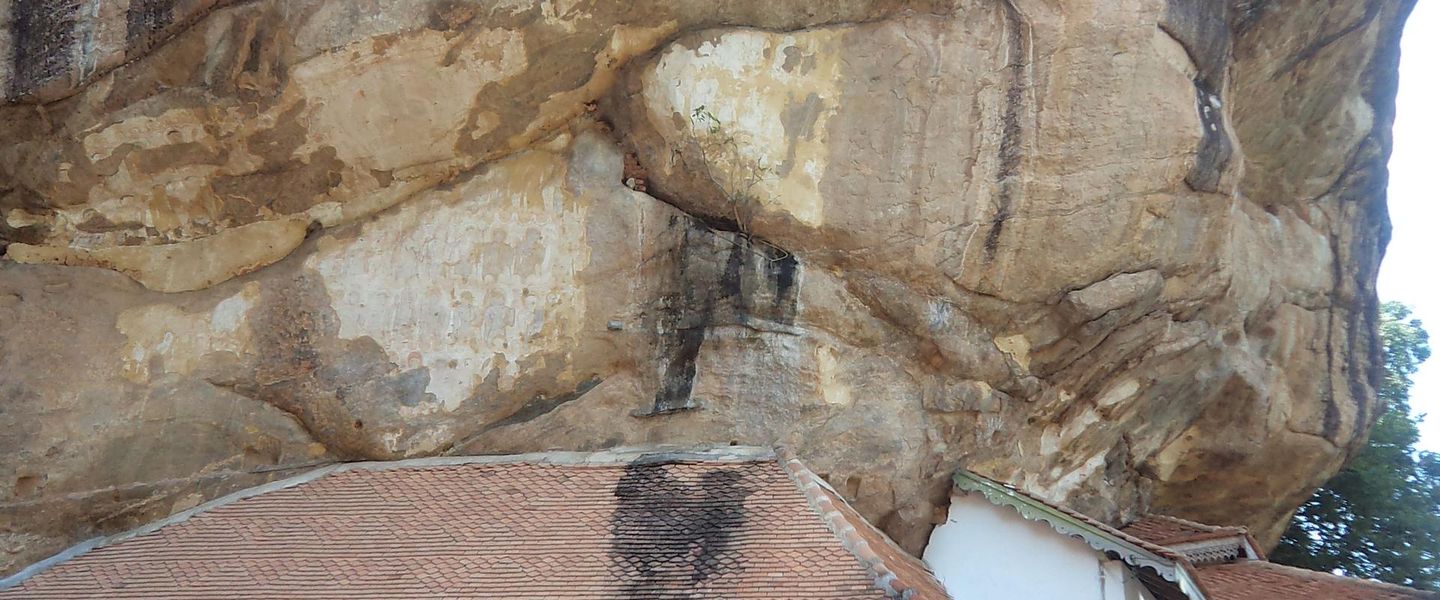
Kurunegala District, Sri Lanka Travel Guide
Discover Kurunegala District: A perfect blend of history, culture, and natural beauty in the heart of Sri Lanka.
Kurunegala District in Sri Lanka is a hidden gem that offers a perfect blend of history, culture, and natural beauty. Nestled in the North Western Province, this district is known for its rich cultural heritage and stunning landscapes. From ancient temples to serene lakes, Kurunegala has something for everyone. One of the major attractions in Kurunegala is the Ethagala Rock, also known as the Elephant Rock. This massive rock formation resembles an elephant and offers panoramic views of the city. Climbing to the top is a rewarding experience, as you'll be greeted by a stunning vista of lush greenery and sparkling water bodies. Kurunegala is also home to several ancient temples, including the famous Ridi Viharaya. This centuries-old temple is adorned with intricate carvings and paintings that reflect the rich history of the region. Visitors can explore the temple grounds, learn about its history, and even take part in traditional ceremonies. For nature enthusiasts, Kurunegala offers numerous opportunities to explore the great outdoors. The serene Kurunegala Lake is perfect for a leisurely boat ride or a peaceful picnic. Bird watchers will be delighted by the diverse species that inhabit the area. Additionally, the district's numerous hiking trails provide a chance to get up close and personal with the region's flora and fauna. Kurunegala District is also known for its vibrant local markets, where visitors can shop for traditional handicrafts, fresh produce, and delicious street food. The local cuisine is a delightful mix of flavors, with dishes that are sure to tantalize your taste buds. Whether you're a history buff, nature lover, or simply looking for a peaceful retreat, Kurunegala District has something to offer. Its unique blend of cultural heritage and natural beauty makes it a must-visit destination in Sri Lanka.

Know before you go
Hi, I'm Eve. Here are a few practical things to know before exploring Kurunegala District.
- Wear comfortable shoes for climbing Ethagala Rock.
- Visit Ridi Viharaya early in the morning to avoid crowds.
- Bring binoculars for bird watching at Kurunegala Lake.
- Explore local markets for unique handicrafts and fresh produce.
- Try local street food for an authentic taste of Sri Lankan cuisine.
Top City Travel Guides in Kurunegala District
The cities of Kurunegala District, and the easiest places to base yourself.


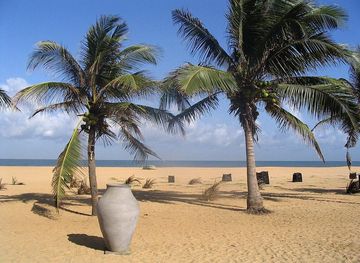
Destinations in Kurunegala District
Resorts, valleys and scenic spots worth a trip of their own.


Explore Kurunegala District: Things to Do, Places to Eat, Hotels & More
Handpicked recommendations for top attractions, local dining, accommodations, and more

Top Attractions & Sightseeing in Kurunegala District
Top-rated picks
Best Attractions

Dambulla Royal Cave Temple and Golden Temple
Explore the Dambulla Royal Cave Temple, a UNESCO World Heritage Site renowned for its stunning Buddhist art and serene atmosphere, in the heart of Sri Lanka.
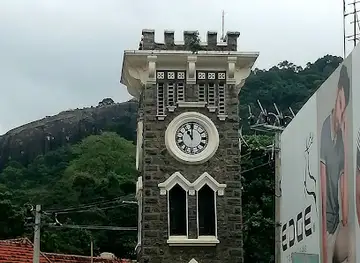
Kurunegala Clock Tower
Explore Kurunegala Clock Tower, a historical landmark that embodies the rich culture and heritage of Sri Lanka, surrounded by vibrant local attractions.

Children's Park - Lakeround
Discover the serene beauty and family-friendly fun at Children's Park - Lakeround, a top tourist attraction in Kurunegala.

Panduwasnuwara Kingdom
Explore the ancient wonders of Panduwasnuwara Kingdom, a majestic historical landmark in Sri Lanka that unveils the island's rich cultural heritage.

Best landmarks in Kurunegala District
Top-rated picks
Best Landmarks

Sigiriya
Discover the breathtaking Sigiriya Fortress in Sri Lanka, a UNESCO World Heritage site showcasing stunning frescoes and ancient architectural wonders.

Dambulla Royal Cave Temple and Golden Temple
Explore the Dambulla Royal Cave Temple, a UNESCO World Heritage Site, featuring stunning Buddha statues and breathtaking views in Sri Lanka's central hills.
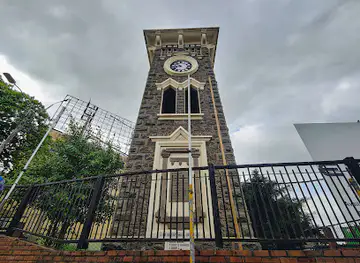
Kurunegala Clock Tower
Explore the historic Kurunegala Clock Tower, a cultural gem in Sri Lanka that showcases stunning architecture and vibrant local life.

Sri Munneswaram Kovil
Experience the spiritual essence and architectural magnificence of Sri Munneswaram Kovil, a key Hindu temple in Sri Lanka's rich cultural landscape.

Best restaurants in Kurunegala District
Top-rated picks
Best Restaurants

The Hangout
Experience delightful breakfasts and savory non-vegetarian dishes at The Hangout in Kurunegala - a must-visit dining destination!

Sri Bajra Dosai
Discover authentic vegetarian delights at Sri Bajra Dosai in Kurunegala – home to the best dosas in Sri Lanka!
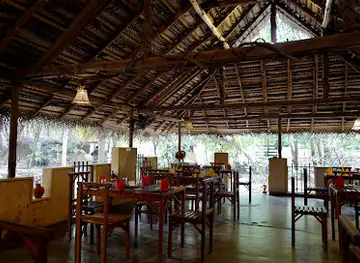
The Saruketha Pavilion
Discover authentic Sri Lankan flavors at The Saruketha Pavilion – where every dish is a celebration of taste and culture.

Singhe Bakers & Restaurant
Experience authentic Sri Lankan flavors at Singhe Bakers & Restaurant in Kurunegala – where tradition meets taste.

Best bars in Kurunegala District
Top-rated picks
Best Bars

Fab Ceylon Kurunegala
Experience the delightful flavors of Fab Ceylon Kurunegala, a cozy cafe where local charm meets culinary excellence.

The Hangout
Discover a culinary haven at The Hangout in Kurunegala, where delicious non-vegetarian breakfasts meet a warm and inviting atmosphere.

P&G Lounge
Discover P&G Lounge, a family-friendly restaurant in Kurunegala, offering an inviting atmosphere and a diverse menu of delicious local and international cuisine.

The Saruketha Pavilion
Experience the best of Sri Lankan cuisine at The Saruketha Pavilion, where every dish tells a story of rich flavors and culinary traditions.

Best nightclubs in Kurunegala District
Top-rated picks
Best Nightclubs

Old Trinitian's Sports Club
Experience the lively spirit of Kandy at Old Trinitian's Sports Club, a perfect blend of camaraderie, culture, and nightlife.

Cockpit Night Club
Enjoy a vibrant nightlife experience at Cockpit Night Club in Seeduwa, where great music and drinks create unforgettable memories.

Everest Night Club
Discover Kadawatha's electrifying nightlife at Everest Night Club, where music, dance, and unforgettable memories await you.

GENTLEMAN 88
Discover the pulse of Kurunegala's nightlife at Gentleman 88, the ultimate dance club for an electrifying experience in Sri Lanka.

Best shops in Kurunegala District
Top-rated picks
Best Shops

Sriyani Dress Point - Kurunegala
Explore the vibrant world of fashion at Sriyani Dress Point in Kurunegala, where tradition meets modern style in a unique shopping experience.

CIB Shopping Center - Kurunegala
Discover a shopping paradise at CIB Shopping Center in Kurunegala, where fashion meets local culture in a vibrant atmosphere.

Fashion Bug
Explore the vibrant fashion scene at Fashion Bug in Kurunegala, where style meets affordability in an unforgettable shopping experience.

Hameedia | Kurunegala
Discover exquisite men's fashion and custom tailoring at Hameedia in Kurunegala—where style meets local craftsmanship.

Explore Kurunegala District on the Map
A handpicked selection of must-see spots in Kurunegala District, mapped for you.
Kurunegala District Essentials
-
Kurunegala District is located in the North Western Province of Sri Lanka. The nearest international airport is Bandaranaike International Airport in Colombo, approximately 90 kilometers away. From Colombo, you can take a bus or hire a taxi to Kurunegala, which typically takes around 2 to 3 hours by road. There are also frequent train services from Colombo to Kurunegala, offering a scenic and comfortable journey.
-
Within Kurunegala District, local buses and tuk-tuks are the most common modes of transportation. Tuk-tuks are convenient for short distances and can be hailed from almost anywhere. For longer trips, local buses are inexpensive and cover most of the district’s major routes. Renting a car or a motorbike is also an option if you prefer more flexibility in your travels.
-
The official currency in Sri Lanka is the Sri Lankan Rupee (LKR). Credit cards are accepted in many hotels, restaurants, and larger shops in Kurunegala District, but it is advisable to carry cash for smaller establishments and rural areas. ATMs are available in Kurunegala town, but make sure to withdraw enough cash before heading to more remote parts of the district.
-
Kurunegala District is generally a safe destination for tourists. However, it is always best to take standard precautions. Avoid walking alone at night in unfamiliar areas and keep your belongings secure in crowded places. While there are no specific high-crime areas targeting tourists, staying vigilant and aware of your surroundings is recommended.
-
In case of emergency, dial 119 for the police or 110 for medical assistance. The main hospital in Kurunegala town offers comprehensive medical services. It is recommended to have travel insurance that covers medical emergencies. For minor health issues, there are numerous pharmacies throughout the district where you can purchase over-the-counter medications.
-
Fashion: Do dress modestly, especially when visiting religious sites. Avoid wearing revealing clothing. Religion: Do respect local customs and traditions. Always remove your shoes and cover your head when entering temples. Public Transport: Do be respectful and give up your seat to elderly passengers. Don't eat or drink on public transport. Greetings: Do greet people with a smile and a slight bow. A traditional greeting involves placing your hands together in a prayer-like gesture. Eating & Drinking: Do try local delicacies and accept food offerings graciously. Don't refuse hospitality, as it is considered impolite.
-
To experience Kurunegala District like a local, visit the local markets where you can buy fresh produce and traditional Sri Lankan goods. Engage with locals, as they are often friendly and willing to share stories about the area’s history and culture. Don't miss visiting the Kurunegala Lake and the famous Elephant Rock. For a unique experience, attend a local festival or a traditional dance performance.
When is the best time to visit Kurunegala District?
Useful Local Phrases for Kurunegala District
You don't need to speak the language perfectly. Even learning a few simple words can make conversations warmer—and locals usually appreciate the effort.
— Eve

Here are the phrases I use most often in Kurunegala District. Try a few—you'll be surprised how far they go! 😊
❤️
-
- Helloආයුබෝවන්
[Āyubōvan] - Goodbyeආයුබෝවන්
[Āyubōvan] - Yesඔව්
[Ov] - Noනැහැ
[Næhæ] - Please/You're welcomeකරුණාකර/ස්තුතියි
[Karuṇākara/Stuṭhiyi] - Thank youස්තුතියි
[Stuṭhiyi] - Excuse me/Sorryකැමතිනම්/කණගාටු
[Kæmatinæm/Kanaɡāṭu] - How are you?ඔබට කොහොමද?
[Obaṭa kohoṁda?] - Fine. And you?හොඳයි. ඔබට?
[Hoṇḍayi. Obaṭa?] - Do you speak English?ඔබට ඉංග්රීසි කතා කරන්න පුළුවන්ද?
[Obaṭa iṅgrīsi kathā karanna puḷuvanda?] - I don't understandමට තේරෙන්නෑ
[Maṭa thēreṇṇæ]
- Helloආයුබෝවන්
-
- I'd like to see the menu, pleaseකරුණාකර මෙනුව බලන්න
[Karuṇākara menuva balanna] - I don't eat meatමම මස් කෑම නොකරමි
[Mama mas kæma nokaramī] - Cheers!සතුටින්!
[Satuṭin!] - I would like to pay, pleaseකරුණාකර ගෙවන්න
[Karuṇākara gevanna]
- I'd like to see the menu, pleaseකරුණාකර මෙනුව බලන්න
-
- Help!ආපදා!
[Āpadā!] - Go away!ඉවත්වන්න!
[Ivatvanna!] - Call the Police!පොලීසිය කැඳවන්න!
[Polīsiya kæṇḍavanna!] - Call a doctor!වෞද්ය අමතා!
[Vaudya amathā!] - I'm lostමට හමුවන්නේ නෑ
[Maṭa hamuvannē næ] - I'm illමම රෝගියා
[Mama rōgiyā]
- Help!ආපදා!
-
- I'd like to buy...මට මිලදී ගන්න ඕනෑ...
[Maṭa milādī ganna ōnæ...] - I'm just lookingමම පරීක්ෂා කරනවා
[Mama parīkṣā karanavā] - How much is it?මෙය කොපමණද?
[Meya kopamaṇada?] - That's too expensiveඒක අධික මිලක්
[Ēka adhika milak] - Can you lower the price?මිල අඩු කරන්න පුළුවන්ද?
[Mila aḍu karanna puḷuvanda?]
- I'd like to buy...මට මිලදී ගන්න ඕනෑ...
-
- What time is it?යාලු වෙලාව කීයද?
[Yālu velāva kīyada?] - It's one o'clockඑය එකටයි
[Eya ekatai] - Half past (10)අර්ධය (10)
[Ardhaya (10)] - Morningඋදෑසන
[Udæsaṇa] - Afternoonදහවල්
[Dahaval] - Eveningසවස
[Savasā] - Yesterdayකාර්යාලයේදී
[Kāryālayēdī] - Todayඅද
[Ada] - Tomorrowහෙට
[Hæṭa] - 11
[1] - 22
[2] - 33
[3] - 44
[4] - 55
[5] - 66
[6] - 77
[7] - 88
[8] - 99
[9] - 1010
[10]
- What time is it?යාලු වෙලාව කීයද?
-
- Where's a/the...?එකක් කුමක්ද?
[Ekak kumakda?] - What's the address?ලිපිනය කුමක්ද?
[Lipiṇaya kumakda?] - Can you show me (on the map)?මට පෙන්වන්න (පතට)?
[Maṭa penvanna (pathaṭa)?] - When's the next (bus)?ආපසු (බස්) කවදද?
[Āpasu (bas) kawadā?] - A ticket (to ....)එකක් ටිකට්පතක් (....) සඳහා
[Ekak ṭikaṭpathak (....) sandahā]
- Where's a/the...?එකක් කුමක්ද?
History of Kurunegala District
-
Kurunegala served as a royal capital during the late 13th century. The city rose to prominence under King Bhuvanaikabahu II, who established it as the capital of the Kingdom of Dambadeniya. The historical significance of Kurunegala as a center of administrative power is marked by various ruins and ancient sites scattered throughout the district.
-
One of the most iconic landmarks in Kurunegala is Ethagala, also known as the Elephant Rock. This massive rock formation resembles an elephant and has been a symbolic guardian of the city for centuries. The rock not only offers breathtaking panoramic views but also holds historical significance, often being referenced in ancient texts and folklore.
-
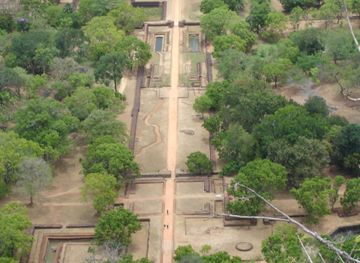
Panduwasnuwara is an ancient capital located in the Kurunegala District, known for its archaeological and cultural heritage. This site dates back to the 12th century and is associated with King Parakramabahu I. Visitors can explore the ruins of the royal palace, an ancient dagoba (stupa), and other significant structures that reveal the region's rich past.
-
Lake Kurunegala, also known as Kurunegala Wewa, has a storied history that intertwines with local myths and legends. It is said that the lake was created to quench the thirst of the elephants that inhabited the area. The lake has been a crucial water source for centuries and continues to be a vital part of the district's ecosystem.
-
During the British colonial period, Kurunegala became an important administrative center. The British influence is evident in the district's architecture, with several colonial-era buildings still standing. The Kurunegala Clock Tower, constructed in the early 20th century, serves as a prominent remnant of this era, reflecting the district's historical evolution.
-
Kurunegala District has long been known for its fertile lands and agricultural productivity. The region is particularly famous for its coconut plantations and paddy fields. The traditional farming practices and the agricultural way of life have been preserved over generations, contributing significantly to the district’s economy and cultural heritage.
-
The district is home to numerous ancient Buddhist temples, each with its own unique history and spiritual significance. Notable among them is the Ridi Viharaya, an ancient rock temple that dates back to the 2nd century BC. The temple is renowned for its intricate frescoes, statues, and the sacred relics it houses.
-
In contemporary times, Kurunegala has evolved into a bustling hub that bridges the historical and the modern. The district plays a crucial role in the nation's politics, economy, and culture. Its strategic location as a transit point between Colombo and Kandy has facilitated its growth, while it continues to preserve its rich historical legacy.
Neighbouring Regions of Kurunegala District
The closest regions to Kurunegala District, if you have time for more than one.



Your all‑in‑one travel companion app
Explore expert travel guides, compare and book tours, experiences, hotels, and more—all from the palm of your hand. Download now for seamless trip planning wherever your wanderlust takes you.


Explore More of Sri Lanka

Looking beyond Kurunegala District? Discover Sri Lanka for broader travel guides, local hot-spots, and regional highlights.
Explore Sri LankaKurunegala District in Photos
Browse through our photo collection highlighting the charm and character of the destination.




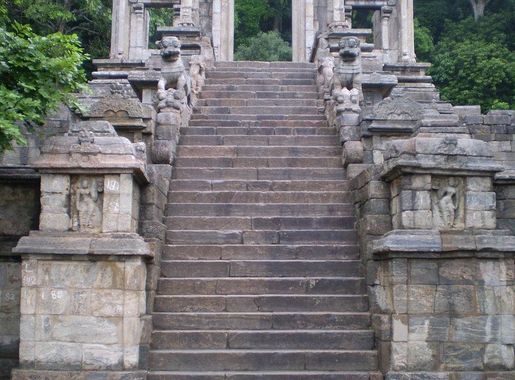
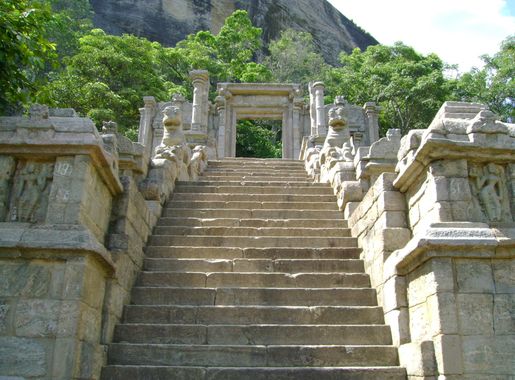
Kurunegala District: The Heart of Sri Lankan Heritage
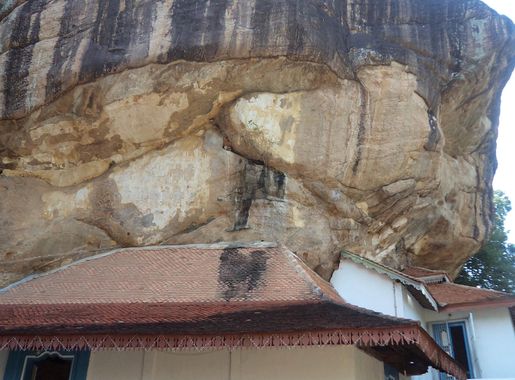
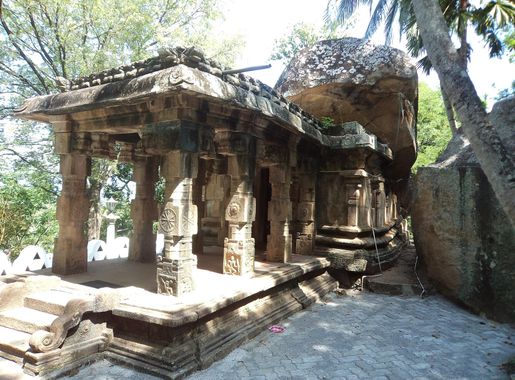
Kurunegala District in Sri Lanka is a hidden gem that offers a perfect blend of history, culture, and natural beauty. Nestled in the North Western Province, this district is known for its rich cultural heritage and stunning landscapes. From ancient temples to serene lakes, Kurunegala has something for everyone. One of the major attractions in Kurunegala is the Ethagala Rock, also known as the Elephant Rock. This massive rock formation resembles an elephant and offers panoramic views of the city. Climbing to the top is a rewarding experience, as you'll be greeted by a stunning vista of lush greenery and sparkling water bodies. Kurunegala is also home to several ancient temples, including the famous Ridi Viharaya. This centuries-old temple is adorned with intricate carvings and paintings that reflect the rich history of the region. Visitors can explore the temple grounds, learn about its history, and even take part in traditional ceremonies. For nature enthusiasts, Kurunegala offers numerous opportunities to explore the great outdoors. The serene Kurunegala Lake is perfect for a leisurely boat ride or a peaceful picnic. Bird watchers will be delighted by the diverse species that inhabit the area. Additionally, the district's numerous hiking trails provide a chance to get up close and personal with the region's flora and fauna. Kurunegala District is also known for its vibrant local markets, where visitors can shop for traditional handicrafts, fresh produce, and delicious street food. The local cuisine is a delightful mix of flavors, with dishes that are sure to tantalize your taste buds. Whether you're a history buff, nature lover, or simply looking for a peaceful retreat, Kurunegala District has something to offer. Its unique blend of cultural heritage and natural beauty makes it a must-visit destination in Sri Lanka.