

Free Cultural Triangle Travel Guide & Mobile App
Explore Cultural Triangle with free travel guides. Discover regional history, expert tips, proposed trips, and audio guides on web or mobile app.


Discover the Cultural Triangle of Sri Lanka: A Journey Through Ancient Cities, Sacred Temples, and Breathtaking Landscapes.
Read more about Cultural Triangle
When is the best time to visit Cultural Triangle?
Best: December–February · 32–33°C| Month | High (°C) | Rainfall (mm) |
|---|---|---|
| January (best) | 32 | 50 |
| February (best) | 33 | 60 |
| March | 33 | 75 |
| April | 34 | 90 |
| May | 35 | 120 |
| June | 34 | 130 |
| July | 33 | 110 |
| August | 33 | 110 |
| September | 33 | 100 |
| October | 33 | 90 |
| November | 32 | 70 |
| December (best) | 32 | 60 |
Getting to and around Cultural Triangle
How to get there
Transportation
Top city travel guides in Cultural Triangle
The cities of Cultural Triangle, and the easiest places to base yourself.
-
 Sigiriya
Discover Sigiriya, the Lion's Rock Fortress in Sri Lanka, a UNESCO World Heritage Site offering stunning views, ancient gardens, and nearby attractions like Dambulla Cave Temple and Minneriya National Park.
Sigiriya
Discover Sigiriya, the Lion's Rock Fortress in Sri Lanka, a UNESCO World Heritage Site offering stunning views, ancient gardens, and nearby attractions like Dambulla Cave Temple and Minneriya National Park.
-
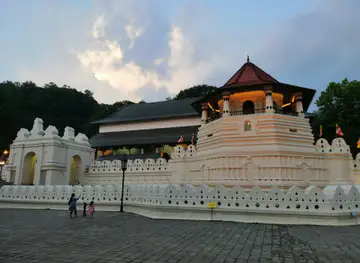 Kandy
Discover Kandy, Sri Lanka: A city of rich cultural heritage, sacred temples, and breathtaking landscapes. Experience the vibrant Esala Perahera and serene Kandy Lake.
Kandy
Discover Kandy, Sri Lanka: A city of rich cultural heritage, sacred temples, and breathtaking landscapes. Experience the vibrant Esala Perahera and serene Kandy Lake.
-
 Anuradhapura
Discover Anuradhapura, Sri Lanka's ancient capital, filled with sacred sites, historical monuments, and serene natural beauty, offering a unique journey through time and spirituality.
Anuradhapura
Discover Anuradhapura, Sri Lanka's ancient capital, filled with sacred sites, historical monuments, and serene natural beauty, offering a unique journey through time and spirituality.
-
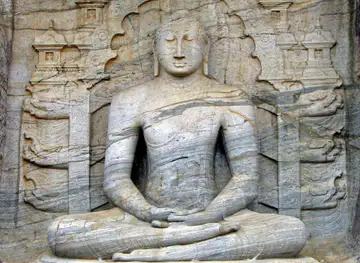 Polonnaruwa
Discover the ancient wonders of Polonnaruwa, a UNESCO World Heritage site in Sri Lanka, filled with majestic ruins, serene Buddha statues, and stunning landscapes.
Polonnaruwa
Discover the ancient wonders of Polonnaruwa, a UNESCO World Heritage site in Sri Lanka, filled with majestic ruins, serene Buddha statues, and stunning landscapes.
Swipe for more cities
Destinations in Cultural Triangle
Resorts, valleys and scenic spots worth a trip of their own.
-
 Minneriya National Park
Explore Minneriya National Park: Witness 'The Gathering' of elephants, rich biodiversity, and historical wonders in the heart of Sri Lanka.
Minneriya National Park
Explore Minneriya National Park: Witness 'The Gathering' of elephants, rich biodiversity, and historical wonders in the heart of Sri Lanka.
-
 Dambulla
Explore Dambulla: A gateway to Sri Lanka's ancient cave temples, bustling markets, and breathtaking natural beauty.
Dambulla
Explore Dambulla: A gateway to Sri Lanka's ancient cave temples, bustling markets, and breathtaking natural beauty.
Swipe for more destinations
Best attractions in Cultural Triangle
The Cultural Triangle of Sri Lanka is a treasure trove of ancient wonders, offering visitors the chance to explore the majestic rock fortress of Sigiriya with its stunning frescoes and panoramic views, the sacred city of Kandy with the revered Temple of the Tooth Relic, and the sprawling ruins of Anuradhapura and Polonnaruwa that transport you back to the grandeur of ancient kingdoms. Wander through the mystic cave temples of Dambulla adorned with intricate paintings and statues, and marvel at the towering Aukana Buddha statue, a testament to Sri Lanka's rich Buddhist heritage. Each site within this historic triangle provides a unique glimpse into a bygone era, captivating the imagination with its blend of natural beauty and architectural ingenuity.
-
Fortress
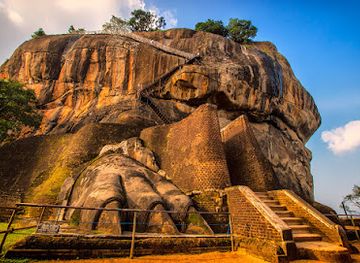
Sigiriya
Experience the majesty of Sigiriya, Sri Lanka's ancient fortress, where history, stunning frescoes, and breathtaking views converge.
-
Buddhist temple
Dambulla Royal Cave Temple and Golden Temple
Discover the spiritual heart of Sri Lanka at Dambulla Royal Cave Temple, a treasure trove of art and history nestled in stunning landscapes.
-
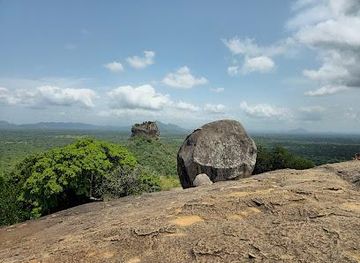
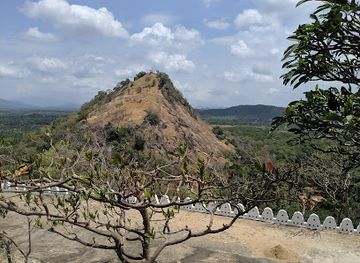
Pidurangala Rock
Discover the breathtaking views and historical significance of Pidurangala Rock, a gem nestled in the heart of Sri Lanka's cultural heritage.
-
Tourist attraction
Avukana Buddha Statue
Explore the majestic Avukana Buddha Statue, a serene symbol of Sri Lanka's rich Buddhist heritage and architectural brilliance.

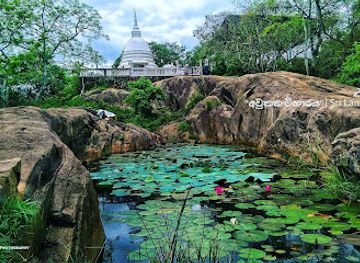
Best landmarks in Cultural Triangle
Embark on an unforgettable journey through Sri Lanka's Cultural Triangle, where ancient wonders and breathtaking landscapes converge. Discover the majestic rock fortress of Sigiriya, with its stunning frescoes and panoramic views, then wander through the sacred city of Anuradhapura, home to centuries-old stupas and the revered Sri Maha Bodhi tree. Marvel at the intricate carvings and colossal statues in the ancient city of Polonnaruwa, and explore the Dambulla Cave Temple, adorned with vibrant murals and Buddha statues. As you traverse this historic region, you'll encounter the rich heritage, spiritual depth, and architectural grandeur that define the heart of Sri Lanka.
-
Fortress
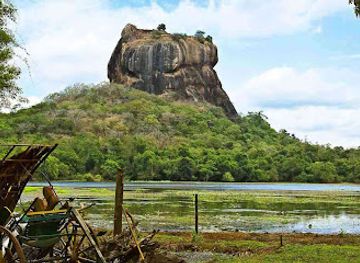
Sigiriya
Explore the splendor of Sigiriya, an ancient fortress in Sri Lanka, renowned for its breathtaking views, historical significance, and stunning frescoes.
-
Historical landmark
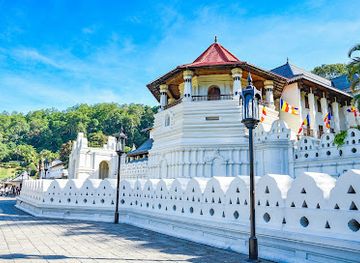
Sacred City of Kandy
Explore the Sacred City of Kandy, a UNESCO World Heritage Site in Sri Lanka, known for its cultural richness and the revered Temple of the Tooth.
-
Buddhist temple
Jaya Sri Maha Bodhi
Explore Jaya Sri Maha Bodhi, the sacred site of enlightenment, where spirituality meets history in the heart of Anuradhapura, Sri Lanka.
-
Buddhist temple
Dambulla Royal Cave Temple and Golden Temple
Explore the Dambulla Royal Cave Temple, a UNESCO World Heritage Site, and immerse yourself in Sri Lanka's rich Buddhist culture and stunning artistry.

Explore Cultural Triangle on the map
Plan your trip on one map. See where the top cities, national parks and sights are, and book hotels and experiences in a few clicks.
Best hotels in Cultural Triangle
Best restaurants in Cultural Triangle
The dining scene in Sri Lanka's Cultural Triangle is a captivating blend of traditional flavors and modern culinary innovations, set against the backdrop of some of the country's most historic and scenic locales. Visitors can expect to indulge in authentic Sri Lankan cuisine, rich with spices and unique ingredients, at local eateries and street food stalls that offer delicacies like hoppers, kottu roti, and fragrant curries. Fine dining options are also available, where chefs creatively fuse local and international flavors, often using fresh, locally-sourced produce. The ambiance varies from charming, rustic village settings to elegant, contemporary spaces, ensuring a memorable culinary journey that complements the region's rich cultural heritage.
-
Pizza
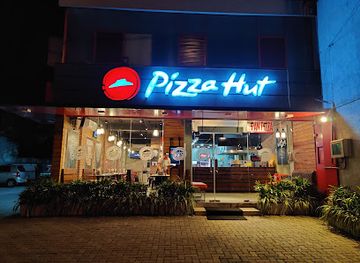
Pizza Hut - Dambulla
Experience delicious Italian flavors at Pizza Hut Dambulla - perfect for families and travelers exploring Sri Lanka's cultural treasures.
-
Restaurant
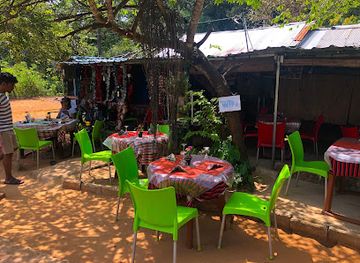
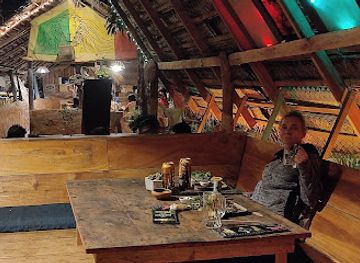
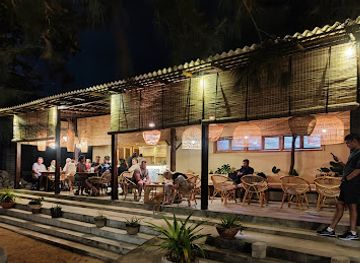
Sigiriya Wew Thawulla Restaurant
Experience authentic Sri Lankan flavors at Sigiriya Wew Thawulla Restaurant with stunning views near the iconic Sigiriya Rock Fortress.
-
Restaurant
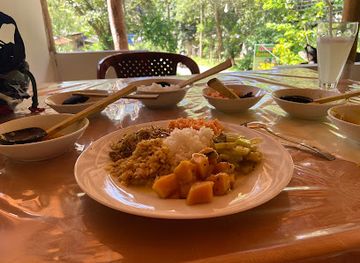
Kenoli Restaurant
Experience authentic Sri Lankan cuisine at Kenoli Restaurant in Sigiriya – where flavors meet hospitality amidst stunning landscapes.
-
Restaurant
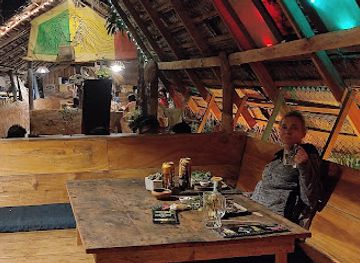
Rastarant Sigiriya
Experience authentic Sri Lankan cuisine at Rastarant Sigiriya, where local flavors meet stunning views near the iconic Sigiriya Rock.
Best bars in Cultural Triangle
The nightlife in Sri Lanka’s Cultural Triangle offers a unique and enchanting experience that blends rich history with modern entertainment. As the sun sets over ancient ruins and UNESCO World Heritage sites, visitors can unwind in charming open-air bars and sophisticated lounges that provide stunning views of illuminated temples and lush landscapes. Local hotspots often feature live traditional music and dance performances, immersing guests in the island’s vibrant culture. For those seeking a more contemporary vibe, there are chic rooftop bars and modern nightclubs in the nearby cities of Kandy and Dambulla, offering expertly crafted cocktails, trendy DJ sets, and a lively, cosmopolitan atmosphere. Whether you prefer a serene evening under the stars or an energetic night out, the Cultural Triangle’s nightlife scene promises an unforgettable fusion of the past and present.
-
Asian Fusion
Slightly Chilled Lounge Bar and Restaurant
Discover the fusion of flavors and vibrant ambiance at Slightly Chilled Lounge Bar and Restaurant in Kandy.
-
Bar
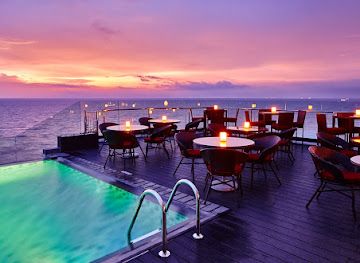
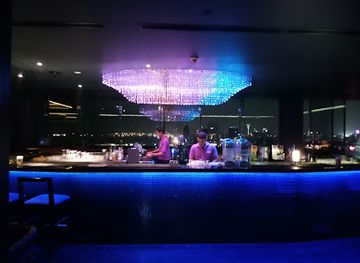
ON14 Rooftop Lounge & Bar
Experience exquisite dining and stunning skyline views at ON14 Rooftop Lounge & Bar in Colombo, blending elegance with vibrant city life.
-
Restaurant
Rastarant Sigiriya
Experience the flavors of Sri Lanka at Rastarant Sigiriya, a charming restaurant near the iconic Sigiriya Rock Fortress, perfect for a delightful culinary break.
-
Restaurant
Sigiriya Wew Thawulla Restaurant
Experience the flavors of Sri Lanka at Sigiriya Wew Thawulla Restaurant, a culinary gem in the heart of Sigiriya with stunning views and authentic dishes.


Best nightclubs in Cultural Triangle
The nightlife in Sri Lanka’s Cultural Triangle offers a unique and enchanting experience that blends rich history with modern entertainment. As the sun sets over ancient ruins and UNESCO World Heritage sites, visitors can unwind in charming open-air bars and sophisticated lounges that provide stunning views of illuminated temples and lush landscapes. Local hotspots often feature live traditional music and dance performances, immersing guests in the island’s vibrant culture. For those seeking a more contemporary vibe, there are chic rooftop bars and modern nightclubs in the nearby cities of Kandy and Dambulla, offering expertly crafted cocktails, trendy DJ sets, and a lively, cosmopolitan atmosphere. Whether you prefer a serene evening under the stars or an energetic night out, the Cultural Triangle’s nightlife scene promises an unforgettable fusion of the past and present.
-
 Resort hotel
Amaya Lake Dambulla
Discover tranquility at Amaya Lake Dambulla, a resort that blends luxury with nature, offering a perfect escape in Sri Lanka's breathtaking landscapes.
-
Bar
ON14 Rooftop Lounge & Bar
Discover the stunning ON14 Rooftop Lounge & Bar in Colombo, where exquisite cuisine and breathtaking views meet in a vibrant atmosphere.
-
Performing arts theater
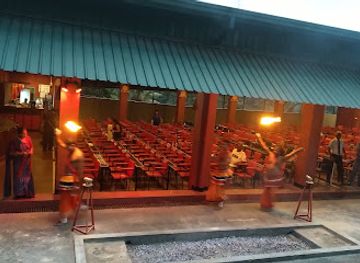
Kandy Lake Club - Cultural Dance Show
Discover the essence of Sri Lankan culture through stunning dance performances at Kandy Lake Club, a captivating experience in Kandy.
-
Bar
Fernando's Bar
Discover the lively Fernando's Bar in Trincomalee, where local charm meets an inviting atmosphere for tourists and locals alike.
Best shops in Cultural Triangle
Exploring the shopping scene in Sri Lanka's Cultural Triangle is like embarking on a treasure hunt through time and tradition. Visitors can expect bustling local markets and quaint boutiques filled with handcrafted batik textiles, intricate brassware, and vibrant wooden masks that tell tales of ancient folklore. The aroma of freshly ground spices, from cinnamon to cardamom, fills the air, while stalls brimming with semi-precious gems and traditional jewelry dazzle the eyes. Don't miss the opportunity to haggle for unique souvenirs at the Dambulla market, or to discover artisanal pottery and lacquerware in the historic town of Kandy. Whether you're seeking a keepsake of your journey or the perfect gift, the Cultural Triangle offers a rich tapestry of shopping experiences that capture the essence of Sri Lankan heritage.
-
Farmers' market
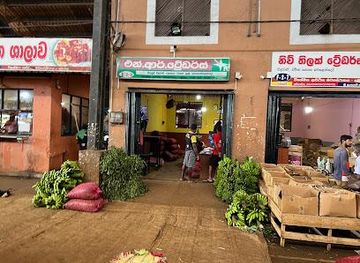
Dambulla Dedicated Economic Center
Discover the vibrant Dambulla Dedicated Economic Center, where fresh produce meets local culture in a bustling farmers' market setting.
-
Buddhist temple
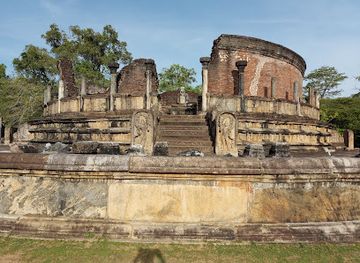
Vatadage
Explore the historic Vatadage in Polonnaruwa, a stunning Buddhist temple showcasing exquisite ancient architecture and rich cultural heritage.
-
National reserve
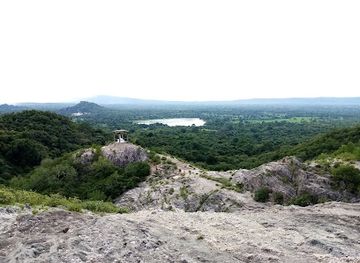
Jathika Namal Uyana
Explore the breathtaking Jathika Namal Uyana, a national reserve in Sri Lanka, where nature and tranquility meet in perfect harmony.
-
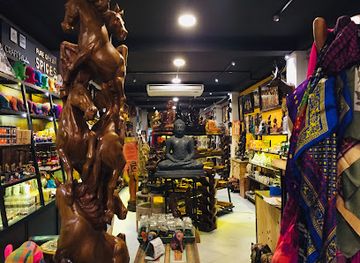
Scrapbooking store
Crafts SHOP by House of Crafts - SRI LANKA
Explore exquisite Sri Lankan handicrafts and unique souvenirs at Crafts SHOP by House of Crafts in Kandy, a paradise for art lovers and collectors.
Get your free copy of our complete guide to Cultural Triangle, delivered straight to you.
Everything on this page, from attractions and restaurants to essentials and local phrases, in one PDF you can read offline, print or share.
Already have an account? Sign in
Your Cultural Triangle guide is ready.
We'll send it to · Not you? Sign out

Getting your guide ready…
We are putting together a fresh copy of the Cultural Triangle guide. This can take up to a minute.
This can take a few moments. If your browser asks, choose Allow so the download can start. You'll find the guide in your Downloads folder.
Nothing happened? Download it again
Sorry, the guide is taking longer than usual. Please try again in a minute, or get it by email instead.
Cultural Triangle essentials
Currency and Payment
Safety
Emergency Situations
Do's and Don'ts
Local Tips
From Eve
Local phrases worth knowing
You don't need to get them perfect. A few words go a long way, and locals appreciate the effort.
Basics
| English | Local | Say it |
|---|---|---|
| Hello | ආයුබෝවන් | [Āyubōvan] |
| Goodbye | ආයුබෝවන් | [Āyubōvan] |
| Yes | ඔව් | [Ov] |
| No | නැහැ | [Næhæ] |
| Please/You're welcome | කරුණාකර | [Karunākara] |
| Thank you | ස්තුතියි | [Stūthiyi] |
| Excuse me/Sorry | කමතියි | [Kamatiyi] |
| How are you? | ඔබට කෙසේද? | [Obata kesēda?] |
| Fine. And you? | හොඳයි. ඔබට? | [Hoṇḍayi. Obata?] |
| Do you speak English? | ඔබට ඉංග්රීසි කියන්න පුළුවන්ද? | [Obata iṅgrīsi kiyanṇa puḷuvanda?] |
| I don't understand | මට තේරුම් නැහැ | [Maṭa thērvm næhæ] |
Eating & Drinking
| English | Local | Say it |
|---|---|---|
| I'd like to see the menu, please | මට මෙනුව බලන්න ඕනෙ, කරුණාකර | [Maṭa menuva balanna ōne, karunākara] |
| I don't eat meat | මට මස් කන්න බැහැ | [Maṭa mas kanna bæhæ] |
| Cheers! | ආයුබෝවන්! | [Āyubōvan!] |
| I would like to pay, please | මට ගෙවන්න ඕනෙ, කරුණාකර | [Maṭa gewanna ōne, karunākara] |
Emergencies
| English | Local | Say it |
|---|---|---|
| Help! | උදව් කරන්න! | [Udav karanna!] |
| Go away! | පැමිණෙන්න! | [Pæmiṇenna!] |
| Call the Police! | පොලීසිය ඇමතුම් කරන්න! | [Polīsiya æmaṭum karanna!] |
| Call a doctor! | ඩොක්ටරයෙක් ඇමතුම් කරන්න! | [Ḍokṭarayek æmaṭum karanna!] |
| I'm lost | මම අහිමි වී ගියා | [Mama ahimi vī giya] |
| I'm ill | මට අසුවක් ඇත | [Maṭa asuvak æta] |
Shopping
| English | Local | Say it |
|---|---|---|
| I'd like to buy... | මට මිලදී ගන්න ඕනෙ... | [Maṭa milādī ganna ōne...] |
| I'm just looking | මම පරීක්ෂා කරමින් සිටී | [Mama parīkṣā karamin sitī] |
| How much is it? | ඇත්තටම කොච්චරද? | [Ættama kochchara da?] |
| That's too expensive | එය අධික මිලක් | [Eya adhika milak] |
| Can you lower the price? | මිල පහළ කරන්න පුළුවන්ද? | [Mila pahala karanna puḷuvanda?] |
Time & Numbers
| English | Local | Say it |
|---|---|---|
| What time is it? | කාලය කුමක්ද? | [Kāla kuḿakda?] |
| It's one o'clock | එය එක්ම ගණනකි | [Eya ekma gaṇanaki] |
| Half past (10) | අඩි 10 | [Aḍi 10] |
| Morning | උදෑසන | [Udæsaṇa] |
| Afternoon | දැන් | [Dæn] |
| Evening | සඳසැණ | [Sandasaṇa] |
| Yesterday | ඊයේ | [Īyē] |
| Today | අද | [Ada] |
| Tomorrow | හෙට | [Hæṭa] |
| 1 | 1 | [1] |
| 2 | 2 | [2] |
| 3 | 3 | [3] |
| 4 | 4 | [4] |
| 5 | 5 | [5] |
| 6 | 6 | [6] |
| 7 | 7 | [7] |
| 8 | 8 | [8] |
| 9 | 9 | [9] |
| 10 | 10 | [10] |
Transport & Directions
| English | Local | Say it |
|---|---|---|
| Where's a/the...? | කුමක්ද ...? | [Kumakda...?] |
| What's the address? | ලිපිනය කුමක්ද? | [Lipinaya kumakda?] |
| Can you show me (on the map)? | මට පෙන්වන්න පුළුවන්ද (නක්ශාවේ)? | [Maṭa penwanṇa puḷuvanda (nakṣāvē)?] |
| When's the next (bus)? | ඊළඟ (බස්) කවදද? | [Īḷaṅga (bas) kawadada?] |
| A ticket (to ....) | පත්රයකි (ට...) | [Patrayaki (ṭa...)] |
History of Cultural Triangle
The Birth of Anuradhapura
Anuradhapura, one of the ancient capitals of Sri Lanka, was established in the 4th century BC. This city served as the center of Theravada Buddhism for many centuries and is renowned for its well-preserved ruins of ancient Sri Lankan civilization. The sacred Bo Tree, under which Buddha attained enlightenment, was brought to Anuradhapura during the reign of King Devanampiya Tissa.
The Glory of Polonnaruwa
Polonnaruwa became the second capital of Sri Lanka after the fall of Anuradhapura in the 11th century AD. King Parakramabahu I was instrumental in developing the city, transforming it into a sophisticated and urbanized location with advanced irrigation systems. The Gal Vihara rock temple and the Parakrama Samudra, a massive reservoir, are some of the key highlights from this period.
Sigiriya: The Lion Rock Fortress
Sigiriya, also known as Lion Rock, is a massive rock fortress and palace built by King Kashyapa in the 5th century AD. This UNESCO World Heritage site is famed for its elaborate frescoes, water gardens, and the Mirror Wall. The site was both a palace and a fortress, showcasing the architectural and artistic brilliance of ancient Sri Lanka.
The Sacred City of Kandy
Though not part of the traditional Cultural Triangle, Kandy is often associated with it due to its cultural significance. The city, which became the last capital of the ancient kings of Sri Lanka, is home to the Temple of the Sacred Tooth Relic, one of the most sacred Buddhist sites in the world. The annual Esala Perahera, a grand procession, is a major cultural event held in Kandy.
Dambulla Cave Temple
The Dambulla Cave Temple, also known as the Golden Temple of Dambulla, is a UNESCO World Heritage site that dates back to the 1st century BC. The temple complex consists of five main caves, each filled with numerous statues and paintings of Buddha and other deities. The site has been a pilgrimage site for over 2,000 years.
The Ancient City of Yapahuwa
Yapahuwa served as a temporary capital during the late 13th century. The city is well-known for its rock fortress, which rises about 90 meters above the surrounding plains. The impressive stone stairway leading to the fortress is one of its most distinctive features. Yapahuwa also houses various relics and artifacts from its brief period as a capital.
Ritigala: The Monastic Site
Ritigala, an ancient monastic complex located in the Cultural Triangle, is famous for its extensive ruins and natural beauty. The site is believed to have been a center for meditation and spiritual learning. The ruins include stone pathways, courtyards, and stone bridges, reflecting the ascetic lifestyle of the monks who once resided there.
Cultural Triangle in Photos
Browse through our photo collection highlighting the charm and character of the destination.
Neighbouring regions of Cultural Triangle
The closest regions to Cultural Triangle, if you have time for more than one.
-
 Matale District
Explore Matale District: Sri Lanka's hidden gem with ancient temples, lush spice gardens, and stunning landscapes.
Matale District
Explore Matale District: Sri Lanka's hidden gem with ancient temples, lush spice gardens, and stunning landscapes.
-
 Dry Zone
Discover the rugged beauty and ancient wonders of Sri Lanka's Dry Zone, where history, wildlife, and unique landscapes come together in an unforgettable experience.
Dry Zone
Discover the rugged beauty and ancient wonders of Sri Lanka's Dry Zone, where history, wildlife, and unique landscapes come together in an unforgettable experience.
-
 Polonnaruwa District
Discover the ancient wonders and lush landscapes of Polonnaruwa District, Sri Lanka, where history and nature blend seamlessly to create an unforgettable experience.
Polonnaruwa District
Discover the ancient wonders and lush landscapes of Polonnaruwa District, Sri Lanka, where history and nature blend seamlessly to create an unforgettable experience.
-
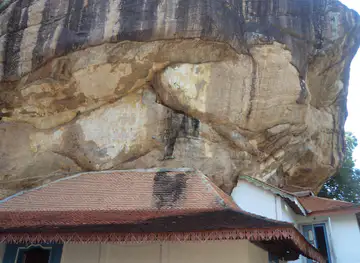 Kurunegala District
Discover Kurunegala District: A perfect blend of history, culture, and natural beauty in the heart of Sri Lanka.
Kurunegala District
Discover Kurunegala District: A perfect blend of history, culture, and natural beauty in the heart of Sri Lanka.
-
 Knuckles Mountain Range
Explore the Knuckles Mountain Range in Sri Lanka: A UNESCO World Heritage site teeming with biodiversity, hiking trails, and rich cultural heritage.
Knuckles Mountain Range
Explore the Knuckles Mountain Range in Sri Lanka: A UNESCO World Heritage site teeming with biodiversity, hiking trails, and rich cultural heritage.
Swipe for more regions

