

Free North Western Province Travel Guide & Mobile App
Explore North Western Province with free travel guides. Discover regional history, expert tips, proposed trips, and audio guides on web or mobile app.


Explore North Western Province for Sri Lanka’s medieval capitals, coconut country, bird-rich wetlands, lagoons and the marine landscapes of Kalpitiya.
Read more about North Western Province
When is the best time to visit North Western Province?
Best: December–February · 31°C| Month | High (°C) | Rainfall (mm) |
|---|---|---|
| January (best) | 31 | 75 |
| February (best) | 31 | 60 |
| March | 32 | 90 |
| April | 32 | 120 |
| May | 33 | 175 |
| June | 32 | 150 |
| July | 32 | 125 |
| August | 32 | 110 |
| September | 32 | 140 |
| October | 32 | 175 |
| November | 31 | 130 |
| December (best) | 31 | 100 |
Getting to and around North Western Province
How to get there
Transportation
Top city travel guides in North Western Province
The cities of North Western Province, and the easiest places to base yourself.
-

-

-
-

-
-


Swipe for more cities
Destinations in North Western Province
Resorts, valleys and scenic spots worth a trip of their own.
-

-

-

-

-

-


Swipe for more destinations
Best attractions in North Western Province
North Western Province combines archaeological sites, religious centres, wetlands and a varied coast. Inland, the former royal capitals of Dambadeniya, Yapahuwa and Kurunegala provide a sequence of Buddhist and political heritage, with Yapahuwa particularly notable for its rock setting and sculpted stairway. The province’s religious landscape also includes the Hindu temple complex at Munneswaram near Chilaw and the Catholic pilgrimage church at Talawila. Around Puttalam and Kalpitiya, lagoons, beaches, mangroves and shallow marine habitats support boating, birdwatching, fishing and seasonal dolphin or whale excursions. Anawilundawa Wetland Sanctuary protects a linked system of tanks and marshes valuable to resident and migratory birds. The attractions are spread across a large area and are best approached as several contrasting excursions rather than a single sightseeing circuit. Markets, coconut-growing villages, seafood communities and quiet rural roads add context between the principal sites.
-
Hindu temple
Munnessarama Devalaya
Experience spiritual serenity and rich cultural heritage at Munnessarama Devalaya in Chilaw, Sri Lanka's revered Hindu temple.
-
Hindu temple
Madampe Sri Murugan Kovil
Madampe Sri Murugan Kovil: A stunning Hindu temple in Sri Lanka, rich in culture and spirituality, perfect for those seeking a peaceful retreat.
-
Buddhist temple
Nā Uyana Forest Monastery
Immerse yourself in the serene beauty of Nā Uyana Forest Monastery, a Buddhist temple that offers tranquility and spiritual enrichment in the heart of Sri Lanka.
-
Buddhist temple
Arankale Buddhist Monastery
Experience tranquility at Arankale Buddhist Monastery, a serene retreat nestled in the heart of Kumbukwewa, offering a unique glimpse into Buddhist culture.


Best landmarks in North Western Province
Ethagala, the granite outcrop rising above Kurunegala, is the province’s most recognisable urban landmark and gives the modern city a distinctive natural backdrop. Yapahuwa’s monumental stairway, carved guardians and fortified rock are important reminders of a medieval capital that briefly protected the Tooth Relic and the royal court. Dambadeniya’s hilltop remains mark another stage in the movement of Sri Lanka’s monarchy through the north-western interior. On the coast, Kalpitiya Dutch Fort represents the period when European powers contested maritime routes and local ports, although its condition and access should be checked locally. Munneswaram Temple near Chilaw is a major Hindu religious landmark whose significance extends beyond its architecture, while the Talawila church is associated with long-established Catholic pilgrimage. The Puttalam Lagoon and Kalpitiya Peninsula provide geographical landmarks as much as built ones: their shallow waters, sand spits and fishing settlements explain the province’s maritime character.
-
Fortress
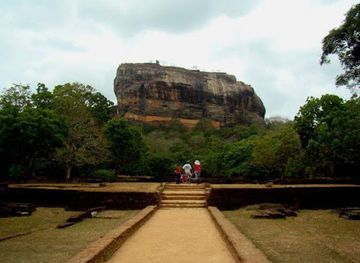
Sigiriya
Explore Sigiriya, Sri Lanka's iconic fortress, where history, art, and stunning views come together in a breathtaking cultural experience.
-
Fortress
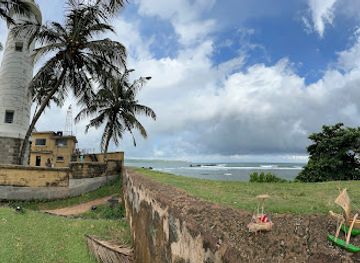
Galle Dutch Fort
Discover the historical charm and breathtaking views of Galle Dutch Fort, a UNESCO World Heritage site in Sri Lanka, blending colonial architecture and vibrant local culture.
-
City park
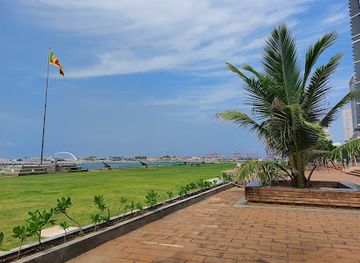
Galle Face Green
Discover Galle Face Green: a vibrant urban park in Colombo perfect for relaxation, local culture, and stunning ocean views.
-
Buddhist temple
Dambulla Royal Cave Temple and Golden Temple
Discover the Dambulla Royal Cave Temple, a UNESCO World Heritage Site featuring stunning Buddhist art and a serene atmosphere perfect for spiritual exploration.

Explore North Western Province on the map
Plan your trip on one map. See where the top cities, national parks and sights are, and book hotels and experiences in a few clicks.
Best hotels in North Western Province
Best restaurants in North Western Province
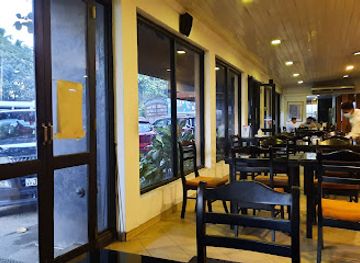
Dining in North Western Province reflects the meeting of coconut-growing inland country and the fishing coast. Rice and curry, hoppers, string hoppers, roti and sambols are widely available, while coastal kitchens around Puttalam, Kalpitiya and Chilaw commonly feature fish, crab, prawns and other lagoon or marine produce. Coconut milk and grated coconut are central to many dishes, and roadside cafés offer inexpensive meals alongside fruit, tea and savoury snacks. In larger towns, visitors will find Sri Lankan, South Indian and Muslim culinary influences, while hotels and coastal resorts provide broader menus for travellers. Seafood quality and availability can vary with weather and fishing conditions, so asking what is fresh is often more useful than looking for a fixed speciality. Markets and small eateries provide a closer encounter with everyday food culture than relying solely on resort dining.
-
Restaurant
Awanhala
Discover the authentic flavors of Sri Lanka at Awanhala in Ambepussa - a must-visit restaurant for every traveler!
-
Restaurant
King Coconut Family Restaurant
Experience authentic Sri Lankan cuisine at King Coconut Family Restaurant in Negombo—delightful dishes served with warm hospitality.
-
Non vegetarian restaurant
The Saruketha Pavilion
Experience authentic Sri Lankan flavors at The Saruketha Pavilion - where every dish tells a story.
-
Restaurant
Apey Bojun Luxury Inn Pvt Ltd අපේ බොජුන්
Experience diverse culinary delights at Apey Bojun Luxury Inn in Palapathwela—your destination for Sri Lankan, Indian, Arabic & Italian cuisine.


Best bars in North Western Province
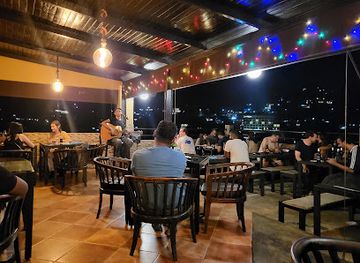
Evening life in North Western Province is generally low-key and varies sharply between Kurunegala, the larger coastal towns and the more rural parts of Puttalam District. Kurunegala has the broadest choice of restaurants, hotel lounges and informal evening venues, while Chilaw and Puttalam offer local cafés, eateries and modest bars rather than a concentrated club district. Around Kalpitiya, evenings often centre on guesthouses, seafood restaurants and resort bars, with occasional music or social events that may be seasonal. Traditional tea shops and family-run restaurants are important parts of the evening landscape, particularly outside tourist areas. Alcohol is not served everywhere, and religious sensitivities differ between communities, so visitors should follow the rules of their accommodation and avoid loud or disruptive behaviour near temples, churches, mosques and residential areas.
-
Bar
Slightly Chilled Lounge Bar and Restaurant
Experience the best of Asian fusion cuisine and vibrant nightlife at Slightly Chilled Lounge Bar and Restaurant in Kandy, perfect for relaxation and socializing.
-
Restaurant
Rodeo Pub & Restaurant
Experience the vibrant atmosphere and diverse menu at Rodeo Pub & Restaurant in Negombo, offering a delightful blend of dining and entertainment.
-
Bar
Tavern 29 Rooftop Bar
Discover breathtaking views and refreshing cocktails at Tavern 29 Rooftop Bar, the ultimate spot for an unforgettable night in Kandy.
-
Bar
Sundown Rooftop Bar
Experience the breathtaking sunsets and vibrant atmosphere at Sundown Rooftop Bar in Negombo, a perfect blend of relaxation and excitement.


Best nightclubs in North Western Province
Evening life in North Western Province is generally low-key and varies sharply between Kurunegala, the larger coastal towns and the more rural parts of Puttalam District. Kurunegala has the broadest choice of restaurants, hotel lounges and informal evening venues, while Chilaw and Puttalam offer local cafés, eateries and modest bars rather than a concentrated club district. Around Kalpitiya, evenings often centre on guesthouses, seafood restaurants and resort bars, with occasional music or social events that may be seasonal. Traditional tea shops and family-run restaurants are important parts of the evening landscape, particularly outside tourist areas. Alcohol is not served everywhere, and religious sensitivities differ between communities, so visitors should follow the rules of their accommodation and avoid loud or disruptive behaviour near temples, churches, mosques and residential areas.
-
Asian Fusion
Slightly Chilled Lounge Bar and Restaurant
Experience the vibrant flavors of Asian Fusion at Slightly Chilled Lounge Bar and Restaurant in Kandy, where relaxation meets culinary creativity.
-
Bar
Old Trinitian's Sports Club
Experience Kandy's vibrant nightlife at Old Trinitian's Sports Club, where locals and travelers unite over drinks and camaraderie.
-
Pub
Cockpit Night Club
Experience the vibrant nightlife at Cockpit Night Club, a lively pub in Seeduwa offering great drinks, live music, and a welcoming atmosphere for tourists.
-
Night club
Prabhage thippola
Explore the vibrant nightlife at Prabhage Thippola, Kandy's premier night club for an unforgettable experience filled with music, dance, and local culture.


Best shops in North Western Province
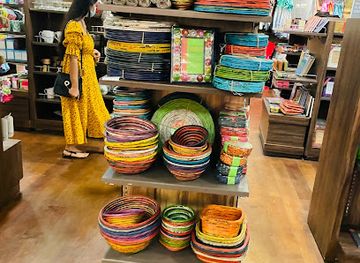
Shopping in North Western Province is centred on practical town markets, local produce and small independent businesses rather than large-scale luxury retail. Kurunegala has the widest urban choice, including clothing, household goods, books and food shops, while Puttalam and Chilaw serve as important commercial centres for their surrounding districts. Coconut products, dried fish, spices, treacle, snacks and locally grown fruit are useful edible purchases, though packaged goods are easier to transport internationally. Around Kalpitiya, small shops and tourism businesses sell beachwear, crafts and excursion-related items, but the area is not a major shopping destination. Markets are worthwhile for observing everyday commerce and buying fresh produce, provided visitors ask before photographing people or stalls. Handicrafts and souvenirs vary in quality, so compare prices and favour items whose materials and origin are clear rather than assuming every coastal product is locally made.
-
Clothing store
House of Fashions
Explore House of Fashions in Colombo, a premier shopping destination for diverse clothing styles and vibrant Sri Lankan fashion.
-
Historical place
Yapahuwa Rock Fortress
Discover the ancient grandeur of Yapahuwa Rock Fortress, a historical marvel set against stunning landscapes in Sri Lanka.
-
Shopping mall
ODEL Mall Kandy
Discover the best shopping experience at ODEL Mall Kandy, where local culture meets modern retail bliss in the heart of Sri Lanka's historic city.
-
Clothing store
LUV SL (ODEL)
Explore LUV SL (ODEL) in Kandy for exquisite clothing and unique Sri Lankan souvenirs reflecting the island's vibrant culture.


Get your free copy of our complete guide to North Western Province, delivered straight to you.
Everything on this page, from attractions and restaurants to essentials and local phrases, in one PDF you can read offline, print or share.
Already have an account? Sign in
Your North Western Province guide is ready.
We'll send it to · Not you? Sign out

Getting your guide ready…
We are putting together a fresh copy of the North Western Province guide. This can take up to a minute.
This can take a few moments. If your browser asks, choose Allow so the download can start. You'll find the guide in your Downloads folder.
Nothing happened? Download it again
Sorry, the guide is taking longer than usual. Please try again in a minute, or get it by email instead.
North Western Province essentials
Currency and Payment
Safety
Emergency Situations
Do's and Don'ts
Local Tips
From Eve
Local phrases worth knowing
You don't need to get them perfect. A few words go a long way, and locals appreciate the effort.
Basics
| English | Local | Say it |
|---|---|---|
| Hello | ආයුබෝවන් | [Ayubowan] |
| Goodbye | සමුගන්නවා | [Samugannawa] |
| Yes | ඔව් | [Ow] |
| No | නැහැ | [Naha] |
| Please/You're welcome | කරුණාකර / සතුටුයි | [Karunakarā / Sathutuyi] |
| Thank you | ස්තූතියි | [Sthūthiyi] |
| Excuse me/Sorry | කණගාටුයි | [Kanagāṭuyi] |
| How are you? | ඔබට කොහොමද? | [Obata kohomada?] |
| Fine. And you? | හොඳයි. ඔබට? | [Hondai. Obata?] |
| Do you speak English? | ඔබට ඉංග්රීසි කියන්න පුළුවන්ද? | [Obata Iṅgrīsi kiyanṇa puḷuvanda?] |
| I don't understand | මට තේරෙන්නේ නැහැ | [Maṭa therenne naha] |
Eating & Drinking
| English | Local | Say it |
|---|---|---|
| I'd like to see the menu, please | කරුණාකර මෙනුව බලන්න | [Karunakarā menuva balanna] |
| I don't eat meat | මට මස් කන්න බැරි | [Maṭa mas kanna bäri] |
| Cheers! | පැහැදිලි කරන්න! | [Pæhædili karanna!] |
| I would like to pay, please | කරුණාකර ගෙවන්න | [Karunakarā gewanna] |
Emergencies
| English | Local | Say it |
|---|---|---|
| Help! | ආධාරයක්! | [Ādhārayak!] |
| Go away! | පැනලා යන්න! | [Pænālā yanna!] |
| Call the Police! | පොලිසියට අමතා! | [Polisiyata amathā!] |
| Call a doctor! | වෛද්යයෙකු අමතා! | [Vaidyeyeku amathā!] |
| I'm lost | මම හුඟාක් අමතකයි | [Mama huṅgāk amathakai] |
| I'm ill | මට රෝගීයි | [Maṭa rōgīyi] |
Shopping
| English | Local | Say it |
|---|---|---|
| I'd like to buy... | මට මිලදී ගන්න ඕනෑ... | [Maṭa milādī ganna ōnā...] |
| I'm just looking | මම පොඩි කතා පමණයි | [Mama poḍi kathā pamaṇayi] |
| How much is it? | මේක කොච්චරද? | [Mēka kochcharada?] |
| That's too expensive | ඒක අධික මිලක් | [Ēka adhika milak] |
| Can you lower the price? | මිල අඩු කරන්න පුළුවන් ද? | [Mila aḍu karanna puḷuvan da?] |
Time & Numbers
| English | Local | Say it |
|---|---|---|
| What time is it? | මේක කුමන වේලාවක්ද? | [Mēka kumana vēlāvakda?] |
| It's one o'clock | ආයෙ එකයි | [Āye ekayi] |
| Half past (10) | අඩක් (10) | [Aḍak (10)] |
| Morning | උදෑසන | [Udæasana] |
| Afternoon | දිවා භාගය | [Divā bhāgaya] |
| Evening | සන්ද්යා | [Sandhyā] |
| Yesterday | ඊයේ | [Īyē] |
| Today | අද | [Ada] |
| Tomorrow | හෙට | [Hæṭa] |
| 1 | 1 | [1] |
| 2 | 2 | [2] |
| 3 | 3 | [3] |
| 4 | 4 | [4] |
| 5 | 5 | [5] |
| 6 | 6 | [6] |
| 7 | 7 | [7] |
| 8 | 8 | [8] |
| 9 | 9 | [9] |
| 10 | 10 | [10] |
Transport & Directions
| English | Local | Say it |
|---|---|---|
| Where's a/the...? | කැයි කුමක්ද...? | [Kæyi kumakda...?] |
| What's the address? | ලිපිනය කුමක්ද? | [Lipinaya kumakda?] |
| Can you show me (on the map)? | ඔබට මට පෙන්වන්න පුළුවන්ද? | [Obata maṭa penwanna puḷuvanda?] |
| When's the next (bus)? | ඊළඟ (බස්) කවදාද? | [Īḷaṅga (bas) kawadāda?] |
| A ticket (to ....) | ඒකට ටිකට්පත් | [Ēkaṭa ṭikaṭpat] |
History of North Western Province
Early settlements and hydraulic agriculture
North Western Province formed part of the wider dry-zone civilisation that developed around reservoirs, irrigation channels and rice cultivation. Ancient tank systems enabled communities to farm in a seasonally dry environment, while Buddhist monasteries became important centres of religion, education and landholding. Surviving religious sites and irrigation landscapes show that the region was connected to the broader political and cultural networks of early Sri Lanka, even when royal power was centred elsewhere. The relationship between settlement, water management and monastic life remains visible in the inland countryside.
Dambadeniya and the thirteenth-century kingdom
Dambadeniya became the seat of the Sri Lankan monarchy in the thirteenth century after political instability and pressure from South Indian invasions made earlier capitals less secure. Kings associated with Dambadeniya supported Buddhism and worked to restore institutions affected by warfare. The hilltop palace area and surrounding religious remains are less monumental than later royal complexes, but they reveal how a defensible inland capital functioned. Dambadeniya’s period also forms part of the sequence of medieval capitals that shifted through the north-western interior before the kingdom moved again.
Yapahuwa and the protection of the Tooth Relic
Yapahuwa served as a royal stronghold in the late thirteenth century and is especially associated with the safeguarding of the sacred Tooth Relic, a central symbol of legitimate Buddhist kingship in Sri Lanka. Its steep rock, defensive setting and elaborate stairway reflect the political importance of the site. The carved balustrades and entrance architecture are among the most memorable surviving features of the medieval capital. After the royal court moved on, Yapahuwa lost its political role, but the ruins continue to illustrate the close relationship between religion, sovereignty and military security.
Kurunegala as a medieval royal capital
Kurunegala became a royal capital in the early fourteenth century, occupying a strategic position between the interior and routes leading towards the western coast. The city’s historic importance is symbolised by Ethagala, the granite outcrop traditionally identified with an elephant. Although modern Kurunegala has expanded into a busy commercial centre, the surrounding landscape retains associations with medieval kingship and Buddhist pilgrimage. Its period as a capital was relatively brief, yet it belongs to the significant chain of north-western royal centres that followed the decline of Polonnaruwa.
Indian Ocean trade and European coastal powers
The coast of present-day Puttalam District was connected to maritime trade across the Indian Ocean long before European rule. Salt, fish, pearls, spices and other goods moved through coastal settlements and lagoons, while Muslim trading communities became established in several ports. Portuguese influence reached the north-western coast in the sixteenth century, followed by Dutch control and later British administration. Fortifications and church traditions around Kalpitiya and Chilaw reflect these changing powers, although coastal society remained shaped by local fishing, agriculture, pilgrimage and regional trade.
Coconut cultivation, fisheries and modern development
During the colonial and post-colonial periods, the inland parts of the province became strongly associated with coconut cultivation, helping form what is often called Sri Lanka’s Coconut Triangle with adjoining areas outside the province. Puttalam District developed important fisheries, salt production and aquaculture, while roads and commercial centres linked the coast with Kurunegala and Colombo. These industries continue to influence the landscape and economy. At the same time, wetlands, beaches and marine habitats have become increasingly important to conservation and nature-based tourism, creating new pressures alongside longstanding livelihoods.
North Western Province in Photos
Browse through our photo collection highlighting the charm and character of the destination.
Neighbouring regions of North Western Province
The closest regions to North Western Province, if you have time for more than one.
-
-

-

-

-


Swipe for more regions
Explore more

Explore more of Sri Lanka
Discover Sri Lanka: Rich culture, stunning landscapes, and warm hospitality await you in this tropical paradise. Explore ancient cities, wildlife, tea plantations, and pristine beaches.
Explore Sri Lanka