

Free Commewijne District Travel Guide & Mobile App
Explore Commewijne District with free travel guides. Discover regional history, expert tips, proposed trips, and audio guides on web or mobile app.


Explore Commewijne District for Suriname’s plantation heritage, river scenery, mangrove wetlands, nature trails and multicultural communities near Paramaribo.
Read more about Commewijne District
When is the best time to visit Commewijne District?
Best: May–July · 30°C| Month | High (°C) | Rainfall (mm) |
|---|---|---|
| January | 30 | 250 |
| February | 30 | 200 |
| March | 30 | 170 |
| April | 30 | 150 |
| May (best) | 30 | 130 |
| June (best) | 30 | 110 |
| July (best) | 30 | 120 |
| August | 30 | 130 |
| September | 30 | 150 |
| October | 30 | 170 |
| November | 30 | 200 |
| December | 30 | 230 |
Getting to and around Commewijne District
How to get there
Transportation
Top city travel guides in Commewijne District
The cities of Commewijne District, and the easiest places to base yourself.
-

-

-

-


Swipe for more cities
Destinations in Commewijne District
Resorts, valleys and scenic spots worth a trip of their own.

Swipe for more destinations
Best attractions in Commewijne District
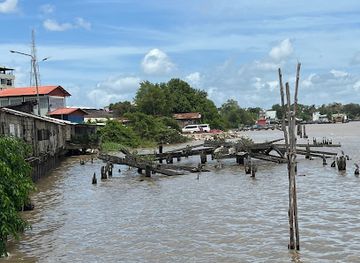
Commewijne’s attractions are spread across a living river district rather than concentrated in a single town. Fort Nieuw Amsterdam is the principal historical site, with earthworks, defensive structures and an open-air museum setting at the meeting of the Suriname and Commewijne rivers. The former Mariënburg estate offers a more industrial perspective through its sugar factory remains and plantation landscape, while other estates and riverside communities reveal different aspects of colonial agriculture, emancipation and contract labour. Peperpot Nature Park provides trails through former plantation land, combining forest, wetland and birdwatching with an accessible introduction to the district’s changing ecology. Boat trips are among the most rewarding ways to experience Commewijne, opening views of mangroves, creeks, mudflats, river settlements and wildlife that are easily missed from the road. Visitors can also arrange plantation-based meals, cultural visits and guided nature outings, although these experiences require advance planning more often than a conventional urban attraction. The appeal lies in connecting history, landscape and community rather than collecting isolated sights.
-
Museum
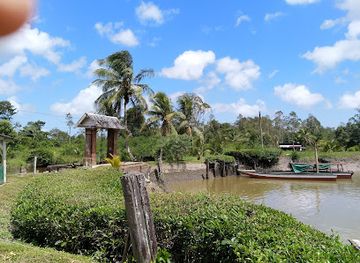
Plantage Bakkie
Discover the enchanting Plantage Bakkie, a museum and botanical garden in Suriname, blending rich history with stunning natural beauty.
-
Casino
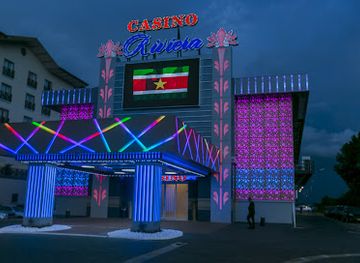
Riviera Casino
Discover the thrill of gaming and vibrant nightlife at Riviera Casino, Paramaribo's premier entertainment destination for tourists.
Best landmarks in Commewijne District
Fort Nieuw Amsterdam is Commewijne’s defining built landmark, occupying a strategic triangular site where the Suriname and Commewijne rivers converge. Its low earthworks and defensive layout express the military logic of a plantation colony whose wealth travelled by water. The remains of the Mariënburg sugar estate form another important landmark, with industrial structures and traces of a large plantation complex marking the scale of colonial sugar production and the labour systems that sustained it. The Jules Wijdenbosch Bridge, which links Paramaribo with the eastern bank of the Suriname River, is a prominent modern feature and a practical gateway to the district, though its significance is primarily infrastructural rather than historic. Along the waterways, old plantation avenues, drainage channels, river embankments and scattered estate buildings create a broader cultural landscape that is less monumental but equally revealing. Peperpot’s former plantation grounds, now partly reclaimed by vegetation and protected as nature park, show how agricultural heritage and tropical ecology have become interwoven. Together these landmarks make Commewijne legible as a river frontier shaped by defence, commerce, forced labour, migration and environmental change.
-
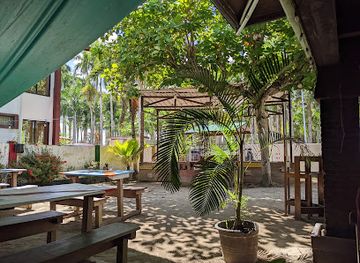
Park
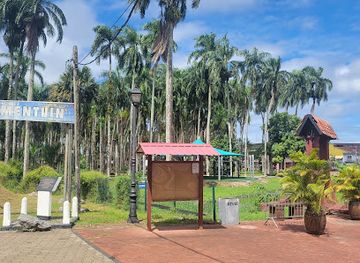
Palmtree Garden
Discover the tranquility of Palmtree Garden, a lush urban oasis in Paramaribo, perfect for relaxation, exploration, and cultural encounters.
-
Museum
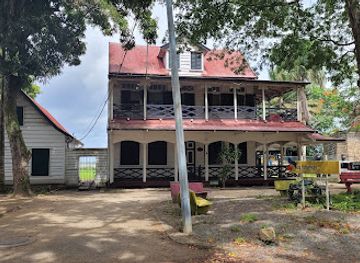
Fort Zeelandia
Discover the captivating history of Suriname at Fort Zeelandia, a well-preserved 17th-century fortress and museum in the heart of Paramaribo.
-
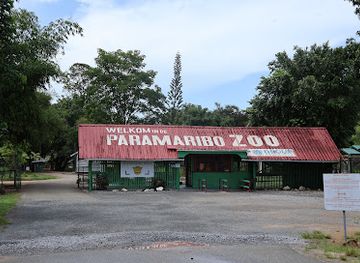
Zoo
Paramaribo Zoo
Explore the unique wildlife of Suriname at Paramaribo Zoo, an engaging and educational tourist attraction in the heart of Paramaribo.
-
Market
Paramaribo Central Market
Discover the essence of Surinamese culture at the Paramaribo Central Market, where vibrant stalls and local flavors await your exploration.
Explore Commewijne District on the map
Plan your trip on one map. See where the top cities, national parks and sights are, and book hotels and experiences in a few clicks.
Best hotels in Commewijne District
Best restaurants in Commewijne District
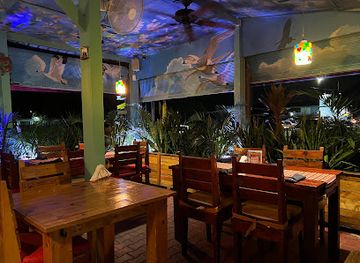
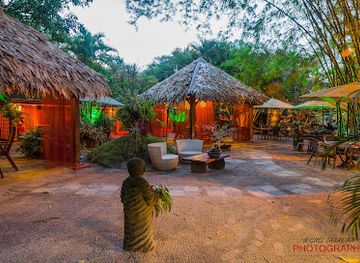
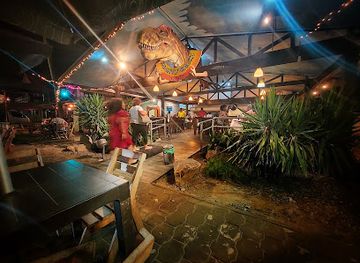
Dining in Commewijne is generally informal and locally oriented, with the most interesting meals often found through plantation excursions, family-run eateries, roadside food stalls and small restaurants around the larger settlements. Surinamese cooking reflects the district’s African, Javanese, Hindustani, Chinese, Indigenous and European influences, so menus may include rice dishes, roti, noodles, grilled meats, fish, spicy sauces and vegetable preparations rather than a single regional cuisine. Javanese-style dishes such as nasi goreng, bami and chicken or fish preparations are widely associated with Suriname’s wider food culture, while river fish and locally grown fruit may feature in rural meals. Fresh juices and soft drinks are common, and visitors may encounter Indonesian-influenced snacks and richly spiced dishes. Dining options become more limited away from Paramaribo, so a meal arranged with a plantation or tour operator can be practical. Carry cash, ask about opening arrangements and allow extra time when food is prepared for a small group rather than served from a fast-moving commercial kitchen.
-
Restaurant
Zus & Zo
Discover authentic Surinamese flavors at Zus & Zo in Paramaribo - where local ingredients meet a welcoming atmosphere.
-
Latin American
Las Tías Suriname
Experience authentic Latin American cuisine at Las Tías Suriname – a culinary gem in Paramaribo serving vibrant flavors and warm hospitality.
-
Thai
Garden of Eden
Experience authentic Thai cuisine at Garden of Eden in Paramaribo - a must-visit culinary gem offering exquisite flavors and exceptional service.
-
Grill
Mighty Racks
Discover the culinary delight at Mighty Racks in Paramaribo - where Surinamese grilling comes alive in a vibrant setting.
Best bars in Commewijne District
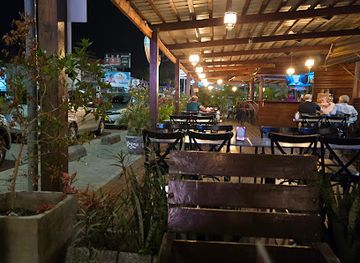
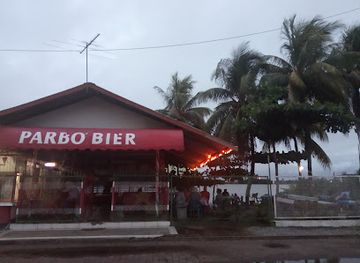
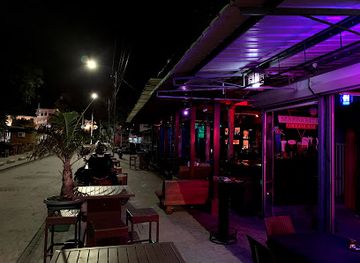
Commewijne is not a major late-night destination, and evening life usually centres on family gatherings, neighbourhood bars, casual restaurants and social venues in the larger settlements rather than dedicated nightclub districts. Mariënburg, Meerzorg and Nieuw Amsterdam offer more local activity than the dispersed plantation areas, while organised excursions may include a meal or drinks beside the river. Paramaribo, outside the district, remains the main nearby centre for extensive clubbing, live music and late-night entertainment. In Commewijne, the stronger experience is often an early evening meal, a riverside gathering or a relaxed drink after a day of heritage and nature visits. Visitors should not assume that rural venues keep fixed late hours, and transport back to accommodation should be arranged before dark. Ask locally about current options because small businesses, seasonal events and community venues can change more quickly than the district’s historic attractions.
-
Restaurant
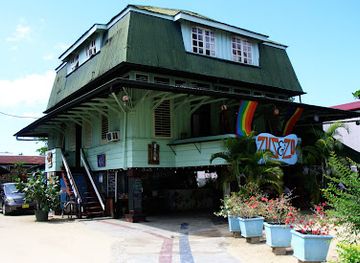
Zus & Zo
Discover the vibrant flavors of Suriname at Zus & Zo, a must-visit restaurant in Paramaribo offering local and international cuisine.
-
Bar
Bar Zuid
Discover the vibrant nightlife of Paramaribo at Bar Zuid, where locals and tourists unite over delicious cocktails and lively entertainment.
-
Grill
Riverside
Discover Riverside, Paramaribo's premier grill destination, where delightful flavors meet stunning riverside views in a vibrant atmosphere.
-
Bar
D'Bar
Discover the vibrant nightlife at D'Bar in Paramaribo, where delicious drinks and live music create a perfect blend for an unforgettable evening.
Best nightclubs in Commewijne District
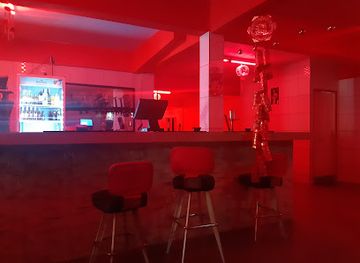
Commewijne is not a major late-night destination, and evening life usually centres on family gatherings, neighbourhood bars, casual restaurants and social venues in the larger settlements rather than dedicated nightclub districts. Mariënburg, Meerzorg and Nieuw Amsterdam offer more local activity than the dispersed plantation areas, while organised excursions may include a meal or drinks beside the river. Paramaribo, outside the district, remains the main nearby centre for extensive clubbing, live music and late-night entertainment. In Commewijne, the stronger experience is often an early evening meal, a riverside gathering or a relaxed drink after a day of heritage and nature visits. Visitors should not assume that rural venues keep fixed late hours, and transport back to accommodation should be arranged before dark. Ask locally about current options because small businesses, seasonal events and community venues can change more quickly than the district’s historic attractions.
-
Night club
Club Manilla Suriname
Experience the electrifying nightlife at Club Manilla, Paramaribo's premier dance club, where music, culture, and vibrant energy collide.
-
Bar
Bar Excellente Suriname
Discover the lively spirit of nightlife at Bar Excellente Suriname in Paramaribo, where local flavors and fun await every visitor.
-
Night club
Diamond Pool Terras / Diamond Nightclub
Discover the dynamic nightlife of Paramaribo at Diamond Pool Terras, where dancing and relaxation meet in an unforgettable atmosphere.
-
Night club
Euphoria
Experience the vibrant nightlife of Paramaribo at Euphoria, a premier night club where music, dance, and local culture come alive.
Best shops in Commewijne District
Shopping in Commewijne is modest and practical rather than centred on large retail complexes. Meerzorg, Nieuw Amsterdam and the busier roadside settlements provide small shops and food outlets, while local stalls may sell fruit, drinks, snacks and household goods. The most appropriate purchases are edible and locally produced: tropical fruit, prepared foods, spices and Surinamese snacks, subject to season and availability. Some plantation or nature excursions include opportunities to buy crafts, small souvenirs or products made by local communities, but these arrangements are not uniform and should not be assumed. Visitors seeking a broader selection of Surinamese crafts, clothing, books and packaged foods will find more choice in Paramaribo, outside the district. Carry cash for informal sellers and ask permission before photographing market stalls or people at work. Avoid removing shells, plants, historic fragments or other natural and cultural materials from riverbanks, nature areas or plantation sites; a responsible souvenir should support local makers without damaging the places visited.
-
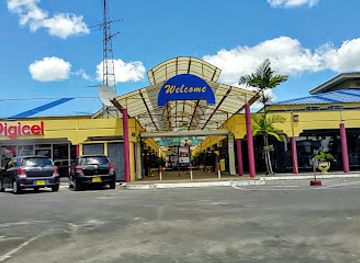
Shopping mall
Hermitage Mall
Discover Hermitage Mall, Paramaribo's vibrant shopping hub offering fashion, dining, and entertainment for an unforgettable experience.
-
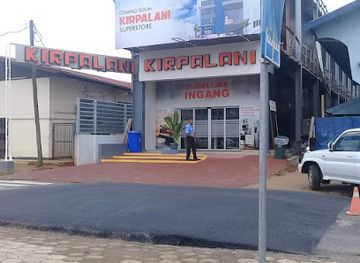
Department store
Kirpalani Super Store (KSS)
Discover the best of Paramaribo shopping at Kirpalani Super Store, your one-stop destination for unique finds and local treasures.
-
Art gallery
Readytex Art Gallery
Explore the heart of Suriname's creativity at Readytex Art Gallery, a vibrant hub for art, culture, and unique local souvenirs.
-
Department store
Kirpalani's N.V.
Experience the vibrant shopping culture of Paramaribo at Kirpalani's N.V., the ultimate department store for locals and tourists alike.
Get your free copy of our complete guide to Commewijne District, delivered straight to you.
Everything on this page, from attractions and restaurants to essentials and local phrases, in one PDF you can read offline, print or share.
Already have an account? Sign in
Your Commewijne District guide is ready.
We'll send it to · Not you? Sign out

Getting your guide ready…
We are putting together a fresh copy of the Commewijne District guide. This can take up to a minute.
This can take a few moments. If your browser asks, choose Allow so the download can start. You'll find the guide in your Downloads folder.
Nothing happened? Download it again
Sorry, the guide is taking longer than usual. Please try again in a minute, or get it by email instead.
Commewijne District essentials
Currency and Payment
Safety
Emergency Situations
Do's and Don'ts
Local Tips
From Eve
Local phrases worth knowing
You don't need to get them perfect. A few words go a long way, and locals appreciate the effort.
Basics
| English | Local | Say it |
|---|---|---|
| Hello | Odi | [o-dee] |
| Goodbye | Teki srefi | [teh-kee sreh-fee] |
| Yes | Fa | [fah] |
| No | Neng | [neng] |
| Please/You're welcome | A no wan | [ah noh wahn] |
| Thank you | Tanki | [tahn-kee] |
| Excuse me/Sorry | Sori | [soh-ree] |
| How are you? | Fa yu de? | [fah yoo deh] |
| Fine. And you? | A de feni. En yu? | [ah deh feh-nee. en yoo?] |
| Do you speak English? | Yu kan taki English? | [yoo kahn tah-kee English?] |
| I don't understand | Mi no sabi | [mee noh sah-bee] |
Eating & Drinking
| English | Local | Say it |
|---|---|---|
| I'd like to see the menu, please | Mi wani si di menu, a no wan | [mee wah-nee see dee meh-noo, ah noh wahn] |
| I don't eat meat | Mi no ete fesi | [mee noh eh-teh feh-see] |
| Cheers! | Proost! | [prohst] |
| I would like to pay, please | Mi wani pay, a no wan | [mee wah-nee pay, ah noh wahn] |
Emergencies
| English | Local | Say it |
|---|---|---|
| Help! | Help! | [help] |
| Go away! | Neki yu go! | [neh-kee yoo goh!] |
| Call the Police! | Kaw di Polisi! | [kaw dee poh-lee-see!] |
| Call a doctor! | Kaw wan dokto! | [kaw wahn doh-kto!] |
| I'm lost | Mi de lobi | [mee deh loh-bee] |
| I'm ill | Mi de si | [mee deh see] |
Shopping
| English | Local | Say it |
|---|---|---|
| I'd like to buy... | Mi wani buy... | [mee wah-nee buy...] |
| I'm just looking | Mi just de luk | [mee juhst deh look] |
| How much is it? | Fa di kost? | [fah dee kohst?] |
| That's too expensive | Dat de te dure | [daht deh teh doo-reh] |
| Can you lower the price? | Yu kan broko di pris? | [yoo kahn broh-koh dee prees?] |
Time & Numbers
| English | Local | Say it |
|---|---|---|
| What time is it? | Fa tori de? | [fah toh-ree deh?] |
| It's one o'clock | Na wan tori | [nah wahn toh-ree] |
| Half past (10) | Fasi (10) | [fah-see (10)] |
| Morning | Mori | [moh-ree] |
| Afternoon | Nokti | [nok-tee] |
| Evening | Odi | [oh-dee] |
| Yesterday | Yesterdai | [yes-ter-dye] |
| Today | Tode | [toh-deh] |
| Tomorrow | Moro | [moh-roh] |
| 1 | Wan | [wahn] |
| 2 | Tu | [too] |
| 3 | Tri | [tree] |
| 4 | Fowru | [foh-roo] |
| 5 | Fifi | [fee-fee] |
| 6 | Seksi | [sek-see] |
| 7 | Sevi | [seh-vee] |
| 8 | Oti | [oh-tee] |
| 9 | Nain | [nine] |
| 10 | Teni | [teh-nee] |
Transport & Directions
| English | Local | Say it |
|---|---|---|
| Where's a/the...? | Wani a/di...? | [wah-nee ah/dee...?] |
| What's the address? | Fa di adres? | [fah dee ah-dres?] |
| Can you show me (on the map)? | Yu kan show mi (pan di map)? | [yoo kahn show mee (pahn dee mahp)?] |
| When's the next (bus)? | Wen di naki (bus)? | [wen dee nah-kee (boos)?] |
| A ticket (to ....) | Wan tiket (na ...) | [wahn tee-ket (nah ...)] |
History of Commewijne District
Indigenous and Riverine Landscapes Before Colonisation
Long before European plantations, the rivers and coastal wetlands of present-day Commewijne were used by Indigenous communities for travel, fishing, hunting and small-scale cultivation. The Suriname and Commewijne rivers provided natural routes between the coast and the interior, while knowledge of tides, creeks and seasonal flooding shaped settlement. Much of this early history is understood through archaeology, Indigenous traditions and the continuing importance of waterways rather than through monumental remains. The district’s modern plantation geography was later imposed upon an older riverine landscape.
Dutch Plantation Expansion in the Seventeenth and Eighteenth Centuries
Under Dutch colonial rule, the fertile riverbanks of eastern Suriname became a major plantation zone. Sugar, coffee, cocoa and cotton estates were established along waterways because rivers provided both irrigation and transport to Paramaribo and the Atlantic trade. Their prosperity depended on the forced labour of enslaved Africans, while drainage canals, dykes and engineered waterways transformed the lowlands. Plantation names and fragments of estate infrastructure still mark the district, although many original buildings have disappeared or survive only as ruins and altered landscapes.
Fort Nieuw Amsterdam and Colonial Defence
Fort Nieuw Amsterdam was developed in the eighteenth century at the strategic junction of the Suriname and Commewijne rivers. Its purpose was to help protect the plantation belt and the approaches to Paramaribo from attacks by sea and river. The fort formed part of a wider defensive system in a colony whose wealth was concentrated along navigable waterways. Today its earthworks, walls and military setting are preserved as an open-air museum, providing one of the clearest places in Commewijne to understand how defence, trade and plantation power were connected.
Slavery and Abolition in 1863
The plantation economy of Commewijne was built on the labour and suffering of enslaved Africans. Enslaved people cultivated crops, maintained drainage systems, processed produce and sustained the colonial economy under coercive conditions. Slavery was abolished in Suriname in 1863, although formerly enslaved people were subjected to a period of state-mandated labour on plantations afterwards. The legacy remains central to the district’s history and to Suriname’s Afro-Surinamese heritage. Plantation ruins and later communities should be interpreted within this history rather than presented only as picturesque remnants.
Contract Labour and New Communities
After emancipation, plantation owners sought new labour forces through contract migration. Workers from British India began arriving in the nineteenth century, followed by substantial numbers of Javanese from the Dutch East Indies. Many labourers and their descendants contributed to the agricultural economy of Commewijne and settled in or near plantation districts. Their languages, religions, foodways and family histories became part of Suriname’s plural society. The district’s cultural landscape therefore reflects both the colonial plantation system and the creative communities formed by people who arrived under difficult and unequal conditions.
Mariënburg and the Industrial Plantation Era
Mariënburg developed as one of the best-known sugar estates in eastern Suriname and later became associated with industrial processing. Its factory, transport links and labour settlement illustrate the transition from an estate economy based largely on manual cultivation to a more mechanised plantation operation. Sugar production eventually declined, and the site’s ruins now evoke the scale of the former industry. Mariënburg also carries difficult memories of labour relations and conflict, making it important as a place of social history as well as industrial heritage.
Postcolonial Transformation and Heritage Conservation
Following Suriname’s independence in 1975, the river districts continued to change as plantation agriculture contracted, transport patterns shifted and communities diversified their livelihoods. Some former estates became residential or agricultural areas, while others were reclaimed by forest and wetland. In recent decades, Fort Nieuw Amsterdam, Peperpot and other plantation landscapes have gained importance for cultural tourism and nature-based visits. Conservation remains challenging in a humid climate and in places where heritage sites are interwoven with living communities, working land and active waterways.
Commewijne District in Photos
Browse through our photo collection highlighting the charm and character of the destination.
Neighbouring regions of Commewijne District
The closest regions to Commewijne District, if you have time for more than one.
-

-

-

-

-


Swipe for more regions
Explore more
Explore more of Suriname
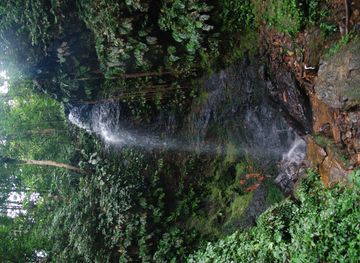
Discover Suriname - A blend of cultures, stunning rainforests, and historic charm awaits in this hidden gem of South America.
Explore Suriname