

Free Para District Travel Guide & Mobile App
Explore Para District with free travel guides. Discover regional history, expert tips, proposed trips, and audio guides on web or mobile app.


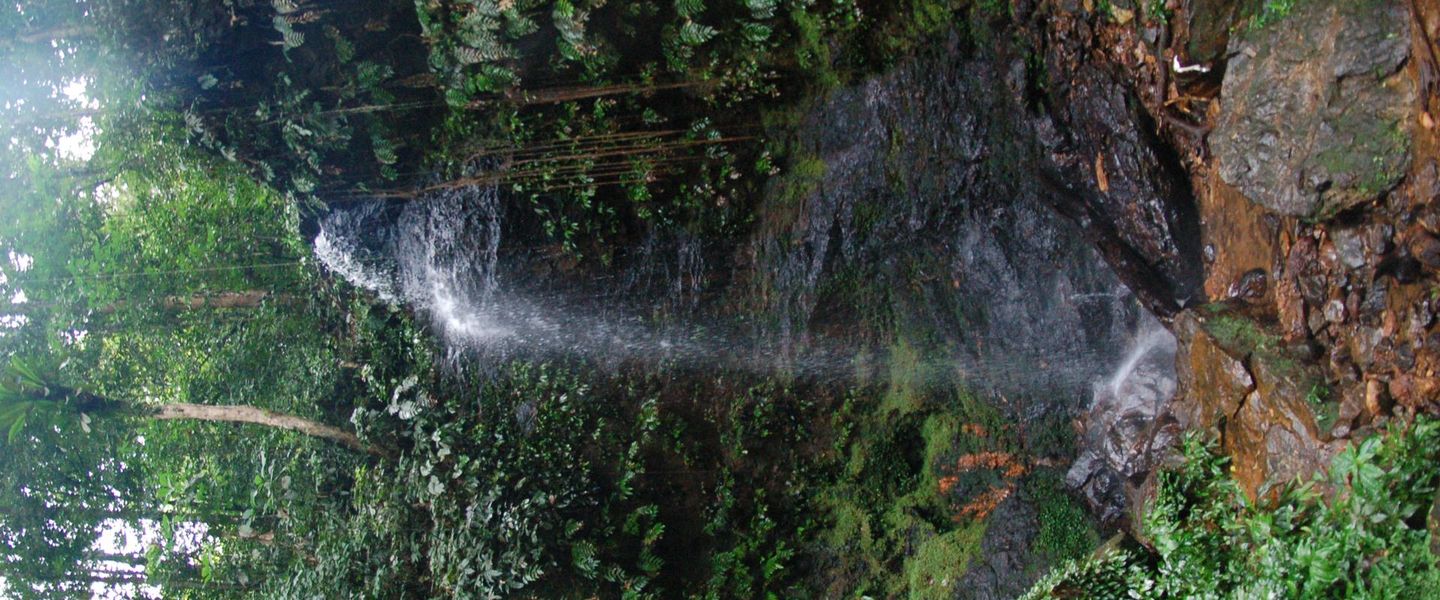


Explore Para District in Suriname for rainforest rivers, savannah landscapes, Jewish heritage, Colakreek and the bauxite history of Paranam.
Read more about Para District
When is the best time to visit Para District?
Best: February, August–September · 30°C| Month | High (°C) | Rainfall (mm) |
|---|---|---|
| January | 29 | 200 |
| February (best) | 30 | 180 |
| March | 30 | 210 |
| April | 30 | 230 |
| May | 30 | 250 |
| June | 29 | 230 |
| July | 30 | 210 |
| August (best) | 30 | 190 |
| September (best) | 30 | 180 |
| October | 30 | 200 |
| November | 30 | 220 |
| December | 29 | 230 |
Getting to and around Para District
How to get there
Transportation
Top city travel guides in Para District
The cities of Para District, and the easiest places to base yourself.
-

-

-

-


Swipe for more cities
Destinations in Para District
Resorts, valleys and scenic spots worth a trip of their own.

Swipe for more destinations
Best attractions in Para District
Para’s attractions combine accessible nature, river heritage and the industrial history of modern Suriname. Colakreek, near Zanderij, is a popular recreation area where dark tannin-rich water, forest shade and sandy ground create a setting for swimming, picnicking and informal outdoor activities. The savannah landscape around Zanderij and Republiek offers a different environment, with open vegetation and low wooded growth contrasting with the surrounding rainforest. Along the Suriname River, Jodensavanne and Cassipora provide historically important excursions through cemeteries, ruins and a landscape shaped by colonial plantations, slavery and Jewish settlement. These sites are generally best visited with arrangements for boat transport and interpretation. Para also serves as a staging area for journeys farther into Suriname’s interior, although attractions beyond the district should not be confused with Para itself. Around Paranam, the remains and infrastructure associated with bauxite extraction illustrate the district’s twentieth-century economic transformation, but active industrial areas are not ordinary sightseeing venues. Birdwatching, fishing, canoeing and forest walks are possible through local operators and accommodation providers, with the experience depending on water levels, weather and access conditions.
-
Tourist attraction
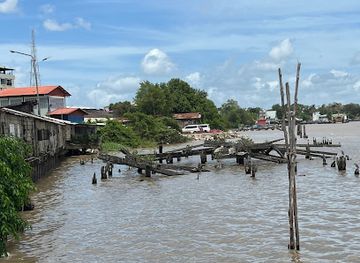
Domburg Waterkant
Experience the tranquility of Domburg Waterkant, Suriname's serene coastal gem, perfect for relaxation and nature exploration.
-
Recreation center
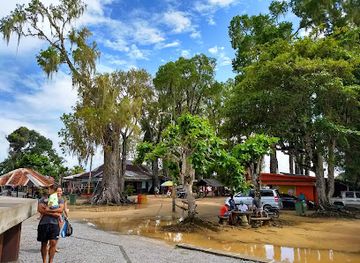
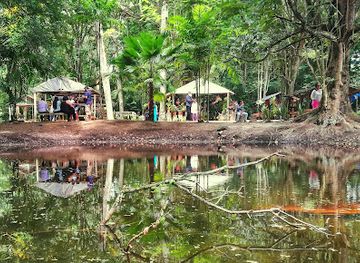
Colakreek
Explore Colakreek, a serene recreational park in Zanderij, Suriname, perfect for relaxation, water sports, and family adventures amidst lush nature.
-
Botanical garden
Flower Market Sundays
Experience the beauty of tropical flora at Flower Market Sundays in Paramaribo, a vibrant celebration of Surinamese culture and nature.
-
Campground
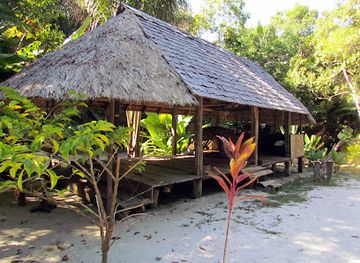
Palulu Camping
Experience the tranquility of nature at Palulu Camping in Zanderij, Suriname, with lodges, swimming facilities, and breathtaking scenery for a perfect getaway.

Best landmarks in Para District
Jodensavanne is Para’s most important historic landmark, with the remains of the former Jewish settlement and its cemetery set beside the Suriname River. The site represents seventeenth-century Jewish colonisation while also revealing the plantation economy and enslaved labour on which colonial prosperity depended. Cassipora Cemetery, associated with an earlier Jewish settlement, is a more secluded but equally significant marker of the region’s colonial history. The Suriname River itself is a geographical landmark, serving for centuries as a route of settlement, trade, plantation transport and contemporary heritage travel. Around Paranam, industrial structures and altered landscapes recall the period when bauxite extraction and alumina production stood at the centre of Suriname’s economy; access to working or restricted areas must not be assumed. The open savannahs near Zanderij and Republiek provide a contrasting natural landmark, shaped by sandy soils, seasonal conditions and fire-adapted vegetation. Colakreek is recognisable for its dark forest water and recreation landscape, offering a more intimate natural point of reference than the district’s broad rivers and industrial corridors.
-
Park
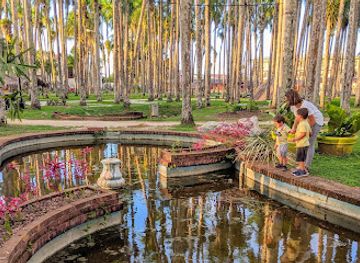
Palmtree Garden
Experience the tranquility of Palmtree Garden in Paramaribo, a lush park perfect for relaxation, culture, and scenic beauty.
-
Museum
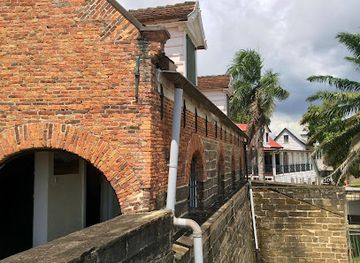
Fort Zeelandia
Explore Fort Zeelandia, a historic museum in Paramaribo showcasing Suriname's rich colonial history through captivating exhibits and stunning architecture.
-
Zoo
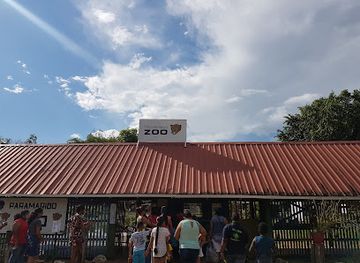
Paramaribo Zoo
Explore the natural beauty of Suriname at Paramaribo Zoo, a family-friendly attraction showcasing local wildlife and conservation education.
-
Market
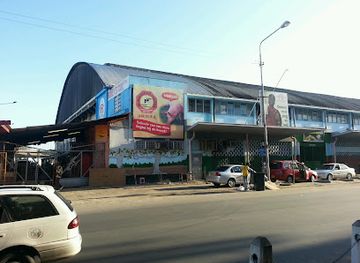
Paramaribo Central Market
Explore Paramaribo Central Market for an authentic taste of Surinamese culture, crafts, and culinary delights in the heart of Suriname.
Explore Para District on the map
Plan your trip on one map. See where the top cities, national parks and sights are, and book hotels and experiences in a few clicks.
Best hotels in Para District
Best restaurants in Para District
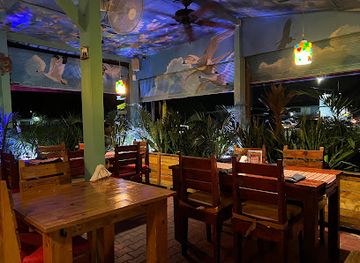
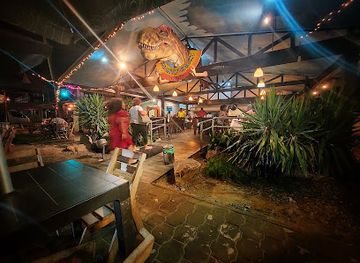
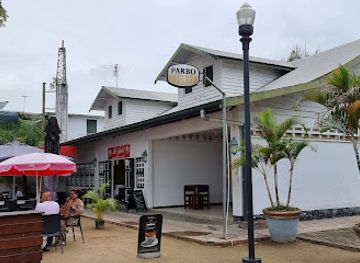
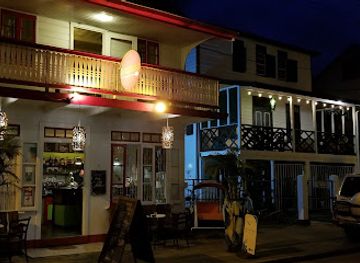
Dining in Para is generally informal and closely connected to roadside settlements, recreational centres, guesthouses and family-run establishments rather than a concentrated restaurant district. Visitors will encounter the broad Surinamese culinary mixture found across the country, including rice dishes, roti, pom, noodles, grilled chicken, salted fish, cassava preparations and snacks influenced by Javanese, Hindustani, Creole, Chinese and Indigenous traditions. Freshwater fish and river-region ingredients may appear on local menus, while drinks and light meals are readily found along the road to Zanderij and around popular recreation sites. Food near Colakreek and other day-trip areas can be convenient but may be seasonal or limited, so carrying water and a small supply of snacks is sensible. Larger selections are available in Paramaribo, outside the district, before or after a Para excursion. Visitors staying in rural lodges should ask in advance about meal arrangements, dietary requirements and serving times, as supplies and menus can be less predictable away from the main corridor.
-
Latin American
Las Tías Suriname
Experience authentic Latin American cuisine at Las Tías Suriname in Paramaribo – where every dish tells a story.
-
Grill
Mighty Racks
Experience vibrant Surinamese culture through mouth-watering grilled delicacies at Mighty Racks in Paramaribo.
-
Surnamese
De Gadri
Discover authentic Surinamese flavors at De Gadri in Paramaribo - a culinary haven where tradition meets taste.
-
Restaurant
SOUPOSO
Discover the vibrant flavors of Suriname at SOUPOSO, where culinary excellence meets local tradition in Paramaribo.
Best bars in Para District
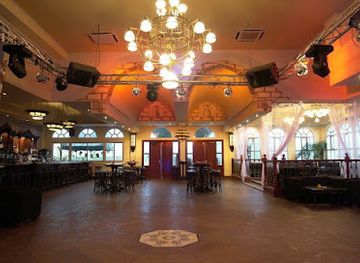
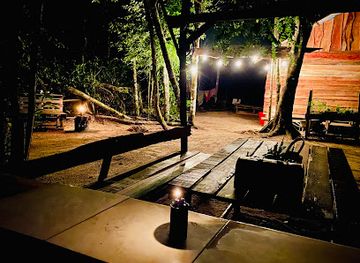
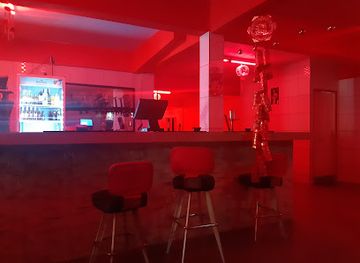
Para is not known for a large nightclub scene, and evening entertainment is more likely to centre on relaxed bars, food spots, social clubs and guesthouse terraces than on purpose-built nightlife venues. Zanderij, Paranam and settlements along the main road have local drinking places, while recreation resorts may provide an informal evening atmosphere when occupied by weekend visitors. Music and conversation are often more important than late-night venue-hopping, and opening arrangements can vary considerably. Travellers staying near the airport may choose to return to Paramaribo for a wider choice of bars, live music and clubs, although Paramaribo lies outside Para District. In rural areas, organise transport in advance, avoid walking unfamiliar roads after dark and do not assume that taxis or public transport will remain available late at night. Drinking is not necessary to appreciate the district’s evening culture, which is often defined by river settings, shared meals and quiet outdoor surroundings.
-
Grill
Mighty Racks
Discover the best grilled delicacies in Paramaribo at Mighty Racks, where flavor meets a vibrant atmosphere.
-
Bar
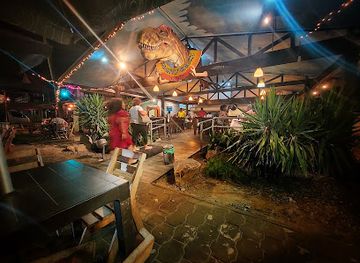
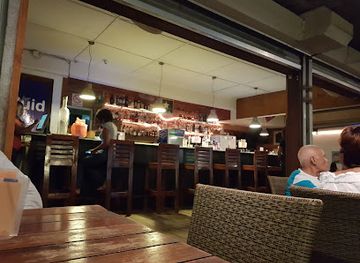
Bar Zuid
Discover the lively ambiance and refreshing drinks at Bar Zuid, a must-visit destination for tourists in Paramaribo, Suriname.
-
Grill
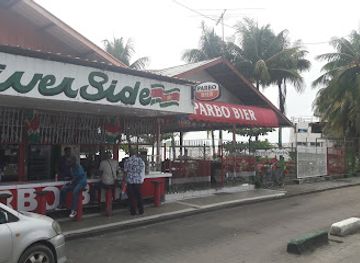
Riverside
Discover the culinary delights of Riverside Grill in Paramaribo, where stunning riverside views meet exquisite Surinamese flavors.
-
Lounge
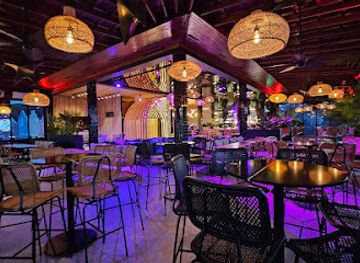
Mingle Paramaribo
Experience the vibrant nightlife of Paramaribo at Mingle, a trendy lounge offering delicious food and unique cocktails in a lively atmosphere.
Best nightclubs in Para District
Para is not known for a large nightclub scene, and evening entertainment is more likely to centre on relaxed bars, food spots, social clubs and guesthouse terraces than on purpose-built nightlife venues. Zanderij, Paranam and settlements along the main road have local drinking places, while recreation resorts may provide an informal evening atmosphere when occupied by weekend visitors. Music and conversation are often more important than late-night venue-hopping, and opening arrangements can vary considerably. Travellers staying near the airport may choose to return to Paramaribo for a wider choice of bars, live music and clubs, although Paramaribo lies outside Para District. In rural areas, organise transport in advance, avoid walking unfamiliar roads after dark and do not assume that taxis or public transport will remain available late at night. Drinking is not necessary to appreciate the district’s evening culture, which is often defined by river settings, shared meals and quiet outdoor surroundings.
-
Night club
The Havanna Lounge
Experience the vibrant nightlife of Paramaribo at The Havanna Lounge, where locals and tourists unite for unforgettable nights filled with music and fun.
-
Bar
Club Manilla Suriname
Experience the vibrant nightlife of Paramaribo at Club Manilla, where music, dance, and culture blend for an unforgettable evening.
-
Tourist attraction
Land of Promise - Reggae Escape
Experience the vibrant culture of Suriname at Land of Promise - Reggae Escape, a unique hub for relaxation and entertainment in Hanover.
-
Bar
Bar Excellente Suriname
Discover the vibrant nightlife at Bar Excellente in Paramaribo, a lively bar offering great drinks, music, and an unforgettable atmosphere.

Best shops in Para District
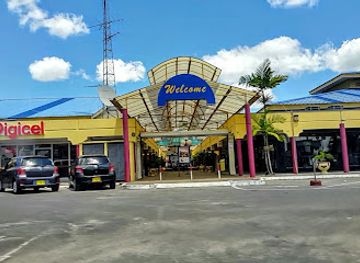
Shopping in Para is practical and locally oriented rather than centred on major retail complexes. Small shops and roadside stalls around Zanderij, Paranam and settlements on the main road sell drinks, snacks, household goods and basic travel supplies. At recreation areas, visitors may find food, refreshments and simple locally made items, although selection and availability vary. Para is a useful place to look for Surinamese snacks and prepared foods reflecting the country’s diverse culinary traditions, but travellers should buy specialist crafts or a broad range of regional products in Paramaribo if they need more choice. Community-based excursions may offer handmade items or locally produced foods, and purchasing directly can support small producers when sales are clearly authorised. Visitors should not buy archaeological objects, wildlife products or items made from protected species. Keep cash available for small transactions, particularly outside the airport corridor, where card facilities may be limited.
-
Shopping mall
Hermitage Mall
Experience the vibrant shopping and dining scene at Hermitage Mall, the ultimate retail destination in Paramaribo, Suriname.
-
Shopping mall
Paramaribo Central Market
Discover the vibrant flavors and rich culture of Suriname at Paramaribo Central Market, a must-visit for every traveler.
-
Department store
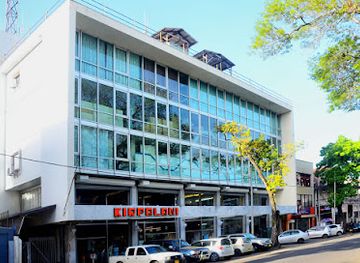
Kirpalani Super Store (KSS)
Explore the vibrant and diverse selection at Kirpalani Super Store, a key shopping destination in Paramaribo, Suriname.
-
Department store
Kirpalani's N.V.
Explore Kirpalani's N.V. in Paramaribo for an unforgettable shopping experience filled with local culture and international flair.

Get your free copy of our complete guide to Para District, delivered straight to you.
Everything on this page, from attractions and restaurants to essentials and local phrases, in one PDF you can read offline, print or share.
Already have an account? Sign in
Your Para District guide is ready.
We'll send it to · Not you? Sign out

Getting your guide ready…
We are putting together a fresh copy of the Para District guide. This can take up to a minute.
This can take a few moments. If your browser asks, choose Allow so the download can start. You'll find the guide in your Downloads folder.
Nothing happened? Download it again
Sorry, the guide is taking longer than usual. Please try again in a minute, or get it by email instead.
Para District essentials
Currency and Payment
Safety
Emergency Situations
Do's and Don'ts
Local Tips
From Eve
Local phrases worth knowing
You don't need to get them perfect. A few words go a long way, and locals appreciate the effort.
Basics
| English | Local | Say it |
|---|---|---|
| Hello | Hallo | [Hah-loh] |
| Goodbye | Vaarwel | [Vahr-vel] |
| Yes | Ja | [Yah] |
| No | Nee | [Nay] |
| Please/You're welcome | Alsjeblieft | [Ahl-sheh-bleeft] |
| Thank you | Dank je | [Dahnk yuh] |
| Excuse me/Sorry | Sorry | [So-ree] |
| How are you? | Hoe gaat het? | [Hoo gaht het?] |
| Fine. And you? | Goed. En jij? | [Hood. En yay?] |
| Do you speak English? | Spreek je Engels? | [Sprehk yuh Eng-els?] |
| I don't understand | Ik begrijp het niet | [Ik beh-graihp het neet] |
Eating & Drinking
| English | Local | Say it |
|---|---|---|
| I'd like to see the menu, please | Ik wil graag de menukaart zien, alsjeblieft | [Ik vil ghrahg de meh-nu-kaart zeen, Ahl-sheh-bleeft] |
| I don't eat meat | Ik eet geen vlees | [Ik eet ghen vlays] |
| Cheers! | Proost! | [Prohst!] |
| I would like to pay, please | Ik wil graag betalen, alsjeblieft | [Ik vil ghrahg beh-tah-len, Ahl-sheh-bleeft] |
Emergencies
| English | Local | Say it |
|---|---|---|
| Help! | Help! | [Help!] |
| Go away! | Ga weg! | [Gah vek!] |
| Call the Police! | Bel de politie! | [Bel de po-lee-tsee!] |
| Call a doctor! | Bel een dokter! | [Bel een dok-ter!] |
| I'm lost | Ik ben verdwaald | [Ik ben fer-dwaald] |
| I'm ill | Ik ben ziek | [Ik ben zeek] |
Shopping
| English | Local | Say it |
|---|---|---|
| I'd like to buy... | Ik wil graag kopen... | [Ik vil ghrahg koh-pen...] |
| I'm just looking | Ik kijk alleen maar | [Ik kike ah-lay mahr] |
| How much is it? | Hoeveel kost het? | [Hoo-vayl kost het?] |
| That's too expensive | Dat is te duur | [Dat is tuh dur] |
| Can you lower the price? | Kun je de prijs verlagen? | [Kun yuh de prays fer-lah-ghen?] |
Time & Numbers
| English | Local | Say it |
|---|---|---|
| What time is it? | Hoe laat is het? | [Hoo laht is het?] |
| It's one o'clock | Het is één uur | [Het is eyn ohr] |
| Half past (10) | Half elf | [Half elf] |
| Morning | Ochtend | [Okh-tend] |
| Afternoon | Namiddag | [Nah-mid-dahg] |
| Evening | Avond | [Ah-vond] |
| Yesterday | Gisteren | [Ghis-teh-ren] |
| Today | Vandaag | [Vahn-dahg] |
| Tomorrow | Morgen | [Mor-ghen] |
| 1 | 1 | [Eyn] |
| 2 | 2 | [Twee] |
| 3 | 3 | [Drie] |
| 4 | 4 | [Vier] |
| 5 | 5 | [Vijf] |
| 6 | 6 | [Zes] |
| 7 | 7 | [Zeven] |
| 8 | 8 | [Acht] |
| 9 | 9 | [Negen] |
| 10 | 10 | [Tien] |
Transport & Directions
| English | Local | Say it |
|---|---|---|
| Where's a/the...? | Waar is een...? | [Vahr is eyn...?] |
| What's the address? | Wat is het adres? | [Vah-t is het ah-dress?] |
| Can you show me (on the map)? | Kun je me laten zien (op de kaart)? | [Kun yuh meh lah-ten zeen (op de kaart)?] |
| When's the next (bus)? | Wanneer komt de volgende (bus)? | [Vahn-deer komt de vol-ghen-de (bus)?] |
| A ticket (to ....) | Een kaartje (naar ...) | [Eyn kaar-teh (nahr ...)] |
History of Para District
Indigenous settlement before colonisation
The rivers, savannahs and forests of Para were inhabited long before the arrival of Europeans. Indigenous peoples, including Lokono and Kari’na communities, developed detailed knowledge of the region’s plants, animals, waterways and seasonal patterns. Archaeological evidence across Suriname points to long traditions of cultivation, fishing, hunting and movement between ecological zones. These histories remain relevant today through Indigenous communities and through the continued importance of river and forest knowledge. European accounts often described the district through the priorities of colonial settlement, but the deeper history of Para begins with societies that shaped and used its landscapes for centuries.
Jodensavanne and the Jewish plantation community
Jodensavanne developed on the Suriname River during the seventeenth century as a Jewish settlement under Dutch colonial rule. Its residents established plantations, cultivated crops and created communal institutions, including a synagogue and burial grounds. The settlement became an important centre of Jewish life in the colonial Americas, although its prosperity depended within the wider plantation system on the labour of enslaved Africans. Disease, economic difficulties, changing political circumstances and the movement of residents towards Paramaribo contributed to its decline. The surviving cemetery, ruins and landscape provide an unusually direct record of Suriname’s layered colonial history.
Cassipora and the plantation landscape
Cassipora Cemetery, near Jodensavanne, is associated with an earlier Jewish settlement along the Suriname River and is among the oldest Jewish burial places in the Americas. Together with Jodensavanne, it reflects the fragmented pattern of colonial settlement in Para, where plantations, river transport and religious institutions were connected. The surrounding region was also shaped by slavery, Indigenous displacement and the movement of goods along the river. Today, the sites are important not simply as Jewish heritage places but as reminders of the unequal social and economic structures that supported colonial Suriname.
The abolition of slavery and changing rural society
The abolition of slavery in Suriname in 1863 transformed plantation society, although formerly enslaved people remained subject to a period of state-supervised labour. As plantations changed or declined, new forms of settlement and agricultural production developed. Para’s river communities became part of a broader rural society that included descendants of enslaved Africans, Indigenous peoples and later migrant groups from Asia. The district’s present cultural diversity has roots in these nineteenth-century transformations, even though the colonial economy continued to shape land ownership, labour and access to resources.
Bauxite and the rise of Paranam
Bauxite mining became one of the defining economic developments of twentieth-century Suriname. Deposits in and around Para supported extraction, transport and processing, while Paranam grew as an industrial centre on the Suriname River. The industry brought employment, roads, power infrastructure and major changes to the district’s settlement pattern. It also tied Suriname closely to international aluminium production and left lasting environmental and social questions. Industrial activity later contracted, but Paranam’s name remains central to the country’s modern economic history and to the visible industrial heritage of Para.
Zanderij and national transport links
The development of the airfield at Zanderij gave Para a strategic role in Suriname’s transport network. What began as an airfield during the twentieth century became the site of the country’s principal international airport, linking Suriname with the Caribbean, the Netherlands and regional destinations. The airport strengthened the road corridor between the coast and the interior and increased the importance of nearby settlements. It also illustrates how Para’s geography has repeatedly made the district a meeting point between national infrastructure, rural communities and access to the forested interior.
Para District in Photos
Browse through our photo collection highlighting the charm and character of the destination.
Neighbouring regions of Para District
The closest regions to Para District, if you have time for more than one.
-

-

-

-

-


Swipe for more regions
Explore more
Explore more of Suriname
Discover Suriname - A blend of cultures, stunning rainforests, and historic charm awaits in this hidden gem of South America.
Explore Suriname