

Free Wanica District Travel Guide & Mobile App
Explore Wanica District with free travel guides. Discover regional history, expert tips, proposed trips, and audio guides on web or mobile app.


Wanica District introduces visitors to Suriname’s multicultural suburbs, canal country, riverside Domburg, Lelydorp and accessible green landscapes.
Read more about Wanica District
When is the best time to visit Wanica District?
Best: December–February · 29–30°C| Month | High (°C) | Rainfall (mm) |
|---|---|---|
| January (best) | 29 | 110 |
| February (best) | 29 | 100 |
| March | 30 | 120 |
| April | 30 | 140 |
| May | 30 | 170 |
| June | 30 | 180 |
| July | 30 | 160 |
| August | 30 | 140 |
| September | 30 | 130 |
| October | 30 | 120 |
| November | 30 | 110 |
| December (best) | 30 | 100 |
Getting to and around Wanica District
How to get there
Transportation
Top city travel guides in Wanica District
The cities of Wanica District, and the easiest places to base yourself.
-

-


Swipe for more cities
Best attractions in Wanica District
Wanica’s attractions are chiefly experiential and dispersed rather than concentrated in a formal historic centre. Lelydorp provides the district’s main inland focus, with roads leading through residential areas, small farms, wooded plots and open drainage landscapes. The route south from Paramaribo offers a useful introduction to Suriname’s suburban edge, where roadside commerce gradually gives way to lighter settlement. Around Domburg, the Suriname River creates a different setting, with riverside recreation, local food outlets and views across a major waterway. Visitors interested in everyday life will find more interest in markets, family-run eateries, places of worship and agricultural communities than in large purpose-built museums. Cycling and informal countryside drives are possible on quieter roads, although heat, rain and traffic require preparation. Nature experiences are modest in scale but accessible: look for tropical vegetation, birdlife and water landscapes along canals and less-developed roads, without treating cultivated land as public parkland. Wanica also works well as a base for excursions to attractions in neighbouring districts, provided their location is made clear; the better-known historic and forest destinations around Paramaribo and further south are not part of Wanica itself.
-
Tourist attraction
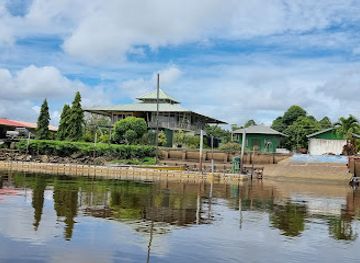
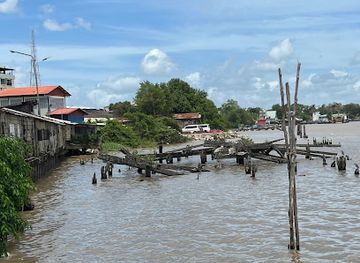
Domburg Waterkant
Experience the natural beauty and vibrant culture at Domburg Waterkant, a must-visit destination in Suriname's stunning coastal landscape.
-
Casino
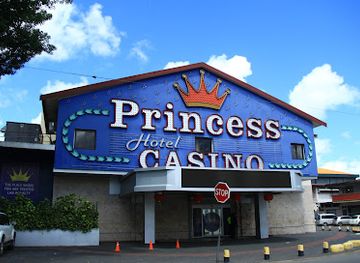
Princess Casino
Immerse yourself in the excitement and elegance of Princess Casino, a top tourist attraction in Paramaribo, Suriname, featuring thrilling games and exquisite dining.
-
Beach
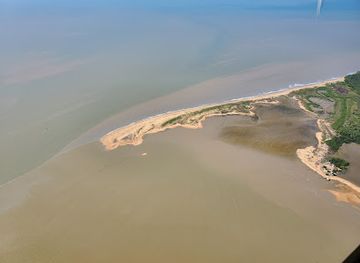
Braamspunt
Experience the tranquility of Braamspunt, Suriname's only beach, where golden sands meet turquoise waters in a stunning Caribbean paradise.
-
Tourist attraction
Neotropical Butterfly Park
Explore the Neotropical Butterfly Park in Suriname, a vibrant sanctuary showcasing the beauty of butterflies in a lush, tropical garden setting.

Best landmarks in Wanica District
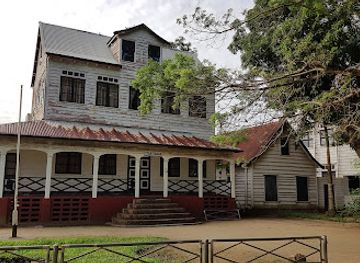
Wanica’s most characteristic landmarks are connected with settlement, transport and water rather than monumental architecture. Lelydorp is the district’s principal inland reference point and preserves the historical importance of the corridor that once linked Paramaribo with the interior by railway. Surviving traces and memories of that railway era are more significant as part of the district’s development story than as a single grand monument. Domburg’s position beside the Suriname River is another defining landmark, representing the waterways that have long structured movement, cultivation and settlement in the coastal plain. Across the district, straight roads, drainage canals, bridges and polder landscapes form a recognisable human-made geography, while older religious buildings, cemeteries and community institutions reflect the settlement of Afro-Surinamese, Hindustani, Javanese and other populations. These places are often local rather than monumental and should be approached respectfully. The historic wooden buildings and major colonial landmarks for which Paramaribo is known lie in the neighbouring capital district, not in Wanica, while plantation and fort sites farther along the Suriname and Commewijne rivers belong to other districts.
-
Park
Palmtree Garden
Experience the tranquil beauty of Palmtree Garden in Paramaribo, where nature meets art in a lush urban oasis.
-
Museum
Fort Zeelandia
Explore the fascinating history of Suriname at Fort Zeelandia, a 17th-century fortress and museum showcasing the country's colonial heritage.
-
Zoo
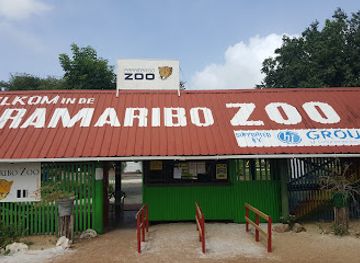
Paramaribo Zoo
Explore the natural beauty and diverse wildlife at Paramaribo Zoo, a must-visit attraction for nature lovers in Suriname.
-
Market
Paramaribo Central Market
Discover the vibrant sights and flavors of Suriname at Paramaribo Central Market, where local culture and commerce come alive.
Explore Wanica District on the map
Plan your trip on one map. See where the top cities, national parks and sights are, and book hotels and experiences in a few clicks.
Best hotels in Wanica District
Best restaurants in Wanica District
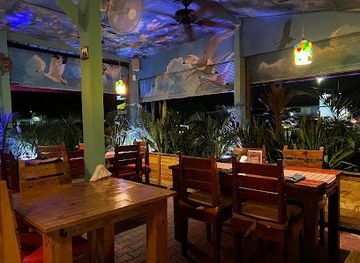
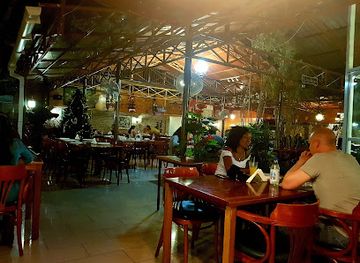
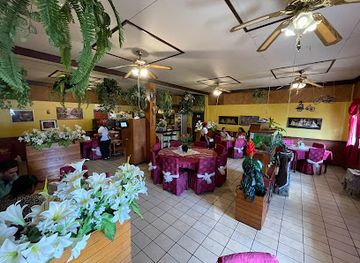
Dining in Wanica reflects Suriname’s strongly multicultural society and is often found in modest roadside restaurants, warungs, snack bars and family-run establishments rather than a single restaurant quarter. Lelydorp and the main roads south from Paramaribo are useful places to look for Hindustani dishes influenced by Indian cooking, Javanese meals such as rice-based plates and spiced accompaniments, Creole favourites, Chinese-Surinamese cooking and familiar national staples. Roti, nasi and bami, pom, soups, grilled meats, fried snacks and fresh fruit may appear across different menus, though recipes and names vary between communities. Domburg adds a riverside context where local food and refreshments can be combined with a view of the Suriname River. Markets and small grocers are practical for tropical fruit, vegetables and drinks, while visitors should not assume that every establishment accepts cards. Ask about ingredients when necessary, particularly for pepper, seafood or meat, and allow time for food preparation at smaller businesses.
-
Latin American
Las Tías Suriname
Discover authentic Latin American cuisine at Las Tías Suriname in Paramaribo - where every dish tells a story.
-
Indonesian
Restaurant Sarinah
Experience the vibrant tastes of Indonesia at Restaurant Sarinah in Paramaribo - a culinary journey awaits!
-
Thai
Garden of Eden
Experience authentic Thai cuisine at Garden of Eden in Paramaribo – where every bite transports you straight to Thailand's culinary heart.
-
Javanese restaurant
Jawa
Discover the authentic flavors of Javanese and Indonesian cuisine at Jawa in Paramaribo – a culinary gem waiting to be explored.

Best bars in Wanica District
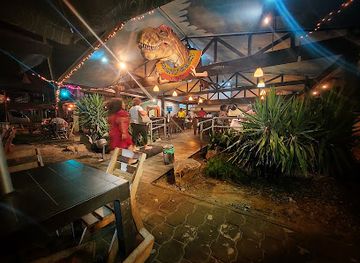
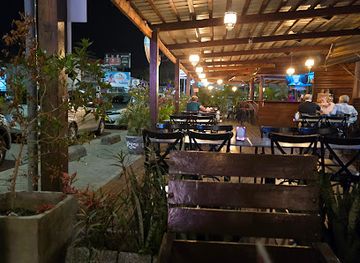
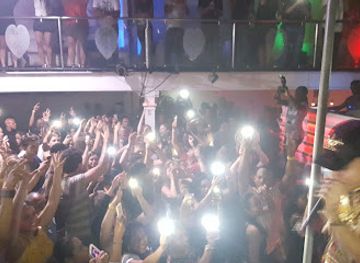
Wanica does not have the concentrated nightclub scene associated with a capital-city entertainment district. Evening life is more commonly centred on neighbourhood bars, casual restaurants, roadside food places, social clubs and occasional live music, especially around Lelydorp and the busier corridors linking the district with Paramaribo. Domburg offers a more relaxed riverside setting, although the choice and operating arrangements can change, particularly outside busy periods. Suriname’s wider drink culture includes beer, rum-based drinks, soft drinks and locally familiar fruit beverages, but alcohol is not necessary to engage with the district’s evening life. For a broader selection of cocktail bars, clubs, organised performances and late-night venues, Paramaribo is nearby but outside Wanica District. Arrange a safe return journey in advance when visiting a rural venue, since public transport becomes less convenient later at night.
-
Grill
Mighty Racks
Experience the vibrant flavors of Suriname at Mighty Racks, a grill that combines local cuisine with a lively atmosphere in Paramaribo.
-
Bar
Bar Zuid
Experience the vibrant nightlife at Bar Zuid, a lively bar in Paramaribo, offering refreshing drinks and a welcoming atmosphere for all travelers.
-
Indonesian
Warung Resa
Discover the vibrant flavors of Indonesian cuisine at Warung Resa in Paramaribo, a must-visit for culinary enthusiasts and adventurers alike.
-
Grill
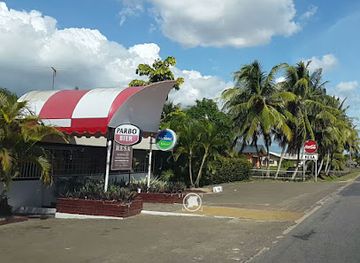
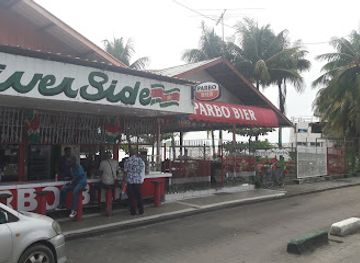
Riverside
Discover Riverside in Paramaribo, where local flavors meet vibrant atmosphere along the scenic waterside.
Best nightclubs in Wanica District
Wanica does not have the concentrated nightclub scene associated with a capital-city entertainment district. Evening life is more commonly centred on neighbourhood bars, casual restaurants, roadside food places, social clubs and occasional live music, especially around Lelydorp and the busier corridors linking the district with Paramaribo. Domburg offers a more relaxed riverside setting, although the choice and operating arrangements can change, particularly outside busy periods. Suriname’s wider drink culture includes beer, rum-based drinks, soft drinks and locally familiar fruit beverages, but alcohol is not necessary to engage with the district’s evening life. For a broader selection of cocktail bars, clubs, organised performances and late-night venues, Paramaribo is nearby but outside Wanica District. Arrange a safe return journey in advance when visiting a rural venue, since public transport becomes less convenient later at night.
-
Night club
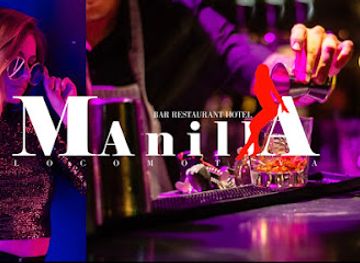
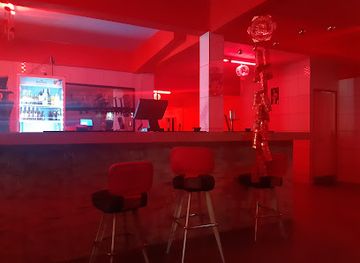
Club Manilla Suriname
Discover the heart of Paramaribo's nightlife at Club Manilla Suriname, where dance, music, and fun unite for an unforgettable experience.
-
Bar
Bar Excellente Suriname
Discover the vibrant nightlife at Bar Excellente, where local flavors meet international drinks in the heart of Paramaribo.
-
Night club
Diamond Pool Terras / Diamond Nightclub
Discover the ultimate nightlife experience at Diamond Pool Terras, where vibrant music, cocktails, and dancing await in Paramaribo, Suriname.
-
Night club
Euphoria
Experience the vibrant nightlife of Paramaribo at Euphoria, where every night is a celebration filled with music and dance.

Best shops in Wanica District
Shopping in Wanica is practical and locally focused, with small supermarkets, convenience shops, roadside stalls, market traders and independent businesses serving residential communities along the main roads. Lelydorp is the district’s most useful shopping centre for everyday supplies, snacks and locally prepared food, while smaller settlements offer produce and informal roadside sales. Visitors may find tropical fruit, vegetables, spices, baked goods, prepared Javanese or Hindustani snacks and other products that make more meaningful souvenirs than generic imported goods. Domburg provides a different riverside community setting, though retail choice is limited compared with Paramaribo. Wanica is not primarily a designer-shopping destination; for formal galleries, specialist crafts, books and a wider selection of souvenirs, the capital is more suitable and lies immediately to the north outside the district. Carry cash for small purchases, ask permission before photographing stalls or sellers, and remember that availability often follows local harvests and trading patterns rather than a fixed tourist-market schedule.
-
Shopping mall
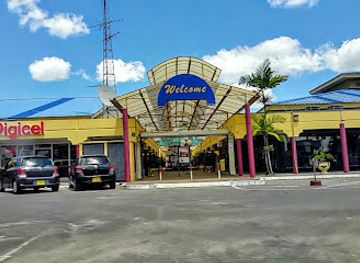
Hermitage Mall
Experience the vibrant atmosphere of Hermitage Mall in Paramaribo, where shopping meets culture and entertainment.
-
Department store
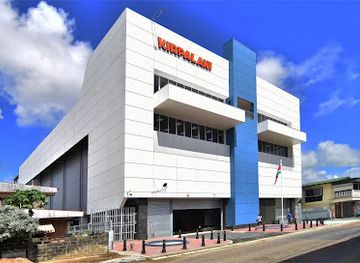
Kirpalani Super Store (KSS)
Explore a diverse range of products at Kirpalani Super Store in Paramaribo, Suriname, your ultimate shopping destination for local and international goods.
-
 Art gallery
Readytex Art Gallery
Discover the essence of Suriname at Readytex Art Gallery, a vibrant showcase of local artistry, crafts, and unique cultural souvenirs.
-
Department store
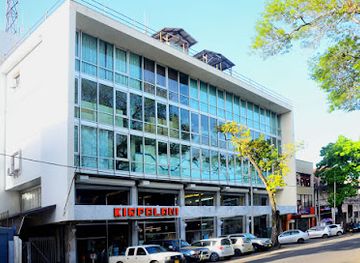
Kirpalani's N.V.
Explore Kirpalani's N.V. in Paramaribo, the ultimate shopping destination for a vibrant selection of local and international products in Suriname.
Get your free copy of our complete guide to Wanica District, delivered straight to you.
Everything on this page, from attractions and restaurants to essentials and local phrases, in one PDF you can read offline, print or share.
Already have an account? Sign in
Your Wanica District guide is ready.
We'll send it to · Not you? Sign out

Getting your guide ready…
We are putting together a fresh copy of the Wanica District guide. This can take up to a minute.
This can take a few moments. If your browser asks, choose Allow so the download can start. You'll find the guide in your Downloads folder.
Nothing happened? Download it again
Sorry, the guide is taking longer than usual. Please try again in a minute, or get it by email instead.
Wanica District essentials
Currency and Payment
Safety
Emergency Situations
Do's and Don'ts
Local Tips
From Eve
Local phrases worth knowing
You don't need to get them perfect. A few words go a long way, and locals appreciate the effort.
Basics
| English | Local | Say it |
|---|---|---|
| Hello | Hallo | [Hah-loh] |
| Goodbye | Tot ziens | [Tot zeens] |
| Yes | Ja | [Yah] |
| No | Nee | [Nay] |
| Please/You're welcome | Alsjeblieft | [Ahl-sye-bleeft] |
| Thank you | Dank je | [Dahnk yuh] |
| Excuse me/Sorry | Sorry | [Soh-ree] |
| How are you? | Hoe gaat het? | [Hoo gaht het?] |
| Fine. And you? | Goed. En jij? | [Hood. En yay?] |
| Do you speak English? | Spreekt u Engels? | [Spraykt u Eng-els?] |
| I don't understand | Ik begrijp het niet | [Ik beh-graif het neet] |
Eating & Drinking
| English | Local | Say it |
|---|---|---|
| I'd like to see the menu, please | Ik zou graag het menu willen zien, alsjeblieft | [Ik zow grahkh het meh-noo wil-len zeen, ahl-sye-bleeft] |
| I don't eat meat | Ik eet geen vlees | [Ik eet khayn vlays] |
| Cheers! | Proost! | [Prohst!] |
| I would like to pay, please | Ik zou graag willen betalen, alsjeblieft | [Ik zow grahkh wil-len beh-ta-len, ahl-sye-bleeft] |
Emergencies
| English | Local | Say it |
|---|---|---|
| Help! | Help! | [Help!] |
| Go away! | Ga weg! | [Gah vek!] |
| Call the Police! | Bel de politie! | [Bel de po-li-tsie!] |
| Call a doctor! | Bel een dokter! | [Bel een dok-ter!] |
| I'm lost | Ik ben verdwaald | [Ik ben fer-dwaald] |
| I'm ill | Ik ben ziek | [Ik ben zeek] |
Shopping
| English | Local | Say it |
|---|---|---|
| I'd like to buy... | Ik zou graag ... willen kopen | [Ik zow grahkh ... wil-len koh-pen] |
| I'm just looking | Ik kijk gewoon rond | [Ik kayk geh-woon ront] |
| How much is it? | Hoeveel kost het? | [Hoo-vayl kost het?] |
| That's too expensive | Dat is te duur | [Daht is tuh door] |
| Can you lower the price? | Kunt u de prijs verlagen? | [Kunt u de prays fer-lah-ghen?] |
Time & Numbers
| English | Local | Say it |
|---|---|---|
| What time is it? | Hoe laat is het? | [Hoo laat is het?] |
| It's one o'clock | Het is één uur | [Het is een oor] |
| Half past (10) | Half elf | [Half elf] |
| Morning | Ochtend | [Okh-tend] |
| Afternoon | Middag | [Mid-dahg] |
| Evening | Avond | [Ah-vond] |
| Yesterday | Gisteren | [Hees-ter-en] |
| Today | Vandaag | [Van-dahg] |
| Tomorrow | Morgen | [Mor-ghen] |
| 1 | 1 | [Eén] |
| 2 | 2 | [Twee] |
| 3 | 3 | [Drie] |
| 4 | 4 | [Vier] |
| 5 | 5 | [Vijf] |
| 6 | 6 | [Zes] |
| 7 | 7 | [Zeven] |
| 8 | 8 | [Acht] |
| 9 | 9 | [Negen] |
| 10 | 10 | [Tien] |
Transport & Directions
| English | Local | Say it |
|---|---|---|
| Where's a/the...? | Waar is een...? | [Waar is een...?] |
| What's the address? | Wat is het adres? | [Vat is het ah-dress?] |
| Can you show me (on the map)? | Kunt u me laten zien (op de kaart)? | [Kunt u meh lah-ten zeen (op de kaart)?] |
| When's the next (bus)? | Wanneer komt de volgende (bus)? | [Van-neer komt de vol-ghen-de (bus)?] |
| A ticket (to ....) | Een ticket (naar ...) | [Een ti-ket (naar ...)] |
History of Wanica District
Indigenous settlement and the coastal landscape
Long before European colonisation, Indigenous peoples lived along the rivers and in the forested and savannah environments of what is now Suriname. The coastal plain around present-day Wanica was shaped by seasonal water, creeks and access to major rivers, making knowledge of waterways essential. Archaeological and cultural evidence across Suriname points to long-standing Indigenous use of plants, fish and forest resources. Although much of modern Wanica is settled and cultivated, its drainage patterns, river corridors and remaining wooded areas still belong to this older geographical story.
Plantations and colonial agriculture
During Dutch colonial rule, the coastal districts south of Paramaribo were incorporated into an agricultural economy based on plantations and smaller cultivation plots. Canals and drainage works enabled the use of wet land, while rivers provided transport for crops, supplies and people. Plantation agriculture relied heavily on enslaved Africans until emancipation in 1863. Wanica’s present-day roads, waterways and dispersed settlements do not simply reproduce the plantation system, but they remain part of the coastal infrastructure and land-use pattern created during this period.
Emancipation and the transformation of rural society
The abolition of slavery in Suriname in 1863 changed the organisation of work and landholding throughout the coastal districts. Formerly enslaved people sought greater independence, while plantation owners and the colonial administration searched for new labour arrangements. Smallholding, wage work and movement between plantations and Paramaribo gradually altered the social geography. The legacy of emancipation is visible not through a single monument in Wanica but through the district’s enduring Afro-Surinamese communities, religious life, family networks and agricultural traditions.
Indentured migration and multicultural settlement
From the late nineteenth century, contract labourers from British India and Java were brought to Suriname to work after emancipation, alongside smaller groups from China and elsewhere. Many migrants and their descendants eventually established independent farms, businesses and communities after the contract system ended. This history is central to Wanica’s present character: Hindustani and Javanese foodways, religious institutions, agricultural knowledge and family enterprises are part of everyday district life. The multicultural landscape is a historical development, not merely a modern visitor attraction.
Railways, Lelydorp and inland connections
The railway built from Paramaribo towards the interior placed the settlement now known as Lelydorp within a more important transport corridor. The line was associated with colonial efforts to connect the capital with mining and agricultural areas, although rail transport did not become a lasting nationwide network. Lelydorp’s name refers to Cornelis Lely, the Dutch engineer and colonial administrator associated with the project. Even after railway services declined, roads and bus routes continued to make the settlement a key inland centre south of Paramaribo.
Post-war suburbanisation and contemporary Wanica
After the Second World War, population growth around Paramaribo encouraged settlement to spread into neighbouring districts, including Wanica. New housing, schools, shops, roads and small industries gradually filled areas once dominated by farms, plantations and open drainage land. This process continues today, producing a district that combines suburban expansion with agricultural pockets and older villages. Modern Wanica is therefore best understood as a transition zone: it is closely linked to the capital while retaining its own settlement patterns, food traditions and rural landscapes.
Wanica District in Photos
Browse through our photo collection highlighting the charm and character of the destination.
Neighbouring regions of Wanica District
The closest regions to Wanica District, if you have time for more than one.
-

-

-

-

-


Swipe for more regions
Explore more
Explore more of Suriname
Discover Suriname - A blend of cultures, stunning rainforests, and historic charm awaits in this hidden gem of South America.
Explore Suriname