

Free Saramacca District Travel Guide & Mobile App
Explore Saramacca District with free travel guides. Discover regional history, expert tips, proposed trips, and audio guides on web or mobile app.


Saramacca District reveals Suriname through river landscapes, rural settlements, plantation history, agriculture and quiet journeys beyond Paramaribo.
Read more about Saramacca District
When is the best time to visit Saramacca District?
Best: February–April · 31–32°C| Month | High (°C) | Rainfall (mm) |
|---|---|---|
| January | 30 | 200 |
| February (best) | 31 | 180 |
| March (best) | 31 | 170 |
| April (best) | 32 | 170 |
| May | 32 | 180 |
| June | 32 | 210 |
| July | 32 | 220 |
| August | 32 | 220 |
| September | 32 | 200 |
| October | 32 | 210 |
| November | 31 | 220 |
| December | 31 | 230 |
Getting to and around Saramacca District
How to get there
Transportation
Top city travel guides in Saramacca District
The cities of Saramacca District, and the easiest places to base yourself.
-

-

-


Swipe for more cities
Best attractions in Saramacca District
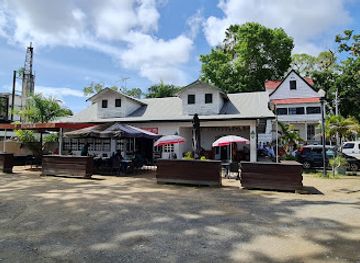
Saramacca's attractions are primarily landscape-based and cultural rather than concentrated in a catalogue of ticketed sights. Groningen is the natural starting point, with its riverside setting and connection to the district's colonial and agricultural history. Beyond the town, roads pass through cultivated lowlands, drainage channels, small settlements and open country where birdlife can be observed, particularly with a guide who knows the seasonal habitats. The Saramacca River and associated creeks offer opportunities for boating, photography and learning how water shapes local livelihoods, although access should be arranged locally rather than improvised. Farms and rural communities can provide insight into rice cultivation, vegetable production and everyday life when visits are made by prior agreement. Towards the south, the landscape becomes more wooded and transitions towards interior forest environments, but access can be demanding and should be planned with experienced local support. Saramacca is therefore best suited to travellers interested in ecology, rural history, agriculture and slower journeys, rather than visitors seeking a dense sequence of formal museums or monumental attractions.
-
Surnamese
De Gadri
Discover the authentic taste of Suriname at De Gadri, a vibrant restaurant in Paramaribo showcasing traditional Surinamese dishes.
-
Park
Brownsberg
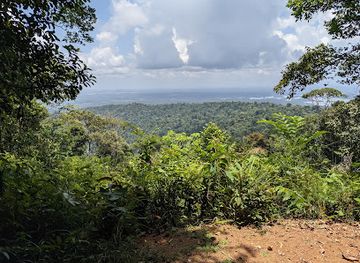
Explore the breathtaking landscapes and rich biodiversity of Brownsberg, a hidden gem in Suriname's lush rainforest.
-
Stadium
André Kamperveen Stadion
Experience the vibrant atmosphere of André Kamperveen Stadion, where Surinamese football comes alive in a celebration of community and sport.
-
Mosque
Ahmadiyya Muslim Nasir Mosque
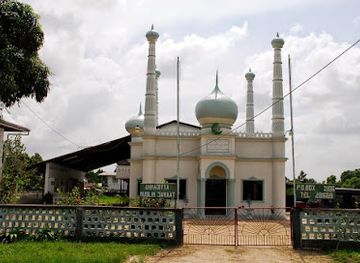
Explore the architectural beauty and spiritual serenity of the Ahmadiyya Muslim Nasir Mosque in Paramaribo, a cultural gem in Suriname.
Best landmarks in Saramacca District
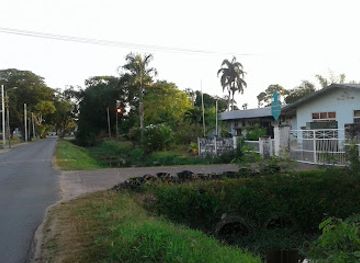
The most recognisable landmark in Saramacca is Groningen's position beside the Saramacca River, where the district capital's identity remains tied to the waterway that supported administration, movement and settlement. The town's colonial origins as a military post give its layout historical significance, even though it does not present the monumental architecture found in Paramaribo. Across the district, canals, embankments, drainage ditches and bridges form a less obvious but important landscape of infrastructure: together they show how agricultural communities adapted low, waterlogged land for cultivation. Older plantation and settlement areas are likewise significant as cultural landscapes rather than as perfectly preserved monuments, and their condition and public accessibility vary. The Saramacca River itself is both a geographical landmark and a living transport and ecological system, linking the district's history to its present economy. In the south, increasingly forested horizons mark the transition from settled lowlands towards Suriname's interior, where natural geography becomes the dominant landmark.
-
Park
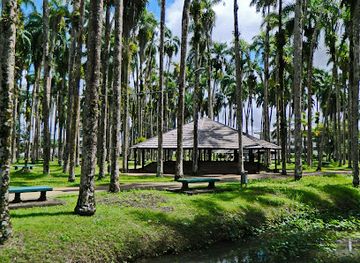
Palmtree Garden
Explore the serene Palmtree Garden in Paramaribo, a perfect blend of nature, art, and relaxation in the heart of Suriname.
-
Museum
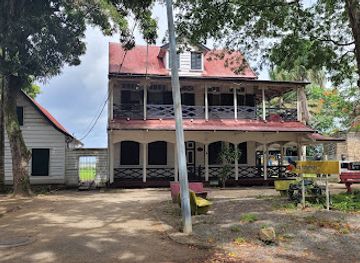
Fort Zeelandia
Explore Fort Zeelandia, an iconic museum in Paramaribo, Suriname, showcasing the rich colonial history and diverse cultural heritage of the region.
-
Zoo
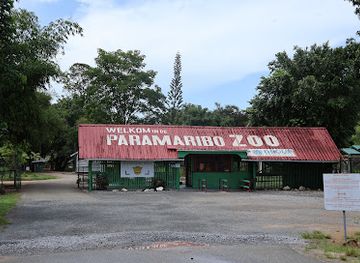
Paramaribo Zoo
Explore the vibrant wildlife of Suriname at Paramaribo Zoo, a family-friendly attraction showcasing the beauty of nature in a lush, tropical setting.
-
Market
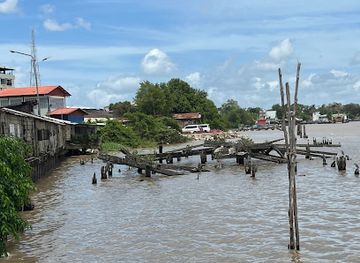
Paramaribo Central Market
Explore the vibrant Paramaribo Central Market, a cultural hub filled with fresh produce, local crafts, and authentic Surinamese flavors.
Explore Saramacca District on the map
Plan your trip on one map. See where the top cities, national parks and sights are, and book hotels and experiences in a few clicks.
Best hotels in Saramacca District
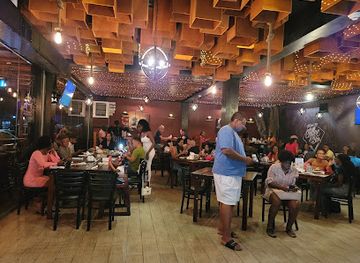
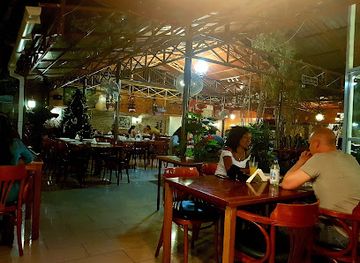
Best restaurants in Saramacca District
Dining in Saramacca is closely related to household cooking, agriculture and the wider culinary mixture of Suriname. In Groningen and larger settlements, visitors may find simple eateries serving rice-based meals, noodles, roti, soups, grilled foods and vegetables, reflecting Afro-Surinamese, Hindustani, Javanese and other national influences. Fresh produce from the district's farms can appear in seasonal cooking, while fish and river-related foods are part of the broader local food economy, although availability varies. Roadside sellers, small cafés and informal food businesses are more characteristic than a large restaurant scene, so ask locally about the day's options and carry provisions when travelling into remote areas. Paramaribo remains the best place for the widest choice of Surinamese cuisines, but Saramacca offers a more direct connection with agricultural suppliers, home-style meals and the everyday food culture of rural communities. Visitors should confirm ingredients when allergies or dietary restrictions are important.
-
Latin American
Las Tías Suriname
Discover authentic Latin American cuisine at Las Tías Suriname in Paramaribo - a delightful culinary journey awaits!
-
Restaurant
The Coffee Box South
Experience the heart of Paramaribo at The Coffee Box South – your go-to destination for exceptional coffee and delicious local cuisine.
-
Indonesian
Restaurant Sarinah
Experience the vibrant flavors of authentic Indonesian cuisine at Restaurant Sarinah in Paramaribo.
-
Thai
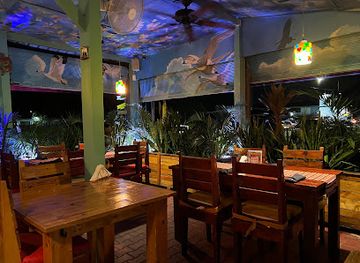
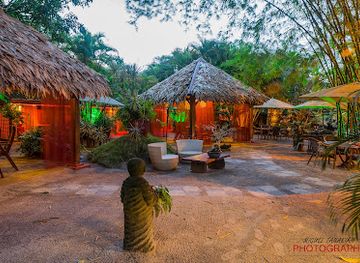
Garden of Eden
Experience authentic Thai flavors at Garden of Eden in Paramaribo - a true culinary gem for food enthusiasts.
Best bars in Saramacca District
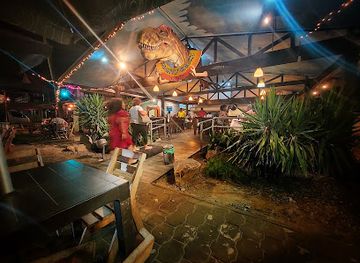
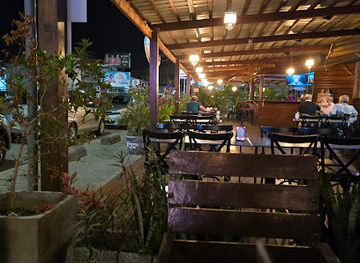
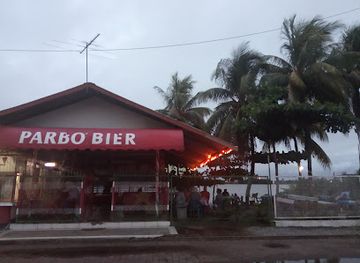
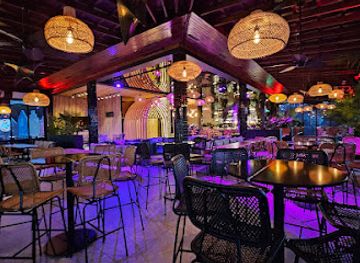
Saramacca does not have a major nightclub circuit. Evening life is centred on small bars, neighbourhood meeting places, restaurants and social gatherings in and around Groningen, with music and conversation playing a larger role than late-night clubbing. Some venues may serve Surinamese beer, spirits and soft drinks, while local events can create livelier evenings at particular times of year, but these are not dependable daily attractions. Outside the district capital, nightlife becomes more dispersed and private, and many rural communities quieten early. Visitors should arrange transport back to their accommodation before going out, as taxis and public transport may be limited at night. The most respectful way to participate is to follow local invitations and venue customs rather than treating community spaces as staged entertainment.
-
Grill
Mighty Racks
Experience the vibrant flavors of Suriname at Mighty Racks, where every grilled dish tells a delicious story.
-
Bar
Bar Zuid
Discover the vibrant nightlife at Bar Zuid in Paramaribo, where locals and tourists come together to enjoy great drinks and lively atmosphere.
-
Grill
Riverside
Discover Riverside in Paramaribo, where delicious grilled dishes meet stunning waterside views, creating an unforgettable dining experience.
-
Lounge
Mingle Paramaribo
Experience the vibrant nightlife at Mingle Paramaribo, where delicious food and refreshing drinks meet the lively spirit of Suriname.
Best nightclubs in Saramacca District
Saramacca does not have a major nightclub circuit. Evening life is centred on small bars, neighbourhood meeting places, restaurants and social gatherings in and around Groningen, with music and conversation playing a larger role than late-night clubbing. Some venues may serve Surinamese beer, spirits and soft drinks, while local events can create livelier evenings at particular times of year, but these are not dependable daily attractions. Outside the district capital, nightlife becomes more dispersed and private, and many rural communities quieten early. Visitors should arrange transport back to their accommodation before going out, as taxis and public transport may be limited at night. The most respectful way to participate is to follow local invitations and venue customs rather than treating community spaces as staged entertainment.
-
Night club
Club Manilla Suriname
Dance the night away at Club Manilla Suriname, the ultimate destination for nightlife enthusiasts in Paramaribo with vibrant music and a lively atmosphere.
-
Bar
Bar Excellente Suriname
Discover the vibrant nightlife at Bar Excellente in Paramaribo, where great drinks and local culture come together for a memorable experience.
-
Night club
Euphoria
Experience the vibrant nightlife of Paramaribo at Euphoria, where music and fun collide in an unforgettable night out.
-
Night club
Next Club Suriname
Dive into the lively atmosphere of Next Club Suriname, where electrifying music meets vibrant dancing in Paramaribo's nightlife hotspot.


Best shops in Saramacca District
Shopping in Saramacca is modest and local in character, with everyday shops and small businesses concentrated in Groningen and other settlements rather than large retail centres. Visitors are more likely to encounter fresh vegetables, fruit, rice and other agricultural products than a dedicated souvenir industry. Roadside stalls and small food sellers may offer seasonal produce, but availability, hygiene standards and payment options vary, so choose carefully and ask how items should be stored or prepared. For broader choices of crafts, books, clothing and Surinamese food products, Paramaribo is the country's principal shopping centre and lies outside the district. In Saramacca, the most meaningful purchases are often practical or edible: locally grown produce, prepared foods and goods bought directly from small traders. Ask permission before entering private farm areas or photographing market activity, and remember that rural trading hours and stock can change with weather and transport.
-
Shopping mall
Hermitage Mall
Explore Hermitage Mall in Paramaribo, a vibrant shopping destination with diverse shops, dining, and entertainment options for every traveler.
-
Shopping mall
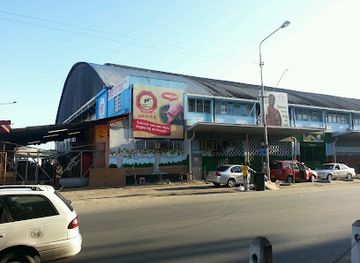
Paramaribo Central Market
Explore the vibrant Paramaribo Central Market, where local flavors, crafts, and culture come together in Suriname's bustling heart.
-
Department store
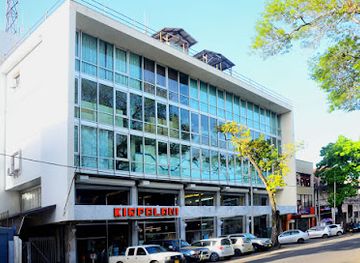
Kirpalani Super Store (KSS)
Explore Kirpalani Super Store in Paramaribo for a diverse shopping experience featuring local goods, souvenirs, and a wide range of products.
-
Department store
Kirpalani's N.V.
Discover the vibrant shopping experience at Kirpalani's N.V. in Paramaribo, where local culture meets modern retail.


Get your free copy of our complete guide to Saramacca District, delivered straight to you.
Everything on this page, from attractions and restaurants to essentials and local phrases, in one PDF you can read offline, print or share.
Already have an account? Sign in
Your Saramacca District guide is ready.
We'll send it to · Not you? Sign out

Getting your guide ready…
We are putting together a fresh copy of the Saramacca District guide. This can take up to a minute.
This can take a few moments. If your browser asks, choose Allow so the download can start. You'll find the guide in your Downloads folder.
Nothing happened? Download it again
Sorry, the guide is taking longer than usual. Please try again in a minute, or get it by email instead.
Saramacca District essentials
Currency and Payment
Safety
Emergency Situations
Do's and Don'ts
Local Tips
From Eve
Local phrases worth knowing
You don't need to get them perfect. A few words go a long way, and locals appreciate the effort.
Basics
| English | Local | Say it |
|---|---|---|
| Hello | Ola | [Oh-lah] |
| Goodbye | Tchao | [Chow] |
| Yes | Ayo | [Ah-yo] |
| No | No | [No] |
| Please/You're welcome | Por favor | [Por fah-vor] |
| Thank you | Obrigado | [Oh-bree-gah-do] |
| Excuse me/Sorry | Desculpa | [Des-kool-pah] |
| How are you? | Como ta? | [Koh-mo tah?] |
| Fine. And you? | Ta bon. E tu? | [Tah bon. Eh too?] |
| Do you speak English? | Voce ta fala ingles? | [Vo-say tah fah-lah in-glays?] |
| I don't understand | Mi no ta komprende | [Mee no tah kom-pren-deh] |
Eating & Drinking
| English | Local | Say it |
|---|---|---|
| I'd like to see the menu, please | Mi wanni si menu, por favor | [Mee wahn-ee see meh-noo, por fah-vor] |
| I don't eat meat | Mi no ta ete carne | [Mee no tah eh-teh kar-neh] |
| Cheers! | Saude! | [Sow-deh!] |
| I would like to pay, please | Mi wanni paga, por favor | [Mee wahn-ee pah-gah, por fah-vor] |
Emergencies
| English | Local | Say it |
|---|---|---|
| Help! | S.O.S! | [S.O.S!] |
| Go away! | Saí fora! | [Sah-ee for-ah!] |
| Call the Police! | Chama Policia! | [Sha-mah Poh-lee-syah!] |
| Call a doctor! | Chama un doktor! | [Sha-mah oon dok-tor!] |
| I'm lost | Mi ta perdi | [Mee tah pair-dee] |
| I'm ill | Mi ta mal | [Mee tah mahl] |
Shopping
| English | Local | Say it |
|---|---|---|
| I'd like to buy... | Mi wanni buy... | [Mee wahn-ee buy...] |
| I'm just looking | Mi so ta bisi | [Mee so tah bee-see] |
| How much is it? | Kuanto ta e? | [Kwan-toh tah eh?] |
| That's too expensive | E ta te dure | [Eh tah tay doo-reh] |
| Can you lower the price? | Voce ta pode abaixa e pris? | [Vo-say tah poh-deh ah-bye-sha eh prees?] |
Time & Numbers
| English | Local | Say it |
|---|---|---|
| What time is it? | Kuanto ora ta? | [Kwan-toh oh-rah tah?] |
| It's one o'clock | E ta un ora | [Eh tah oon oh-rah] |
| Half past (10) | Metade di (10) | [Meh-tah-deh dee (10)] |
| Morning | Mañana | [Mah-nyah-nah] |
| Afternoon | Tarde | [Tar-deh] |
| Evening | Noite | [Noy-teh] |
| Yesterday | Ontem | [On-tay] |
| Today | Hoje | [Oh-zhe] |
| Tomorrow | Amanhã | [A-mah-nyah] |
| 1 | 1 | [1] |
| 2 | 2 | [2] |
| 3 | 3 | [3] |
| 4 | 4 | [4] |
| 5 | 5 | [5] |
| 6 | 6 | [6] |
| 7 | 7 | [7] |
| 8 | 8 | [8] |
| 9 | 9 | [9] |
| 10 | 10 | [10] |
Transport & Directions
| English | Local | Say it |
|---|---|---|
| Where's a/the...? | Onde ta un/a...? | [On-day tah oon/ah...?] |
| What's the address? | Qual e o endereco? | [Qual eh oh en-deh-reh-so] |
| Can you show me (on the map)? | Voce ta pode mostra mi (na mapa)? | [Vo-say tah poh-deh mos-trah mee (nah mah-pah)?] |
| When's the next (bus)? | Kuando ta e proximo (bus)? | [Kwan-do tah eh prok-see-mo (boos)?] |
| A ticket (to ....) | Um bilhete (pa....) | [Oom bee-yeh-tay (pah....)] |
History of Saramacca District
Indigenous settlement and the river landscape
Long before European colonisation, Indigenous peoples used the rivers, creeks and forest margins of the area now known as Saramacca District for fishing, hunting, cultivation and movement. The Saramacca River formed a natural route through a landscape governed by seasonal water levels rather than by modern roads. Although many visible traces of earlier settlement are subtle, Indigenous knowledge of plants, waterways and forest travel remains part of Suriname's wider cultural heritage. The district's geography still makes clear why rivers became the organising feature of settlement and trade.
Colonial administration and the founding of Groningen
Groningen was established in the late eighteenth century as a colonial military post on the Saramacca River. Its location reflected the strategic importance of controlling river routes and protecting the plantation zone from resistance and raids. Over time, the settlement became the district's administrative centre. The surviving town plan and riverside position are reminders that colonial authority in Suriname depended heavily on waterways, forts and outposts rather than on an extensive overland network.
Plantation agriculture and water management
During the nineteenth century, the lowlands around the Saramacca and adjoining waterways were incorporated into Suriname's plantation economy. Agriculture required an extensive system of ditches, embankments, sluices and drainage channels to make wet ground productive and to manage saltwater and seasonal flooding. Plantation activity varied over time and included crops suited to local conditions, while smaller settlements developed alongside larger estates. The canals and altered waterways that remain in parts of the district are physical evidence of this long process of engineering the coastal plain.
Emancipation and contract labour
The abolition of slavery in Suriname in 1863 transformed the organisation of labour but did not end the plantation economy. After emancipation, plantation owners recruited contract workers, particularly from British India and Java, as well as employing people who remained in the agricultural districts. These movements helped shape the religious, linguistic and culinary diversity visible across Saramacca today. The district's villages and farms therefore reflect not one single colonial legacy, but the successive contributions and difficult experiences of several communities.
Agricultural development in the twentieth century
In the twentieth century, roads, drainage projects and agricultural programmes altered Saramacca's relationship with the coast and the interior. Smallholder farming expanded alongside larger agricultural schemes, with rice, vegetables, livestock and other crops adapted to different parts of the district. Improved road links weakened the exclusive importance of river transport, while Groningen remained an administrative and social centre. The resulting landscape, combining fields, canals, homesteads and forest margins, is a product of both state planning and locally managed agriculture.
Modern Saramacca and changing rural livelihoods
Saramacca has remained one of Suriname's less urbanised districts, although improved connections with Paramaribo have brought closer economic and social links with the capital. Agriculture, fishing, small businesses and public services continue to support local communities, while younger residents may study or work elsewhere. Contemporary visitors encounter a district balancing rural continuity with gradual change: traditional river and farming knowledge remains important, but roads, telecommunications and national markets increasingly shape everyday life.
Saramacca District in Photos
Browse through our photo collection highlighting the charm and character of the destination.
Neighbouring regions of Saramacca District
The closest regions to Saramacca District, if you have time for more than one.
-

-

-

-

-


Swipe for more regions
Explore more
Explore more of Suriname
Discover Suriname - A blend of cultures, stunning rainforests, and historic charm awaits in this hidden gem of South America.
Explore Suriname