

Free Paramaribo District Travel Guide & Mobile App
Explore Paramaribo District with free travel guides. Discover regional history, expert tips, proposed trips, and audio guides on web or mobile app.


Paramaribo District combines UNESCO-listed wooden architecture, riverfront history, multicultural food, lively markets and access to Suriname's wider adventures.
Read more about Paramaribo District
When is the best time to visit Paramaribo District?
Best: February–March, October · 30°C| Month | High (°C) | Rainfall (mm) |
|---|---|---|
| January | 30 | 170 |
| February (best) | 30 | 140 |
| March (best) | 30 | 160 |
| April | 31 | 180 |
| May | 30 | 240 |
| June | 30 | 260 |
| July | 30 | 220 |
| August | 30 | 200 |
| September | 30 | 180 |
| October (best) | 30 | 160 |
| November | 30 | 180 |
| December | 30 | 190 |
Getting to and around Paramaribo District
How to get there
Transportation
Top city travel guides in Paramaribo District
The cities of Paramaribo District, and the easiest places to base yourself.
-

-

-


Swipe for more cities
Best attractions in Paramaribo District
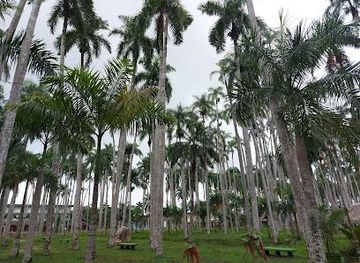
Paramaribo District's attractions are concentrated around the capital's historic core, where Fort Zeelandia, Independence Square, the Presidential Palace, the Palmentuin and the Waterkant form a coherent route through Suriname's colonial and national history. Museums and cultural institutions add context to the city's Indigenous, African, European, Hindustani, Javanese and Chinese influences; the Surinaams Museum at Fort Zeelandia and the Koto Museum are particularly useful for understanding different aspects of the country's past. Religious buildings are also important attractions, including the wooden Saint Peter and Paul Basilica, the Neveh Shalom Synagogue and the Keizerstraat Mosque. Markets provide a more everyday experience, with fruit, fish, spices and prepared food revealing the district's cultural diversity. Beyond the centre, leafy residential streets, river views and urban gardens offer a slower perspective on the capital. Paramaribo District is not the place for large wilderness reserves or plantation landscapes; those experiences lie in other districts and require separate excursions.
-
Palmtree Garden
Explore the lush beauty of Palmtree Garden, a serene park in Paramaribo, perfect for relaxation, picnics, and immersing in nature's tranquility.
-
Museum
Fort Zeelandia
Explore Fort Zeelandia, Suriname's historical fort turned museum, where captivating stories of the past await along the scenic Suriname River.
-
Tourist attraction
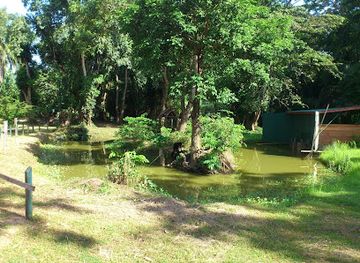
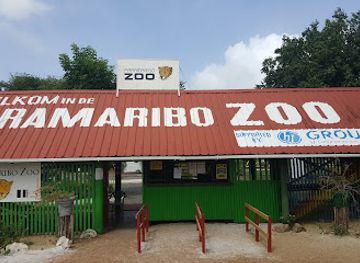
Paramaribo Zoo
Discover the diverse wildlife at Paramaribo Zoo, a family-friendly attraction in the heart of Suriname's capital, showcasing nature's beauty and conservation.
-
Saint-Peter-and-Paul Basilica of Paramaribo
Discover the stunning Saint-Peter-and-Paul Basilica in Paramaribo, a blend of architectural beauty and cultural heritage in Suriname.


Best landmarks in Paramaribo District
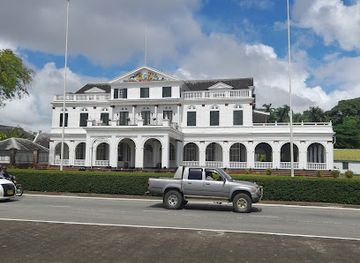
The historic inner city of Paramaribo is the district's principal landmark landscape, with a town plan and buildings that record the development of Dutch colonial rule in a tropical setting. Fort Zeelandia, beside the Suriname River, is a major military and political landmark and now houses the Surinaams Museum. Around Independence Square stand the Presidential Palace, the National Assembly and other civic buildings, while the adjacent Palmentuin provides a memorable avenue of royal palms. The Saint Peter and Paul Basilica is one of the city's most recognisable wooden structures, distinguished by its scale and richly worked interior. On Keizerstraat, the Neveh Shalom Synagogue and the Mosque Keizerstraat are powerful symbols of Paramaribo's religious plurality and are located close together. The Waterkant, with its riverside buildings and open views, marks the city's relationship with the Suriname River. Together these places explain why the historic centre has international heritage significance without reducing Paramaribo's identity to colonial architecture alone.
-
Park
Palmtree Garden
Discover the serene beauty of Palmtree Garden, a lush park in Paramaribo filled with tropical flora and captivating sculptures.
-
Museum
Fort Zeelandia
Explore Suriname's colonial past at Fort Zeelandia, a historic museum in Paramaribo showcasing the nation's rich heritage and diverse culture.
-
Zoo
Paramaribo Zoo
Discover the vibrant wildlife of Suriname at Paramaribo Zoo, a family-friendly destination for nature lovers and adventure seekers.
-
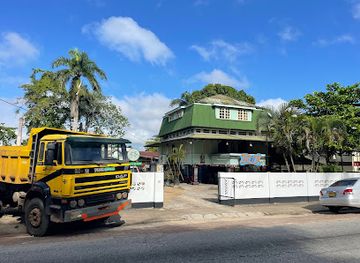
Restaurant
Zus & Zo
Experience the culinary delights of Zus & Zo in Paramaribo, where local flavors meet international cuisine in a welcoming atmosphere.
Explore Paramaribo District on the map
Plan your trip on one map. See where the top cities, national parks and sights are, and book hotels and experiences in a few clicks.
Best hotels in Paramaribo District
Best restaurants in Paramaribo District
Dining in Paramaribo District reflects Suriname's layered population and its connections with the Caribbean, the Netherlands, South Asia, Indonesia and China. Menus may feature pom, a seasoned oven-baked dish often made for gatherings, roti with curried fillings, saoto soup, heri heri, noodles, nasi, spicy snacks and plantain-based sides. Seafood, river fish, chicken and tropical fruit are widely used, while Javanese and Hindustani cooking provide especially distinctive flavours. Central Paramaribo has restaurants, cafés and hotel dining rooms suited to international visitors, but small warungs, snack counters and market stalls can offer a more informal introduction to everyday food. Dutch-style pastries and breads appear alongside local sweets and savoury snacks. Ask about ingredients when ordering, as spice levels and recipes vary and some dishes contain shrimp, fish paste or peanuts. Dining hours can be flexible, so it is sensible to confirm evening arrangements outside the busiest central areas.
-
 Restaurant
Torarica Resort
Discover luxury and local charm at Torarica Resort in Paramaribo—your gateway to relaxation and adventure in Suriname.
-
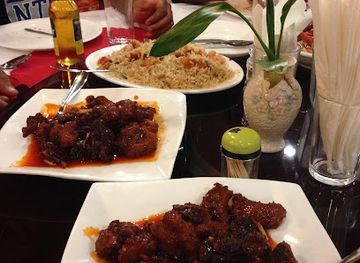
Chinese
Chi Min
Experience the rich flavors of authentic Chinese cuisine at Chi Min in Paramaribo—where every meal tells a story.
-
Restaurant
Zus & Zo
Experience the vibrant flavors of Suriname at Zus & Zo - where local cuisine meets delightful ambiance in Paramaribo.
-
Latin American
Las Tías Suriname
Experience authentic Latin American flavors at Las Tías Suriname in Paramaribo – where every meal tells a story.
Best bars in Paramaribo District
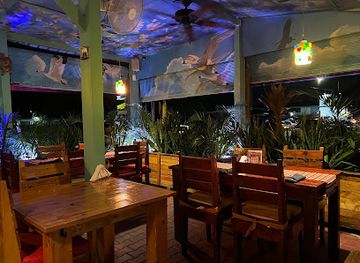
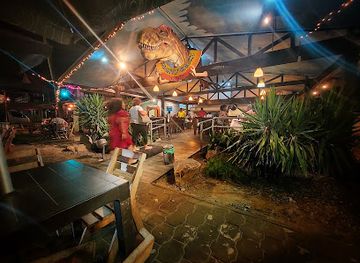
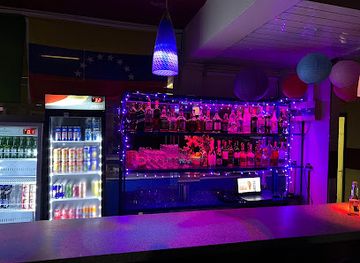
Paramaribo's evening life is centred on restaurants, hotel bars, riverside venues, cafés and traditional bars rather than a single large entertainment district. Central streets and the waterfront offer places for a drink or meal, while larger hotels and modern commercial areas may have more polished lounges and occasional live music. Surinamese, Caribbean, Dutch and international influences appear in the music and drinks scene, and some venues cater to dancing later in the evening. Nightlife can be quieter during the week and busier at weekends, but opening arrangements and individual venues change, so local advice is valuable. Outside the central urban area, evening choices are more dispersed and often revolve around restaurants or neighbourhood bars. Visitors should arrange a taxi back to their accommodation rather than relying on a long walk after dark, and alcohol is not necessary to appreciate Paramaribo's cultural and culinary life.
-
Cafe
'T vat
Discover the flavorful world of 'T vat Cafe in Paramaribo, where every cup of coffee tells a story and every snack is a delight.
-
Restaurant
Zus & Zo
Discover the flavors of Suriname at Zus & Zo, a vibrant restaurant in Paramaribo offering diverse dishes and a welcoming atmosphere.
-
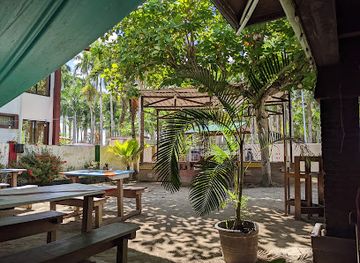
Thai
Garden of Eden
Experience the authentic taste of Thailand in Paramaribo at the Garden of Eden, where vibrant flavors and warm hospitality await every visitor.
-
Grill
Mighty Racks
Discover the vibrant tastes of Suriname at Mighty Racks, a top-rated grill house in Paramaribo offering delicious grilled dishes in a lively atmosphere.
Best nightclubs in Paramaribo District
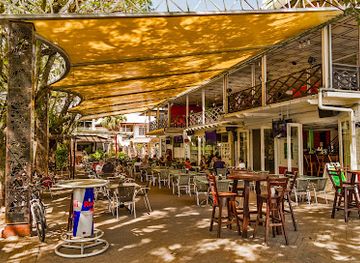
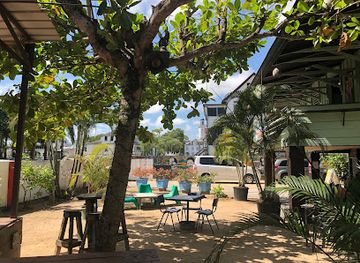
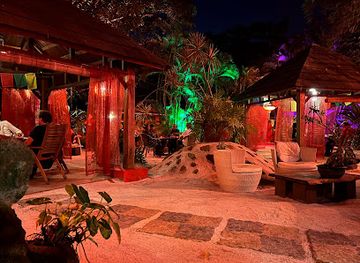
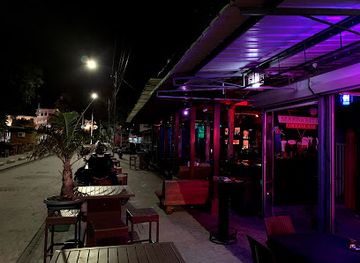
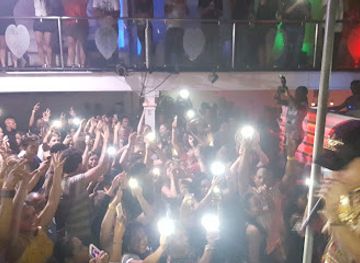
Paramaribo's evening life is centred on restaurants, hotel bars, riverside venues, cafés and traditional bars rather than a single large entertainment district. Central streets and the waterfront offer places for a drink or meal, while larger hotels and modern commercial areas may have more polished lounges and occasional live music. Surinamese, Caribbean, Dutch and international influences appear in the music and drinks scene, and some venues cater to dancing later in the evening. Nightlife can be quieter during the week and busier at weekends, but opening arrangements and individual venues change, so local advice is valuable. Outside the central urban area, evening choices are more dispersed and often revolve around restaurants or neighbourhood bars. Visitors should arrange a taxi back to their accommodation rather than relying on a long walk after dark, and alcohol is not necessary to appreciate Paramaribo's cultural and culinary life.
-
Bar
D'Bar
Experience the vibrant nightlife at D'Bar, Paramaribo's premier destination for cocktails, music, and unforgettable fun.
-
Night club
Euphoria
Experience the vibrant nightlife of Paramaribo at Euphoria, a premier night club offering local and international beats in a chic setting.
-
Night club
Diamond Pool Terras/ Diamond Nightclub
Dive into the vibrant nightlife of Paramaribo at Diamond Pool Terras, where electrifying music and refreshing cocktails await you.
-
Bar
Maracaibo Bar & Lounge
Discover the vibrant nightlife at Maracaibo Bar & Lounge, a must-visit spot in Paramaribo for cocktails, music, and a lively atmosphere.
Best shops in Paramaribo District
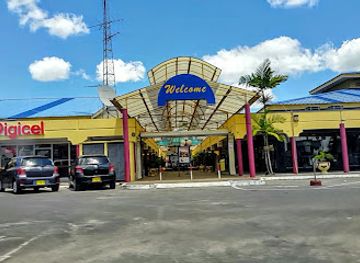
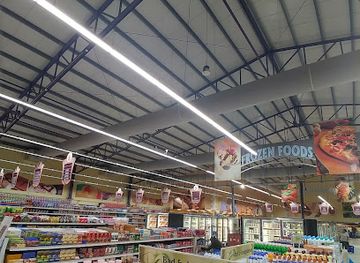
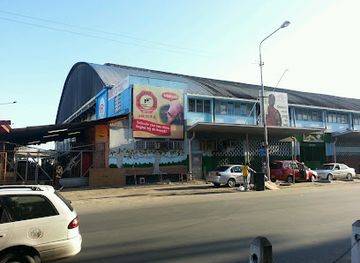
Shopping in Paramaribo District ranges from the Central Market and small neighbourhood food markets to independent shops, galleries, bookshops and modern commercial areas. The Central Market is the most immediate place to encounter Surinamese produce, spices, fish, fruit and prepared snacks, although visitors should keep belongings secure and ask before taking photographs. Shops and stalls in and around the centre sell locally made food products, woodwork, textiles, jewellery, crafts and souvenirs reflecting the country's multicultural traditions. Art galleries and craft outlets can provide more considered purchases than tourist stalls, while supermarkets are useful for packaged ingredients, drinks and regional snacks. Paramaribo is not primarily a luxury-shopping destination, but its retail character lies in variety and cultural range rather than scale. Check customs rules before buying plant products, animal materials or antiquities, and be cautious about claims that an object is genuinely old or locally made.
-
Shopping mall
Hermitage Mall
Discover the vibrant Hermitage Mall in Paramaribo, offering diverse shops, delicious dining, and entertainment for all ages in a modern shopping environment.
-
Tourist attraction
Fort Zeelandia
Explore Fort Zeelandia, a historic fort and museum in Paramaribo, Suriname, revealing the rich colonial heritage and diverse culture of the region.
-
Supermarket
Tulip
Explore the vibrant flavors of Suriname at Tulip Supermarket, your gateway to local groceries and unique culinary experiences in Paramaribo.
-
Shopping mall
Paramaribo Central Market
Discover the vibrant Central Market of Paramaribo, a hub for local produce, crafts, and authentic Surinamese culture, perfect for every traveler.
Get your free copy of our complete guide to Paramaribo District, delivered straight to you.
Everything on this page, from attractions and restaurants to essentials and local phrases, in one PDF you can read offline, print or share.
Already have an account? Sign in
Your Paramaribo District guide is ready.
We'll send it to · Not you? Sign out

Getting your guide ready…
We are putting together a fresh copy of the Paramaribo District guide. This can take up to a minute.
This can take a few moments. If your browser asks, choose Allow so the download can start. You'll find the guide in your Downloads folder.
Nothing happened? Download it again
Sorry, the guide is taking longer than usual. Please try again in a minute, or get it by email instead.
Paramaribo District essentials
Currency and Payment
Safety
Emergency Situations
Do's and Don'ts
Local Tips
From Eve
Local phrases worth knowing
You don't need to get them perfect. A few words go a long way, and locals appreciate the effort.
Basics
| English | Local | Say it |
|---|---|---|
| Hello | Hallo | [Ha-lo] |
| Goodbye | Dag | [Dahg] |
| Yes | Ja | [Yah] |
| No | Nee | [Nay] |
| Please/You're welcome | Alsjeblieft | [Ahl-sheh-bleeft] |
| Thank you | Dank je | [Dahnk yuh] |
| Excuse me/Sorry | Sorry | [Sor-ree] |
| How are you? | Hoe gaat het? | [Hoo gaht het?] |
| Fine. And you? | Goed. En met jou? | [Hood. En met yow?] |
| Do you speak English? | Spreek je Engels? | [Sprayk yuh Eng-els?] |
| I don't understand | Ik begrijp het niet | [Ik beh-graif het neet] |
Eating & Drinking
| English | Local | Say it |
|---|---|---|
| I'd like to see the menu, please | Ik wil graag de menukaart zien, alsjeblieft | [Ik vil grahgh de menu-kart zeen, aahl-sheh-bleeft] |
| I don't eat meat | Ik eet geen vlees | [Ik eet ghayn vlays] |
| Cheers! | Proost! | [Prohst!] |
| I would like to pay, please | Ik wil graag betalen, alsjeblieft | [Ik vil grahgh be-ta-len, aahl-sheh-bleeft] |
Emergencies
| English | Local | Say it |
|---|---|---|
| Help! | Help! | [Help!] |
| Go away! | Ga weg! | [Gah vehg!] |
| Call the Police! | Bel de politie! | [Bel de po-lee-tsee!] |
| Call a doctor! | Bel een dokter! | [Bel ein dok-ter!] |
| I'm lost | Ik ben verdwaald | [Ik ben fer-dwahlt] |
| I'm ill | Ik ben ziek | [Ik ben zeek] |
Shopping
| English | Local | Say it |
|---|---|---|
| I'd like to buy... | Ik wil graag kopen... | [Ik vil grahgh koh-pen...] |
| I'm just looking | Ik kijk alleen | [Ik kye-k ah-lay] |
| How much is it? | Hoeveel kost het? | [Hoo-vayl kohst het?] |
| That's too expensive | Dat is te duur | [Daht is tuh dyr] |
| Can you lower the price? | Kun je de prijs verlagen? | [Koon yuh de prays ver-lah-ghen?] |
Time & Numbers
| English | Local | Say it |
|---|---|---|
| What time is it? | Hoe laat is het? | [Hoo laht is het?] |
| It's one o'clock | Het is één uur | [Het is ayn oor] |
| Half past (10) | Half elf | [Half elf] |
| Morning | Ochtend | [Okh-tend] |
| Afternoon | Middag | [Mid-dahg] |
| Evening | Avond | [Ah-vond] |
| Yesterday | Gisteren | [Ghis-te-ren] |
| Today | Vandaag | [Van-dahg] |
| Tomorrow | Morgen | [Mor-ghen] |
| 1 | Eén | [Ayn] |
| 2 | Twee | [Tway] |
| 3 | Drie | [Dree] |
| 4 | Vier | [Veer] |
| 5 | Vijf | [Vayf] |
| 6 | Zes | [Zes] |
| 7 | Zeven | [Zay-ven] |
| 8 | Acht | [Aht] |
| 9 | Negen | [Nay-ghen] |
| 10 | Tien | [Teen] |
Transport & Directions
| English | Local | Say it |
|---|---|---|
| Where's a/the...? | Waar is een...? | [Vahr is ein...?] |
| What's the address? | Wat is het adres? | [Vaht is het ah-dres?] |
| Can you show me (on the map)? | Kun je me laten zien (op de kaart)? | [Koon yuh meh lah-ten zeen (op de kart)?] |
| When's the next (bus)? | Wanneer komt de volgende (bus)? | [Vahn-neer komt de vol-ghen-de (bus)?] |
| A ticket (to ....) | Een kaartje (naar ....) | [Ein kart-yeh (naar ....)] |
History of Paramaribo District
Indigenous settlement before European colonisation
The coastal area around present-day Paramaribo was occupied and used by Indigenous peoples long before European settlement. Communities adapted to the region's rivers, tidal wetlands and forest margins through fishing, horticulture, hunting and trade. Archaeological evidence and continuing Indigenous presence provide an important counterpoint to colonial accounts, which often treated the land as though its history began with European arrival. The waterways that still shape Paramaribo were already central to movement and exchange before the town developed.
English and Dutch colonial foundations, seventeenth century
European attempts to establish colonies along the Suriname River intensified during the seventeenth century. The English founded settlements in the area before the colony was transferred to the Dutch in 1667. Dutch control helped establish Paramaribo as the principal administrative and commercial centre. Fort Zeelandia, built around an earlier fortification and developed under Dutch rule, became a key defensive and governmental site. Plantation agriculture expanded along rivers beyond the town, while Paramaribo grew as the colony's port and seat of authority.
Plantation economy and coerced labour
Suriname's colonial economy depended heavily on plantations producing sugar, coffee, cocoa and other crops. Enslaved Africans were transported to the colony under brutal conditions, and many who escaped formed Maroon communities in the interior. Although much plantation activity took place outside the present district, Paramaribo was the administrative, commercial and social centre through which the system operated. The city's population, architecture and cultural traditions were profoundly shaped by African, European and Indigenous histories, as well as by resistance to slavery.
Abolition and contract migration, nineteenth century
Slavery was abolished in Suriname in 1863, though formerly enslaved people were subjected to a period of state-imposed labour obligations afterwards. Plantation owners subsequently recruited contract workers from British India and Java, with Chinese migration also contributing to the colony's commercial life. Paramaribo became the principal meeting place for these communities, whose languages, religions, culinary traditions and organisations remain central to the district's identity. The city's plural society therefore emerged through both cultural exchange and deeply unequal colonial conditions.
Urban growth under Dutch rule
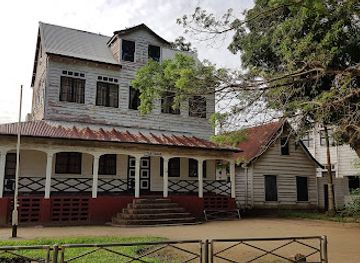
During the late nineteenth and early twentieth centuries, Paramaribo expanded beyond its earliest fortified and riverside core. Government buildings, churches, schools, shops and houses were constructed in forms that combined Dutch planning with local materials and tropical adaptations. Timber remained particularly important, while brick was used for major civic and religious structures. The resulting townscape, with its open spaces, canals and distinctive wooden architecture, became one of the most important surviving examples of a historic Dutch colonial town in the Caribbean and northern South America.
Autonomy, independence and modern Paramaribo
Suriname became an autonomous country within the Kingdom of the Netherlands in 1954 and gained independence in 1975. Paramaribo remained the national capital and the principal centre of government, education, commerce and cultural life. Political upheaval and economic changes affected the city in the late twentieth century, while suburban growth altered the relationship between the historic centre and newer residential districts. The capital today reflects both colonial legacies and an independent Surinamese identity expressed through language, music, religious life and cuisine.
Historic Inner City World Heritage recognition
The historic inner city of Paramaribo was inscribed on the UNESCO World Heritage List in 2002. The designation recognises a planned historic settlement whose buildings and open spaces show the interaction of European architectural ideas with local conditions and materials. Conservation remains an ongoing process in a tropical climate, where humidity, heavy rain and development pressures can affect historic structures. For visitors, the area offers an unusually concentrated view of Suriname's political, religious and commercial history.
Paramaribo District in Photos
Browse through our photo collection highlighting the charm and character of the destination.
Neighbouring regions of Paramaribo District
The closest regions to Paramaribo District, if you have time for more than one.
-

-

-

-

-


Swipe for more regions
Explore more
Explore more of Suriname
Discover Suriname - A blend of cultures, stunning rainforests, and historic charm awaits in this hidden gem of South America.
Explore Suriname