

Free Marowijne District Travel Guide & Mobile App
Explore Marowijne District with free travel guides. Discover regional history, expert tips, proposed trips, and audio guides on web or mobile app.


Explore Marowijne District for river-border culture, Galibi’s turtle coast, Moengo’s bauxite heritage and journeys into Suriname’s eastern forest.
Read more about Marowijne District
When is the best time to visit Marowijne District?
Best: June–August · 31°C| Month | High (°C) | Rainfall (mm) |
|---|---|---|
| January | 31 | 251 |
| February | 31 | 230 |
| March | 31 | 210 |
| April | 31 | 190 |
| May | 31 | 170 |
| June (best) | 31 | 150 |
| July (best) | 31 | 141 |
| August (best) | 31 | 150 |
| September | 31 | 170 |
| October | 31 | 190 |
| November | 31 | 210 |
| December | 31 | 230 |
Getting to and around Marowijne District
How to get there
Transportation
Top city travel guides in Marowijne District
The cities of Marowijne District, and the easiest places to base yourself.
-

-


Swipe for more cities
Destinations in Marowijne District
Resorts, valleys and scenic spots worth a trip of their own.

Swipe for more destinations
Best attractions in Marowijne District
Marowijne District’s attractions are shaped by rivers, forest, coastal wetlands and the meeting of Surinamese and French Guianese worlds. Albina is the principal base for boat journeys on the Marowijne River and for observing the movement of people and goods across the border. Galibi, reached by road and boat, combines Indigenous Kali’na culture with access to the Galibi Nature Reserve, whose beaches are important nesting grounds for sea turtles. Visits require respect for conservation rules and are generally organised with local guides. Moengo offers a contrasting experience centred on bauxite history, company-town development and contemporary arts activity. Farther inland, river communities and forest excursions provide opportunities to learn about Maroon and Indigenous ways of life, although travel requires advance arrangements and should not be treated as an independent road trip. Birdwatching, fishing, boat travel and forest observation are more prominent here than formal museum tourism. The district rewards visitors who allow time for changing weather, river logistics and locally led interpretation rather than attempting to see every area on a fixed schedule.
-
Fortress
Fort Nieuw Amsterdam
Explore Fort Nieuw Amsterdam, a historical fortress in Suriname offering stunning views, rich history, and a glimpse into colonial heritage.
-
Tourist attraction
Urusji lodge
Explore the natural beauty and serene tranquility of Urusji Lodge in Christiaankondre, Galibi, a must-visit destination for every nature enthusiast.
-
Nature preserve
Galibi Nature Reserve
Explore the breathtaking Galibi Nature Reserve, a tranquil escape into Suriname's stunning landscapes and rich biodiversity.
-
Artist
Marowijne Art Park
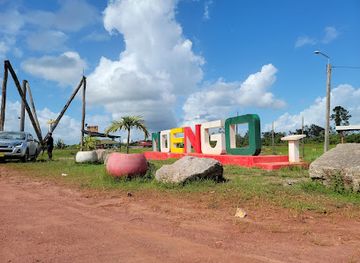
Explore Marowijne Art Park in Moengo, a serene destination showcasing local art, sculptures, and the beauty of Suriname's creative spirit.

Best landmarks in Marowijne District
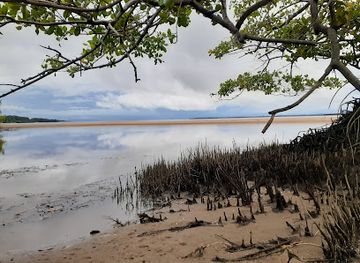
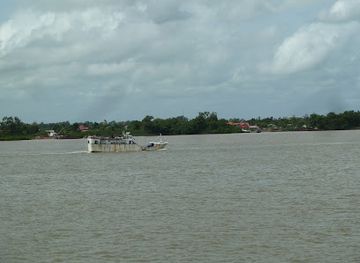
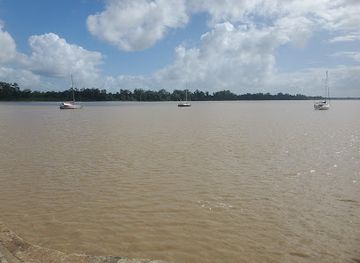
The Marowijne River is the district’s defining geographical landmark, forming a wide international boundary between Suriname and French Guiana and shaping the location of Albina and its river landing. Across the water, Saint-Laurent-du-Maroni is visible, but it is outside Suriname and should be treated as a separate French Guianese destination. Albina’s waterfront and crossing points express the district’s contemporary border identity more clearly than monumental architecture. In Moengo, the planned layout and surviving traces of the former bauxite company town represent the industrial history that made the settlement important. The coastal beaches and estuarine landscape around Galibi are landmarks of a different kind: they mark the meeting of Atlantic waters, mangroves and Indigenous territory, while also providing habitat for nesting sea turtles. Farther inland, the river channels and forested banks are culturally significant landscapes rather than scenery alone, connecting Maroon and Indigenous communities with routes, resources and histories that remain active today.
-
Park
Palmtree Garden
Explore the lush landscapes and tranquil atmosphere of Palmtree Garden, an urban oasis in Paramaribo, Suriname, perfect for relaxation and exploration.
-
Museum
Fort Zeelandia
Discover the historical essence of Suriname at Fort Zeelandia, a remarkable museum showcasing the country's colonial past and cultural heritage.
-
Tourist attraction
Domburg Waterkant
Discover the tranquil beauty of Domburg Waterkant, a picturesque coastal attraction in Suriname perfect for relaxation and adventure.
-
Basilica
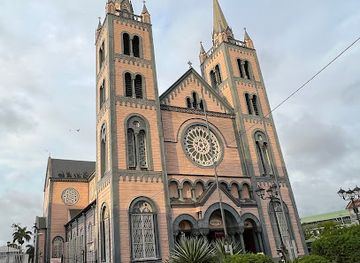
Saint-Peter-and-Paul Basilica of Paramaribo
Discover the architectural brilliance and serene beauty of the Saint-Peter-and-Paul Basilica in Paramaribo, a true gem of Suriname's cultural heritage.

Explore Marowijne District on the map
Plan your trip on one map. See where the top cities, national parks and sights are, and book hotels and experiences in a few clicks.
Best hotels in Marowijne District
Best restaurants in Marowijne District
Dining in Marowijne District is informal and closely linked to river travel, migration and the region’s multi-ethnic population. In Albina and Moengo, small eateries and family-run establishments commonly serve Surinamese staples such as rice dishes, noodles, roti, soups, grilled chicken and fish, alongside snacks influenced by Javanese, Hindustani, Creole, Maroon and Indigenous traditions. Fresh river fish and seafood are especially relevant near the Marowijne and the coast, although availability varies by season and settlement. Galibi and other excursion destinations may provide simple meals arranged through lodges or guides rather than a large choice of restaurants. Drinks and provisions should be bought before travelling to remote communities, where shops are limited. Visitors crossing to French Guiana will encounter a different food and pricing environment, so they should confirm which currency is accepted before ordering or paying.
-
 Restaurant
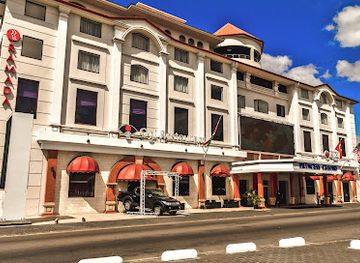
Torarica Resort
Discover the perfect blend of luxury and nature at Torarica Resort in Paramaribo – your gateway to Suriname's vibrant culture.
-
Latin American
Las Tías Suriname
Experience authentic Latin American cuisine at Las Tías Suriname in Paramaribo – where every dish tells a story.
-
Thai
Garden of Eden
Discover authentic Thai flavors in Paramaribo at Garden of Eden - an unforgettable dining experience awaits.
-
Grill
Mighty Racks
Discover mouthwatering grilled delights at Mighty Racks in Paramaribo - a culinary gem offering an unforgettable dining experience.
Best bars in Marowijne District
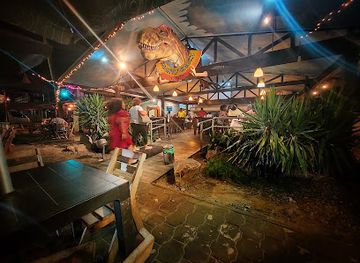
Nightlife in Marowijne District is modest and concentrated in Albina and Moengo rather than organised around a large club scene. Evening social life generally takes place in local bars, food spots, small rum shops and informal gathering places, with music and conversation more prominent than late-night entertainment. Moengo’s cultural activity can add an arts-oriented dimension, while Albina’s border position gives its evenings a more transient, commercial atmosphere. In Galibi and river communities, nights are quieter and usually centre on guesthouse meals, guided excursions or community-hosted activities. Visitors should not expect reliably published opening hours or extensive transport after dark. Alcohol is available, but it is not necessary to participate in local life; respectful behaviour is particularly important in small communities where visitors may be staying close to family homes.
-
Grill
Mighty Racks
Discover the best grilled flavors of Paramaribo at Mighty Racks, a vibrant spot where culinary traditions meet modern hospitality.
-
Bar
Roline's de Waag
Discover the blend of history and flavor at Roline's de Waag, Paramaribo's premier tapas bar and cultural venue by the water.
-
Bar
Bar Zuid
Experience the vibrant nightlife of Paramaribo at Bar Zuid, where locals and tourists gather for unforgettable evenings filled with drinks and laughter.
-
Lounge
Mingle Paramaribo
Experience the lively atmosphere and diverse flavors at Mingle Paramaribo, the ultimate lounge destination in Suriname.

Best nightclubs in Marowijne District
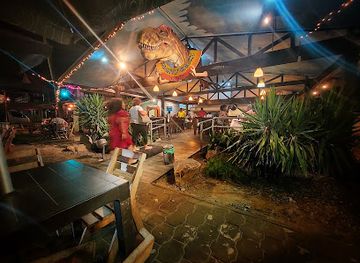
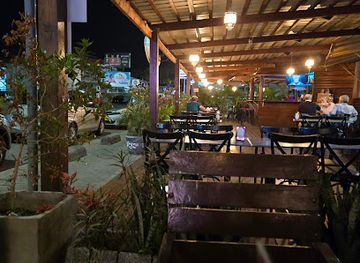
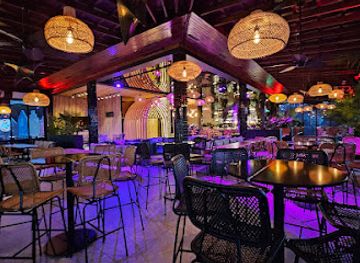
Nightlife in Marowijne District is modest and concentrated in Albina and Moengo rather than organised around a large club scene. Evening social life generally takes place in local bars, food spots, small rum shops and informal gathering places, with music and conversation more prominent than late-night entertainment. Moengo’s cultural activity can add an arts-oriented dimension, while Albina’s border position gives its evenings a more transient, commercial atmosphere. In Galibi and river communities, nights are quieter and usually centre on guesthouse meals, guided excursions or community-hosted activities. Visitors should not expect reliably published opening hours or extensive transport after dark. Alcohol is available, but it is not necessary to participate in local life; respectful behaviour is particularly important in small communities where visitors may be staying close to family homes.
-
Night club
The Havanna Lounge
Experience the vibrant nightlife at The Havanna Lounge in Paramaribo, where music, dance, and local culture come alive.
-
Bar
Club Manilla Suriname
Discover the pulsating nightlife at Club Manilla Suriname, where vibrant music and a lively atmosphere create unforgettable experiences in Paramaribo.
-
Night club
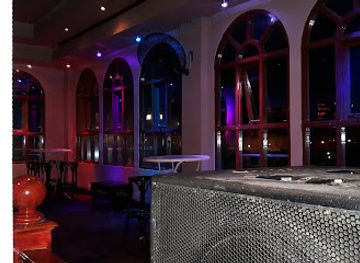
Diamond Pool Terras / Diamond Nightclub
Discover the vibrant nightlife of Paramaribo at Diamond Pool Terras, where music, cocktails, and great company come together.
-
Night club
Euphoria
Discover the vibrant nightlife of Paramaribo at Euphoria, where music, dance, and an electric atmosphere come together.

Best shops in Marowijne District
Shopping in Marowijne District is practical and local rather than centred on large retail complexes. Albina has small shops and market stalls serving residents, travellers and cross-border traffic, while Moengo provides everyday goods and provisions for the surrounding communities. Visitors may find locally prepared foods, fruit, fish, snacks, clothing and basic travel supplies, but choice and opening arrangements vary. Crafts, carved items, woven products and other community-made goods may be available through Indigenous or Maroon communities and local cultural initiatives; buy directly and ask about the maker and permitted materials. Galibi is a suitable place to look for locally produced crafts when sales are organised by the community, but visitors should not bargain aggressively or purchase objects made from protected wildlife. Stock up on essentials before river excursions, as remote villages have limited shops and no dependable range of international brands.
-
Shopping mall
Hermitage Mall
Explore Hermitage Mall, Paramaribo's top shopping destination for trendy stores, local flavors, and family-friendly entertainment.
-
Department store
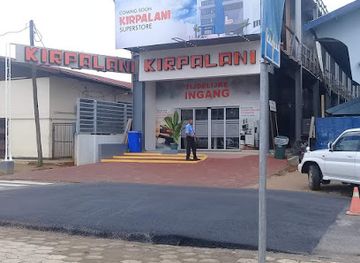
Kirpalani Super Store (KSS)
Discover the diverse offerings of Kirpalani Super Store in Paramaribo, a vibrant shopping hub for both locals and tourists.
-
Shopping mall
International Mall of Suriname
Explore the International Mall of Suriname, where shopping meets culinary delights and cultural experiences in the heart of Paramaribo.
-
Department store
Wow Superstore
Discover everything from groceries to fashion at Wow Superstore, Paramaribo's go-to destination for all your shopping needs.

Get your free copy of our complete guide to Marowijne District, delivered straight to you.
Everything on this page, from attractions and restaurants to essentials and local phrases, in one PDF you can read offline, print or share.
Already have an account? Sign in
Your Marowijne District guide is ready.
We'll send it to · Not you? Sign out

Getting your guide ready…
We are putting together a fresh copy of the Marowijne District guide. This can take up to a minute.
This can take a few moments. If your browser asks, choose Allow so the download can start. You'll find the guide in your Downloads folder.
Nothing happened? Download it again
Sorry, the guide is taking longer than usual. Please try again in a minute, or get it by email instead.
Marowijne District essentials
Currency and Payment
Safety
Emergency Situations
Do's and Don'ts
Local Tips
From Eve
Local phrases worth knowing
You don't need to get them perfect. A few words go a long way, and locals appreciate the effort.
Basics
| English | Local | Say it |
|---|---|---|
| Hello | Ola | [O-lah] |
| Goodbye | Taw | [Taw] |
| Yes | Ayo | [Ah-yo] |
| No | No | [No] |
| Please/You’re welcome | Plis | [Pleez] |
| Thank you | Tenki | [Ten-kee] |
| Excuse me/Sorry | Sori | [So-ree] |
| How are you? | Odi yu? | [Oh-dee yoo] |
| Fine. And you? | Fain. En yu? | [Fine. En yoo] |
| Do you speak English? | Yu sabi English? | [Yoo sah-bee English] |
| I don't understand | Mi no sabi | [Mee no sah-bee] |
Eating & Drinking
| English | Local | Say it |
|---|---|---|
| I’d like to see the menu, please | Mi wani si di menu, plis | [Mee wah-nee see dee men-oo, pleez] |
| I don’t eat meat | Mi no ete meat | [Mee no eh-teh meet] |
| Cheers! | Prost! | [Prohst] |
| I would like to pay, please | Mi wani pay, plis | [Mee wah-nee pay, pleez] |
Emergencies
| English | Local | Say it |
|---|---|---|
| Help! | Help! | [Help] |
| Go away! | Go awae! | [Go ah-way] |
| Call the Police! | Kaw di Police! | [Kaw dee Po-lees] |
| Call a doctor! | Kaw wan doktor! | [Kaw wahn dok-tor] |
| I’m lost | Mi lobi | [Mee loh-bee] |
| I’m ill | Mi sick | [Mee sick] |
Shopping
| English | Local | Say it |
|---|---|---|
| I’d like to buy... | Mi wani buy... | [Mee wah-nee buy] |
| I’m just looking | Mi just look | [Mee just look] |
| How much is it? | Odi fu? | [Oh-dee foo] |
| That’s too expensive | Dat te duus | [Dat te doos] |
| Can you lower the price? | Yu kan lobi di praes? | [Yoo kahn loh-bee dee price] |
Time & Numbers
| English | Local | Say it |
|---|---|---|
| What time is it? | Odi tida? | [Oh-dee tee-dah] |
| It’s one o'clock | Iti wan o'clock | [Ee-tee wan o-clock] |
| Half past (10) | Haalf pas (10) | [Half pahs (10)] |
| Morning | Mornin | [Mor-ning] |
| Afternoon | Aftanoon | [Af-ta-noon] |
| Evening | Ivenin | [Ee-ven-ing] |
| Yesterday | Yestedei | [Yes-teh-day] |
| Today | Todei | [Toh-day] |
| Tomorrow | Tomorow | [Toh-mor-row] |
| 1 | Wan | [Wahn] |
| 2 | Tu | [Too] |
| 3 | Thri | [Three] |
| 4 | Foa | [Four] |
| 5 | Faiv | [Five] |
| 6 | Siks | [Six] |
| 7 | Sev | [Seven] |
| 8 | Eit | [Eight] |
| 9 | Nain | [Nine] |
| 10 | Ten | [Ten] |
Transport & Directions
| English | Local | Say it |
|---|---|---|
| Where's a/the...? | Wha di...? | [Wah dee] |
| What's the address? | Wha di adres? | [Wah dee ah-dres] |
| Can you show me (on the map)? | Yu kan show mi (pan di map)? | [Yoo kahn show mee (pan dee map)] |
| When's the next (bus)? | Wen di next (bus)? | [Wen dee next (bus)] |
| A ticket (to ....) | Wan tiket (na ...) | [Wahn tee-ket (nah ...)] |
History of Marowijne District
Indigenous Kali’na and river societies
Long before European colonisation, the coastal and riverine areas of present-day Marowijne District were inhabited and used by Indigenous peoples, including Kali’na communities along the coast and estuary. Rivers provided routes for fishing, travel and exchange, while knowledge of coastal and forest environments supported settlement and seasonal movement. Indigenous presence remains especially visible around Galibi, where community life and cultural identity continue to shape the visitor experience. The district’s history therefore begins not with the colonial border, but with societies that had established relationships with the landscape over many generations.
Colonial plantations and the eastern frontier
During the Dutch colonial period, the Marowijne and Commewijne river systems became part of a wider network of plantations, forts and trading routes. The eastern frontier was also shaped by conflict and negotiation involving colonial authorities, Indigenous groups and Africans who escaped slavery and formed Maroon communities in the interior. Although the plantation economy was concentrated more heavily to the west, the rivers of Marowijne connected the coast with frontier settlements and helped establish patterns of movement that still influence the district.
Maroon communities and interior autonomy
From the eighteenth century onwards, people who escaped slavery established autonomous communities in Suriname’s forest interior. Maroon societies developed distinctive political structures, languages, religious practices and artistic traditions, while maintaining practical links with rivers and forest resources. In Marowijne District, communities along the Marowijne and its tributaries form part of this broader history. Their presence is not simply a remnant of the colonial era: Maroon communities remain living societies whose cultural and territorial concerns are important to understanding eastern Suriname.
The creation of the Suriname–French Guiana border
The Marowijne River became the boundary between Suriname and French Guiana, although the precise source of the river and the interior frontier were disputed for many years. An international decision in the late nineteenth century placed the Maroni, or Marowijne, as the principal border river, while later arrangements addressed areas farther inland. Albina and Saint-Laurent-du-Maroni consequently developed as neighbouring settlements separated by an international boundary but connected by daily travel, commerce and family ties. Border procedures today reflect that international status.
Bauxite and the rise of Moengo
Bauxite extraction transformed eastern Suriname during the twentieth century. Moengo grew as a mining and company town after deposits were developed in the district, attracting workers and creating infrastructure linked to the industry. Bauxite became one of Suriname’s major exports and influenced the country’s industrial and political development. Mining activity and its social consequences remain central to Moengo’s identity, even as the scale and economic importance of extraction have changed. Industrial ruins, company-era planning and cultural projects help visitors read this history in the contemporary town.
War, displacement and post-colonial change
Suriname’s Interior War in the 1980s had a serious impact on Marowijne District, particularly on communities along the eastern rivers and around Albina and Moengo. Fighting, displacement and disruption affected Maroon communities and infrastructure, leaving memories that remain significant in local society. Since independence in 1975, the district has also experienced changing relationships between central government, Indigenous and Maroon communities, and the national economy. Border commerce, cultural initiatives and nature-based tourism now form part of the region’s evolving post-colonial landscape.
Marowijne District in Photos
Browse through our photo collection highlighting the charm and character of the destination.
Neighbouring regions of Marowijne District
The closest regions to Marowijne District, if you have time for more than one.
-

-

-

-

-


Swipe for more regions
Explore more
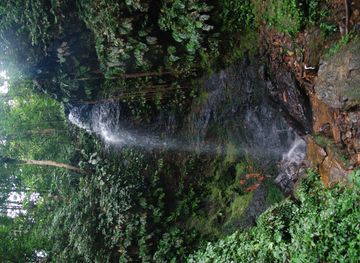
Explore more of Suriname
Discover Suriname - A blend of cultures, stunning rainforests, and historic charm awaits in this hidden gem of South America.
Explore Suriname