

Coronie District, Suriname Travel Guide
Discover the serene beauty and rich history of Coronie District, where coconut plantations, colonial architecture, and vibrant wildlife create an unforgettable escape.
Nestled along Suriname's pristine coastline, Coronie District invites you to step back in time and experience its unique blend of natural beauty and cultural heritage. Known for its striking coconut plantations and serene landscapes, Coronie offers a tranquil escape from the hustle and bustle of modern life. The district's lush greenery and scenic vistas provide a perfect backdrop for relaxation and exploration alike. Coronie's history is deeply intertwined with its Dutch colonial past, which is evident in the charming architecture and the warm hospitality of its people. A visit to the historic town of Totness will take you on a journey through time, where you can marvel at the well-preserved wooden houses and learn about the district's rich history at the local museum. The friendly locals are always eager to share stories and traditions, making your visit both educational and enriching. Nature enthusiasts will find plenty to love in Coronie. The district is home to diverse wildlife, including numerous bird species that make it a paradise for birdwatchers. A trip to the Bigi Pan Nature Reserve is a must for anyone looking to experience the region's vibrant ecosystem. Here, you can take a boat tour through the mangroves, observing the flora and fauna in their natural habitat. Whether you're a history buff, a nature lover, or simply looking for a peaceful retreat, Coronie District offers something for everyone.

Know before you go
Hi, I'm Eve. Here are a few practical things to know before exploring Coronie District.
- Visit during the dry season (August to November) for the best weather conditions.
- Bring insect repellent, especially if you plan to explore the mangroves and nature reserves.
- Try the local cuisine, particularly the fresh seafood, which is a highlight of the region.
- Rent a bicycle to explore the district at a leisurely pace and take in the scenic views.
- Interact with the locals to learn more about the district's history and culture.

Best landmarks in Coronie District
Top-rated picks
Best Landmarks

Palmtree Garden
Explore the lush beauty of Palmtree Garden in Paramaribo, a tranquil park perfect for leisure, picnics, and enjoying the vibrant flora of Suriname.

Fort Zeelandia
Discover the rich history of Suriname at Fort Zeelandia, a well-preserved 17th-century fort offering captivating exhibits and scenic river views.

Bigi Pan
Explore the enchanting Bigi Pan National Park in Suriname, a haven for wildlife, serene landscapes, and unforgettable eco-tourism experiences.

Zeedijk Coronie
Explore the stunning landscapes and rich biodiversity of Zeedijk Coronie, a must-visit tourist attraction in Suriname.

Best restaurants in Coronie District
Top-rated picks
Best Restaurants

Torarica Resort
Discover luxury and tranquility at Torarica Resort, your perfect tropical getaway in Paramaribo, Suriname.

Restaurant Sarinah
Discover authentic Indonesian flavors at Restaurant Sarinah in Paramaribo, where every dish tells a story of tradition and taste.

Garden of Eden
Experience authentic Thai flavors at the Garden of Eden in Paramaribo - a culinary gem offering vibrant dishes and warm hospitality.

De Gadri
Experience authentic Surinamese cuisine at De Gadri in Paramaribo – where every dish is a celebration of flavor and culture.

Best bars in Coronie District
Top-rated picks
Best Bars

'T vat
Experience the cozy charm of 'T vat in Paramaribo, Suriname – a perfect spot for coffee lovers and those seeking relaxation.

Zus & Zo
Experience the vibrant flavors of Surinamese cuisine at Zus & Zo, a culinary delight in Paramaribo, perfect for food lovers and tourists alike.
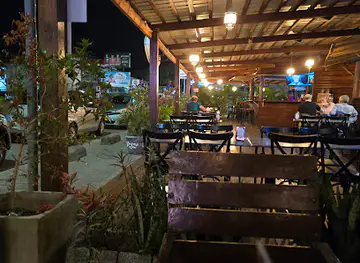
Bar Zuid
Experience the vibrant nightlife at Bar Zuid in Paramaribo, where friendly locals and delicious drinks await you.

D'Bar
Experience the vibrant nightlife at D'Bar, a must-visit bar in Paramaribo, Suriname, where locals and tourists gather for great drinks and good times.

Best nightclubs in Coronie District
Top-rated picks
Best Nightclubs

Club Manilla Suriname
Discover the electrifying nightlife at Club Manilla Suriname, where music, dance, and vibrant energy come together for an unforgettable experience.

Bar Excellente Suriname
Experience the vibrant nightlife at Bar Excellente Suriname, where local culture meets delightful drinks in the heart of Paramaribo.

Diamond Pool Terras / Diamond Nightclub
Discover the electrifying nightlife at Diamond Pool Terras & Diamond Nightclub in Paramaribo, where fun meets style in an unforgettable setting.

Euphoria
Discover the vibrant nightlife of Paramaribo at Euphoria, where music, dance, and culture blend to create an unforgettable experience.

Best shops in Coronie District
Top-rated picks
Best Shops

Hermitage Mall
Enjoy a unique shopping experience at Hermitage Mall, where local culture meets modern retail in Paramaribo, Suriname.

Paramaribo Central Market
Discover the essence of Surinamese culture at Paramaribo Central Market, where vibrant produce and local crafts await in a lively atmosphere.

Wow Superstore
Explore Wow Superstore in Paramaribo - your ultimate shopping destination for affordable local treasures and unique finds.

CORONIE STORE
Experience the vibrant local culture and diverse products at Coronie Store, Totness's favorite supermarket for tourists and locals alike.

Explore Coronie District on the Map
A handpicked selection of must-see spots in Coronie District, mapped for you.
Coronie District Essentials
-
Coronie District is located along the Atlantic coast of Suriname. The nearest international airport is Johan Adolf Pengel International Airport (PBM) in Paramaribo, which is approximately 145 kilometers away. From Paramaribo, you can take a shared taxi, private taxi, or rent a car to reach Coronie. The journey by road typically takes around 2 to 3 hours, depending on traffic and road conditions.
-
Once in Coronie District, transportation options include taxis, rental cars, and bicycles. Taxis are readily available but it's advisable to agree on the fare beforehand. Renting a car offers the flexibility to explore the area at your own pace. For shorter distances, bicycles are a popular option among locals and can be rented in the district.
-
The official currency in Suriname is the Surinamese Dollar (SRD). Credit cards are accepted in some hotels and restaurants, but it is advisable to carry cash, especially in smaller establishments and rural areas. ATMs are available in Coronie, but it's wise to withdraw sufficient cash while in Paramaribo to ensure you have enough funds.
-
Coronie District is generally safe for tourists, but it is important to take standard precautions. Avoid walking alone at night in unfamiliar areas and keep an eye on your belongings in crowded places. While there are no specific high-crime areas targeting tourists, it's always best to stay vigilant and aware of your surroundings.
-
In case of emergency, dial 115 for immediate assistance. The local police station and medical facilities are available in Coronie. It is recommended to have travel insurance that covers medical emergencies. For minor health issues, there are pharmacies in the district where you can purchase over-the-counter medications.
-
Fashion: Do dress modestly, especially when visiting religious sites. Avoid wearing overly revealing clothing. Religion: Do respect local customs and traditions. Public Transport: Do be respectful and give up your seat to elderly passengers. Don't eat or drink on public transport. Greetings: Do greet people with a handshake. Eating & Drinking: Do try local delicacies and accept food offerings graciously. Don't refuse hospitality, as it is considered impolite.
-
To experience Coronie District like a local, visit the local markets where you can buy fresh produce and traditional goods. Engage with locals, as they are often friendly and willing to share stories about the area's history and culture. Don't miss visiting the coconut plantations, which are a significant part of Coronie's heritage. For a unique experience, take a guided tour of the mangroves and learn about the local ecosystem.
When is the best time to visit Coronie District?
Useful Local Phrases for Coronie District
You don't need to speak the language perfectly. Even learning a few simple words can make conversations warmer—and locals usually appreciate the effort.
— Eve

Here are the phrases I use most often in Coronie District. Try a few—you'll be surprised how far they go! 😊
❤️
-
- HelloAyo
[ah-yo] - GoodbyeTaki wan
[tah-kee wan] - YesYes
[yes] - NoNo
[no] - Please/You're welcomeSori/No problem
[so-ree/no pro-blem] - Thank youTenki
[ten-kee] - Excuse me/SorrySori
[so-ree] - How are you?Fa yu de?
[fa yoo de?] - Fine. And you?Fini. En yu?
[fee-nee. en yoo?] - Do you speak English?Yu sprek inglish?
[yoo sprek ing-lish?] - I don't understandMi no sabi
[mee no sah-bee]
- HelloAyo
-
- I'd like to see the menu, pleaseMi wani si di menu, sori
[mee wah-nee see dee meh-noo, so-ree] - I don't eat meatMi no ete meat
[mee no eh-teh meet] - Cheers!Proost!
[prohst] - I would like to pay, pleaseMi wani pay, sori
[mee wah-nee pay, so-ree]
- I'd like to see the menu, pleaseMi wani si di menu, sori
-
- Help!Help!
[help] - Go away!Gai wan!
[guy wan] - Call the Police!Kaw di Polisi!
[kaw dee po-lee-see] - Call a doctor!Kaw wan dokter!
[kaw wan dok-ter] - I'm lostMi de los
[mee deh los] - I'm illMi de si
[mee deh see]
- Help!Help!
-
- I'd like to buy...Mi wani buy...
[mee wah-nee buy...] - I'm just lookingMi just de look
[mee just deh look] - How much is it?Fa moes it?
[fa moes it?] - That's too expensiveDat de te duur
[daht deh tay door] - Can you lower the price?Yu kan luku di prys?
[yoo kan loo-koo dee prys?]
- I'd like to buy...Mi wani buy...
-
- What time is it?Fa tida it?
[fa tee-dah it?] - It's one o'clockIt de wan o'clock
[it deh wan o-clock] - Half past (10)Helf past (10)
[helf pahst (ten)] - MorningMorgi
[mor-gee] - AfternoonNokti
[nok-tee] - EveningNokti
[nok-tee] - YesterdayYesterdai
[yes-ter-dai] - TodayTuday
[too-day] - TomorrowMorow
[mo-roh] - 1Wan
[wan] - 2Tu
[too] - 3Tri
[tree] - 4Fowru
[foh-roo] - 5Fiv
[fiv] - 6Siks
[siks] - 7Sev
[sev] - 8Eit
[ait] - 9Nain
[nain] - 10Ten
[ten]
- What time is it?Fa tida it?
-
- Where's a/the...?Wani a di...?
[wah-nee ah dee...?] - What's the address?Fa di adres?
[fa dee ah-dres?] - Can you show me (on the map)?Yu kan show mi (pan di map)?
[yoo kan show mee (pahn dee map)?] - When's the next (bus)?Wen di next (bus)?
[wen dee next (bus)?] - A ticket (to ....)Wan ticket (na....)
[wan tick-et (nah....)]
- Where's a/the...?Wani a di...?
History of Coronie District
-
The Coronie District, located along the Atlantic coast, was initially settled by English planters in the early 19th century. They established coconut and sugarcane plantations, utilizing the fertile swampy lands of the region. The district’s early economy was heavily reliant on these plantations, which were worked by enslaved Africans until the abolition of slavery in 1863.
-
Following the abolition of slavery in 1863, Coronie saw an influx of indentured laborers from British India and Java to work on the plantations. This diverse influx of cultures contributed to the unique demographic and cultural landscape of the district. The historic sites and the blend of cultural traditions in Coronie are a testament to this period of transition and migration.
-
In the late 19th and early 20th centuries, Coronie experienced a significant economic boom due to the coconut industry. The district became known as the 'Coconut District' of Suriname, with vast plantations and a thriving export business. The remnants of this period can still be seen today in the form of old coconut plantations and traditional wooden houses built by the plantation owners.
-
During World War II, Coronie played a strategic role as the Americans built an airstrip in the district to protect the bauxite mines near Moengo and Paranam, which were crucial for the war effort. The airstrip, though no longer in use, is a historical landmark that reflects Coronie's brief but significant involvement in global events.
-
In recent decades, Coronie has faced challenges such as economic decline and population outflow. However, efforts have been made to preserve its rich cultural heritage and natural beauty. The district is known for its traditional music, dances, and festivals, which are celebrated with much enthusiasm. The preservation of historical sites and the promotion of eco-tourism are part of the district's strategy to revive its economy and cultural pride.
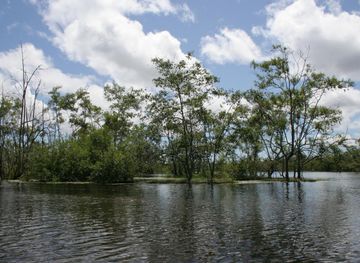
Neighbouring Regions of Coronie District
The closest regions to Coronie District, if you have time for more than one.



Your all‑in‑one travel companion app
Explore expert travel guides, compare and book tours, experiences, hotels, and more—all from the palm of your hand. Download now for seamless trip planning wherever your wanderlust takes you.


Explore More of Suriname
Looking beyond Coronie District? Discover Suriname for broader travel guides, local hot-spots, and regional highlights.
Explore SurinameCoronie District in Photos
Browse through our photo collection highlighting the charm and character of the destination.


The Timeless Charm of Coronie District
Nestled along Suriname's pristine coastline, Coronie District invites you to step back in time and experience its unique blend of natural beauty and cultural heritage. Known for its striking coconut plantations and serene landscapes, Coronie offers a tranquil escape from the hustle and bustle of modern life. The district's lush greenery and scenic vistas provide a perfect backdrop for relaxation and exploration alike. Coronie's history is deeply intertwined with its Dutch colonial past, which is evident in the charming architecture and the warm hospitality of its people. A visit to the historic town of Totness will take you on a journey through time, where you can marvel at the well-preserved wooden houses and learn about the district's rich history at the local museum. The friendly locals are always eager to share stories and traditions, making your visit both educational and enriching. Nature enthusiasts will find plenty to love in Coronie. The district is home to diverse wildlife, including numerous bird species that make it a paradise for birdwatchers. A trip to the Bigi Pan Nature Reserve is a must for anyone looking to experience the region's vibrant ecosystem. Here, you can take a boat tour through the mangroves, observing the flora and fauna in their natural habitat. Whether you're a history buff, a nature lover, or simply looking for a peaceful retreat, Coronie District offers something for everyone.