

Free Nickerie District Travel Guide & Mobile App
Explore Nickerie District with free travel guides. Discover regional history, expert tips, proposed trips, and audio guides on web or mobile app.


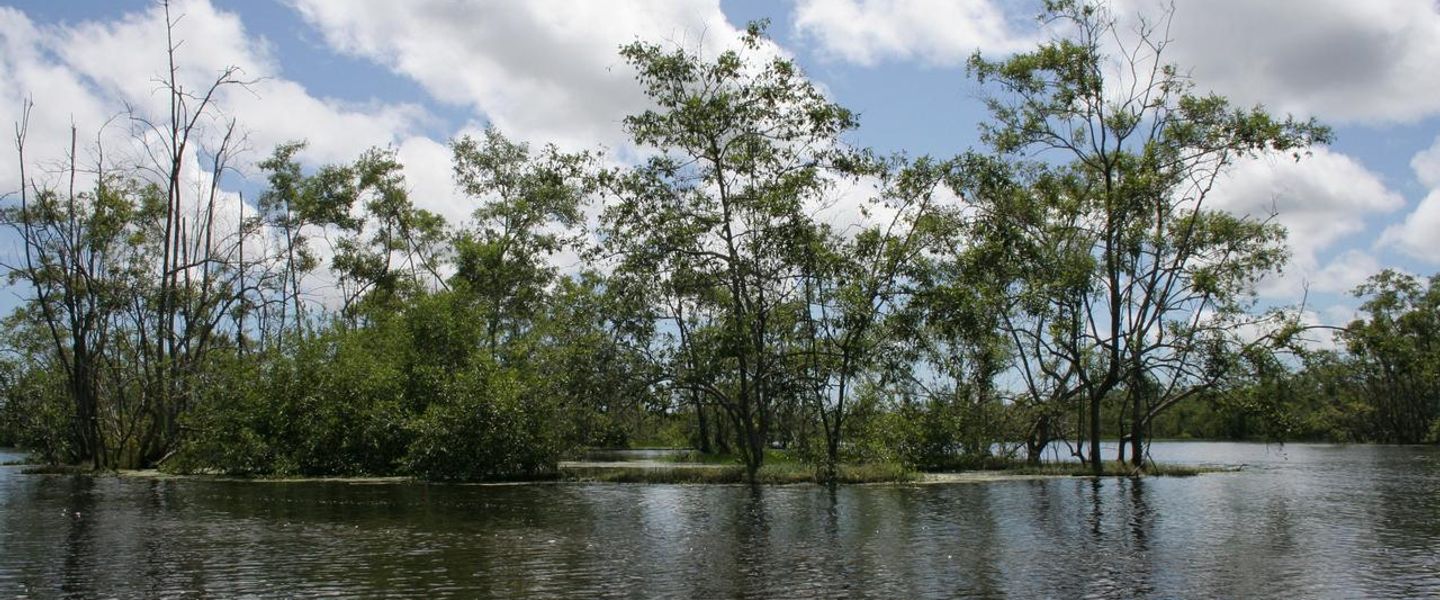


Discover Nickerie District: A serene escape in Suriname with rich cultural diversity, stunning nature reserves, and unspoiled beaches.
Read more about Nickerie District
When is the best time to visit Nickerie District?
Best: February–March, October · 31°C| Month | High (°C) | Rainfall (mm) |
|---|---|---|
| January | 31 | 200 |
| February (best) | 31 | 170 |
| March (best) | 31 | 180 |
| April | 31 | 200 |
| May | 31 | 220 |
| June | 31 | 240 |
| July | 31 | 220 |
| August | 31 | 210 |
| September | 31 | 200 |
| October (best) | 31 | 190 |
| November | 31 | 210 |
| December | 31 | 220 |
Getting to and around Nickerie District
How to get there
Transportation
Best attractions in Nickerie District
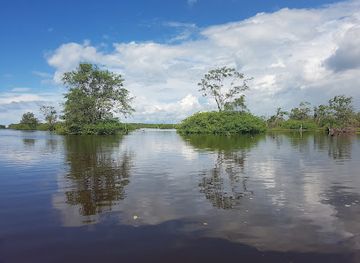
Nickerie District, a hidden gem of Suriname, beckons with its unique blend of natural beauty, vibrant wildlife, and cultural treasures. Visitors can explore the Bigi Pan Nature Reserve, a sprawling wetland sanctuary perfect for birdwatching, where flocks of scarlet ibis and other exotic birds paint the skies. The bustling market town of Nieuw Nickerie offers a glimpse into the local way of life, with its colorful stalls brimming with fresh produce and artisanal crafts. For history enthusiasts, the district's plantation ruins and colonial architecture tell the tale of Suriname's rich past. Don't miss a boat tour along the Nickerie River, where the tranquil waters reveal hidden mangroves and the chance to spot caimans in their natural habitat. Whether you're an adventurer, a nature lover, or a culture seeker, Nickerie District promises an unforgettable experience.
-
Market
Nickerie Markt
Explore the colorful Nickerie Markt in Suriname, a vibrant marketplace filled with fresh produce, local crafts, and authentic cultural experiences.
-
National park
Bigi Pan
Explore the serene beauty and diverse wildlife of Bigi Pan National Park in Suriname, a perfect destination for nature lovers and adventure seekers.
-
Tourist attraction
Akira Overwater Resort
Discover the serene beauty and luxurious escape at Akira Overwater Resort in Suriname, a perfect blend of relaxation and adventure.

Best landmarks in Nickerie District
Nickerie District in Suriname is a treasure trove of captivating landmarks, offering visitors an exciting blend of natural beauty and cultural richness. Begin your journey at Bigi Pan, a vast wetland reserve where birdwatchers can marvel at the sight of flamingos, herons, and scarlet ibises in their natural habitat. The bustling market town of Nieuw Nickerie, the district's capital, invites you to explore its vibrant streets filled with local crafts, fresh produce, and a lively mix of cultures. Don't miss a visit to the historic Zeedijk, a coastal defense structure that tells tales of the region's battles with the sea. For a serene escape, venture to the iconic rice fields that stretch as far as the eye can see, painting the landscape with their lush green hues. Finally, the serene Hindu temple, dedicated to Lord Shiva, offers a peaceful retreat adorned with intricate carvings and a tranquil ambiance, rounding off a diverse and enriching travel experience.
-
Market
Nickerie Markt
Explore the vibrant Nickerie Markt in Nieuw Nickerie, Suriname, where fresh produce, local crafts, and delicious street food create an unforgettable cultural experience.
-
 Hotel
HotelResidence Inn Nickerie
Discover comfort and local charm at Residence Inn Nickerie, your perfect getaway in the heart of Suriname's natural beauty.
-
National park
Bigi Pan
Discover the breathtaking beauty of Bigi Pan, a national park in Suriname filled with rich biodiversity and outdoor adventures for nature lovers.
-
Apartment complex
Zeedijk Resort Nickerie
Discover tranquility at Zeedijk Resort Nickerie, your serene escape in the heart of Suriname, blending comfort with nature's beauty.
Explore Nickerie District on the map
Plan your trip on one map. See where the top cities, national parks and sights are, and book hotels and experiences in a few clicks.
Best hotels in Nickerie District
Best restaurants in Nickerie District
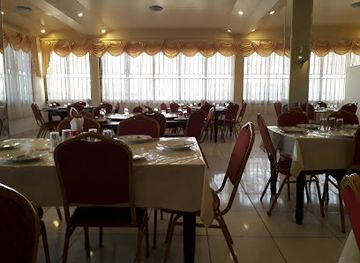
The dining scene in Nickerie District is a vibrant tapestry that reflects Suriname's rich cultural diversity. Visitors can anticipate a delightful fusion of flavors, where Javanese, Indian, Creole, and Chinese cuisines come together in a harmonious culinary dance. From the bustling markets in Nieuw Nickerie offering freshly prepared roti and fragrant nasi goreng, to the charming riverside eateries serving spicy pom and tangy saoto soup, the district ensures a gastronomic adventure at every turn. Don't miss the locally caught fish dishes, particularly the beloved anjumara, often paired with coconut-infused sides. Each meal in Nickerie is not just food; it's a journey through the heritage and traditions of its people.
-
Indonesian
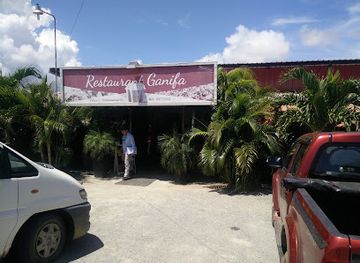
RESTAURANT GANIFA
Discover authentic Indonesian cuisine at Restaurant Ganifa in Nieuw Nickerie - A culinary gem offering rich flavors and cozy atmosphere.
-
Chinese
Hong Kong 2 Restaurant
Experience authentic Chinese flavors at Hong Kong 2 Restaurant in Nieuw Nickerie - A culinary gem in Suriname.
-
Restaurant
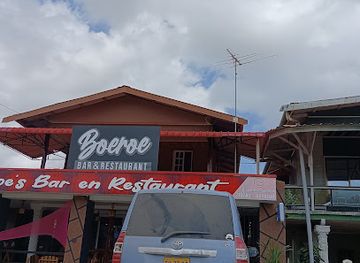
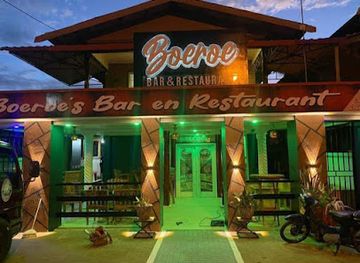
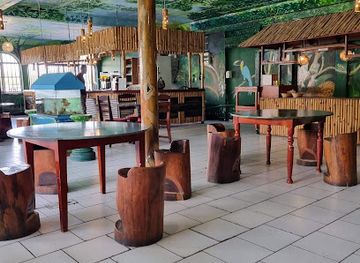
Eethuisje Boeroe
Discover authentic Surinamese flavors at Eethuisje Boeroe in Nieuw Nickerie – where culinary excellence meets warm hospitality.
-
Restaurant
Hong Kong 1 Restaurant
Savor the best of Surinamese and Asian cuisine at Hong Kong 1 Restaurant in Nieuw Nickerie.
Best bars in Nickerie District
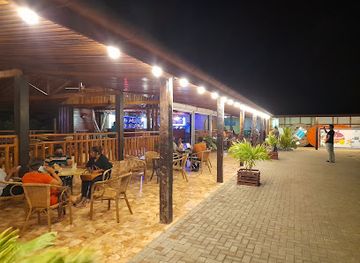
The nightlife in Nickerie District offers a vibrant mix of local charm and cultural experiences that will captivate any visitor. As the sun sets, the district comes alive with a variety of bars and nightclubs that showcase the rich cultural tapestry of Suriname. You can expect lively music ranging from traditional Surinamese beats to contemporary international hits, setting the perfect atmosphere for dancing and socializing. Many venues also feature live performances, where you can enjoy the talents of local musicians and dancers. The bars serve an array of exotic cocktails, local beers, and delicious snacks, providing a taste of the region's unique flavors. Whether you're looking to dance the night away, enjoy live music, or simply relax with a drink in hand, Nickerie's nightlife scene offers a memorable experience for every type of traveler.
-
Cafe
Lounge Café Zeedijk
Discover the cozy ambiance and delightful flavors at Lounge Café Zeedijk in Corantijnpolder, the perfect spot to unwind during your travels.
-
Indonesian
RESTAURANT GANIFA
Experience authentic Indonesian cuisine at Restaurant Ganifa in Nieuw Nickerie, where delicious flavors and warm hospitality await every visitor.
-
Restaurant
Eethuisje Boeroe
Discover the heart of Surinamese cuisine at Eethuisje Boeroe, where local flavors and warm hospitality come together in a delightful dining experience.
-
Grill
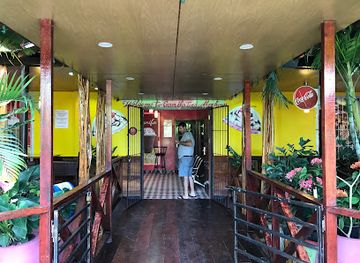
OKOPIBAMBOESIE GRILL CAFE
Indulge in the rich flavors of Suriname at OKOPIBAMBOESIE GRILL CAFE, where every dish is a celebration of local culinary traditions.
Best nightclubs in Nickerie District
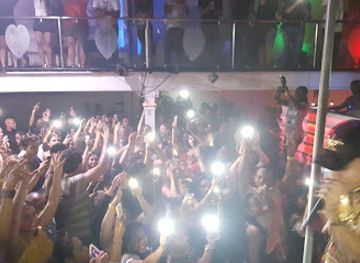
The nightlife in Nickerie District offers a vibrant mix of local charm and cultural experiences that will captivate any visitor. As the sun sets, the district comes alive with a variety of bars and nightclubs that showcase the rich cultural tapestry of Suriname. You can expect lively music ranging from traditional Surinamese beats to contemporary international hits, setting the perfect atmosphere for dancing and socializing. Many venues also feature live performances, where you can enjoy the talents of local musicians and dancers. The bars serve an array of exotic cocktails, local beers, and delicious snacks, providing a taste of the region's unique flavors. Whether you're looking to dance the night away, enjoy live music, or simply relax with a drink in hand, Nickerie's nightlife scene offers a memorable experience for every type of traveler.
-
Night club
Club Manilla Suriname
Dive into the vibrant nightlife at Club Manilla Suriname, where music and dance unite for an unforgettable experience in Paramaribo.
-
Night club
Diamond Pool Terras / Diamond Nightclub
Discover the vibrant nightlife of Paramaribo at Diamond Pool Terras, where great music and a stunning ambiance await.
-
Night club
Euphoria
Dive into the vibrant nightlife of Euphoria in Paramaribo, where music meets energy for an unforgettable clubbing experience.
-
Night club
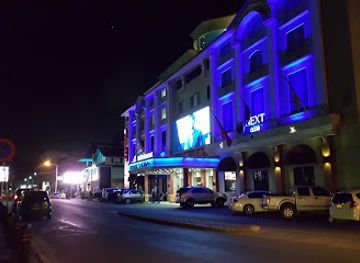
Next Club Suriname
Discover the vibrant nightlife at Next Club Suriname, where electrifying beats and a lively atmosphere create unforgettable nights in Paramaribo.

Best shops in Nickerie District
The shopping scene in Nickerie District is a vibrant blend of traditional charm and modern convenience, offering visitors a unique cultural experience. At the heart of it lies Nieuw Nickerie, the district's main town, where you'll find bustling markets brimming with fresh tropical fruits, exotic spices, and handmade crafts. Don't miss the opportunity to explore the colorful stalls of the Central Market, where local vendors sell everything from intricate Maroon textiles to Indian saris, reflecting the district's rich multicultural heritage. For a more contemporary shopping experience, Nieuw Nickerie also boasts several quaint boutiques and shops offering a variety of goods, from fashionable clothing to locally produced souvenirs. The friendly atmosphere and diverse offerings make shopping in Nickerie District an adventure in itself, providing a perfect blend of the old and the new.
-
Market
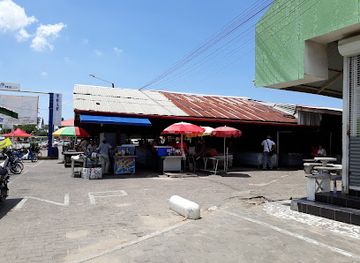
Nickerie Markt
Explore Nickerie Markt: A lively market in Suriname showcasing local produce, crafts, and the vibrant spirit of Nieuw Nickerie.
-
National park
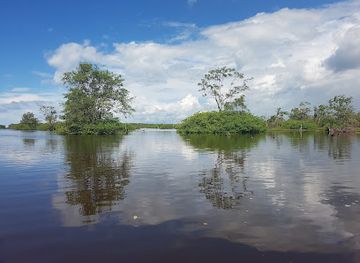
Bigi Pan
Explore the breathtaking landscapes and rich biodiversity of Bigi Pan National Park, a true gem of Suriname's natural heritage.
-
Supermarket
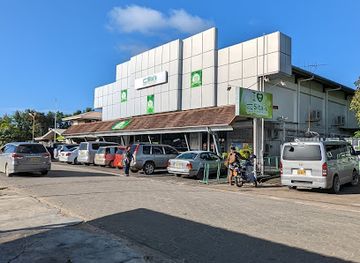
SITA'S SUPERMARKET
Discover local flavors and essentials at Sita's Supermarket, your gateway to Surinamese culture in Nieuw Nickerie.
-
Duty free store
King's Duty Free
Shop exotic local goods and luxury items at King's Duty Free in South Drain, Suriname, where exclusive products await at tax-free prices.
Get your free copy of our complete guide to Nickerie District, delivered straight to you.
Everything on this page, from attractions and restaurants to essentials and local phrases, in one PDF you can read offline, print or share.
Already have an account? Sign in
Your Nickerie District guide is ready.
We'll send it to · Not you? Sign out

Getting your guide ready…
We are putting together a fresh copy of the Nickerie District guide. This can take up to a minute.
This can take a few moments. If your browser asks, choose Allow so the download can start. You'll find the guide in your Downloads folder.
Nothing happened? Download it again
Sorry, the guide is taking longer than usual. Please try again in a minute, or get it by email instead.
Nickerie District essentials
Currency and Payment
Safety
Emergency Situations
Do's and Don'ts
Local Tips
From Eve
Local phrases worth knowing
You don't need to get them perfect. A few words go a long way, and locals appreciate the effort.
Basics
| English | Local | Say it |
|---|---|---|
| Hello | Hallo | [Ha-lo] |
| Goodbye | Dag | [Dahg] |
| Yes | Ja | [Yah] |
| No | Nee | [Nay] |
| Please/You're welcome | Alstublieft | [Al-stu-bleeft] |
| Thank you | Dank u | [Dahnk oo] |
| Excuse me/Sorry | Sorry | [Sor-ree] |
| How are you? | Hoe gaat het? | [Hoo gaht het] |
| Fine. And you? | Goed. En jij? | [Goot. En yay] |
| Do you speak English? | Spreekt u Engels? | [Spraykt oo Eng-els] |
| I don't understand | Ik begrijp het niet | [Ik be-graif het neet] |
Eating & Drinking
| English | Local | Say it |
|---|---|---|
| I'd like to see the menu, please | Ik wil graag de menukaart zien, alstublieft | [Ik vil grahkh de me-nu-kart zeen, al-stu-bleeft] |
| I don't eat meat | Ik eet geen vlees | [Ik eet ghen vlay-s] |
| Cheers! | Proost! | [Prohst] |
| I would like to pay, please | Ik wil graag betalen, alstublieft | [Ik vil grahkh be-ta-len, al-stu-bleeft] |
Emergencies
| English | Local | Say it |
|---|---|---|
| Help! | Help! | [Help] |
| Go away! | Ga weg! | [Gah vek] |
| Call the Police! | Bel de politie! | [Bel de po-lee-tsee] |
| Call a doctor! | Bel een dokter! | [Bel een dok-ter] |
| I'm lost | Ik ben verdwaald | [Ik ben fer-dwahld] |
| I'm ill | Ik ben ziek | [Ik ben zeek] |
Shopping
| English | Local | Say it |
|---|---|---|
| I'd like to buy... | Ik wil graag kopen... | [Ik vil grahkh ko-pen] |
| I'm just looking | Ik kijk alleen | [Ik kike ah-len] |
| How much is it? | Hoeveel kost het? | [Hoo-veel kost het] |
| That's too expensive | Dat is te duur | [Daht is tuh dur] |
| Can you lower the price? | Kunt u de prijs verlagen? | [Kunt oo de prays ver-la-ghen] |
Time & Numbers
| English | Local | Say it |
|---|---|---|
| What time is it? | Hoe laat is het? | [Hoo laat is het] |
| It's one o'clock | Het is één uur | [Het is en oor] |
| Half past (10) | Half tien | [Half teen] |
| Morning | Ochtend | [Okh-tend] |
| Afternoon | Middag | [Mi-dagh] |
| Evening | Avond | [A-vond] |
| Yesterday | Gisteren | [Ghis-ter-en] |
| Today | Vandaag | [Van-dahg] |
| Tomorrow | Morgen | [Mor-ghen] |
| 1 | 1 | [1] |
| 2 | 2 | [2] |
| 3 | 3 | [3] |
| 4 | 4 | [4] |
| 5 | 5 | [5] |
| 6 | 6 | [6] |
| 7 | 7 | [7] |
| 8 | 8 | [8] |
| 9 | 9 | [9] |
| 10 | 10 | [10] |
Transport & Directions
| English | Local | Say it |
|---|---|---|
| Where's a/the...? | Waar is een...? | [Waar is en?] |
| What's the address? | Wat is het adres? | [Wat is het a-dres] |
| Can you show me (on the map)? | Kunt u me laten zien (op de kaart)? | [Kunt oo me la-ten zeen (op de kaart)] |
| When's the next (bus)? | Wanneer komt de volgende (bus)? | [Wan-neer komt de vol-gen-de (bus)] |
| A ticket (to ....) | Een kaartje (naar ....) | [En kaar-tje (naar ...)] |
History of Nickerie District
Colonial Beginnings
Nickerie District, located in the western part of Suriname, was initially settled by the Dutch in the 18th century. The area was developed for agricultural purposes, primarily sugar, cotton, and coffee plantations. The fertile lands around the Nickerie River attracted settlers seeking to capitalize on these profitable crops.
The Rise of Rice Cultivation
In the early 20th century, Nickerie District saw a significant shift from traditional plantation crops to rice cultivation. The construction of the massive Wageningen Polder in 1949 marked the beginning of large-scale rice farming. This development transformed Nickerie into the rice bowl of Suriname, with thousands of hectares dedicated to rice production.
Javanese and Hindustani Immigration
Following the abolition of slavery in 1863, indentured laborers from British India (Hindustanis) and the Dutch East Indies (Javanese) were brought to Suriname to work on the plantations. Many of these laborers settled in Nickerie District, contributing to its cultural and demographic diversity. Today, their descendants maintain vibrant cultural traditions, including festivals, cuisine, and religious practices.
The Nickerie River
The Nickerie River has played an essential role in the district's history and development. It served as a vital transportation route for agricultural products and facilitated trade and communication with other parts of Suriname and neighboring Guyana. The river's strategic importance also led to the establishment of Nieuw Nickerie, the district's capital, on its banks in the mid-19th century.
Nieuw Nickerie: The District's Capital
Nieuw Nickerie, established in the mid-19th century, is the administrative and economic center of Nickerie District. The town was carefully planned and laid out, featuring broad streets and a grid pattern. Over the years, it has grown into a bustling hub for trade, agriculture, and tourism, while retaining its colonial charm and historical significance.
Cultural Festivals and Events
Nickerie District is known for its rich cultural heritage, reflected in the numerous festivals and events held throughout the year. Notable celebrations include the Hindu festival of Phagwa (Holi), the Javanese New Year (Satu Suro), and the annual rice festival, which showcases the district's agricultural prowess and cultural diversity. These events offer visitors a unique glimpse into the district's vibrant traditions and communal spirit.
The Bigi Pan Wetlands
The Bigi Pan Wetlands, located within Nickerie District, are an essential ecological and cultural asset. This vast expanse of mangroves, swamps, and lagoons is a haven for birdwatchers and nature enthusiasts. The wetlands provide a vital habitat for numerous bird species, including the scarlet ibis and the white ibis. In addition to its ecological significance, Bigi Pan is integral to the district's fishing industry and traditional practices.
Nickerie District in Photos
Browse through our photo collection highlighting the charm and character of the destination.
Neighbouring regions of Nickerie District
The closest regions to Nickerie District, if you have time for more than one.
-

-

-

-

-


Swipe for more regions
Explore more
Explore more of Suriname
Discover Suriname - A blend of cultures, stunning rainforests, and historic charm awaits in this hidden gem of South America.
Explore Suriname