

Free Brokopondo District Travel Guide & Mobile App
Explore Brokopondo District with free travel guides. Discover regional history, expert tips, proposed trips, and audio guides on web or mobile app.


Explore Brokopondo District for Suriname's rainforest, Brownsberg trails, reservoir landscapes and living Maroon cultural heritage.
Read more about Brokopondo District
When is the best time to visit Brokopondo District?
Best: February–April · 32–33°C| Month | High (°C) | Rainfall (mm) |
|---|---|---|
| January | 31 | 250 |
| February (best) | 32 | 190 |
| March (best) | 32 | 180 |
| April (best) | 33 | 210 |
| May | 33 | 260 |
| June | 34 | 330 |
| July | 34 | 230 |
| August | 34 | 210 |
| September | 34 | 210 |
| October | 33 | 250 |
| November | 33 | 280 |
| December | 32 | 290 |
Getting to and around Brokopondo District
How to get there
Transportation
Top city travel guides in Brokopondo District
The cities of Brokopondo District, and the easiest places to base yourself.

Swipe for more cities
Destinations in Brokopondo District
Resorts, valleys and scenic spots worth a trip of their own.

Swipe for more destinations
Best attractions in Brokopondo District
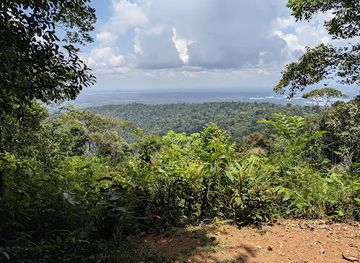
Brokopondo's attractions are shaped by rainforest, water and the history of inland communities. Brownsberg Nature Park is the district's principal nature destination, with forest trails leading to viewpoints over the Brokopondo Reservoir and routes through habitats supporting varied birdlife, monkeys and other wildlife. Trail conditions can be demanding, and access is best organised with a guide and a suitable vehicle. The reservoir itself offers a very different experience: boat journeys pass between forested shores and the stark trunks of trees flooded during the Afobaka Dam project. Around Brownsweg and other settlements, visitors can learn about Maroon history, local livelihoods and the social consequences of resettlement, provided visits are arranged respectfully rather than treated as informal sightseeing. The Afobaka area provides an industrial and engineering perspective on the district's transformation, while rivers and forest roads offer opportunities for fishing, birdwatching, photography and low-key exploration. Accommodation ranges from basic guesthouses and forest lodges to organised camps, with services spread widely across the district. Brokopondo is not a destination for a dense schedule of ticketed attractions; its appeal comes from combining a protected upland forest, a huge human-made lake and living communities whose histories remain closely connected to the interior landscape.
-
Resort hotel
Anaula Nature Resort
Discover the tranquil beauty and rich biodiversity at Anaula Nature Resort, a perfect getaway in Aurora, Suriname.
-
Tourist attraction
Brownsberg
Discover the breathtaking landscapes and rich biodiversity at Brownsberg, a premier tourist attraction in Suriname's lush rainforest.
-
Vista point
Brokopondo Meer Viewpoint
Discover the breathtaking views at Brokopondo Meer Viewpoint, a serene escape in Suriname, perfect for nature lovers and photographers.


Best landmarks in Brokopondo District
The Brokopondo Reservoir is the district's defining landmark, an immense artificial lake created by the Afobaka Dam in the 1960s. Its wooded islands, flooded tree trunks and broad reaches make the consequences of the hydroelectric project visible across the landscape. The Afobaka Dam itself represents the industrial ambition that linked inland Suriname to the country's bauxite economy, although access and viewing arrangements should be confirmed locally. Above the reservoir, Brownsberg Nature Park is marked by the forested Brownsberg plateau, whose elevated viewpoints provide some of the district's clearest perspectives across the water and surrounding woodland. Brownsweg has significance as a settlement shaped by the relocation and reorganisation of communities during reservoir construction, making it a social and historical landmark as well as a practical base. The district's rivers and forested ridges are less conventional monuments, but they are essential geographical landmarks: they explain how people travel, where communities developed and why the landscape remains difficult to access. Together, dam, reservoir, plateau and settlement express Brokopondo's central story of engineering, displacement, conservation and continuing life in the rainforest.
-
Park
Palmtree Garden
Explore the lush beauty of Palmtree Garden, a serene park in Paramaribo, Suriname, perfect for relaxation and enjoying nature's wonders.
-
Museum
Fort Zeelandia
Discover the historical significance of Fort Zeelandia, a captivating museum that reveals Suriname's colonial past through engaging exhibits and stunning river views.
-
 Resort hotel
Afobaka Resort
Discover the serene beauty of Afobaka Resort, nestled by the Suriname River, where nature meets comfort in a tranquil setting.
-
Park
Brownsberg
Explore the vibrant biodiversity and stunning landscapes of Brownsberg, a gem of natural beauty in Suriname's lush rainforest.


Explore Brokopondo District on the map
Plan your trip on one map. See where the top cities, national parks and sights are, and book hotels and experiences in a few clicks.
Best hotels in Brokopondo District
Best restaurants in Brokopondo District
Dining in Brokopondo is generally informal and closely linked to guesthouses, lodges, roadside sellers and community kitchens rather than a large restaurant scene. Meals may include rice, cassava, plantain, vegetables, chicken and freshwater fish, with flavours and preparation styles reflecting Suriname's wider multicultural food culture and local Maroon traditions. Around the reservoir and forest lodges, meals are often arranged in advance, particularly for visitors joining a boat trip or staying away from Brownsweg. Brownsweg offers the most practical choice of local food, but selection and opening arrangements can be limited, so supplies should not be left until the last moment. Visitors may encounter cassava-based foods, grilled or stewed fish, pepper sauces and seasonal fruit, although menus vary by household and lodge. Ask what is available locally rather than expecting a fixed regional dish, and clarify prices and dietary requirements before travelling into remote areas. Paramaribo remains the best place to experience Suriname's full culinary range, while Brokopondo offers a more place-based, home-style approach to eating.
-
Latin American
Las Tías Suriname
Experience vibrant Latin American flavors at Las Tías Suriname in Paramaribo - where every meal tells a delicious story.
-
Restaurant
The Coffee Box South
Discover the charm of The Coffee Box South in Paramaribo—your go-to destination for exquisite coffee and delightful bites.
-
Surnamese
De Gadri
Experience authentic Surinamese cuisine at De Gadri in Paramaribo - where every dish tells a story.
-
Restaurant
SOUPOSO
Experience authentic Surinamese cuisine at SOUPOSO in Paramaribo - a culinary journey filled with vibrant flavors and warm hospitality.


Best bars in Brokopondo District
Brokopondo does not have a major nightclub circuit. Evening life is concentrated in small local bars, guesthouses, lodges and community gathering places in and around Brownsweg and other settlements, where conversation, music and informal socialising are more typical than late-night clubbing. Forest accommodation may organise a shared meal or quiet evening by the lodge, but facilities and alcohol selection vary considerably. Visitors should not assume that remote sites have a bar, reliable electricity or transport after dark; arrange returns before setting out and follow local advice around waterways and forest paths. Any cultural performance or community event should be attended by prior arrangement and with appropriate respect, not treated as a guaranteed nightlife attraction. The district's nocturnal character is also natural rather than urban: frogs, insects and forest sounds become prominent after sunset, while stargazing can be rewarding away from settled areas when weather permits.
-
Grill
Mighty Racks
Experience the vibrant flavors of Paramaribo at Mighty Racks, where delicious grilled dishes meet a welcoming atmosphere.
-
Bar
Bar Zuid
Discover the vibrant nightlife at Bar Zuid in Paramaribo, where delicious drinks and live music create an unforgettable experience.
-
Restaurant
Afobaka Resort
Experience the serene beauty and exquisite dining at Afobaka Resort in Suriname, where nature and relaxation meet culinary delights.
-
Grill
Riverside
Discover the flavors of Suriname at Riverside Grill – where delicious food meets breathtaking river views in Paramaribo.


Best nightclubs in Brokopondo District
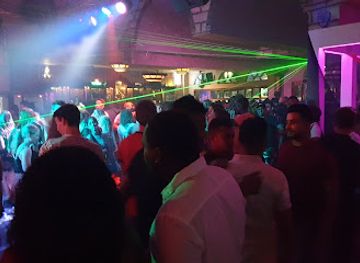
Brokopondo does not have a major nightclub circuit. Evening life is concentrated in small local bars, guesthouses, lodges and community gathering places in and around Brownsweg and other settlements, where conversation, music and informal socialising are more typical than late-night clubbing. Forest accommodation may organise a shared meal or quiet evening by the lodge, but facilities and alcohol selection vary considerably. Visitors should not assume that remote sites have a bar, reliable electricity or transport after dark; arrange returns before setting out and follow local advice around waterways and forest paths. Any cultural performance or community event should be attended by prior arrangement and with appropriate respect, not treated as a guaranteed nightlife attraction. The district's nocturnal character is also natural rather than urban: frogs, insects and forest sounds become prominent after sunset, while stargazing can be rewarding away from settled areas when weather permits.
-
Night club
The Havanna Lounge
Discover the vibrant nightlife at The Havanna Lounge, Paramaribo's premier night club with great music, drinks, and an unforgettable atmosphere.
-
Bar
Club Manilla Suriname
Experience the electrifying nightlife of Paramaribo at Club Manilla Suriname, where music, dance, and vibrant energy come alive.
-
Night club
Diamond Pool Terras / Diamond Nightclub
Discover the pulse of Paramaribo at Diamond Pool Terras, where vibrant nightlife and great music come together for an unforgettable experience.
-
Night club
Euphoria
Experience the vibrant nightlife at Euphoria, a premier night club in Paramaribo, where music and fun come alive every night.

Best shops in Brokopondo District
Shopping in Brokopondo is practical and locally focused rather than centred on malls or specialist retail streets. Brownsweg and other settlements have small shops and market-style stalls where visitors may find drinks, snacks, basic provisions, clothing and household goods, but stock and opening arrangements can be limited. Locally made craftwork, woven items, carved objects and other forest-related products may be available through community contacts or accommodation providers; buy directly and ask about prices, materials and whether an item may legally be taken out of the country. Regional food products such as cassava-based goods, fruit, peppers and other provisions can sometimes be purchased from local sellers, depending on the season. The district is not the place to rely on last-minute purchases of specialist outdoor equipment, medicines, fuel or substantial cash, so prepare in Paramaribo or another larger centre. Visitors should avoid buying wildlife, archaeological objects or timber products of uncertain origin, and should treat crafts as community work rather than bargaining aggressively for souvenirs.
-
Park
Brownsberg
Explore the breathtaking beauty of Brownsberg, Suriname's serene park that immerses you in lush rainforest and rich biodiversity.
-
Gift shop
The Old Attic
Explore The Old Attic, where unique local crafts meet quality cigars in the heart of Paramaribo, Suriname.
-
Gift shop
Surimami Store
Discover unique Surinamese gifts and artisan crafts at Surimami Store, a must-visit gift shop in the heart of Paramaribo.
-
Store
Winkel Wong A Sang
Discover the authentic charm of Suriname at Winkel Wong A Sang, where local culture and community come together in a unique shopping experience.
Get your free copy of our complete guide to Brokopondo District, delivered straight to you.
Everything on this page, from attractions and restaurants to essentials and local phrases, in one PDF you can read offline, print or share.
Already have an account? Sign in
Your Brokopondo District guide is ready.
We'll send it to · Not you? Sign out

Getting your guide ready…
We are putting together a fresh copy of the Brokopondo District guide. This can take up to a minute.
This can take a few moments. If your browser asks, choose Allow so the download can start. You'll find the guide in your Downloads folder.
Nothing happened? Download it again
Sorry, the guide is taking longer than usual. Please try again in a minute, or get it by email instead.
Brokopondo District essentials
Currency and Payment
Safety
Emergency Situations
Do's and Don'ts
Local Tips
From Eve
Local phrases worth knowing
You don't need to get them perfect. A few words go a long way, and locals appreciate the effort.
Basics
| English | Local | Say it |
|---|---|---|
| Hello | Ayo | [Ah-yoh] |
| Goodbye | Taki | [Tah-kee] |
| Yes | Yea | [Yay] |
| No | Naa | [Nah] |
| Please/You're welcome | Tanki | [Tahn-kee] |
| Thank you | Tanki | [Tahn-kee] |
| Excuse me/Sorry | Sori | [So-ree] |
| How are you? | Fa yu? | [Fah yoo?] |
| Fine. And you? | Dey go. En yu? | [Day go. En yoo?] |
| Do you speak English? | Yu sabi inglisi? | [Yoo sah-bee ing-lee-see?] |
| I don't understand | Mi no sabi | [Mee noh sah-bee] |
Eating & Drinking
| English | Local | Say it |
|---|---|---|
| I'd like to see the menu, please | Mi wani si di menu, tan | [Mee wah-nee see dee meh-noo, tahn] |
| I don't eat meat | Mi no ete meat | [Mee noh eh-tay meet] |
| Cheers! | Proost! | [Prohst] |
| I would like to pay, please | Mi wani pay, tan | [Mee wah-nee pay, tahn] |
Emergencies
| English | Local | Say it |
|---|---|---|
| Help! | Help! | [Help!] |
| Go away! | Go wan! | [Go wan!] |
| Call the Police! | Call di Police! | [Call dee Po-lees!] |
| Call a doctor! | Call wan doktor! | [Call wan dok-tor!] |
| I'm lost | Mi de los | [Mee deh los] |
| I'm ill | Mi de sick | [Mee deh sick] |
Shopping
| English | Local | Say it |
|---|---|---|
| I'd like to buy... | Mi wani buy... | [Mee wah-nee buy...] |
| I'm just looking | Mi just de look | [Mee just deh look] |
| How much is it? | Fa much dis? | [Fah mooch dis?] |
| That's too expensive | Dat te duur | [Daht teh dur] |
| Can you lower the price? | Yu kan fosi di price? | [Yoo kahn fo-see dee prize?] |
Time & Numbers
| English | Local | Say it |
|---|---|---|
| What time is it? | Fa time dis? | [Fah tahym dis?] |
| It's one o'clock | Na wan clock | [Nah wan klok] |
| Half past (10) | Fasi (10) | [Fah-see (10)] |
| Morning | Moro | [Moh-roh] |
| Afternoon | Nanga | [Nahn-gah] |
| Evening | Orovind | [Oh-roh-vind] |
| Yesterday | Yestede | [Yes-teh-deh] |
| Today | Tede | [Teh-deh] |
| Tomorrow | Moro | [Moh-roh] |
| 1 | Wan | [Wahn] |
| 2 | Tu | [Too] |
| 3 | Tri | [Tree] |
| 4 | Fou | [Foh] |
| 5 | Fai | [Fye] |
| 6 | Seks | [Sex] |
| 7 | Sev | [Sev] |
| 8 | Oit | [Oit] |
| 9 | Nain | [Nain] |
| 10 | Ten | [Ten] |
Transport & Directions
| English | Local | Say it |
|---|---|---|
| Where's a/the...? | Weri a/de...? | [Weh-ree ah/deh...?] |
| What's the address? | Fa di address? | [Fah dee ah-dres?] |
| Can you show me (on the map)? | Yu kan show mi (pan di map)? | [Yoo kahn show mee (pahn dee map)?] |
| When's the next (bus)? | Wen di next (bus)? | [Wen dee next (boos)?] |
| A ticket (to....) | Wan ticket (na....) | [Wahn ti-ket (nah....)] |
History of Brokopondo District
Indigenous Forest and River Societies
Long before the modern district existed, Indigenous peoples lived throughout the forests and river corridors of the interior that is now Brokopondo. Communities developed detailed knowledge of plants, fish, wildlife and seasonal water routes, while archaeological evidence across Suriname records long-established settlement and cultivation. The district's rivers and forest remain central to understanding this earlier history, even though much of its written historical record was produced later by colonial authorities and industrial planners.
Maroon Communities and Interior Autonomy
From the seventeenth century onwards, Africans who escaped slavery on Suriname's plantations formed independent Maroon societies in the forested interior. Their descendants established communities connected by rivers and maintained political, cultural and religious traditions beyond direct colonial control. In Brokopondo, Maroon history remains especially visible in settlement patterns, language, music, craft and relationships with the forest. This is a living heritage rather than simply a historical chapter, and visitors should approach it with respect for community authority and privacy.
Colonial Expansion and Interior Routes
For much of the colonial period, the area remained difficult for coastal authorities to control or develop. Rivers served as the principal routes into the interior, while Christian missions, trading contacts and administrative expeditions gradually increased outside influence. Colonial boundaries and later district administration did not erase older community territories or river connections. The contrast between a densely settled coastal zone and a lightly roaded forest interior continues to shape travel and public services in Brokopondo.
Bauxite and the Afobaka Project
The twentieth-century expansion of Suriname's bauxite industry transformed the region. In the 1960s, the Afobaka Dam was built on the Suriname River to create the reservoir now known as the Brokopondo Reservoir. Its hydroelectric power supported the industrial complex at Paranam, outside Brokopondo District, while the flooded area covered forest and displaced or reorganised several communities. The project brought roads, electricity infrastructure and new settlements, but also produced lasting social, environmental and cultural consequences.
Brownsweg and Resettlement
Brownsweg developed as a major settlement associated with the reservoir project and the relocation of people affected by inundation. Its history reflects both the practical demands of a large engineering scheme and the difficult disruption experienced by communities moved from ancestral places. The settlement became an important service centre for surrounding villages and forest activities. Its presence helps visitors understand that the reservoir is not an untouched natural lake but a human-made landscape with a complex social history.
Conservation and Contemporary Interior Tourism
From the late twentieth century, conservation and nature-based tourism acquired greater importance alongside forestry, small-scale mining and local livelihoods. Brownsberg Nature Park became one of the best-known protected areas in Suriname, safeguarding forest and mountain habitats above the reservoir. Tourism remains comparatively small-scale, with guides, lodges and community-based services playing an important role. The current challenge is to balance access, conservation and local benefit without reducing Maroon communities or rainforest landscapes to scenery alone.
Brokopondo District in Photos
Browse through our photo collection highlighting the charm and character of the destination.
Neighbouring regions of Brokopondo District
The closest regions to Brokopondo District, if you have time for more than one.
-
-

-

-

-


Swipe for more regions
Explore more
Explore more of Suriname
Discover Suriname - A blend of cultures, stunning rainforests, and historic charm awaits in this hidden gem of South America.
Explore Suriname