

Free Sipaliwini District Travel Guide & Mobile App
Explore Sipaliwini District with free travel guides. Discover regional history, expert tips, proposed trips, and audio guides on web or mobile app.


Explore Sipaliwini District for rainforest rivers, Indigenous heritage, remote villages and demanding adventures in Suriname’s vast interior.
Read more about Sipaliwini District
When is the best time to visit Sipaliwini District?
Best: January–March · 30–31°C| Month | High (°C) | Rainfall (mm) |
|---|---|---|
| January (best) | 30 | 200 |
| February (best) | 30 | 170 |
| March (best) | 31 | 180 |
| April | 31 | 220 |
| May | 30 | 270 |
| June | 30 | 300 |
| July | 30 | 260 |
| August | 30 | 220 |
| September | 30 | 210 |
| October | 30 | 200 |
| November | 30 | 210 |
| December | 30 | 220 |
Getting to and around Sipaliwini District
How to get there
Transportation
Top city travel guides in Sipaliwini District
The cities of Sipaliwini District, and the easiest places to base yourself.
-

-

-

-

-

-


Swipe for more cities
Destinations in Sipaliwini District
Resorts, valleys and scenic spots worth a trip of their own.
-

-

-


Swipe for more destinations
Best attractions in Sipaliwini District
Sipaliwini’s attractions are defined by remote landscapes and guided access rather than by a concentration of built visitor sites. Around Palumeu, boat journeys on the Tapanahony and adjoining waterways lead through rainforest to forest trails, rapids, wildlife habitats and granite formations associated with the Central Suriname Nature Reserve. The Raleighvallen area and Voltzberg provide demanding walks and elevated views, subject to seasonal access and operator arrangements. In the southwest, Kwamalasamutu is a gateway to the Werehpai archaeological site and to cultural experiences connected with Trio and Wayana communities. River excursions may reveal macaws, toucans, monkeys and freshwater wildlife, although sightings are naturally unpredictable. The district also contains vast mountain and savannah environments, including the remote highlands around Juliana Top, but these are expedition destinations rather than standard day trips. Visitors should expect simple accommodation, basic forest infrastructure and travel plans shaped by local guides, river levels, weather and conservation rules.
-
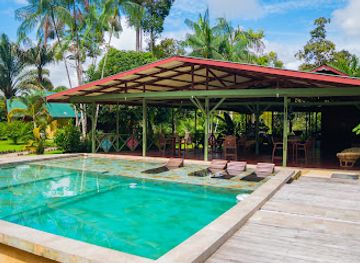
Resort hotel
Anaula Nature Resort
Experience the natural beauty and tranquility of Anaula Nature Resort in the heart of Suriname's rainforest, where adventure meets relaxation.
-
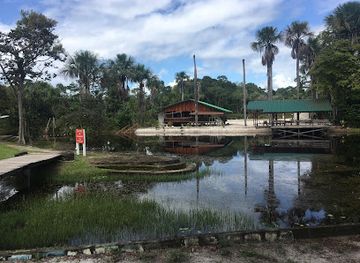
Recreation center
Colakreek
Discover the serene beauty of Colakreek in Suriname, a perfect recreational haven for relaxation, adventure, and nature immersion.
-
 Resort hotel
Afobaka Resort
Experience the beauty and tranquility of Afobaka Resort, a serene getaway on the banks of the Suriname River, perfect for relaxation and adventure.
-
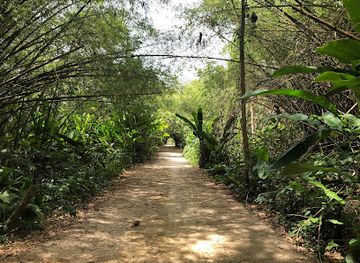
Nature preserve
Peperpot Nature Park
Explore the breathtaking landscapes and rich biodiversity of Peperpot Nature Park, a serene nature preserve in Suriname perfect for nature lovers and adventurers.
Best landmarks in Sipaliwini District
Sipaliwini’s most significant landmarks are largely natural or archaeological. Voltzberg, a prominent granite inselberg in the Central Suriname Nature Reserve, rises above the surrounding forest and is one of the district’s most recognisable interior formations; reaching its summit involves a strenuous guided trail rather than a casual walk. The Raleighvallen area is marked by powerful river scenery, forest and rapids within a protected landscape. Near Kwamalasamutu, the Werehpai rock-art and archaeological site provides an important physical connection with the ancient Indigenous history of the southern interior and should be visited according to local conservation and community arrangements. Farther east, the mountain country around Juliana Top represents Suriname’s highest terrain, although it is remote and demanding to reach. The Tapanahony, Gran Rio and Corantijn river systems are also defining geographical landmarks: they are transport routes, sources of food and water, and the settings for communities whose histories are inseparable from the forest.
-
Museum
Fort Zeelandia
Explore the fascinating history of Suriname at Fort Zeelandia, a captivating museum and cultural landmark along the Suriname River.
-
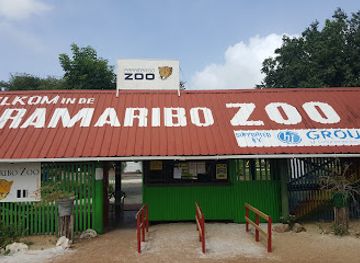
Zoo
Paramaribo Zoo
Discover the vibrant wildlife of Paramaribo Zoo, a must-visit attraction in Suriname showcasing native species in a beautiful setting.
-
International airport
Johan Adolf Pengel International Airport (PBM)
Discover the heart of South America through Johan Adolf Pengel International Airport, your gateway to Suriname's natural beauty and cultural diversity.
-
Tourist attraction
Domburg Waterkant
Explore the natural beauty and vibrant culture of Domburg Waterkant, a serene tourist attraction along the Suriname River, perfect for relaxation and adventure.


Explore Sipaliwini District on the map
Plan your trip on one map. See where the top cities, national parks and sights are, and book hotels and experiences in a few clicks.
Best hotels in Sipaliwini District
Best restaurants in Sipaliwini District
Sipaliwini has no conventional restaurant scene, and meals are normally provided by forest lodges, guesthouses, village hosts or expedition cooks. Food often reflects what can be transported reliably or obtained locally: rice, cassava, plantain, vegetables, fish and chicken are common practical staples, while freshly caught river fish may feature where local regulations and availability permit. In Indigenous and Maroon communities, visitors may encounter cassava-based foods, roasted or smoked ingredients and locally gathered products, but traditions vary between villages and should not be treated as a single district-wide cuisine. Paramaribo is the place to stock up on snacks, specialist dietary supplies and sealed drinks before departure. Travellers with allergies or medical diets should notify operators well in advance, as replacing ingredients in remote lodges can be difficult. Carry water-treatment supplies and confirm whether drinking water, tea, soft drinks and packed lunches are included in the travel arrangement.
-
Latin American
Las Tías Suriname
Experience authentic Latin American cuisine at Las Tías Suriname – where flavors come alive in every dish!
-
Restaurant
The Coffee Box South
Experience exceptional coffee and delightful dishes at The Coffee Box South in Paramaribo - your cozy retreat for culinary exploration.
-
Surnamese
De Gadri
Experience authentic Surinamese flavors at De Gadri, where tradition meets taste in every delicious bite.
-
Restaurant
SOUPOSO
Discover authentic Surinamese cuisine at SOUPOSO in Paramaribo – where every dish tells a story.
Best bars in Sipaliwini District
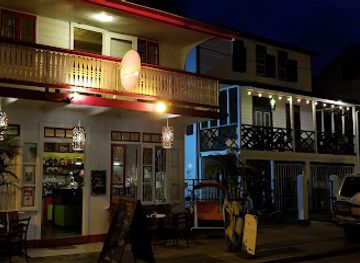
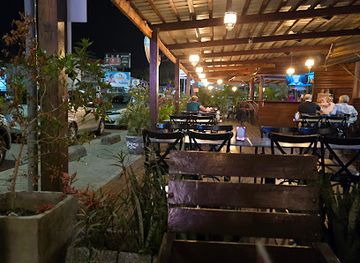
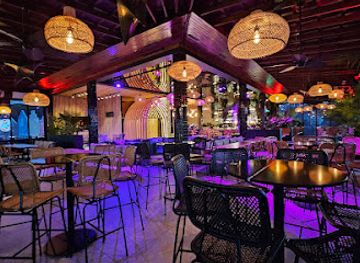
Sipaliwini does not have a nightclub circuit or a concentrated late-night entertainment scene. Evening life in the interior centres on conversation, meals, village social activity and the quiet routines of lodges and camps rather than commercial nightlife. Some settlements have small shops or informal drinking places, but availability, opening arrangements and local expectations vary considerably, and visitors should follow community guidance. In forest accommodation, darkness arrives quickly and evenings may involve listening to the rainforest, watching the river or discussing the next day’s route. Alcohol should be used cautiously in hot, isolated conditions and never before boating, swimming or walking on difficult trails. Visitors seeking bars, live music or a broader choice of restaurants should spend time in Paramaribo before or after travelling into the district.
-
Grill
Mighty Racks
Experience the vibrant flavors of Suriname at Mighty Racks, a top destination for grilled cuisine in Paramaribo, perfect for a memorable dining experience.
-
Bar
Bar Zuid
Discover the lively nightlife at Bar Zuid in Paramaribo, where great drinks and vibrant ambiance await you.
-
Grill
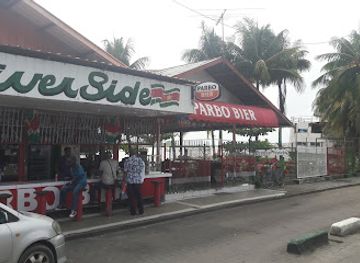
Riverside
Experience riverside dining at its best in Paramaribo, Suriname, where delicious grilled dishes meet breathtaking views.
-
Lounge
Mingle Paramaribo
Discover the vibrant nightlife of Paramaribo at Mingle, where delicious food and drinks meet a lively lounge atmosphere.

Best nightclubs in Sipaliwini District
Sipaliwini does not have a nightclub circuit or a concentrated late-night entertainment scene. Evening life in the interior centres on conversation, meals, village social activity and the quiet routines of lodges and camps rather than commercial nightlife. Some settlements have small shops or informal drinking places, but availability, opening arrangements and local expectations vary considerably, and visitors should follow community guidance. In forest accommodation, darkness arrives quickly and evenings may involve listening to the rainforest, watching the river or discussing the next day’s route. Alcohol should be used cautiously in hot, isolated conditions and never before boating, swimming or walking on difficult trails. Visitors seeking bars, live music or a broader choice of restaurants should spend time in Paramaribo before or after travelling into the district.
-
Night club
The Havanna Lounge
Discover the lively nightlife at The Havanna Lounge in Paramaribo, where great music and an energetic crowd create unforgettable experiences.
-
Bar
Club Manilla Suriname
Unleash your energy at Club Manilla Suriname, the ultimate bar and dance club for an unforgettable nightlife experience in Paramaribo.
-
Bar
Bar Excellente Suriname
Discover the vibrant nightlife at Bar Excellente Suriname, where refreshing cocktails and a lively atmosphere await in the heart of Paramaribo.
-
Night club
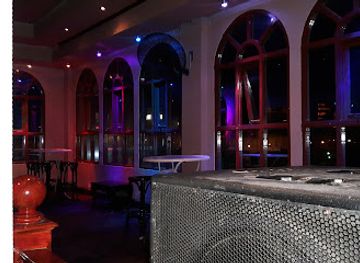
Diamond Pool Terras / Diamond Nightclub
Dive into the vibrant nightlife of Paramaribo at Diamond Pool Terras / Diamond Nightclub, where dancing, music, and a lively atmosphere await.


Best shops in Sipaliwini District
Shopping in Sipaliwini is limited and locally focused rather than commercial. In villages and forest lodges, visitors may find small quantities of woven items, beadwork, carvings or other crafts made by Indigenous or Maroon artisans, but availability varies and purchases should be made directly and respectfully where possible. Ask whether materials are sustainably sourced and whether photography or bargaining is appropriate before buying. Small settlement shops may carry basic food, drinks and household supplies, but they are not dependable sources for specialist equipment, medicines or souvenirs. Stock up in Paramaribo before flying or boating inland, particularly if travelling with dietary restrictions. Regional products such as cassava preparations, smoked foods or forest-derived items may be available through local arrangements, though restrictions can apply to taking organic materials across borders. Avoid buying antiquities, carved wildlife parts, archaeological objects or anything described as having been removed from a protected site.
-
Shopping mall
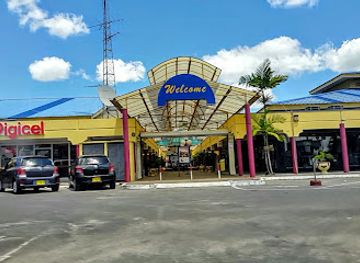
Hermitage Mall
Discover the vibrant shopping scene at Hermitage Mall in Paramaribo, where local culture meets international brands.
-
Department store
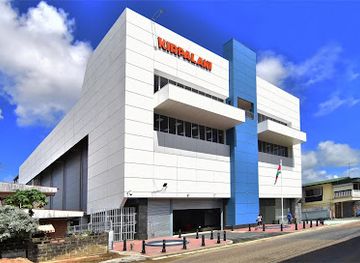
Kirpalani Super Store (KSS)
Experience the essence of Suriname at Kirpalani Super Store, a vibrant department store offering a wide range of local products and essentials.
-
Department store
Wow Superstore
Explore the vibrant shopping experience at Wow Superstore, Paramaribo's top destination for local goods and international brands.
-
Shopping mall
Suriname Times Mall
Experience the vibrant shopping and dining scene at Suriname Times Mall, the premier shopping destination in Paramaribo, Suriname.


Get your free copy of our complete guide to Sipaliwini District, delivered straight to you.
Everything on this page, from attractions and restaurants to essentials and local phrases, in one PDF you can read offline, print or share.
Already have an account? Sign in
Your Sipaliwini District guide is ready.
We'll send it to · Not you? Sign out

Getting your guide ready…
We are putting together a fresh copy of the Sipaliwini District guide. This can take up to a minute.
This can take a few moments. If your browser asks, choose Allow so the download can start. You'll find the guide in your Downloads folder.
Nothing happened? Download it again
Sorry, the guide is taking longer than usual. Please try again in a minute, or get it by email instead.
Sipaliwini District essentials
Currency and Payment
Safety
Emergency Situations
Do's and Don'ts
Local Tips
From Eve
Local phrases worth knowing
You don't need to get them perfect. A few words go a long way, and locals appreciate the effort.
Basics
| English | Local | Say it |
|---|---|---|
| Hello | Ola | [O-lah] |
| Goodbye | Adeus | [Ah-deh-oos] |
| Yes | Sim | [Seem] |
| No | Não | [Nown] |
| Please/You're welcome | Por favor | [Poor fah-vor] |
| Thank you | Obrigado | [Oh-bree-gah-doo] |
| Excuse me/Sorry | Desculpe | [Des-kool-peh] |
| How are you? | Como você está? | [Koh-moh voh-seh es-tah?] |
| Fine. And you? | Bem. E você? | [Bame. Eh voh-seh?] |
| Do you speak English? | Você fala inglês? | [Voh-seh fah-lah een-glays?] |
| I don't understand | Eu não entendo | [Eh-ooh nown en-ten-doo] |
Eating & Drinking
| English | Local | Say it |
|---|---|---|
| I'd like to see the menu, please | Eu gostaria de ver o cardápio, por favor | [Eh-ooh go-stah-ree-ah jeh veh-r oh car-dah-pee-oh, poor fah-vor] |
| I don't eat meat | Eu não como carne | [Eh-ooh nown koh-moh kar-nee] |
| Cheers! | Saúde! | [Sah-oo-deh!] |
| I would like to pay, please | Eu gostaria de pagar, por favor | [Eh-ooh go-stah-ree-ah jeh pah-gar, poor fah-vor] |
Emergencies
| English | Local | Say it |
|---|---|---|
| Help! | Ajuda! | [Ah-joo-dah!] |
| Go away! | Vá embora! | [Vah em-boh-rah!] |
| Call the Police! | Chame a polícia! | [Sha-meh ah poh-lees-ee-ah!] |
| Call a doctor! | Chame um médico! | [Sha-meh oom meh-dee-co!] |
| I'm lost | Estou perdido | [Es-toh pehr-jee-doo] |
| I'm ill | Estou doente | [Es-toh doh-en-chee] |
Shopping
| English | Local | Say it |
|---|---|---|
| I'd like to buy... | Eu gostaria de comprar... | [Eh-ooh go-stah-ree-ah jeh kom-prar...] |
| I'm just looking | Estou apenas olhando | [Es-toh ah-peh-nas oh-lyan-doo] |
| How much is it? | Quanto custa? | [Kwan-toh koos-tah?] |
| That's too expensive | Isso é muito caro | [Ee-soo eh mu-ee-toh kah-roh] |
| Can you lower the price? | Você pode baixar o preço? | [Voh-seh poh-jee bye-shar oh pray-so?] |
Time & Numbers
| English | Local | Say it |
|---|---|---|
| What time is it? | Que horas são? | [Kee oh-ras sow?] |
| It's one o'clock | É uma hora | [Eh oo-mah oh-rah] |
| Half past (10) | Meia hora (10) | [May-ah oh-rah (10)] |
| Morning | Manhã | [Man-yah] |
| Afternoon | Tarde | [Tar-jee] |
| Evening | Noite | [Noy-chee] |
| Yesterday | Ontem | [On-tem] |
| Today | Hoje | [Oh-zhee] |
| Tomorrow | Amanhã | [Ah-mahn-yah] |
| 1 | Um | [Oom] |
| 2 | Dois | [Doyz] |
| 3 | Três | [Trays] |
| 4 | Quatro | [Kwah-tro] |
| 5 | Cinco | [Seen-ko] |
| 6 | Seis | [Says] |
| 7 | Sete | [Set-chee] |
| 8 | Oito | [Oy-toh] |
| 9 | Nove | [Noh-vee] |
| 10 | Dez | [Dez] |
Transport & Directions
| English | Local | Say it |
|---|---|---|
| Where's a/the...? | Onde fica um/a...? | [On-jee fee-kah oom/ah...?] |
| What's the address? | Qual é o endereço? | [Kwah-oo eh oh en-deh-reh-so?] |
| Can you show me (on the map)? | Você pode me mostrar (no mapa)? | [Voh-seh poh-jee mee mos-trar (no mah-pah)?] |
| When's the next (bus)? | Quando é o próximo (ônibus)? | [Kwan-doo eh oh proh-see-mo (oh-nee-bus)?] |
| A ticket (to ....) | Um bilhete (para ....) | [Oom bee-lyeh-tchee (pah-rah ....)] |
History of Sipaliwini District
Ancient Indigenous Settlement
Long before European colonisation, the forests and rivers of present-day Sipaliwini supported Indigenous communities whose movements followed fishing grounds, hunting territories, gardens and river corridors. The Werehpai site near Kwamalasamutu contains rock art and archaeological evidence associated with a deep history of settlement in the southern interior. Such sites demonstrate that the rainforest was not an empty wilderness but a culturally known and actively managed landscape. Oral traditions, place names, trails and knowledge of medicinal plants continue to connect present-day communities with this earlier history.
European Exploration of the Interior
European control in Suriname initially concentrated on the plantations and waterways of the north, while the interior remained difficult for colonial authorities to enter. From the eighteenth and nineteenth centuries, explorers, missionaries, surveyors and military expeditions travelled up rivers including the Tapanahony and Corantijn in search of routes, resources and information about communities beyond the plantation zone. These journeys produced more outside knowledge of the interior but did not erase Indigenous and Maroon control over many areas. Rivers remained the main paths of movement long after coastal settlements had developed roads.
Maroon Communities and River Societies
People who escaped slavery on the plantations formed autonomous Maroon societies in the forested interior from the seventeenth century onwards. Communities along the Tapanahony and other southern river systems developed political institutions, trade links, spiritual traditions and detailed knowledge of the rainforest. Colonial treaties eventually recognised several Maroon groups, although relations with the coastal state remained uneven. In modern Sipaliwini, village life, river travel and cultural identity still reflect these histories of resistance, mobility and adaptation to a challenging interior environment.
Indigenous Rights and Mission Influence
During the nineteenth and twentieth centuries, missionaries, traders and government officials established more sustained contact with Indigenous communities in the interior. Schools, churches, medical services and administrative posts brought new institutions, while also placing pressure on languages, customary authority and traditional ways of life. Communities such as the Trio and Wayana have continued to negotiate these influences while maintaining their own cultural practices and territorial knowledge. Contemporary visits to interior villages are shaped by this history and should be arranged with respect for community decision-making rather than treated as informal tourism.
Mapping the Southern Interior
Scientific and administrative expeditions gradually mapped the mountains, rivers and savannahs of the interior during the late nineteenth and twentieth centuries. Surveying was connected to boundary questions, geological research, forestry and attempts to extend state services beyond the coast. The resulting maps gave names to ranges and peaks, including the highlands around Juliana Top, but often simplified landscapes already well known to Indigenous and Maroon travellers. Airstrips and small administrative settlements later became important links between remote communities and Paramaribo.
Creation of Sipaliwini District in 1983
Sipaliwini District was established in 1983 as part of Suriname’s administrative reorganisation. Its enormous area brought most of the country’s remote southern and interior territories within one district, while population remained concentrated in villages and small settlements rather than a central town. Administration from the coast has always been logistically difficult because of distance, forest terrain and seasonal river conditions. The district’s size also reflects the importance of balancing governance, conservation, Indigenous and Maroon interests, and access to basic services.
Conservation, Gold and Contemporary Pressures
The interior has increasingly been recognised for its ecological importance, including the Central Suriname Nature Reserve and other protected landscapes. At the same time, small-scale gold mining, hunting, logging, transport development and changing markets have created pressures on forests and rivers. Gold mining can cause deforestation, sedimentation and mercury pollution, while remote communities often depend on income from a mixture of local production, wage work and resource use. Sipaliwini’s present is therefore shaped by a continuing negotiation between conservation, economic opportunity, customary land use and national administration.
Sipaliwini District in Photos
Browse through our photo collection highlighting the charm and character of the destination.
Neighbouring regions of Sipaliwini District
The closest regions to Sipaliwini District, if you have time for more than one.
-

-

-

-

-


Swipe for more regions
Explore more
Explore more of Suriname
Discover Suriname - A blend of cultures, stunning rainforests, and historic charm awaits in this hidden gem of South America.
Explore Suriname