The Majestic Equestrian Statue of Karl IX in Gothenburg
Discover the historical significance of the Equestrian Statue of Karl IX in Gothenburg, a stunning tribute to Sweden's royal heritage and artistry.
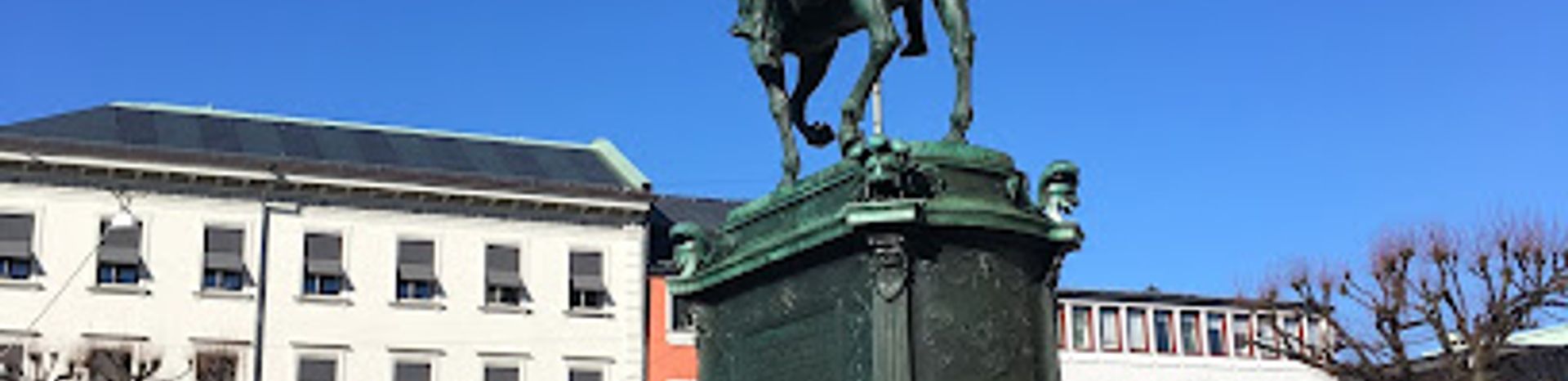
The Equestrian Statue of Karl IX stands proudly in Gothenburg, captivating visitors with its rich history and stunning craftsmanship. This iconic sculpture, a tribute to the Swedish king, is not just a work of art but a significant landmark that embodies the essence of Gothenburg's cultural heritage. As you approach the statue, you'll be struck by its impressive scale and the intricate details that reflect the artistry of the era. It's an essential stop for tourists eager to explore the city's historical narrative and artistic achievements.
A brief summary to The Equestrian Statue of Karl IX
- Östra Larmgatan, Gothenburg, 411 09, SE
- +46313650000
- Visit website
Local tips
- Visit early in the morning or late afternoon for the best lighting for photography.
- Don't forget to explore the nearby parks and cafés for a complete experience.
- Take some time to read the plaque next to the statue for deeper historical context.
- Check for any local events or exhibitions that might be happening in the area.

Getting There
-
Car
If you're driving to The Equestrian Statue of Karl IX, start by navigating to Östra Larmgatan, 411 09 Göteborg using your GPS. Depending on your starting location in Götaland, major highways like the E6 will get you close to Gothenburg. Once you reach Gothenburg, follow the signs towards the city center. You can find parking options nearby, but be prepared for potential parking fees, which can vary by location.
-
Public Transportation
To reach The Equestrian Statue of Karl IX using public transportation, first find the nearest train or bus station. If you're coming from another city in Götaland, take a train to Gothenburg Central Station (Göteborgs centralstation). From the station, you can either walk (approximately 15 minutes) or take tram lines 1 or 3 towards Berzeelgatan and get off at the stop called 'Kungsportplatsen'. From there, it's just a short 5-minute walk to the statue located on Östra Larmgatan.
-
Walking
If you're already within the Gothenburg city area, walking to The Equestrian Statue of Karl IX is a pleasant option. Start from the Kungsportsplatsen tram stop, head southeast on Kungsportsavenyn, then turn right onto Östra Larmgatan. The statue will be on your left, visible from the street. This walk will take approximately 10 minutes.
Discover more about The Equestrian Statue of Karl IX
Iconic landmarks you can’t miss

The Equestrian Statue of Karl IX
0.0 km
Discover the historical significance of the Equestrian Statue of Karl IX in Gothenburg, a stunning tribute to Sweden's royal heritage and artistry.
Gothenburg Visitor Centre
0.0 km
Explore Gothenburg through the Gothenburg Visitor Centre – your one-stop hub for travel tips, maps, and local insights in Sweden's vibrant west coast city.
Hop On - Hop Off Boat Tour
0.1 km
Discover the beauty of Gothenburg's waterways with the Hop On - Hop Off Boat Tour, offering a unique sightseeing experience in Sweden's coastal gem.
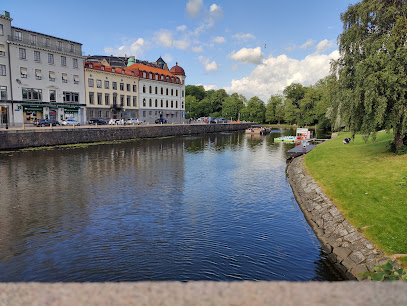
Paddan Sightseeing
0.1 km
Experience the charm of Gothenburg from the water with Paddan Sightseeing, where history and scenery come together on picturesque boat tours.
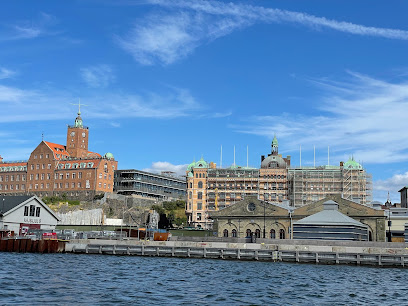
Millenniumplatsen
0.2 km
Discover the vibrant Millenniumplatsen in Gothenburg, a cultural hub filled with art, history, and lively community events.
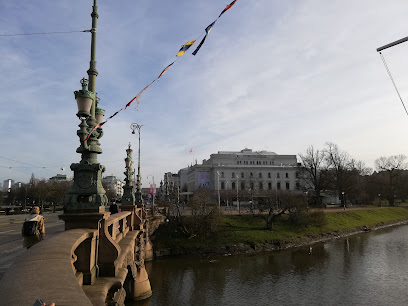
Gumperts hörna
0.2 km
Explore Gumperts Hörna, a historical landmark in Gothenburg, Sweden, where rich heritage meets stunning architecture in a vibrant city setting.
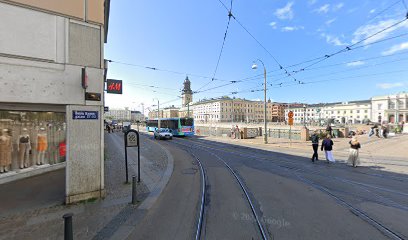
Oceanbus
0.2 km
Experience Gothenburg's breathtaking sights with Oceanbus - a unique sightseeing adventure combining land and water exploration for an unforgettable journey.
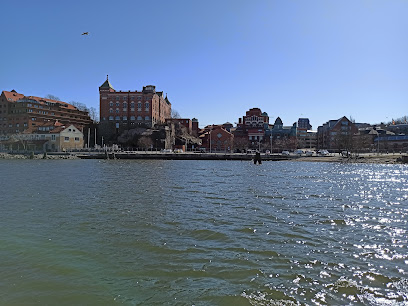
John Ericsson's Statue
0.3 km
Explore the historical significance of John Ericsson's Statue in Gothenburg, a tribute to engineering brilliance and innovation amidst lively city life.
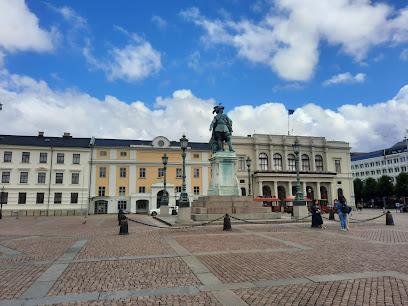
Gustaf Adolf's square
0.3 km
Explore Gothenburg's vibrant heart at Gustaf Adolf's Square, where history, culture, and stunning sculptures converge in a lively plaza.
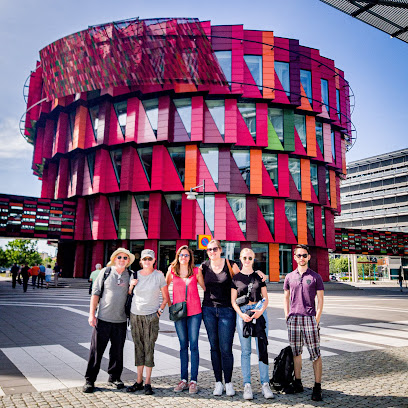
Göteborg Walking Tours
0.3 km
Discover the beauty and culture of Gothenburg through guided walking tours led by passionate locals, uncovering the city's rich history and hidden gems.
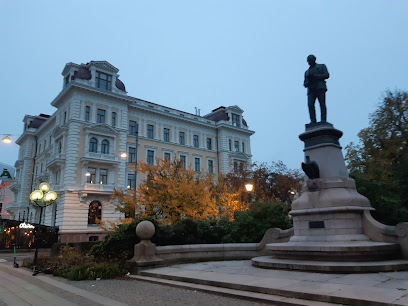
Dicksonska palatset
0.3 km
Explore Dicksonska Palatset, Gothenburg's historic treasure showcasing neoclassical architecture and rich cultural heritage.
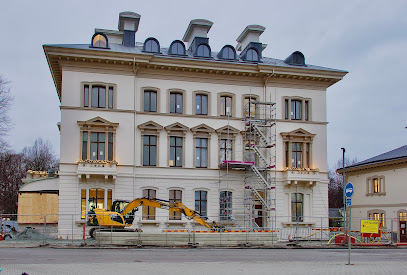
Gothenburg Law Court
0.3 km
Discover the architectural beauty and historical significance of the Gothenburg Law Court, a must-visit landmark in the heart of the city.
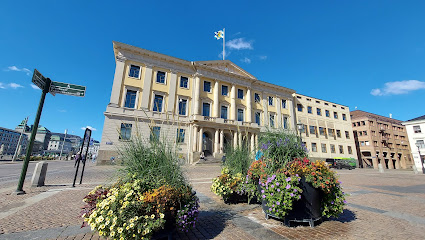
Stinsen Sightseeing
0.4 km
Explore Gothenburg's beauty and charm with Stinsen Sightseeing, where every tour reveals the city's rich history and vibrant culture.
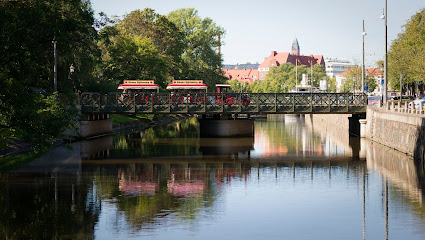
Palm House
0.4 km
Explore the lush greenery and exotic plants at the Palm House in Gothenburg, a botanical paradise for nature lovers and curious travelers.
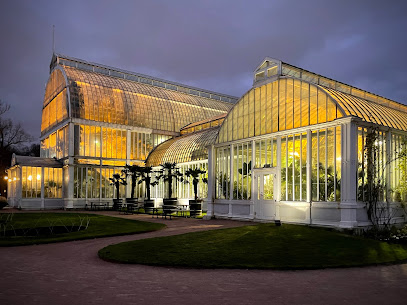
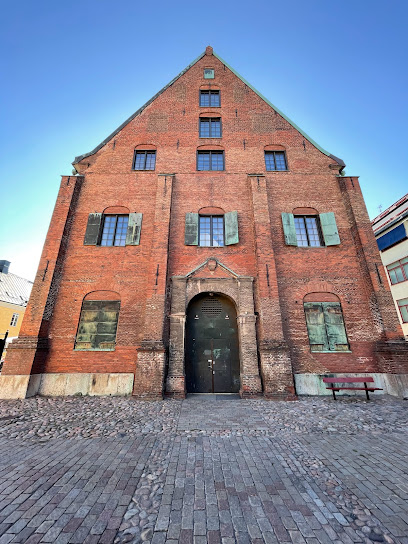
Kronhuset och kronhusbodarna
0.5 km
Discover the charm of Kronhuset och Kronhusbodarna, a historical landmark in Gothenburg offering shopping, culture, and live music in a beautiful setting.
Unmissable attractions to see

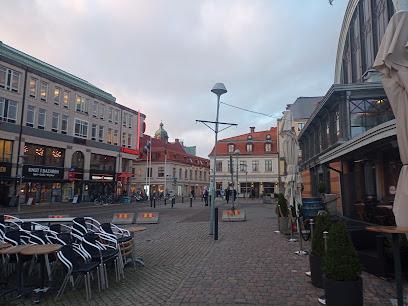
Kungstorget
0.2 km
Experience the vibrant atmosphere and rich history of Gothenburg at Kungstorget, the city's lively public square filled with shops and cafes.
Bältespännarparken fountain
0.2 km
Explore the serene Bältespännarparken Fountain in Gothenburg, a peaceful retreat amidst the vibrant cityscape perfect for relaxation and reflection.
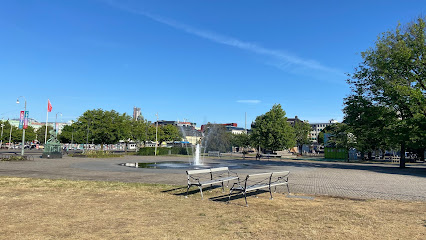
Brunnsparken
0.2 km
Explore Brunnsparken, Gothenburg's vibrant urban park, blending nature, history, and city life in a picturesque setting.
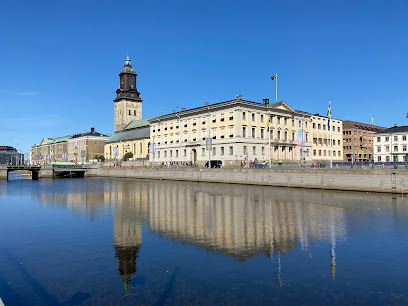
Fontänbron
0.2 km
Explore Fontänbron in Gothenburg, a picturesque bridge offering stunning views and a gateway to the city's vibrant culture and history.
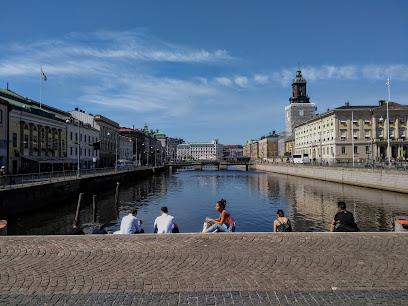
Lejontrappan
0.2 km
Discover the stunning Lejontrappan in Gothenburg, where history meets breathtaking views, creating unforgettable memories for every traveler.
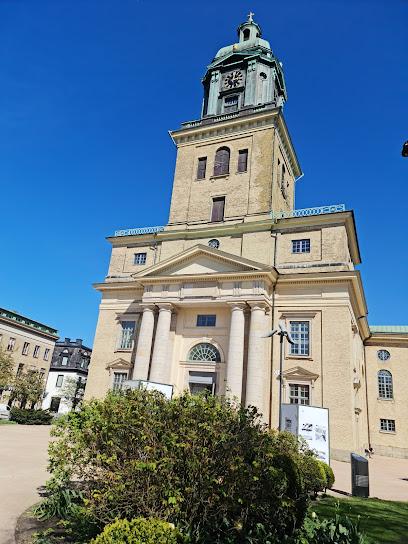
Gothenburg Cathedral
0.3 km
Discover the architectural beauty and serene atmosphere of Gothenburg Cathedral, a must-visit Protestant church in the heart of Gothenburg, Sweden.
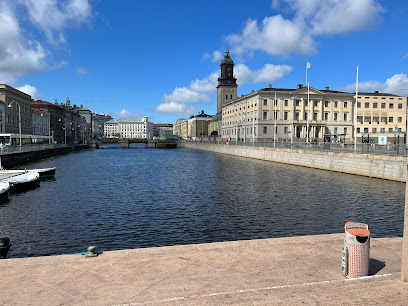
Stora HamnKanalen
0.4 km
Experience the charm of Stora HamnKanalen in Gothenburg, a picturesque canal perfect for leisurely strolls and vibrant city life.
Yaki-Da Restaurang & Nattklubb
0.4 km
Discover the vibrant fusion of dining and nightlife at Yaki-Da in Gothenburg, where culinary delights meet an electrifying dance atmosphere.
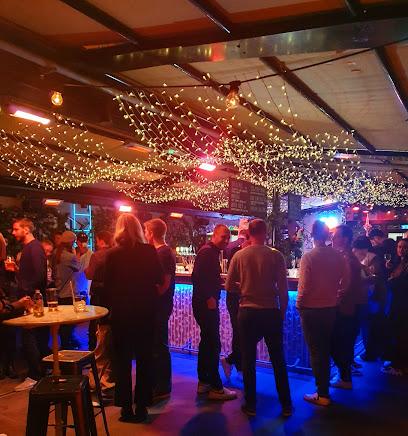
Gothenburg City Museum
0.4 km
Discover the rich history of Gothenburg at the City Museum, where engaging exhibits bring the past to life in an exciting way.
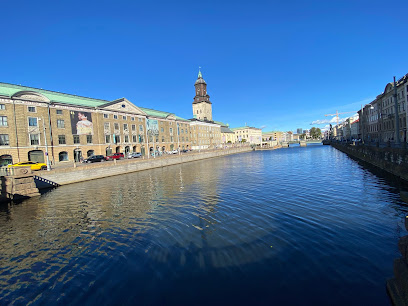
The Garden Society
0.4 km
Discover the lush landscapes and historic charm of The Garden Society, a serene oasis in Gothenburg perfect for nature lovers and casual strolls.

Magasinsgatans torg
0.5 km
Explore Magasinsgatans Torg: a lively square in Gothenburg, featuring unique shops, delightful cafes, and a vibrant local atmosphere.
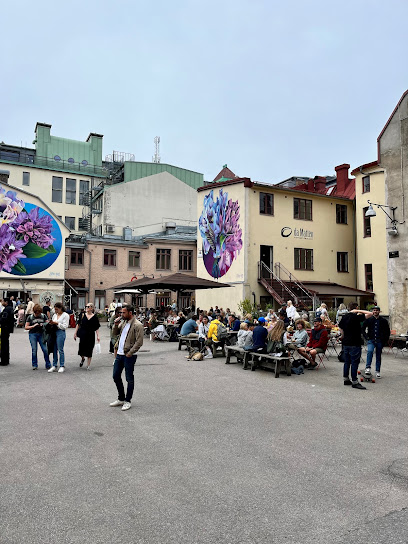
Avenue Parade Street
0.5 km
Explore Avenue Parade Street in Gothenburg: a vibrant blend of culture, shopping, dining, and history in the heart of Sweden's second city.
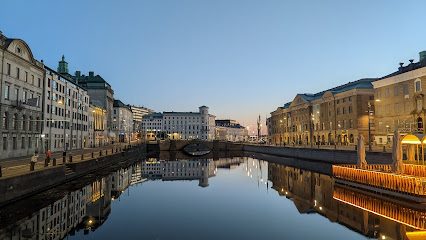
Kungsparken
0.5 km
Discover the tranquil beauty of Kungsparken, Gothenburg's premier park, where nature and history intertwine for an unforgettable experience.
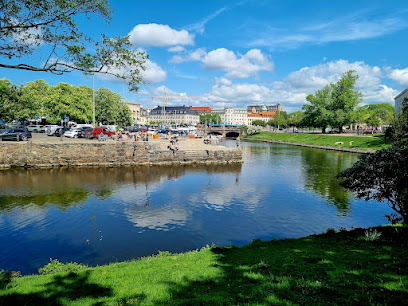
Breaking Barries - Marathon graffiti
0.5 km
Explore the dynamic street art scene at Breaking Barries, Gothenburg's premier graffiti hotspot showcasing local talent and creativity.

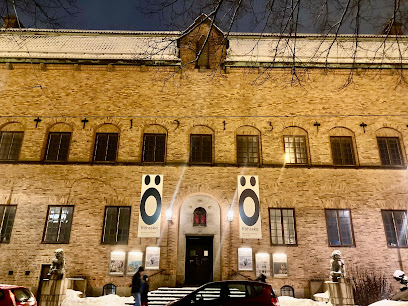
Röhsska museet
0.6 km
Discover the captivating world of design at Röhsska Museet in Gothenburg—where history, craftsmanship, and contemporary creativity converge.
Essential places to dine

Källarkrogen i Göteborg AB
0.1 km
Experience authentic Swedish cuisine at Källarkrogen i Göteborg AB – where tradition meets taste in Gothenburg.
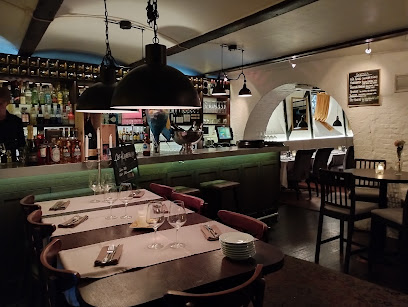
Wagners Bistro
0.1 km
Experience authentic Swedish cuisine at Wagners Bistro in Gothenburg - where every meal tells a story of local flavors.
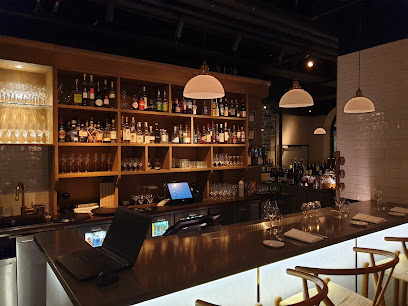
SLiCE Göteborg
0.1 km
Discover SLiCE Göteborg: A Unique Restaurant Blending Dining, Fun Activities & Vibrant Nightlife in Gothenburg.
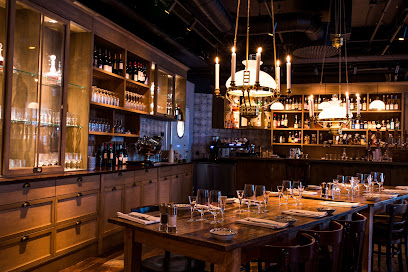
Restaurang & Bar Avalon
0.1 km
Experience modern European cuisine at its finest in Gothenburg's exquisite Restaurang & Bar Avalon – where taste meets elegance.
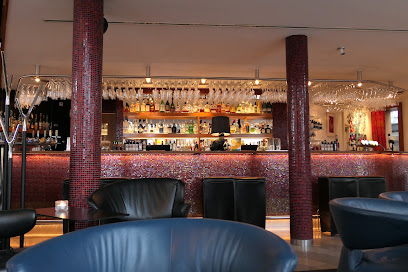
Restaurang Kungstorget
0.1 km
Experience the flavors of Gothenburg at Restaurang Kungstorget - where local ingredients meet culinary creativity in a vibrant atmosphere.
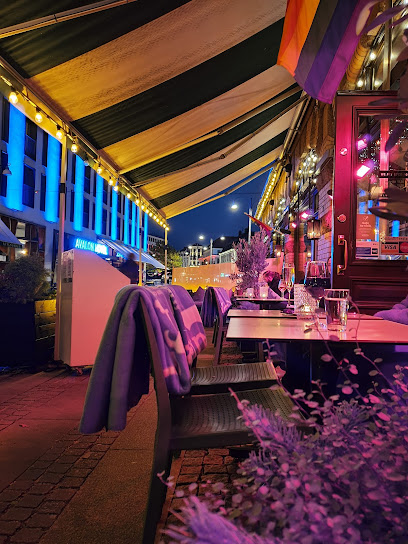
Swedish Taste På Nk
0.1 km
Experience authentic Swedish cuisine at its finest in Gothenburg - where tradition meets modern flavors.
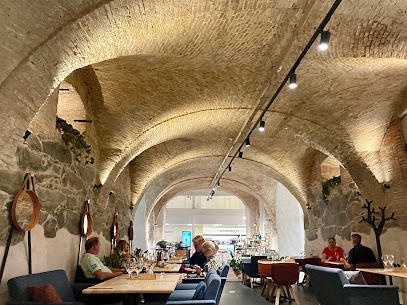
Blackstone Steakhouse
0.2 km
Experience premium steaks and interactive dining at Blackstone Steakhouse in Gothenburg - where every meal is crafted to perfection.
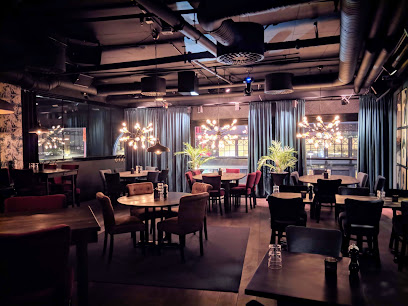
Ma Cuisine
0.2 km
Experience authentic French cuisine at Ma Cuisine in Gothenburg; a charming bistro perfect for every occasion.
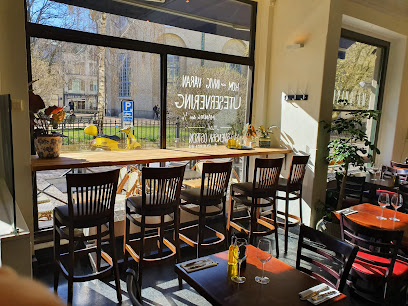
BIKT
0.3 km
Experience culinary excellence at Bikt Bistro in Gothenburg, where local flavors meet modern dining.
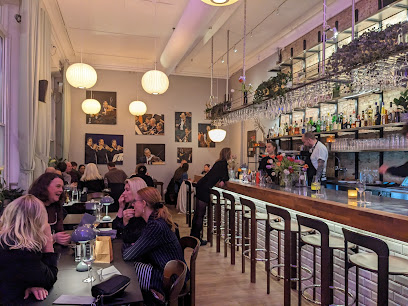
Södra Larm Bar & Bistro
0.3 km
Discover the flavors of Scandinavia at Södra Larm Bar & Bistro in Gothenburg - where every meal is a delightful experience.
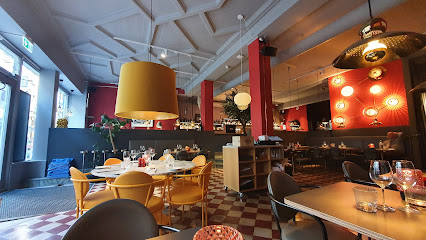
Olivia Avenyn
0.4 km
Experience authentic Italian cuisine at Olivia Avenyn in Gothenburg - where every meal feels like a trip to Italy.
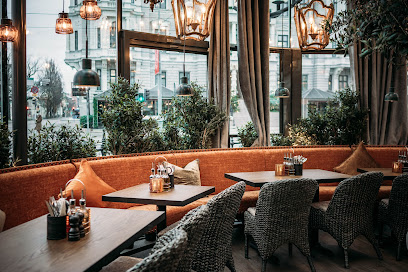
Angelini Gothenburg
0.4 km
Discover the perfect blend of Italian and American cuisine at Angelini Gothenburg - your go-to spot for breakfast and lunch in the heart of the city.
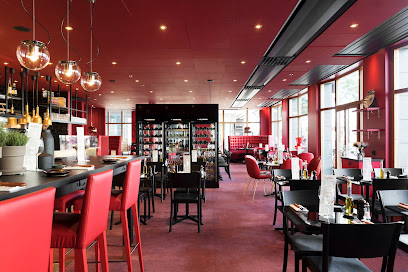
Swea Wine & Dine
0.4 km
Experience the pinnacle of fine dining at Swea Wine & Dine in Gothenburg, where local flavors meet culinary artistry.
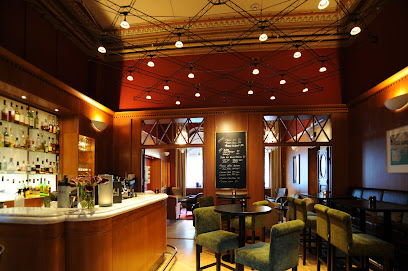
The Barn
0.4 km
Experience gourmet hamburgers in Gothenburg at The Barn – where quality meets flavor in a cozy setting.
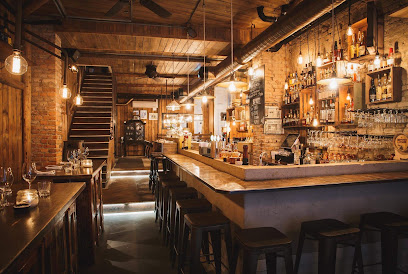
La Gondola
0.4 km
Savor authentic Italian flavors at La Gondola in Gothenburg - your gateway to a delightful dining experience.
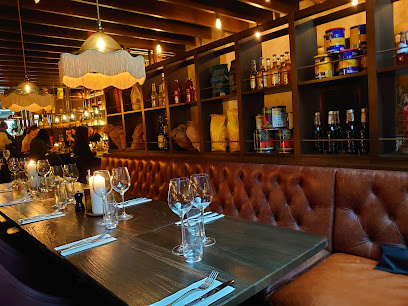
Markets, malls and hidden boutiques

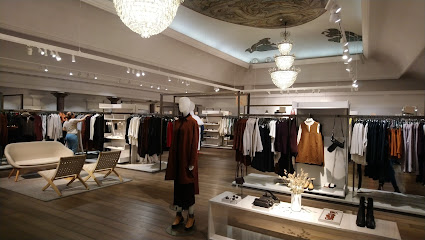
COS
0.1 km
Discover COS in Gothenburg for contemporary, sustainable fashion that blends timeless style with modern sensibilities.
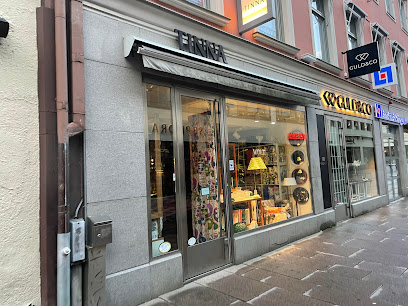
Tinna Inredning & Presenter
0.1 km
Explore Tinna Inredning & Presenter in Gothenburg for exquisite home goods and unique gifts reflecting Swedish design elegance.
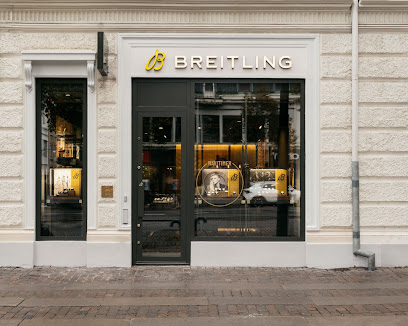
Breitling Boutique
0.1 km
Explore the exquisite collection of luxury watches at the Breitling Boutique in Gothenburg, where craftsmanship meets timeless elegance.
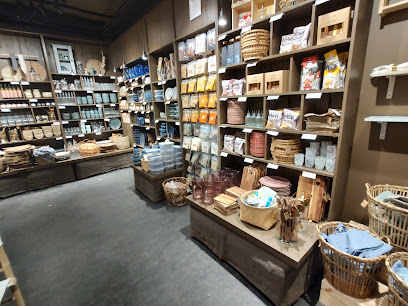
Søstrene Grene
0.1 km
Explore Søstrene Grene in Gothenburg for unique art supplies, stylish decor, and creative inspiration that captures the essence of Scandinavian design.
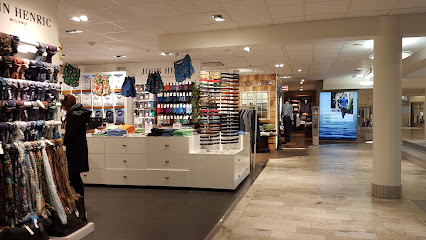
NK Göteborg
0.1 km
Discover NK Göteborg, a premier department store in Gothenburg with luxury shopping, fine dining, and cultural experiences all in one place.
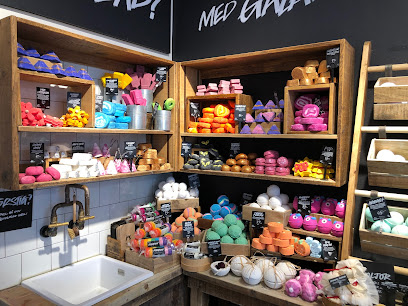
Lush Cosmetics Göteborg Kungstorget
0.1 km
Experience the vibrant world of Lush Cosmetics in Gothenburg, where fresh, handmade beauty products meet sustainability and ethical elegance.
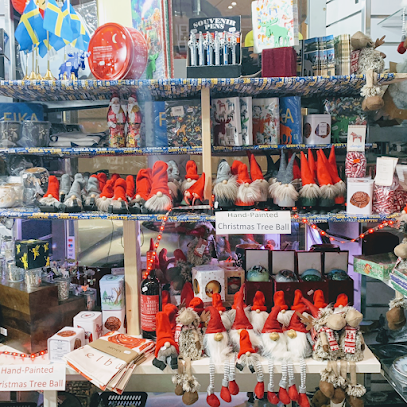
SOUVENIR GOTHENBURG
0.1 km
Explore the heart of Gothenburg at Souvenir Gothenburg, your go-to shop for unique gifts and local specialties that embody Swedish culture.
TOYS & SOUVENIRS
0.2 km
Explore TOYS & SOUVENIRS in Gothenburg for unique toys and authentic Swedish souvenirs that capture the spirit of your travels.
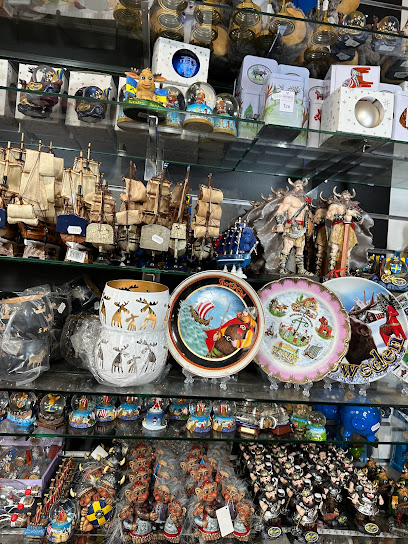
Monki
0.2 km
Explore Monki in Gothenburg: A vibrant clothing store offering unique styles, trendy designs, and a commitment to sustainability.
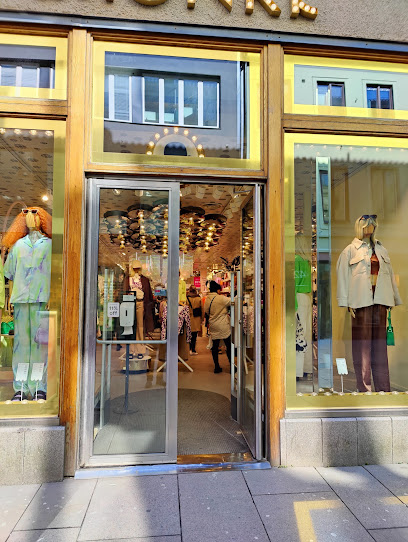
Arkaden
0.2 km
Explore Arkaden, Gothenburg's lively shopping mall, filled with diverse shops, delicious dining, and a vibrant atmosphere for all visitors.
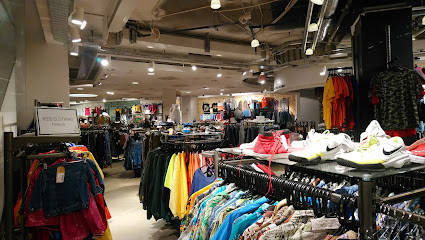
Beyond Retro - Arkaden
0.2 km
Discover unique vintage fashion and sustainable style at Beyond Retro - Arkaden in Gothenburg, a haven for fashion enthusiasts.
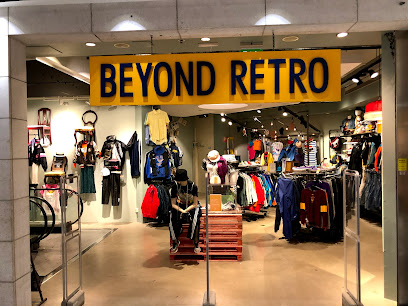
Broadway & Sons
0.2 km
Explore unique vintage fashion at Broadway & Sons in Gothenburg, where every piece tells a story.
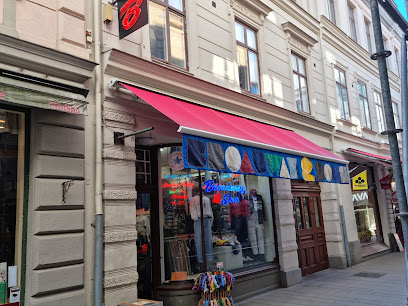
Gudrun Sjödén Centrala Göteborg
0.2 km
Explore sustainable fashion at Gudrun Sjödén in Gothenburg, featuring unique designs and eco-friendly clothing that embrace Scandinavian style.
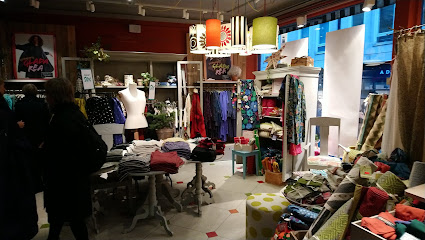
& Other Stories
0.2 km
Discover contemporary women's fashion and unique accessories at & Other Stories in Gothenburg, a must-visit for style enthusiasts.
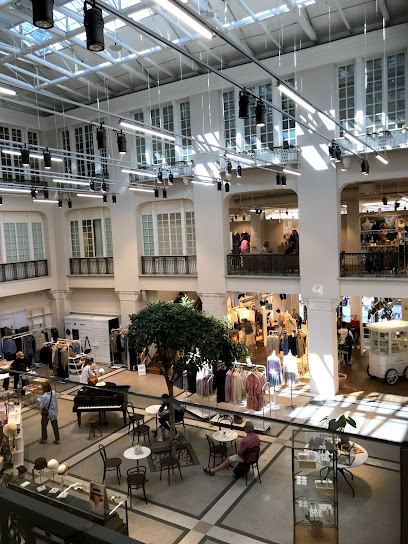
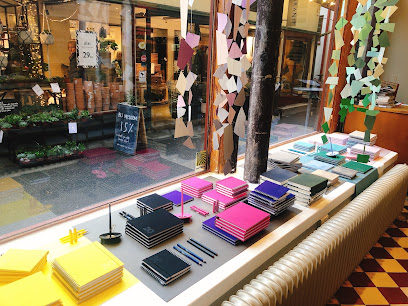
Rum för Papper
0.3 km
Explore Rum för Papper in Gothenburg for unique stationery, graphic design services, and eco-friendly art supplies to inspire your creativity.
Essential bars & hidden hideouts

Kungstorgets Brygghus
0.1 km
Discover the lively ambiance and delicious offerings at Kungstorgets Brygghus, Gothenburg's favorite pub for locals and tourists alike.
Stranger
0.1 km
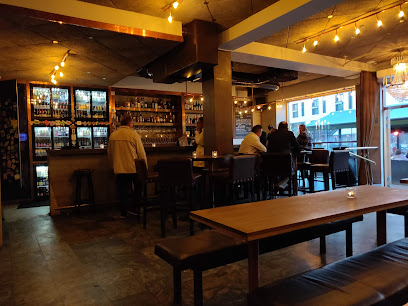
Discover Gothenburg's vibrant nightlife at Stranger, a lively bar offering expertly crafted drinks and a welcoming atmosphere for all.
Bar Amuse
0.3 km
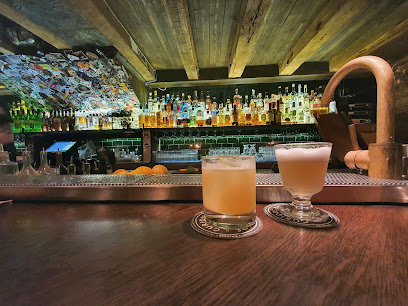
Discover the sophisticated ambiance and exquisite drinks at Bar Amuse in the heart of Gothenburg, a must-visit for every traveler.
Havsbaren Tyska Bron
0.3 km
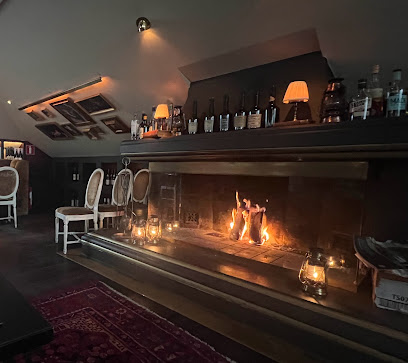
Discover the charm of Havsbaren Tyska Bron, where exquisite seafood meets breathtaking waterfront views in Gothenburg.
Pix
0.3 km
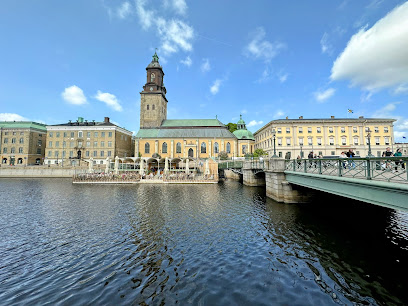
Discover the lively Pix bar in Gothenburg, where cocktails and camaraderie come together in a charming beer garden setting.
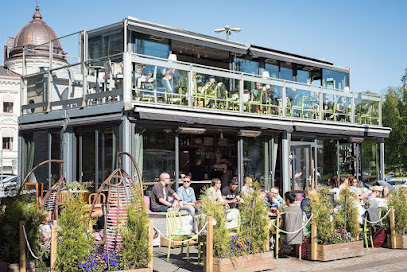
Trädgår'n
0.4 km
Discover the energetic ambiance of Trädgår'n, a top gastropub and live music venue in Gothenburg, perfect for food lovers and nightlife enthusiasts.
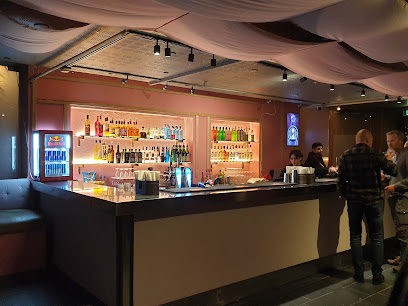
Oak Bar
0.4 km
Discover the lively Oak Bar in Gothenburg, a perfect spot for drinks and socializing with locals and travelers alike.
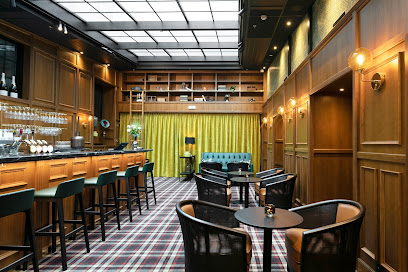
Bar Bruno
0.4 km
Discover Bar Bruno, Gothenburg's stylish cocktail bar, offering innovative drinks in a vibrant atmosphere perfect for nightlife enthusiasts.
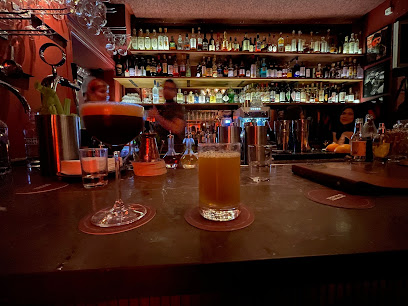
Lounge(s)
0.4 km
Discover Gothenburg's vibrant nightlife at this premier night club, where music, dance, and unforgettable moments come alive.
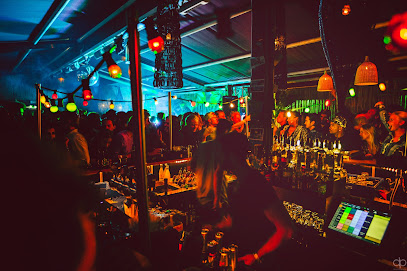
Cielo Roof Top Bar
0.4 km
Experience breathtaking views and exquisite Italian cuisine at Cielo Roof Top Bar in Gothenburg, a must-visit destination for every traveler.
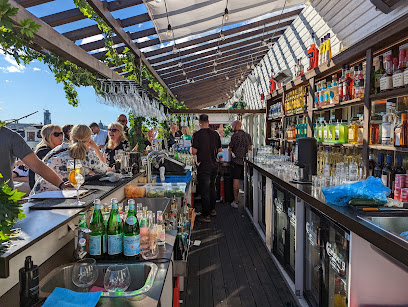
Brewers Beer Bar Magasinsgatan.
0.5 km
Discover the vibrant atmosphere of Brewers Beer Bar Magasinsgatan, where craft beer meets delectable kebabs and pizzas in Gothenburg.
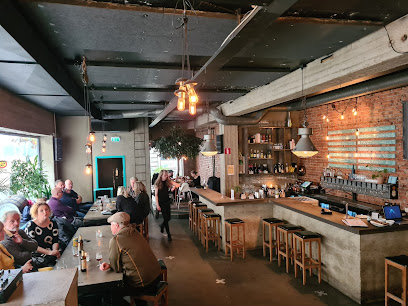
John Scott's Avenyn
0.5 km
Discover the lively brewpub experience at John Scott's Avenyn in Gothenburg, where craft beer and delicious cuisine meet vibrant nightlife.
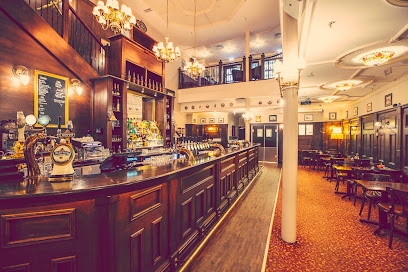
Biljardpalatset Göteborg
0.5 km
Discover the lively Biljardpalatset Göteborg, a brasserie and cocktail bar offering delicious food, drinks, and billiards in an inviting atmosphere.
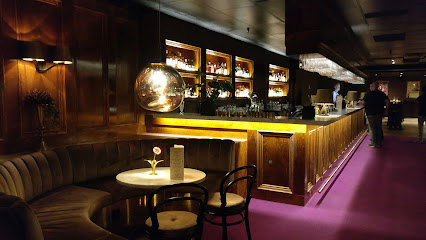
Skål Pub
0.5 km
Discover the lively charm of Skål Pub in Gothenburg, where great drinks and a vibrant atmosphere await all visitors.
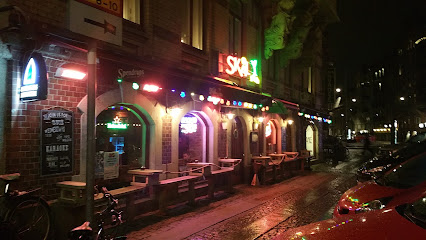
SJ Lounge Göteborg
0.5 km
Experience comfort and tranquility at SJ Lounge Göteborg, the perfect retreat for travelers in Gothenburg's Central Station.
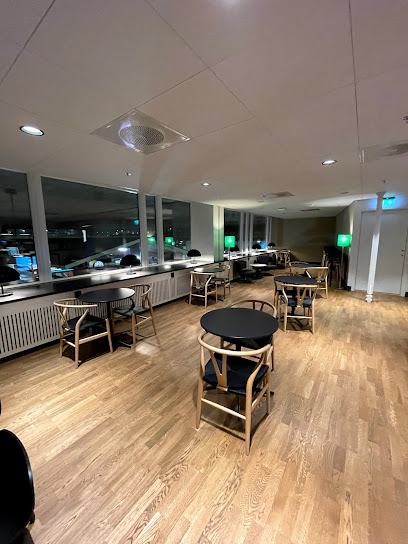
Nightclubs & after hour spots

Club Galej
0.1 km
Experience vibrant nightlife and unforgettable parties at Club Galej in the heart of Gothenburg, where music and dance come alive.

M.A.D
0.1 km
Discover the heartbeat of Gothenburg's nightlife at M.A.D, a vibrant night club offering unforgettable experiences and electrifying music.
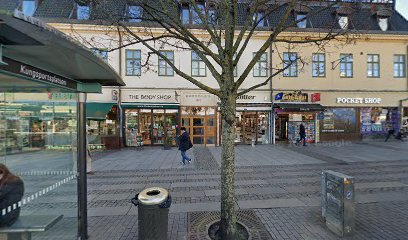
Club Charlie
0.1 km
Discover Gothenburg's nightlife at Club Charlie, where unforgettable music and vibrant energy create the ultimate party experience.
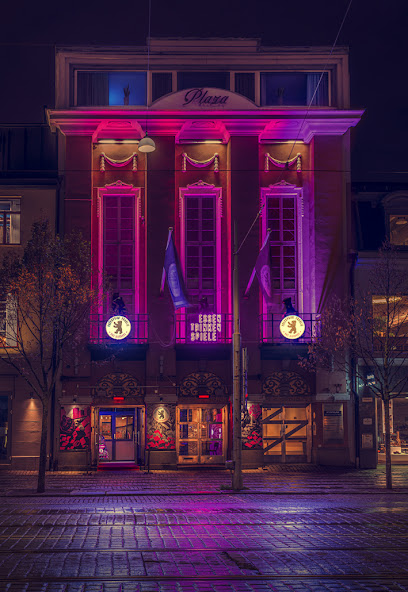
Gretas
0.2 km
Experience the vibrant nightlife at Gretas, Gothenburg's premier gay nightclub, where fun and inclusivity come alive every weekend.
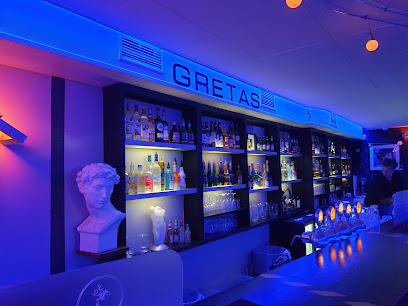
Backstage
0.2 km
Discover Gothenburg's vibrant nightlife at Backstage Night Club, where the music never stops and memories are made.
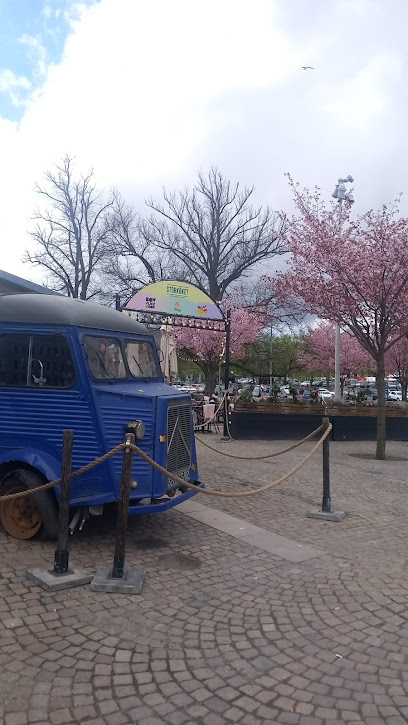
Port Du Soleil
0.4 km
Discover Gothenburg's vibrant nightlife at Port Du Soleil, a premier night club where music, dancing, and socializing come together.
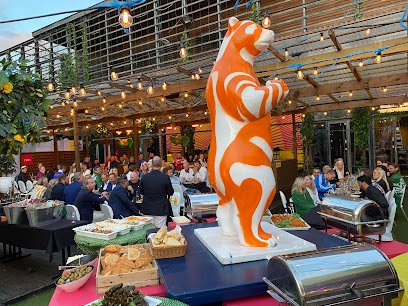
Balambaras
0.4 km
Experience the vibrant nightlife of Gothenburg at Balambaras, a premier nightclub and cocktail bar offering innovative drinks and electrifying music.
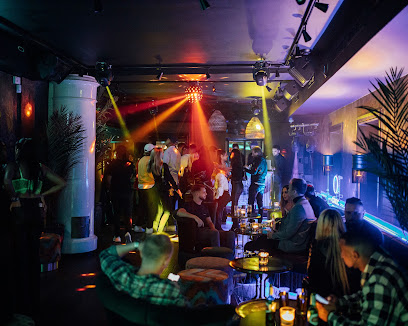
Eight
0.4 km
Discover the heart of Gothenburg's nightlife at Eight Nightclub, where dancing and socializing come alive after dark.
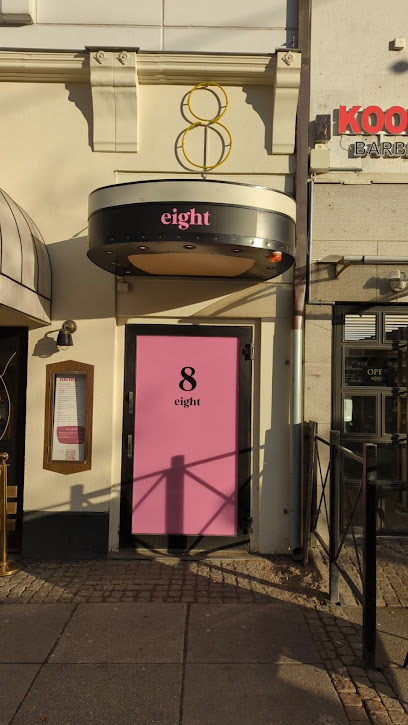
Push
0.5 km
Experience the electrifying nightlife at Push, Gothenburg's premier night club with top DJs, lively dance floors, and a vibrant atmosphere.
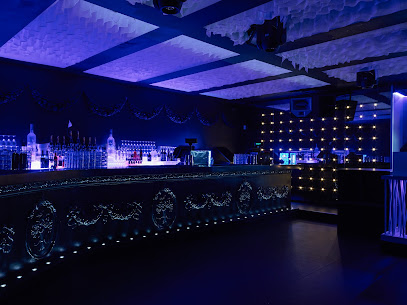
SURROUNDED
0.5 km
Intimate Gothenburg nightclub where upgraded Funktion-One sound, alternative electronic music and a sleek industrial interior create a focused late-night dance experience.
Bardot
0.5 km
Experience the vibrant nightlife of Gothenburg at Bardot, a premier night club with electrifying music and lively ambiance.
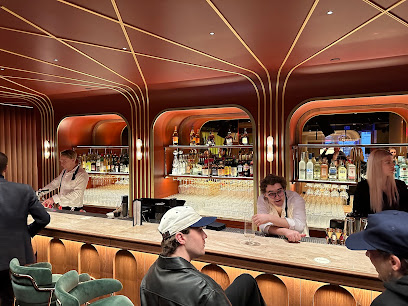
Excet
0.5 km
Excet Night Club in Gothenburg offers an exhilarating nightlife experience with music, dance, and vibrant atmosphere that captivates every visitor.
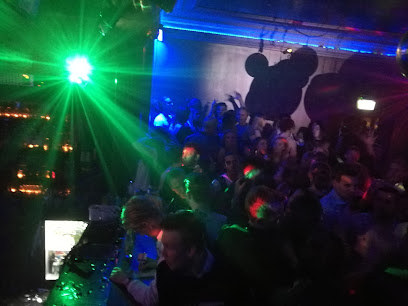
Valand
0.5 km
Discover the dynamic nightlife at Valand, Gothenburg's premier night club and restaurant, offering an unforgettable experience with music, food, and fun.