Free Gothenburg Travel Guide & Mobile App
Plan your Gothenburg trip with Evendo. Get free guides to top attractions, restaurants, hotels, and bars. Web access or download the mobile app.


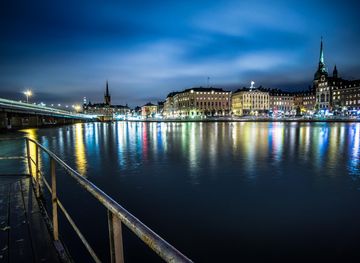
Gothenburg blends maritime history, archipelago scenery, modern Nordic culture, lively food scenes, museums, parks and waterfront landmarks in Sweden.
A Port Shaped by the Sea
Gothenburg stretches along Sweden’s west coast, where the Göta älv meets the Kattegat. Founded in the early seventeenth century as a fortified trading port, the city still feels closely connected to shipping, fishing and the open sea. Its harbour, canals and granite-built historic districts give it a distinctively maritime character, while broad boulevards and leafy parks reflect the city planning of the nineteenth century.Read more about Gothenburg
Neighbourhoods with Character
City and Archipelago
When is the best time to visit Gothenburg?
Best: June–August · 22–24°C| Month | High (°C) | Rainfall (mm) |
|---|---|---|
| January | 4 | 50 |
| February | 4 | 40 |
| March | 5 | 35 |
| April | 12 | 30 |
| May | 18 | 35 |
| June (best) | 22 | 50 |
| July (best) | 24 | 60 |
| August (best) | 23 | 55 |
| September | 19 | 45 |
| October | 13 | 50 |
| November | 8 | 55 |
| December | 4 | 60 |
Getting to and around Gothenburg
How to get there
Transportation
Best attractions in Gothenburg
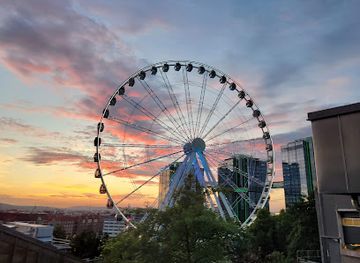
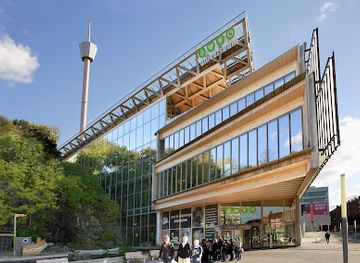
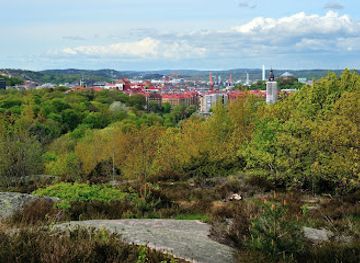
Gothenburg’s attractions range from maritime collections to expansive parks and lively cultural institutions. The Museum of Gothenburg, housed in the former Swedish East India Company building, places the city’s trading and urban history in context, while the Gothenburg Museum of Art presents major Nordic works at the top of Götaplatsen. Universeum offers science-focused exhibitions beside the World of Volvo, and Liseberg combines amusement rides with concerts and seasonal events. Slottsskogen is a broad urban park with woodland paths, meadows and a small historic children’s zoo, while the nearby Gothenburg Botanical Garden is known for its plant collections and landscaped grounds. In Haga, visitors can wander among preserved wooden buildings and cafés before continuing towards Skansen Kronan for city views. The ferries from Saltholmen open the way to the southern archipelago, where car-free islands provide a striking change from the urban waterfront.
-
Amusement park
Liseberg
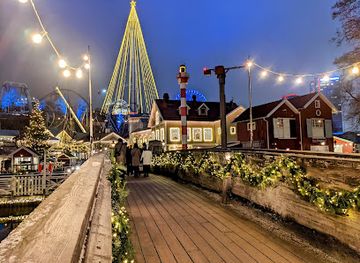
Gothenburg's iconic amusement park where heart-pounding coasters meet seasonal magic—from Halloween chills to Christmas glow under millions of lights.
6 min drive · 1.9 km from city centre
-
 Park
ParkSlottsskogen
Göteborg’s sprawling urban forest and people’s park — woodland trails, free animal enclosures, playgrounds and year‑round green space for every age.
10 min drive · 3.3 km from city centre
-
Science museum
Universeum
An all-ages science playground in Gothenburg — aquaria, rainforest, tech labs and a 360° dome in one immersive centre.
5 min drive · 1.7 km from city centre
-
Botanical garden
Gothenburg Botanical Garden
A vast, living plant museum in Gothenburg where themed collections, lawns and a fish pond combine with research, seasonal displays and quiet woodland escapes.
10 min drive · 3.2 km from city centre
Best landmarks in Gothenburg
Gothenburg’s landmarks reveal its development from fortified port to industrial and cultural centre. Gustav Adolf’s Square, marked by the statue of the city’s founder, faces the canal and important civic buildings in the historic core. Skansen Kronan, a seventeenth-century hilltop fortification above Haga, reflects the strategic importance of defending the western approaches, while Skansen Lejonet stands on another elevation east of the centre. The Feskekörka, designed in the nineteenth century with a church-like exterior, symbolises the city’s enduring relationship with fishing and seafood commerce. Gothenburg Cathedral and the German Church represent different strands of the historic port community, and the Poseidon fountain at Götaplatsen has become one of the city’s best-known public artworks. The Göta älv bridges and harbour structures complete a landmark landscape shaped by water, trade and engineering.
-
Amusement park
Liseberg
Experience the thrill and joy at Liseberg, Gothenburg's premier amusement park with rides, gardens, and seasonal events for unforgettable family fun.
6 min drive · 1.9 km from city centre
-
Park
The Garden Society
Discover the enchanting Garden Society in Gothenburg, a botanical haven filled with vibrant flora and historical significance.
4 min walk · 0.3 km from city centre
-
Opera house
Göteborgsoperan
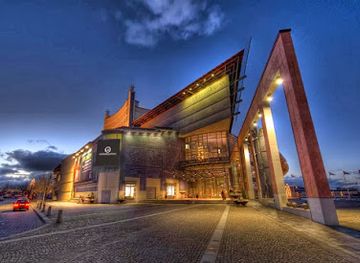
Gothenburg's riverside opera house delivers world-class opera, musicals, ballet, and concerts in a stunning modern venue that captivates performers and audiences alike.
9 min walk · 0.7 km from city centre
-
Historical landmark
Skansen Kronan
Gothenburg's unbreached 17th-century crown fortress: epic views, untold military tales, and a skyline sentinel on Risåsberget.
5 min drive · 1.8 km from city centre


Explore Gothenburg on the map
Plan your Gothenburg trip on one map. See where the top attractions, landmarks, restaurants, bars and hotels are, find what's near where you're staying, and book hotels and experiences in a few clicks.
Neighbourhoods in Gothenburg
-

-

-

-

-


Swipe for more neighbourhoods
Best hotels in Gothenburg
Best restaurants in Gothenburg
Gothenburg’s dining identity is closely tied to the west coast, with prawns, crayfish, mussels, oysters and seasonal fish appearing in everything from harbour-side cafés to ambitious modern restaurants. The historic fish market known as Feskekörka, when operating in its current form, is part of the city’s long seafood tradition, while the surrounding centre and districts such as Linné and Majorna offer restaurants, bakeries and casual places to eat. Swedish staples such as pickled herring, meatballs, open sandwiches and creamy fish soups sit alongside contemporary Nordic cooking and international influences brought by the port’s trading history. Haga is well suited to fika, the Swedish coffee break, with cinnamon buns and other pastries served in traditional cafés. Food halls and neighbourhood restaurants provide a less formal way to explore local ingredients and everyday eating habits.
-
Hamburger
The Barn
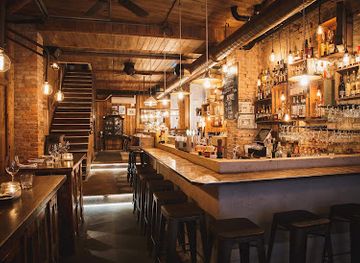
A snug, late‑night burger and bar spot in central Gothenburg serving handmade patties, hearty sides and a compact drinks list in a cosy wood-accented interior.
11 min walk · 0.9 km from city centre
-
Fine Dining
Heaven 23
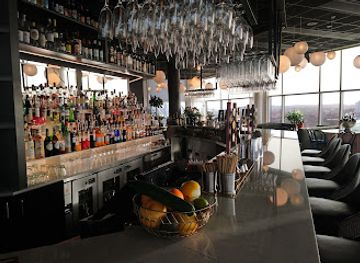
Sky-high dining with Gothenburg's skyline, legendary shrimp sandwiches, and cocktails that linger long after sunset.
5 min drive · 1.5 km from city centre
-
Hamburger
2112
Smash burgers and metal anthems collide in Gothenburg's rock-fueled burger bar on Magasinsgatan—late nights, no reservations on weekends, pure heavy energy.
11 min walk · 0.9 km from city centre
-
Seafood
Sjöbaren Fish Seafood
Classic Gothenburg seafood in cosy Haga — oysters, langoustines and a famed fish soup served in a warm, wood‑lined setting and sheltered courtyard.
5 min drive · 1.5 km from city centre

Best bars in Gothenburg
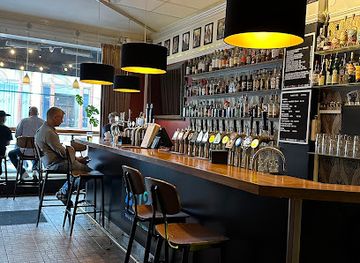
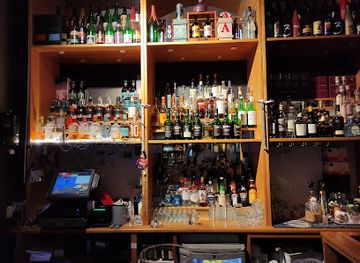
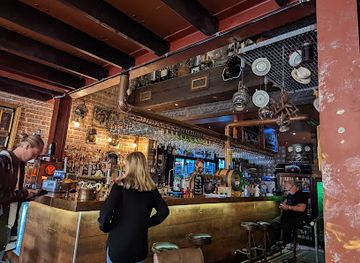
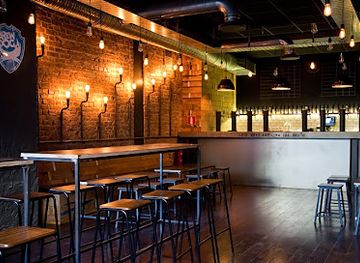
Gothenburg’s evenings are spread across several districts rather than concentrated in one entertainment quarter. Around Järntorget and Andra Långgatan, relaxed bars, pubs and live-music venues attract a mixed local crowd, while Linné has restaurants and bars suited to a longer evening. Kungsportsavenyen, usually called Avenyn, offers larger venues, cocktail bars and clubs, though its atmosphere varies considerably from one establishment to another. Pustervik is an established setting for concerts and cultural events, and the city’s theatres and concert halls provide alternatives to clubbing. Majorna has a more informal bar scene, often connected with music and independent culture. Swedish licensing rules and venue policies can be specific, so nightlife tends to reward checking current arrangements rather than assuming that every place follows the same schedule.
-
Pub
Ölrepubliken
Gothenburg's ultimate beer republic: 30 taps, endless bottles, and pub food that punches above its weight in a classic beer hall setting.
10 min walk · 0.8 km from city centre
-
Bar
Steampunk Bar
Nordens första steampunk-bar: rykande gin-cocktails, kugghjulsmagi och industriell charm i Göteborgs nattliv.
15 min walk · 1.2 km from city centre
-
Bar
BrewDog Göteborg
A bustling, beer-forward bar on Kungsgatan — big taps, bold burgers and a relaxed, social atmosphere for groups and craft-beer fans.
14 min walk · 1.1 km from city centre
-
Pub
Kungstorgets Brygghus
Gothenburg's central pub haven for craft drafts, hearty bites, and non-stop square-side energy from lunch till late.
8 min walk · 0.6 km from city centre
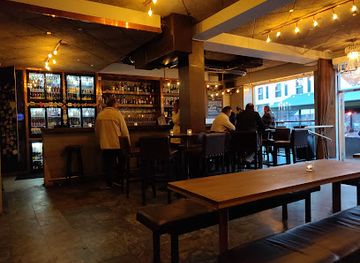
Best nightclubs in Gothenburg
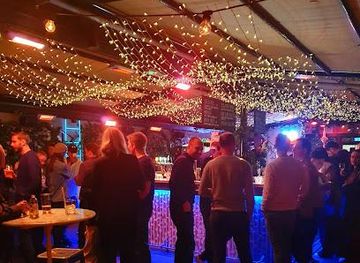
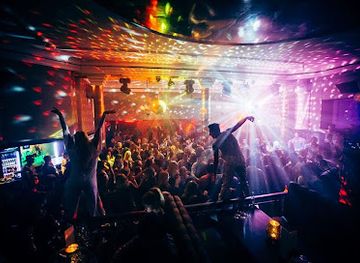
Gothenburg’s evenings are spread across several districts rather than concentrated in one entertainment quarter. Around Järntorget and Andra Långgatan, relaxed bars, pubs and live-music venues attract a mixed local crowd, while Linné has restaurants and bars suited to a longer evening. Kungsportsavenyen, usually called Avenyn, offers larger venues, cocktail bars and clubs, though its atmosphere varies considerably from one establishment to another. Pustervik is an established setting for concerts and cultural events, and the city’s theatres and concert halls provide alternatives to clubbing. Majorna has a more informal bar scene, often connected with music and independent culture. Swedish licensing rules and venue policies can be specific, so nightlife tends to reward checking current arrangements rather than assuming that every place follows the same schedule.
-
Night club
Yaki-Da Restaurang & Nattklubb
Gothenburg's legendary public house: late-night bistro bites, live bands, and world-class clubbing in one electrifying venue.
11 min walk · 0.8 km from city centre
-
Night club
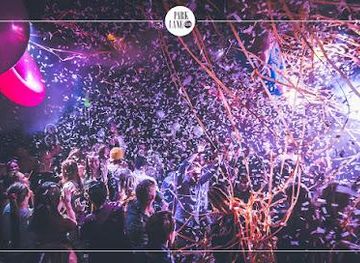
Park Lane
Göteborg's electrifying nightlife king: dinner shows, celebrity DJs, and all-night parties on vibrant Avenyn—where legends like Zlatan and Mick Jagger have danced till dawn.
15 min walk · 1.2 km from city centre
-
Gay night club
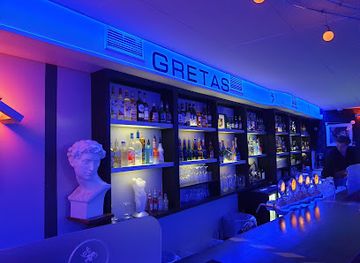
Gretas
Sweden's oldest gay club pulses with disco downstairs, house upstairs—dance till dawn in Gothenburg's inclusive nightlife haven since 1997.
7 min walk · 0.6 km from city centre
-
Night club
Valand
Experience Gothenburg's vibrant nightlife at Valand, a premier night club and restaurant offering exceptional dining and electrifying events.
12 min walk · 0.9 km from city centre
Best shops in Gothenburg
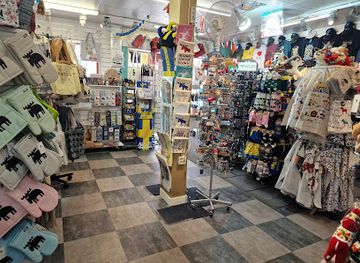
Shopping in Gothenburg combines independent urban retail with traditional food and craft culture. Haga’s pedestrian streets are lined with small design shops, vintage retailers, cafés and businesses selling Swedish gifts, while the centre around Magasinsgatan and Vallgatan has boutiques, Scandinavian interiors and fashion. Nordstan provides a large indoor shopping complex beside Central Station, and Kungsportsavenyen offers a mixture of established retailers, galleries and cafés. For food-oriented browsing, Saluhallen near Kungstorget has vendors associated with Swedish and international ingredients, while shops around the city sell coffee, confectionery, preserves and west-coast seafood products. Design-conscious visitors will find locally made ceramics, textiles, glassware and home accessories reflecting Gothenburg’s connection with Swedish craft and contemporary design. Opening patterns vary, particularly for smaller independent businesses.
-
Souvenir store
Swedish Souvenir Haga
A cosy Haga Nygata souvenir and craft shop where local ceramics, textiles and Swedish keepsakes sit beside classic gifts in a warm, village‑scale setting.
19 min walk · 1.5 km from city centre
-
Department store
NK Göteborg
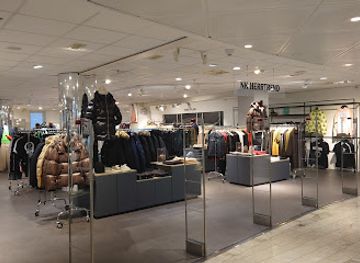
Explore NK Göteborg, the iconic department store in Gothenburg, offering luxury shopping, gourmet food, and a taste of Swedish culture in every visit.
6 min walk · 0.5 km from city centre
-
Souvenir store
Haga of gothenburg
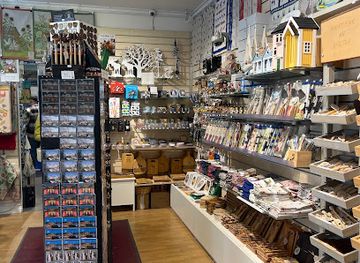
A compact artisan souvenir shop on Haga Nygata, offering locally made ceramics, folk art and design gifts in Gothenburg’s oldest neighbourhood.
5 min drive · 1.5 km from city centre
-
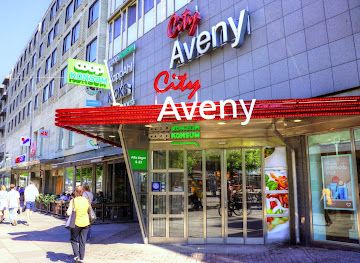
Shopping mall
City Avenue
Compact city-center haven on Gothenburg's grand Avenyn: boutiques, bites, and supermarket essentials in one accessible spot.
13 min walk · 1.1 km from city centre
Get your free copy of our complete guide to Gothenburg, delivered straight to you.
Everything on this page, from attractions and restaurants to essentials and local phrases, in one PDF you can read offline, print or share.
Already have an account? Sign in
Your Gothenburg guide is ready.
We'll send it to · Not you? Sign out

Getting your guide ready…
We are putting together a fresh copy of the Gothenburg guide. This can take up to a minute.
This can take a few moments. If your browser asks, choose Allow so the download can start. You'll find the guide in your Downloads folder.
Nothing happened? Download it again
Sorry, the guide is taking longer than usual. Please try again in a minute, or get it by email instead.
Gothenburg essentials
Currency and Payment
Safety
Emergency Situations
Do's and Don'ts
Local Tips
From Eve
Local phrases worth knowing
You don't need to get them perfect. A few words go a long way, and locals appreciate the effort.
Basics
| English | Local | Say it |
|---|---|---|
| Hello | Hej | [hey] |
| Goodbye | Adjö | [ad-yö] |
| Yes | Ja | [ya] |
| No | Nej | [nay] |
| Please/You're welcome | Snälla/Tack | [snell-ah/tack] |
| Thank you | Tack | [tack] |
| Excuse me/Sorry | Ursäkta/Förlåt | [ur-sek-ta/förlåt] |
| How are you? | Hur mår du? | [hur mor doo] |
| Fine. And you? | Bra. Och du? | [bra. ock doo] |
| Do you speak English? | Talar du engelska? | [talar doo engelska] |
| I don't understand | Jag förstår inte | [yah för-stor eenteh] |
Eating & Drinking
| English | Local | Say it |
|---|---|---|
| I'd like to see the menu, please | Jag skulle vilja se menyn, tack | [yah skool-eh vil-ya seh men-oon, tack] |
| I don't eat meat | Jag äter inte kött | [yah eet-er eenteh chutt] |
| Cheers! | Skål! | [skawl] |
| I would like to pay, please | Jag skulle vilja betala, tack | [yah skool-eh vil-ya bet-ah-lah, tack] |
Emergencies
| English | Local | Say it |
|---|---|---|
| Help! | Hjälp! | [yelp] |
| Go away! | Gå bort! | [go bort] |
| Call the Police! | Ring polisen! | [ring pol-eesen] |
| Call a doctor! | Ring en läkare! | [ring en leh-ka-reh] |
| I'm lost | Jag är vilse | [yah air veels-eh] |
| I'm ill | Jag är sjuk | [yah air syook] |
Shopping
| English | Local | Say it |
|---|---|---|
| I'd like to buy... | Jag skulle vilja köpa... | [yah skool-eh vil-ya shur-pah...] |
| I'm just looking | Jag tittar bara | [yah tee-tar baara] |
| How much is it? | Hur mycket kostar det? | [hur my-ket kostar deht] |
| That's too expensive | Det är för dyrt | [deht air för deert] |
| Can you lower the price? | Kan du sänka priset? | [kan doo sänka pre-set] |
Time & Numbers
| English | Local | Say it |
|---|---|---|
| What time is it? | Vad är klockan? | [vad air klok-an] |
| It's one o'clock | Klockan är ett | [klok-an air ett] |
| Half past (10) | Halv (10) | [halv (tio)] |
| Morning | Morgon | [mor-gon] |
| Afternoon | Eftermiddag | [ef-ter-mee-dag] |
| Evening | Kväll | [kvell] |
| Yesterday | Igår | [ee-gor] |
| Today | Idag | [ee-dag] |
| Tomorrow | Imorgon | [ee-mor-gon] |
| 1 | Ett | [ett] |
| 2 | Två | [tvo] |
| 3 | Tre | [treh] |
| 4 | Fyra | [fyra] |
| 5 | Fem | [fem] |
| 6 | Sex | [sex] |
| 7 | Sju | [shoo] |
| 8 | Åtta | [ot-ta] |
| 9 | Nio | [nee-o] |
| 10 | Tio | [tee-o] |
Transport & Directions
| English | Local | Say it |
|---|---|---|
| Where's a/the...? | Var finns en...? | [var fins en] |
| What's the address? | Vad är adressen? | [vad air ad-ress-en] |
| Can you show me (on the map)? | Kan du visa mig (på kartan)? | [kan doo vee-sa me (po kart-an)] |
| When's the next (bus)? | När går nästa (buss)? | [nair gor nes-ta (boos)] |
| A ticket (to ....) | En biljett (till ....) | [en bee-lyet (teel)] |
History of Gothenburg
A Strategic Port on the Göta älv
Gothenburg was founded by King Gustav II Adolf in 1621, although earlier attempts to establish a settlement at the Göta älv estuary had taken place. Sweden wanted a secure western port that could provide access to the North Sea and strengthen trade away from Danish-controlled territory. Dutch engineers influenced the city’s early design, including its defensive system, canals and regular streets. Fortifications such as Skansen Lejonet and Skansen Kronan formed part of the wider defence of the settlement, although the city’s original bastions were later removed as Gothenburg expanded. Its position at the mouth of Sweden’s greatest river made the new town both a commercial gateway and a military asset.
Canals, Commerce and the Swedish East India Company
During the eighteenth century Gothenburg developed into an important centre for international commerce. The Swedish East India Company, established in 1731, sent ships from the port to markets in Asia, bringing tea, porcelain, silk and other goods into Sweden. Wealth generated through shipping and trade influenced the city’s merchants, warehouses and civic institutions, while the harbour connected Gothenburg to a much wider network of European and global exchange. The company’s period ended in the early nineteenth century, but its legacy remains part of the city’s maritime history and is interpreted through the Museum of Gothenburg, housed in the former Swedish East India Company building.
Industrial Growth and a Maritime Economy
The nineteenth century brought rapid industrialisation and population growth. Shipbuilding, engineering, textiles and food processing expanded around the river and harbour, while improved transport strengthened Gothenburg’s importance as a commercial centre. The arrival of railway connections helped link the port with inland Sweden, and substantial civic investment produced boulevards, stone buildings and cultural institutions beyond the older canal city. Industrial communities also developed in districts such as Majorna, where workers’ housing and proximity to shipyards shaped local identity. Gothenburg’s modern character emerged from this combination of international shipping, manufacturing and an increasingly diverse urban population.
A City of Shipping and Engineering
In the late nineteenth and early twentieth centuries Gothenburg became closely associated with large-scale maritime and engineering industries. Shipyards along the Göta älv employed thousands, while companies including SKF, founded in Gothenburg in 1907, contributed to the city’s reputation for technical innovation. Volvo was established here in 1927, adding automobile manufacturing to the industrial landscape. Prosperity supported the creation of public cultural institutions, including the Gothenburg Museum of Art, whose collection and building reflect the city’s growing ambitions. Industrial work also influenced housing, labour organisation and migration, leaving social as well as economic marks on neighbourhoods across the city.
War, Neutrality and Post-war Change
Sweden remained neutral during the First and Second World Wars, but Gothenburg’s port and maritime industries were affected by shortages, disrupted trade and the risks of wartime shipping. After 1945, the city entered a period of reconstruction and modernisation. Manufacturing, shipbuilding and vehicle production expanded, while new housing and roads altered the urban edge. From the 1970s, however, international competition contributed to the decline of much traditional shipbuilding. The closure of major yards transformed the riverfront, prompting new approaches to redevelopment, higher education, culture and public space rather than leaving the waterfront defined solely by heavy industry.
A Contemporary West Coast City
Since the late twentieth century Gothenburg has broadened its identity beyond manufacturing and shipping. Former industrial areas have gained new residential, educational and cultural uses, while the harbour remains an important working port. Chalmers University of Technology, the University of Gothenburg, design institutions and a growing restaurant culture contribute to the city’s contemporary profile. Gothenburg’s public life is also shaped by large cultural events, Liseberg and a strong relationship with the surrounding coast. The result is a city where traces of fortifications, merchant wealth and industrial labour remain visible alongside modern architecture, environmental initiatives and everyday life on the waterfront.
Travel experiences inspired by this city
-
 12 Day Trip
Family Adventure in Gothenburg: Exploring Sweden's Coastal Gem
Join our family as we explore Gothenburg's parks, cuisine, and culture, staying at a central hotel perfect for family adventures.
12 Day Trip
Family Adventure in Gothenburg: Exploring Sweden's Coastal Gem
Join our family as we explore Gothenburg's parks, cuisine, and culture, staying at a central hotel perfect for family adventures.
 20 Apr 2025
By Ivan Zubčić -
 8 Day Trip
Family Adventure in Gothenburg: Exploring Culture and Nature
Join us for a family adventure in Gothenburg, exploring culture and nature in Sweden's charming coastal city.
8 Day Trip
Family Adventure in Gothenburg: Exploring Culture and Nature
Join us for a family adventure in Gothenburg, exploring culture and nature in Sweden's charming coastal city.
 5 Apr 2025
By Jennifer Smith
Swipe for more travel diaries
Gothenburg in Photos
Browse through our photo collection highlighting the charm and character of the destination.
Cities near Gothenburg
The closest cities to Gothenburg, if you have time for more than one stop.
-

-

-

-

-


Swipe for more cities