Gannarve Ship Grave, Gotland Travel Guide
Bronze Age stone ship grave on Gotland's coast: a 29m vessel of granite standing sentinel over the Baltic, whispering of ancient voyages to the afterlife.
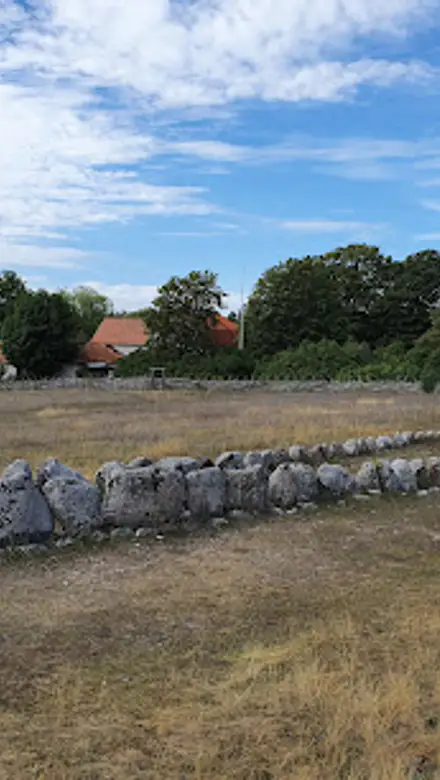
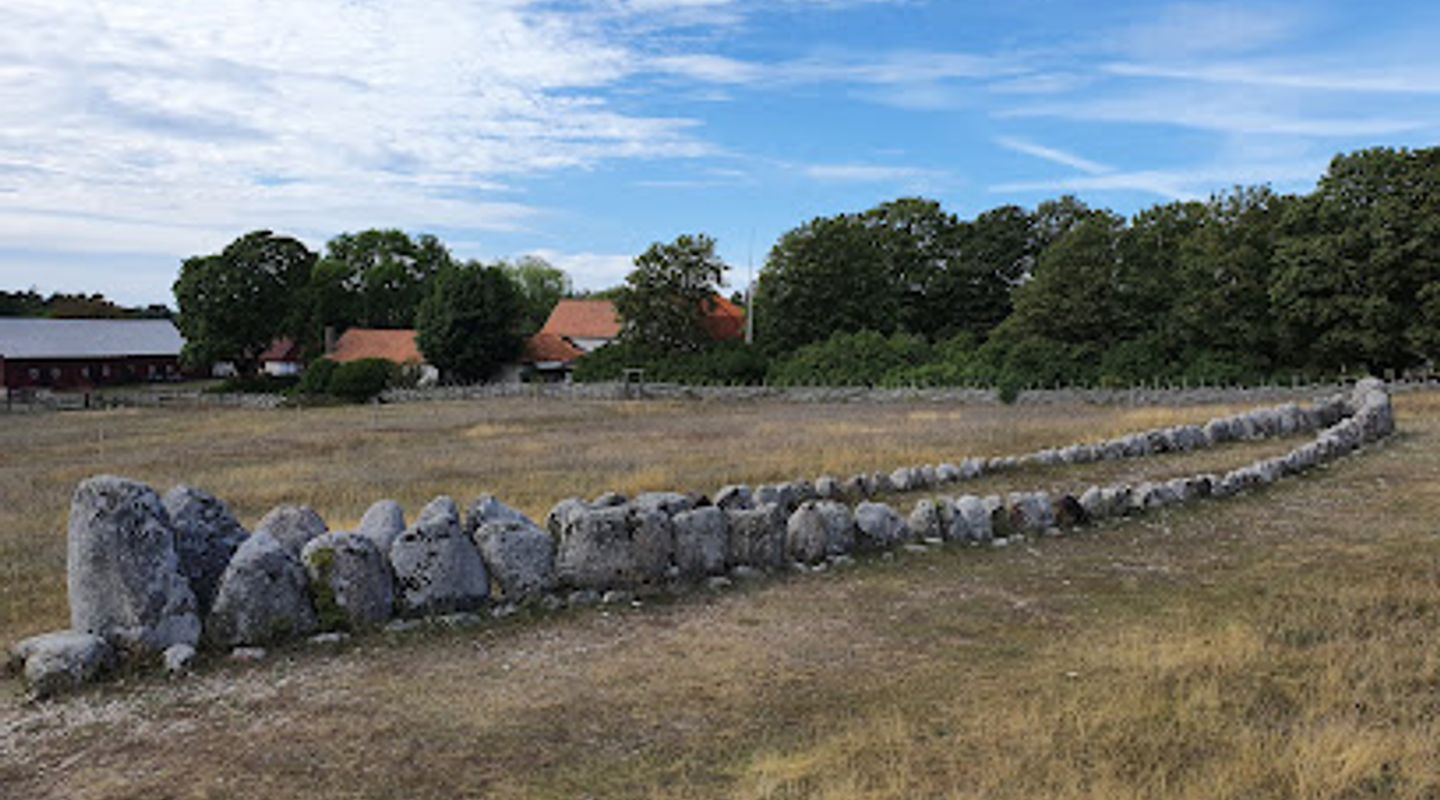
Perched on Gotland's rugged west coast near Klintehamn, the Gannarve Ship Grave is a striking Bronze Age monument formed by massive standing stones outlining a 29-meter-long ship shape. Dating to 1100–500 BC, this elite burial site symbolizes the island's ancient seafaring culture and spiritual beliefs, offering panoramic sea views amid open fields. Free to visit anytime, it's an evocative glimpse into prehistoric rituals where high-status individuals were laid to rest in stone vessels meant to sail into the afterlife.
A brief summary to Gannarve Ship Grave
- Klintehamn, 623 55, SE
- Click to display
- Duration: 0.5 to 1.5 hours
- Free
-
 Outdoor
- Mobile reception: 4 out of 5

Know before you go
Hi, I'm Eve. Here are a few practical things to know before exploring Gannarve Ship Grave.
- Visit at dawn or dusk for dramatic lighting that accentuates the stone outlines against the sea horizon.
- Bring a windproof layer; exposed coastal gusts can be brisk even in summer.
- Combine with nearby Gnisvärd ship graves for a full day of Bronze Age exploration.
Do you manage this location?
Take control to get all the benefits, like improved information, better appearance, and stronger visibility across AI-powered discovery. Learn more about listing your business on Evendo
Activate your presenceOther nearby places you may find interesting
The closest places of the same kind, if this one is not quite what you had in mind.
Explore Gannarve Ship Grave on the Map
A handpicked selection of must-see spots near Gannarve Ship Grave, mapped for you.
Getting There
-
Driving
From Visby, follow Route 140 west for 35-45 minutes to Klintehamn; turn toward the coast at marked signs for free roadside parking directly at the site, available anytime but limited to 4-5 cars.
-
Bus
Take Kalmar Länstrafik bus 20 from Visby Västerport to Klintehamn (40-50 minutes, SEK 50-80 one-way); walk 1.2 km south along the main road on flat terrain to the site, services hourly in summer.
-
Biking
Cycle from Klintehamn center via coastal path, 10-15 minutes on paved roads with gentle inclines; bike racks available at the parking area, suitable for standard bikes.
For the on-the-go comforts that matter to you
-
 Seating Areas
-
 Trash Bins
-
 Information Boards
Discover more about Gannarve Ship Grave
Stone Vessel of the Bronze Age
The Gannarve Ship Grave commands attention with its imposing outline of large granite standing stones arranged in the precise form of a ship, measuring 29 meters in length and 5 meters in width. Constructed at the tail end of the Bronze Age, between 1100 and 500 BC, this structure served as a monumental tomb for a person of exceptional status in Gotland's early society. The stones, some towering over a meter high, create a bow, stern, and strakes that mimic a seafaring vessel, reflecting the profound maritime heritage of these coastal dwellers.Unlike simpler graves, this ship's scale and solitude mark it as a pinnacle of prehistoric engineering, built to endure millennia exposed to Baltic winds and salty air.Maritime Symbolism in Stone
Gotland's landscape is dotted with around 350 similar ship settings, but Gannarve stands out for its size and prominent position overlooking the sea. These boat-shaped graves underscore the centrality of ships to Bronze Age life on the island, which lay along vital trading routes across the Baltic. Scholars interpret the uniform orientation of these stone ships—often facing southeast—as a symbolic journey ferrying the deceased to mythological realms beyond the horizon.Cremated remains would have been placed within, accompanied by grave goods like bronze tools, evoking beliefs in an afterlife voyage. The Gannarve example, isolated in its field, amplifies this sense of eternal passage.Gotland's Burial Legacy
This site fits into Gotland's rich tapestry of ancient burials, from massive cairns at Gålrum to clustered gravefields nearby. Social hierarchies are evident: elite individuals merited such grand ships, while others received modest pits. The island's Bronze Age settlers lived in small coastal hamlets and farms, their graves revealing influences from distant trades—bronze razors, tweezers, and lurs hint at connections far beyond Scandinavia.Gannarve's endurance speaks to the permanence these people sought, their stone ships defying time and tide.Sweeping Coastal Vistas
Positioned on a gentle rise south of Klintehamn, the grave offers unobstructed views across rolling fields to the restless Baltic Sea. On clear days, the horizon stretches endlessly, mirroring the seafaring dreams encoded in the stones. The surrounding terrain—open pastures grazed by sheep, fringed by sparse woods—enhances the monument's isolation, inviting quiet reflection on lives shaped by wind and wave.Seasonal changes transform the scene: summer greens yield to autumn golds, while winter frosts lend a stark, ancient austerity.Enduring Mysteries of Ritual
What ceremonies unfolded here three millennia ago? Fire-lit processions, chants carrying over the waves, offerings consigned to flames—such visions arise from the site's silent form. Later eras respected its power; Viking-age rune stones appear at kindred sites, suggesting lingering sacredness. Today, Gannarve invites modern explorers to ponder these rituals, bridging epochs in a single, windswept glance.












Your all‑in‑one travel companion app
Explore expert travel guides, compare and book tours, experiences, hotels, and more—all from the palm of your hand. Download now for seamless trip planning wherever your wanderlust takes you.


Explore More of Gotland
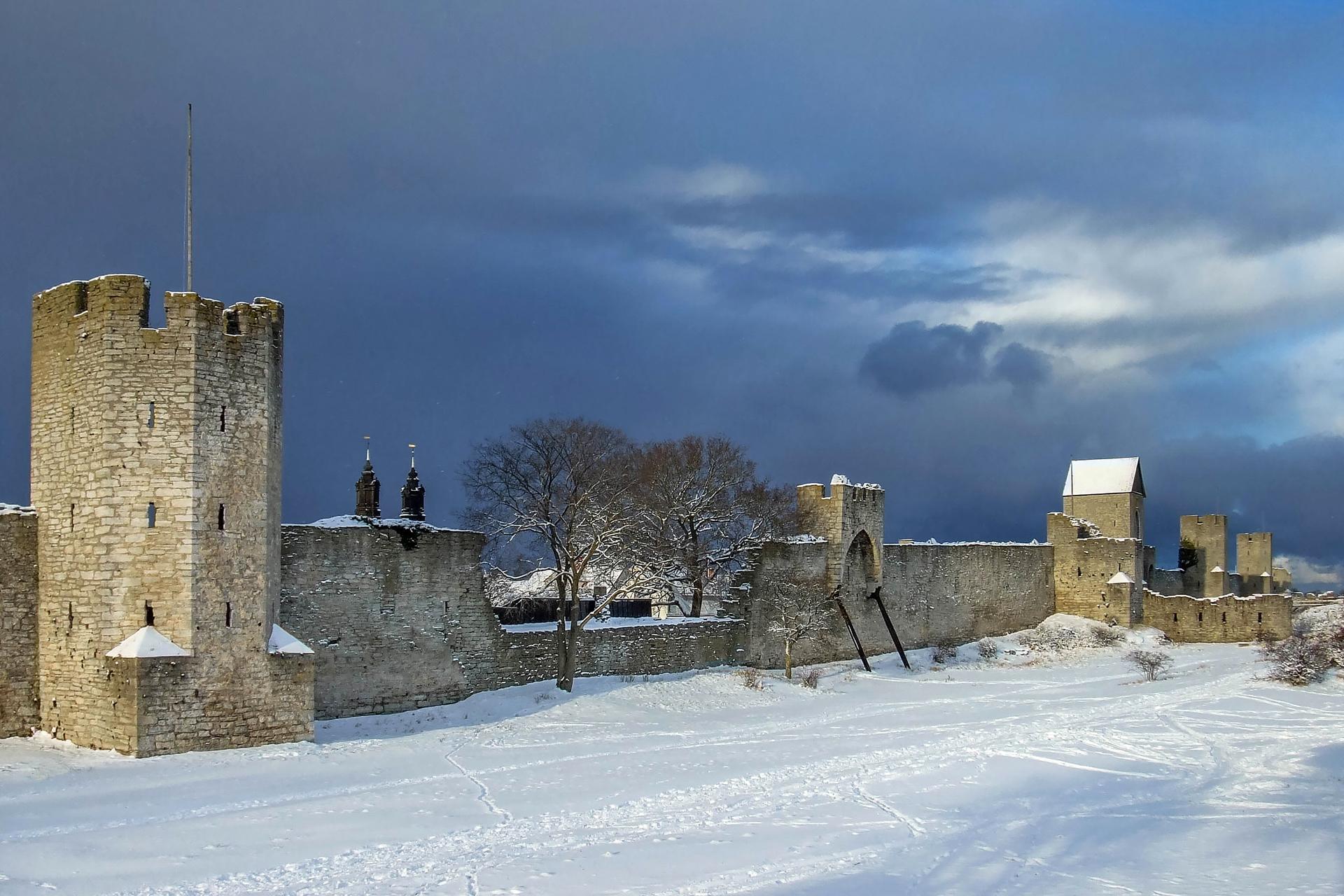
Looking beyond Gannarve Ship Grave? Discover Gotland for broader travel guides, local hot-spots, and regional highlights.
Explore Gotland
Perched on Visby's ancient ring wall, Kvarntornet the Mill Tower guards medieval secrets with stoic grace, offering vistas of Hanseatic splendor.
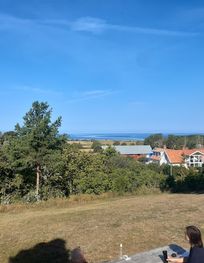
A compact medieval kastal on western Gotland — low, solid stone set in windswept coastal heath, where defence and burial meet the sea.