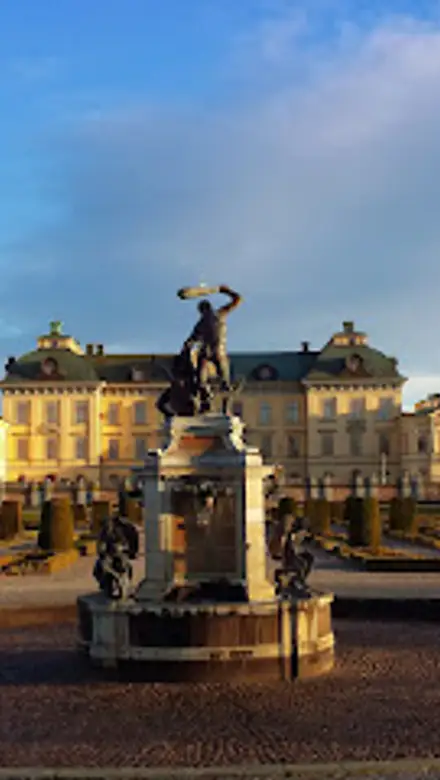
Drottningholm Palace Travel Guide
Free Guide: A living royal palace with baroque grandeur, rococo interiors, an 18th‑century theatre and sculpted gardens on Lake Mälaren.


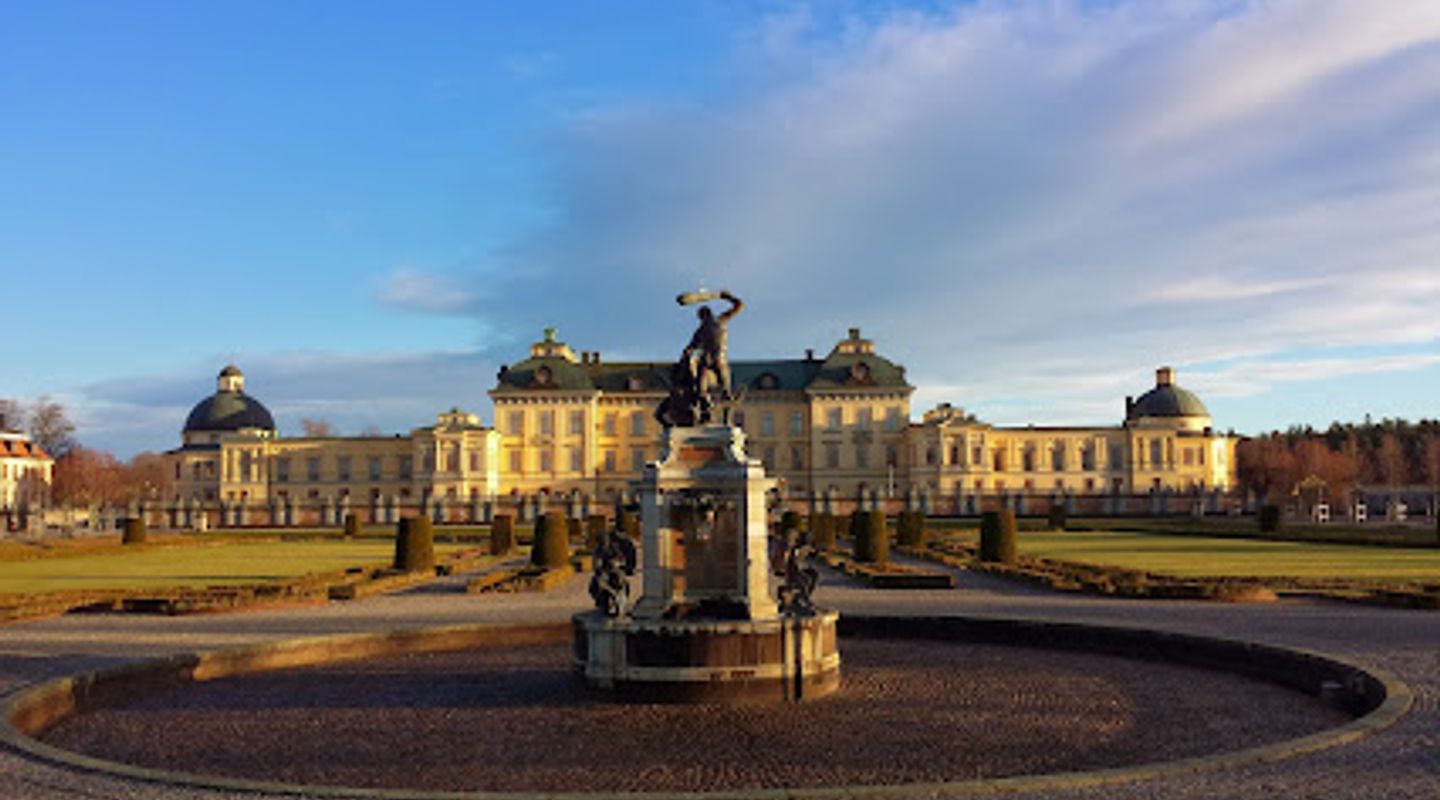
A brief summary of Drottningholm Palace
A living royal palace with baroque grandeur, rococo interiors, an 18th‑century theatre and sculpted gardens on Lake Mälaren.
A UNESCO World Heritage royal estate on the shores of Lake Mälaren, Drottningholm Palace combines 17th‑ and 18th‑century baroque architecture, intimate rococo interiors, and extensive historic gardens — plus a Chinese Pavilion and an exquisite 18th‑century court theatre. It remains the King and Queen of Sweden’s private residence while offering museum‑style rooms, sculpted parterres and winding landscape gardens to the public.
On-site amenities
 Restrooms
 Drink options
 Food options
 Seating areas
 Information boards
 Visitor centre
 Trash bins
Opening hours
- Every day10 am–5 pm
Opening hours as listed on the venue’s Google Business Profile. Hours can change for services and special events, so check with the venue before you go.
- Address
- Drottningholm Palace, 178 93 Drottningholm
- Phone
- Website
Getting there
Regional bus from Stockholm
Ferry from central Stockholm
Regional train + local bus
Discover more about Drottningholm Palace
An imperial residence shaped by queens and architects
Drottningholm Palace was conceived in the late 1600s as a grand royal residence and remodelled across generations; its massing and façades recall Baroque ideals filtered through Swedish restraint. The layout retains a formal axis, reception wings and intimate chambers where decorative programmes reflect tastes ranging from the grandiosity of court ceremony to the delicate artistry of rococo salons. While parts of the southern wing remain private royal apartments, the public wings allow close inspection of gilded stucco, painted ceilings and lacquered furniture that chart changing ideas about power, taste and domestic life at court.
The gardens: geometry, water and a shift to romanticism
The palace is set within a multi‑layered landscape that moves from a parterre close to the building into fountains, cascades and a structured network of avenues. Beyond the formal axis the gardens open into an English‑style landscape with sculpted tree groups and wandering paths that create framed views across lawns and water. Fountains and clipped hedges stage both ceremony and leisure; in summer the parterre’s geometry reads best from the palace terraces, while autumn and winter reveal the underlying structure of walls, statues and pathways.
The Chinese Pavilion, Theatre and ancillary buildings
Set apart within the estate, the Chinese Pavilion is an 18th‑century chinoiserie pleasure house with painted interiors and a compact sequence of rooms that evoke the era’s taste for exoticism. Nearby, the Drottningholm Court Theatre — preserved with original stage machinery and candlelit atmosphere — remains one of the few 18th‑century European theatres still in working order. Service buildings, orangeries and garden follies across the domain illustrate how court life extended beyond formal rooms into craft, performance and horticulture.
Palace rooms and parklands
Stepping into the palace wings open to visitors is like moving through layers of lived history: a sequence of formal reception rooms, antechambers and decorative cabinets where colour, texture and light change from one chamber to the next. Outdoors, gravel walks, clipped parterres and tree‑lined avenues offer contrasts of scale and mood — from the bright, ornamental forecourt close to the palace to the quieter, more contemplative reaches of the landscape garden where birdsong and the rustle of leaves become dominant elements of the visit.
A working residence with ceremonial life
Drottningholm is both a public cultural site and the private residence of Sweden’s monarchs; occasional official receptions or palace activities can lead to temporary partial closures of areas. This dual role gives the estate a particular quality: the lived continuity of a royal household combined with museum‑grade preservation of historic interiors, furniture and decorative arts curated for public viewing.
Opening patterns and sensory notes
The estate’s character shifts with the seasons — spring brings fresh leaf green, summer fills beds and fountains, autumn gilds the trees and winter exposes the palace’s architectural silhouette against pale skies. Inside, low museum light and closely held objects create an intimate, archival feeling; outside, water, clipped geometry and changing light are the dominant impressions. The Chinese Pavilion and Court Theatre have more restricted seasonal openings, while the wider park is accessible year‑round, offering a layered itinerary of architecture, performance and garden design.
Evendo Review Centre
 Google
Guest reviews
Best time to go
Quietest: Jan, Feb & Dec · before 7am or from 9pm
Busy times are Evendo estimates for a typical year, to help you plan. Actual crowds vary with events, school holidays and the weather.
Explore Drottningholm Palace on the map
A handpicked selection of must-see spots near Drottningholm Palace, mapped for you.
Get your free copy of our complete guide to Drottningholm Palace, delivered straight to you.
Everything on this page, from opening hours and how to get there to Eve’s tips and the best time to go, in one PDF you can read offline, print or share.
Already have an account? Sign in
Your Drottningholm Palace guide is ready.
We'll send it to · Not you? Sign out

Getting your guide ready…
We are putting together a fresh copy of the Drottningholm Palace guide. This can take up to a minute.
This can take a few moments. If your browser asks, choose Allow so the download can start. You'll find the guide in your Downloads folder.
Nothing happened? Download it again
Sorry, the guide is taking longer than usual. Please try again in a minute, or get it by email instead.
Unlock the best of Drottningholm Palace
Skip-the-line tickets, guided tours with entry, and walking tours of the area, booked in a few clicks.


Other nearby places you may find interesting
The closest places of the same kind, if this one is not quite what you had in mind.
-
-
-
-
-


Swipe for more places
More to explore near Drottningholm Palace

 Best experiences near Drottningholm Palace
 Best hotels near Drottningholm Palace
 Best landmarks near Drottningholm Palace
 Best attractions near Drottningholm Palace
 Best shops near Drottningholm Palace
 Best restaurants near Drottningholm Palace
 Best bars near Drottningholm Palace
Do you manage this location?
Take control to get all the benefits, like improved information, better appearance, and stronger visibility across AI-powered discovery.
Explore more

Explore more of Scania
Discover the idyllic landscapes, rich history, and vibrant culture of Scania, the enchanting southern region of Sweden.
Explore Scania
Explore more of Sweden
Discover Sweden's breathtaking landscapes, vibrant cities, and rich cultural heritage. From the Northern Lights to historic castles, experience the essence of Scandinavia.
Explore Sweden