Göta Canal, Vastergotland Travel Guide
Sweden's hand-dug engineering marvel meets medieval charm at Söderköping's Mem lock, where serene canal waters flow into the Baltic Sea.
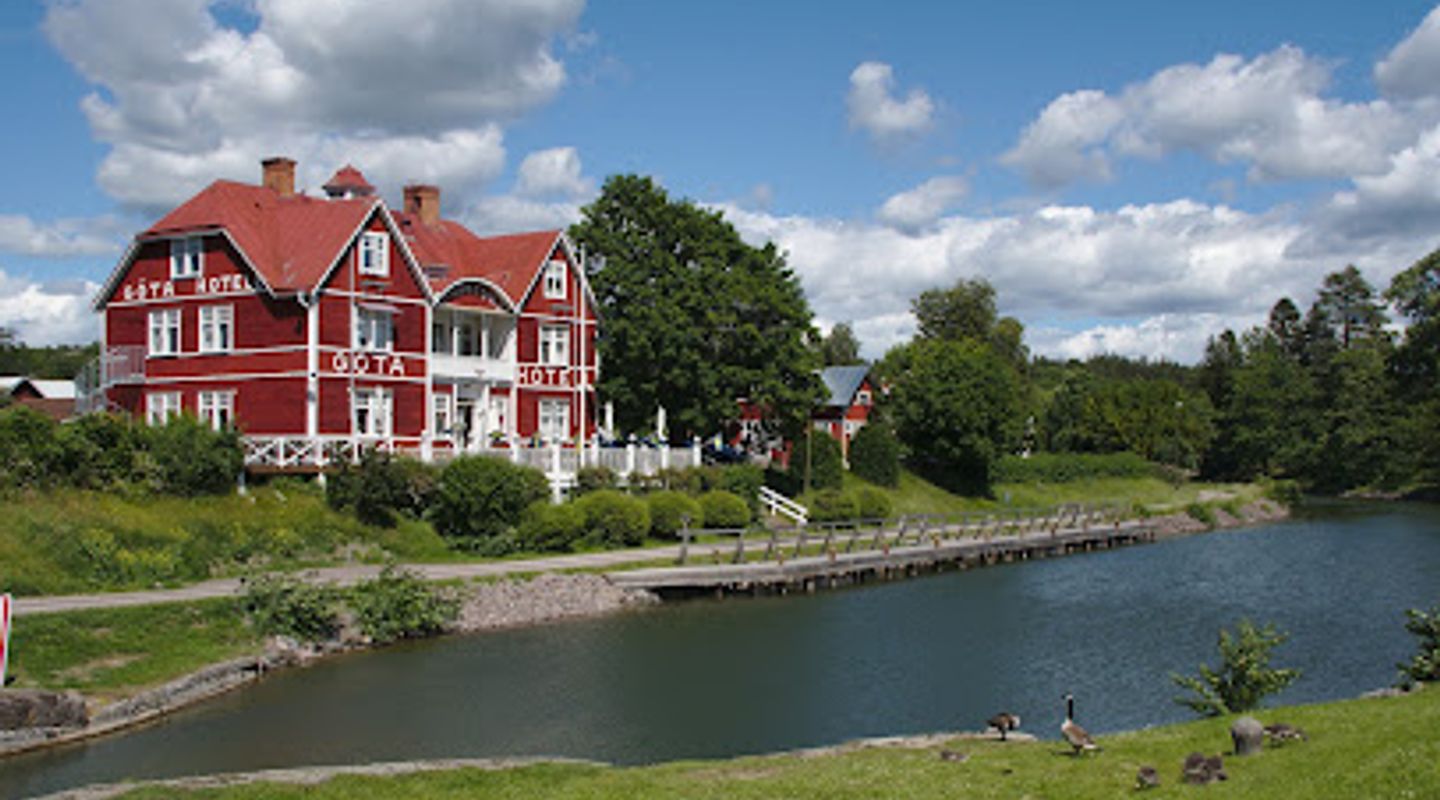
The Göta Canal at Söderköping marks the eastern terminus of Sweden's iconic 190 km waterway, where historic locks meet the charming medieval town. Watch boats navigate the Mem lock, stroll scenic towpaths, and soak in the engineering marvel dug largely by hand in the 19th century. Surrounded by picturesque countryside and the Baltic Sea archipelago, this spot blends serene waterside views with opportunities for cycling, walking, and boat gazing amid lush nature.
A brief summary to Göta Canal
- Söderköping, SE
- Click to display
- Click to display
- Duration: 1 to 3 hours
- Free
-
 Outdoor
- Mobile reception: 5 out of 5

Know before you go
Hi, I'm Eve. Here are a few practical things to know before exploring Göta Canal.
- Time your visit for boat lock-throughs in summer to see traditional vessels navigate the Mem lock up close.
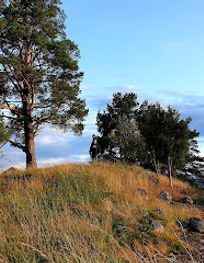
- Climb Ramunderberget for sweeping views of the canal, town, and archipelago—perfect for photos.
- Cycle the car-free towpaths toward Berg locks for a scenic half-day adventure.
- Spot the canal sheep grazing along the paths; they're a seasonal highlight.
- Visit in early May or late September for fewer crowds and crisp, colorful scenery.
Do you manage this location?
Take control to get all the benefits, like improved information, better appearance, and stronger visibility across AI-powered discovery. Learn more about listing your business on Evendo
Activate your presenceOther nearby places you may find interesting
The closest places of the same kind, if this one is not quite what you had in mind.
Explore Göta Canal on the Map
A handpicked selection of must-see spots near Göta Canal, mapped for you.
Getting There
-
Bus
From Norrköping, take Östgötatrafiken regional bus (line 11 or similar), 45-60 minutes, frequent daily service May-September, around 50-80 SEK one-way, drops near canal harbor.
-
Train
Arrive via SJ or Östgötatrafiken train from Linköping, 30-40 minutes, multiple daily departures, 60-100 SEK, station 800m walk on flat paths to Mem lock.
-
Car
Drive from Stockholm via E4, 2-2.5 hours, free parking at Kanalhamnen lots (limited spaces in peak summer), easy paved access.
-
Cycling
Follow dedicated Göta Canal bike paths from Motala, 4-6 hours for experienced riders, flat terrain with rest stops, bike rentals available locally.
For the on-the-go comforts that matter to you
-
 Restrooms
-
 Drink Options
-
 Food Options
-
 Seating Areas
-
 Trash Bins
-
 Information Boards
Discover more about Göta Canal
Engineering Triumph of the 19th Century
The Göta Canal stands as one of Sweden's greatest feats of engineering, stretching 190 kilometers from Sjötorp to Mem near Söderköping. Constructed between 1810 and 1832 under the direction of Baltzar von Platen, it involved 58,000 laborers who dug or blasted 87 kilometers by hand. At Söderköping, the Mem lock serves as the canal's gateway to the Baltic Sea, lifting or lowering vessels through a series of precise stone chambers.This section in Östergötland showcases the canal's ingenuity, weaving through rivers, lakes, and 58 locks total, with widths of 7-14 meters and a depth of about 3 meters. Speed limits to 5 knots preserve the tranquil pace, allowing appreciation of the hand-hewn stonework and oak-planked gates that have operated for nearly two centuries.Arrival at Mem Lock
In Söderköping, the canal culminates at Mem sluss, a pivotal lock where traditional boats like M/S Juno and M/S Wilhelm Tham complete their journeys. Visitors witness the rhythmic operation of these locks, where water levels shift dramatically, offering boats passage to the open sea. The surrounding harbor buzzes with activity in summer, as guest marinas accommodate vessels amid a backdrop of medieval architecture.The lock's position enhances Söderköping's allure as a historic port, once vital for Baltic trade alongside Visby and Kalmar. Today, it invites contemplation of the canal's original purpose: linking Sweden's interior lakes to coastal routes, bypassing Danish tolls in the Öresund.Scenic Towpaths and Surroundings
Flat, car-free towpaths line the canal, ideal for leisurely walks or cycling through verdant landscapes. Near Söderköping, paths lead past lush meadows, art installations like the whimsical Rabbit Crossing, and viewpoints overlooking the waterway. The adjacent Sankt Anna archipelago adds maritime charm, with gentle waves lapping against stone quays.Ramunderberget, a short climb away, provides panoramic vistas of the canal snaking through countryside, the town below, and distant Slätbaken bay. These paths reveal the canal's harmony with nature, passing wildflowers, grazing sheep, and quiet marinas that dot the route.Medieval Town Integration
Söderköping's medieval core envelops the canal, with cobblestone streets, colorful facades, and landmarks like St. Laurentii Church enhancing the waterside scene. The Kanalhamnen guest harbor serves as a lively hub, where historic canal boats dock against a skyline of half-timbered buildings from the 13th century.Once a thriving monastic center, the town retains its small-port idyll, with the canal fostering a sense of timeless continuity. Drothem quarter's picturesque lanes invite exploration, revealing how the waterway has shaped local life for generations.Seasonal Rhythms and Activities
From May to September, the canal awakens with passenger cruises, private boats, and cyclists. Locks operate daily, creating a symphony of creaking gates and rushing water. Off-season, frosted towpaths offer solitude, though navigation closes, shifting focus to winter walks amid bare trees.Activities abound: rent bicycles for segments like Borensberg to Berg, hike to nearby ruins, or simply observe the passage of vessels. The canal's legacy endures as a vital thread in Sweden's cultural fabric, drawing those seeking both history and natural beauty.












Your all‑in‑one travel companion app
Explore expert travel guides, compare and book tours, experiences, hotels, and more—all from the palm of your hand. Download now for seamless trip planning wherever your wanderlust takes you.


Explore More of Vastergotland
Looking beyond Göta Canal? Discover Vastergotland for broader travel guides, local hot-spots, and regional highlights.
Explore Vastergotland