
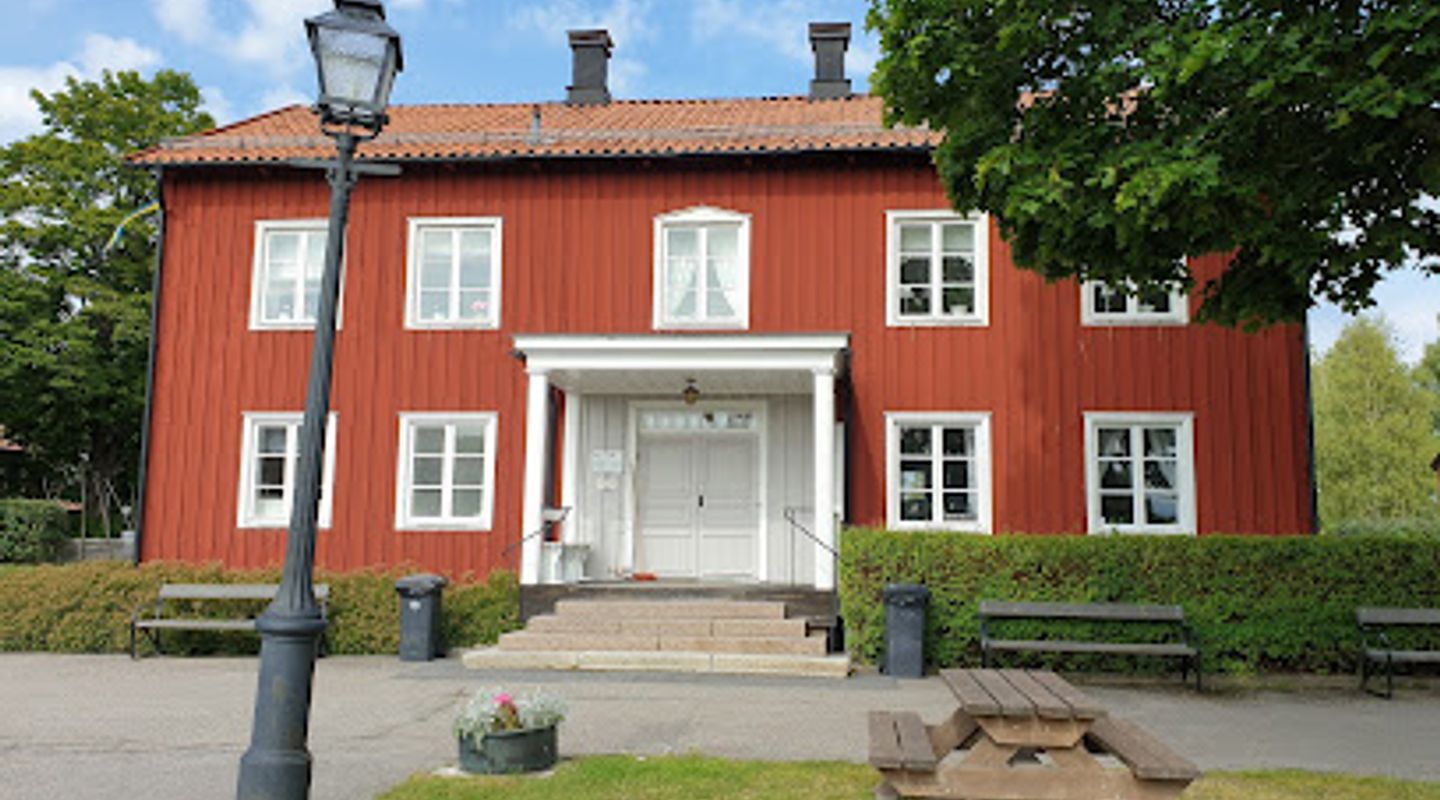
Ekomuseum Bergslagen, Vastmanland Travel Guide
Explore the world's largest ecomuseum: 750 km² of Sweden's iron heartland, from ancient forges to UNESCO ironworks and living industrial landscapes.
Ekomuseum Bergslagen is the world's largest ecomuseum, spanning 750 square kilometers across seven municipalities in central Sweden's historic Bergslagen iron region. Opened in 1986, it features around 60 self-guided sites showcasing over 2,000 years of iron production, from prehistoric forges to modern steelworks, UNESCO-listed ironworks, mining areas, historic railways, workers' homes, and Forest Finn settlements. Visitors explore independently by car, immersing in the landscape that shaped Sweden's industrial heritage.
A brief summary to Ekomuseum Bergslagen
- Nils Nils gata 7, Ludvika, 771 53, SE
- Click to display
- Click to display
- Duration: 2 to 8 hours
- Free
-
 Outdoor
- Mobile reception: 4 out of 5

Know before you go
Hi, I'm Eve. Here are a few practical things to know before exploring Ekomuseum Bergslagen.
- Download the Ekomuseum app or grab a map at the Ludvika visitor center to plot your route across the 60+ sites efficiently.
- Prioritize Engelsberg Ironworks and Lapphyttan for their UNESCO status and medieval significance; allocate a full day.
- Visit in summer for open sites and events, but check the calendar for seasonal access to outdoor exhibits.
- Combine with a Strömsholm Canal boat ride to contextualize industrial transport history.
- Wear sturdy shoes for uneven terrain at mining sites and wear layers for variable forest weather.
Do you manage this location?
Take control to get all the benefits, like improved information, better appearance, and stronger visibility across AI-powered discovery. Learn more about listing your business on Evendo
Activate your presenceOther nearby places you may find interesting
The closest places of the same kind, if this one is not quite what you had in mind.
Explore Ekomuseum Bergslagen on the Map
A handpicked selection of must-see spots near Ekomuseum Bergslagen, mapped for you.
Getting There
-
Car
Drive from Ludvika center, 5-minute trip, free parking at Nils Nils gata 7 headquarters and most sites; fuel costs around 200 SEK for full north-south traverse, roads paved but winding through forests.
-
Bus
Regional buses from Borlänge or Falun to Ludvika station, 45-60 minutes, 100-150 SEK one-way, then 10-minute walk to headquarters; limited frequency outside peak hours.
-
Train
SJ trains from Stockholm to Ludvika, 3 hours, 300-500 SEK, station 1 km from site with flat sidewalks; connect to local buses for distant sites.
-
Bicycle
Rent bikes in Ludvika for nearby sites like Ludvika Gammelgård, 20-40 minutes pedaling on mixed paths, 100-200 SEK/day; hilly terrain limits to southern cluster.
For the on-the-go comforts that matter to you
-
 Restrooms
-
 Drink Options
-
 Food Options
-
 Seating Areas
-
 Picnic Areas
-
 Trash Bins
-
 Information Boards
Discover more about Ekomuseum Bergslagen
Birth of a Vast Ecomuseum
Ekomuseum Bergslagen emerged in 1986 as a pioneering open-air museum in the heart of Bergslagen, Sweden's once-dominant iron-producing region. Covering 750 square kilometers from Lake Mälaren in the south to the Forest Finns' woodlands in the north, it unites seven municipalities: Ludvika, Smedjebacken, Fagersta, Norberg, Skinnskatteberg, Surahammar, and Hallstahammar. Two provincial museums from Dalarna and Västmanland contribute to this collaborative effort, creating a seamless tapestry of industrial history without traditional walls or gates.The concept of an ecomuseum emphasizes living landscapes where history unfolds in situ. Here, the terrain itself narrates the saga of human ingenuity harnessing natural resources. Recognized in 1998 with the Luigi Micheletti Award as Europe's finest industrial history museum, it stands as the world's largest ecomuseum, inviting self-directed discovery across three hours of driving from end to end.Iron's Enduring Legacy
At its core, Ekomuseum Bergslagen traces Bergslagen's iron production from 400 BC through millennia of innovation. Prehistoric sites evoke mythical ancient forges, while medieval advancements shine at Lapphyttan in Norberg, a type site for the medieval blast furnace dating to 1150-1350. This facility produced cast iron refined into wrought iron blooms, marking a pivotal shift in metallurgy.The 17th-century Engelsberg Ironworks, a UNESCO World Heritage Site since 1993, exemplifies high-tech charcoal iron production with preserved blast furnaces, forges, and manor house. Visitors witness the evolution to 19th-century rolling mills, electric power stations, and contemporary steel enterprises, all linked by the vital Strömsholms Canal transportation route.Diverse Sites of Survival
Beyond ironworks, the ecomuseum reveals multifaceted human stories. Mining areas like Grängesbergsgruvan expose underground labors, complemented by local museums such as Ludvika Gammelgård and Finngammelgården. These preserve workers' homes in Ludvika and Grängesberg, alongside simple Forest Finn cottages near Grangärde, highlighting immigrant contributions to forestry and settlement.Historic transport infrastructure adds layers: the Engelsberg-Norberg Railway and Grängesberg Railway Museum document rail's role in industrial expansion. Castles like Strömsholm Palace overlook the canal's locks, blending aristocratic oversight with proletarian toil. Klenshyttan and Hammarbacken in Ludvika offer intimate glimpses into smelting and community life.Landscape as Living Exhibit
Traversal defines the experience; visitors navigate public roads through forests, past lakes, and over hills, stopping at marked sites with interpretive signage in multiple languages. The undulating terrain mirrors the resource-rich geology that fueled Sweden's iron dominance, from bog iron extraction to high-grade ore processing.Seasonal contrasts enhance immersion: summer reveals verdant paths and blooming meadows, while winter blankets forges in snow, echoing harsh working conditions. Audio guides and brochures enhance understanding, but the raw environment—creaking woods, rusting machinery, canal waters—provides sensory depth unmatched by enclosed exhibits.Modern Relevance in Historic Echoes
Today, Ekomuseum Bergslagen bridges past and present, with active steel businesses alongside ruins. It underscores sustainable resource use lessons, as Bergslagen's forests regenerate after centuries of charcoal production. Events and guided tours at select sites animate the static relics, fostering appreciation for engineering feats that built modern Sweden.












Your all‑in‑one travel companion app
Explore expert travel guides, compare and book tours, experiences, hotels, and more—all from the palm of your hand. Download now for seamless trip planning wherever your wanderlust takes you.


Explore More of Vastmanland
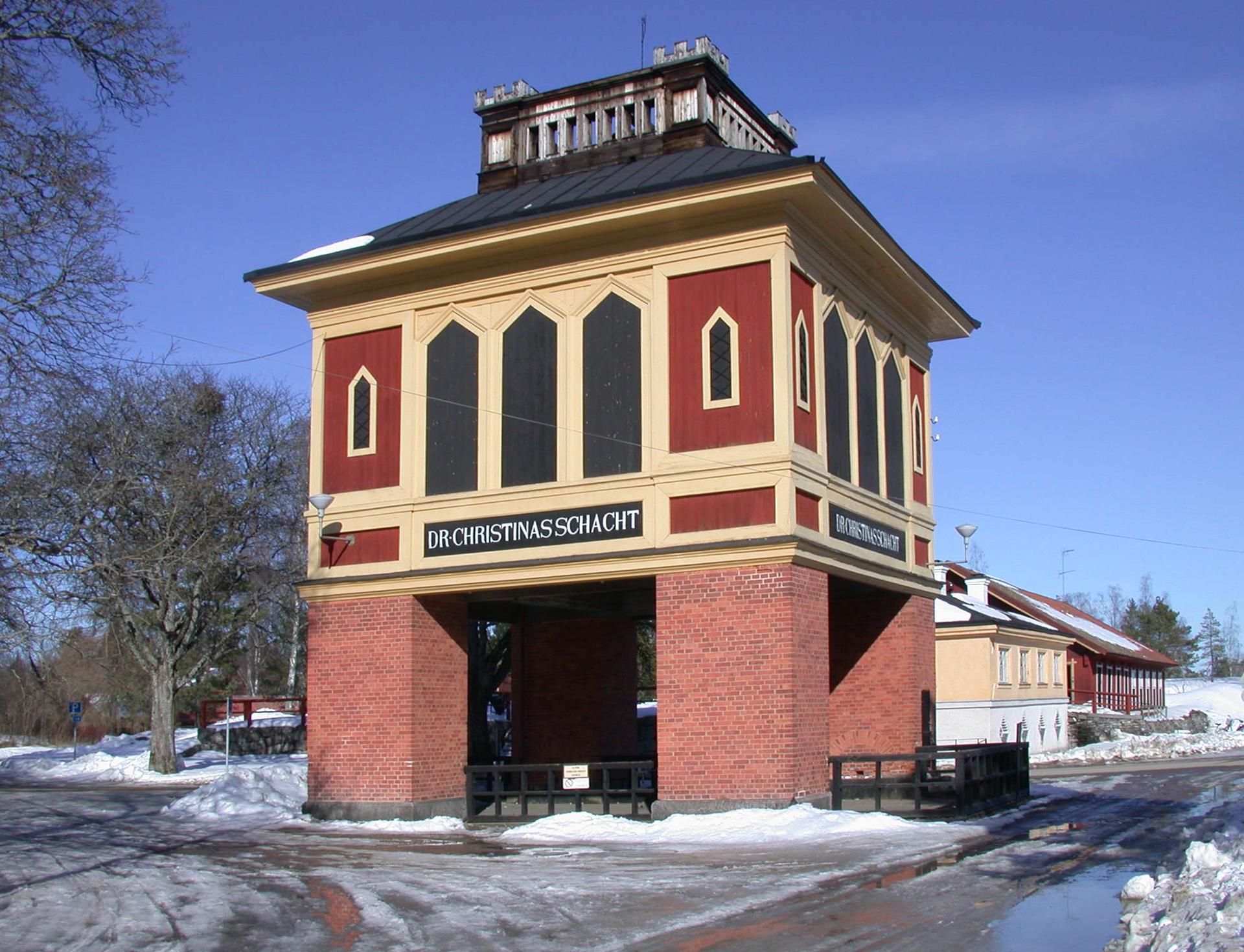
Looking beyond Ekomuseum Bergslagen? Discover Vastmanland for broader travel guides, local hot-spots, and regional highlights.
Explore Vastmanland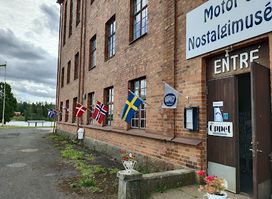
A cosy, privately run motor museum by Lake Södra Hörken showcasing cars, bikes, machines and nostalgic shop interiors from the 20th century.

Explore the world's largest ecomuseum: 750 km² of Sweden's iron heritage, from ancient mines to UNESCO ironworks and forest trails.
