

Lenzerheide, Switzerland Travel Guide
Discover Lenzerheide, Switzerland’s hidden gem, offering year-round outdoor adventures, breathtaking alpine views, and authentic Swiss culture.
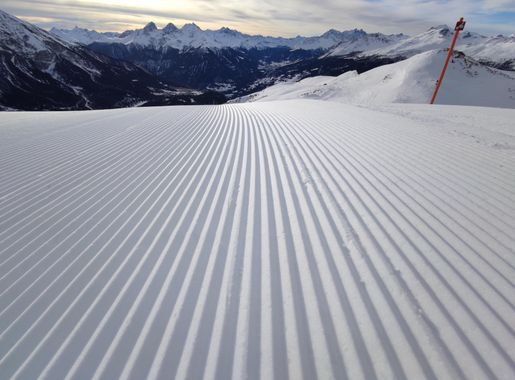
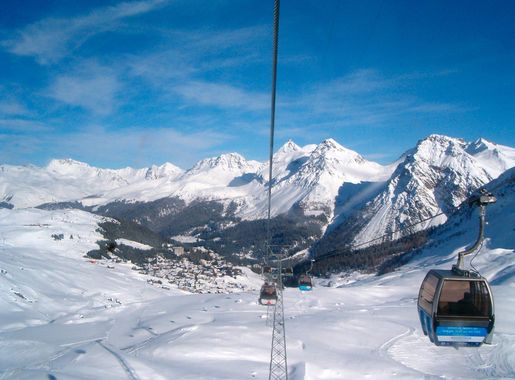
Nestled in the heart of the Swiss Alps, Lenzerheide is a charming village that offers a perfect blend of natural beauty and outdoor adventure. Whether you’re visiting in the winter for world-class skiing or in the summer for hiking and mountain biking, Lenzerheide promises unforgettable experiences. The village itself is picturesque, with traditional Swiss chalets and friendly locals who welcome tourists with open arms. For winter sports enthusiasts, Lenzerheide is a dream come true. The ski resort boasts over 225 kilometers of well-groomed slopes suitable for all skill levels. The resort is linked with Arosa, creating one of the largest ski areas in Switzerland. Off the slopes, you can enjoy activities such as ice skating, tobogganing, and horse-drawn sleigh rides, making it a true winter wonderland. In the warmer months, Lenzerheide transforms into a haven for hikers and mountain bikers. The well-marked trails take you through lush meadows, dense forests, and up to stunning viewpoints that offer panoramic vistas of the Alps. The Heidsee lake is perfect for a refreshing swim or a paddle in a rented boat. Additionally, the area is rich in cultural experiences, including local festivals, traditional crafts, and Swiss cuisine that will delight your taste buds.

Know before you go
Hi, I'm Eve. Here are a few practical things to know before exploring Lenzerheide.
- Visit in the shoulder seasons (late spring or early autumn) to enjoy fewer crowds and lower prices while still experiencing the beauty of Lenzerheide.
- Purchase a combined Arosa-Lenzerheide lift pass for the best value if you plan to ski or snowboard.
- Pack layers, even in the summer, as mountain weather can be unpredictable and temperatures can vary widely.
- Try local specialties such as Swiss fondue and raclette at one of the village’s cozy restaurants.
- Rent an e-bike to explore the extensive mountain biking trails with ease, especially if you’re not an experienced rider.
Explore Lenzerheide: Things to Do, Places to Eat, Hotels & More
Handpicked recommendations for top attractions, local dining, accommodations, and more

Best attractions in Lenzerheide
Top-rated picks
Best Attractions

Swiss National Park
Explore the stunning landscapes and diverse wildlife of the Swiss National Park, a must-visit destination for nature lovers and adventurers in the heart of the Alps.

Erlebnisberg Pradaschier
Experience the thrill of high ropes courses and toboggan runs surrounded by stunning Swiss landscapes at Erlebnisberg Pradaschier.
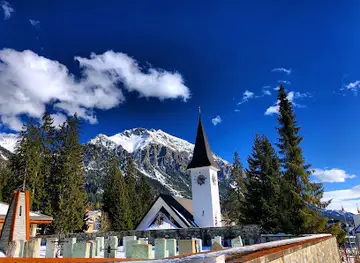
Lenzerheide-Valbella
Experience the breathtaking beauty and outdoor adventures of Lenzerheide-Valbella, Switzerland's premier ski resort and alpine paradise.

Eichhörnchenwald
Discover the enchanting Eichhörnchenwald in Lenzerheide, a hiking paradise brimming with playful squirrels and stunning natural beauty.

Best landmarks in Lenzerheide
Top-rated picks
Best Landmarks

Hotel Schweizerhof Lenzerheide
Experience unparalleled luxury and wellness at Hotel Schweizerhof Lenzerheide, where breathtaking alpine views meet exceptional hospitality.

Lenzerheide-Valbella
Experience the breathtaking beauty and exhilarating adventures of Lenzerheide-Valbella, a premier ski resort in the heart of the Swiss Alps.

Hotel Guarda Val
Hotel Guarda Val: A Luxurious Wellness Retreat in the Heart of the Swiss Alps, Perfect for Relaxation and Adventure.

Motta Hütte
Discover the exquisite flavors of Swiss cuisine at Motta Hütte, where breathtaking mountain views meet exceptional dining in Lenzerheide.

Best restaurants in Lenzerheide
Top-rated picks
Best Restaurants

PRIVA Alpine Lodge Lenzerheide
Discover culinary delights amidst stunning alpine scenery at PRIVA Alpine Lodge Lenzerheide - perfect for family adventures and cozy retreats.

Grotto & Pizzeria da Elio
Discover authentic Italian flavors at Grotto & Pizzeria da Elio in Lenzerheide—where every slice tells a story amidst breathtaking Swiss scenery.

Cafe Aurora
Discover Cafe Aurora in Lenzerheide: A delightful restaurant offering fresh bakery delights and aromatic coffee amidst stunning Swiss scenery.
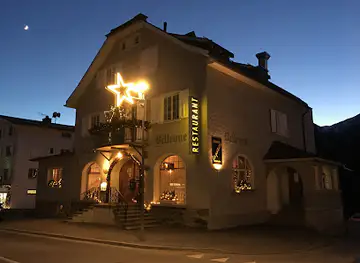
La Patata
Discover La Patata: A delightful meat restaurant in Lenzerheide offering authentic European cuisine amidst stunning alpine scenery.

Best bars in Lenzerheide
Top-rated picks
Best Bars

La Patata
Experience the finest meat dishes in Lenzerheide at La Patata, where European flavors meet Swiss hospitality in a cozy alpine setting.

Kiosk Lido
Experience delightful Swiss cuisine surrounded by breathtaking landscapes at Kiosk Lido in Vaz/Obervaz.

Berggasthaus Crest'ota
Discover Berggasthaus Crest'ota in Lenzerheide - a perfect blend of Swiss hospitality, stunning views, and delightful local cuisine in the heart of the Alps.

Heid-Stübli
Discover authentic Swiss flavors at Heid-Stübli in Lenzerheide, where every dish tells a story of tradition and quality.

Best nightclubs in Lenzerheide
Top-rated picks
Best Nightclubs

Kurhaus Bar
Experience the charm of Kurhaus Bar in Lenzerheide, where delectable pizzas and refreshing drinks meet stunning alpine views.

Nino's Bar
Experience the vibrant atmosphere of Nino's Bar in Lenzerheide, where local charm meets alpine adventure in the heart of Switzerland.

Central Pub
Discover the vibrant atmosphere of Central Pub in Vaz/Obervaz, a cozy bar perfect for unwinding with friends or enjoying a refreshing drink after exploring the Alps.

Cinema Music Club
Discover the lively atmosphere of Cinema Music Club in Lenzerheide, where unforgettable nights filled with music and dance await every visitor.

Best shops in Lenzerheide
Top-rated picks
Best Shops

Volg
Experience the local flavors of Lenzerheide at Volg Supermarket, your go-to destination for fresh groceries and Swiss delicacies.

Pesko Rothornbahn
Discover adventure at Pesko Rothornbahn in Lenzerheide, your go-to place for sporting goods, bicycle, and ski rentals in the heart of the Swiss Alps.

Pesko Lenzerheide
Discover the alpine spirit at Pesko Lenzerheide, your go-to destination for ski rentals, local art, and delightful treats in the heart of the Swiss Alps.

SPAR Supermarkt Lenzerheide
Explore SPAR Supermarkt Lenzerheide for a taste of local Swiss cuisine, fresh produce, and artisanal delights in the heart of beautiful Lenzerheide.

Explore Lenzerheide on the Map
A handpicked selection of must-see spots in Lenzerheide, mapped for you.
Lenzerheide Essentials
-
Lenzerheide is located in the Swiss canton of Graubünden. The nearest major international airport is Zurich Airport (ZRH), which is approximately 150 kilometers away. From Zurich, you can take a train to Chur, the nearest city to Lenzerheide, which typically takes around 1.5 hours. From Chur, you can take a bus (PostBus) directly to Lenzerheide, which takes about 30 minutes. Alternatively, you can rent a car at Zurich Airport and drive to Lenzerheide, enjoying the scenic route through the Swiss Alps.
-
Within Lenzerheide, many attractions are within walking distance. The local bus system, operated by PostBus, is reliable and covers most parts of the town and nearby areas. Taxis are available but can be relatively expensive. For those staying longer, renting a bike is a popular option, particularly in the warmer months. In the winter, shuttle services are offered to and from ski lifts and other key locations.
-
The official currency in Switzerland is the Swiss Franc (CHF). Credit and debit cards are widely accepted in hotels, restaurants, and shops. However, it is advisable to carry some cash for smaller establishments, local markets, and transportation. ATMs are readily available in Lenzerheide, allowing for easy cash withdrawal.
-
Lenzerheide is generally a very safe destination for tourists. Crime rates are low, and it is rare to encounter issues targeting tourists. Nonetheless, standard precautions should be taken, such as keeping an eye on personal belongings in crowded places and avoiding poorly lit areas at night. The town is well-patrolled by local police, and emergency services are highly efficient.
-
In case of an emergency, dial 112 for immediate assistance, which is the European emergency number. Lenzerheide has a local medical clinic and several pharmacies for minor health issues. For more serious medical emergencies, the nearest hospital is in Chur, about 30 minutes away by bus or car. It is recommended to have travel insurance that covers medical emergencies.
-
Fashion: Do wear appropriate clothing for the season; layers are advisable due to changing weather. Avoid overly casual attire in fine dining establishments. Religion: Do respect local customs and traditions, especially when visiting churches. Public Transport: Do be punctual and respectful; Swiss public transport is known for its timeliness. Don't talk loudly or disturb other passengers. Greetings: Do greet people with a polite 'Grüezi' (hello) or 'Guten Tag' (good day). Handshakes are common in formal settings. Eating & Drinking: Do try local dishes such as fondue and raclette. Don't refuse hospitality, as it is considered impolite. Always toast with 'Prost' when drinking with others.
-
To experience Lenzerheide like a local, visit the weekly market where you can buy fresh local produce and artisanal goods. Engage with locals, who are often friendly and willing to share tips on hidden gems in the area. Don’t miss the opportunity to hike or bike along Heidsee Lake, which is a favorite spot for locals. In winter, try to join a night skiing session, a unique experience cherished by residents.
When is the best time to visit Lenzerheide?
Useful Local Phrases for Lenzerheide
You don't need to speak the language perfectly. Even learning a few simple words can make conversations warmer—and locals usually appreciate the effort.
— Eve

Here are the phrases I use most often in Lenzerheide. Try a few—you'll be surprised how far they go! 😊
❤️
-
- HelloGrüezi
[grüe-tsi] - GoodbyeUf Widerluege
[oof vee-der-loo-ge] - YesJa
[ya] - NoNei
[ni] - Please/You're welcomeBitte
[bi-tuh] - Thank youMerci
[mer-see] - Excuse me/SorryEntschuldigung
[ent-shool-dee-goong] - How are you?Wie goots?
[vee goots] - Fine. And you?Guet. U dir?
[gwet. oo deer] - Do you speak English?Sprichsch Englisch?
[shpree-sh eng-leesh] - I don't understandIch verstah nöd
[eekh fer-shta nud]
- HelloGrüezi
-
- I'd like to see the menu, pleaseChönnti bitte d'Menükarte gseh?
[choo-n-tee bi-tuh deh-meh-noo-karteh g-zay] - I don't eat meatIch äss kai Fleisch
[eekh ess kai flysh] - Cheers!Proscht!
[prosht] - I would like to pay, pleaseChönnti bitte zahle?
[choo-n-tee bi-tuh zah-luh]
- I'd like to see the menu, pleaseChönnti bitte d'Menükarte gseh?
-
- Help!Hüüf mir!
[hoof meer] - Go away!Gang wäg!
[gahng weg] - Call the Police!Rüef d'Polizei!
[rewf dee-poh-lee-tsey] - Call a doctor!Rüef en Arzt!
[rewf en ahrts] - I'm lostIch ha mi verluegt
[eekh hah mee fer-loo-egt] - I'm illIch bin krank
[eekh been krunk]
- Help!Hüüf mir!
-
- I'd like to buy...Ich möcht ... kaufe
[eekh muukht ... kow-feh] - I'm just lookingIch luege nume
[eekh loo-geh noo-meh] - How much is it?Was choschtet das?
[vas khoshtet das] - That's too expensiveDas isch zviel
[das ish ts-vee-el] - Can you lower the price?Chöntisch den Priis chürze?
[choon-tish den prees khewr-tseh]
- I'd like to buy...Ich möcht ... kaufe
-
- What time is it?Wieviel isch es?
[vee-veel ish es] - It's one o'clockEs isch eini
[es ish ay-nee] - Half past (10)Halbi (zäni)
[hal-bee (tsay-nee)] - MorningMorga
[mohr-guh] - AfternoonNamittag
[nah-mit-tahg] - EveningAbe
[ah-beh] - YesterdayGestere
[geh-steh-reh] - TodayHüt
[hoot] - TomorrowMorn
[mohrn] - 1eis
[ice] - 2zwei
[tsv-eye] - 3drei
[dr-eye] - 4vier
[feer] - 5fünf
[foonf] - 6sechs
[zeks] - 7sieben
[zee-ben] - 8acht
[ahkt] - 9neun
[noyn] - 10zehn
[tsayn]
- What time is it?Wieviel isch es?
-
- Where's a/the...?Wu isch es...
[voo ish es] - What's the address?Was isch d'Adresse?
[vas ish dah-dres-uh] - Can you show me (on the map)?Chasch mir das zeige (uf em Plan)?
[khahsh meer dahs ts-eye-guh (oof em plahn)] - When's the next (bus)?Wänn fahrt de nöchschte (Bus)?
[ven fahrt deh nerch-shte (boos)] - A ticket (to ....)E Billet (nach ...)
[eh bee-let (nahkh)]
- Where's a/the...?Wu isch es...
History of Lenzerheide
-
Lenzerheide, nestled in the heart of the Swiss Alps, traces its origins back to early settlements by the Romans. Historical evidence suggests that this region was a crucial passageway through the Alps, used for trade and military expeditions. Over the centuries, it evolved from a modest settlement into a flourishing alpine community.
-
During the medieval period, Lenzerheide was under the influence of various feudal lords and the Bishopric of Chur. The region saw the construction of several castles and fortifications, which played significant roles in local governance and defense. These structures, some of which still stand today, offer a glimpse into the strategic importance of Lenzerheide during this era.
-
The Protestant Reformation of the 16th century had a profound impact on Lenzerheide, as it did on much of Switzerland. The region witnessed religious upheaval and a shift in power dynamics, with many communities embracing Protestantism. This period also saw the establishment of new religious institutions and the transformation of existing ones, which shaped the cultural and spiritual landscape of Lenzerheide.
-
The 19th century marked the beginning of Lenzerheide's transformation into a popular tourist destination. With the advent of the railway and the rise of alpine tourism, the area began to attract visitors seeking the natural beauty and recreational opportunities of the Swiss Alps. Hotels, resorts, and infrastructure were developed to cater to the growing number of tourists, laying the foundation for Lenzerheide's modern tourism industry.
-
During World War II, Switzerland maintained its policy of neutrality, and Lenzerheide, like much of the country, was spared the devastation of war. However, the region played a role in hosting refugees and providing a safe haven for those fleeing conflict. The war years also saw an increase in local production and self-sufficiency, with the community banding together to support one another.
-
In the post-war era, Lenzerheide experienced significant development and modernization. The construction of ski lifts, cable cars, and modern resorts transformed it into a year-round destination for outdoor enthusiasts. Additionally, there has been a cultural renaissance, with festivals, art exhibitions, and culinary events celebrating the rich heritage and contemporary culture of Lenzerheide. This blend of tradition and modernity continues to attract visitors from around the world.
Neighbouring destination travel guides
Browse our curated selection of top destinations, scenic points, and must-visit spots in the area.


Your all‑in‑one travel companion app
Explore expert travel guides, compare and book tours, experiences, hotels, and more—all from the palm of your hand. Download now for seamless trip planning wherever your wanderlust takes you.


Explore More of Graubünden

Looking beyond Lenzerheide? Discover Graubünden for broader travel guides, local hot-spots, and regional highlights.
Explore GraubündenExplore More of Switzerland

Looking beyond Lenzerheide? Discover Switzerland for broader travel guides, local hot-spots, and regional highlights.
Explore SwitzerlandLenzerheide in Photos
Browse through our photo collection highlighting the charm and character of the destination.


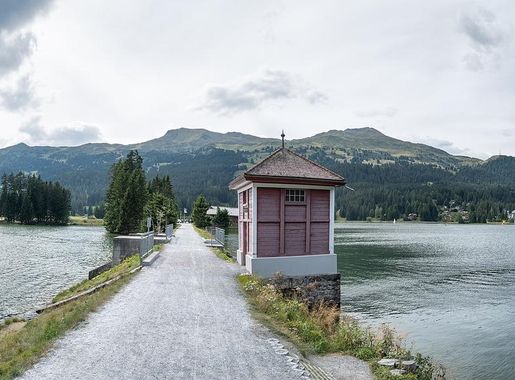


Lenzerheide: The Pristine Alpine Paradise
Nestled in the heart of the Swiss Alps, Lenzerheide is a charming village that offers a perfect blend of natural beauty and outdoor adventure. Whether you’re visiting in the winter for world-class skiing or in the summer for hiking and mountain biking, Lenzerheide promises unforgettable experiences. The village itself is picturesque, with traditional Swiss chalets and friendly locals who welcome tourists with open arms. For winter sports enthusiasts, Lenzerheide is a dream come true. The ski resort boasts over 225 kilometers of well-groomed slopes suitable for all skill levels. The resort is linked with Arosa, creating one of the largest ski areas in Switzerland. Off the slopes, you can enjoy activities such as ice skating, tobogganing, and horse-drawn sleigh rides, making it a true winter wonderland. In the warmer months, Lenzerheide transforms into a haven for hikers and mountain bikers. The well-marked trails take you through lush meadows, dense forests, and up to stunning viewpoints that offer panoramic vistas of the Alps. The Heidsee lake is perfect for a refreshing swim or a paddle in a rented boat. Additionally, the area is rich in cultural experiences, including local festivals, traditional crafts, and Swiss cuisine that will delight your taste buds.