
Zurich Lake, Switzerland Travel Guide
Discover Zurich Lake: A Swiss haven of tranquility and activity, offering scenic boat tours, charming towns, and cultural events year-round.
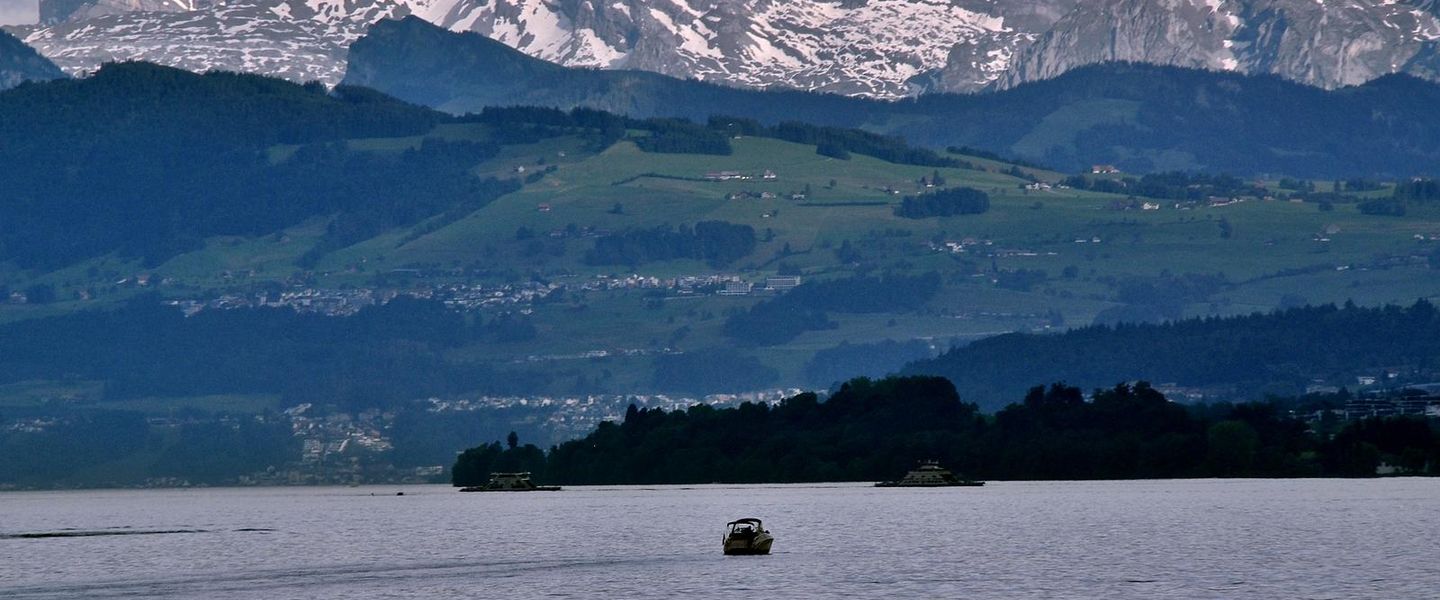
Zurich Lake, nestled in the heart of Switzerland, is a gem that sparkles with natural beauty and tranquility. This pristine body of water stretches over 40 kilometers, providing a picturesque backdrop for a variety of activities. Whether you're looking to relax by the water, partake in water sports, or explore the charming towns dotting its shores, Zurich Lake has something for everyone. The lake is surrounded by lush hills and inviting promenades, making it a perfect spot for leisurely strolls or scenic bike rides. The vibrant city of Zurich, with its rich history and modern amenities, lies at the northern tip of the lake. Here, visitors can enjoy a blend of urban sophistication and natural splendor. Don’t miss a boat tour on the lake, which offers unique perspectives of the surrounding landscapes and a chance to visit quaint villages like Rapperswil, known as the 'Town of Roses.' For those interested in culture, Zurich Lake is home to numerous events and festivals throughout the year. From open-air concerts to the traditional Sechseläuten spring festival, the area is alive with cultural vibrancy. The lake’s crystal-clear waters also invite swimmers during the warmer months, with many designated swimming areas and beaches. In winter, the nearby mountains provide opportunities for skiing and snowboarding, making Zurich Lake a year-round destination.

Know before you go
Hi, I'm Eve. Here are a few practical things to know before exploring Zurich Lake.
- Visit during the spring or summer for the best weather and vibrant festivals.
- Take a boat tour to explore the lake and visit picturesque towns like Rapperswil.
- Use the well-maintained bike paths around the lake for a scenic ride.
- Pack a picnic and enjoy a relaxing day by the lake’s many green spaces.
- Check out the local events calendar for unique cultural experiences.
Explore Zurich Lake: Things to Do, Places to Eat, Hotels & More
Handpicked recommendations for top attractions, local dining, accommodations, and more

Best attractions in Zurich Lake
Top-rated picks
Best Attractions

Lake Zurich
Zurich’s main lakefront for promenades, boat cruises, swimming lidos, and easy public-transport access from the city centre.

Seebad Rapperswil
A seasonal wooden lido below Rapperswil Castle, with Lake Zurich swimming, diving platforms and sunset drinks on a compact waterfront deck.
Zürichhorn
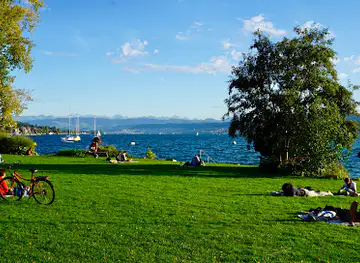
A spacious lakeside park in Zurich where lawns, promenade paths, and open water views make an easy stop for walking, picnics, and quiet downtime.

Bachmann Weingut am Zürichsee
A hillside winery in Stäfa with direct sales, small-scale tastings and open views across Lake Zurich's vineyard slopes.

Best landmarks in Zurich Lake
Top-rated picks
Best Landmarks

Klosterkirche Einsiedeln
A major Baroque abbey church in Einsiedeln, known for its Black Madonna chapel, active worship, and calm pilgrimage-town atmosphere.

Wehrmännerdenkmal
An open-air war memorial on the Forch above Küsnacht, where Zurich’s wartime remembrance meets a quiet, elevated landscape.

Seedamm Plaza
A large Pfäffikon hotel and congress venue with spa facilities, brunch, restaurants and easy rail-road access near Lake Zurich.

Southernmost Point of Meilen District
A quiet Lake Zurich shoreline marker in Stäfa, where the Meilen District reaches its southern edge and the view matters more than the site.

Best restaurants in Zurich Lake
Top-rated picks
Best Restaurants

Gasthof zur Sonne
Family-run lakeside restaurant and inn in Stäfa, known for Lake Zurich fish, regional wine, a terrace, and a 500-year-old vaulted cellar.

Wirtschaft zur Burg
A 1676 house restaurant in Meilen’s Burg hamlet, serving seasonal Swiss cooking in a hillside setting above Lake Zurich.

The Steakhouse
Upscale steak and seafood dining on Lake Zurich, with marina views, charcoal grilling, a wine gallery and a measured, occasion-led pace.

Wöschi
Lakefront fine dining in Zürich-Wollishofen, where a former laundry building now frames seasonal dinners and terrace views over Lake Zurich.

Best bars in Zurich Lake
Top-rated picks
Best Bars

AQUA - Lake Zurich
A lakeside lounge bar in Wädenswil with terrace seating, evening drinks, hookah, and a polished social scene on Lake Zurich.

Drink Zone
A compact cocktail bar on Marina Lachen’s harbourfront, where lake views, promenade traffic, and late-opening drinks shape the evening.

Lago Lounge
Marina Lachen’s lakefront lounge pairs coffee, apéro, and cocktails with harbor views, sunset light, and occasional DJ nights by Lake Zurich.


Best shops in Zurich Lake
Top-rated picks
Best Shops

PROTSAAH Zürich
A quiet Herrliberg jewellery showroom for handmade, ethically sourced pieces, with a consultation-led visit and a strong sustainability focus.

Audiophil-dreams.com
A specialist hi-fi showroom in Stäfa where careful listening, system comparisons, and premium audio advice replace ordinary retail browsing.

Denise's Fancy Boutique
A small Hombrechtikon boutique for selected gifts and second-season women’s fashion, with a personal, local feel and short weekday opening hours.

sonah - Geschenke - Stäfa
A small Stäfa gift shop for curated handicrafts, local-style souvenirs and quick browsing in a compact town-centre setting near Lake Zurich.

Explore Zurich Lake on the Map
A handpicked selection of must-see spots in Zurich Lake, mapped for you.
Zurich Lake Essentials
-
Zurich Lake is located in the heart of Switzerland, with Zurich being the primary gateway. Zurich Airport (ZRH) is the nearest international airport, located about 12 kilometers from the city center. From the airport, you can take a train directly to Zurich's main train station (Hauptbahnhof), which takes approximately 10-15 minutes. Alternatively, taxis and shuttle services are available. If you are traveling from other parts of Switzerland or Europe, Zurich is well-connected by train, including high-speed trains such as the EuroCity and InterCity services.
-
Zurich Lake and its surrounding areas are well-served by an efficient public transportation system, including trains, trams, buses, and boats. The Zurich Card offers unlimited travel on public transport within the city and to the airport. For exploring the lake, consider taking a boat tour from Zurich Bürkliplatz, which offers stunning views and stops at various charming towns along the lake. Renting a bike is another popular option, with many rental stations available throughout Zurich. Taxis and ride-sharing services are also widely available.
-
The official currency in Switzerland is the Swiss Franc (CHF). Credit and debit cards are widely accepted in hotels, restaurants, and shops. However, it's advisable to carry some cash for smaller establishments and local markets. ATMs are plentiful and accept international cards. Make sure to notify your bank about your travel plans to avoid any issues with card usage.
-
Zurich is generally a very safe destination with low crime rates. However, as with any major city, it is wise to take standard precautions. Avoid leaving your belongings unattended and be cautious in crowded areas to prevent pickpocketing. Areas around Zurich Hauptbahnhof and Langstrasse can be more prone to petty crimes, especially at night. It's advisable to stay vigilant and avoid walking alone late at night in these areas.
-
In case of emergency, dial 112 for immediate assistance, which connects you to emergency services including police, fire, and medical help. Zurich has excellent medical facilities, including several hospitals and clinics. It's highly recommended to have travel insurance that covers medical emergencies. Pharmacies are widely available for minor health issues and over-the-counter medications.
-
Fashion: Do dress smartly and appropriately, especially if you plan to dine in upscale restaurants or visit cultural sites. Avoid overly casual or revealing clothing. Religion: Do respect local customs and traditions. When visiting churches or religious sites, dress modestly and speak quietly. Public Transport: Do be punctual and respectful. Give up your seat to elderly passengers and don't eat or drink on public transport. Greetings: Do greet people with a polite 'Grüezi' (hello) or a firm handshake. Eating & Drinking: Do try local specialties like Zürcher Geschnetzeltes and Swiss chocolates. Don't tip excessively; service charges are usually included in the bill.
-
To experience Zurich Lake like a local, visit the weekly farmers' markets where you can buy fresh local produce and artisanal goods. Take a stroll or bike ride along the lake's promenade, especially during the early morning for a peaceful experience. Explore the lesser-known towns around the lake, such as Rapperswil, known as the 'Town of Roses', with its beautiful gardens and medieval castle. Participate in local events and festivals, such as the Zurich Street Parade or the Sechseläuten spring festival, to immerse yourself in Swiss culture.
When is the best time to visit Zurich Lake?
Useful Local Phrases for Zurich Lake
You don't need to speak the language perfectly. Even learning a few simple words can make conversations warmer—and locals usually appreciate the effort.
— Eve

Here are the phrases I use most often in Zurich Lake. Try a few—you'll be surprised how far they go! 😊
❤️
-
- HelloGrüezi
[grü-tsii] - GoodbyeAdieu
[a-djö] - YesJa
[ya] - NoNein
[nine] - Please/You're welcomeBitte
[bi-te] - Thank youDanke
[dan-kuh] - Excuse me/SorryEntschuldigung
[ent-shul-di-goong] - How are you?Wie geht es Ihnen?
[vee geyt es een-en] - Fine. And you?Gut. Und Ihnen?
[goot oont een-en] - Do you speak English?Sprechen Sie Englisch?
[shprek-en zee eng-lish] - I don't understandIch verstehe nicht
[ikh fer-shtey-e nikht]
- HelloGrüezi
-
- I'd like to see the menu, pleaseIch würde gerne die Speisekarte sehen, bitte
[ikh vur-dee ge-ren dee shpy-ze-kar-te zay-en, bi-te] - I don't eat meatIch esse kein Fleisch
[ikh es-se kine flysh] - Cheers!Prost!
[prohst] - I would like to pay, pleaseIch möchte bitte zahlen
[ikh merk-tee bi-te tsah-len]
- I'd like to see the menu, pleaseIch würde gerne die Speisekarte sehen, bitte
-
- Help!Hilfe!
[hil-fe] - Go away!Gehen Sie weg!
[gey-en zee vekh] - Call the Police!Rufen Sie die Polizei!
[roo-fen zee dee po-lee-tsy] - Call a doctor!Rufen Sie einen Arzt!
[roo-fen zee i-nen artsht] - I'm lostIch habe mich verirrt
[ikh ha-be meekh fer-eert] - I'm illIch bin krank
[ikh been krunk]
- Help!Hilfe!
-
- I'd like to buy...Ich möchte kaufen...
[ikh merk-te kow-fen] - I'm just lookingIch schaue nur
[ikh schow-e noor] - How much is it?Wie viel kostet es?
[vee feel kos-tet es] - That's too expensiveDas ist zu teuer
[das ist tsoy toy-er] - Can you lower the price?Können Sie den Preis senken?
[kern-en zee den prees zeng-ken]
- I'd like to buy...Ich möchte kaufen...
-
- What time is it?Wie viel Uhr ist es?
[vee feel oor ist es] - It's one o'clockEs ist ein Uhr
[es ist iyn oor] - Half past (10)Halb elf
[halb elf] - MorningMorgen
[mor-gen] - AfternoonNachmittag
[nah-mit-tahk] - EveningAbend
[ah-bent] - YesterdayGestern
[ge-shtern] - TodayHeute
[hoi-tuh] - TomorrowMorgen
[mor-gen] - 1Eins
[eyns] - 2Zwei
[tsvai] - 3Drei
[dray] - 4Vier
[feer] - 5Fünf
[foonf] - 6Sechs
[zeks] - 7Sieben
[zee-ben] - 8Acht
[ahkt] - 9Neun
[noyn] - 10Zehn
[tsayn]
- What time is it?Wie viel Uhr ist es?
-
- Where's a/the...?Wo ist ein/der...?
[vo ist iyn/dehr] - What's the address?Was ist die Adresse?
[vas ist dee ah-dre-se] - Can you show me (on the map)?Können Sie mir zeigen (auf der Karte)?
[kern-en zee meer tsay-gen (owf dehr kar-te)] - When's the next (bus)?Wann kommt der nächste (Bus)?
[van comt dehr ny-khs-te (boos)] - A ticket (to ....)Eine Fahrkarte (nach ....)
[iyn-e fahr-kar-te (nahkh)]
- Where's a/the...?Wo ist ein/der...?
History of Zurich Lake
-
Zurich Lake, also known as Zürisee, has been a hub of human activity since prehistoric times. Archeological findings suggest that the area around the lake was inhabited by lake dwellers as early as the Bronze Age. These settlers built pile dwellings, remnants of which have been found near the lake's shores.
-
During the Roman Empire, Zurich Lake was a significant part of the Roman province of Raetia. The Romans recognized the strategic importance of the lake for trade and transportation. Artefacts such as coins and pottery shards have been discovered, indicating active Roman settlements and trade in the region.
-
In the medieval period, the city of Zurich, located at the northwestern tip of Zurich Lake, began to flourish. The lake played a crucial role in the city's economy, serving as a major route for the transportation of goods. The establishment of monasteries like the Grossmünster and Fraumünster also underscored the lake's importance in the religious and cultural life of the time.
-
The 16th century brought significant changes to Zurich and its lake with the Reformation led by Huldrych Zwingli. Zurich Lake became a silent witness to the theological debates and socio-religious upheaval that shaped the region. The lake's strategic position made it a crucial point for the spread of Reformation ideas.
-
The 19th century saw Zurich Lake at the heart of Switzerland's industrial boom. The construction of railways and steamships transformed the lake into a bustling center of commerce and industry. The picturesque towns along its shores, such as Rapperswil and Küsnacht, expanded rapidly, benefiting from the economic prosperity.
-
In the 20th and 21st centuries, Zurich Lake has continued to evolve. It has become a major recreational destination, known for its clean waters and scenic beauty. The annual 'Zürichsee-Fähre' (Zurich Lake Ferry) and events like the 'Zürifäscht' festival highlight its ongoing cultural and social relevance.
Neighbouring destination travel guides
Browse our curated selection of top destinations, scenic points, and must-visit spots in the area.




Your all‑in‑one travel companion app
Explore expert travel guides, compare and book tours, experiences, hotels, and more—all from the palm of your hand. Download now for seamless trip planning wherever your wanderlust takes you.


Explore More of Central Switzerland

Looking beyond Zurich Lake? Discover Central Switzerland for broader travel guides, local hot-spots, and regional highlights.
Explore Central SwitzerlandExplore More of Switzerland

Looking beyond Zurich Lake? Discover Switzerland for broader travel guides, local hot-spots, and regional highlights.
Explore SwitzerlandZurich Lake in Photos
Browse through our photo collection highlighting the charm and character of the destination.


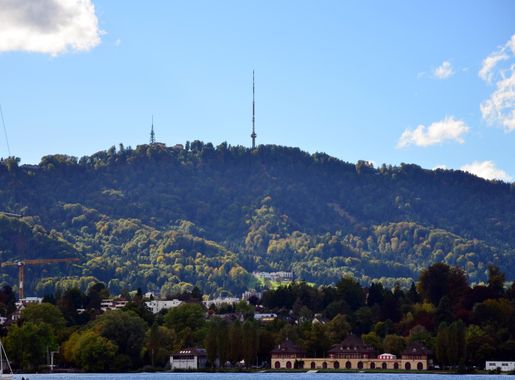


Serenity and Splendor at Zurich Lake
Zurich Lake, nestled in the heart of Switzerland, is a gem that sparkles with natural beauty and tranquility. This pristine body of water stretches over 40 kilometers, providing a picturesque backdrop for a variety of activities. Whether you're looking to relax by the water, partake in water sports, or explore the charming towns dotting its shores, Zurich Lake has something for everyone. The lake is surrounded by lush hills and inviting promenades, making it a perfect spot for leisurely strolls or scenic bike rides. The vibrant city of Zurich, with its rich history and modern amenities, lies at the northern tip of the lake. Here, visitors can enjoy a blend of urban sophistication and natural splendor. Don’t miss a boat tour on the lake, which offers unique perspectives of the surrounding landscapes and a chance to visit quaint villages like Rapperswil, known as the 'Town of Roses.' For those interested in culture, Zurich Lake is home to numerous events and festivals throughout the year. From open-air concerts to the traditional Sechseläuten spring festival, the area is alive with cultural vibrancy. The lake’s crystal-clear waters also invite swimmers during the warmer months, with many designated swimming areas and beaches. In winter, the nearby mountains provide opportunities for skiing and snowboarding, making Zurich Lake a year-round destination.