

Free Central Zone Travel Guide & Mobile App
Explore Central Zone with free travel guides. Discover regional history, expert tips, proposed trips, and audio guides on web or mobile app.


Explore Central Zone Tanzania for Dodoma’s capital heritage, Kondoa rock art, seasonal lakes, local wine and wide inland landscapes.
Read more about Central Zone
When is the best time to visit Central Zone?
Best: June–August · 27–28°C| Month | High (°C) | Rainfall (mm) |
|---|---|---|
| January | 31 | 100 |
| February | 31 | 90 |
| March | 31 | 110 |
| April | 30 | 120 |
| May | 29 | 130 |
| June (best) | 28 | 80 |
| July (best) | 27 | 70 |
| August (best) | 28 | 80 |
| September | 29 | 90 |
| October | 30 | 110 |
| November | 29 | 120 |
| December | 29 | 100 |
Getting to and around Central Zone
How to get there
Transportation
Best attractions in Central Zone
Central Zone’s attractions are spread across a large inland area and are strongest in archaeology, cultural landscapes and outdoor exploration rather than conventional resort tourism. The Kondoa rock-art sites are the region’s outstanding heritage experience, combining painted shelters, rugged hills and guided walks through a landscape used by people for generations. Dodoma offers national-capital institutions, markets, local cultural venues and access to surrounding hills and vineyards. The city is also a useful base for understanding contemporary Tanzania beyond the coast and safari centres. In Singida Region, lakes and seasonal wetlands provide opportunities for birdwatching, landscape photography and observing fishing and livestock economies, although facilities are limited and conditions vary with rainfall. Rural roads lead through dry plains, cultivated fields and granite outcrops, creating rewarding overland scenery for visitors travelling with time and suitable transport. Smaller settlements and market towns offer glimpses of everyday commerce, while local guides can provide context that is not available from signage alone. Visitors should distinguish cultural visits from staged entertainment: the most meaningful experiences usually involve careful planning, permission and respectful conversation rather than a packed programme of attractions.
-
Tourist attraction
Masjid Maamur مسجد
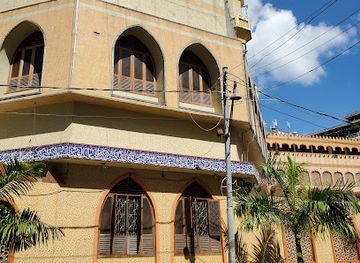
Explore the architectural splendor and spiritual serenity of Masjid Maamur, a must-visit mosque in the heart of Dar es Salaam's vibrant culture.
-
Tourist attraction
Fun City Kigamboni
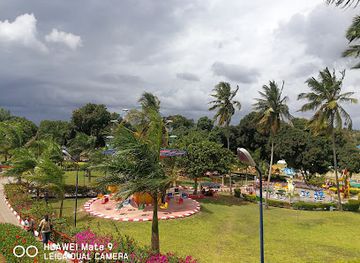
Experience the thrill of Fun City Kigamboni, a top family-friendly amusement and water park in Dar es Salaam, Tanzania, perfect for all ages.
-
Tourist attraction
Khoja Shia Ithna-Ashari Masjid
Discover the architectural beauty and spiritual significance of Khoja Shia Ithna-Ashari Masjid in Dar es Salaam, a cultural gem for every traveler.
-
Tourist attraction
Tinga Tinga Arts Cooperative Society
Explore the vibrant and whimsical world of Tinga Tinga art at the Tinga Tinga Arts Cooperative Society in Dar es Salaam, a true cultural gem.


Best landmarks in Central Zone
The Kondoa rock-art shelters are Central Zone’s defining landmarks, set among the Irangi Hills west of Dodoma. Their significance lies not only in the age and range of the paintings but also in the way the shelters preserve evidence of ritual, movement and human engagement with the landscape. Dodoma’s capital precinct provides a different kind of landmark: government buildings and planned civic spaces express the post-independence ambition to relocate Tanzania’s political centre inland, while the surrounding hills frame the city’s distinctive setting. The railway remains an important historical presence in the capital, recalling the colonial-era transport corridor that helped establish Dodoma as an inland town. Around Singida, the lakes and open plains are geographical landmarks rather than monumental structures; Lake Singida and associated seasonal water environments give the region its characteristic horizon and support fishing, birdlife and settlement. Granite outcrops and low hills near rural communities add visual definition to an otherwise broad plateau. Because many landmarks are remote or lightly signposted, local guidance is part of responsible and practical access.
-
National park
Serengeti National Park
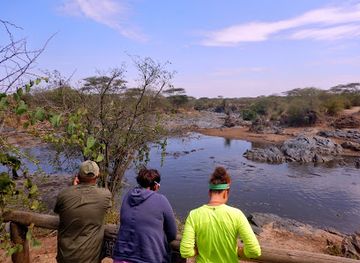
Explore the breathtaking beauty and incredible wildlife of Serengeti National Park, a UNESCO World Heritage Site and a true African paradise.
-
Nature preserve
Ngorongoro Conservation Area
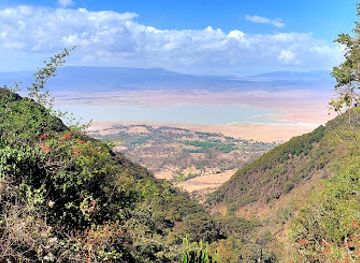
Discover the breathtaking beauty and wildlife of Ngorongoro Conservation Area, a UNESCO World Heritage site in Tanzania, rich in nature and culture.
-
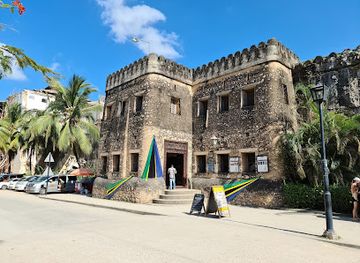
Fortress
Old Fort
Discover the rich history and vibrant culture of Zanzibar at the Old Fort, a historic fortress showcasing the island's diverse heritage.
-
National park
Tarangire National Park
Experience the awe-inspiring wildlife and stunning landscapes of Tarangire National Park, a hidden gem in Tanzania's safari circuit.

Explore Central Zone on the map
Plan your trip on one map. See where the top cities, national parks and sights are, and book hotels and experiences in a few clicks.
Best hotels in Central Zone
Best restaurants in Central Zone
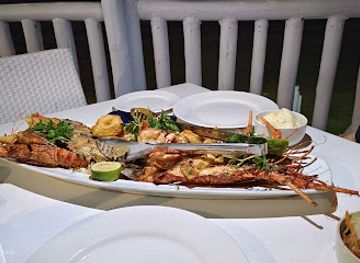
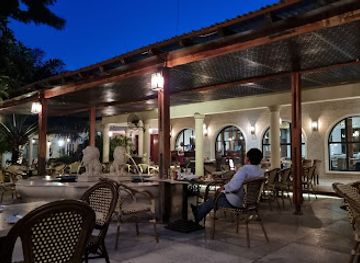
Dining in Central Zone reflects the practical food culture of Tanzania’s inland plateau. Dodoma has the broadest choice, with Tanzanian restaurants, cafés, hotel dining rooms and places serving grilled meat, rice, beans, chips, chapati and ugali with seasonal vegetables. Nyama choma, usually grilled meat shared with accompaniments, is common across the country and is best enjoyed where food is freshly prepared and busy local custom indicates reliable turnover. In Singida and rural districts, meals are more likely to centre on staple grains, pulses, greens and locally available meat than on elaborate menus. Sunflower cultivation is important around Singida, while Dodoma’s vineyards have made locally produced wine part of the region’s contemporary food identity. Markets are useful for fruit, roasted maize and other informal foods, though hygiene standards vary. Hotels and larger urban restaurants are the easiest places for visitors with dietary requirements to communicate their needs; outside towns, advance planning is sensible. Dining is generally relaxed, and service can take time, especially away from commercial centres.
-
Restaurant
Samaki Samaki restaurant
Discover culinary delights at Samaki Samaki Restaurant in Dar es Salaam – where fresh seafood meets vibrant Tanzanian flavors.
-
Restaurant
Karambezi Cafe
Discover exquisite dining at Karambezi Cafe in Dar es Salaam - where stunning ocean views meet delicious local flavors.
-
East African
Chef's pride
Experience the rich flavors of East Africa at Chef's Pride in Dar es Salaam – where every meal tells a story.
-
Restaurant
Levant
Discover Levant: A premier restaurant in Dar es Salaam offering exquisite cuisine and an unforgettable dining experience.

Best bars in Central Zone
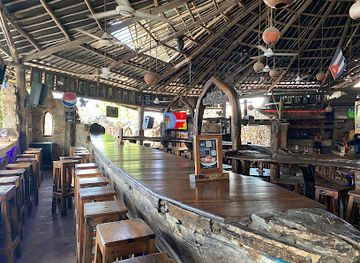
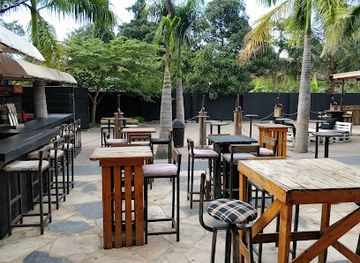
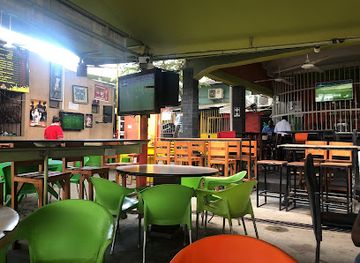
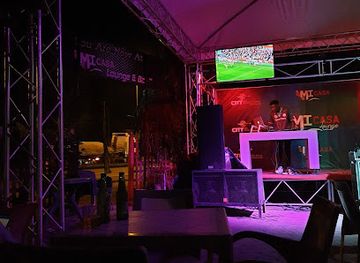
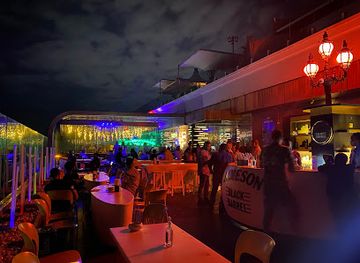
Nightlife is concentrated in Dodoma, where hotel lounges, modern bars, restaurants and a small selection of music-led venues serve residents, students, public-sector workers and visitors. The city’s evening scene is more developed than that of smaller Central Zone towns, but it remains modest compared with Dar es Salaam or Arusha. Singida has local bars, restaurants and social venues, while evenings in rural areas generally revolve around family gatherings, community life, guesthouse dining or a quiet drink rather than organised entertainment. Tanzanian beer is widely available, and Dodoma wine may appear on selected urban menus, but alcohol is not necessary for engaging with the region’s culture. Visitors should use reputable venues, arrange transport back to accommodation in advance and remember that many businesses outside the capital close relatively early. Live music and occasional events can be seasonal or changeable, so ask locally for current information rather than relying on outdated listings.
-
Grill
TIPS Lounge, Mikocheni
Experience culinary delight at TIPS Lounge in Mikocheni, where exquisite grills and a vibrant atmosphere create unforgettable memories.
-
Bar
Small Planet Sinza(former La Chaaz)
Discover the lively ambiance of Small Planet Sinza, a must-visit bar in Dar es Salaam for great drinks and vibrant local culture.
-
Lounge
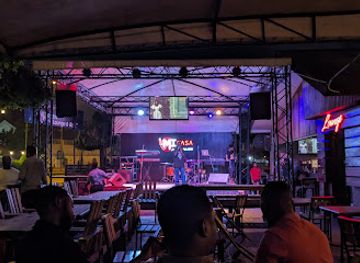
Mi Casa Lounge
Vibrant lounge experience in Dar es Salaam: enjoy cocktails, live music, and a blend of local and international cuisine.
-
Pub
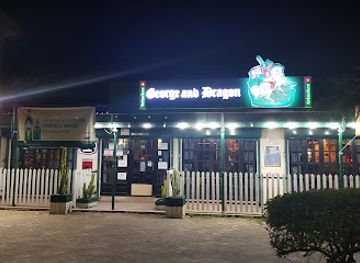
George & Dragon
Experience the essence of British pub culture at George & Dragon, a vibrant pub and sports bar in the heart of Dar es Salaam.
Best nightclubs in Central Zone
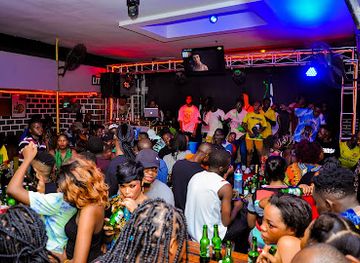
Nightlife is concentrated in Dodoma, where hotel lounges, modern bars, restaurants and a small selection of music-led venues serve residents, students, public-sector workers and visitors. The city’s evening scene is more developed than that of smaller Central Zone towns, but it remains modest compared with Dar es Salaam or Arusha. Singida has local bars, restaurants and social venues, while evenings in rural areas generally revolve around family gatherings, community life, guesthouse dining or a quiet drink rather than organised entertainment. Tanzanian beer is widely available, and Dodoma wine may appear on selected urban menus, but alcohol is not necessary for engaging with the region’s culture. Visitors should use reputable venues, arrange transport back to accommodation in advance and remember that many businesses outside the capital close relatively early. Live music and occasional events can be seasonal or changeable, so ask locally for current information rather than relying on outdated listings.
-
Lounge
Mi Casa Lounge
Discover the lively charm of Mi Casa Lounge in Dar es Salaam, a vibrant bar and nightclub offering delicious food, refreshing drinks, and unforgettable nightlife.
-
Grill
Dance Club & Bar
Dance Club & Bar in Dar es Salaam: A lively venue for great music, delicious food, and unforgettable nightlife experiences.
-
Night club
Havoc Nightspot
Discover the electrifying atmosphere of Havoc Nightspot, Dar es Salaam's premier nightlife destination for clubbing, dining, and entertainment.
-
Night club
Tip Top pub & lounge
Discover the vibrant nightlife of Sampeople at Tip Top Pub & Lounge, where great drinks and lively music create unforgettable memories.

Best shops in Central Zone
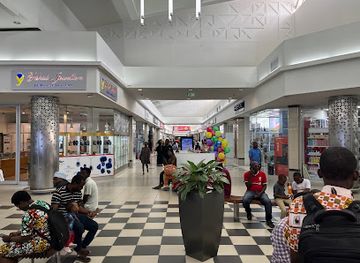
Shopping in Central Zone is primarily local and practical, with the widest choice in Dodoma and the most atmospheric everyday trade in the markets of Dodoma and Singida. Visitors can look for woven goods, baskets, beadwork, textiles, carvings and small pieces of regional craft, but quality and provenance vary, so buying directly from makers or established craft outlets is preferable where possible. Food products make useful souvenirs: Dodoma wine, sunflower products, honey, dried foods and locally grown grains may be available depending on season and transport arrangements. Market stalls sell fruit, vegetables, fabrics and household goods rather than a curated range of tourist merchandise. Singida’s trading centres reflect the region’s agricultural economy, while Dodoma’s expanding urban districts offer supermarkets, pharmacies, bookshops and more formal retail. Independent shops and hotel boutiques may stock local products, but opening arrangements and availability change. Do not buy archaeological objects, old-looking carvings or natural specimens whose legal origin is unclear, and leave time to pack liquids and food products appropriately for onward travel.
-
Shopping mall
Mlimani City Shopping Mall
Discover the diverse shopping, dining, and entertainment options at Mlimani City Shopping Mall in Dar es Salaam, a vibrant hotspot for tourists.
-
Spice store
HALEEM SPICE
Discover the essence of Tanzanian cuisine at Haleem Spice, a vibrant spice store in Dar es Salaam offering a rich selection of local spices and blends.
-
Shopping mall
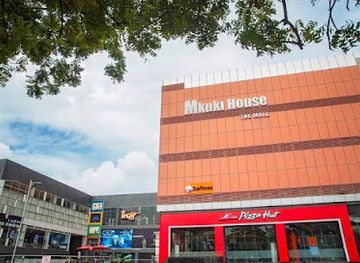
Mkuki House
Explore the vibrant Mkuki House in Dar es Salaam for a unique blend of shopping, dining, and local culture.
-
Shopping mall
Vijana Mall
Discover the vibrant shopping and dining experiences at Vijana Mall, your go-to destination in Dar es Salaam.

Get your free copy of our complete guide to Central Zone, delivered straight to you.
Everything on this page, from attractions and restaurants to essentials and local phrases, in one PDF you can read offline, print or share.
Already have an account? Sign in
Your Central Zone guide is ready.
We'll send it to · Not you? Sign out

Getting your guide ready…
We are putting together a fresh copy of the Central Zone guide. This can take up to a minute.
This can take a few moments. If your browser asks, choose Allow so the download can start. You'll find the guide in your Downloads folder.
Nothing happened? Download it again
Sorry, the guide is taking longer than usual. Please try again in a minute, or get it by email instead.
Central Zone essentials
Currency and Payment
Safety
Emergency Situations
Do's and Don'ts
Local Tips
From Eve
Local phrases worth knowing
You don't need to get them perfect. A few words go a long way, and locals appreciate the effort.
Basics
| English | Local | Say it |
|---|---|---|
| Hello | Salamu | [sah-lah-moo] |
| Goodbye | Kwaheri | [kwah-heh-ree] |
| Yes | Ndio | [n-dio] |
| No | Hapana | [hah-pah-nah] |
| Please/You're welcome | Tafadhali | [tah-fah-dah-lee] |
| Thank you | Asante | [ah-sahn-teh] |
| Excuse me/Sorry | Samahani | [sah-mah-hah-nee] |
| How are you? | Habari gani? | [hah-bah-ree gah-nee] |
| Fine. And you? | Nzuri. Na wewe? | [n-zoo-ree nah weh-weh] |
| Do you speak English? | Unazungumza Kiingereza? | [oo-nah-zoon-gum-zah kee-ing-eh-reh-zah] |
| I don't understand | Sielewi | [see-eh-leh-wee] |
Eating & Drinking
| English | Local | Say it |
|---|---|---|
| I'd like to see the menu, please | Ningependa kuona menyu, tafadhali | [neen-geh-pen-dah koo-oh-nah men-yoo tah-fah-dah-lee] |
| I don't eat meat | Sikuli nyama | [see-koo-lee nyah-mah] |
| Cheers! | Afya! | [ah-fyah] |
| I would like to pay, please | Ningependa kulipa, tafadhali | [neen-geh-pen-dah koo-lee-pah tah-fah-dah-lee] |
Emergencies
| English | Local | Say it |
|---|---|---|
| Help! | Msaada! | [em-sah-dah] |
| Go away! | Toka mbali! | [toh-kah em-bah-lee] |
| Call the Police! | Piga simu polisi! | [pee-gah see-moo poh-lee-see] |
| Call a doctor! | Piga simu daktari! | [pee-gah see-moo dahk-tah-ree] |
| I'm lost | Nimepotea | [nee-meh-poh-teh-ah] |
| I'm ill | Nina ugonjwa | [nee-nah oo-gon-jwah] |
Shopping
| English | Local | Say it |
|---|---|---|
| I'd like to buy... | Ningependa kununua... | [neen-geh-pen-dah koo-noo-noo-ah] |
| I'm just looking | Natazama tu | [nah-tah-zah-mah too] |
| How much is it? | Ni bei gani? | [nee beh-ee gah-nee] |
| That's too expensive | Hiyo ni ghali sana | [hee-yoh nee gah-lee sah-nah] |
| Can you lower the price? | Unaweza kupunguza bei? | [oo-nah-weh-zah koo-pun-goo-zah beh-ee] |
Time & Numbers
| English | Local | Say it |
|---|---|---|
| What time is it? | Ni saa ngapi? | [nee sah ahn-gah-pee] |
| It's one o'clock | Ni saa moja | [nee sah moh-jah] |
| Half past (10) | Nusu saa kumi | [noo-soo sah-kah-mee] |
| Morning | Asubuhi | [ah-soo-boo-hee] |
| Afternoon | Mchana | [m-chah-nah] |
| Evening | Jioni | [jee-oh-nee] |
| Yesterday | Jana | [jah-nah] |
| Today | Leo | [leh-oh] |
| Tomorrow | Kesho | [keh-shoh] |
| 1 | Moja | [moh-jah] |
| 2 | Mbili | [m-bee-lee] |
| 3 | Tatu | [tah-too] |
| 4 | Nne | [n-neh] |
| 5 | Tano | [tah-noh] |
| 6 | Sita | [see-tah] |
| 7 | Saba | [sah-bah] |
| 8 | Nane | [nah-neh] |
| 9 | Tisa | [tee-sah] |
| 10 | Kumi | [koo-mee] |
Transport & Directions
| English | Local | Say it |
|---|---|---|
| Where's a/the...? | Wapi ...? | [wah-pee] |
| What's the address? | Nini anwani? | [nee-nee ahn-wah-nee] |
| Can you show me (on the map)? | Unaweza kunionyesha (katika ramani)? | [oo-nah-weh-zah koo-nee-oh-nyesh-ah kah-tee-kah rah-mah-nee] |
| When's the next (bus)? | Basi ijayo ni lini? | [bah-see ee-jah-yoh nee lee-nee] |
| A ticket (to ....) | Tiketi (ya ...) | [tee-keh-tee yah] |
History of Central Zone
Ancient Rock-Art Traditions of Kondoa
The rock shelters and painted panels of the Kondoa area preserve one of Tanzania’s most important archaeological records. Images of animals, people and abstract forms were created and renewed over long periods, reflecting changing ritual practices and relationships with the surrounding environment. The artwork is associated with communities who used the Irangi Hills and their shelters, and it remains part of a living cultural landscape rather than an isolated collection of images. Kondoa’s recognition as a UNESCO World Heritage Site reflects the international importance of this continuity and the need to protect the paintings from weathering and careless visitation.
Pastoral and Agricultural Societies of the Central Plateau
Before colonial rule, central Tanzania was shaped by farming, livestock keeping, hunting and exchange between communities adapted to a strongly seasonal climate. Gogo communities became particularly associated with the Dodoma area, while Nyaturu communities have a long history in the Singida region; Rangi and Sandawe communities are also important to the cultural geography of central Tanzania. Settlement patterns, cattle traditions, grain cultivation and local markets developed in response to scarce and variable water. These histories remain visible in land use, foodways, oral traditions and the organisation of rural communities.
German Colonial Railway and Dodoma’s Foundation
Dodoma grew in importance during the German colonial period as railway construction linked the interior with the port of Dar es Salaam. The railway made the settlement a transport and administrative point on the central plateau, connecting agricultural and pastoral districts with wider commercial networks. Colonial rule also imposed new systems of taxation, labour and administration, disrupting existing political and economic arrangements. Surviving town plans, railway associations and the capital’s position along the central inland route all reflect this period, although the modern city has expanded far beyond its early colonial framework.
Colonial Rule, Resistance and Changing Administration
Central Tanzania experienced the pressures of colonial administration through taxation, land regulation, labour demands and the incorporation of local authorities into European systems of government. Resistance was not confined to a single event or community, and the effects of colonial rule varied across the plateau. The region’s later administrative boundaries and transport routes were shaped during this period, often around railway stations, district headquarters and market connections. Mission activity, formal schooling and cash-crop policies also introduced institutions whose influence continued after independence.
Independence and the Making of the Tanzanian State
Tanganyika became independent in 1961 and united with Zanzibar in 1964 to form Tanzania. Central Tanzania occupied a visible place in the new nation’s political geography because of its inland position and transport links. Dodoma’s setting, central location and distance from the coastal capital made it attractive as a symbol of a more nationally balanced administration. The post-independence state expanded public services, cooperative structures and rural development programmes across Dodoma and Singida, while continuing to negotiate the practical difficulties of drought, water supply and dispersed settlement.
Dodoma Becomes the National Capital
In 1974, the Tanzanian government announced the decision to move the national capital from Dar es Salaam to Dodoma. The relocation was intended to place government closer to the geographical centre of the country and encourage more balanced national development. The transfer took decades and Dar es Salaam remained the principal commercial city, but Dodoma steadily acquired government offices, diplomatic functions and new infrastructure. The capital’s present-day identity combines a growing political city with an older inland settlement surrounded by vineyards, farms, hills and villages.
Modern Agriculture, Wine and Regional Change
In the contemporary Central Zone, agriculture remains closely tied to rainfall, soil and access to markets. Sunflower production is particularly associated with Singida and surrounding districts, while Dodoma is known nationally for vineyards and wine production. Improved roads, urban growth and the expanding capital have brought new investment and employment, but rural households continue to face seasonal water shortages and variable harvests. This mixture of agricultural continuity, public-sector expansion and infrastructure development defines a region changing steadily without losing the environmental constraints that have shaped it for centuries.
Central Zone in Photos
Browse through our photo collection highlighting the charm and character of the destination.
Neighbouring regions of Central Zone
The closest regions to Central Zone, if you have time for more than one.
-

-

-

-

-


Swipe for more regions
Explore more
Explore more of Tanzania
Discover Tanzania: From the majestic Mount Kilimanjaro to the stunning Serengeti and the serene beaches of Zanzibar, experience the best of nature and culture in East Africa.
Explore Tanzania