

Free Northern Zone Travel Guide & Mobile App
Explore Northern Zone with free travel guides. Discover regional history, expert tips, proposed trips, and audio guides on web or mobile app.


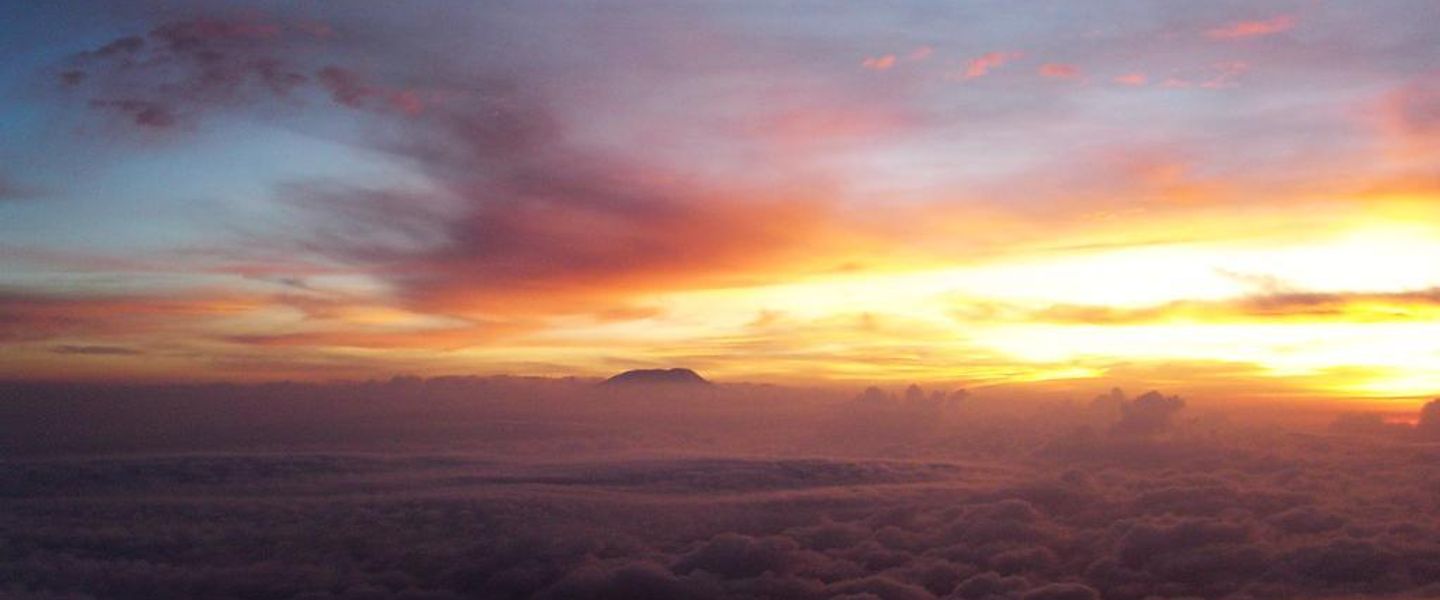


Northern Tanzania combines Serengeti safaris, Mount Kilimanjaro, the Ngorongoro highlands and living pastoral cultures across a vast scenic circuit.
Read more about Northern Zone
When is the best time to visit Northern Zone?
Best: February, May, October · 24–25°C| Month | High (°C) | Rainfall (mm) |
|---|---|---|
| January | 23 | 75 |
| February (best) | 24 | 70 |
| March | 24 | 80 |
| April | 25 | 85 |
| May (best) | 25 | 90 |
| June | 24 | 95 |
| July | 22 | 75 |
| August | 23 | 70 |
| September | 24 | 80 |
| October (best) | 25 | 85 |
| November | 24 | 90 |
| December | 23 | 95 |
Getting to and around Northern Zone
How to get there
Transportation
Top city travel guides in Northern Zone
The cities of Northern Zone, and the easiest places to base yourself.
-

-

-

-

-

-


Swipe for more cities
Destinations in Northern Zone
Resorts, valleys and scenic spots worth a trip of their own.
-

-

-

-

-

-


Swipe for more destinations
Best attractions in Northern Zone
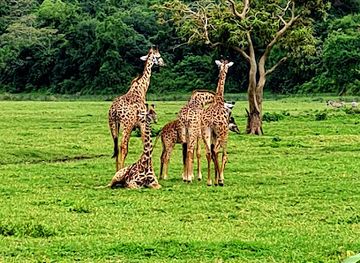
Northern Tanzania’s attractions are built around large protected landscapes rather than a single urban centre. The Serengeti offers open plains, woodland and riverine habitats, with game drives focused on resident wildlife as well as seasonal concentrations of wildebeest and zebra. The Ngorongoro Conservation Area combines the wildlife-rich crater with highland forest, grassland, archaeological sites and inhabited pastoral landscapes. Tarangire National Park is valued for elephants, baobabs and dry-season wildlife gatherings, while Lake Manyara National Park provides a compact contrast of escarpment, forest, lake shore and groundwater springs. Mount Kilimanjaro supplies a very different experience: multi-day trekking through changing ecological zones towards a high-altitude summit. Around Arusha and Moshi, guided nature walks, coffee and farm visits, waterfalls and cultural programmes offer slower-paced alternatives to game drives. Attractions are widely dispersed, and a route should be designed around geography, conservation fees, road conditions and the time available rather than attempting every major park in one hurried circuit.
-
National park
Arusha National Park
Experience the breathtaking landscapes and rich biodiversity of Arusha National Park, a must-visit destination for nature lovers in Tanzania.
-
Tourist attraction
Kisite-Mpunguti Marine National Park
Explore the vibrant marine life and stunning beaches at Kisite-Mpunguti Marine National Park, a must-visit destination in Kenya.
-
Swimming basin
Kikuletwa Springs (Maji Moto)
Experience the tranquil beauty of Kikuletwa Springs, a stunning natural swimming basin in Tanzania, perfect for relaxation and adventure.
-
Tour operator
Leopard Tours LTD
Discover the beauty of Tanzania with Leopard Tours LTD, your premier tour operator for unforgettable wildlife adventures and cultural experiences.


Best landmarks in Northern Zone
Mount Kilimanjaro is Northern Tanzania’s defining natural landmark, its snow-capped summit rising above heavily cultivated foothills and forming a powerful geographical presence around Moshi. The Ngorongoro Crater is another landmark of exceptional scale: its steep caldera walls enclose a broad wildlife plain and create one of the region’s most recognisable viewpoints. Olduvai Gorge, within the Ngorongoro Conservation Area, is both a geological formation and a landmark in the study of human evolution, with exposed layers associated with important fossil and tool discoveries. In Arusha, Mount Meru forms a dramatic backdrop to the city and surrounding national park, while the Arusha Declaration Monument recalls the political importance of the city in post-independence Tanzania. Across the Serengeti, the landscape itself is the principal landmark, defined by immense grasslands, kopjes, seasonal rivers and distant horizons rather than monumental architecture. In the Kilimanjaro foothills, Chagga villages, irrigation channels and cultivated slopes express a long relationship between settlement and mountain water.
-
National park
Serengeti National Park
Explore the iconic Serengeti National Park, a breathtaking wildlife haven in Tanzania, famous for its stunning landscapes and the Great Migration.
-
Nature preserve
Ngorongoro Conservation Area
Experience the breathtaking landscapes and rich wildlife of the Ngorongoro Conservation Area, a UNESCO World Heritage Site in Tanzania.
-
National park
Mount Kilimanjaro National Park
Explore the breathtaking landscapes and rich biodiversity of Mount Kilimanjaro National Park, a must-visit destination for adventure enthusiasts and nature lovers.
-
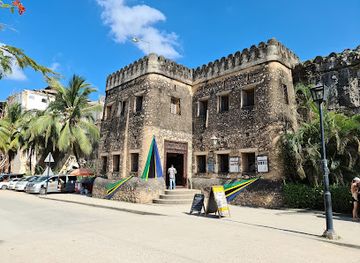
Fortress
Old Fort
Discover the Old Fort of Zanzibar, a historic fortress showcasing the island's rich culture, stunning views, and vibrant local art scene.


Explore Northern Zone on the map
Plan your trip on one map. See where the top cities, national parks and sights are, and book hotels and experiences in a few clicks.
Best hotels in Northern Zone
Best restaurants in Northern Zone
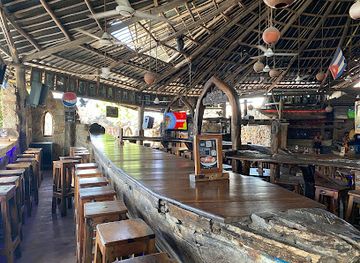
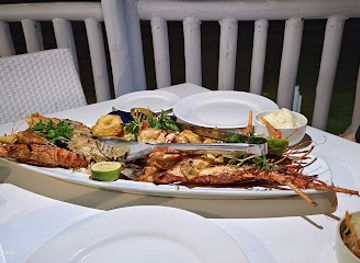
Dining in Northern Tanzania ranges from safari-lodge menus and hotel restaurants to busy town cafés, simple local eateries and market stalls. Arusha and Moshi provide the broadest choice, including Tanzanian dishes such as pilau, biryani, nyama choma, beans, rice, chapati and banana-based preparations, alongside Indian, Middle Eastern and international cooking. The fertile slopes of Kilimanjaro are associated with coffee, bananas and other crops, while pastoral areas contribute traditions centred on milk and meat. In towns, grilled meat is commonly served with salads, ugali or chips, and fresh fruit juices are widely available. Safari camps often use regional produce while adapting menus to remote logistics, so advance dietary requests are helpful. Tanga and the northern coast add stronger Swahili and Indian Ocean influences, including spiced rice, coconut-based dishes and seafood. Farmers’ markets and small food shops are useful for fruit, roasted maize and snacks, but visitors should choose busy, hygienic places and drink treated water.
-
Restaurant
Samaki Samaki restaurant
Discover the essence of Tanzanian cuisine at Samaki Samaki, where fresh seafood meets vibrant flavors in a delightful dining experience.
-
Restaurant
Karambezi Cafe
Discover the best of Tanzanian cuisine at Karambezi Cafe with stunning ocean views in Dar es Salaam.
-
Restaurant
Akemi Revolving Restaurant
Experience exquisite dining with breathtaking views at Akemi Revolving Restaurant in Dar es Salaam.
-
Restaurant
George's Tavern
Experience the rich flavors of Tanzania at George's Tavern in Arusha - a culinary delight for every traveler.

Best bars in Northern Zone
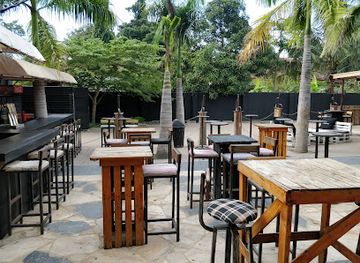
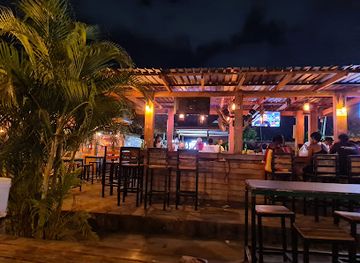
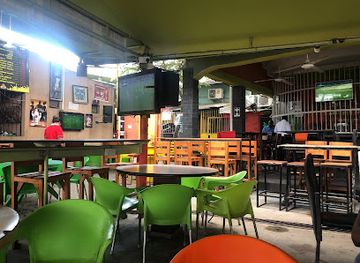
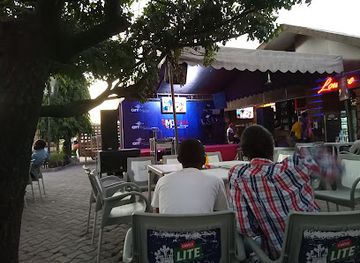
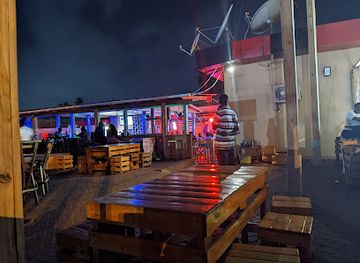
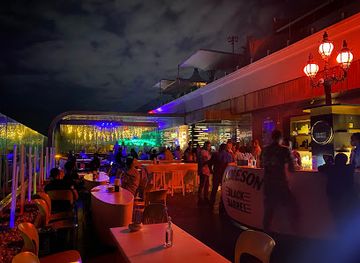
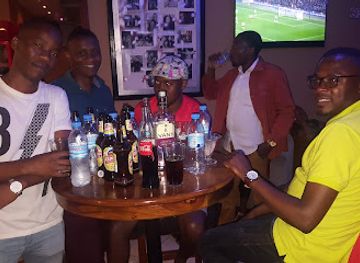
Evening life is concentrated in Arusha and Moshi, where visitors find hotel bars, relaxed cafés, restaurants, live music and a modest selection of late venues. Traditional bars and neighbourhood spots serve Tanzanian beers and soft drinks, while some establishments offer cocktails and locally produced coffee-based drinks. In safari country, nightlife usually means a lodge bar, conversation around a campfire where permitted, or an early dinner before a dawn game drive rather than a nightclub scene. Moshi has a social atmosphere linked to mountain trekking, tourism and local residents, whereas Arusha has the widest range of restaurants and evening entertainment. Tanga’s coastal character brings a slower, more Swahili-influenced evening culture. Check transport arrangements before going out, particularly in rural areas, and follow lodge rules about noise, fires, alcohol and movement after dark.
-
Grill
TIPS Lounge, Mikocheni
Discover the vibrant flavors of TIPS Lounge in Mikocheni, Dar es Salaam, where grilling meets a lively lounge atmosphere for an unforgettable dining experience.
-
Pub
Juliana Pub
Unleash your spirit at Juliana Pub in Dar es Salaam, where vibrant nightlife meets delicious cuisine and lively entertainment.
-
Bar
Small Planet Sinza(former La Chaaz)
Unwind at Small Planet Sinza, a vibrant bar in Dar es Salaam, perfect for cocktails, music, and enjoying the lively nightlife scene.
-
Lounge
Mi Casa Lounge
Discover the vibrant nightlife and delicious dining at Mi Casa Lounge, your perfect destination in Dar es Salaam for relaxation and entertainment.
Best nightclubs in Northern Zone
Evening life is concentrated in Arusha and Moshi, where visitors find hotel bars, relaxed cafés, restaurants, live music and a modest selection of late venues. Traditional bars and neighbourhood spots serve Tanzanian beers and soft drinks, while some establishments offer cocktails and locally produced coffee-based drinks. In safari country, nightlife usually means a lodge bar, conversation around a campfire where permitted, or an early dinner before a dawn game drive rather than a nightclub scene. Moshi has a social atmosphere linked to mountain trekking, tourism and local residents, whereas Arusha has the widest range of restaurants and evening entertainment. Tanga’s coastal character brings a slower, more Swahili-influenced evening culture. Check transport arrangements before going out, particularly in rural areas, and follow lodge rules about noise, fires, alcohol and movement after dark.
-
Grill
Dance Club & Bar
Experience the vibrant nightlife of Dar es Salaam at Dance Club & Bar, where music, food, and fun come together for an unforgettable evening.
-
Night club
Havoc Nightspot
Experience the vibrant nightlife of Dar es Salaam at Havoc Nightspot, where dancing, dining, and entertainment collide in an upscale setting.
-
Lounge
The Don's Lounge
Discover the vibrant nightlife of Arusha at The Don's Lounge, where delicious cuisine and an extensive drink menu await in a cozy setting.
-
Bar
Ambiance Bar & Night Club
Immerse yourself in the vibrant nightlife of Dar es Salaam at Ambiance Bar & Night Club, where good music and great company await you.

Best shops in Northern Zone
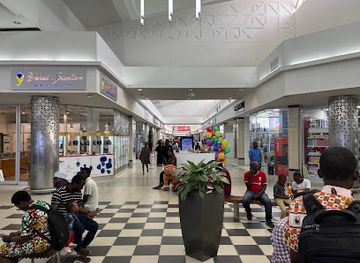
Shopping in Northern Tanzania is centred on Arusha and Moshi, with smaller town markets and roadside stalls serving local communities and safari traffic. Arusha has the region’s broadest selection of art, textiles, beadwork, carvings, jewellery and practical outdoor goods, while Moshi is a convenient place to buy coffee, woven products and mountain-related essentials. Visitors should distinguish handmade work from factory-produced souvenirs and ask about materials, provenance and fair pricing. Farmers’ and produce markets offer bananas, coffee, spices, fruit and other foods from the northern highlands, although some operate mainly for local shoppers rather than tourists. Tanga adds coastal and Swahili influences to its crafts and food products. Respectful bargaining may be expected in some markets, but not in every shop or gallery, and photographs should be taken only with permission. Wildlife products and archaeological objects should never be purchased; reputable sellers can explain legal restrictions and provide appropriate receipts for permitted crafts.
-
Shopping mall
Mlimani City Shopping Mall
Explore Mlimani City Shopping Mall: A hub of shopping, dining, and entertainment in the heart of Dar es Salaam, Tanzania.
-
Shopping mall
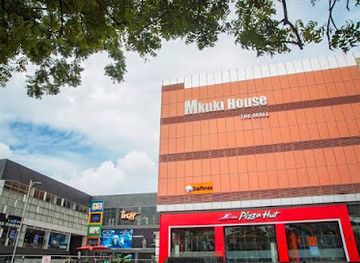
Mkuki House
Discover the heart of Dar es Salaam at Mkuki House, a premier shopping mall offering unique local products, diverse dining, and vibrant entertainment options.
-
Shopping mall
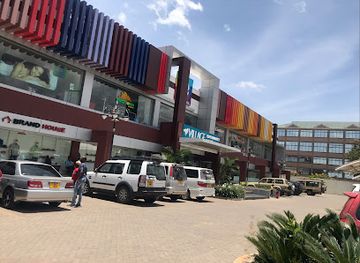
AIM Mall
Explore AIM Mall in Arusha for a unique shopping experience showcasing local culture, diverse dining, and entertainment options.
-
Souvenir store
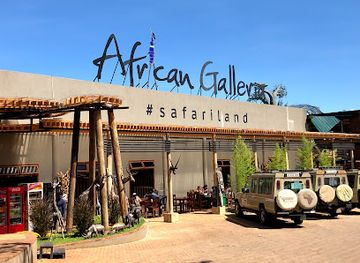
African Galleria
Explore the vibrant offerings of African Galleria, where every souvenir tells a story of Tanzanian culture and craftsmanship.
Get your free copy of our complete guide to Northern Zone, delivered straight to you.
Everything on this page, from attractions and restaurants to essentials and local phrases, in one PDF you can read offline, print or share.
Already have an account? Sign in
Your Northern Zone guide is ready.
We'll send it to · Not you? Sign out

Getting your guide ready…
We are putting together a fresh copy of the Northern Zone guide. This can take up to a minute.
This can take a few moments. If your browser asks, choose Allow so the download can start. You'll find the guide in your Downloads folder.
Nothing happened? Download it again
Sorry, the guide is taking longer than usual. Please try again in a minute, or get it by email instead.
Northern Zone essentials
Currency and Payment
Safety
Emergency Situations
Do's and Don'ts
Local Tips
From Eve
Local phrases worth knowing
You don't need to get them perfect. A few words go a long way, and locals appreciate the effort.
Basics
| English | Local | Say it |
|---|---|---|
| Hello | Habari | [ha-ba-ri] |
| Goodbye | Kwaheri | [kwa-he-ri] |
| Yes | Ndiyo | [n-dee-yo] |
| No | Hapana | [ha-pa-na] |
| Please/You're welcome | Tafadhali | [ta-fa-dha-li] |
| Thank you | Asante | [a-san-te] |
| Excuse me/Sorry | Samahani | [sa-ma-ha-ni] |
| How are you? | Habari gani? | [ha-ba-ri ga-ni] |
| Fine. And you? | Nzuri. Na wewe? | [n-zu-ri na we-we] |
| Do you speak English? | Unazungumza Kiingereza? | [u-na-zun-gum-za ki-in-ge-re-za] |
| I don't understand | Sielewi | [si-e-le-wi] |
Eating & Drinking
| English | Local | Say it |
|---|---|---|
| I'd like to see the menu, please | Ningependa kuona muktadha, tafadhali | [nin-ge-pen-da ku-o-na muk-ta-dha ta-fa-dha-li] |
| I don't eat meat | Sikula nyama | [si-ku-la nya-ma] |
| Cheers! | Afya! | [a-fya] |
| I would like to pay, please | Ningependa kulipa, tafadhali | [nin-ge-pen-da ku-li-pa ta-fa-dha-li] |
Emergencies
| English | Local | Say it |
|---|---|---|
| Help! | Nisaidie! | [ni-sai-die] |
| Go away! | Ondoka! | [on-do-ka] |
| Call the Police! | Piga simu polisi! | [pi-ga si-mu po-li-si] |
| Call a doctor! | Piga simu daktari! | [pi-ga si-mu dak-ta-ri] |
| I'm lost | Nimepotea | [ni-me-po-te-a] |
| I'm ill | Nina ugonjwa | [ni-na u-gon-jwa] |
Shopping
| English | Local | Say it |
|---|---|---|
| I'd like to buy... | Ningependa kununua... | [nin-ge-pen-da ku-nu-nu-a] |
| I'm just looking | Natazama tu | [na-ta-za-ma tu] |
| How much is it? | Ni shilingi ngapi? | [ni shi-lin-gi ng-a-pi] |
| That's too expensive | Hiyo ni gharama sana | [hi-yo ni gha-ra-ma sa-na] |
| Can you lower the price? | Unaweza kupunguza bei? | [u-na-we-za ku-pun-gu-za bei] |
Time & Numbers
| English | Local | Say it |
|---|---|---|
| What time is it? | Ni saa ngapi? | [ni sa-a ng-a-pi] |
| It's one o'clock | Ni saa moja | [ni sa-a mo-ja] |
| Half past (10) | Nusu ya (10) | [nu-su ya 10] |
| Morning | Asubuhi | [a-su-bu-hi] |
| Afternoon | Mchana | [m-cha-na] |
| Evening | Jioni | [ji-o-ni] |
| Yesterday | Jana | [ja-na] |
| Today | Leo | [le-o] |
| Tomorrow | Kesho | [ke-sho] |
| 1 | Moja | [mo-ja] |
| 2 | Mbili | [m-bi-li] |
| 3 | Tatu | [ta-tu] |
| 4 | Nne | [n-ne] |
| 5 | Tano | [ta-no] |
| 6 | Sita | [si-ta] |
| 7 | Saba | [sa-ba] |
| 8 | Nane | [na-ne] |
| 9 | Tisa | [ti-sa] |
| 10 | Kumi | [ku-mi] |
Transport & Directions
| English | Local | Say it |
|---|---|---|
| Where's a/the...? | Wapi ...? | [wa-pi] |
| What's the address? | Nini anwani? | [ni-ni an-wa-ni] |
| Can you show me (on the map)? | Unaweza kunionyesha (katika ramani)? | [u-na-we-za ku-ni-on-ye-sha ka-ti-ka ra-ma-ni] |
| When's the next (bus)? | Basi inayofuata lini? | [ba-si i-na-yo-fua-ta li-ni] |
| A ticket (to ....) | Tiketi (ya ...) | [ti-ke-ti ya] |
History of Northern Zone
Early Human Heritage at Olduvai Gorge
Olduvai Gorge, within the Ngorongoro Conservation Area, is one of East Africa’s most important archaeological landscapes. Excavations by Louis and Mary Leakey and later researchers uncovered hominin fossils and stone tools spanning a very long period of human evolution. The surrounding strata preserve evidence of changing environments, animal life and early technology rather than a single isolated event. The gorge’s importance has made northern Tanzania central to global discussions of human origins, while the associated museum and landscape help visitors understand how geological layers can record successive phases of life on the African continent.
Pastoral Societies and Maasai Expansion
Pastoral communities have shaped the northern Tanzanian landscape for centuries, adapting cattle husbandry to seasonal rainfall, grassland and highland conditions. Maasai communities became especially prominent across parts of the Rift Valley and northern plains, where livestock, age-based social organisation and negotiated access to grazing remain important cultural reference points. Modern conservation boundaries and state administration have altered older patterns of movement, but pastoral life continues alongside protected areas and tourism. Cultural history in the region is therefore not confined to museums: it is visible in land use, settlement patterns and contemporary community institutions.
Chagga Agriculture on Mount Kilimanjaro
The southern and eastern foothills of Mount Kilimanjaro have long supported intensive Chagga farming. Abundant water from the mountain, carefully managed plots and traditional irrigation channels helped sustain banana cultivation, coffee and other crops on steep terrain. German and later British colonial administration transformed the economic setting, particularly through commercial coffee production and new forms of taxation and labour. Today, the densely settled foothills contrast sharply with the protected mountain slopes above them, and guided farm visits and walking routes reveal how agriculture has developed around one of Africa’s most recognisable natural landmarks.
German and British Colonial Rule
Northern Tanzania became part of German East Africa in the late nineteenth century, with administrative and commercial interests developing around places including Arusha, Moshi and Tanga. After the First World War, the territory was administered by Britain as Tanganyika under a League of Nations mandate and later a United Nations trusteeship. Colonial infrastructure, taxation, plantation agriculture and conservation policies altered local economies and movement. Buildings, roads and railway-related remains survive in some towns, although the deeper legacy is found in political boundaries, land administration and economic systems that continued to influence the region after independence.
The Creation of National Parks and Conservation Areas
The twentieth century brought the formal creation and expansion of protected areas across northern Tanzania. Serengeti National Park was established in 1951, followed by arrangements that shaped the Ngorongoro Conservation Area and other parks and reserves. These measures protected globally important ecosystems and helped establish safari tourism, but they also restricted or relocated some forms of local land use and have generated continuing debates about conservation, pastoral rights and tourism benefits. The present northern circuit is consequently both a wildlife destination and a landscape shaped by complex negotiations between communities, government and conservation organisations.
Independence, Ujamaa and Modern Tourism
Tanganyika achieved independence in 1961 and united with Zanzibar in 1964 to form Tanzania. Under Julius Nyerere, the country pursued ujamaa, a policy of African socialism that included rural villagisation and state-led development. Arusha later became internationally significant when the 1967 Arusha Declaration set out key principles of the policy. From the late twentieth century, safari tourism, mountain trekking and conservation became increasingly important to the northern economy. The region now combines long-established farming and pastoral communities with an international visitor industry centred on parks, guides, lodges and transport services.
Northern Zone in Photos
Browse through our photo collection highlighting the charm and character of the destination.
Neighbouring regions of Northern Zone
The closest regions to Northern Zone, if you have time for more than one.
-

-

-

-

-


Swipe for more regions
Explore more
Explore more of Tanzania
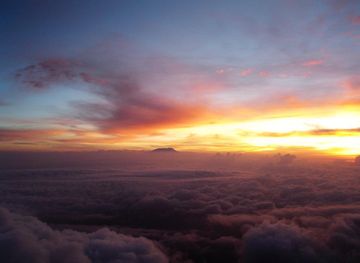
Discover Tanzania: From the majestic Mount Kilimanjaro to the stunning Serengeti and the serene beaches of Zanzibar, experience the best of nature and culture in East Africa.
Explore Tanzania