
Western Zone, Tanzania Travel Guide
Explore Tanzania's Western Zone: A blend of untamed wilderness, rich culture, and the serene shores of Lake Tanganyika. Discover hidden gems in one of Africa's wildest corners.
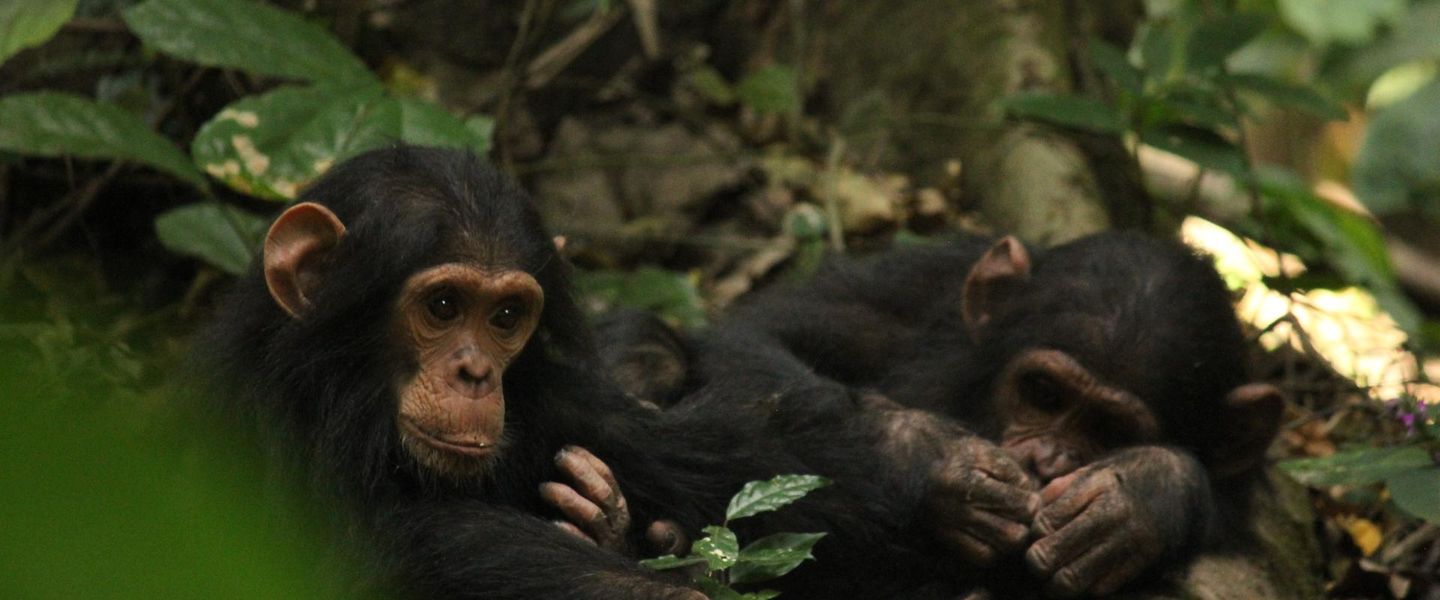
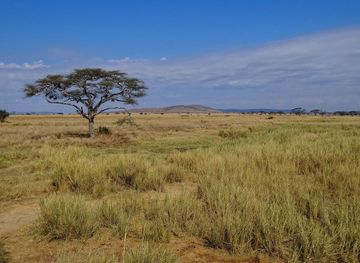
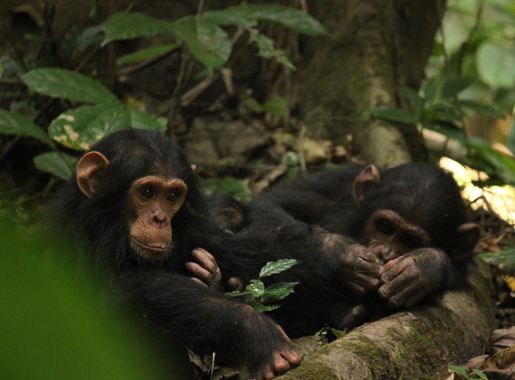
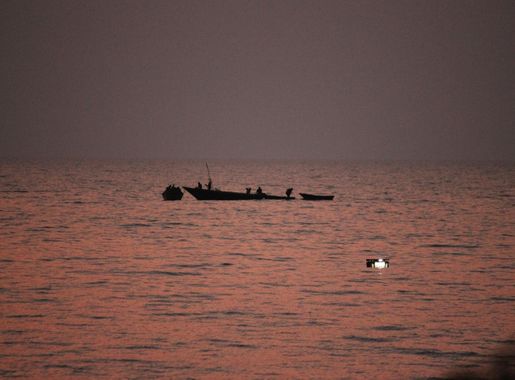
Discover the Western Zone of Tanzania, a region where untamed wilderness merges with deep cultural roots. This area, less frequented by tourists, offers some of the most breathtaking landscapes and unique wildlife experiences in Africa. From the dense forests of Mahale Mountains National Park, home to some of the last wild chimpanzees, to the expansive plains of Katavi National Park, where vast herds of buffalo roam, the Western Zone promises an adventure unlike any other. Not only is the natural beauty of the Western Zone captivating, but the cultural experiences are equally enriching. The region is home to diverse ethnic groups like the Ha, Fipa, and Sukuma, each with their own traditions and ways of life. Visiting local villages provides an opportunity to learn about their unique cultures, traditional dances, and artisanal crafts. Lake Tanganyika, the world's longest freshwater lake, is another highlight of the Western Zone. Its crystal-clear waters are perfect for kayaking, snorkeling, and fishing. The lake's coastline is dotted with secluded beaches and charming fishing villages, offering a tranquil escape from the hustle and bustle of city life.

Know before you go
Hi, I'm Eve. Here are a few practical things to know before exploring Western Zone.
- Plan your visit during the dry season (June to October) for the best wildlife viewing opportunities.
- Consider hiring a local guide to enhance your experience and gain deeper insights into the region's culture and nature.
- Bring binoculars for bird watching, as the Western Zone is home to many unique bird species.
- Don't miss a boat trip on Lake Tanganyika to explore its clear waters and beautiful shoreline.
- Pack lightweight, breathable clothing, and insect repellent to stay comfortable and protected.
Top City Travel Guides in Western Zone
The cities of Western Zone, and the easiest places to base yourself.




Destinations in Western Zone
Resorts, valleys and scenic spots worth a trip of their own.

Explore Western Zone: Things to Do, Places to Eat, Hotels & More
Handpicked recommendations for top attractions, local dining, accommodations, and more

Top Attractions & Sightseeing in Western Zone
Top-rated picks
Best Attractions

Bismarck Rock
Discover Bismarck Rock in Mwanza: A stunning natural attraction offering breathtaking views and a glimpse into local culture on the shores of Lake Victoria.

Gadaffi Mosque
Experience the grandeur of Gadaffi Mosque in Dodoma, a remarkable blend of spirituality and stunning architecture in Tanzania's capital.

Zanzibar Quad Adventure
Experience the ultimate thrill of quad biking through the picturesque landscapes of Kiwengwa, Zanzibar, where adventure meets breathtaking beauty.

Mbudya Island
Experience the serene beauty of Mbudya Island, Tanzania's hidden gem with pristine beaches and vibrant marine life, perfect for relaxation and adventure.

Best landmarks in Western Zone
Top-rated picks
Best Landmarks

Serengeti National Park
Explore the iconic Serengeti National Park, home to diverse wildlife and the breathtaking Great Migration, a true gem of Tanzania's natural heritage.

Ngorongoro Conservation Area
Explore the breathtaking landscapes and rich wildlife of Ngorongoro Conservation Area, a UNESCO World Heritage Site and a true natural wonder in Tanzania.

Old Fort
Explore the Old Fort in Zanzibar, a captivating fortress showcasing the island's rich history and vibrant cultural heritage.

Tarangire National Park
Explore the stunning wildlife and landscapes of Tarangire National Park, Tanzania's hidden gem for unforgettable safari adventures.

Best restaurants in Western Zone
Top-rated picks
Best Restaurants

The Rock Restaurant Zanzibar
Experience exquisite seafood dining at The Rock Restaurant Zanzibar—an unforgettable culinary escape above crystal-clear waters.

Samaki Samaki restaurant
Discover the vibrant flavors of Tanzanian cuisine at Samaki Samaki restaurant in Dar es Salaam - where fresh seafood meets warm hospitality.
Karambezi Cafe
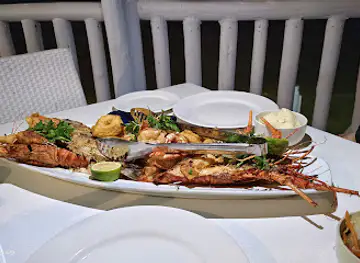
Discover Karambezi Cafe in Dar es Salaam: Enjoy breathtaking ocean views while savoring exquisite local and international dishes.

Levant
Discover Levant: A luxurious dining experience in Oyster Bay offering exquisite local and international cuisine in Dar es Salaam.

Best bars in Western Zone
Top-rated picks
Best Bars

TIPS Lounge, Mikocheni
Discover TIPS Lounge in Mikocheni – a perfect blend of grill delights and lively entertainment in Dar es Salaam.
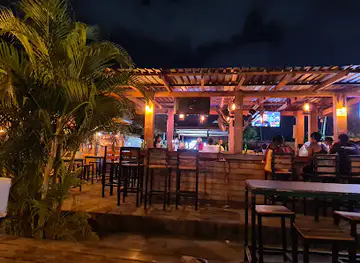
Juliana Pub
Discover the vibrant charm of Juliana Pub in Dar es Salaam, where delicious food meets a lively atmosphere for an unforgettable experience.

Small Planet Sinza(former La Chaaz)
Discover the lively atmosphere of Small Planet Sinza, a bar in Dar es Salaam where local culture meets vibrant nightlife.
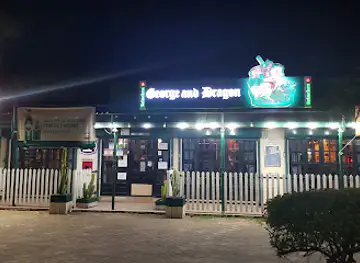
George & Dragon
Experience the best of British cuisine and sports culture at George & Dragon, a beloved pub in Dar es Salaam's vibrant Oyster Bay.

Best nightclubs in Western Zone
Top-rated picks
Best Nightclubs

Dance Club & Bar
Dive into the vibrant nightlife of Dar es Salaam at this popular dance club and bar, where music, food, and fun come together for an unforgettable experience.

Havoc Nightspot
Discover the pulse of Dar es Salaam at Havoc Nightspot, where nightlife meets vibrancy with exceptional cocktails and unforgettable entertainment.

Downtown Club And Bar
Discover Morogoro's nightlife at Downtown Club And Bar, where the music is vibrant, and the atmosphere is electric.

Upanga Club
Experience the electrifying nightlife of Upanga Club in Dar es Salaam, where vibrant music and lively crowds create unforgettable memories.

Best shops in Western Zone
Top-rated picks
Best Shops

African Galleria
Explore the vibrant culture of Tanzania at African Galleria, your one-stop destination for unique souvenirs and local artisan crafts.

Shanga Gift & Workshop
Explore Shanga Gift & Workshop in Arusha, where unique handcrafted gifts meet a commitment to sustainability and local craftsmanship.

Kariakoo Shops
Discover the lively atmosphere and diverse offerings at Kariakoo Shops, the ultimate shopping destination in Dar es Salaam, Tanzania.

The Zanzibar Curio Shop
Explore The Zanzibar Curio Shop for unique antiques and local crafts that showcase the vibrant culture and heritage of Zanzibar.

Explore Western Zone on the Map
A handpicked selection of must-see spots in Western Zone, mapped for you.
Western Zone Essentials
-
The Western Zone in Tanzania can be reached primarily by air and road. The main entry point by air is Tabora Airport (TBO), which has regular flights from Dar es Salaam and other major cities. Another option is Kigoma Airport (TKQ), serving the town of Kigoma. For those preferring to travel by road, buses and coaches operate between Dar es Salaam and major towns in the Western Zone, though the journey can be lengthy and the road conditions vary. Private car hire is also available, but ensure your vehicle is suitable for the varying terrain.
-
Within the Western Zone, transportation options include local buses, known as 'daladalas', which are inexpensive but can be crowded. Taxis are available in larger towns like Tabora and Kigoma, and it's advisable to negotiate the fare before starting your journey. For more flexibility, renting a car is an option, though it may be costly and requires careful navigation due to varying road conditions. Additionally, motorcycles (bodabodas) are commonly used for short distances.
-
The official currency in Tanzania is the Tanzanian Shilling (TZS). While credit cards are accepted in some hotels, restaurants, and shops in larger towns, cash is essential, especially in rural areas. ATMs are available in major towns like Tabora and Kigoma, but it's wise to carry enough cash, particularly when venturing into more remote areas. Foreign exchange services are available at banks and some hotels.
-
The Western Zone is generally safe for tourists, but standard precautions should be taken. Petty crime, such as pickpocketing and bag snatching, can occur in crowded areas and markets. Avoid walking alone at night and be cautious in unfamiliar neighborhoods. Some areas of Kigoma have higher crime rates, and it's advisable to stay vigilant. Always keep your belongings secure and avoid displaying valuables.
-
In case of emergency, dial 112 for police assistance or 115 for medical emergencies. Major towns such as Tabora and Kigoma have hospitals and clinics. It's crucial to have travel insurance that covers medical emergencies. For minor health issues, pharmacies are available in larger towns. Always carry a basic first aid kit and any personal medications you may need.
-
Fashion: Do dress modestly, especially in rural areas and when visiting religious sites. Avoid wearing revealing clothing. Religion: Do respect local customs and traditions. Always ask for permission before taking photos of people or religious sites. Public Transport: Do be respectful and give up your seat to elderly passengers. Don’t eat or drink on public transport. Greetings: Do greet people with a handshake or the traditional Swahili greeting ‘Jambo’. Eating & Drinking: Do try local delicacies and accept food offerings graciously. Don’t refuse hospitality, as it is considered impolite.
-
To experience the Western Zone like a local, visit local markets to buy fresh produce and traditional Tanzanian goods. Engage with locals, as they are often friendly and willing to share stories about the area’s history and culture. Don’t miss visiting the Ujiji Museum in Kigoma, where you can learn about the historic meeting between Dr. David Livingstone and Henry Morton Stanley. For a unique experience, take a boat trip on Lake Tanganyika, the second deepest lake in the world.
When is the best time to visit Western Zone?
Useful Local Phrases for Western Zone
You don't need to speak the language perfectly. Even learning a few simple words can make conversations warmer—and locals usually appreciate the effort.
— Eve

Here are the phrases I use most often in Western Zone. Try a few—you'll be surprised how far they go! 😊
❤️
-
- HelloHola
[oh-lah] - GoodbyeAdiós
[ah-dee-ohs] - YesSí
[see] - NoNo
[noh] - Please/You're welcomePor favor/De nada
[por fah-vor/deh nah-dah] - Thank youGracias
[grah-syas] - Excuse me/SorryPerdón
[pehr-dohn] - How are you?¿Cómo estás?
[koh-moh es-tahs] - Fine. And you?Bien. ¿Y tú?
[byen. ee too] - Do you speak English?¿Hablas inglés?
[ah-blahs een-glehs] - I don't understandNo entiendo
[noh en-tyen-doh]
- HelloHola
-
- I'd like to see the menu, pleaseMe gustaría ver el menú, por favor
[meh goo-stah-ree-ah vehr el meh-noo, por fah-vor] - I don't eat meatNo como carne
[noh koh-mo kar-neh] - Cheers!¡Salud!
[sah-lud] - I would like to pay, pleaseMe gustaría pagar, por favor
[meh goo-stah-ree-ah pah-gar, por fah-vor]
- I'd like to see the menu, pleaseMe gustaría ver el menú, por favor
-
- Help!¡Ayuda!
[ah-yoo-dah] - Go away!¡Vete!
[beh-teh] - Call the Police!¡Llame a la policía!
[yah-meh ah lah poh-lee-see-ah] - Call a doctor!¡Llame a un doctor!
[yah-meh ah oon dok-tor] - I'm lostEstoy perdido
[es-toy pehr-dee-doh] - I'm illEstoy enfermo
[es-toy en-fehr-moh]
- Help!¡Ayuda!
-
- I'd like to buy...Me gustaría comprar...
[meh goo-stah-ree-ah kom-prar] - I'm just lookingSolo estoy mirando
[soh-lo es-toy mee-ran-do] - How much is it?¿Cuánto cuesta?
[kwan-to kwes-tah] - That's too expensiveEs demasiado caro
[es deh-mah-see-ah-doh kah-roh] - Can you lower the price?¿Puedes bajar el precio?
[pweh-des bah-har el preh-syo]
- I'd like to buy...Me gustaría comprar...
-
- What time is it?¿Qué hora es?
[keh oh-rah es] - It's one o'clockEs la una
[es lah oo-nah] - Half past (10)Y diez y media
[ee dyes ee meh-dyah] - MorningMañana
[mah-nyah-nah] - AfternoonTarde
[tar-deh] - EveningNoche
[noh-cheh] - YesterdayAyer
[ah-yer] - TodayHoy
[oy] - TomorrowMañana
[mah-nyah-nah] - 1Uno
[oo-noh] - 2Dos
[dohs] - 3Tres
[tres] - 4Cuatro
[kwah-tro] - 5Cinco
[seen-koh] - 6Seis
[says] - 7Siete
[syay-teh] - 8Ocho
[oh-choh] - 9Nueve
[nweh-beh] - 10Diez
[dyes]
- What time is it?¿Qué hora es?
-
- Where's a/the...?¿Dónde está...?
[dohn-deh es-tah] - What's the address?¿Cuál es la dirección?
[kwahl es lah dee-rehk-syon] - Can you show me (on the map)?¿Puedes mostrarme (en el mapa)?
[pweh-des mohs-trar-meh en el mah-pah] - When's the next (bus)?¿Cuándo es el próximo (autobús)?
[kwan-doh es el prohk-see-mo ah-oo-toh-boos] - A ticket (to ....)Un billete (a ...)
[oon bee-yeh-teh ah]
- Where's a/the...?¿Dónde está...?
History of Western Zone
-
Western Zone has been inhabited since prehistoric times by various ethnic groups, including the Sukuma, Nyamwezi, and Ha. These groups primarily engaged in agriculture, hunting, and fishing, establishing a rich cultural heritage that continues to influence the region today.
-
During the 18th and 19th centuries, Arab traders from the coast ventured into the Western Zone, bringing with them Islam and Swahili culture. The establishment of trade routes facilitated the exchange of goods such as ivory, gold, and slaves, significantly impacting the local economy and way of life.
-
In the late 19th century, Western Zone became part of German East Africa. The German colonial administration introduced infrastructure improvements, including the construction of roads and railroads, which enhanced connectivity within the region. However, the colonial period was also marked by resistance from local communities, notably during the Maji Maji Rebellion of 1905-1907.
-
Following World War I, the League of Nations granted Britain a mandate over German East Africa, renaming it Tanganyika. The British continued to develop the region's infrastructure and agriculture, focusing on cash crops like cotton and tobacco. The Western Zone played a significant role in the economic landscape of Tanganyika under British rule.
-
The quest for independence gained momentum in the mid-20th century, with local leaders and communities in the Western Zone actively participating in the movement. Tanganyika achieved independence in 1961 under the leadership of Julius Nyerere, who later became the first president of the newly formed United Republic of Tanzania.
-
After independence, the government of Tanzania focused on nation-building and development initiatives. In the Western Zone, efforts were made to improve education, healthcare, and infrastructure. The region also saw the establishment of national parks and conservation areas, promoting tourism and preserving natural resources.
-
Western Zone is renowned for its vibrant cultural heritage, with traditional music, dance, and festivals playing a central role in community life. The Sukuma and Nyamwezi people are particularly famous for their unique dance styles and ceremonial practices, which attract both local and international visitors.
Neighbouring Regions of Western Zone
The closest regions to Western Zone, if you have time for more than one.



Your all‑in‑one travel companion app
Explore expert travel guides, compare and book tours, experiences, hotels, and more—all from the palm of your hand. Download now for seamless trip planning wherever your wanderlust takes you.


Explore More of Tanzania
Looking beyond Western Zone? Discover Tanzania for broader travel guides, local hot-spots, and regional highlights.
Explore TanzaniaWestern Zone in Photos
Browse through our photo collection highlighting the charm and character of the destination.




Western Zone of Tanzania: Untamed Wilderness and Cultural Richness
Discover the Western Zone of Tanzania, a region where untamed wilderness merges with deep cultural roots. This area, less frequented by tourists, offers some of the most breathtaking landscapes and unique wildlife experiences in Africa. From the dense forests of Mahale Mountains National Park, home to some of the last wild chimpanzees, to the expansive plains of Katavi National Park, where vast herds of buffalo roam, the Western Zone promises an adventure unlike any other. Not only is the natural beauty of the Western Zone captivating, but the cultural experiences are equally enriching. The region is home to diverse ethnic groups like the Ha, Fipa, and Sukuma, each with their own traditions and ways of life. Visiting local villages provides an opportunity to learn about their unique cultures, traditional dances, and artisanal crafts. Lake Tanganyika, the world's longest freshwater lake, is another highlight of the Western Zone. Its crystal-clear waters are perfect for kayaking, snorkeling, and fishing. The lake's coastline is dotted with secluded beaches and charming fishing villages, offering a tranquil escape from the hustle and bustle of city life.