

Free Eastern Zone Travel Guide & Mobile App
Explore Eastern Zone with free travel guides. Discover regional history, expert tips, proposed trips, and audio guides on web or mobile app.


Explore Eastern Zone Tanzania for Dar es Salaam, Swahili heritage, Indian Ocean beaches, mountain landscapes and wildlife-rich mainland journeys.
Read more about Eastern Zone
When is the best time to visit Eastern Zone?
Best: June–August · 28–29°C| Month | High (°C) | Rainfall (mm) |
|---|---|---|
| January | 31 | 40 |
| February | 31 | 35 |
| March | 31 | 60 |
| April | 31 | 120 |
| May | 30 | 100 |
| June (best) | 28 | 40 |
| July (best) | 28 | 30 |
| August (best) | 29 | 30 |
| September | 29 | 40 |
| October | 30 | 60 |
| November | 30 | 70 |
| December | 31 | 50 |
Getting to and around Eastern Zone
How to get there
Transportation
Top city travel guides in Eastern Zone
The cities of Eastern Zone, and the easiest places to base yourself.
-

-

-

-

-

-


Swipe for more cities
Destinations in Eastern Zone
Resorts, valleys and scenic spots worth a trip of their own.
-

-

-


Swipe for more destinations
Best attractions in Eastern Zone
The Eastern Zone offers a varied set of attractions spread across a large mainland area. Dar es Salaam combines the National Museum and House of Culture, the Village Museum, waterfront districts and boat trips to nearby islands such as Bongoyo and Mbudya, although marine conditions and access arrangements vary. Bagamoyo is the principal heritage destination, with old coastal buildings, mission history and the Kaole ruins nearby. North of the capital, Saadani National Park brings together wildlife viewing, riverine habitats and an Indian Ocean setting. Tanga provides access to the Amboni Caves and northern coastal excursions, while Pangani is suited to visitors interested in river scenery, beaches and Swahili history. Inland, Morogoro’s Uluguru Mountains support walking and birdwatching, and the city is a practical base for longer journeys to Mikumi National Park. The Udzungwa Mountains farther south-west offer forest trails and distinctive mountain ecology, but should be planned as a dedicated excursion rather than a quick side trip. The attraction landscape is therefore defined by contrasts: urban museums and markets, historic ports, marine environments, wildlife parks and steep inland ranges.
-
Island
Unguja
Discover Unguja, a breathtaking island in the Zanzibar Archipelago known for its stunning beaches, vibrant culture, and rich historical sites.
-
National reserve
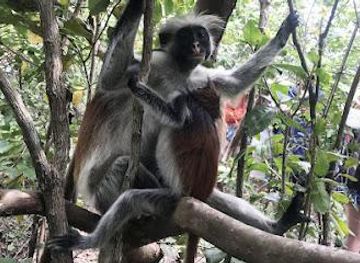
Jozani Forest
Discover the vibrant biodiversity and serene landscapes of Jozani Forest, a national reserve in Tanzania, home to unique wildlife and lush greenery.
-
Tourist attraction
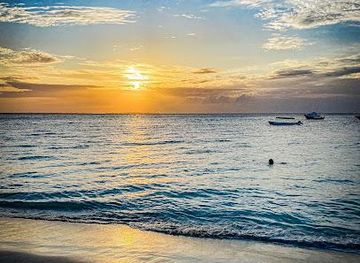
Lubaacris tours & Safaris
Discover the beauty of Kendwa Beach in Zanzibar, where pristine sands meet vibrant waters, creating the ultimate tropical getaway.
-
Tourist attraction
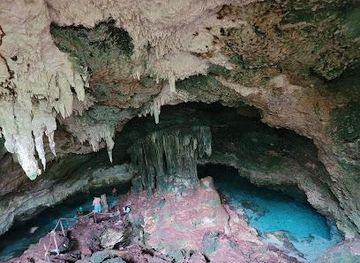
Kuza Cave
Explore the natural beauty and cultural heritage of Kuza Cave in Jambiani, a must-visit destination in Zanzibar for adventure and tranquility.

Best landmarks in Eastern Zone
The Eastern Zone’s most recognisable landmarks express its coastal trading history, colonial transformation and dramatic inland geography. In Dar es Salaam, the Askari Monument and the historic railway station area reflect the city’s role as a colonial port and transport centre, while the National Museum and House of Culture preserves important national and regional material. Bagamoyo’s old town, mission complex and Kaole ruins provide a layered record of Swahili commerce, Islamic culture, missionary activity and caravan routes. The Amboni Caves near Tanga are a major geological landmark, with chambers shaped by limestone processes and local traditions attached to the site. Saadani’s meeting of coastal scenery, river environments and savannah is a geographical landmark as much as a wildlife attraction. Inland, the Uluguru Mountains form an imposing backdrop to Morogoro, rising sharply above cultivated plains and the town itself. The region’s historic ports, railway corridors and mountain edges are best understood together: they show how maritime trade, colonial infrastructure, agriculture and conservation have shaped the eastern mainland.
-
National park
Mikumi National Park
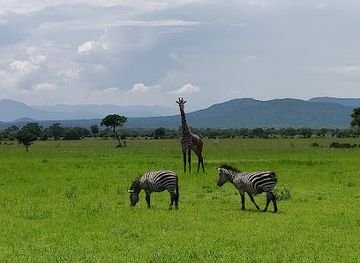
Explore Tanzania's Mikumi National Park - a wildlife haven with stunning landscapes and unforgettable safari adventures.
-
National park
Serengeti National Park
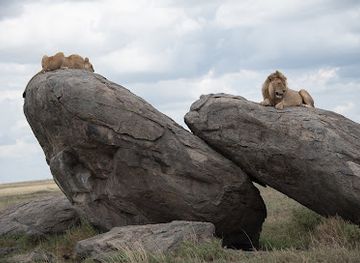
Explore the breathtaking Serengeti National Park, a UNESCO World Heritage site teeming with wildlife and stunning landscapes in Tanzania.
-
Nature preserve
Ngorongoro Conservation Area
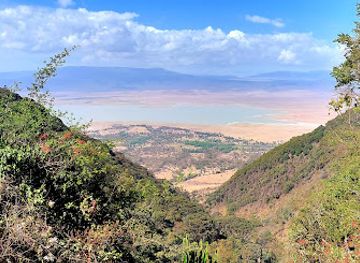
Explore the unrivaled beauty and diverse wildlife of Ngorongoro Conservation Area, a UNESCO World Heritage site in Tanzania, for an unforgettable adventure.
-
Fortress
Old Fort
Explore the Old Fort in Zanzibar, a historic fortress that showcases the island's diverse cultural heritage and stunning architecture.

Explore Eastern Zone on the map
Plan your trip on one map. See where the top cities, national parks and sights are, and book hotels and experiences in a few clicks.
Best hotels in Eastern Zone
Best restaurants in Eastern Zone
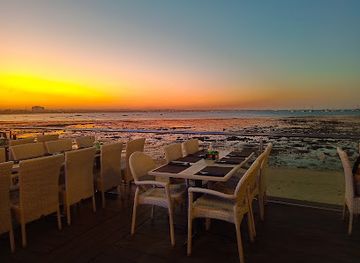
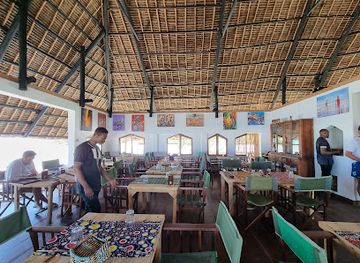
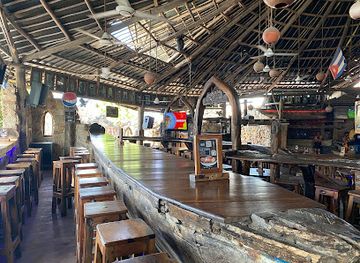
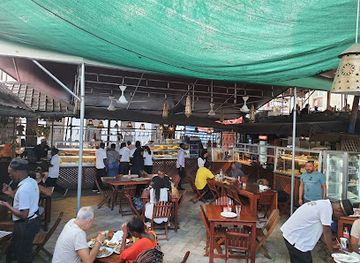
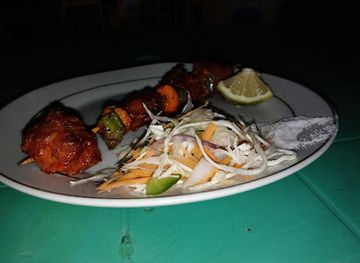
Eastern Zone cuisine reflects the meeting of coastal Swahili traditions, inland farming and Dar es Salaam’s cosmopolitan population. Rice dishes, pilau, biryani, coconut-based sauces, grilled fish, prawns, cassava, plantain and tropical fruit are widely encountered, while spiced tea and fresh juices are common refreshments. Along the coast, seafood is most naturally associated with fishing communities and waterfront restaurants, although supply and quality vary by season and location. Dar es Salaam has the broadest choice, from Indian and Swahili cooking to international restaurants, cafés and contemporary dining rooms. In Bagamoyo, Tanga and Pangani, look for simple local restaurants, hotel dining rooms and roadside grills rather than an extensive formal scene. Morogoro adds produce from the surrounding agricultural districts, including fruit and vegetables from the mountain foothills. Markets are useful for understanding everyday ingredients, but visitors should choose busy food stalls with good hygiene, eat food served hot and drink treated or bottled water when the source is uncertain.
-
Seafood
Cape Town Fish Market Dar es Salaam
Experience the best seafood in Dar es Salaam at Cape Town Fish Market – where fresh flavors meet stunning bay views.
-
Seafood
The Rock Restaurant Zanzibar
Experience exquisite seafood dining at The Rock Restaurant Zanzibar with stunning ocean views and rich East African flavors.
-
Restaurant
Samaki Samaki restaurant
Experience the taste of fresh seafood in Dar es Salaam at Samaki Samaki – where culinary excellence meets vibrant atmosphere.
-
Restaurant
Lukmaan Restaurant
Experience the authentic taste of Zanzibar at Lukmaan Restaurant - where tradition meets flavor in every dish.
Best bars in Eastern Zone
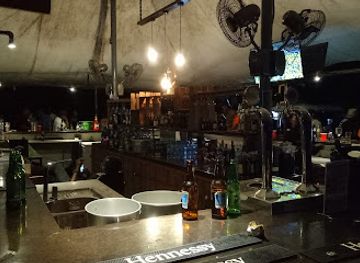
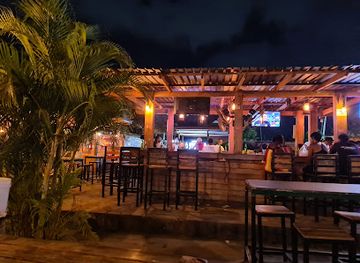
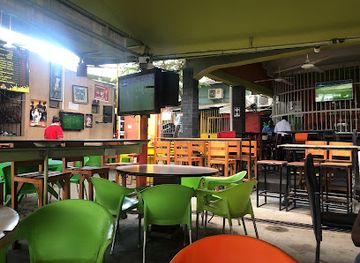
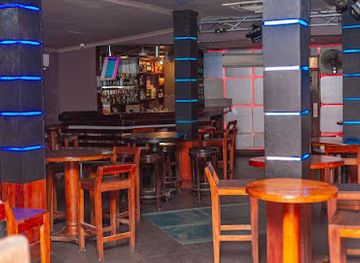
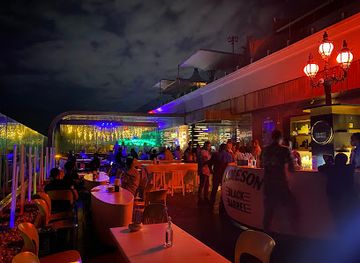
Evening life is concentrated in Dar es Salaam, where hotel lounges, cocktail bars, restaurants, live-music venues and nightclubs provide the largest choice in the Eastern Zone. Areas around the peninsula and central commercial districts have a more developed after-dark scene than smaller towns, though venues and operating arrangements change frequently. In Bagamoyo, Tanga, Pangani and Morogoro, nightlife is generally quieter and centres on hotel bars, local pubs, restaurants, cafés and occasional live music rather than a dense club circuit. Beach hotels may offer relaxed evening settings, but coastal towns can become very subdued outside peak periods. In rural areas and near national parks, evenings are usually organised around lodge dining, conversation and early starts for wildlife activities. Visitors should use trusted transport after dark, respect local religious and neighbourhood settings, and avoid assuming that alcohol is central to the region’s social life.
-
Grill
TIPS Lounge, Mikocheni
Experience the vibrant culinary scene at TIPS Lounge in Mikocheni, where delicious grills and a lively atmosphere await you.
-
Pub
Juliana Pub
Discover the lively Juliana Pub in Dar es Salaam, where delicious Tanzanian cuisine meets a vibrant nightlife atmosphere.
-
Bar
Small Planet Sinza(former La Chaaz)
Discover the lively ambiance at Small Planet Sinza, a premier bar in Dar es Salaam, perfect for drinks, music, and memorable nights out.
-
Lounge
Mi Casa Lounge
Discover the heart of Dar es Salaam nightlife at Mi Casa Lounge, where exquisite drinks, local flavors, and vibrant music await.
Best nightclubs in Eastern Zone
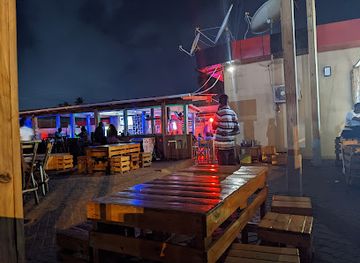
Evening life is concentrated in Dar es Salaam, where hotel lounges, cocktail bars, restaurants, live-music venues and nightclubs provide the largest choice in the Eastern Zone. Areas around the peninsula and central commercial districts have a more developed after-dark scene than smaller towns, though venues and operating arrangements change frequently. In Bagamoyo, Tanga, Pangani and Morogoro, nightlife is generally quieter and centres on hotel bars, local pubs, restaurants, cafés and occasional live music rather than a dense club circuit. Beach hotels may offer relaxed evening settings, but coastal towns can become very subdued outside peak periods. In rural areas and near national parks, evenings are usually organised around lodge dining, conversation and early starts for wildlife activities. Visitors should use trusted transport after dark, respect local religious and neighbourhood settings, and avoid assuming that alcohol is central to the region’s social life.
-
Lounge
Mi Casa Lounge
Discover the vibrant nightlife and delightful cuisine at Mi Casa Lounge, a top destination in Dar es Salaam for relaxation and entertainment.
-
Grill
Dance Club & Bar
Experience the electrifying nightlife of Dar es Salaam at Dance Club & Bar, where delicious grilled dishes meet vibrant music and dancing.
-
Night club
Havoc Nightspot
Dive into the pulsating nightlife at Havoc Nightspot, Dar es Salaam's premier venue for unforgettable evenings filled with dance, drinks, and entertainment.
-
Bar
Ambiance Bar & Night Club
Discover the vibrant nightlife of Dar es Salaam at Ambiance Bar & Night Club, where music and culture come alive in a welcoming atmosphere.

Best shops in Eastern Zone
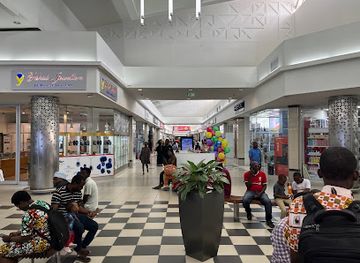
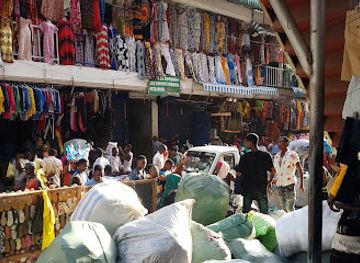
Dar es Salaam has the Eastern Zone’s widest shopping choice, including modern retail centres, bookshops, craft outlets, galleries, markets and neighbourhood food shops. The Kariakoo area is particularly associated with busy wholesale and retail commerce, although first-time visitors should go with local guidance and keep belongings secure. The city’s craft markets offer textiles, carvings, baskets, jewellery and paintings, but compare workmanship and ask about materials before buying. Bagamoyo and Tanga have smaller selections of locally made crafts, woven goods, spices and coastal food products, while Morogoro is a useful place to look for produce from the surrounding agricultural districts. Farmers’ and produce markets are more informative for everyday regional life than formal souvenir shops, providing fruit, vegetables, spices and grains in season. Buy archaeological objects, coral, shells, wildlife products and antique-looking items only when their legal provenance is clear; protected natural materials and cultural artefacts may not be exported.
-
Shopping mall
Mlimani City Shopping Mall
Discover Mlimani City Shopping Mall, your ultimate shopping destination in Dar es Salaam, blending local culture with international brands and dining.
-
Spice store
HALEEM SPICE
Explore the vibrant flavors of Haleem Spice in Dar es Salaam, Tanzania's premier destination for authentic spices and culinary delights.
-
Shopping mall
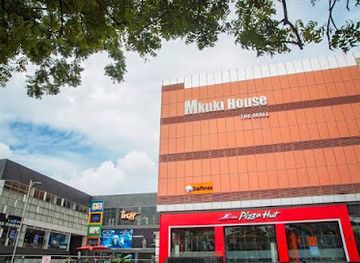
Mkuki House
Experience the vibrant shopping and dining culture at Mkuki House, the premier shopping destination in Dar es Salaam.
-
Shopping mall
Vijana Mall
Discover the lively Vijana Mall in Dar es Salaam, a shopping paradise with diverse stores, delicious dining, and vibrant local culture.

Get your free copy of our complete guide to Eastern Zone, delivered straight to you.
Everything on this page, from attractions and restaurants to essentials and local phrases, in one PDF you can read offline, print or share.
Already have an account? Sign in
Your Eastern Zone guide is ready.
We'll send it to · Not you? Sign out

Getting your guide ready…
We are putting together a fresh copy of the Eastern Zone guide. This can take up to a minute.
This can take a few moments. If your browser asks, choose Allow so the download can start. You'll find the guide in your Downloads folder.
Nothing happened? Download it again
Sorry, the guide is taking longer than usual. Please try again in a minute, or get it by email instead.
Eastern Zone essentials
Currency and Payment
Safety
Emergency Situations
Do's and Don'ts
Local Tips
From Eve
Local phrases worth knowing
You don't need to get them perfect. A few words go a long way, and locals appreciate the effort.
Basics
| English | Local | Say it |
|---|---|---|
| Hello | Jambo | [Jahm-bo] |
| Goodbye | Kwaheri | [Kwah-heh-ree] |
| Yes | Ndiyo | [N-dee-yoh] |
| No | Hapana | [Hah-pah-nah] |
| Please/You're welcome | Tafadhali | [Tah-fah-dhah-lee] |
| Thank you | Asante | [Ah-sahn-teh] |
| Excuse me/Sorry | Samahani | [Sah-mah-hah-nee] |
| How are you? | Habari gani? | [Hah-bah-ree gah-nee] |
| Fine. And you? | Nzuri. Na wewe? | [N-zoo-ree. Nah weh-weh] |
| Do you speak English? | Unazungumza Kiingereza? | [Oo-nah-zoo-ngum-zah Kee-ing-eh-reh-zah] |
| I don't understand | Sielewi | [See-eh-leh-wee] |
Eating & Drinking
| English | Local | Say it |
|---|---|---|
| I'd like to see the menu, please | Ningependa kuona menyu, tafadhali | [Nin-geh-pen-dah koo-nah men-yoo, tah-fah-dhah-lee] |
| I don't eat meat | Sikuli nyama | [See-koo-lee nyah-mah] |
| Cheers! | Afya! | [Ah-fyah] |
| I would like to pay, please | Ningependa kulipa, tafadhali | [Nin-geh-pen-dah koo-lee-pah, tah-fah-dhah-lee] |
Emergencies
| English | Local | Say it |
|---|---|---|
| Help! | Msaada! | [M-sah-dah] |
| Go away! | Ondoka! | [On-doh-kah] |
| Call the Police! | Piga simu Polisi! | [Pee-gah see-moo Poh-lee-see] |
| Call a doctor! | Piga simu daktari! | [Pee-gah see-moo dahk-tah-ree] |
| I'm lost | Nimepotea | [Nee-meh-poh-teh-ah] |
| I'm ill | Nina ugonjwa | [Nee-nah oo-gon-jwah] |
Shopping
| English | Local | Say it |
|---|---|---|
| I'd like to buy... | Ningependa kununua... | [Nin-geh-pen-dah koo-noo-noo-ah] |
| I'm just looking | Natazama tu | [Nah-tah-zah-mah too] |
| How much is it? | Ni bei gani? | [Nee beh-ee gah-nee] |
| That's too expensive | Hiyo ni ghali sana | [Hee-yoh nee gah-lee sah-nah] |
| Can you lower the price? | Je, unaweza kupunguza bei? | [Jeh, oo-na-weza koo-pun-goo-zah beh-ee] |
Time & Numbers
| English | Local | Say it |
|---|---|---|
| What time is it? | Ni saa ngapi? | [Nee sah ngah-pee] |
| It's one o'clock | Ni saa moja | [Nee sah moh-jah] |
| Half past (10) | Nusu (10) | [Noo-soo (10)] |
| Morning | Asubuhi | [Ah-soo-boo-hee] |
| Afternoon | Mchana | [M-chah-nah] |
| Evening | Jioni | [Jee-oh-nee] |
| Yesterday | Jana | [Jah-nah] |
| Today | Leo | [Leh-oh] |
| Tomorrow | Kesho | [Keh-shoh] |
| 1 | Moja | [Moh-jah] |
| 2 | Mbili | [M-bee-lee] |
| 3 | Tatu | [Tah-too] |
| 4 | Nne | [N-nay] |
| 5 | Tano | [Tah-no] |
| 6 | Sita | [See-tah] |
| 7 | Saba | [Sah-bah] |
| 8 | Nane | [Nah-neh] |
| 9 | Tisa | [Tee-sah] |
| 10 | Kumi | [Koo-mee] |
Transport & Directions
| English | Local | Say it |
|---|---|---|
| Where's a/the...? | Iko wapi...? | [Ee-koh wah-pee] |
| What's the address? | Anuani yake ni gani? | [Ah-noo-ah-nee yah-keh nee gah-nee] |
| Can you show me (on the map)? | Unaweza kunionesha (katika ramani)? | [Oo-na-weza koo-nee-oh-nesh-ah (kah-tee-kah rah-mah-nee)] |
| When's the next (bus)? | Basi inayofuata ni lini? | [Bah-see ee-nah-yo-foo-ah-tah nee lee-nee] |
| A ticket (to ....) | Tiketi (ya ....) | [Tee-keh-tee (yah ....)] |
History of Eastern Zone
Early Coastal and Iron Age Communities
The eastern mainland has long been occupied by farming, fishing and trading communities. Archaeological evidence from coastal settlements, including the ruins at Kaole near Bagamoyo, shows connections between local societies and the wider western Indian Ocean. Ironworking, crop cultivation and maritime exchange shaped communities before the arrival of European colonial rule. The coast’s position between the African interior and Arabia, Persia and India encouraged the development of settlements where African, Islamic and Indian Ocean influences gradually interacted.
Swahili Maritime Trade and Islamic Culture
From the medieval period onwards, ports along the coast participated in a Swahili trading world whose economy connected mainland Africa with Arabia, Persia and the Indian Ocean islands. Traders exchanged ivory, grain, timber and other goods for cloth, beads and manufactured items. Islam became an important influence in coastal life, architecture and education, while Swahili developed as a major language of commerce and culture. The surviving ruins around Bagamoyo and Kaole reveal parts of this longer coastal history, though many settlements have also been transformed by later construction.
Omani Influence and the Rise of Coastal Ports
Omani political and commercial influence expanded along the East African coast during the eighteenth and nineteenth centuries. Coastal ports became linked to regional trade networks dealing in ivory and enslaved people, as well as agricultural products and maritime goods. Bagamoyo grew into an important entrepôt and staging point for caravan routes inland, while other ports such as Pangani and Tanga developed their own commercial roles. This period left a complex legacy: coastal prosperity, Islamic and architectural influences, and painful connections to the slave trade and coercive transport into the interior.
Bagamoyo, Missionaries and Caravan Routes
During the nineteenth century, Bagamoyo became one of the principal mainland departure points for caravans travelling between the coast and the interior. It was also associated with Christian missionary work, including the Catholic mission at Bagamoyo, and with the movement of explorers and colonial agents. The town’s historic buildings, old market areas and religious sites reflect these overlapping histories rather than a single colonial narrative. Bagamoyo’s later decline as a commercial port helped preserve portions of its historic character, although conservation and everyday development continue side by side.
German East Africa and Colonial Infrastructure
Germany established control over mainland Tanzania, then known as German East Africa, in the late nineteenth century. Administrative stations, roads, plantations and railways altered the eastern region, while taxation and forced labour imposed major burdens on local communities. Dar es Salaam expanded as a colonial port, and railway construction strengthened links between the coast and inland towns such as Morogoro. The colonial economy promoted sisal and other commercial agriculture around parts of the coast and north-eastern mainland, leaving transport corridors and plantation landscapes that remain visible in the region.
British Rule, War and the Growth of Dar es Salaam
After the First World War, mainland Tanzania became a British mandate territory known as Tanganyika. Dar es Salaam continued to develop as the administrative and commercial centre, while railways, roads and port facilities connected the coast with the interior. Tanga and other northern ports also supported agriculture and trade. Political organisations and labour movements grew during the twentieth century, contributing to the independence struggle. Tanganyika became independent in 1961, and Dar es Salaam later served as the capital of the Union of Tanganyika and Zanzibar before Dodoma became the national capital.
Post-Independence Transformation and Conservation
Since independence, the Eastern Zone has experienced rapid urbanisation, population growth, expanding trade and major changes in transport and industry. Dar es Salaam has become Tanzania’s principal commercial city and one of East Africa’s important ports, while Morogoro, Tanga and Coast Region towns retain strong agricultural and regional roles. National parks and forest reserves, including Saadani, Mikumi and the Udzungwa Mountains, have become increasingly important to conservation and tourism. These protected landscapes now sit alongside farms, transport corridors and growing settlements, illustrating the region’s continuing negotiation between development and environmental protection.
Eastern Zone in Photos
Browse through our photo collection highlighting the charm and character of the destination.
Neighbouring regions of Eastern Zone
The closest regions to Eastern Zone, if you have time for more than one.
-

-

-

-

-


Swipe for more regions
Explore more
Explore more of Tanzania
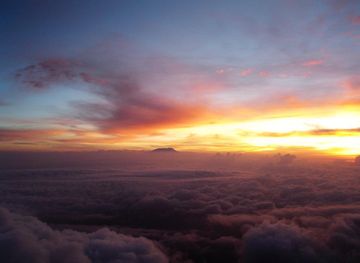
Discover Tanzania: From the majestic Mount Kilimanjaro to the stunning Serengeti and the serene beaches of Zanzibar, experience the best of nature and culture in East Africa.
Explore Tanzania