Free Southern Highlands Travel Guide & Mobile App
Explore Southern Highlands with free travel guides. Discover regional history, expert tips, proposed trips, and audio guides on web or mobile app.


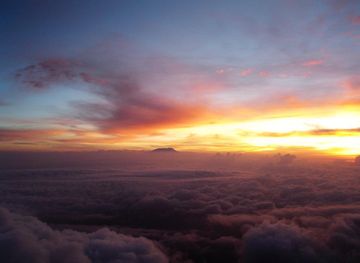
Discover the hidden gem of Tanzania's Southern Highlands – a serene escape with lush landscapes, rich culture, and breathtaking natural beauty.
Read more about Southern Highlands
When is the best time to visit Southern Highlands?
Best: July–September · 22–24°C| Month | High (°C) | Rainfall (mm) |
|---|---|---|
| January | 25 | 100 |
| February | 25 | 110 |
| March | 25 | 140 |
| April | 25 | 160 |
| May | 24 | 130 |
| June | 23 | 60 |
| July (best) | 22 | 50 |
| August (best) | 23 | 50 |
| September (best) | 24 | 60 |
| October | 25 | 90 |
| November | 25 | 100 |
| December | 25 | 110 |
Getting to and around Southern Highlands
How to get there
Transportation
Top city travel guides in Southern Highlands
The cities of Southern Highlands, and the easiest places to base yourself.
-
 Dodoma
Discover Dodoma: Tanzania's Central Gem with its Rich Culture, Historic Landmarks, and Unique Vineyards. Experience the Heart of Tanzania in Its Vibrant Capital.
Dodoma
Discover Dodoma: Tanzania's Central Gem with its Rich Culture, Historic Landmarks, and Unique Vineyards. Experience the Heart of Tanzania in Its Vibrant Capital.
-
 Morogoro
Discover Morogoro, Tanzania: A picturesque city at the foot of the Uluguru Mountains, offering natural beauty, rich culture, and a gateway to Tanzania's wildlife wonders.
Morogoro
Discover Morogoro, Tanzania: A picturesque city at the foot of the Uluguru Mountains, offering natural beauty, rich culture, and a gateway to Tanzania's wildlife wonders.
-
 Mbeya
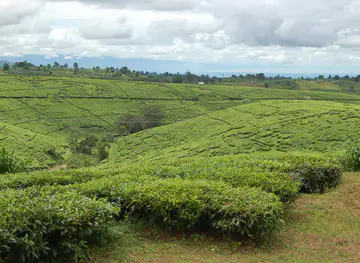
Discover the natural beauty and cultural richness of Mbeya, Tanzania’s gateway to the Southern Highlands, with its lush landscapes, vibrant markets, and serene climate.
Mbeya
Discover the natural beauty and cultural richness of Mbeya, Tanzania’s gateway to the Southern Highlands, with its lush landscapes, vibrant markets, and serene climate.
-
 Iringa
Discover Iringa: Tanzania's serene highland city, rich in history, culture, and natural beauty, offering unique experiences from ancient sites to vibrant markets and wildlife safaris.
Iringa
Discover Iringa: Tanzania's serene highland city, rich in history, culture, and natural beauty, offering unique experiences from ancient sites to vibrant markets and wildlife safaris.
-
 Tabora
Discover Tabora: A historic Tanzanian city blending rich cultural heritage, stunning natural beauty, and diverse culinary delights.
Tabora
Discover Tabora: A historic Tanzanian city blending rich cultural heritage, stunning natural beauty, and diverse culinary delights.
-
 Singida
Discover the tranquil beauty and cultural richness of Singida, Tanzania – a serene escape with picturesque lakes, vibrant markets, and authentic Tanzanian experiences.
Singida
Discover the tranquil beauty and cultural richness of Singida, Tanzania – a serene escape with picturesque lakes, vibrant markets, and authentic Tanzanian experiences.
Swipe for more cities
Destinations in Southern Highlands
Resorts, valleys and scenic spots worth a trip of their own.
-
 Mikumi National Park
Discover the untamed beauty and diverse wildlife of Mikumi National Park, Tanzania's hidden gem perfect for adventure seekers and nature lovers.
Mikumi National Park
Discover the untamed beauty and diverse wildlife of Mikumi National Park, Tanzania's hidden gem perfect for adventure seekers and nature lovers.
-
 Ruaha National Park
Explore Ruaha National Park, Tanzania's largest and most remote wilderness, offering unparalleled wildlife viewing and a tranquil safari experience.
Ruaha National Park
Explore Ruaha National Park, Tanzania's largest and most remote wilderness, offering unparalleled wildlife viewing and a tranquil safari experience.
Swipe for more destinations
Best attractions in Southern Highlands
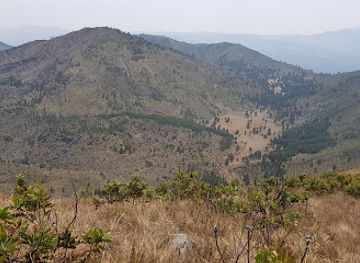
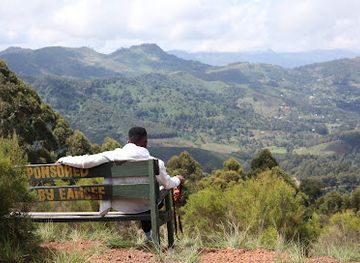
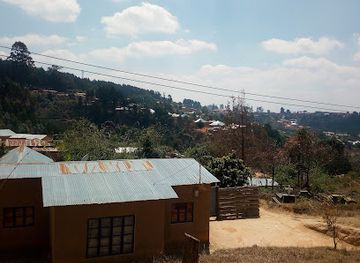
The Southern Highlands of Tanzania offers a mesmerizing blend of natural beauty, cultural richness, and historical significance that will captivate any traveler. Picture yourself exploring the lush, rolling hills and tea plantations of Mufindi, where the air is crisp and the scenery is nothing short of idyllic. Journey to the stunning Kitulo Plateau, often referred to as the 'Serengeti of Flowers,' where an explosion of wildflowers carpets the landscape during the rainy season. Step back in time with a visit to the historic town of Mbeya, a gateway to the region's colonial past and a bustling hub of local markets. Discover the dramatic Kipengere and Livingstone mountain ranges, perfect for hiking and offering breathtaking vistas. Don't miss the chance to experience the cultural heritage of the local tribes, whose traditional dances, crafts, and warm hospitality provide a unique glimpse into Tanzanian life. With its blend of natural wonders and cultural treasures, the Southern Highlands promises an unforgettable adventure for every traveler.
-
National park
Kitulo National Park
Explore the untouched beauty of Kitulo National Park, where vibrant wildflowers bloom and diverse wildlife thrives in Tanzania's breathtaking landscapes.
-
Nature preserve
Kipengere Mpanga Game Reserve
Explore Kipengere Mpanga Game Reserve, Tanzania – A serene nature preserve filled with stunning landscapes, diverse wildlife, and rich history.
-
Mountain peak
Mount Rungwe
Explore the breathtaking landscapes of Mount Rungwe, Tanzania's hidden gem, rich in wildlife and unparalleled adventure.
-
Nature preserve
Magamba Nature Forest Reserve Office
Discover the untouched beauty and diverse wildlife of Magamba Nature Forest Reserve, an essential destination for nature lovers in Tanzania.
Best landmarks in Southern Highlands
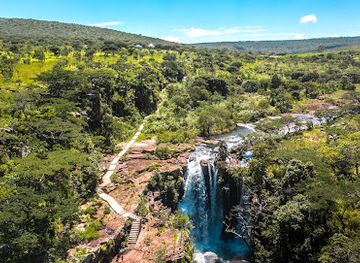
The Southern Highlands of Tanzania offer a mesmerizing blend of natural beauty and rich cultural heritage that captivates every visitor. Explore the lush, rolling tea estates of Mufindi, where you can sip on freshly brewed Tanzanian tea while taking in panoramic views of the verdant landscape. Venture to the Kitulo Plateau, often referred to as the 'Serengeti of Flowers,' where an explosion of wildflowers creates a stunning, colorful vista. Don't miss the historic town of Mbeya, with its vibrant markets and colonial architecture, or the serene shores of Lake Nyasa, where crystal-clear waters meet golden sands. For the adventurous, the towering peaks of the Livingstone Mountains offer challenging hikes and breathtaking vistas, while the ancient rock paintings in the Isimila Stone Age site provide a fascinating glimpse into early human history. The Southern Highlands is a treasure trove of experiences waiting to be discovered.
-
National park
Mikumi National Park
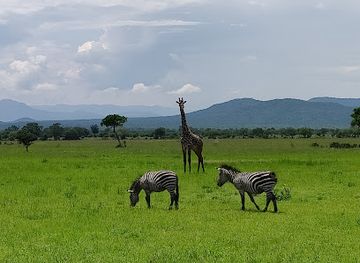
Experience the thrill of wildlife in Mikumi National Park, Tanzania’s stunning national park filled with diverse flora and fauna.
-
National park
Serengeti National Park
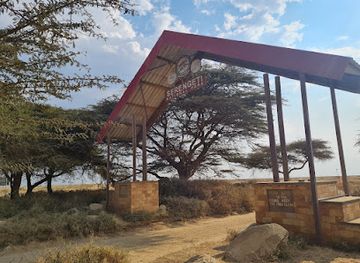
Discover the untamed beauty of Serengeti National Park, a UNESCO World Heritage site teeming with wildlife and breathtaking landscapes.
-
Nature preserve
Ngorongoro Conservation Area
Explore the stunning Ngorongoro Conservation Area, a UNESCO World Heritage site, and immerse yourself in Tanzania's rich wildlife and Maasai culture.
-
National park
Mount Kilimanjaro National Park
Explore the stunning landscapes and rich biodiversity of Mount Kilimanjaro National Park, Africa's highest peak and a must-visit for all adventure seekers.
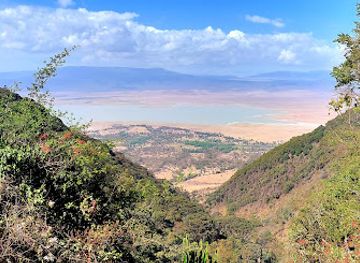
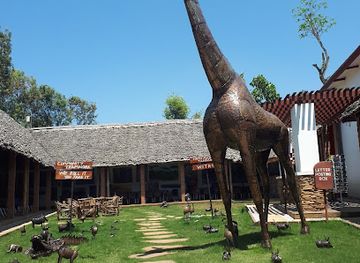
Explore Southern Highlands on the map
Plan your trip on one map. See where the top cities, national parks and sights are, and book hotels and experiences in a few clicks.
Best hotels in Southern Highlands
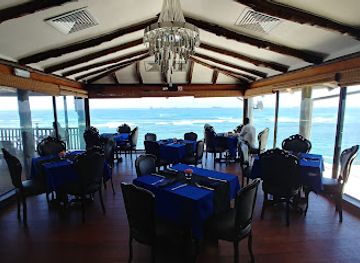
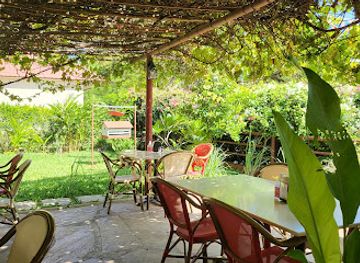
Best restaurants in Southern Highlands
The Southern Highlands of Tanzania boast a vibrant and diverse dining scene that caters to every palate, from the adventurous foodie to those seeking comforting, familiar flavors. Visitors can indulge in traditional Tanzanian fare at local eateries, where dishes like nyama choma (grilled meat) and ugali (a maize-based staple) are served with fresh, locally-sourced vegetables. The region's fertile lands and diverse climates also yield an abundance of tropical fruits and coffee, ensuring that each meal is accompanied by vibrant flavors and rich aromas. For those looking for a more refined dining experience, several upscale restaurants offer a fusion of African and international cuisines, featuring creative dishes that highlight the best of local ingredients. Additionally, the warm hospitality of the Southern Highlands' people ensures that every dining experience is accompanied by a welcoming atmosphere, making each meal not just about food, but a journey into the heart of Tanzanian culture.
-
Seafood
Cape Town Fish Market Dar es Salaam
Savor the best seafood dishes and sushi in Dar es Salaam at Cape Town Fish Market with stunning views and family-friendly vibes.
-
Restaurant
Samaki Samaki restaurant
Discover authentic East African cuisine at Samaki Samaki in Dar es Salaam, where fresh seafood meets vibrant local flavors.
-
Restaurant
Karambezi Cafe
Experience delightful dining at Karambezi Cafe with stunning ocean views and a menu blending local flavors with international cuisine.
-
Restaurant
Epi d'or
Experience culinary excellence at Epi d'or in Dar es Salaam – where exquisite pastries meet savory delights.
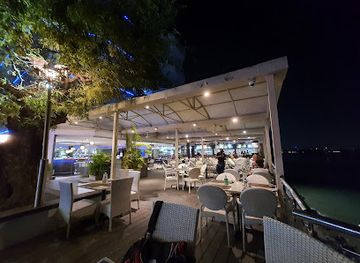
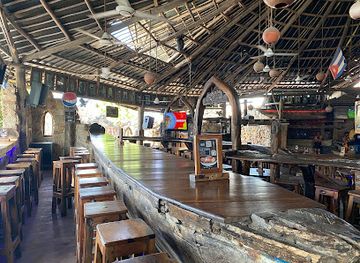
Best bars in Southern Highlands
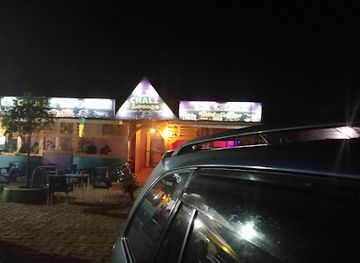
The nightlife in the Southern Highlands of Tanzania is a captivating fusion of vibrant local culture and serene natural beauty, offering a unique experience you won’t find anywhere else. From the lively bars in Mbeya where you can dance to the infectious rhythms of Bongo Flava and traditional Tanzanian music, to the quaint, rustic pubs in Iringa where you can savor locally brewed beers under the starlit African skies, there’s something for everyone. Be sure to visit the bustling night markets, where you can indulge in delicious street food, meet friendly locals, and perhaps even catch an impromptu live music performance. For a more laid-back evening, many lodges and guesthouses in the region offer cozy lounges with roaring fireplaces, perfect for enjoying a quiet drink while recounting the day’s adventures. Whether you’re looking for a lively night out or a relaxed evening, the Southern Highlands’ nightlife will leave you with unforgettable memories.
-
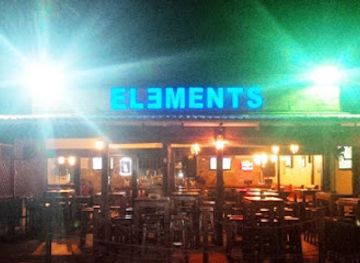
Cocktail bar
Elements
Discover the vibrant nightlife at Elements, Dar es Salaam's premier cocktail bar, offering signature drinks and a lively ambiance.
-
 Bar
BarThe Slow Leopard
Discover The Slow Leopard, a vibrant bar and restaurant in Dar es Salaam, offering a relaxed atmosphere, craft drinks, and delicious local cuisine.
-
Bar
Giraffe Bar
Experience the vibrant atmosphere and local flavors at Giraffe Bar, a must-visit spot for tourists in Njombe, Tanzania.
-
Bar
Kibena Club
Experience the vibrant nightlife at Kibena Club in Njombe, where delicious drinks and a friendly atmosphere await you.
Best nightclubs in Southern Highlands
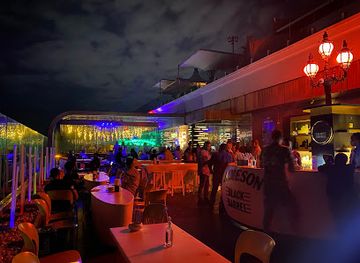
The nightlife in the Southern Highlands of Tanzania is a captivating fusion of vibrant local culture and serene natural beauty, offering a unique experience you won’t find anywhere else. From the lively bars in Mbeya where you can dance to the infectious rhythms of Bongo Flava and traditional Tanzanian music, to the quaint, rustic pubs in Iringa where you can savor locally brewed beers under the starlit African skies, there’s something for everyone. Be sure to visit the bustling night markets, where you can indulge in delicious street food, meet friendly locals, and perhaps even catch an impromptu live music performance. For a more laid-back evening, many lodges and guesthouses in the region offer cozy lounges with roaring fireplaces, perfect for enjoying a quiet drink while recounting the day’s adventures. Whether you’re looking for a lively night out or a relaxed evening, the Southern Highlands’ nightlife will leave you with unforgettable memories.
-
Grill
Dance Club & Bar
Dive into the vibrant nightlife of Dar es Salaam at Dance Club & Bar, where delicious grills meet electrifying dance beats.
-
Night club
Havoc Nightspot
Discover the ultimate nightlife experience at Havoc Nightspot, Dar es Salaam's premier destination for dancing, dining, and entertainment in a vibrant atmosphere.
-
Lounge
UNCLE'S LOUNGE
Experience the vibrant nightlife of Dar es Salaam at Uncle's Lounge, where great music and delicious drinks await.
-
Night club
Club D World Garden
Discover the lively nightlife at Club D World Garden, a premier night club in Arusha, Tanzania, where music and culture unite in an unforgettable experience.



Best shops in Southern Highlands
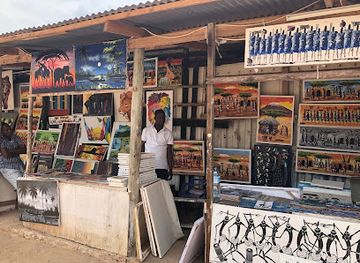
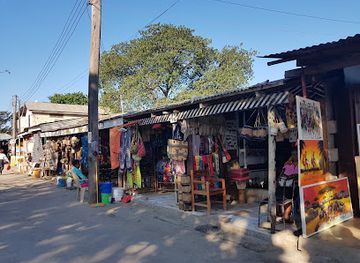
The Southern Highlands of Tanzania offer a rich and captivating shopping experience, where visitors can immerse themselves in the local culture and craftsmanship. Stroll through bustling markets like the vibrant Mbeya Market, where the air is filled with the scent of fresh spices, tropical fruits, and local delicacies. Discover exquisite handwoven textiles, intricately carved wooden sculptures, and unique beadwork that reflect the region's artistic heritage. Explore charming artisanal shops in towns like Iringa, where you can find beautifully crafted pottery and traditional Tanzanian jewelry. Don't miss the opportunity to purchase locally grown coffee and tea directly from the plantations, providing not just a taste but a story of the land's rich agricultural heritage. Each purchase is a piece of the Southern Highlands to take home, making your shopping experience both meaningful and memorable.
-
Shopping mall
Mlimani City Shopping Mall
Discover Mlimani City Shopping Mall, a vibrant hub of shopping, dining, and entertainment in the heart of Dar es Salaam, Tanzania.
-
Shopping mall
The Slipway
Explore the best of shopping and dining at The Slipway in Dar es Salaam, where local culture meets international flair along the beautiful coastline.
-
Cultural center
MWENGE WOODCAVERS MARKET
Experience the artistic heart of Dar es Salaam at Mwenge Woodcavers Market, where Tanzanian culture and craftsmanship come alive.
-
Bazar
Darajani Bazaar
Explore the vibrant Darajani Bazaar in Zanzibar, where local culture, fresh produce, and artisan crafts come together for an unforgettable market experience.


Get your free copy of our complete guide to Southern Highlands, delivered straight to you.
Everything on this page, from attractions and restaurants to essentials and local phrases, in one PDF you can read offline, print or share.
Already have an account? Sign in
Your Southern Highlands guide is ready.
We'll send it to · Not you? Sign out

Getting your guide ready…
We are putting together a fresh copy of the Southern Highlands guide. This can take up to a minute.
This can take a few moments. If your browser asks, choose Allow so the download can start. You'll find the guide in your Downloads folder.
Nothing happened? Download it again
Sorry, the guide is taking longer than usual. Please try again in a minute, or get it by email instead.
Southern Highlands essentials
Currency and Payment
Safety
Emergency Situations
Do's and Don'ts
Local Tips
From Eve
Local phrases worth knowing
You don't need to get them perfect. A few words go a long way, and locals appreciate the effort.
Basics
| English | Local | Say it |
|---|---|---|
| Hello | Mambo | [Mahm-bo] |
| Goodbye | Kwaheri | [Kw-ah-heh-ree] |
| Yes | Ndio | [N-dee-oh] |
| No | Hapana | [Hah-pah-nah] |
| Please/You're welcome | Tafadhali | [Tah-fah-dah-lee] |
| Thank you | Asante | [Ah-sahn-teh] |
| Excuse me/Sorry | Samahani | [Sah-mah-hah-nee] |
| How are you? | Habari gani? | [Hah-bah-ree gah-nee] |
| Fine. And you? | Nzuri. Na wewe? | [N-zoo-ree. Nah weh-weh] |
| Do you speak English? | Unazungumza Kiingereza? | [Oo-nah-zoo-ngum-zah Kee-in-geh-reh-zah] |
| I don't understand | Sielewi | [See-eh-leh-wee] |
Eating & Drinking
| English | Local | Say it |
|---|---|---|
| I'd like to see the menu, please | Ningependa kuona menyu, tafadhali | [Nin-geh-pen-dah koo-oh-nah men-yoo, tah-fah-dah-lee] |
| I don't eat meat | Sili nyama | [See-lee nyah-mah] |
| Cheers! | Afya! | [Ah-fyah] |
| I would like to pay, please | Ningependa kulipa, tafadhali | [Nin-geh-pen-dah koo-lee-pah, tah-fah-dah-lee] |
Emergencies
| English | Local | Say it |
|---|---|---|
| Help! | Msaada! | [M-sah-dah] |
| Go away! | Ondoka! | [On-doh-kah] |
| Call the Police! | Piga simu polisi! | [Pee-gah see-moo poh-lee-see] |
| Call a doctor! | Piga simu daktari! | [Pee-gah see-moo dahk-tah-ree] |
| I'm lost | Nimepotea | [Nee-meh-poh-teh-ah] |
| I'm ill | Nina ugonjwa | [Nee-nah oo-gon-jwah] |
Shopping
| English | Local | Say it |
|---|---|---|
| I'd like to buy... | Ningependa kununua... | [Nin-geh-pen-dah koo-nu-noo-ah] |
| I'm just looking | Natazama tu | [Nah-tah-zah-mah too] |
| How much is it? | Ni shilingi ngapi? | [Nee shee-lin-gee ngah-pee] |
| That's too expensive | Hiyo ni gharama kubwa | [Hee-yoh nee ghah-rah-mah koo-bwah] |
| Can you lower the price? | Unaweza kupunguza bei? | [Oo-nah-weh-zah koo-poon-gah-zee bay] |
Time & Numbers
| English | Local | Say it |
|---|---|---|
| What time is it? | Ni saa ngapi? | [Nee sah ngah-pee] |
| It's one o'clock | Ni saa moja | [Nee sah moh-jah] |
| Half past (10) | Nusu (10) | [Noo-soo (10)] |
| Morning | Asubuhi | [Ah-soo-boo-hee] |
| Afternoon | Mchana | [M-chah-nah] |
| Evening | Jioni | [Jee-oh-nee] |
| Yesterday | Jana | [Jah-nah] |
| Today | Leo | [Leh-oh] |
| Tomorrow | Kesho | [Keh-shoh] |
| 1 | Moja | [Moh-jah] |
| 2 | Mbili | [M-bee-lee] |
| 3 | Tatu | [Tah-too] |
| 4 | Nne | [N-neh] |
| 5 | Tano | [Tah-noh] |
| 6 | Sita | [See-tah] |
| 7 | Saba | [Sah-bah] |
| 8 | Nane | [Nah-neh] |
| 9 | Tisa | [Tee-sah] |
| 10 | Kumi | [Koo-mee] |
Transport & Directions
| English | Local | Say it |
|---|---|---|
| Where's a/the...? | Iko wapi...? | [Ee-koh wah-pee] |
| What's the address? | Anwani ni ipi? | [An-wah-nee nee ee-pee] |
| Can you show me (on the map)? | Unaweza kunionesha (katika ramani)? | [Oo-nah-weh-zah koo-nee-oh-neh-shah (kah-tee-kah rah-mah-nee)] |
| When's the next (bus)? | Basi ijayo ni lini? | [Bah-see ee-jah-yo nee lee-nee] |
| A ticket (to ....) | Tiketi (kwenda ....) | [Tee-keh-tee (kwen-dah)] |
History of Southern Highlands
The Bantu Migration
The Southern Highlands of Tanzania were significantly influenced by the Bantu Migration, which occurred over a period spanning from 1000 BCE to 500 CE. Bantu-speaking peoples moved southward from West Africa, bringing with them ironworking technology, agricultural practices, and new social structures. This migration laid the foundational cultural and linguistic landscape of the region.
The Hehe and Ngoni Kingdoms
By the 19th century, the Southern Highlands were home to powerful kingdoms such as the Hehe and Ngoni. The Hehe, under Chief Mkwawa, became notable for their resistance against German colonial forces. The Ngoni, originally from South Africa, migrated northward and established their own kingdoms, influencing the local cultures and politics with their military prowess and organizational skills.
German Colonial Rule
In the late 19th century, the Southern Highlands fell under German colonial rule as part of German East Africa. The region experienced significant changes, including the introduction of cash crops like coffee and sisal, as well as the construction of infrastructure such as roads and railways. The Hehe resistance, led by Chief Mkwawa, was a major event during this period, culminating in his defeat and the eventual consolidation of German control.
The Maji Maji Rebellion
From 1905 to 1907, the Maji Maji Rebellion swept through the Southern Highlands and other parts of German East Africa. This uprising was a reaction against oppressive German policies, including forced labor and taxation. The rebellion was marked by its spiritual dimension, with leaders promising invincibility through 'maji' (water) that they believed would turn German bullets into water. Despite initial successes, the rebellion was brutally suppressed by the German forces.
British Colonial Period
Following Germany's defeat in World War I, the Southern Highlands came under British control as part of the Tanganyika Territory. The British continued to develop the region's agriculture, focusing on tea and coffee plantations. Missionary activities also increased, leading to the establishment of numerous schools and hospitals, which played a crucial role in the region's development.
Independence and Ujamaa
Tanganyika gained independence from British rule in 1961, and later merged with Zanzibar to form Tanzania in 1964. Under President Julius Nyerere, the country adopted the Ujamaa policy, which aimed to create a socialist state through the promotion of collective farming and villagization. The Southern Highlands saw the establishment of Ujamaa villages, which transformed the social and economic landscape of the region.
Cultural Heritage and Festivals
The Southern Highlands are rich in cultural heritage, with numerous ethnic groups such as the Hehe, Bena, and Nyakyusa preserving their unique traditions. Festivals and ceremonies, such as the 'Unyago' initiation rites and 'Matope' harvest celebrations, offer a glimpse into the vibrant cultural life of the region. Traditional music, dance, and crafts continue to play an important role in community life.
Natural Wonders and Conservation
The Southern Highlands are home to breathtaking natural landscapes, including the Kipengere and Livingstone Mountains, as well as the Kitulo National Park, often referred to as the 'Garden of God' due to its incredible biodiversity. Conservation efforts in the region aim to protect these natural wonders and promote sustainable tourism, ensuring that the region's rich natural and cultural heritage is preserved for future generations.
Southern Highlands in Photos
Browse through our photo collection highlighting the charm and character of the destination.
Neighbouring regions of Southern Highlands
The closest regions to Southern Highlands, if you have time for more than one.
-
 Ruaha Region
Discover Ruaha Region: Tanzania's hidden gem offering unspoiled landscapes, diverse wildlife, and rich cultural experiences in the heart of East Africa.
Ruaha Region
Discover Ruaha Region: Tanzania's hidden gem offering unspoiled landscapes, diverse wildlife, and rich cultural experiences in the heart of East Africa.
-
 Rukwa Valley
Discover Tanzania's Rukwa Valley: A Hidden Paradise of Lush Landscapes, Diverse Wildlife, and Rich Cultural Heritage.
Rukwa Valley
Discover Tanzania's Rukwa Valley: A Hidden Paradise of Lush Landscapes, Diverse Wildlife, and Rich Cultural Heritage.
-
 Selous Game Reserve
Explore the vast and untouched wilderness of Selous Game Reserve, a UNESCO World Heritage Site in Tanzania, home to diverse wildlife and stunning landscapes.
Selous Game Reserve
Explore the vast and untouched wilderness of Selous Game Reserve, a UNESCO World Heritage Site in Tanzania, home to diverse wildlife and stunning landscapes.
-
 Central Zone
Discover the Central Zone of Tanzania: A land of diverse landscapes, rich history, and vibrant culture, offering a blend of urban excitement and rural tranquility.
Central Zone
Discover the Central Zone of Tanzania: A land of diverse landscapes, rich history, and vibrant culture, offering a blend of urban excitement and rural tranquility.
-
 Mikumi Region
Explore the untamed beauty of Mikumi Region in Tanzania, where wildlife roams freely and breathtaking landscapes await every adventurer.
Mikumi Region
Explore the untamed beauty of Mikumi Region in Tanzania, where wildlife roams freely and breathtaking landscapes await every adventurer.
Swipe for more regions