

Free Usambara Mountains Travel Guide & Mobile App
Explore Usambara Mountains with free travel guides. Discover regional history, expert tips, proposed trips, and audio guides on web or mobile app.


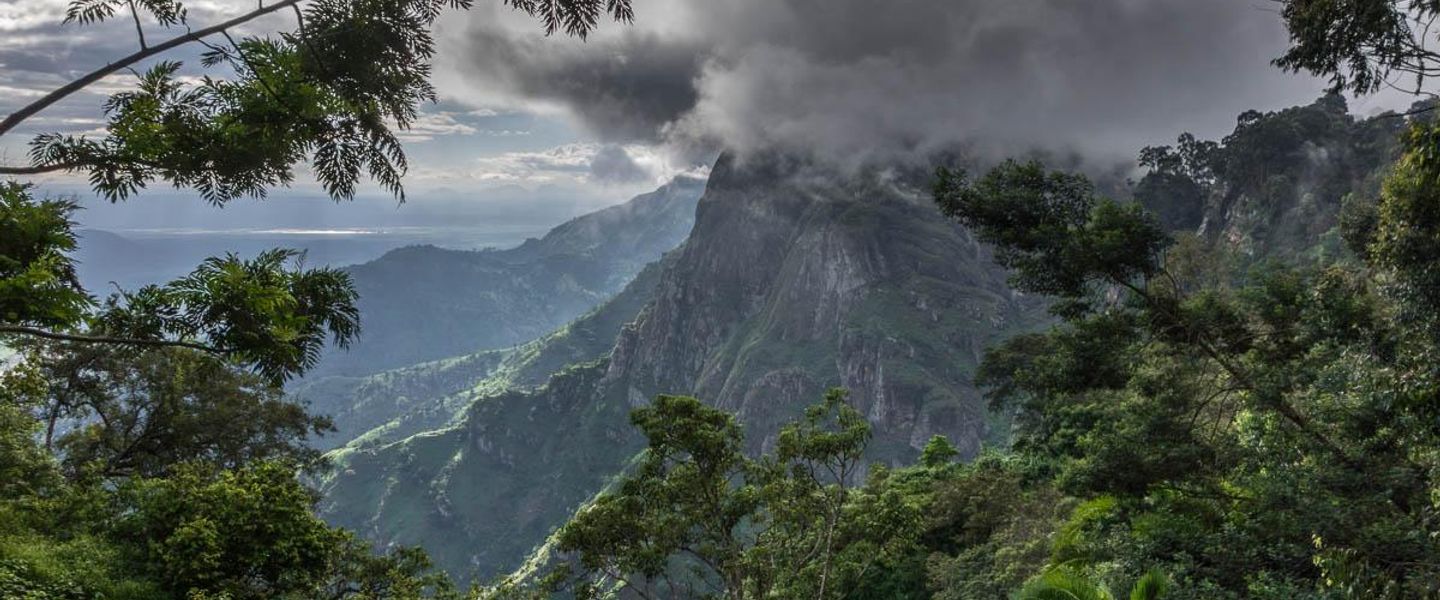


Explore Tanzania’s Usambara Mountains for cool highlands, forest walks, village trails, tea country and far-reaching escarpment views.
Read more about Usambara Mountains
When is the best time to visit Usambara Mountains?
Best: December–February · 25–26°C| Month | High (°C) | Rainfall (mm) |
|---|---|---|
| January (best) | 25 | 30 |
| February (best) | 26 | 25 |
| March | 26 | 35 |
| April | 27 | 40 |
| May | 26 | 45 |
| June | 26 | 50 |
| July | 25 | 55 |
| August | 25 | 50 |
| September | 26 | 45 |
| October | 26 | 40 |
| November | 27 | 35 |
| December (best) | 26 | 30 |
Getting to and around Usambara Mountains
How to get there
Transportation
Best attractions in Usambara Mountains
The Usambara Mountains are primarily a destination for walking, landscape and natural history. Around Lushoto, guided trails pass through farms, villages, forest fragments and highland viewpoints, with Irente Viewpoint and the ridges around Mtae among the best-known places for expansive views. The experience is as much about the route and the changing cultivation patterns as the final viewpoint. In the East Usambaras, Amani Nature Reserve provides a different setting of shaded forest, botanical interest, birds, butterflies and specialist wildlife. Visitors should use approved guides and follow reserve rules, since the ecological value of the forest is greater than its relatively small size suggests. Other attractions include tea-growing landscapes, local markets, mission-era buildings, village walks and the opportunity to learn about Sambaa history and contemporary rural life. The region does not offer a conventional concentration of large museums or family theme attractions; its appeal lies in combining outdoor activity with community-based travel and biodiversity. Conditions and access vary considerably between Lushoto, Mtae, Muheza and Amani, so an itinerary should be planned by area rather than treating the mountains as a single compact park.
-
Nature preserve
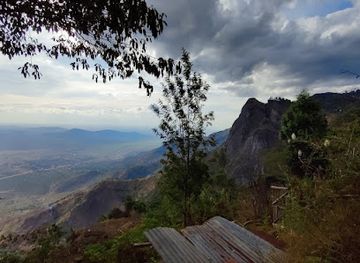
West Usambaras Lushoto Mountain Reserve
Discover the enchanting beauty of West Usambaras Lushoto Mountain Reserve, a natural paradise filled with stunning landscapes and diverse wildlife.
-
Lodging
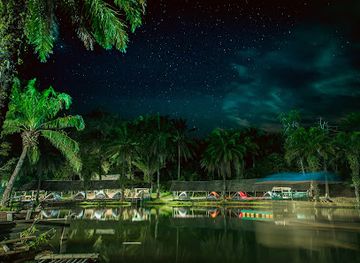
Magoroto Forest Estate
Explore the lush beauty of Magoroto Forest Estate in Tanga, Tanzania, where nature meets tranquility and adventure awaits.
-
Nature preserve
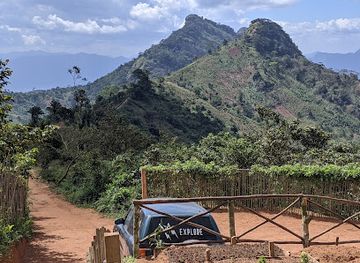
East Usambara Mountains
Explore the stunning East Usambara Mountains, a natural paradise in Tanzania, rich in biodiversity and breathtaking landscapes perfect for hiking and relaxation.
-
Tourist attraction
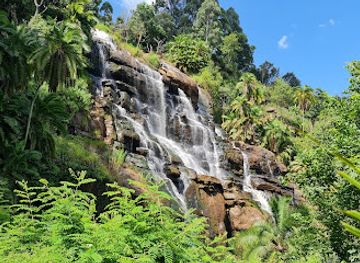
Kisasa water falls
Experience the enchanting beauty of Kisasa Waterfalls in Lushoto, Tanzania – a natural wonder perfect for adventure and tranquility.
Explore Usambara Mountains on the map
Plan your trip on one map. See where the top cities, national parks and sights are, and book hotels and experiences in a few clicks.
Best hotels in Usambara Mountains
Best restaurants in Usambara Mountains
Dining in the Usambara Mountains is generally simple, local and closely connected to agriculture. Guesthouses and small hotels commonly serve rice, ugali, beans, potatoes, bananas, vegetables, chicken and other straightforward Tanzanian dishes, with menus influenced by what is available in the surrounding highlands. Lushoto offers the widest choice of cafés, small restaurants and hotel dining, while food in villages and around Amani is more likely to be arranged through accommodation. Fresh fruit, including bananas and seasonal citrus, is widely associated with the productive mountain environment, and tea is an important regional crop and drink. Travellers who require particular diets should give notice, especially before staying in remote areas. Markets can be useful for buying fruit and snacks, but visitors should choose food that is freshly prepared and drink treated or bottled water. Dining is usually an unhurried part of a rural stay rather than a destination-led restaurant scene.
-
Seafood
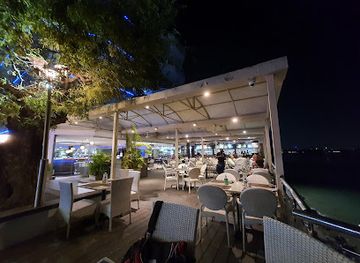
Cape Town Fish Market Dar es Salaam
Discover fresh seafood delights at Cape Town Fish Market in Dar es Salaam—where culinary excellence meets breathtaking bay views.
-
Restaurant
Samaki Samaki restaurant
Experience the vibrant flavors of Tanzania at Samaki Samaki - where local ingredients meet international cuisine in an inviting setting.
-
Restaurant
Karambezi Cafe
Discover Karambezi Cafe in Dar es Salaam: Enjoy exquisite cuisine with breathtaking ocean views in an inviting atmosphere.
-
Restaurant
Levant
Experience exquisite Tanzanian cuisine at Levant in Dar es Salaam – where tradition meets sophistication.


Best bars in Usambara Mountains
Nightlife in the Usambara Mountains is quiet and locally oriented. Lushoto has the largest concentration of simple bars, hotel lounges and places to eat in the evening, while smaller settlements generally rely on village bars, guesthouse dining and informal social life rather than nightclubs. A few establishments may play popular Tanzanian music, but opening arrangements and the atmosphere can change, so visitors should ask locally and avoid late walks on unfamiliar roads. Around Amani and remote walking bases, evenings are more often spent listening to forest sounds, talking with guides or dining at the guesthouse. Alcohol is available in larger settlements, but it is not necessary for enjoying the region, and respectful behaviour is particularly important in small communities where visitors are guests rather than anonymous nightlife customers.
-
 Bar
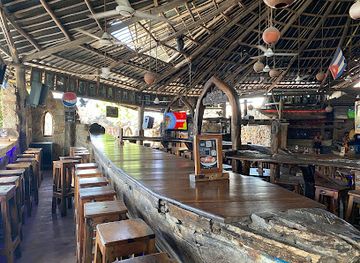
BarThe Slow Leopard
Experience the vibrant blend of flavors and cultures at The Slow Leopard, the ultimate bar and restaurant in Dar es Salaam's Masaki district.
-
Indoor lodging
Mullers Mountain Lodge
Discover tranquility at Mullers Mountain Lodge, your serene retreat in the heart of Mkuzi, Tanzania, surrounded by nature's beauty.
-
Lounge
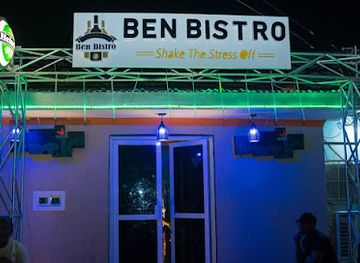
Ben Bistro
Experience the local flavors and vibrant atmosphere at Ben Bistro, Tanga's premier lounge for food enthusiasts.
-
Bar
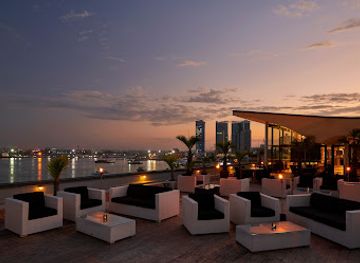
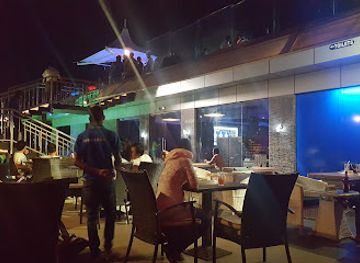
Level 8 rooftop bar
Discover the enchanting Level 8 Rooftop Bar in Dar es Salaam, where stunning views and exquisite drinks create an unforgettable experience.

Best nightclubs in Usambara Mountains
Nightlife in the Usambara Mountains is quiet and locally oriented. Lushoto has the largest concentration of simple bars, hotel lounges and places to eat in the evening, while smaller settlements generally rely on village bars, guesthouse dining and informal social life rather than nightclubs. A few establishments may play popular Tanzanian music, but opening arrangements and the atmosphere can change, so visitors should ask locally and avoid late walks on unfamiliar roads. Around Amani and remote walking bases, evenings are more often spent listening to forest sounds, talking with guides or dining at the guesthouse. Alcohol is available in larger settlements, but it is not necessary for enjoying the region, and respectful behaviour is particularly important in small communities where visitors are guests rather than anonymous nightlife customers.
-
Grill
Dance Club & Bar
Discover the nightlife of Dar es Salaam at the Dance Club & Bar, where music, grill favorites, and vibrant energy converge for unforgettable evenings.
-
Cocktail bar
Havoc Nightspot
Discover the dynamic nightlife at Havoc Nightspot in Dar es Salaam, where exquisite cocktails, live entertainment, and an electric atmosphere await you.
-
Lounge
High Spirit Lounge
Experience the vibrant nightlife and unique atmosphere at High Spirit Lounge in Dar es Salaam, where great drinks meet live entertainment.
-
Lounge
Ben Bistro
Experience Tanga's lively culture at Ben Bistro, where delightful cuisine and vibrant ambiance create unforgettable memories.

Best shops in Usambara Mountains
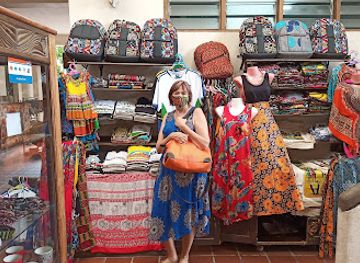
Shopping in the Usambara Mountains centres on practical local markets, small shops and products connected with farming rather than large retail centres. Lushoto is the most useful base for basic supplies, handmade items and locally produced food, while markets in smaller settlements offer fruit, vegetables and household goods rather than a dedicated souvenir range. Tea from the wider Usambara area can be an appropriate regional purchase when it is clearly labelled and responsibly sourced. Visitors may also find baskets, woven articles, woodwork or small craft items, but quality and availability vary and prices should be agreed courteously. Buying directly from local producers or community initiatives can provide more meaningful support than bargaining aggressively over inexpensive goods. Stock up on cash, snacks, toiletries and any specialist equipment before travelling to Amani or remote walking areas, where commercial choice is limited and shops may close early.
-
Shopping mall
Mlimani City Shopping Mall
Discover the vibrant shopping scene at Mlimani City Shopping Mall in Dar es Salaam, offering diverse retail, dining, and entertainment experiences.
-
Shopping mall
Mkuki House
Discover Mkuki House - a vibrant shopping mall in Dar es Salaam offering diverse retail, dining, and entertainment experiences for every traveler.
-
Shopping mall
The Slipway
Explore The Slipway in Dar es Salaam: a vibrant shopping hub with stunning ocean views, diverse dining, and cultural experiences for every traveler.
-
Shopping mall
GSM Mall Msasani
Experience the vibrant shopping scene at GSM Mall Msasani, where fashion, food, and fun come together in Dar es Salaam.



Get your free copy of our complete guide to Usambara Mountains, delivered straight to you.
Everything on this page, from attractions and restaurants to essentials and local phrases, in one PDF you can read offline, print or share.
Already have an account? Sign in
Your Usambara Mountains guide is ready.
We'll send it to · Not you? Sign out

Getting your guide ready…
We are putting together a fresh copy of the Usambara Mountains guide. This can take up to a minute.
This can take a few moments. If your browser asks, choose Allow so the download can start. You'll find the guide in your Downloads folder.
Nothing happened? Download it again
Sorry, the guide is taking longer than usual. Please try again in a minute, or get it by email instead.
Usambara Mountains essentials
Currency and Payment
Safety
Emergency Situations
Do's and Don'ts
Local Tips
From Eve
Local phrases worth knowing
You don't need to get them perfect. A few words go a long way, and locals appreciate the effort.
Basics
| English | Local | Say it |
|---|---|---|
| Hello | Habari | [ha-ba-ri] |
| Goodbye | Kwaheri | [kwa-he-ri] |
| Yes | Ndiyo | [n-di-yo] |
| No | Hapana | [ha-pa-na] |
| Please/You're welcome | Tafadhali | [ta-fa-dha-li] |
| Thank you | Asante | [a-san-te] |
| Excuse me/Sorry | Samahani | [sa-ma-ha-ni] |
| How are you? | Habari gani? | [ha-ba-ri ga-ni] |
| Fine. And you? | Nzuri. Na wewe? | [n-zu-ri na we-we] |
| Do you speak English? | Unazungumza Kiingereza? | [u-na-zun-gum-za ki-in-ge-re-za] |
| I don't understand | Sielewi | [si-e-le-wi] |
Eating & Drinking
| English | Local | Say it |
|---|---|---|
| I'd like to see the menu, please | Ningependa kuona menyu, tafadhali | [nin-ge-pen-da ku-o-na men-yu ta-fa-dha-li] |
| I don't eat meat | Sili nyama | [si-li n-ya-ma] |
| Cheers! | Afya! | [a-fya] |
| I would like to pay, please | Ningependa kulipa, tafadhali | [nin-ge-pen-da ku-li-pa ta-fa-dha-li] |
Emergencies
| English | Local | Say it |
|---|---|---|
| Help! | Msaada! | [m-sa-a-da] |
| Go away! | Ondoka! | [on-do-ka] |
| Call the Police! | Piga simu polisi! | [pi-ga si-mu po-li-si] |
| Call a doctor! | Piga simu daktari! | [pi-ga si-mu dak-ta-ri] |
| I'm lost | Nimepotea | [ni-me-po-te-a] |
| I'm ill | Nina ugonjwa | [ni-na u-gon-jwa] |
Shopping
| English | Local | Say it |
|---|---|---|
| I'd like to buy... | Ningependa kununua... | [nin-ge-pen-da ku-nu-nu-a] |
| I'm just looking | Natazama tu | [na-ta-za-ma tu] |
| How much is it? | Ni kiasi gani? | [ni ki-a-si ga-ni] |
| That's too expensive | Hiyo ni ghali sana | [hi-yo ni gha-li sa-na] |
| Can you lower the price? | Unaweza kupunguza bei? | [u-na-we-za ku-pun-gu-za be-i] |
Time & Numbers
| English | Local | Say it |
|---|---|---|
| What time is it? | Ni saa ngapi? | [ni sa-a n-ga-pi] |
| It's one o'clock | Ni saa moja | [ni sa-a mo-ja] |
| Half past (10) | Nusu (10) | [nu-su] |
| Morning | Asubuhi | [a-su-bu-hi] |
| Afternoon | Mchana | [m-cha-na] |
| Evening | Jioni | [ji-o-ni] |
| Yesterday | Jana | [ja-na] |
| Today | Leo | [le-o] |
| Tomorrow | Kesho | [ke-sho] |
| 1 | Moja | [mo-ja] |
| 2 | Mbili | [m-bi-li] |
| 3 | Tatu | [ta-tu] |
| 4 | Nne | [n-ne] |
| 5 | Tano | [ta-no] |
| 6 | Sita | [si-ta] |
| 7 | Saba | [sa-ba] |
| 8 | Nane | [na-ne] |
| 9 | Tisa | [ti-sa] |
| 10 | Kumi | [ku-mi] |
Transport & Directions
| English | Local | Say it |
|---|---|---|
| Where's a/the...? | Iko wapi ...? | [i-ko wa-pi] |
| What's the address? | Nini anwani? | [ni-ni an-wa-ni] |
| Can you show me (on the map)? | Unaweza kunionyesha (katika ramani)? | [u-na-we-za ku-ni-on-ye-sha ka-ti-ka ra-ma-ni] |
| When's the next (bus)? | Basi ijayo ni lini? | [ba-si i-ja-yo ni li-ni] |
| A ticket (to ....) | Tiketi (kwenda ....) | [ti-ke-ti kwen-da] |
History of Usambara Mountains
Ancient Eastern Arc Forests
The Usambara Mountains belong to the Eastern Arc, an ancient chain of crystalline mountains whose forests have persisted through major climatic changes. Their long isolation and varied elevations helped produce exceptional levels of endemic biodiversity. This ecological history explains why the East and West Usambaras are important to botanists, ornithologists and conservation organisations. The forests are not simply scenic backdrops: they regulate water, support specialist species and provide resources for surrounding communities. Modern conservation efforts therefore have to balance habitat protection with farming, settlement and the needs of people living around the mountain reserves.
Early Communities and Regional Trade
Long before modern tourism, the Usambara highlands were inhabited and connected to wider trading networks linking the interior with the northern coast. The mountains supported farming communities and provided routes between the coastal lowlands and inland areas. The Sambaa people became particularly associated with the Usambara region, developing political and economic centres in the western highlands. Trade in agricultural produce and forest resources connected the mountains with settlements on the plains and with the Swahili commercial world along the Indian Ocean.
The Sambaa Kingdom and Kimweri Treaty
During the nineteenth century, the Sambaa polity under Kimweri ye Nyumbai became a significant power in the Usambara area. Its influence extended across parts of the mountain region and into neighbouring lowlands, although political authority was exercised through local relationships rather than a modern central state. Contacts with traders, missionaries and European explorers increased during this period. The history of Kimweri and the Sambaa kingdom remains central to understanding local identity, settlement patterns and the political importance of the western Usambara highlands before colonial rule.
German Colonial Rule and Mission Stations
The Usambara region was incorporated into German East Africa in the late nineteenth century. Colonial authorities established administrative and agricultural interests in the highlands, while Christian missions developed schools, churches and medical work. The cooler climate and fertile soils encouraged European interest in plantations and experimental agriculture. Colonial buildings, mission landscapes and introduced crops became part of the region’s later appearance, although this development rested on an unequal political system and the wider colonial reorganisation of land, labour and authority.
British Administration and Agricultural Development
After the First World War, Tanganyika was administered by Britain under a League of Nations mandate and later as a United Nations trust territory. In and around the Usambaras, agricultural research, plantation production and transport links continued to shape the economy. Tea and other cash crops became important alongside subsistence farming, while towns such as Lushoto developed as administrative and commercial centres. The period also expanded formal education and introduced new institutions, but it preserved many colonial inequalities that independent Tanzania would inherit.
Conservation and Contemporary Rural Tourism
Since independence in 1961, the Usambaras have experienced a continuing tension between population needs, cultivation and conservation. Forest reserves, including Amani Nature Reserve, protect habitats within the Eastern Arc, while community initiatives and local guides have helped develop walking tourism. Contemporary visitors encounter a landscape shaped by both ecological protection and intensive rural use. Tourism remains modest compared with Tanzania’s safari circuits, making the region’s principal contribution a combination of biodiversity, cultural history, mountain scenery and income opportunities connected to locally based hospitality and guiding.
Usambara Mountains in Photos
Browse through our photo collection highlighting the charm and character of the destination.
Neighbouring regions of Usambara Mountains
The closest regions to Usambara Mountains, if you have time for more than one.
-

-

-
-

-


Swipe for more regions
Explore more
Explore more of Tanzania
Discover Tanzania: From the majestic Mount Kilimanjaro to the stunning Serengeti and the serene beaches of Zanzibar, experience the best of nature and culture in East Africa.
Explore Tanzania