

Ngorongoro Highlands, Tanzania Travel Guide
Explore the Ngorongoro Highlands: Where Wildlife, Culture, and Adventure Converge in Tanzania's Most Stunning Natural Landscapes
Nestled in the heart of Tanzania, the Ngorongoro Highlands offer a stunning blend of natural beauty and rich cultural heritage. This region, home to the famous Ngorongoro Crater, is a UNESCO World Heritage Site and one of the most breathtaking locations in Africa. The highlands are a haven for wildlife enthusiasts, with lush landscapes that house an array of animals including elephants, lions, and the rare black rhino. The Ngorongoro Conservation Area is unique due to its harmonious coexistence of humans and wildlife. The Maasai people, with their vibrant culture, have lived in these highlands for centuries, herding cattle and maintaining their traditional way of life. Visitors can engage with the Maasai, learning about their customs and witnessing their daily routines, making for an enriching cultural experience. For adventure seekers, the highlands offer a variety of activities. Hiking through the Empakaai Crater or exploring the Olmoti Crater provides stunning views and a chance to experience the raw beauty of Tanzania's landscape. Birdwatchers will find paradise here, with over 500 species of birds to spot. The Ngorongoro Highlands are not just a destination, but an unforgettable journey into the heart of Africa.

Know before you go
Hi, I'm Eve. Here are a few practical things to know before exploring Ngorongoro Highlands.
- Visit during the dry season (June to October) for the best wildlife viewing opportunities.
- Bring warm clothing as temperatures can drop significantly in the highlands, especially at night.
- Engage with local Maasai guides to gain deeper insights into the culture and history of the area.
- Carry cash, as credit card facilities may not be widely available in remote areas.
- Book your accommodation and tours in advance, especially during peak tourist seasons.
Destinations in Ngorongoro Highlands
Resorts, valleys and scenic spots worth a trip of their own.


Explore Ngorongoro Highlands: Things to Do, Places to Eat, Hotels & More
Handpicked recommendations for top attractions, local dining, accommodations, and more

Top Attractions & Sightseeing in Ngorongoro Highlands
Top-rated picks
Best Attractions

Ngorongoro Conservation Area
Explore the breathtaking Ngorongoro Conservation Area, a UNESCO World Heritage Site offering stunning landscapes, diverse wildlife, and rich cultural experiences.

Lake Manyara National Park
Explore Lake Manyara National Park, a stunning Tanzanian treasure filled with diverse wildlife, breathtaking landscapes, and unforgettable experiences.

Amboni Caves
Explore the Amboni Caves in Tanzania, a stunning natural wonder filled with rich history and breathtaking geological formations.

Ndutu Safari Lodge
Discover the magic of the Serengeti at Ndutu Safari Lodge, where comfort meets adventure in Tanzania's breathtaking wilderness.

Best landmarks in Ngorongoro Highlands
Top-rated picks
Best Landmarks

Serengeti National Park
Discover the wonders of Serengeti National Park in Tanzania, where iconic wildlife and breathtaking landscapes await every adventure seeker.

Ngorongoro Conservation Area
Explore the stunning Ngorongoro Conservation Area, a UNESCO World Heritage Site, rich in wildlife, breathtaking landscapes, and unique cultural experiences.

Tarangire National Park
Explore Tarangire National Park, Tanzania's wildlife haven, famous for elephants, baobab trees, and a rich array of flora and fauna in a breathtaking landscape.

Lake Manyara National Park
Explore Lake Manyara National Park, a stunning blend of diverse ecosystems and abundant wildlife, perfect for nature lovers and adventure seekers in Tanzania.

Best restaurants in Ngorongoro Highlands
Top-rated picks
Best Restaurants
Ngorongoro Serena Safari Lodge
Discover luxury amidst nature at Ngorongoro Serena Safari Lodge – your gateway to Tanzania's stunning wildlife haven.

Fifi´s Restaurant & Café
Discover authentic Tanzanian cuisine blended with international flavors at Fifi's Restaurant & Café in the heart of Arusha.
Neptune Ngorongoro Luxury Lodge
Discover unparalleled luxury and breathtaking views at Neptune Ngorongoro Luxury Lodge, your gateway to Tanzania's stunning wilderness.

Serengeti Serena Safari Lodge
Discover unparalleled luxury and adventure at Serengeti Serena Safari Lodge in Tanzania's iconic Serengeti National Park.

Best bars in Ngorongoro Highlands
Top-rated picks
Best Bars

The Rock Restaurant Zanzibar
Experience the ultimate dining adventure at The Rock Restaurant Zanzibar with breathtaking ocean views and exquisite East African seafood.

Ngorongoro Conservation Area
Discover the breathtaking beauty of Ngorongoro Conservation Area, a UNESCO World Heritage site rich in wildlife and cultural heritage.

Havoc Nightspot
Discover the lively atmosphere of Havoc Nightspot, Dar es Salaam's premier cocktail bar and nightlife destination, perfect for unforgettable evenings.
Neptune Ngorongoro Luxury Lodge
Discover luxury and wildlife at Neptune Ngorongoro Luxury Lodge, the perfect escape near Tanzania's breathtaking Ngorongoro Crater.

Best nightclubs in Ngorongoro Highlands
Top-rated picks
Best Nightclubs

Havoc Nightspot
Discover the ultimate nightlife experience at Havoc Nightspot in Dar es Salaam, where vibrant music and exquisite cocktails await.

Ambiance Bar & Night Club
Discover the vibrant nightlife of Dar es Salaam at Ambiance Bar & Night Club, where music, dance, and affordable drinks create unforgettable experiences.
The Slow Leopard
Experience the vibrant nightlife and diverse culinary offerings at The Slow Leopard, a must-visit bar and restaurant in Dar es Salaam.

Mikumi Lounge
Discover the lively atmosphere of Mikumi Lounge, a premier nightlife destination in Tanzania with music, food, and unforgettable experiences.

Best shops in Ngorongoro Highlands
Top-rated picks
Best Shops

Mlimani City Shopping Mall
Experience the best of shopping, dining, and entertainment at Mlimani City Shopping Mall in Dar es Salaam, Tanzania.

Ngorongoro Conservation Area
Explore the breathtaking Ngorongoro Conservation Area, a UNESCO World Heritage site teeming with wildlife and stunning landscapes in Tanzania.

Rock City Mall
Explore Rock City Mall in Mwanza for a perfect blend of shopping, dining, and entertainment in a vibrant atmosphere.

The Slipway
Explore The Slipway in Dar es Salaam, a vibrant shopping mall featuring local crafts, international brands, and exquisite dining with stunning ocean views.

Explore Ngorongoro Highlands on the Map
A handpicked selection of must-see spots in Ngorongoro Highlands, mapped for you.
Ngorongoro Highlands Essentials
-
The Ngorongoro Highlands are located in northern Tanzania. The nearest international airport is Kilimanjaro International Airport (JRO), approximately 190 kilometers away. From the airport, you can hire a car, take a taxi, or arrange a shuttle service to Arusha, which is the gateway to the Ngorongoro Conservation Area. Alternatively, you can fly into Julius Nyerere International Airport (DAR) in Dar es Salaam and take a domestic flight to Arusha. From Arusha, the journey to Ngorongoro Highlands typically takes about 3-4 hours by road.
-
Within the Ngorongoro Highlands, transportation options include guided tours, safari vehicles, and rental cars. Guided tours are highly recommended for first-time visitors, as they provide expert knowledge and ensure safety. Safari vehicles are specially equipped to handle the rugged terrain. If renting a car, a 4x4 vehicle is essential due to the rough roads. Public transportation is limited, so it is advisable to arrange private transport in advance.
-
The official currency in Tanzania is the Tanzanian Shilling (TZS). Credit cards are accepted in larger hotels and lodges, but it is advisable to carry cash for smaller establishments and remote areas. ATMs are available in Arusha and other major towns, but may not be readily accessible in the Ngorongoro Highlands. It is wise to withdraw sufficient cash before heading into the highlands.
-
The Ngorongoro Highlands are generally safe for tourists, but standard precautions should be taken. Avoid walking alone at night and keep valuables secure. Petty theft can occur in crowded areas, so remain vigilant. Some areas in larger towns like Arusha may have higher crime rates, including pickpocketing and scams targeting tourists. Always use reputable guides and services, and stay informed about local conditions.
-
In case of emergency, the national emergency number is 112. Medical facilities are available in Arusha, but may be limited in the highlands. It is crucial to have travel insurance that covers medical evacuation. For minor health issues, carry a basic first aid kit and any necessary medications. The local police and park rangers can provide assistance in emergencies. Always inform your guide or accommodation provider of your plans and whereabouts.
-
Fashion: Do dress modestly, especially in villages and cultural sites. Avoid wearing revealing clothing. Religion: Do respect local customs and traditions. Some areas may have specific dress codes, especially around religious sites. Public Transport: Do be courteous and give up your seat to elderly passengers. Public transport is limited, so plan ahead. Greetings: Do greet people with a handshake and use polite language. A warm smile goes a long way. Eating & Drinking: Do try local cuisine and be open to new flavors. Don't refuse hospitality, as it is considered impolite. Always drink bottled or purified water.
-
To experience the Ngorongoro Highlands like a local, engage with the Maasai communities who inhabit the area. Participate in cultural tours to learn about their traditions and way of life. Visit local markets to buy handcrafted goods and fresh produce. Early morning and late afternoon are the best times for wildlife viewing. Don't miss the opportunity to visit the Ngorongoro Crater, a UNESCO World Heritage Site, for its breathtaking views and diverse wildlife.
When is the best time to visit Ngorongoro Highlands?
Useful Local Phrases for Ngorongoro Highlands
You don't need to speak the language perfectly. Even learning a few simple words can make conversations warmer—and locals usually appreciate the effort.
— Eve

Here are the phrases I use most often in Ngorongoro Highlands. Try a few—you'll be surprised how far they go! 😊
❤️
-
- HelloHabari
[Ha-ba-ri] - GoodbyeKwaheri
[Kwah-eh-ri] - YesNdiyo
[N-dee-yo] - NoHapana
[Ha-pa-na] - Please/You're welcomeTafadhali
[Ta-fa-dha-li] - Thank youAsante
[A-san-te] - Excuse me/SorrySamahani
[Sa-ma-ha-ni] - How are you?Habari gani?
[Ha-ba-ri ga-ni] - Fine. And you?Nzuri. Na wewe?
[N-zu-ri. Na we-we] - Do you speak English?Unazungumza Kiingereza?
[U-na-zun-gum-za Ki-in-ge-re-za] - I don't understandSielewi
[Si-e-le-wi]
- HelloHabari
-
- I'd like to see the menu, pleaseNingependa kuona menyu, tafadhali
[Nin-ge-pen-da ku-o-na me-nyu, ta-fa-dha-li] - I don't eat meatSikuli nyama
[Si-ku-li nya-ma] - Cheers!Afya!
[A-fya] - I would like to pay, pleaseNingependa kulipa, tafadhali
[Nin-ge-pen-da ku-li-pa, ta-fa-dha-li]
- I'd like to see the menu, pleaseNingependa kuona menyu, tafadhali
-
- Help!Msaada!
[M-sa-a-da] - Go away!Ondoka!
[On-do-ka] - Call the Police!Piga simu polisi!
[Pi-ga si-mu po-li-si] - Call a doctor!Piga simu daktari!
[Pi-ga si-mu dak-ta-ri] - I'm lostNimepotea
[Ni-me-po-te-a] - I'm illNina ugonjwa
[Ni-na u-gon-jwa]
- Help!Msaada!
-
- I'd like to buy...Ningependa kununua...
[Nin-ge-pen-da ku-nu-nu-a] - I'm just lookingNatazama tu
[Na-ta-za-ma tu] - How much is it?Ni kiasi gani?
[Ni ki-a-si ga-ni] - That's too expensiveHiyo ni ghali sana
[Hi-yo ni gha-li sa-na] - Can you lower the price?Unaweza kupunguza bei?
[U-na-we-za ku-pun-guz-a bei]
- I'd like to buy...Ningependa kununua...
-
- What time is it?Ni saa ngapi?
[Ni sa-a ngan-pi] - It's one o'clockNi saa moja
[Ni sa-a mo-ja] - Half past (10)Nusu ya (10)
[Nu-su ya (10)] - MorningAsubuhi
[A-su-bu-hi] - AfternoonMchana
[M-cha-na] - EveningJioni
[Ji-o-ni] - YesterdayJana
[Ja-na] - TodayLeo
[Le-o] - TomorrowKesho
[Ke-sho] - 1Moja
[Mo-ja] - 2Mbili
[M-bi-li] - 3Tatu
[Ta-tu] - 4Nne
[N-ne] - 5Tano
[Ta-no] - 6Sita
[Si-ta] - 7Saba
[Sa-ba] - 8Nane
[Na-ne] - 9Tisa
[Ti-sa] - 10Kumi
[Ku-mi]
- What time is it?Ni saa ngapi?
-
- Where's a/the...?Iko wapi...?
[I-ko wa-pi] - What's the address?Ni anwani gani?
[Ni an-wa-ni ga-ni] - Can you show me (on the map)?Unaweza kunionesha (katika ramani)?
[U-na-we-za ku-ni-o-nes-ha (ka-ti-ka ra-ma-ni)] - When's the next (bus)?Basi ijayo ni lini?
[Ba-si i-ja-yo ni li-ni] - A ticket (to ....)Tiketi (kwenda ....)
[Ti-ke-ti (kwen-da ....)]
- Where's a/the...?Iko wapi...?
History of Ngorongoro Highlands
-
Around 2 to 3 million years ago, a massive volcanic explosion caused the collapse of the volcano, forming what is now known as the Ngorongoro Crater. This caldera, spanning approximately 260 square kilometers, became one of the most geologically significant features in the Ngorongoro Highlands.
-
Archaeological findings at Olduvai Gorge, located within the Ngorongoro Conservation Area, reveal that early humans, including Homo habilis and Homo erectus, inhabited the area around 1.9 million years ago. These discoveries have provided invaluable insights into human evolution and prehistoric life.
-
In the 1800s, the Maasai people migrated into the Ngorongoro Highlands from the north. With their distinctive red garments and elaborate beadwork, the Maasai have since lived in harmony with the land, practicing pastoralism and maintaining their traditional way of life despite modern changes.
-
During the late 19th and early 20th centuries, the Ngorongoro Highlands came under German colonial rule. The region was explored and mapped by German settlers, who were primarily interested in its rich wildlife and natural resources. The impact of this period is still evident in some of the infrastructure and historical records.
-
Following World War I, the British took control of the region and established the Ngorongoro Conservation Area in 1959. This was part of a broader effort to protect wildlife and preserve the natural environment. The conservation area was designed to balance human habitation with the protection of the rich biodiversity of the Ngorongoro Highlands.
-
In 1979, the Ngorongoro Conservation Area was designated a UNESCO World Heritage Site, recognizing its unique ecological, geological, and cultural significance. This designation has helped to ensure international support and funding for ongoing conservation efforts in the area.
-
Today, the Ngorongoro Highlands are a renowned tourist destination, attracting visitors from around the world to experience its breathtaking landscapes, diverse wildlife, and rich cultural heritage. Conservation efforts continue to play a vital role in protecting the area's natural and cultural resources for future generations.
Neighbouring Regions of Ngorongoro Highlands
The closest regions to Ngorongoro Highlands, if you have time for more than one.



Your all‑in‑one travel companion app
Explore expert travel guides, compare and book tours, experiences, hotels, and more—all from the palm of your hand. Download now for seamless trip planning wherever your wanderlust takes you.


Explore More of Tanzania
Looking beyond Ngorongoro Highlands? Discover Tanzania for broader travel guides, local hot-spots, and regional highlights.
Explore TanzaniaNgorongoro Highlands in Photos
Browse through our photo collection highlighting the charm and character of the destination.


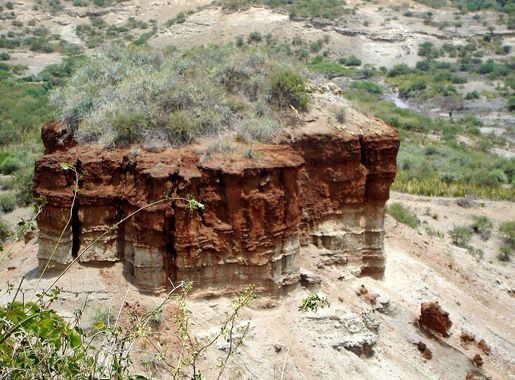


The Majestic Ngorongoro Highlands: A Tanzanian Treasure
Nestled in the heart of Tanzania, the Ngorongoro Highlands offer a stunning blend of natural beauty and rich cultural heritage. This region, home to the famous Ngorongoro Crater, is a UNESCO World Heritage Site and one of the most breathtaking locations in Africa. The highlands are a haven for wildlife enthusiasts, with lush landscapes that house an array of animals including elephants, lions, and the rare black rhino. The Ngorongoro Conservation Area is unique due to its harmonious coexistence of humans and wildlife. The Maasai people, with their vibrant culture, have lived in these highlands for centuries, herding cattle and maintaining their traditional way of life. Visitors can engage with the Maasai, learning about their customs and witnessing their daily routines, making for an enriching cultural experience. For adventure seekers, the highlands offer a variety of activities. Hiking through the Empakaai Crater or exploring the Olmoti Crater provides stunning views and a chance to experience the raw beauty of Tanzania's landscape. Birdwatchers will find paradise here, with over 500 species of birds to spot. The Ngorongoro Highlands are not just a destination, but an unforgettable journey into the heart of Africa.