

Free Serengeti Plains Travel Guide & Mobile App
Explore Serengeti Plains with free travel guides. Discover regional history, expert tips, proposed trips, and audio guides on web or mobile app.


Explore Tanzania’s Serengeti Plains for sweeping grasslands, seasonal wildlife movements, big-cat encounters and carefully guided safari journeys.
Read more about Serengeti Plains
When is the best time to visit Serengeti Plains?
Best: July–September · 24–25°C| Month | High (°C) | Rainfall (mm) |
|---|---|---|
| January | 27 | 75 |
| February | 28 | 75 |
| March | 28 | 100 |
| April | 27 | 125 |
| May | 25 | 75 |
| June | 24 | 25 |
| July (best) | 24 | 15 |
| August (best) | 24 | 15 |
| September (best) | 25 | 25 |
| October | 26 | 50 |
| November | 27 | 100 |
| December | 27 | 100 |
Getting to and around Serengeti Plains
How to get there
Transportation
Destinations in Serengeti Plains
Resorts, valleys and scenic spots worth a trip of their own.
-

-

-


Swipe for more destinations
Best attractions in Serengeti Plains
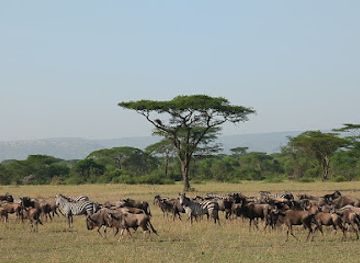
The central attraction is wildlife viewing across Serengeti National Park, where guided drives pass through open grassland, acacia country, kopjes and riverine habitat. The Seronera area is a practical base for observing a broad range of species in different seasons, while the southern plains are associated with calving periods when conditions are suitable. The western corridor offers wooded landscapes and the Grumeti River, and the northern part of the park has more broken terrain and access towards the Mara River area. The animals are not confined to fixed enclosures: sightings depend on rainfall, pasture, water and patient searching. Beyond game drives, some camps offer guided walks in approved areas, birdwatching and cultural or conservation experiences outside the park, subject to local regulations. Hot-air balloon safaris operate in parts of the Serengeti through licensed providers and depend on weather and availability. Night drives may be offered in certain neighbouring concessions, where rules differ from those inside the national park. The region’s attraction is therefore an ecological journey through changing habitats, not a single collection of built visitor sights.
-
Tourist attraction
Serengeti National Park
Explore the boundless beauty and wildlife of Serengeti National Park, a UNESCO World Heritage Site and safari paradise in Tanzania.
-
 Tourist attraction
Mbalageti Serengeti
Discover unparalleled luxury and breathtaking views at Mbalageti Serengeti, your gateway to the wonders of the African savannah.

Best landmarks in Serengeti Plains
The most recognisable landmark of the Serengeti Plains is the seemingly continuous grassland itself, whose broad horizons and changing colours give the region its visual identity. Scattered kopjes, including the rocky formations around the central Serengeti, rise above the plain and provide viewpoints, shelter and important wildlife habitat; some also carry traces of ancient rock art. The Seronera River and its surrounding valley form a notable geographical focus in the central park, supporting woodland and permanent or semi-permanent water in an otherwise seasonal environment. In the west, the Grumeti River is a major natural feature whose wooded banks contrast with open pasture, while the Mara River marks the northern park landscape and forms part of a wider cross-border ecosystem. These are not monuments built for visitors but living landmarks shaped by geology, water, climate and animal movement. Their significance lies in the way they organise the Serengeti’s ecology and in the memorable contrasts they create across an immense protected landscape.
-
National park
Serengeti National Park
Discover the breathtaking wildlife and stunning landscapes of Serengeti National Park, a UNESCO World Heritage Site in Tanzania, ideal for safari adventures.
Explore Serengeti Plains on the map
Plan your trip on one map. See where the top cities, national parks and sights are, and book hotels and experiences in a few clicks.
Best hotels in Serengeti Plains
Best restaurants in Serengeti Plains
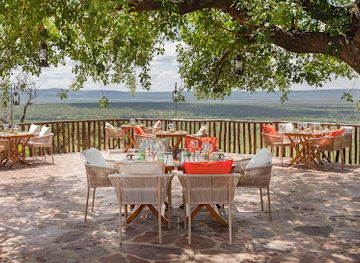
Dining in the Serengeti is centred on safari lodges, tented camps and mobile camps rather than independent restaurants. Menus usually combine international dishes with Tanzanian ingredients, including rice, vegetables, beans, grilled meats, soups, fresh fruit and bread; some camps also serve local staples such as ugali, a maize-based accompaniment. Breakfasts and packed lunches are designed around early departures, while sundowners or bush meals may be arranged only in approved locations and under strict safety procedures. Vegetarian, vegan and other dietary requirements can usually be accommodated when notified in advance, but remote kitchens need prior warning because supplies travel considerable distances. In the wider northern Tanzanian safari circuit, coffee, tea and locally produced fruit are common, while alcohol is generally available at established camps rather than in the open bush. There is little spontaneous food shopping inside the plains, so dining is part of the accommodation experience and meal arrangements should be confirmed when booking.
-
Lodge
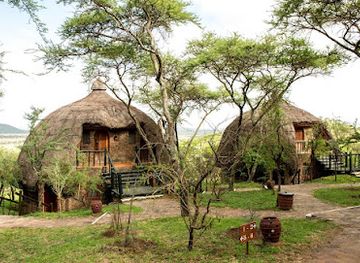
Serengeti Serena Safari Lodge
Discover luxury and adventure at Serengeti Serena Safari Lodge, your gateway to Tanzania's breathtaking wildlife and natural beauty.
-
Hotel
Four Seasons Safari Lodge Serengeti
Discover unparalleled luxury and breathtaking wildlife experiences at Four Seasons Safari Lodge Serengeti – where adventure meets relaxation.
-
Hotel
Meliá Serengeti Lodge member of Meliá Collection
Discover unparalleled luxury and stunning wildlife views at Meliá Serengeti Lodge in Tanzania's iconic Serengeti National Park.
-
Hotel
Tortilis Camp
Discover luxury and adventure at Tortilis Camp in Serengeti - where nature meets elegance for an unforgettable safari experience.
Best bars in Serengeti Plains
The Serengeti has no conventional nightclub scene. Evening life is organised around safari camps, where visitors may gather in a lounge, bar or dining tent for conversation, drinks and stories after a day in the field. Some established properties offer a small selection of Tanzanian beer, wine, spirits and soft drinks, while campfires may be arranged where conditions and park rules allow. These settings are quiet and closely managed because wildlife can move through the surrounding darkness; guests should follow escorts or staff instructions when walking between tents. In some neighbouring concessions outside the national park, evening activities can include guided night drives, but these depend on local rules and weather. The defining character of nightlife is therefore understated and wilderness-focused rather than centred on dancing, late opening hours or a town entertainment district.
-
Bar
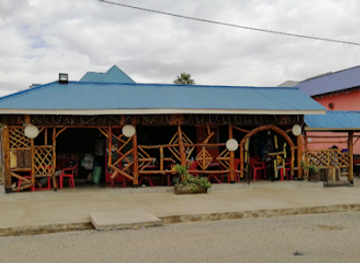
Wanyacha Bar
Experience the vibrant nightlife at Wanyacha Bar in Mugumu, where locals and tourists unite over drinks and culture in a lively atmosphere.
-
Bar
New Serengeti Pub
Discover the vibrant atmosphere of New Serengeti Pub in Mugumu, where local drinks and lively conversations await every traveler.
Best nightclubs in Serengeti Plains
The Serengeti has no conventional nightclub scene. Evening life is organised around safari camps, where visitors may gather in a lounge, bar or dining tent for conversation, drinks and stories after a day in the field. Some established properties offer a small selection of Tanzanian beer, wine, spirits and soft drinks, while campfires may be arranged where conditions and park rules allow. These settings are quiet and closely managed because wildlife can move through the surrounding darkness; guests should follow escorts or staff instructions when walking between tents. In some neighbouring concessions outside the national park, evening activities can include guided night drives, but these depend on local rules and weather. The defining character of nightlife is therefore understated and wilderness-focused rather than centred on dancing, late opening hours or a town entertainment district.
-
Hotel
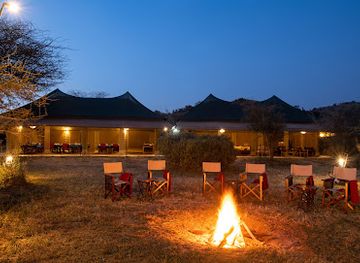
Nyikani Camp - Central Serengeti
Discover the heart of the Serengeti at Nyikani Camp - a unique blend of adventure, luxury, and wildlife immersion.
Best shops in Serengeti Plains
Shopping opportunities on the Serengeti Plains are limited and usually confined to lodge gift shops, camp boutiques or small displays of locally made crafts. Visitors may find Tanzanian textiles, carvings, woven goods, beadwork, photography, books and branded safari clothing, although stock and prices vary considerably. Purchases connected with Maasai culture should be made through reputable, fairly managed outlets rather than through insensitive bargaining or unverified claims about authenticity. The region is also a place to buy practical safari items such as hats, binocular accessories or toiletries, but selection is narrow and prices may reflect the cost of remote supply. More substantial shopping is available in Arusha and other towns outside the plains, where visitors can compare crafts, coffee, spices, fabrics and artwork before or after a safari. Carry only legal, responsibly sourced souvenirs, and never remove animal products, archaeological material, plants or stones from the protected landscape.
-
Hotel
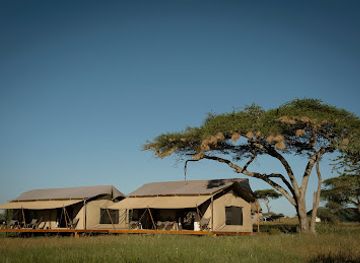
Siringit Serengeti Camp
Discover the luxury of Siringit Serengeti Camp, where adventure meets elegance in the heart of Tanzania's iconic Serengeti National Park.
Get your free copy of our complete guide to Serengeti Plains, delivered straight to you.
Everything on this page, from attractions and restaurants to essentials and local phrases, in one PDF you can read offline, print or share.
Already have an account? Sign in
Your Serengeti Plains guide is ready.
We'll send it to · Not you? Sign out

Getting your guide ready…
We are putting together a fresh copy of the Serengeti Plains guide. This can take up to a minute.
This can take a few moments. If your browser asks, choose Allow so the download can start. You'll find the guide in your Downloads folder.
Nothing happened? Download it again
Sorry, the guide is taking longer than usual. Please try again in a minute, or get it by email instead.
Serengeti Plains essentials
Currency and Payment
Safety
Emergency Situations
Do's and Don'ts
Local Tips
From Eve
Local phrases worth knowing
You don't need to get them perfect. A few words go a long way, and locals appreciate the effort.
Basics
| English | Local | Say it |
|---|---|---|
| Hello | Habari | [hah-bah-ree] |
| Goodbye | Kwaheri | [kwah-heh-ree] |
| Yes | Ndio | [n-dee-oh] |
| No | Hapana | [hah-pah-nah] |
| Please/You're welcome | Tafadhali | [tah-fah-dah-lee] |
| Thank you | Asante | [ah-sahn-teh] |
| Excuse me/Sorry | Samahani | [sah-mah-hah-nee] |
| How are you? | Habari gani? | [hah-bah-ree gah-nee] |
| Fine. And you? | Nzuri. Na wewe? | [n-zoo-ree. nah weh-weh] |
| Do you speak English? | Unazungumza Kiingereza? | [oo-nah-zoon-gum-zah kee-een-geh-reh-zah] |
| I don't understand | Sielewi | [see-eh-leh-wee] |
Eating & Drinking
| English | Local | Say it |
|---|---|---|
| I'd like to see the menu, please | Ningependa kuona menyu, tafadhali | [neen-geh-pehn-dah koo-nah meh-nyoo, tah-fah-dah-lee] |
| I don't eat meat | Sikuli nyama | [see-koo-lee nyah-mah] |
| Cheers! | Afya! | [ah-fyah] |
| I would like to pay, please | Ningependa kulipa, tafadhali | [neen-geh-pehn-dah koo-lee-pah, tah-fah-dah-lee] |
Emergencies
| English | Local | Say it |
|---|---|---|
| Help! | Msaada! | [m-sah-dah] |
| Go away! | Ondoka! | [on-doh-kah] |
| Call the Police! | Piga simu polisi! | [pee-gah see-moo poh-lee-see] |
| Call a doctor! | Piga simu daktari! | [pee-gah see-moo dahk-tah-ree] |
| I'm lost | Nimepotea | [nee-meh-poh-teh-ah] |
| I'm ill | Ninaumwa | [nee-nah-oom-wah] |
Shopping
| English | Local | Say it |
|---|---|---|
| I'd like to buy... | Ningependa kununua... | [neen-geh-pehn-dah koo-noo-noo-ah] |
| I'm just looking | Natazama tu | [nah-tah-zah-mah too] |
| How much is it? | Ni bei gani? | [nee beh-ee gah-nee] |
| That's too expensive | Hiyo ni ghali sana | [hee-yoh nee ghah-lee sah-nah] |
| Can you lower the price? | Unaweza kupunguza bei? | [oo-nah-weh-zah koo-poon-guh-zah beh-ee] |
Time & Numbers
| English | Local | Say it |
|---|---|---|
| What time is it? | Ni saa ngapi? | [nee sah nah-gee] |
| It's one o'clock | Ni saa moja | [nee sah-oh mah-jah] |
| Half past (10) | Nusu ya (10) | [noo-soo yah (10)] |
| Morning | Asubuhi | [ah-soo-boo-hee] |
| Afternoon | Mchana | [m-chah-nah] |
| Evening | Jioni | [jee-oh-nee] |
| Yesterday | Jana | [jah-nah] |
| Today | Leo | [leh-oh] |
| Tomorrow | Kesho | [keh-shoh] |
| 1 | Moja | [mah-jah] |
| 2 | Mbili | [m-bee-lee] |
| 3 | Tatu | [tah-too] |
| 4 | Nne | [n-neh] |
| 5 | Tano | [tah-noh] |
| 6 | Sita | [see-tah] |
| 7 | Saba | [sah-bah] |
| 8 | Nane | [nah-neh] |
| 9 | Tisa | [tee-sah] |
| 10 | Kumi | [koo-mee] |
Transport & Directions
| English | Local | Say it |
|---|---|---|
| Where's a/the...? | Wapi...? | [wah-pee] |
| What's the address? | Nini anwani? | [nee-nee ahn-wah-nee] |
| Can you show me (on the map)? | Unaweza kunionesha (katika ramani)? | [oo-nah-weh-zah koo-nee-oh-neh-shah (kah-tee-kah rah-mah-nee)] |
| When's the next (bus)? | Basi inayofuata ni lini? | [bah-see ee-nah-yoh-foo-ah-tah nee lee-nee] |
| A ticket (to ....) | Tiketi (kwenda ....) | [tee-keh-tee (kwen-dah)] |
History of Serengeti Plains
Early human history in the wider Serengeti region
Northern Tanzania contains some of Africa’s most important evidence for human evolution, although the best-known archaeological sites, including Olduvai Gorge, lie outside the Serengeti Plains in the neighbouring Ngorongoro Conservation Area. The Serengeti landscape itself has supported human and animal movement for a very long period, with stone tools and other traces contributing to a wider understanding of life in East Africa. For visitors, this broader archaeological context helps place the modern safari landscape within a much older history of changing climates, grasslands and human adaptation.
Maasai settlement and pastoral traditions
Maasai-speaking pastoral communities became established across parts of northern Tanzania and southern Kenya during the last several centuries, using seasonal movement to manage cattle, water and pasture. The Serengeti’s name is commonly translated from a Maasai description of an extensive or endless plain. Pastoral land use and wildlife movement have long overlapped in the wider ecosystem, although the creation and expansion of protected areas changed where settlement, grazing and cultivation could take place. Maasai communities remain an important part of the cultural setting around, rather than throughout, the national park.
Colonial administration and early conservation
German colonial rule in mainland Tanzania, then known as Tanganyika, was followed after the First World War by British administration. Colonial hunting regulation and the rise of scientific interest in East African wildlife helped shape early conservation policy, though these measures were also imposed through systems that gave local communities limited control over land decisions. The Serengeti became increasingly known internationally for its large mammals and open plains, while hunting restrictions and administrative boundaries laid foundations for the protected-area system that followed.
Serengeti National Park, established in 1951
Serengeti National Park was established in 1951, creating a major protected area around a landscape already recognised for its wildlife and seasonal grazing patterns. The park’s creation reflected growing concern about hunting and habitat protection, but it also formed part of a wider reorganisation of land that affected people living in and using the area. In 1959, the Ngorongoro Conservation Area was created separately to the east, helping define the modern geography of the northern Tanzanian conservation network. Today, the park remains the central protected landscape of the Serengeti ecosystem.
Scientific understanding of migration and ecosystems
From the mid-twentieth century onwards, field researchers developed a clearer understanding of the Serengeti as a connected ecological system rather than a collection of isolated wildlife viewing sites. Studies of rainfall, grass growth, predators, herbivores and disease demonstrated how seasonal conditions drive the movement of wildebeest, zebra and gazelles. Research and monitoring have also informed fire management, veterinary work and conservation planning. The migration is not a single annual spectacle confined to one location; it is a continuing cycle shaped by weather, pasture and water across the wider ecosystem.
Modern conservation and responsible tourism
Tourism expanded substantially in the later twentieth century, making guided safari travel a major source of employment and conservation revenue while also increasing pressure on roads, habitats and wildlife behaviour. Modern management combines park regulation, ecological monitoring, anti-poaching work and cooperation with communities and neighbouring protected areas. The Serengeti’s contemporary history therefore involves both international conservation importance and continuing debates about land use, livelihoods, visitor numbers and how tourism can support a functioning ecosystem without reducing it to a spectacle.
Serengeti Plains in Photos
Browse through our photo collection highlighting the charm and character of the destination.
Neighbouring regions of Serengeti Plains
The closest regions to Serengeti Plains, if you have time for more than one.
-

-

-

-
-


Swipe for more regions
Explore more
Explore more of Tanzania
Discover Tanzania: From the majestic Mount Kilimanjaro to the stunning Serengeti and the serene beaches of Zanzibar, experience the best of nature and culture in East Africa.
Explore Tanzania