
Masai Steppe, Tanzania Travel Guide
Discover the untouched beauty and rich cultural heritage of the Masai Steppe in Tanzania, an ideal destination for wildlife enthusiasts and adventure seekers alike.
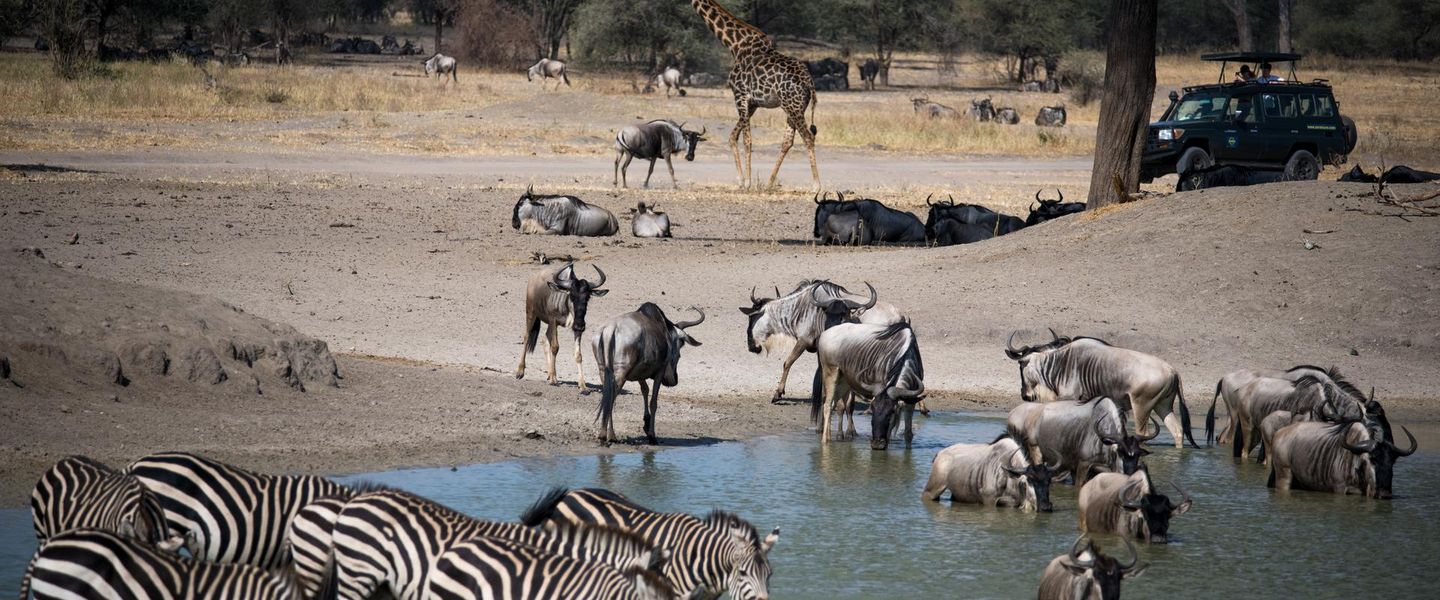
The Masai Steppe, located in Tanzania, is a vast and captivating region that offers an unparalleled glimpse into the heart of Africa. This expansive area, covering thousands of square miles, is home to a wide array of wildlife, including elephants, lions, and zebras. The landscape is a mix of rolling savannahs, rugged hills, and acacia woodlands, providing a stunning backdrop for any adventure. Visitors to the Masai Steppe can experience the rich cultural heritage of the Masai people, known for their vibrant clothing, traditional dances, and deep connection to the land. The local villages offer a unique opportunity to learn about their way of life and traditions, making it a memorable cultural exchange. The region is also a paradise for nature enthusiasts and photographers. With its diverse ecosystems, the Masai Steppe provides excellent opportunities for wildlife viewing and bird watching. The area is less crowded than other tourist hotspots, allowing for a more intimate and immersive experience in the wild. Whether you're exploring on a guided safari, hiking through the scenic trails, or simply soaking in the breathtaking views, the Masai Steppe promises an unforgettable journey into one of Tanzania's most enchanting landscapes.

Know before you go
Hi, I'm Eve. Here are a few practical things to know before exploring Masai Steppe.
- Visit during the dry season (June to October) for the best wildlife viewing opportunities.
- Hire a local guide to enhance your experience and gain deeper insights into the culture and wildlife.
- Bring a good pair of binoculars for bird watching and wildlife spotting.
- Respect local customs and traditions when visiting Masai villages.
- Pack light, breathable clothing and plenty of sunscreen to stay comfortable in the heat.
Top City Travel Guides in Masai Steppe
The cities of Masai Steppe, and the easiest places to base yourself.


Destinations in Masai Steppe
Resorts, valleys and scenic spots worth a trip of their own.


Explore Masai Steppe: Things to Do, Places to Eat, Hotels & More
Handpicked recommendations for top attractions, local dining, accommodations, and more

Top Attractions & Sightseeing in Masai Steppe
Top-rated picks
Best Attractions

Tarangire National Park
Experience the natural wonders of Tarangire National Park, home to diverse wildlife, stunning baobab trees, and breathtaking landscapes in Tanzania.

Jozani Forest
Explore the breathtaking Jozani Forest, a national reserve in Zanzibar, home to unique wildlife and stunning ecosystems that captivate every nature lover.

Kunduchi Wet "N" Wild Water Park
Discover the thrill of Kunduchi Wet N Wild Water Park in Dar es Salaam, where adventure meets relaxation in a tropical paradise.

Cheetah's Rock
Discover the enchanting world of rescued wildlife at Cheetah's Rock in Zanzibar—where conservation meets unforgettable experiences.

Best landmarks in Masai Steppe
Top-rated picks
Best Landmarks

Ngorongoro Conservation Area
Explore the breathtaking landscapes and rich wildlife of Ngorongoro Conservation Area, a must-visit UNESCO World Heritage site in Tanzania.

Old Fort
Explore the rich history and vibrant culture at Old Fort, Zanzibar's iconic fortress in the heart of Stone Town.

Tsavo West National Park
Explore Tsavo West National Park, a stunning national park in Kenya filled with diverse wildlife, breathtaking landscapes, and unforgettable adventure.

Tarangire National Park
Discover the breathtaking landscapes and abundant wildlife of Tarangire National Park, a must-visit destination for nature lovers in Tanzania.

Best restaurants in Masai Steppe
Top-rated picks
Best Restaurants

Cape Town Fish Market Dar es Salaam
Experience the best seafood dining at Cape Town Fish Market in Dar es Salaam - where freshness meets flavor in a stunning bay setting.

Samaki Samaki restaurant
Experience fresh seafood and vibrant Tanzanian flavors at Samaki Samaki restaurant in Dar es Salaam.

Karambezi Cafe
Experience the best of Tanzanian cuisine at Karambezi Cafe while enjoying stunning ocean views in Dar es Salaam's Masaki area.

Epi d'or
Discover Epi d'or in Dar es Salaam—where exquisite pastries meet savory delights in an inviting atmosphere.

Best bars in Masai Steppe
Top-rated picks
Best Bars

The Slow Leopard
Experience the lively blend of hostel comfort and vibrant nightlife at The Slow Leopard in Dar es Salaam, where socializing meets culinary delights.

Mikumi Lounge
Unwind at Mikumi Lounge, the ultimate bar and nightclub in Chamazi, offering a lively atmosphere, great drinks, and exciting nightlife experiences.

Masai
Experience authentic Tanzanian cuisine at Masai, a vibrant restaurant in Dar es Salaam offering delicious dishes in a welcoming atmosphere.

Manyara Raha
Discover the vibrant nightlife at Manyara Raha, a premier bar in Babati, Tanzania, offering exquisite drinks and a lively atmosphere for all.

Best nightclubs in Masai Steppe
Top-rated picks
Best Nightclubs

Dance Club & Bar
Unleash your nightlife spirit at the Dance Club & Bar in Dar es Salaam - where delicious food meets vibrant music and dance.

Havoc Nightspot
Discover the ultimate nightlife experience at Havoc Nightspot, a leading club in Dar es Salaam featuring cocktails, gaming, and live entertainment.

Tip Top pub & lounge
Discover the vibrant nightlife at Tip Top Pub & Lounge, a must-visit destination in Sampeople for an unforgettable experience.

Upanga Club
Experience the vibrant nightlife of Dar es Salaam at Upanga Club, where music, dance, and culture come alive in a thrilling atmosphere.

Best shops in Masai Steppe
Top-rated picks
Best Shops

The Slipway
Explore The Slipway in Dar es Salaam, a vibrant shopping mall offering local crafts, diverse dining, and stunning waterfront views for every traveler.

African Galleria
Explore the vibrant African Galleria in Usangi for authentic souvenirs that celebrate the rich culture and craftsmanship of Tanzania.

Memories Of Zanzibar
Discover unique souvenirs and support local artisans at Memories of Zanzibar, the ultimate destination for authentic island treasures.

Blue Zebra Art | Tanzanite | Gift Shop
Explore Blue Zebra Art Gift Shop for exquisite Tanzanite jewelry, unique art pieces, and authentic souvenirs that capture the spirit of Tanzania.

Explore Masai Steppe on the Map
A handpicked selection of must-see spots in Masai Steppe, mapped for you.
Masai Steppe Essentials
-
The Masai Steppe is located in northern Tanzania and can be accessed from various points. The nearest major airport is Kilimanjaro International Airport (JRO), located about 250 kilometers away. From the airport, you can hire a taxi, rent a car, or take a bus to Arusha, which is the gateway to the Masai Steppe. Another option is to fly into Julius Nyerere International Airport (DAR) in Dar es Salaam and take a domestic flight to Arusha Airport (ARK). From Arusha, organized tours or private vehicles are the most reliable ways to reach the Masai Steppe.
-
Within the Masai Steppe, transportation options are somewhat limited due to the remote nature of the area. Renting a 4x4 vehicle is highly recommended for navigating the rugged terrain. Organized tours often provide transportation that can handle the challenging roads. Local minibuses, known as 'dala-dalas,' can be used for short distances but may not be the most comfortable or reliable option. For a more authentic experience, consider hiring a local guide who can provide both transportation and invaluable insights into the area.
-
The official currency in Tanzania is the Tanzanian Shilling (TZS). While credit cards are accepted in some hotels and larger restaurants, cash is king, especially in rural areas like the Masai Steppe. ATMs are available in Arusha, but it's advisable to carry enough cash for your entire trip to the Steppe. Currency exchange services are also available at major airports and in Arusha. Always keep some small denomination notes handy for tips and small purchases.
-
The Masai Steppe is generally safe for tourists, but like any destination, it is important to take standard precautions. Avoid traveling alone at night and keep your valuables secure. While the area itself has a low crime rate, Arusha has some neighborhoods known for higher crime rates targeting tourists, such as Unga Limited and Sakina. Always use reputable guides and tour operators. Keep emergency contact numbers handy, including those of your country's embassy or consulate.
-
In case of emergencies, dial 112 for immediate assistance. The nearest medical facilities are located in Arusha, which has several hospitals and clinics. It is highly recommended to have comprehensive travel insurance that covers medical emergencies, including evacuation if necessary. For minor health issues, pharmacies in Arusha stock a range of over-the-counter medications. If you are in a remote area, your local guide can assist in contacting emergency services.
-
Fashion: Do dress modestly, especially when visiting local communities. Avoid wearing revealing clothing. Religion: Do respect local customs and traditions. Always ask for permission before taking photographs of people or their homes. Public Transport: Do be respectful and give up your seat to elderly passengers. Don't eat or drink on public transport. Greetings: Do greet people with a smile and a handshake. A slight nod of the head is also a sign of respect. Eating & Drinking: Do try local delicacies and accept food offerings graciously. Don't refuse hospitality, as it is considered impolite.
-
To experience the Masai Steppe like a local, visit the local markets where you can buy traditional Maasai crafts and fresh produce. Engage with local Maasai communities to learn about their culture and traditions. Participate in a traditional Maasai dance or join a community event if invited. Don't miss the opportunity to explore the area's natural beauty, including its wildlife and scenic landscapes. For a unique experience, consider a guided walking safari or a night under the stars in a traditional Maasai boma (homestead).
When is the best time to visit Masai Steppe?
Useful Local Phrases for Masai Steppe
You don't need to speak the language perfectly. Even learning a few simple words can make conversations warmer—and locals usually appreciate the effort.
— Eve

Here are the phrases I use most often in Masai Steppe. Try a few—you'll be surprised how far they go! 😊
❤️
-
- HelloSopa
[soh-pah] - GoodbyeKwaheri
[kwah-heh-ree] - YesNdio
[ndee-oh] - NoHapana
[hah-pah-nah] - Please/You’re welcomeTafadhali
[tah-fah-dah-lee] - Thank youAsante
[ah-sahn-teh] - Excuse me/SorrySamahani
[sah-mah-hah-nee] - How are you?Habari gani?
[hah-bah-ree gah-nee] - Fine. And you?Nzuri. Na wewe?
[nzoor-ee nah weh-weh] - Do you speak English?Unazungumza Kiingereza?
[oo-nah-zoon-gum-zah kee-in-geh-reh-zah] - I don’t understandSielewi
[see-eh-leh-wee]
- HelloSopa
-
- I’d like to see the menu, pleaseNingependa kuona menyu, tafadhali
[neen-geh-pen-dah koo-oh-nah men-yoo tah-fah-dah-lee] - I don’t eat meatSikuli nyama
[see-koo-lee nyah-mah] - Cheers!Afya!
[ah-fyah] - I would like to pay, pleaseNingependa kulipa, tafadhali
[neen-geh-pen-dah koo-lee-pah tah-fah-dah-lee]
- I’d like to see the menu, pleaseNingependa kuona menyu, tafadhali
-
- Help!Msaada!
[msah-dah] - Go away!Ondoka!
[on-doh-kah] - Call the Police!Piga simu polisi!
[pee-gah see-moo poh-lee-see] - Call a doctor!Piga simu daktari!
[pee-gah see-moo dahk-tah-ree] - I’m lostNimepotea
[nee-meh-poh-teh-ah] - I’m illNina ugonjwa
[nee-nah oo-gon-jwah]
- Help!Msaada!
-
- I’d like to buy...Ningependa kununua...
[neen-geh-pen-dah koo-noo-noo-ah] - I’m just lookingNatazama tu
[nah-tah-zah-mah too] - How much is it?Ni kiasi gani?
[nee kee-ah-see gah-nee] - That’s too expensiveHiyo ni ghali sana
[hee-yoh nee gah-lee sah-nah] - Can you lower the price?Unaweza kupunguza bei?
[oo-nah-weh-zah koo-poon-goo-zah beh-ee]
- I’d like to buy...Ningependa kununua...
-
- What time is it?Ni saa ngapi?
[nee sah ngah-pee] - It’s one o’clockNi saa moja
[nee sah moh-jah] - Half past (10)Nusu saa kumi
[noo-soo sah-ah koo-mee] - MorningAsubuhi
[ah-soo-boo-hee] - AfternoonMchana
[mchah-nah] - EveningJioni
[jee-oh-nee] - YesterdayJana
[jah-nah] - TodayLeo
[lay-oh] - TomorrowKesho
[keh-shoh] - 1Moja
[moh-jah] - 2Mbili
[mbee-lee] - 3Tatu
[tah-too] - 4Nne
[nnay] - 5Tano
[tah-noh] - 6Sita
[see-tah] - 7Saba
[sah-bah] - 8Nane
[nah-neh] - 9Tisa
[tee-sah] - 10Kumi
[koo-mee]
- What time is it?Ni saa ngapi?
-
- Where's a/the...?Wapi...?
[wah-pee] - What’s the address?Anwani ni ipi?
[ahn-wah-nee nee ee-pee] - Can you show me (on the map)?Unaweza kunionyesha (katika ramani)?
[oo-nah-weh-zah koo-nee-oh-nyesh-ah kah-tee-kah rah-mah-nee] - When’s the next (bus)?Basi inayofuata ni lini?
[bah-see ee-nah-yoh-foo-ah-tah nee lee-nee] - A ticket (to ....)Tiketi (ya ...)
[tee-keh-tee yah]
- Where's a/the...?Wapi...?
History of Masai Steppe
-
The Masai Steppe, a vast semi-arid region in Tanzania, has been shaped over millions of years by geological forces. Early human inhabitants, including hunter-gatherer communities, have left traces of their presence in the form of ancient tools and rock art. These early inhabitants thrived in this challenging environment, utilizing its resources for their survival.
-
The Maasai people, semi-nomadic pastoralists, migrated to the Masai Steppe around the 17th and 18th centuries. They brought with them a rich cultural heritage and a deep connection to the land. The Maasai are known for their distinctive customs, dress, and social structures, which have been passed down through generations. Their arrival marked a significant cultural shift in the region, as they established settlements and herding practices that are still prevalent today.
-
During the late 19th and early 20th centuries, the Masai Steppe came under German and later British colonial rule. The Maasai people resisted colonial encroachments on their land and way of life through various means, including armed resistance and strategic negotiations. Despite these efforts, colonial policies led to significant changes in land ownership and usage, impacting the traditional Maasai way of life.
-
After Tanzania gained independence in 1961, the Masai Steppe experienced further changes. The Tanzanian government implemented policies aimed at modernization and development, which included initiatives to settle nomadic communities. These policies had mixed effects on the Maasai culture and their traditional pastoralist lifestyle. Despite these challenges, the Maasai have continued to adapt and maintain their cultural identity.
-
The Masai Steppe is home to a diverse array of wildlife, making it a significant area for conservation efforts. National parks and reserves, such as Tarangire National Park, have been established to protect the region's unique ecosystems and species. These conservation efforts have not only preserved the natural beauty of the area but also provided opportunities for eco-tourism, which supports local communities.
-
Today, the Masai Steppe is a popular destination for travelers seeking to experience the rich cultural heritage of the Maasai people and the stunning landscapes of Tanzania. Visitors can participate in cultural tours, visit traditional Maasai villages, and learn about their customs and daily life. This interaction between tourists and the Maasai helps to promote cultural exchange and provides economic benefits to the local communities.
Neighbouring Regions of Masai Steppe
The closest regions to Masai Steppe, if you have time for more than one.


Your all‑in‑one travel companion app
Explore expert travel guides, compare and book tours, experiences, hotels, and more—all from the palm of your hand. Download now for seamless trip planning wherever your wanderlust takes you.


Explore More of Tanzania
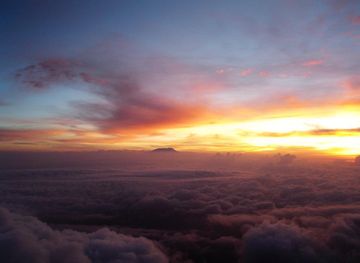
Looking beyond Masai Steppe? Discover Tanzania for broader travel guides, local hot-spots, and regional highlights.
Explore TanzaniaMasai Steppe in Photos
Browse through our photo collection highlighting the charm and character of the destination.
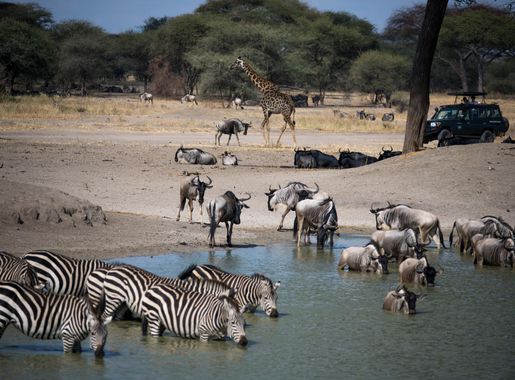


The Majestic Masai Steppe: Tanzania's Hidden Gem
The Masai Steppe, located in Tanzania, is a vast and captivating region that offers an unparalleled glimpse into the heart of Africa. This expansive area, covering thousands of square miles, is home to a wide array of wildlife, including elephants, lions, and zebras. The landscape is a mix of rolling savannahs, rugged hills, and acacia woodlands, providing a stunning backdrop for any adventure. Visitors to the Masai Steppe can experience the rich cultural heritage of the Masai people, known for their vibrant clothing, traditional dances, and deep connection to the land. The local villages offer a unique opportunity to learn about their way of life and traditions, making it a memorable cultural exchange. The region is also a paradise for nature enthusiasts and photographers. With its diverse ecosystems, the Masai Steppe provides excellent opportunities for wildlife viewing and bird watching. The area is less crowded than other tourist hotspots, allowing for a more intimate and immersive experience in the wild. Whether you're exploring on a guided safari, hiking through the scenic trails, or simply soaking in the breathtaking views, the Masai Steppe promises an unforgettable journey into one of Tanzania's most enchanting landscapes.