

Free Rift Valley Travel Guide & Mobile App
Explore Rift Valley with free travel guides. Discover regional history, expert tips, proposed trips, and audio guides on web or mobile app.


Explore Tanzania’s Rift Valley for volcanic lakes, wildlife, human-evolution sites, Maasai culture and dramatic journeys through northern landscapes.
Read more about Rift Valley
When is the best time to visit Rift Valley?
Best: January–March · 25–26°C| Month | High (°C) | Rainfall (mm) |
|---|---|---|
| January (best) | 25 | 30 |
| February (best) | 25 | 35 |
| March (best) | 26 | 40 |
| April | 26 | 45 |
| May | 26 | 50 |
| June | 25 | 55 |
| July | 25 | 60 |
| August | 25 | 65 |
| September | 25 | 70 |
| October | 26 | 75 |
| November | 25 | 80 |
| December | 25 | 85 |
Getting to and around Rift Valley
How to get there
Transportation
Destinations in Rift Valley
Resorts, valleys and scenic spots worth a trip of their own.
-

-

-

-


Swipe for more destinations
Best attractions in Rift Valley
The Rift Valley’s attractions are defined by contrast: wildlife parks, volcanic lakes, archaeological sites and living rural landscapes lie within a broad geological corridor. Lake Manyara National Park combines groundwater forest, open plains, escarpment views and an alkaline lake whose changing shoreline attracts large bird populations. The Ngorongoro Conservation Area offers crater wildlife, highland scenery and access to the Olduvai Gorge and Laetoli archaeological landscape, although not every site is freely accessible. Around Lake Natron, visitors find flamingos, salt flats, waterfalls, volcanic scenery and guided walks beneath Ol Doinyo Lengai. Lake Eyasi provides a different, more arid setting, with carefully arranged cultural experiences involving local communities. Engaruka’s irrigation channels and stone ruins add historical depth, while the markets and food culture of Mto wa Mbu show how tourism, farming and trade intersect. Activities are generally guide-led: game drives, birdwatching, walking, cultural visits and geological excursions. The most rewarding itineraries allow for the region’s considerable distances and recognise that a remote lake or archaeological site may require more logistical preparation than a national-park circuit.
-
Lake
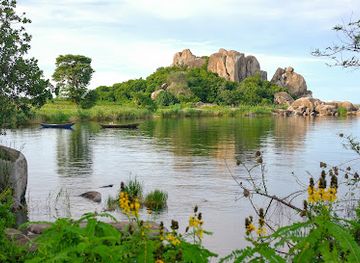
Lake Victoria
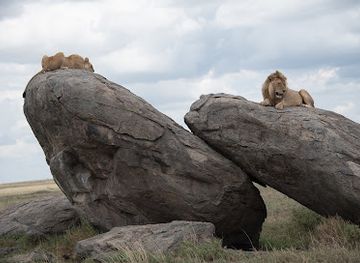
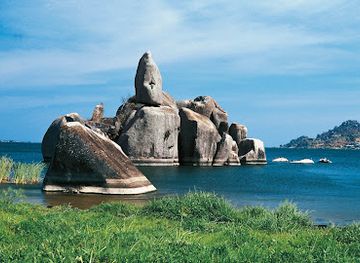
Experience the natural beauty and vibrant culture of Lake Victoria, a must-visit destination for any traveler in East Africa.
-
National park
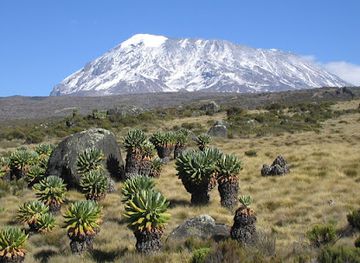
Mount Kilimanjaro National Park
Discover the breathtaking landscapes and diverse wildlife of Mount Kilimanjaro National Park, an iconic UNESCO World Heritage site in Tanzania.
-
National park
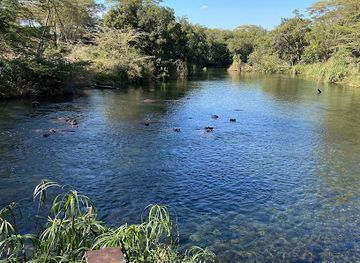
Tsavo West National Park
Discover the diverse wildlife and breathtaking landscapes of Tsavo West National Park, a top destination for nature lovers in Kenya.
-
National reserve
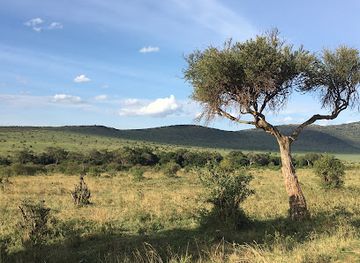
Maasai Mara National Reserve
Explore the iconic Maasai Mara National Reserve, a hub of wildlife diversity and stunning landscapes in Kenya, perfect for safari adventures and cultural encounters.
Best landmarks in Rift Valley
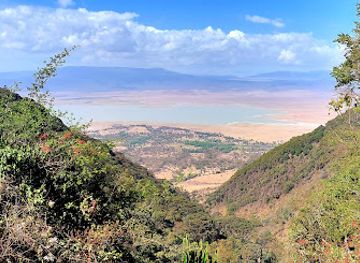
Ol Doinyo Lengai is the Rift Valley’s most distinctive natural landmark, a steep volcanic cone rising beside Lake Natron and regarded as sacred by Maasai communities; climbing it is a demanding guided activity rather than a casual excursion. The escarpment above Lake Manyara forms another defining feature, marking the geological drop between the elevated plateau and the lake basin. Within the Ngorongoro Conservation Area, the Ngorongoro Crater is a vast volcanic caldera whose enclosed grasslands and steep walls create one of northern Tanzania’s most recognisable landscapes. Olduvai Gorge is important not for dramatic architecture but for its exposed geological layers and exceptional archaeological record. At Engaruka, stone walls, terraces and irrigation channels provide a tangible reminder of earlier settlement and farming. The shallow, mineral-rich waters of Lake Natron and the seasonal wetlands of Lake Manyara are also landmarks in their own right, changing in colour, extent and birdlife with rainfall and evaporation. Together these places express the Rift’s geological force, ecological variety and deep human history.
-
National park
Serengeti National Park
Uncover the breathtaking beauty and wildlife of Serengeti National Park, a premier safari destination that promises unforgettable adventures in Tanzania.
-
Lake
Lake Victoria
Explore the beauty and culture of Lake Victoria, Africa's largest lake, offering adventure, stunning scenery, and a taste of local traditions.
-
Nature preserve
Ngorongoro Conservation Area
Explore the enchanting Ngorongoro Conservation Area, a UNESCO World Heritage Site brimming with wildlife and breathtaking landscapes in Tanzania.
-
 National park
Amboseli National Park
Explore Amboseli National Park, a stunning wildlife paradise with breathtaking views of Mount Kilimanjaro and rich cultural experiences.
Explore Rift Valley on the map
Plan your trip on one map. See where the top cities, national parks and sights are, and book hotels and experiences in a few clicks.
Best hotels in Rift Valley
Best restaurants in Rift Valley
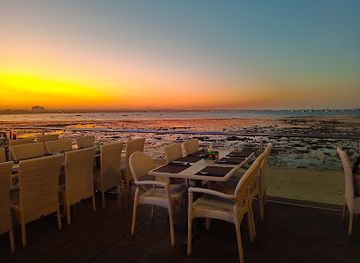
Dining in the Tanzanian Rift Valley is shaped by long-distance travel, local agriculture and the hospitality infrastructure of the northern safari circuit. Lodges and camps commonly serve Tanzanian dishes alongside international food, while town restaurants and small eateries offer rice, beans, grilled meat, chapati, pilau and vegetable stews. Around Mto wa Mbu, banana-growing and small-scale farming support local food experiences, and guided visits may introduce visitors to regional cooking or produce markets. Maize, bananas, rice, beans and livestock are important across different parts of the valley, though availability varies with season and location. Fresh fruit, roasted maize and tea are practical roadside refreshments, while bottled or treated water is advisable. In safari areas, meals may be eaten at accommodation or as prepared picnics rather than in independent restaurants. Vegetarian dishes are widely available when requested in advance, but remote camps benefit from dietary information before arrival. Tipping is customary for good service, particularly from guides and camp staff.
-
Seafood
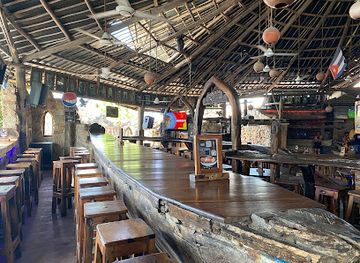
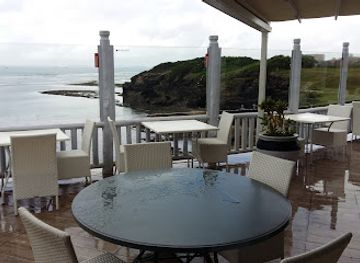
Cape Town Fish Market Dar es Salaam
Discover culinary excellence at Cape Town Fish Market in Dar es Salaam—where fresh seafood meets vibrant flavors by the bay.
-
Restaurant
Samaki Samaki restaurant
Experience the essence of Tanzanian cuisine at Samaki Samaki restaurant in Dar es Salaam - where fresh flavors meet vibrant culture.
-
Restaurant
Karambezi Cafe
Discover culinary delights at Karambezi Cafe in Dar es Salaam - where local flavors meet ocean views.
-
Restaurant
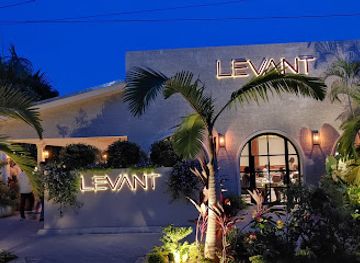
Levant
Experience exquisite dining at Levant in Oyster Bay - where culinary artistry meets stunning ambiance in Dar es Salaam.
Best bars in Rift Valley
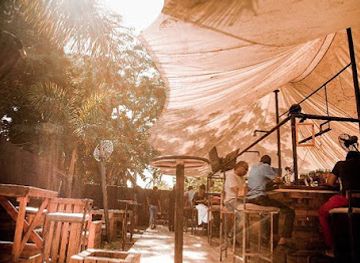
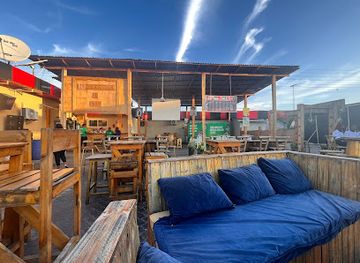
Nightlife in the Rift Valley is generally quiet and location-based rather than club-oriented. In Mto wa Mbu, Karatu and Babati, evening options centre on local bars, casual restaurants, hotel lounges and conversations over Tanzanian beer, soft drinks or tea. Safari lodges and tented camps may offer a bar, outdoor seating and occasional cultural or musical entertainment, but arrangements vary and should not be assumed to continue late. Around Lake Natron and Lake Eyasi, the emphasis is on early starts, guided walks and clear night skies rather than a formal nightlife scene. Arusha, outside the Rift Valley, has a considerably broader choice of bars and live-music venues and can serve as a pre- or post-safari stop. Visitors should drink responsibly, respect quiet rural communities and arrange transport with their guide or accommodation rather than walking unaccompanied on remote roads after dark.
-
Grill
TIPS Lounge, Mikocheni
Discover the vibrant atmosphere and delicious grilled delights at TIPS Lounge in Mikocheni, the heart of Dar es Salaam's dining scene.
-
Cocktail bar
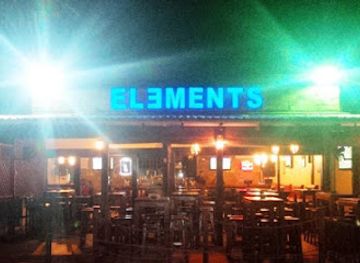
Elements
Experience the vibrant nightlife of Dar es Salaam at Elements, where innovative cocktails and a lively atmosphere await.
-
Grill
Dance Club & Bar
Experience the heart of Dar es Salaam's nightlife at Dance Club & Bar, where music, food, and fun fuse into unforgettable evenings.
-
Pub
George & Dragon
Discover the authentic British pub experience at George & Dragon in Dar es Salaam, where delicious food meets a lively sports bar ambiance.

Best nightclubs in Rift Valley
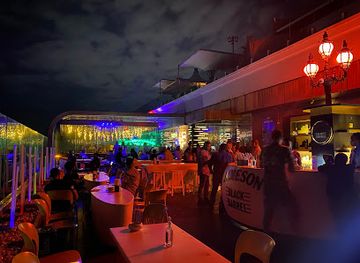
Nightlife in the Rift Valley is generally quiet and location-based rather than club-oriented. In Mto wa Mbu, Karatu and Babati, evening options centre on local bars, casual restaurants, hotel lounges and conversations over Tanzanian beer, soft drinks or tea. Safari lodges and tented camps may offer a bar, outdoor seating and occasional cultural or musical entertainment, but arrangements vary and should not be assumed to continue late. Around Lake Natron and Lake Eyasi, the emphasis is on early starts, guided walks and clear night skies rather than a formal nightlife scene. Arusha, outside the Rift Valley, has a considerably broader choice of bars and live-music venues and can serve as a pre- or post-safari stop. Visitors should drink responsibly, respect quiet rural communities and arrange transport with their guide or accommodation rather than walking unaccompanied on remote roads after dark.
-
Cocktail bar
Havoc Nightspot
Experience the vibrant nightlife at Havoc Nightspot, a premier cocktail bar in Dar es Salaam, blending gourmet dining, gaming, and live entertainment.
-
Lounge
High Spirit Lounge
Experience the vibrant nightlife of Dar es Salaam at High Spirit Lounge, where exquisite drinks and lively ambiance await.
-
Night club
Upanga Club
Discover the vibrant nightlife at Upanga Club in Dar es Salaam, where music, dancing, and socializing come together in a lively atmosphere.
-
Disco club
New Club Galapo
Experience the vibrant nightlife of Dar es Salaam at New Club Galapo, where music, dancing, and unforgettable memories await.


Best shops in Rift Valley
Shopping in the Tanzanian Rift Valley is concentrated in market towns, village stalls, safari lodges and craft outlets rather than large retail centres. Mto wa Mbu is known for local markets and small businesses selling fruit, vegetables, woven goods, carvings, paintings and practical household items, while Karatu and Babati provide everyday shops and food markets for surrounding communities. Lodge gift shops may stock Maasai-inspired beadwork, textiles, baskets and locally made crafts, but visitors should ask about provenance and avoid purchasing objects made from protected wildlife materials or archaeological artefacts. Coffee, tea, spices and packaged foods can be useful regional gifts when bought through reputable sellers. Bargaining may be appropriate in some informal markets, though not every price is negotiable and respectful conversation matters. Remote areas offer fewer shopping opportunities, so buy essential toiletries, medicines and cash before leaving major towns. Crafts are more meaningful when purchased directly through fair, transparent community enterprises.
-
Nature preserve
Ngorongoro Conservation Area
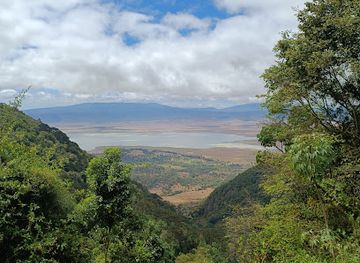
Discover the breathtaking wildlife and stunning landscapes of Ngorongoro Conservation Area, a UNESCO World Heritage site in Tanzania.
-
Handicraft fair
Maasai Market
Explore the Maasai Market in Nairobi for unique handicrafts, vibrant culture, and an authentic Kenyan shopping experience.
-
Shopping mall
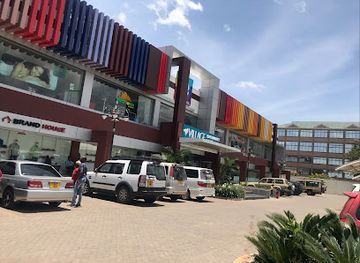
AIM Mall
Discover a bustling shopping paradise at AIM Mall in Arusha, Tanzania, where culture, cuisine, and commerce converge for an unforgettable experience.
-
Supermarket
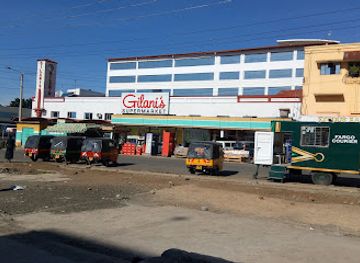
Gilanis
Discover the essence of Kenyan culture at Gilanis Supermarket in Nakuru, the ultimate destination for local shopping and unique culinary experiences.

Get your free copy of our complete guide to Rift Valley, delivered straight to you.
Everything on this page, from attractions and restaurants to essentials and local phrases, in one PDF you can read offline, print or share.
Already have an account? Sign in
Your Rift Valley guide is ready.
We'll send it to · Not you? Sign out

Getting your guide ready…
We are putting together a fresh copy of the Rift Valley guide. This can take up to a minute.
This can take a few moments. If your browser asks, choose Allow so the download can start. You'll find the guide in your Downloads folder.
Nothing happened? Download it again
Sorry, the guide is taking longer than usual. Please try again in a minute, or get it by email instead.
Rift Valley essentials
Currency and Payment
Safety
Emergency Situations
Do's and Don'ts
Local Tips
From Eve
Local phrases worth knowing
You don't need to get them perfect. A few words go a long way, and locals appreciate the effort.
Basics
| English | Local | Say it |
|---|---|---|
| Hello | Mambo | [Mahm-bo] |
| Goodbye | Tutaonana | [Too-tah-oh-nah] |
| Yes | Ndiyo | [N-dee-yoh] |
| No | Hapana | [Hah-pah-nah] |
| Please/You're welcome | Tafadhali | [Tah-fah-dah-lee] |
| Thank you | Asante | [Ah-sahn-teh] |
| Excuse me/Sorry | Samahani | [Sah-mah-hah-nee] |
| How are you? | Habari gani? | [Hah-bah-ree gah-nee] |
| Fine. And you? | Nzuri. Na wewe? | [N-zoo-ree. Nah weh-weh?] |
| Do you speak English? | Unazungumza Kiingereza? | [Oo-nah-zoon-gum-zah Kee-een-ge-reh-zah?] |
| I don't understand | Sielewi | [See-eh-leh-wee] |
Eating & Drinking
| English | Local | Say it |
|---|---|---|
| I'd like to see the menu, please | Ningependa kuona menyu, tafadhali | [Nin-geh-pen-dah oo-nah meh-nyoo, tah-fah-dah-lee] |
| I don't eat meat | Sikuli nyama | [See-koo-lee nyah-mah] |
| Cheers! | Afya! | [Ah-fyah!] |
| I would like to pay, please | Ningependa kulipa, tafadhali | [Nin-geh-pen-dah koo-lee-pah, tah-fah-dah-lee] |
Emergencies
| English | Local | Say it |
|---|---|---|
| Help! | Nisaidie! | [Nee-sigh-dee-eh!] |
| Go away! | Ondoka! | [On-doh-kah!] |
| Call the Police! | Piga simu polisi! | [Pee-gah see-moo poh-lee-see!] |
| Call a doctor! | Piga simu daktari! | [Pee-gah see-moo dahk-tah-ree!] |
| I'm lost | Nimepotea | [Nee-meh-poh-teh-ah] |
| I'm ill | Nina ugonjwa | [Nee-nah oo-gohn-jwah] |
Shopping
| English | Local | Say it |
|---|---|---|
| I'd like to buy... | Ningependa kununua... | [Nin-geh-pen-dah koo-noo-noo-ah...] |
| I'm just looking | Natazama tu | [Nah-tah-zah-mah too] |
| How much is it? | Ni shilingi ngapi? | [Nee shee-lin-gee ngah-pee?] |
| That's too expensive | Hiyo ni ghali sana | [Hee-yoh nee gah-lee sah-nah] |
| Can you lower the price? | Unaweza kupunguza bei? | [Oo-nah-weh-zah koo-pun-guh-zah bay?] |
Time & Numbers
| English | Local | Say it |
|---|---|---|
| What time is it? | Ni saa ngapi? | [Nee sah ngah-pee?] |
| It's one o'clock | Ni saa moja | [Nee sah moh-jah] |
| Half past (10) | Nusu (10) | [Noo-soo (10)] |
| Morning | Asubuhi | [Ah-soo-boo-hee] |
| Afternoon | Mchana | [M-chah-nah] |
| Evening | Jioni | [Jee-oh-nee] |
| Yesterday | Jana | [Jah-nah] |
| Today | Leo | [Leh-oh] |
| Tomorrow | Kesho | [Keh-shoh] |
| 1 | Moja | [Moh-jah] |
| 2 | Mbili | [M-bee-lee] |
| 3 | Tatu | [Tah-too] |
| 4 | Nne | [N-nay] |
| 5 | Tano | [Tah-noh] |
| 6 | Sita | [See-tah] |
| 7 | Saba | [Sah-bah] |
| 8 | Nane | [Nah-neh] |
| 9 | Tisa | [Tee-sah] |
| 10 | Kumi | [Koo-mee] |
Transport & Directions
| English | Local | Say it |
|---|---|---|
| Where's a/the...? | Iko wapi...? | [Ee-koh wah-pee...?] |
| What's the address? | Anwani ni ipi? | [An-wah-nee nee ee-pee?] |
| Can you show me (on the map)? | Unaweza kunionyesha (katika ramani)? | [Oo-nah-weh-zah koo-nee-oh-nyesh-ah (kah-tee-kah rah-mah-nee)?] |
| When's the next (bus)? | Basi inayofuata ni lini? | [Bah-see ee-nah-yoh-foo-ah-tah nee lee-nee?] |
| A ticket (to ....) | Tiketi (kwenda ....) | [Tee-keh-tee (kwen-dah ....)] |
History of Rift Valley
Early Human Ancestors at Olduvai and Laetoli
The eastern Rift landscapes of northern Tanzania contain some of the world’s most important evidence for human evolution. At Laetoli, fossilised footprints made by early hominins roughly 3.6 million years ago preserve evidence of upright walking. Olduvai Gorge, within the Ngorongoro Conservation Area, has produced hominin fossils, stone tools and animal remains spanning a very long period of prehistory. Work associated with Mary and Louis Leakey was especially influential, although the discoveries form part of a much broader scientific record. These sites placed northern Tanzania at the centre of global archaeological research.
Pastoral and Farming Communities
Long before modern tourism, the Rift supported varied communities whose livelihoods responded to water, grazing and the changing ecology of the valley. Pastoralist societies, including Maasai communities in the north, developed systems of livestock keeping suited to semi-arid grasslands and seasonal movement. In the Lake Eyasi and Mbulu highlands, farming and hunting traditions followed different environmental opportunities. Communities such as the Hadza and Iraqw represent distinct histories and languages rather than a single regional culture. Their presence is an essential part of the contemporary Rift Valley’s identity.
Engaruka and Earlier Irrigation
The ruins of Engaruka, north-west of Lake Manyara and near the modern Rift corridor, indicate a substantial former settlement based on stone construction and irrigation. Its peak is generally placed several centuries ago, although the settlement’s precise history and the reasons for its decline continue to be studied. Channels, terraces and cleared fields show how people adapted agricultural production to a dry environment with limited reliable water. Engaruka demonstrates that the Rift’s apparent wilderness has also been shaped by complex, earlier societies.
Colonial Mapping and Conservation
German colonial rule from the late nineteenth century and subsequent British administration altered land governance, transport, labour and relations between local communities and external authorities. Colonial expeditions also helped circulate European accounts of the Rift’s volcanoes, lakes and archaeological potential. During the twentieth century, game reserves and conservation areas expanded, eventually creating the framework for places such as Lake Manyara National Park and the Ngorongoro Conservation Area. Conservation brought international recognition and economic opportunities, but also created continuing debates about land use, access and community rights.
The Formation of Modern Tanzania
Tanganyika became independent in 1961 and united with Zanzibar in 1964 to form Tanzania. The new state inherited a region with considerable linguistic, cultural and ecological diversity. National policies expanded public administration and reshaped rural development, while roads and tourism infrastructure increasingly connected the northern Rift to Arusha and the international safari economy. The region’s present identity therefore reflects both local histories and national institution-building. Its parks, conservation areas and villages operate within Tanzanian law, even where older customary land relationships remain important.
Archaeology, Conservation and Tourism Today
Since the mid-twentieth century, the Rift Valley has become a major centre for archaeological fieldwork, wildlife conservation and international tourism. Research at Olduvai and Laetoli continues to refine knowledge of early human behaviour, while the Ngorongoro and Manyara landscapes attract visitors to protected areas and local tourism businesses. The modern economy combines park fees, guiding, accommodation, transport, livestock keeping and agriculture. Current travel increasingly places emphasis on conservation finance, responsible cultural encounters and the need to balance visitor access with fragile ecosystems and community interests.
Rift Valley in Photos
Browse through our photo collection highlighting the charm and character of the destination.
Neighbouring regions of Rift Valley
The closest regions to Rift Valley, if you have time for more than one.
-

-

-

-
-


Swipe for more regions
Explore more
Explore more of Tanzania
Discover Tanzania: From the majestic Mount Kilimanjaro to the stunning Serengeti and the serene beaches of Zanzibar, experience the best of nature and culture in East Africa.
Explore Tanzania