

Rukwa Valley, Tanzania Travel Guide
Discover Tanzania's Rukwa Valley: A Hidden Paradise of Lush Landscapes, Diverse Wildlife, and Rich Cultural Heritage.
Nestled between the escarpments of the Great Rift Valley, the Rukwa Valley in Tanzania is a breathtaking destination that remains largely unexplored by the masses. This secluded haven is a paradise for nature lovers, offering an array of landscapes from lush grasslands to verdant forests, and a myriad of wildlife that call this valley home. Whether you are an avid bird watcher, a photography enthusiast, or simply someone seeking tranquility, Rukwa Valley promises an unforgettable experience. The valley is home to Lake Rukwa, a shimmering body of water that stretches across the landscape, providing a lifeline to the diverse flora and fauna of the region. Visitors can enjoy boat rides on the lake, where they'll be greeted by the sight of hippos and crocodiles, as well as a variety of bird species that flock to its shores. The surrounding plains and woodlands are ideal for guided safaris, where you might encounter elephants, buffalo, and even the elusive leopard. Rukwa Valley also offers a glimpse into the cultural heritage of the local tribes. The Wakonongo and the Fipa people inhabit this region, and their vibrant traditions and crafts add a rich cultural dimension to your visit. Engage with the communities through village tours, craft markets, and traditional dance performances, providing a deeper understanding of their way of life. The Rukwa Valley is not just a destination; it is an immersive experience that connects you with nature and culture in the most profound ways.

Know before you go
Hi, I'm Eve. Here are a few practical things to know before exploring Rukwa Valley.
- Visit during the dry season (June to October) for the best wildlife viewing and easier access to roads.
- Pack light, breathable clothing and sturdy walking shoes for safaris and village tours.
- Carry insect repellent and sun protection, as the valley can be hot and buggy.
- Hire a local guide to enhance your experience and learn more about the wildlife and culture.
- Respect local customs and ask for permission before taking photos of people.


Best restaurants in Rukwa Valley
Top-rated picks
Best Restaurants

Karambezi Cafe
Discover Karambezi Cafe in Dar es Salaam: where stunning ocean views meet exquisite cuisine in a vibrant atmosphere.

Levant
Experience exquisite Mediterranean cuisine at Levant in Dar es Salaam's Oyster Bay - where every meal is a celebration of flavor.

Akemi Revolving Restaurant
Discover panoramic dining at Akemi Revolving Restaurant in Dar es Salaam—where exquisite cuisine meets breathtaking city views.

The Waterfront
Discover exquisite dining at The Waterfront in Dar es Salaam—where fresh seafood meets stunning ocean views.

Best bars in Rukwa Valley
Top-rated picks
Best Bars

The Slow Leopard
Discover The Slow Leopard in Dar es Salaam: a lively bar, cozy hostel, and delightful café offering a taste of local culture and community.

Kibozone Pub
Experience the vibrant flavors and lively atmosphere of Kibozone Pub, Dar es Salaam's favorite grill and bar for tourists and locals alike.

Toroka Uje Makongo Juu Pub
Discover the lively Toroka Uje Makongo Juu Pub in Dar es Salaam, where locals and tourists unite over drinks and vibrant entertainment.

Farmers Grill
Experience the authentic taste of Tanzania at Farmers Grill, Sumbawanga's go-to spot for delicious grilled meals and local flavors.

Best nightclubs in Rukwa Valley
Top-rated picks
Best Nightclubs

Havoc Nightspot
Discover the ultimate nightlife experience at Havoc Nightspot in Dar es Salaam, where cocktails, dancing, and gambling come together for an unforgettable evening.

West Gate Bar and night club
Discover the vibrant nightlife at West Gate Bar and Night Club in Sumbawanga, where music and dance create unforgettable experiences.

Uhuru Peak - Night Club
Discover the vibrant nightlife of Dar es Salaam at Uhuru Peak Night Club; a cultural haven for music lovers and party enthusiasts.

CLUB M THE BEST
Discover the heart of Sumbawanga's nightlife at Club M The Best, a disco club that guarantees a lively atmosphere and unforgettable memories.

Best shops in Rukwa Valley
Top-rated picks
Best Shops

Mkuki House
Discover Mkuki House in Dar es Salaam: a vibrant shopping mall offering local and international brands, diverse dining, and family-friendly entertainment.

African Galleria
Explore the vibrant crafts and authentic souvenirs at African Galleria in Usangi, where culture meets creativity in every handcrafted piece.

The Zanzibar Curio Shop
Explore The Zanzibar Curio Shop for unique antiques and handcrafted treasures that reflect the rich heritage of Zanzibar.
Rungwe Shopping
Explore Rungwe Shopping for unique home goods and authentic Tanzanian souvenirs in a vibrant marketplace experience.

Explore Rukwa Valley on the Map
A handpicked selection of must-see spots in Rukwa Valley, mapped for you.
Rukwa Valley Essentials
-
Rukwa Valley is located in the southwestern part of Tanzania. The nearest major airport is Mbeya Airport (MBI), approximately 300 kilometers away. From Mbeya, you can take a bus or hire a private taxi to Sumbawanga, the main town in Rukwa Valley. The journey by road typically takes around 5 to 6 hours. Alternatively, you can fly to Dar es Salaam and take a domestic flight to Mbeya or Katavi and continue your journey by road.
-
In Rukwa Valley, local transportation options include buses, minibuses (daladala), and motorcycle taxis (bodaboda). Renting a car is also an option for those who prefer more flexibility. Keep in mind that road conditions can be challenging, especially during the rainy season. It's advisable to use a 4x4 vehicle for better navigation. Taxis are available in Sumbawanga, and they can be hired for both short and long-distance travel.
-
The official currency in Tanzania is the Tanzanian Shilling (TZS). While some hotels and larger establishments may accept credit cards, it's advisable to carry cash, particularly in rural areas like Rukwa Valley. ATMs are available in Sumbawanga, but it's wise to withdraw enough cash before venturing into more remote areas. US Dollars are sometimes accepted, but it's best to use local currency for most transactions.
-
Rukwa Valley is generally safe for tourists, but it's important to take standard precautions. Avoid walking alone at night and be mindful of your belongings in crowded places. Sumbawanga is relatively safe, but exercise caution in more isolated areas. Petty theft can occur, so keep your valuables secure. Always stay updated on local news and follow any travel advisories.
-
In case of emergency, dial 112 for immediate assistance. Sumbawanga has a regional hospital and several medical clinics. It is highly recommended to have travel insurance that covers medical emergencies. For minor health issues, pharmacies are available in Sumbawanga where you can purchase over-the-counter medications. Always carry a basic first aid kit, especially if traveling to remote areas.
-
Fashion: Do dress modestly, especially in rural areas. Avoid wearing revealing clothing. Religion: Do respect local customs and traditions. When visiting religious sites, dress conservatively and ask for permission before taking photographs. Public Transport: Do be respectful and patient. Public transport can be crowded and schedules may be irregular. Greetings: Do greet people with a handshake. It's customary to ask about someone's well-being as a polite gesture. Eating & Drinking: Do try local cuisine and accept food offerings graciously. Don't refuse hospitality, as it is considered impolite. Use your right hand for eating and offering items.
-
To experience Rukwa Valley like a local, visit the local markets where you can buy fresh produce and traditional goods. Engage with locals, who are often friendly and willing to share their culture and traditions. Don't miss out on visiting the Kalambo Falls, one of the tallest uninterrupted falls in Africa. For a unique experience, participate in a traditional dance or music event, which are often held in villages around the valley.
When is the best time to visit Rukwa Valley?
Useful Local Phrases for Rukwa Valley
You don't need to speak the language perfectly. Even learning a few simple words can make conversations warmer—and locals usually appreciate the effort.
— Eve

Here are the phrases I use most often in Rukwa Valley. Try a few—you'll be surprised how far they go! 😊
❤️
-
- HelloHabari
[ha-ba-ree] - GoodbyeKwaheri
[kwa-heh-ree] - YesNdiyo
[n-dee-yo] - NoHapana
[ha-pa-na] - Please/You're welcomeTafadhali/Karibu
[ta-fa-dha-lee/ka-ree-boo] - Thank youAsante
[a-san-te] - Excuse me/SorrySamahani
[sa-ma-ha-nee] - How are you?Habari gani?
[ha-ba-ree ga-nee] - Fine. And you?Nzuri. Na wewe?
[n-zoo-ree. na we-we] - Do you speak English?Unazungumza Kiingereza?
[u-na-zun-gum-za kee-in-ge-re-za] - I don't understandSielewi
[see-e-le-wi]
- HelloHabari
-
- I'd like to see the menu, pleaseNingependa kuona menu, tafadhali
[neen-ge-pen-da ku-o-na me-nu, ta-fa-dha-lee] - I don't eat meatSili nyama
[see-lee n-ya-ma] - Cheers!Afya!
[a-fya] - I would like to pay, pleaseNingependa kulipa, tafadhali
[neen-ge-pen-da ku-li-pa, ta-fa-dha-lee]
- I'd like to see the menu, pleaseNingependa kuona menu, tafadhali
-
- Help!Nisaidie!
[ni-sai-die] - Go away!Ondoka!
[on-do-ka] - Call the Police!Piga simu polisi!
[pee-ga see-moo po-li-si] - Call a doctor!Piga simu daktari!
[pee-ga see-moo dak-ta-ri] - I'm lostNimepotea
[ni-me-po-te-a] - I'm illNina ugonjwa
[ni-na u-gon-jwa]
- Help!Nisaidie!
-
- I'd like to buy...Ningependa kununua...
[neen-ge-pen-da ku-nu-nu-a] - I'm just lookingNatafuta tu
[na-ta-fu-ta tu] - How much is it?Ni kiasi gani?
[ni ki-a-si ga-nee] - That's too expensiveHiyo ni ghali sana
[hee-yo ni gha-li sa-na] - Can you lower the price?Unaweza kupunguza bei?
[u-na-we-za ku-pu-nu-za bay]
- I'd like to buy...Ningependa kununua...
-
- What time is it?Ni saa ngapi?
[ni sa-a ng-a-pi] - It's one o'clockNi saa moja
[ni sa-a mo-ja] - Half past (10)Nusu ya (10)
[nu-su ya (10)] - MorningAsubuhi
[a-su-bu-hi] - AfternoonMchana
[m-cha-na] - EveningJioni
[ji-o-ni] - YesterdayJana
[ja-na] - TodayLeo
[le-o] - TomorrowKesho
[ke-sho] - 1Moja
[mo-ja] - 2Mbili
[m-bee-lee] - 3Tatu
[ta-tu] - 4Nne
[n-ne] - 5Tano
[ta-no] - 6Sita
[si-ta] - 7Saba
[sa-ba] - 8Nane
[na-ne] - 9Tisa
[ti-sa] - 10Kumi
[ku-mi]
- What time is it?Ni saa ngapi?
-
- Where's a/the...?Iko wapi...?
[ee-ko wa-pi] - What's the address?Nini anwani?
[ni-ni an-wa-ni] - Can you show me (on the map)?Unaweza kunionesha (katika ramani)?
[u-na-we-za ku-ni-o-nes-ha (ka-ti-ka ra-ma-ni)] - When's the next (bus)?Basi inayofuata ni lini?
[ba-si i-na-yof-u-a-ta ni li-ni] - A ticket (to ....)Tiketi (ya ....)
[ti-ke-ti (ya ....)]
- Where's a/the...?Iko wapi...?
History of Rukwa Valley
-
Rukwa Valley is a treasure trove of prehistoric artifacts and fossils. The valley's geological formations have preserved numerous fossils, providing invaluable insights into the prehistoric era. Notably, in 2014, paleontologists discovered a new dinosaur species, Rukwatitan bisepultus, in the valley. This discovery highlighted the region's significance in understanding the evolutionary history of dinosaurs.
-
Rukwa Valley has been a crossroads for various Bantu-speaking communities over centuries. The Bantu expansion, which began around 1000 BCE, saw many groups migrating through and settling in the valley. These early settlers played a significant role in shaping the cultural and agricultural landscape of the region, introducing iron-working, farming techniques, and new social structures.
-
In the 19th century, the Nyamwezi people, known for their trading prowess, established routes through Rukwa Valley. They were instrumental in the long-distance trade of goods such as ivory and salt. Their caravans traversed the valley, connecting it to the broader East African trade networks and introducing new goods and cultural practices to the region.
-
Rukwa Valley fell under German colonial rule in the late 19th century as part of German East Africa. The Germans established administrative posts and attempted to exploit the region's resources. The colonial period brought significant changes, including new infrastructure and the introduction of cash crops, but also led to resistance and upheaval among the local communities.
-
The Maji Maji Rebellion (1905-1907) was a significant uprising against German colonial rule in Tanzania, and its effects rippled through Rukwa Valley. Local communities, inspired by the belief in the protective power of sacred water (maji in Swahili), united to resist harsh colonial policies and forced labor. Though ultimately suppressed, the rebellion marked a critical moment of resistance and resilience in the valley's history.
-
Following Tanzania's independence in 1961, Rukwa Valley experienced significant developmental changes. The government initiated various projects to improve infrastructure, healthcare, and education in the region. Efforts to boost agricultural productivity and sustainable development have been ongoing, aiming to uplift the living standards of the valley's inhabitants while preserving its rich cultural heritage.
-
Rukwa Valley is home to a mosaic of ethnic groups, including the Fipa, Pimbwe, and Konongo, each with their unique traditions and cultural practices. These communities have coexisted for centuries, contributing to the valley's rich cultural diversity. Traditional music, dance, and festivals remain integral to the social fabric, reflecting the valley's enduring cultural vibrancy.
Neighbouring Regions of Rukwa Valley
The closest regions to Rukwa Valley, if you have time for more than one.



Your all‑in‑one travel companion app
Explore expert travel guides, compare and book tours, experiences, hotels, and more—all from the palm of your hand. Download now for seamless trip planning wherever your wanderlust takes you.


Explore More of Tanzania
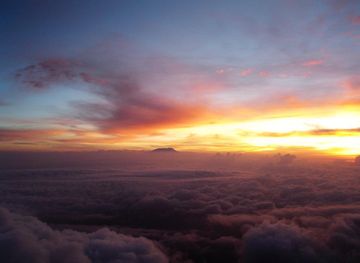
Looking beyond Rukwa Valley? Discover Tanzania for broader travel guides, local hot-spots, and regional highlights.
Explore TanzaniaRukwa Valley in Photos
Browse through our photo collection highlighting the charm and character of the destination.


The Enchanting Rukwa Valley: Tanzania's Hidden Gem
Nestled between the escarpments of the Great Rift Valley, the Rukwa Valley in Tanzania is a breathtaking destination that remains largely unexplored by the masses. This secluded haven is a paradise for nature lovers, offering an array of landscapes from lush grasslands to verdant forests, and a myriad of wildlife that call this valley home. Whether you are an avid bird watcher, a photography enthusiast, or simply someone seeking tranquility, Rukwa Valley promises an unforgettable experience. The valley is home to Lake Rukwa, a shimmering body of water that stretches across the landscape, providing a lifeline to the diverse flora and fauna of the region. Visitors can enjoy boat rides on the lake, where they'll be greeted by the sight of hippos and crocodiles, as well as a variety of bird species that flock to its shores. The surrounding plains and woodlands are ideal for guided safaris, where you might encounter elephants, buffalo, and even the elusive leopard. Rukwa Valley also offers a glimpse into the cultural heritage of the local tribes. The Wakonongo and the Fipa people inhabit this region, and their vibrant traditions and crafts add a rich cultural dimension to your visit. Engage with the communities through village tours, craft markets, and traditional dance performances, providing a deeper understanding of their way of life. The Rukwa Valley is not just a destination; it is an immersive experience that connects you with nature and culture in the most profound ways.