

Mahale Mountains, Tanzania Travel Guide
Discover the untouched beauty of Mahale Mountains in Tanzania, home to wild chimpanzees, stunning landscapes, and a rich diversity of wildlife.
Nestled on the shores of Lake Tanganyika in Tanzania, the Mahale Mountains offer a unique blend of natural beauty and wildlife. This remote national park is home to some of the last remaining wild chimpanzees in Africa. Visitors can embark on guided treks through dense forests to observe these fascinating creatures in their natural habitat. Aside from the chimpanzees, the Mahale Mountains are also a haven for bird watchers and nature enthusiasts. The park boasts over 250 bird species, as well as a variety of other wildlife, including elephants, lions, and leopards. The scenic landscapes, with their lush greenery and dramatic mountain vistas, provide a stunning backdrop for outdoor adventures. For a truly immersive experience, visitors can stay at one of the few eco-lodges in the area. These lodges offer a chance to unwind and disconnect from the modern world, surrounded by the sounds of nature. Whether you're trekking through the forest, relaxing by the lake, or simply soaking in the serene atmosphere, the Mahale Mountains promise an unforgettable journey into the heart of Tanzania's wilderness.

Know before you go
Hi, I'm Eve. Here are a few practical things to know before exploring Mahale Mountains.
- Plan your visit during the dry season (June to October) for the best trekking conditions and wildlife sightings.
- Pack light, breathable clothing and sturdy hiking boots for trekking through the dense forest.
- Consider staying at an eco-lodge to fully experience the natural surroundings and support sustainable tourism.
- Bring binoculars and a camera with a good zoom lens for bird watching and capturing wildlife moments.
- Make sure to have all necessary vaccinations and carry insect repellent to protect against mosquito-borne illnesses.
- Respect the local wildlife and maintain a safe distance, especially when observing chimpanzees.
Destinations in Mahale Mountains
Resorts, valleys and scenic spots worth a trip of their own.

Explore Mahale Mountains: Things to Do, Places to Eat, Hotels & More
Handpicked recommendations for top attractions, local dining, accommodations, and more

Top Attractions & Sightseeing in Mahale Mountains
Top-rated picks
Best Attractions

Serengeti National Park
Discover the breathtaking beauty of Serengeti National Park, home to the Great Migration and a rich diversity of wildlife in Tanzania.

Selous Mapumziko Lodge
Discover the wild beauty of Selous Game Reserve at Selous Mapumziko Lodge, a perfect blend of luxury and adventure amidst breathtaking wildlife.

Saadani National Park
Explore Saadani National Park, Tanzania's coastal wildlife paradise, where stunning landscapes and diverse ecosystems await your discovery.

Saanane National Park
Explore the rich biodiversity and stunning landscapes of Saanane National Park, a tranquil escape in Mwanza, Tanzania, amidst wildlife and natural beauty.

Best landmarks in Mahale Mountains
Top-rated picks
Best Landmarks

Mikumi National Park
Explore Mikumi National Park: A Wildlife Wonderland in Tanzania with Diverse Ecosystems and Scenic Adventures Awaiting You.
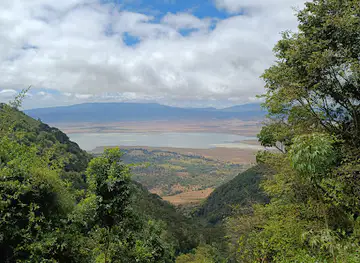
Ngorongoro Conservation Area
Explore the breathtaking Ngorongoro Conservation Area, a UNESCO World Heritage site rich in wildlife and cultural heritage, perfect for nature lovers and adventure seekers.
Amboseli National Park
Explore the breathtaking landscapes and diverse wildlife of Amboseli National Park, a must-visit destination for nature lovers and adventure seekers in Kenya.

Mount Kilimanjaro National Park
Discover the breathtaking beauty of Mount Kilimanjaro National Park, a premier destination for trekking and wildlife enthusiasts in Tanzania.

Best restaurants in Mahale Mountains
Top-rated picks
Best Restaurants

Cape Town Fish Market Dar es Salaam
Experience exceptional seafood dining at Cape Town Fish Market Dar es Salaam with stunning bay views and delightful dishes.

Samaki Samaki restaurant
Discover the vibrant flavors of Tanzania at Samaki Samaki Restaurant in Dar es Salaam – where every dish tells a story.

Karambezi Cafe
Experience exquisite dining at Karambezi Cafe in Dar es Salaam - where stunning ocean views meet delectable cuisine.

Epi d'or
Discover Epi d'or: A culinary haven in Dar es Salaam offering exquisite pastries, delectable desserts, and diverse savory dishes.

Best bars in Mahale Mountains
Top-rated picks
Best Bars

TIPS Lounge, Mikocheni
Experience the vibrant flavors and lively atmosphere at TIPS Lounge, Mikocheni's premier grill and lounge destination.

Dance Club & Bar
Experience the vibrant nightlife of Dar es Salaam at the Dance Club & Bar, where delicious grilled cuisine meets an electrifying atmosphere.

Havoc Nightspot
Discover the vibrant nightlife at Havoc Nightspot in Dar es Salaam - a perfect blend of cocktails, gambling, and live entertainment.
The Slow Leopard
Experience the vibrant culture of Dar es Salaam at The Slow Leopard - a cozy hostel, restaurant, and bar that welcomes all travelers.

Best nightclubs in Mahale Mountains
Top-rated picks
Best Nightclubs

Dance Club & Bar
Dive into the vibrant nightlife of Dar es Salaam at Dance Club & Bar, where dancing, delicious grills, and a lively atmosphere await you!

Havoc Nightspot
Experience the vibrant nightlife of Dar es Salaam at Havoc Nightspot, where exquisite cocktails meet thrilling entertainment.

High Spirit Lounge
Discover the vibrant nightlife at High Spirit Lounge, Dar es Salaam's go-to spot for cocktails, entertainment, and a lively atmosphere.

Tip Top pub & lounge
Discover the vibrant nightlife at Tip Top Pub & Lounge in sampeople, where great drinks and a lively atmosphere await.

Best shops in Mahale Mountains
Top-rated picks
Best Shops

Mlimani City Shopping Mall
Explore Mlimani City Shopping Mall, Dar es Salaam's premier shopping destination featuring diverse shops, restaurants, and entertainment for all ages.

Serengeti National Park
Discover the awe-inspiring wildlife and breathtaking landscapes of Serengeti National Park, a true jewel of Tanzania, perfect for every nature lover.

Ngorongoro Conservation Area
Explore the Ngorongoro Conservation Area: A UNESCO World Heritage Site of breathtaking wildlife, stunning landscapes, and rich Maasai culture in Tanzania.

Rock City Mall
Explore Rock City Mall in Mwanza: your ultimate shopping and entertainment destination, offering a blend of local culture and modern retail experiences.

Explore Mahale Mountains on the Map
A handpicked selection of must-see spots in Mahale Mountains, mapped for you.
Mahale Mountains Essentials
-
Mahale Mountains National Park is located in western Tanzania, along the eastern shores of Lake Tanganyika. The nearest major airport is Julius Nyerere International Airport in Dar es Salaam. From Dar es Salaam, you can take a domestic flight to Kigoma Airport, which is the closest airport to the park. From Kigoma, you can either take a chartered flight or a boat to the park. Alternatively, you can take a train or bus from Dar es Salaam to Kigoma and then proceed by boat.
-
Within Mahale Mountains National Park, transportation options are limited. Most visitors rely on guided tours that include boat transfers, which are essential for exploring the park's remote areas. Walking safaris are popular for getting up close with wildlife. Make sure to arrange your transportation in advance, as there are no public transport options within the park itself.
-
The official currency in Tanzania is the Tanzanian Shilling (TZS). Credit cards are accepted in some lodges and higher-end establishments, but it is advisable to carry cash, especially for transactions in more remote areas. ATMs are available in Kigoma, but it is wise to withdraw sufficient cash before heading to Mahale Mountains. Foreign currency can be exchanged at banks and exchange bureaus in major towns.
-
Mahale Mountains National Park is generally a safe destination for tourists. However, standard travel precautions should be taken. Avoid walking alone at night and always be aware of your surroundings. While the park itself is safe, be cautious in Kigoma and other transit points, as petty crime can occur. It is advisable to stay vigilant and keep your belongings secure.
-
In case of emergency, contact your lodge or tour operator immediately as they will have the necessary resources to assist you. It is recommended to have travel insurance that covers medical emergencies and evacuation. The nearest medical facilities are in Kigoma, so it is important to carry a basic first-aid kit and any necessary medications.
-
Fashion: Do dress modestly, especially when visiting local villages or cultural sites. Lightweight, long-sleeved clothing is recommended to protect against insects. Avoid wearing flashy jewelry. Religion: Do respect local customs and traditions. Always ask for permission before photographing people. Public Transport: Do be respectful and patient when using local transportation options in Kigoma. Public transport is limited within the park. Greetings: Do greet people with a handshake. Learning a few basic phrases in Swahili can be appreciated. Eating & Drinking: Do try local delicacies and accept food offerings graciously. Don't refuse hospitality, as it is considered impolite.
-
To experience Mahale Mountains like a local, engage with the park rangers and guides who have extensive knowledge of the area's wildlife and history. Participate in a chimpanzee trekking tour to observe these fascinating primates in their natural habitat. Visit local fishing villages along Lake Tanganyika to gain insight into the traditional ways of life. Respect the environment by following Leave No Trace principles and supporting eco-friendly lodges.
When is the best time to visit Mahale Mountains?
Useful Local Phrases for Mahale Mountains
You don't need to speak the language perfectly. Even learning a few simple words can make conversations warmer—and locals usually appreciate the effort.
— Eve

Here are the phrases I use most often in Mahale Mountains. Try a few—you'll be surprised how far they go! 😊
❤️
-
- HelloHabari
[ha-BAH-ree] - GoodbyeKwaheri
[kwa-HEH-ree] - YesNdio
[N-dee-oh] - NoHapana
[ha-PAH-nah] - Please/You're welcomeTafadhali
[ta-FAH-dha-lee] - Thank youAsante
[ah-SAHN-teh] - Excuse me/SorrySamahani
[sah-ma-HAH-nee] - How are you?Habari gani?
[ha-BAH-ree GAH-nee] - Fine. And you?Nzuri. Na wewe?
[N-ZOO-ree. Na WEH-weh] - Do you speak English?Unazungumza Kiingereza?
[oo-na-ZOONG-gum-za kee-in-ge-REH-zah] - I don't understandSielewi
[see-eh-LEH-wee]
- HelloHabari
-
- I'd like to see the menu, pleaseNingependa kuona menyu, tafadhali
[Nin-ge-PEN-da koo-NAH MEN-yoo, ta-FAH-dha-lee] - I don't eat meatSikuli nyama
[see-KOO-lee NYAH-ma] - Cheers!Afya!
[AH-fyah] - I would like to pay, pleaseNingependa kulipa, tafadhali
[Nin-ge-PEN-da koo-LEE-pa, ta-FAH-dha-lee]
- I'd like to see the menu, pleaseNingependa kuona menyu, tafadhali
-
- Help!Nisaidie!
[nee-SAH-ee-dee] - Go away!Ondoka!
[on-DOH-kah] - Call the Police!Piga simu polisi!
[PEE-gah SEE-moo poh-LEE-see] - Call a doctor!Piga simu daktari!
[PEE-gah SEE-moo dahk-TAH-ree] - I'm lostNimepotea
[nee-meh-po-TAY-ah] - I'm illNina ugonjwa
[nee-NA oo-GON-jwah]
- Help!Nisaidie!
-
- I'd like to buy...Ningependa kununua...
[Nin-ge-PEN-da koo-NOO-nu-ah] - I'm just lookingNatazama tu
[na-TAH-zah-ma too] - How much is it?Ni shillingi ngapi?
[nee shee-LING-ee NGAH-pee] - That's too expensiveHiyo ni ghali sana
[HEE-oh nee GHAH-lee SAH-nah] - Can you lower the price?Unaweza kupunguza bei?
[oo-na-WAY-zah koo-PUN-goo-zah BAY-ee]
- I'd like to buy...Ningependa kununua...
-
- What time is it?Ni saa ngapi?
[nee sah NGAH-pee] - It's one o'clockNi saa moja
[nee sah MOH-jah] - Half past (10)Nusu ya saa kumi
[NOO-soo yah sah KOO-mee] - MorningAsubuhi
[ah-SOO-boo-hee] - AfternoonMchana
[m-CHA-na] - EveningJioni
[jee-OH-nee] - YesterdayJana
[JAH-nah] - TodayLeo
[LEH-oh] - TomorrowKesho
[KEH-sho] - 1Moja
[MOH-jah] - 2Mbili
[M-BEE-lee] - 3Tatu
[TAH-too] - 4Nne
[N-NEH] - 5Tano
[TAH-no] - 6Sita
[SEE-tah] - 7Saba
[SAH-bah] - 8Nane
[NAH-neh] - 9Tisa
[TEE-sah] - 10Kumi
[KOO-mee]
- What time is it?Ni saa ngapi?
-
- Where's a/the...?Wapi ...?
[WAH-pee ...?] - What's the address?Anwani gani?
[an-WAH-nee GAH-nee] - Can you show me (on the map)?Unaweza kunionyesha (katika ramani)?
[oo-na-WAY-zah koo-nee-oh-NYAY-shah (kah-TEE-kah rah-MAH-nee)?] - When's the next (bus)?Basi inayofuata ni lini?
[BAH-see ee-NAH-yoh-FOO-ah-tah nee LEE-nee?] - A ticket (to ....)Tiketi (kwenda ....)
[tee-KEH-tee (KWEN-dah ....)]
- Where's a/the...?Wapi ...?
History of Mahale Mountains
-
The Mahale Mountains region has been inhabited by various indigenous groups for thousands of years. Archaeological evidence suggests that early hunter-gatherer communities thrived here, making use of the rich biodiversity and abundant natural resources. These early inhabitants left behind tools, pottery, and rock paintings that provide a glimpse into their way of life.
-
Around 2,000 years ago, the Bantu people began migrating into the Mahale Mountains region. They brought with them advanced agricultural techniques, ironworking skills, and new social structures. The Bantu migration significantly influenced the cultural landscape of the area, leading to the development of settled agricultural communities.
-
By the 9th century, the Swahili people, who were prominent traders along the East African coast, began to extend their influence into the interior regions, including the Mahale Mountains. They facilitated trade in goods such as ivory, gold, and slaves, connecting the local communities with broader trade networks that stretched as far as the Middle East and Asia. This period saw the introduction of Islam and new cultural practices to the region.
-
In the late 19th century, the Mahale Mountains came under German colonial rule as part of German East Africa. The colonial administration imposed new economic policies, including the extraction of natural resources and the establishment of plantations. The local communities were subjected to forced labor and other harsh conditions. This period was marked by significant social and economic upheaval.
-
Following Germany's defeat in World War I, the Mahale Mountains region became part of the British mandate of Tanganyika. The British continued some of the economic practices established by the Germans but also implemented new policies aimed at improving infrastructure and education. Tanganyika gained independence in 1961, and the Mahale Mountains became part of the newly formed Republic of Tanzania in 1964.
-
In 1985, the Tanzanian government established Mahale Mountains National Park to protect the region's diverse ecosystems and rich wildlife, including its famous chimpanzee populations. The park covers an area of approximately 1,613 square kilometers and features a range of habitats from montane forests to savannahs. It has become a crucial site for conservation efforts and scientific research, attracting visitors from around the world.
-
The Mahale Mountains hold deep cultural significance for the local communities, particularly the Tongwe people. The mountains are considered sacred, and various sites within the range are used for spiritual practices and rituals. Traditional knowledge and folklore related to the mountains have been passed down through generations, and the area remains an important part of the cultural heritage of the local inhabitants.
Neighbouring Regions of Mahale Mountains
The closest regions to Mahale Mountains, if you have time for more than one.



Your all‑in‑one travel companion app
Explore expert travel guides, compare and book tours, experiences, hotels, and more—all from the palm of your hand. Download now for seamless trip planning wherever your wanderlust takes you.


Explore More of Tanzania
Looking beyond Mahale Mountains? Discover Tanzania for broader travel guides, local hot-spots, and regional highlights.
Explore TanzaniaMahale Mountains in Photos
Browse through our photo collection highlighting the charm and character of the destination.


Mahale Mountains: A Pristine Wilderness in Tanzania
Nestled on the shores of Lake Tanganyika in Tanzania, the Mahale Mountains offer a unique blend of natural beauty and wildlife. This remote national park is home to some of the last remaining wild chimpanzees in Africa. Visitors can embark on guided treks through dense forests to observe these fascinating creatures in their natural habitat. Aside from the chimpanzees, the Mahale Mountains are also a haven for bird watchers and nature enthusiasts. The park boasts over 250 bird species, as well as a variety of other wildlife, including elephants, lions, and leopards. The scenic landscapes, with their lush greenery and dramatic mountain vistas, provide a stunning backdrop for outdoor adventures. For a truly immersive experience, visitors can stay at one of the few eco-lodges in the area. These lodges offer a chance to unwind and disconnect from the modern world, surrounded by the sounds of nature. Whether you're trekking through the forest, relaxing by the lake, or simply soaking in the serene atmosphere, the Mahale Mountains promise an unforgettable journey into the heart of Tanzania's wilderness.