Free Katavi Plains Travel Guide & Mobile App
Explore Katavi Plains with free travel guides. Discover regional history, expert tips, proposed trips, and audio guides on web or mobile app.


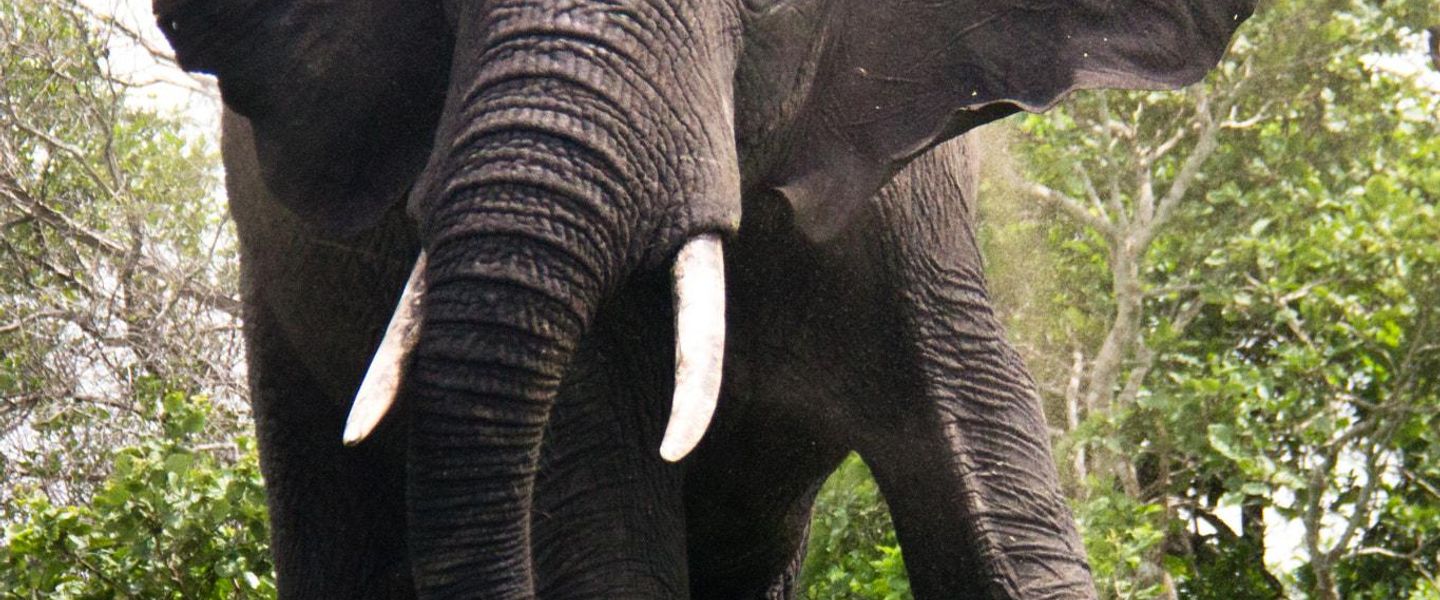


Discover the uncharted wilderness of Katavi Plains in Tanzania, where vast landscapes, abundant wildlife, and serene solitude await the intrepid traveler.
Read more about Katavi Plains
When is the best time to visit Katavi Plains?
Best: June–August · 28–29°C| Month | High (°C) | Rainfall (mm) |
|---|---|---|
| January | 30 | 150 |
| February | 30 | 125 |
| March | 30 | 100 |
| April | 30 | 75 |
| May | 30 | 50 |
| June (best) | 28 | 5 |
| July (best) | 28 | 5 |
| August (best) | 29 | 5 |
| September | 31 | 15 |
| October | 31 | 50 |
| November | 31 | 100 |
| December | 30 | 125 |
Getting to and around Katavi Plains
How to get there
Transportation
Top city travel guides in Katavi Plains
The cities of Katavi Plains, and the easiest places to base yourself.

Swipe for more cities
Destinations in Katavi Plains
Resorts, valleys and scenic spots worth a trip of their own.

Swipe for more destinations
Best attractions in Katavi Plains
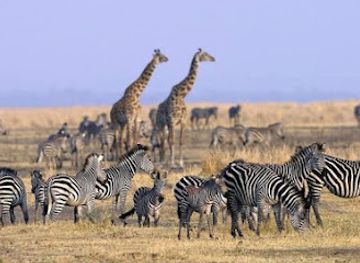
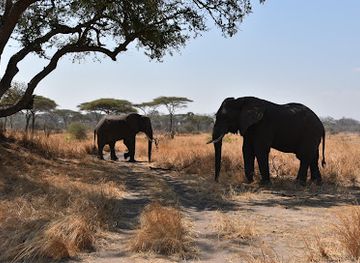
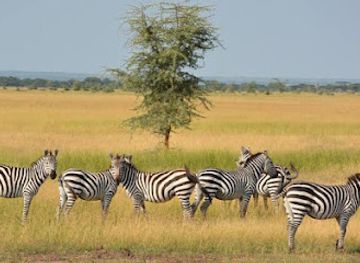
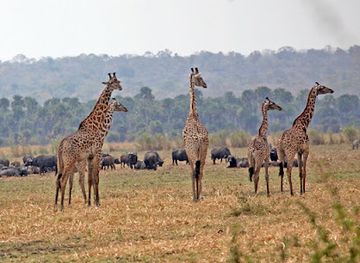
Katavi Plains in Tanzania offers an unparalleled safari experience, where the untouched wilderness teems with life, from vast herds of buffalo and elephants to elusive predators like lions, leopards, and hyenas. Visitors can explore the floodplains, rivers, and woodlands, witnessing dramatic animal interactions and breathtaking landscapes. The seasonal Katuma River and Lake Chada attract a myriad of bird species, making it a birdwatcher's paradise. Adventurous souls can embark on walking safaris, guided by local experts who share insights into the area's rich history and vibrant ecosystems. The isolation of Katavi ensures a genuinely immersive experience, far from the crowds, where one can connect deeply with nature and the raw beauty of Africa.
-
National park
Katavi National Park
Explore the untouched wilderness of Katavi National Park, a haven for wildlife and nature enthusiasts in Tanzania's stunning landscapes.
-
Lodge
Katavi Wildlife Camp
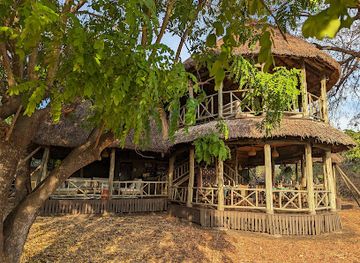
Discover the wilderness at Katavi Wildlife Camp, where adventure meets comfort in Tanzania's stunning Katavi National Park.
-
Tourist attraction
Mamba Kainda
Experience the breathtaking natural beauty and vibrant culture at Mamba Kainda, Kalemie’s hidden gem in Congo.
-

Avenue tanganyika
Explore the beauty of Avenue Tanganyika, where stunning lake views meet vibrant local culture in Kalemie, Congo.
Best landmarks in Katavi Plains
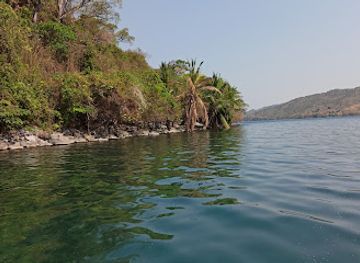
Katavi Plains in Tanzania, one of the most unspoiled and remote safari destinations in Africa, offers visitors a captivating glimpse into raw wilderness. The sprawling floodplains, particularly the Katuma River and its seasonal lakes, teem with an astonishing concentration of wildlife, including vast herds of buffalo, elephants, and hippos. Katavi's dramatic landscapes feature breathtaking views from the escarpment, where you can witness the untamed beauty of miombo woodlands and golden savannas that stretch to the horizon. The park is also home to the mythical Lake Katavi, where crocodiles bask on its shores and local legends whisper through the air. For those seeking the thrill of authentic adventure, Katavi's rugged terrain and abundant wildlife promise an unforgettable safari experience.
-
National park
Katavi National Park
Explore the captivating wildlife and stunning landscapes of Katavi National Park, Tanzania's hidden gem for adventurous travelers.
-
Lodge
Mbali Mbali Katavi Lodge
Discover luxury and untamed beauty at Mbali Mbali Katavi Lodge, your gateway to the stunning landscapes of Katavi National Park.
-
Lodge
Katavi Wildlife Camp
Experience the untamed beauty of Katavi National Park at Katavi Wildlife Camp, your gateway to incredible wildlife adventures in Tanzania's hidden gem.
-
Corporate office
KATAVI REGIONAL BLOCK
Discover the hidden allure of Katavi Regional Block, a pristine wilderness offering unparalleled wildlife experiences and breathtaking landscapes in Tanzania.
Explore Katavi Plains on the map
Plan your trip on one map. See where the top cities, national parks and sights are, and book hotels and experiences in a few clicks.
Best hotels in Katavi Plains
Best restaurants in Katavi Plains
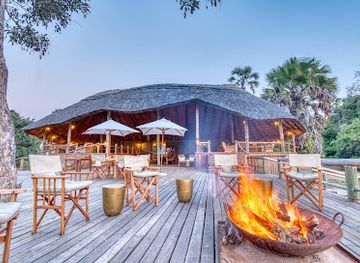
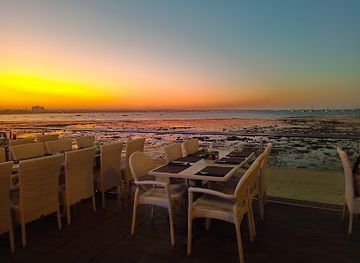
In the heart of Tanzania's remote and untamed Katavi Plains, dining is an immersive experience that mirrors the raw beauty of the wilderness itself. Visitors can expect to savor gourmet bush cuisine prepared by skilled chefs who artfully blend traditional Tanzanian flavors with international culinary techniques. Whether you're enjoying a candlelit dinner under the vast African sky or a hearty breakfast amidst the morning calls of wildlife, the dining scene here is as much about the ambiance as it is about the food. Many lodges and camps offer unique dining settings, such as riverside picnics or dinners by the campfire, where you can indulge in fresh, locally-sourced ingredients that highlight the region's rich agricultural heritage. From succulent grilled meats to vibrant vegetable dishes and exotic fruits, every meal is a celebration of the local culture and the breathtaking natural surroundings.
-
Seafood
Cape Town Fish Market Dar es Salaam
Experience fresh seafood delights at Cape Town Fish Market Dar es Salaam with stunning bay views and family-friendly dining.
-
Restaurant
Samaki Samaki restaurant
Discover the flavors of Tanzania at Samaki Samaki restaurant - a vibrant culinary destination in Dar es Salaam.
-
Restaurant
Karambezi Cafe
Experience culinary delights at Karambezi Cafe in Dar es Salaam - where stunning ocean views meet delectable flavors.
-
Restaurant
Epi d'or
Discover Epi d'or in Dar es Salaam – where exquisite pastries meet culinary excellence in an inviting atmosphere.

Best bars in Katavi Plains
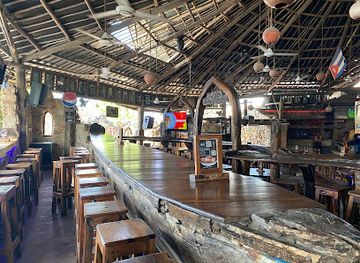
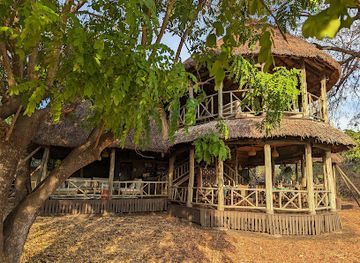
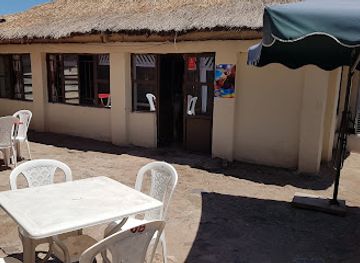
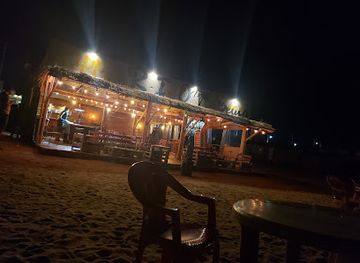
The nightlife scene in Katavi Plains offers an enchanting and thrilling experience unlike any other, where the symphony of the African wilderness takes center stage. Visitors can expect to gather around a cozy campfire under a star-studded sky, with the distant roars of lions and the calls of hyenas providing a natural soundtrack to the evening. Some lodges and camps organize traditional dance performances by local tribes, giving an authentic taste of Tanzanian culture. While there may not be bustling bars or nightclubs, the intimate atmosphere and the chance to connect with nature and local traditions provide a unique and unforgettable nocturnal adventure.
-
Lodge
Katavi Wildlife Camp
Discover the wild beauty of Tanzania at Katavi Wildlife Camp, where adventure meets comfort in the heart of nature's paradise.
-
Restaurant
Restaurant-Bar Etoile du Tanganyika
Experience the vibrant flavors and culture of Congo at Etoile du Tanganyika, a must-visit restaurant in Kalemie with stunning lake views.
-
Bar
Mikocheni Pub
Discover the lively atmosphere and local flavors at Mikocheni Pub, a must-visit bar in Mpanda for an authentic Tanzanian experience.
-
Bar
Chez Rio
Experience the vibrant nightlife of Kalemie at Chez Rio, your go-to bar for refreshing drinks and local charm.
Best nightclubs in Katavi Plains
The nightlife scene in Katavi Plains offers an enchanting and thrilling experience unlike any other, where the symphony of the African wilderness takes center stage. Visitors can expect to gather around a cozy campfire under a star-studded sky, with the distant roars of lions and the calls of hyenas providing a natural soundtrack to the evening. Some lodges and camps organize traditional dance performances by local tribes, giving an authentic taste of Tanzanian culture. While there may not be bustling bars or nightclubs, the intimate atmosphere and the chance to connect with nature and local traditions provide a unique and unforgettable nocturnal adventure.
-
Night club
Havoc Nightspot
Discover the ultimate nightlife experience at Havoc Nightspot, where vibrant beats, gourmet dining, and exciting gambling come together in Dar es Salaam.
-
Bar
The Slow Leopard
Discover The Slow Leopard in Dar es Salaam – a vibrant bar and restaurant blending local flavors with a relaxed atmosphere.
-
National park
Katavi National Park
Experience the raw beauty of Katavi National Park, a hidden gem in Tanzania with diverse wildlife and breathtaking landscapes.
-
Night club
Mikumi Lounge
Experience the pulsating nightlife at Mikumi Lounge, where vibrant music and a welcoming atmosphere meet in Chamazi's best night spot.

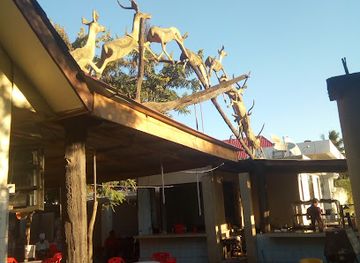
Best shops in Katavi Plains
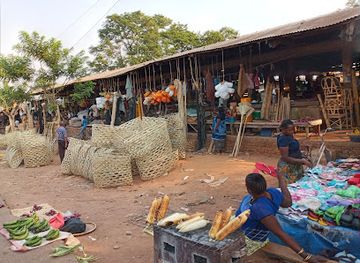
In the heart of the untamed Katavi Plains, the shopping scene offers a unique blend of local culture and artisanal craftsmanship that captivates every visitor. From vibrant markets brimming with handmade jewelry, intricate beadwork, and traditional Maasai fabrics, to small boutique stalls offering locally-sourced spices, coffee, and teas, there's a treasure trove waiting to be discovered. The colors, textures, and stories behind each item reflect the rich heritage of the Katavi region, providing a perfect opportunity for travelers to take home a piece of Tanzanian culture.
-
Souvenir store
African Galleria
Explore the vibrant diversity of Tanzanian culture at African Galleria, your go-to souvenir store for unique crafts and local treasures in Usangi.
-
Souvenir store
Memories Of Zanzibar
Discover the essence of Zanzibar at Memories Of Zanzibar, where authentic souvenirs meet rich island culture in Stone Town.
-
National park
Katavi National Park
Explore the hidden wilderness of Katavi National Park, Tanzania's untouched safari haven, where wildlife thrives in breathtaking landscapes.
-
Market
Soko kubwa
Explore Soko Kubwa in Mpanda: a bustling market offering fresh produce, local crafts, and an authentic taste of Tanzanian culture.


Get your free copy of our complete guide to Katavi Plains, delivered straight to you.
Everything on this page, from attractions and restaurants to essentials and local phrases, in one PDF you can read offline, print or share.
Already have an account? Sign in
Your Katavi Plains guide is ready.
We'll send it to · Not you? Sign out

Getting your guide ready…
We are putting together a fresh copy of the Katavi Plains guide. This can take up to a minute.
This can take a few moments. If your browser asks, choose Allow so the download can start. You'll find the guide in your Downloads folder.
Nothing happened? Download it again
Sorry, the guide is taking longer than usual. Please try again in a minute, or get it by email instead.
Katavi Plains essentials
Currency and Payment
Safety
Emergency Situations
Do's and Don'ts
Local Tips
From Eve
Local phrases worth knowing
You don't need to get them perfect. A few words go a long way, and locals appreciate the effort.
Basics
| English | Local | Say it |
|---|---|---|
| Hello | Habari | [Ha-ba-ri] |
| Goodbye | Kwaheri | [Kwa-he-ri] |
| Yes | Ndiyo | [N-di-yo] |
| No | Hapana | [Ha-pa-na] |
| Please/You're welcome | Tafadhali | [Ta-fa-dha-li] |
| Thank you | Asante | [A-san-te] |
| Excuse me/Sorry | Samahani | [Sa-ma-ha-ni] |
| How are you? | Habari gani? | [Ha-ba-ri ga-ni] |
| Fine. And you? | Nzuri. Na wewe? | [Nzu-ri. Na we-we] |
| Do you speak English? | Unazungumza Kiingereza? | [U-na-zun-gum-za Ki-in-ge-re-za] |
| I don't understand | Sielewi | [Si-e-le-wi] |
Eating & Drinking
| English | Local | Say it |
|---|---|---|
| I'd like to see the menu, please | Ningependa kuona menyu, tafadhali | [Nin-ge-pen-da ku-o-na me-nyu, ta-fa-dha-li] |
| I don't eat meat | Sishe nyama | [Si-she n-ya-ma] |
| Cheers! | Afya! | [A-fya] |
| I would like to pay, please | Ningependa kulipa, tafadhali | [Nin-ge-pen-da ku-li-pa, ta-fa-dha-li] |
Emergencies
| English | Local | Say it |
|---|---|---|
| Help! | Msaada! | [M-sa-a-da] |
| Go away! | Ondoka! | [On-do-ka] |
| Call the Police! | Piga simu Polisi! | [Pi-ga si-mu Po-li-si] |
| Call a doctor! | Piga simu daktari! | [Pi-ga si-mu dak-ta-ri] |
| I'm lost | Nimepotea | [Ni-me-po-te-a] |
| I'm ill | Nina ugonjwa | [Ni-na u-gon-jwa] |
Shopping
| English | Local | Say it |
|---|---|---|
| I'd like to buy... | Ningependa kununua... | [Nin-ge-pen-da ku-nu-nu-a] |
| I'm just looking | Natazama tu | [Na-ta-za-ma tu] |
| How much is it? | Ni kiasi gani? | [Ni ki-a-si ga-ni] |
| That's too expensive | Hiyo ni ghali sana | [Hi-yo ni gha-li sa-na] |
| Can you lower the price? | Unaweza kupunguza bei? | [U-na-we-za ku-pun-gu-za bei] |
Time & Numbers
| English | Local | Say it |
|---|---|---|
| What time is it? | Ni saa ngapi? | [Ni saa n-ga-pi] |
| It's one o'clock | Ni saa moja | [Ni saa mo-ja] |
| Half past (10) | Nusu ya (10) | [Nu-su ya (10)] |
| Morning | Asubuhi | [A-su-bu-hi] |
| Afternoon | Mchana | [M-cha-na] |
| Evening | Jioni | [Ji-o-ni] |
| Yesterday | Jana | [Ja-na] |
| Today | Leo | [Le-o] |
| Tomorrow | Kesho | [Ke-sho] |
| 1 | Moja | [Mo-ja] |
| 2 | Mbili | [M-bi-li] |
| 3 | Tatu | [Ta-tu] |
| 4 | Nne | [N-ne] |
| 5 | Tano | [Ta-no] |
| 6 | Sita | [Si-ta] |
| 7 | Saba | [Sa-ba] |
| 8 | Nane | [Na-ne] |
| 9 | Tisa | [Ti-sa] |
| 10 | Kumi | [Ku-mi] |
Transport & Directions
| English | Local | Say it |
|---|---|---|
| Where's a/the...? | Iko wapi...? | [I-ko wa-pi] |
| What's the address? | Anwani ni gani? | [An-wa-ni ni ga-ni] |
| Can you show me (on the map)? | Unaweza kunionyesha (katika ramani)? | [U-na-we-za ku-ni-on-ye-sha (ka-ti-ka ra-ma-ni)] |
| When's the next (bus)? | Basi inayofuata ni lini? | [Ba-si i-na-yo-fua-ta ni li-ni] |
| A ticket (to ....) | Tiketi (ya ...) | [Ti-ke-ti (ya ...)] |
History of Katavi Plains
Ancient Inhabitants
The Katavi Plains have been home to various indigenous tribes for centuries. The Wabende and Watende tribes are known to have settled in this region, living in harmony with the land and its wildlife. Archeological findings, such as ancient pottery and tools, provide evidence of their long-standing presence and sophisticated craftsmanship.
Colonial Era
During the late 19th and early 20th centuries, Katavi Plains came under German colonial rule as part of German East Africa. The colonial period saw significant changes in land use and local governance, with the introduction of new agricultural practices and infrastructure development. However, this period also brought about displacement and hardship for the indigenous tribes.
Post-Independence Conservation Efforts
After Tanzania gained independence in 1961, efforts to conserve the natural beauty and biodiversity of the Katavi Plains began in earnest. The area was designated as a game reserve in 1974 and later upgraded to a national park in 1998. These efforts were aimed at protecting the rich wildlife and unique ecosystems from poaching and habitat destruction.
Cultural Heritage
The Katavi Plains hold significant cultural value for the local communities. Traditional dances, music, and ceremonies are integral parts of life here. The annual 'Shangwe' festival, celebrated by the Wabende and Watende tribes, is a vibrant display of local culture, featuring colorful costumes, rhythmic drumming, and storytelling.
Modern-Day Eco-Tourism
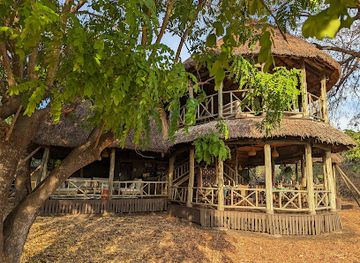
Today, Katavi Plains National Park is a haven for eco-tourism. Visitors from around the world come to experience its unparalleled wildlife, including large herds of buffalo, elephants, and rare sightings of the elusive roan antelope. Eco-friendly lodges and guided tours ensure that tourism benefits the local economy while preserving the natural environment.
Katavi Plains in Photos
Browse through our photo collection highlighting the charm and character of the destination.
Neighbouring regions of Katavi Plains
The closest regions to Katavi Plains, if you have time for more than one.
-
 Western Zone
Explore Tanzania's Western Zone: A blend of untamed wilderness, rich culture, and the serene shores of Lake Tanganyika. Discover hidden gems in one of Africa's wildest corners.
Western Zone
Explore Tanzania's Western Zone: A blend of untamed wilderness, rich culture, and the serene shores of Lake Tanganyika. Discover hidden gems in one of Africa's wildest corners.
-
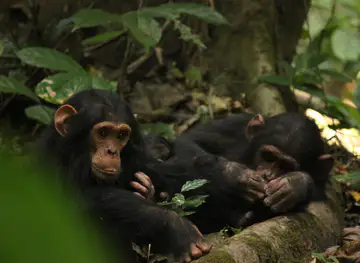
 Mahale Mountains
Discover the untouched beauty of Mahale Mountains in Tanzania, home to wild chimpanzees, stunning landscapes, and a rich diversity of wildlife.
Mahale Mountains
Discover the untouched beauty of Mahale Mountains in Tanzania, home to wild chimpanzees, stunning landscapes, and a rich diversity of wildlife.
-
 Rukwa Valley
Discover Tanzania's Rukwa Valley: A Hidden Paradise of Lush Landscapes, Diverse Wildlife, and Rich Cultural Heritage.
Rukwa Valley
Discover Tanzania's Rukwa Valley: A Hidden Paradise of Lush Landscapes, Diverse Wildlife, and Rich Cultural Heritage.
-
 Ruaha Region
Discover Ruaha Region: Tanzania's hidden gem offering unspoiled landscapes, diverse wildlife, and rich cultural experiences in the heart of East Africa.
Ruaha Region
Discover Ruaha Region: Tanzania's hidden gem offering unspoiled landscapes, diverse wildlife, and rich cultural experiences in the heart of East Africa.
-
 Central Zone
Discover the Central Zone of Tanzania: A land of diverse landscapes, rich history, and vibrant culture, offering a blend of urban excitement and rural tranquility.
Central Zone
Discover the Central Zone of Tanzania: A land of diverse landscapes, rich history, and vibrant culture, offering a blend of urban excitement and rural tranquility.
Swipe for more regions