

Free Ruaha Region Travel Guide & Mobile App
Explore Ruaha Region with free travel guides. Discover regional history, expert tips, proposed trips, and audio guides on web or mobile app.


Explore Tanzania’s Ruaha Region for vast safari landscapes, elephant-rich wilderness, Hehe heritage, baobabs and quiet southern African bush.
Read more about Ruaha Region
When is the best time to visit Ruaha Region?
Best: June–August · 24–25°C| Month | High (°C) | Rainfall (mm) |
|---|---|---|
| January | 28 | 78 |
| February | 29 | 89 |
| March | 29 | 120 |
| April | 28 | 103 |
| May | 25 | 35 |
| June (best) | 25 | 11 |
| July (best) | 24 | 5 |
| August (best) | 25 | 8 |
| September | 27 | 16 |
| October | 28 | 35 |
| November | 28 | 71 |
| December | 28 | 85 |
Getting to and around Ruaha Region
How to get there
Transportation
Top city travel guides in Ruaha Region
The cities of Ruaha Region, and the easiest places to base yourself.

Swipe for more cities
Destinations in Ruaha Region
Resorts, valleys and scenic spots worth a trip of their own.

Swipe for more destinations
Best attractions in Ruaha Region
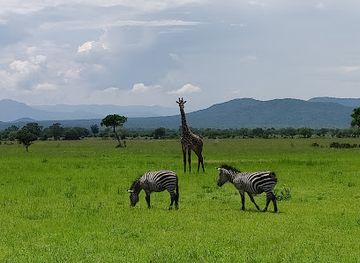
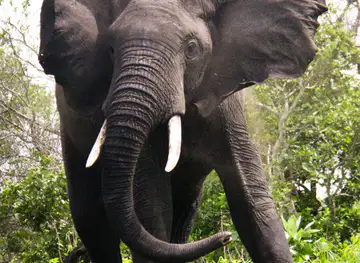
Ruaha National Park is the region’s central attraction, offering game drives across miombo woodland, baobab country, open plains and riverine habitats. Wildlife viewing includes elephants, giraffes, zebras, impalas, lions and a wide range of birds, with sightings of wild dogs, cheetahs and leopards depending on season and chance. The Great Ruaha River and seasonal watercourses are especially important during the dry months, when animals gather around remaining water. Walking safaris may be available through appropriately authorised operators, providing a closer understanding of tracks, plants and smaller species rather than simply extending game-drive viewing. Outside the park, Iringa provides a highland contrast through its markets, cultural history and access to Hehe-related sites. Isimila’s Stone Age archaeology and distinctive eroded landscape offer a different kind of excursion, while Kalenga connects visitors with the history of Chief Mkwawa. Activities are principally wildlife and heritage based; the region is not organised around beaches, large entertainment complexes or dense urban sightseeing.
-
National park
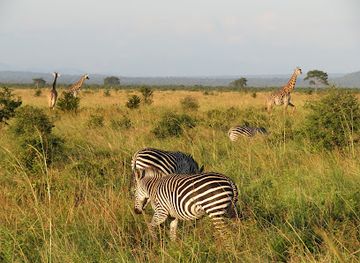
Mikumi National Park
Explore Mikumi National Park: A stunning Tanzanian wilderness teeming with wildlife and breathtaking landscapes, perfect for adventure seekers and nature lovers.
-
Nature preserve
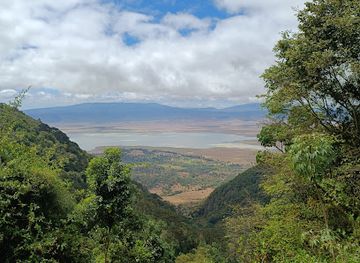
Ngorongoro Conservation Area
Explore the breathtaking Ngorongoro Conservation Area, a UNESCO World Heritage site rich in wildlife and Maasai culture, set in a stunning volcanic landscape.
-
National park
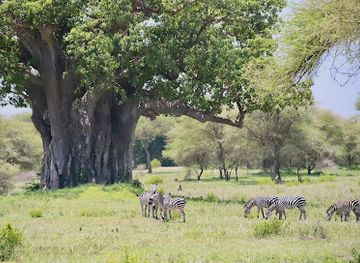
Tarangire National Park
Explore the enchanting landscapes and diverse wildlife of Tarangire National Park, a hidden gem in Tanzania's national parks.
-
National park
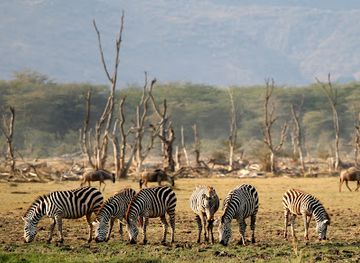
Lake Manyara National Park
Discover the captivating beauty and diverse wildlife of Lake Manyara National Park, a top Tanzanian destination for nature lovers and adventure seekers.
Best landmarks in Ruaha Region
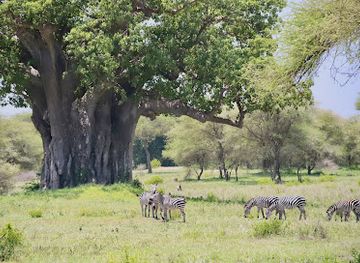
The Great Ruaha River is Ruaha’s defining natural landmark, cutting through a dry landscape where its water and riverine vegetation become crucial to wildlife during the dry season. The park’s baobab trees are another recognisable feature, appearing among rocky outcrops, plains and woodland rather than forming a single monumental site. Outside the protected area, the highland town of Iringa is associated with German colonial-era administration and the wider history of the Hehe people. Kalenga, near Iringa, is an important historical place linked with Chief Mkwawa and the nineteenth-century Hehe resistance to German conquest. Isimila’s deeply eroded gullies and exposed geological layers form a distinctive landscape as well as an archaeological landmark, preserving evidence of Stone Age activity in the region. These places express the Ruaha area’s two complementary identities: a large conservation landscape shaped by rivers, rock and woodland, and a highland cultural region whose history reaches from early human settlement through colonial conflict and the making of modern Tanzania.
-
National park
Mikumi National Park
Explore Mikumi National Park, Tanzania's wildlife haven, rich in biodiversity and unforgettable safari experiences.
-
National park
Tarangire National Park
Discover the breathtaking landscapes and wildlife of Tarangire National Park, a premier destination for nature lovers and adventurers in Tanzania.
-
National park
Udzungwa Mountains National Park
Explore the pristine wilderness of Udzungwa Mountains National Park, a UNESCO World Heritage site brimming with unique wildlife and breathtaking landscapes.
-
 Indoor lodging
Selous Mapumziko Lodge
Discover the best of Tanzania at Selous Mapumziko Lodge, where luxury meets adventure in the heart of Selous Game Reserve.
Explore Ruaha Region on the map
Plan your trip on one map. See where the top cities, national parks and sights are, and book hotels and experiences in a few clicks.
Best hotels in Ruaha Region
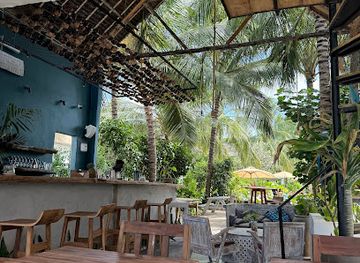
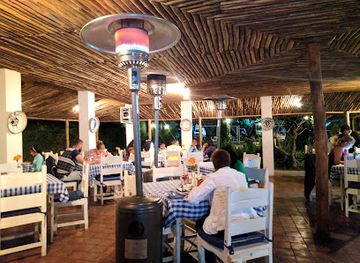
Best restaurants in Ruaha Region
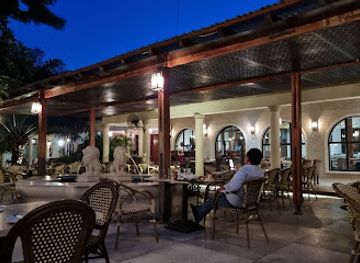
Dining in the Ruaha Region is centred largely on safari camps and lodges, where meals are usually planned as part of the stay and may combine international cooking with Tanzanian staples. Rice, ugali, beans, vegetables, grilled meat and chicken commonly appear, while fresh fruit and tea reflect the country’s broader food culture. Menus depend on the remoteness and supply arrangements of each property, so visitors with dietary requirements should provide notice before arrival. In Iringa, ordinary restaurants and cafés offer a more local urban setting, with Tanzanian dishes alongside Indian-influenced and international options. Regional produce from the southern highlands may include vegetables, fruit, honey and other agricultural goods, although exact availability is seasonal. There is little independent restaurant infrastructure inside the national park, and meals at remote camps are generally more reliable than attempting to find food between safari activities.
-
Restaurant
Levant
Discover exquisite flavors at Levant in Dar es Salaam—where Tanzanian cuisine meets global culinary artistry for an unforgettable dining experience.
-
Restaurant
The Waterfront
Discover culinary delights at The Waterfront in Dar es Salaam - where local flavors meet breathtaking ocean views.
-
Restaurant
Mr. Kahawa Café, Restaurant & Accommodation
Experience culinary bliss and cozy stays at Mr. Kahawa Café on Paje Beach—where local flavors meet stunning ocean views.
-
Restaurant
George's Tavern
Experience authentic Tanzanian cuisine at George's Tavern in Arusha – where local flavors meet vibrant atmosphere.

Best bars in Ruaha Region
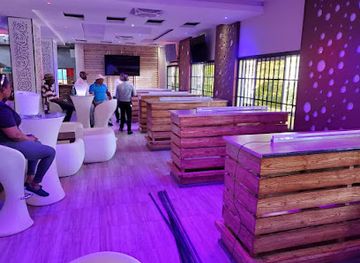
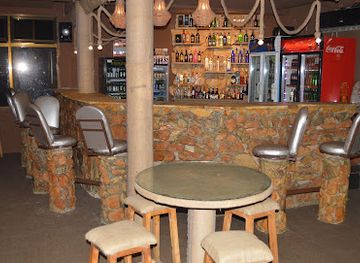
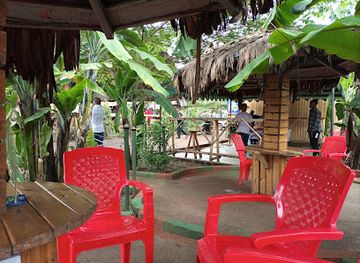
Nightlife in the Ruaha Region is quiet and accommodation-led rather than club-focused. Safari camps commonly have a bar or lounge where guests can discuss the day’s sightings, and some organise a modest evening gathering around a campfire when conditions and park rules allow. These settings are intended for conversation and relaxation, not late-night entertainment, and guests should respect low-noise policies after dark. Iringa has the region’s broadest choice of ordinary bars, cafés and evening venues, with a more local urban atmosphere than the park, although it remains a small regional centre rather than a major nightlife destination. In remote camps, power and mobile connectivity may be limited, making evenings well suited to reading, stargazing or listening to the bush. Alcohol is not necessary to participate in the region’s evening culture, and visitors should follow each property’s guidance concerning safety outdoors at night.
-
Grill
Picnic Bar
Experience the vibrant grill culture of Arusha at Picnic Bar, where local flavors meet a lively atmosphere in the heart of Tanzania.
-
Bar
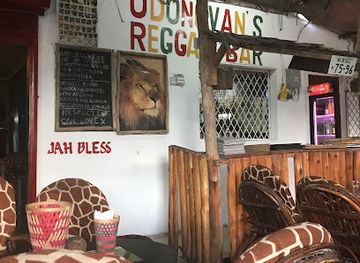
O'Donovan's Reggae Bar
Discover the energetic spirit of O'Donovan's Reggae Bar in Dar es Salaam, where reggae rhythms and delicious drinks create unforgettable nights.
-
Bar
Shooters Pub 'N' Cuisine
Discover the vibrant nightlife and local flavors at Shooters Pub 'N' Cuisine in Iringa, a must-visit bar for every traveler.
-
Pub
Rau Pub
Experience the vibrant atmosphere of Rau Pub in Shanty Town, where local culture and delightful drinks meet in a perfect blend.
Best nightclubs in Ruaha Region
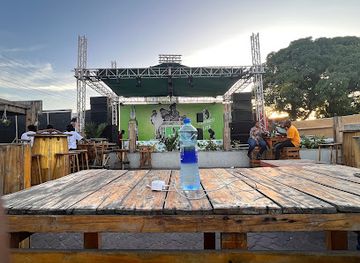
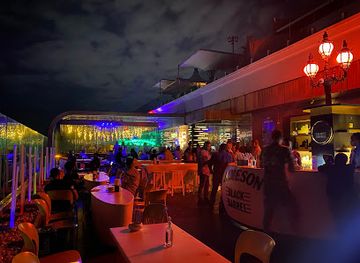
Nightlife in the Ruaha Region is quiet and accommodation-led rather than club-focused. Safari camps commonly have a bar or lounge where guests can discuss the day’s sightings, and some organise a modest evening gathering around a campfire when conditions and park rules allow. These settings are intended for conversation and relaxation, not late-night entertainment, and guests should respect low-noise policies after dark. Iringa has the region’s broadest choice of ordinary bars, cafés and evening venues, with a more local urban atmosphere than the park, although it remains a small regional centre rather than a major nightlife destination. In remote camps, power and mobile connectivity may be limited, making evenings well suited to reading, stargazing or listening to the bush. Alcohol is not necessary to participate in the region’s evening culture, and visitors should follow each property’s guidance concerning safety outdoors at night.
-
Grill
Dance Club & Bar
Dance Club & Bar - Your ultimate nightlife destination in Dar es Salaam, featuring vibrant music, delicious grilled dishes, and a lively atmosphere.
-
Night club
Havoc Nightspot
Discover the ultimate nightlife experience at Havoc Nightspot in Dar es Salaam, where music, drinks, and excitement come together.
-
Lounge
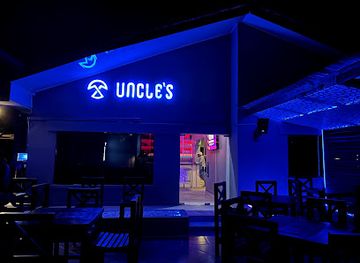
UNCLE'S LOUNGE
Experience the vibrant nightlife at Uncle's Lounge in Dar es Salaam, where great music and a lively atmosphere await. Perfect for socializing and dancing.
-
Night club
Club D World Garden
Discover the energetic nightlife of Arusha at Club D World Garden, where music, dance, and cultural vibes come together in a vibrant atmosphere.

Best shops in Ruaha Region
Shopping opportunities are limited inside Ruaha National Park and are generally confined to small selections of lodge or camp souvenirs. These may include locally made crafts, books, textiles and practical safari items, although stock varies and should not be assumed. Iringa is the more useful place for ordinary shopping, with markets and independent shops selling food, household goods, clothing and locally produced items. Visitors may find woven baskets, textiles, carvings and other crafts associated with the wider southern Tanzanian region, but should ask about materials and buy responsibly, avoiding products made from protected wildlife or illegal natural materials. Packaged honey, coffee and other regional produce can make practical gifts when purchased through reputable sellers. Bargaining may occur in informal markets, while fixed prices are more common in established shops. Because the region is remote, purchase essentials before entering the park rather than relying on safari camps for a full range of supplies.
-
Souvenir store
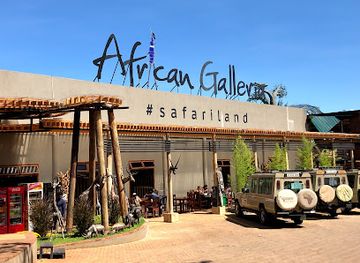
African Galleria
Discover unique Tanzanian crafts at African Galleria, a vibrant souvenir store in Usangi, perfect for capturing the essence of your journey.
-
Grocery store
Gangilonga Supermarket
Explore local produce and treats at Gangilonga Supermarket, a vibrant grocery store in Iringa showcasing the flavors of Tanzania.
-
Home goods store
Keda Ceramics Co. Ltd
Explore the exquisite craftsmanship of Keda Ceramics Co. Ltd in Tanzania, where every piece tells a unique story of art and tradition.
-
Electronics store
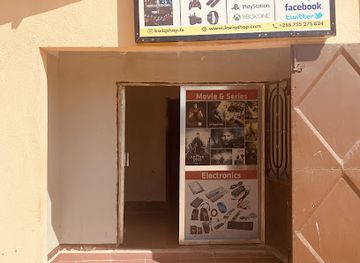
Kwiqshop
Discover the finest electronics at Kwiqshop in Dodoma, where quality meets exceptional service in a vibrant shopping atmosphere.

Get your free copy of our complete guide to Ruaha Region, delivered straight to you.
Everything on this page, from attractions and restaurants to essentials and local phrases, in one PDF you can read offline, print or share.
Already have an account? Sign in
Your Ruaha Region guide is ready.
We'll send it to · Not you? Sign out

Getting your guide ready…
We are putting together a fresh copy of the Ruaha Region guide. This can take up to a minute.
This can take a few moments. If your browser asks, choose Allow so the download can start. You'll find the guide in your Downloads folder.
Nothing happened? Download it again
Sorry, the guide is taking longer than usual. Please try again in a minute, or get it by email instead.
Ruaha Region essentials
Currency and Payment
Safety
Emergency Situations
Do's and Don'ts
Local Tips
From Eve
Local phrases worth knowing
You don't need to get them perfect. A few words go a long way, and locals appreciate the effort.
Basics
| English | Local | Say it |
|---|---|---|
| Hello | Habari | [ha-ba-ri] |
| Goodbye | Kwaheri | [kwa-he-ri] |
| Yes | Ndiyo | [n-dee-yo] |
| No | Hapana | [ha-pa-na] |
| Please/You're welcome | Tafadhali | [ta-fa-dha-li] |
| Thank you | Asante | [a-san-te] |
| Excuse me/Sorry | Samahani | [sa-ma-ha-ni] |
| How are you? | Habari gani? | [ha-ba-ri ga-ni] |
| Fine. And you? | Nzuri. Na wewe? | [n-zuri na we-we] |
| Do you speak English? | Unazungumza Kiingereza? | [u-na-zun-gum-za ki-in-ge-re-za] |
| I don't understand | Sielewi | [si-e-le-wi] |
Eating & Drinking
| English | Local | Say it |
|---|---|---|
| I'd like to see the menu, please | Ningependa kuona menyu, tafadhali | [nin-ge-pen-da ku-o-na me-nyu ta-fa-dha-li] |
| I don't eat meat | Sili nyama | [si-li nya-ma] |
| Cheers! | Afya! | [a-fya] |
| I would like to pay, please | Ningependa kulipa, tafadhali | [nin-ge-pen-da ku-li-pa ta-fa-dha-li] |
Emergencies
| English | Local | Say it |
|---|---|---|
| Help! | Nisaidie! | [ni-sai-di-e] |
| Go away! | Ondoka! | [on-do-ka] |
| Call the Police! | Piga simu polisi! | [pi-ga si-mu po-li-si] |
| Call a doctor! | Piga simu daktari! | [pi-ga si-mu dak-ta-ri] |
| I'm lost | Nimepotea | [ni-me-po-te-a] |
| I'm ill | Nina ugonjwa | [ni-na u-gon-jwa] |
Shopping
| English | Local | Say it |
|---|---|---|
| I'd like to buy... | Ningependa kununua... | [nin-ge-pen-da ku-nu-nu-a] |
| I'm just looking | Natazama tu | [na-ta-za-ma tu] |
| How much is it? | Ni bei gani? | [ni be-i ga-ni] |
| That's too expensive | Hiyo ni gharama sana | [hi-yo ni gha-ra-ma sa-na] |
| Can you lower the price? | Unaweza kupunguza bei? | [u-na-we-za ku-pun-gu-za be-i] |
Time & Numbers
| English | Local | Say it |
|---|---|---|
| What time is it? | Ni saa ngapi? | [ni saa ng-a-pi] |
| It's one o'clock | Ni saa moja | [ni saa mo-ja] |
| Half past (10) | Nusu ya (10) | [nu-su ya (10)] |
| Morning | Asubuhi | [a-su-bu-hi] |
| Afternoon | Mchana | [m-cha-na] |
| Evening | Jioni | [ji-o-ni] |
| Yesterday | Jana | [ja-na] |
| Today | Leo | [le-o] |
| Tomorrow | Kesho | [ke-sho] |
| 1 | Moja | [mo-ja] |
| 2 | Mbili | [m-bi-li] |
| 3 | Tatu | [ta-tu] |
| 4 | Nne | [n-ne] |
| 5 | Tano | [ta-no] |
| 6 | Sita | [si-ta] |
| 7 | Saba | [sa-ba] |
| 8 | Nane | [na-ne] |
| 9 | Tisa | [ti-sa] |
| 10 | Kumi | [ku-mi] |
Transport & Directions
| English | Local | Say it |
|---|---|---|
| Where's a/the...? | Wapi...? | [wa-pi] |
| What's the address? | Nini anwani? | [ni-ni an-wa-ni] |
| Can you show me (on the map)? | Unaweza kunionyesha (katika ramani)? | [u-na-we-za ku-nio-nye-sha ka-ti-ka ra-ma-ni] |
| When's the next (bus)? | Basi ijayo lini? | [ba-si i-ja-yo li-ni] |
| A ticket (to ....) | Tiketi (kwenda ....) | [ti-ke-ti kwen-da] |
History of Ruaha Region
Stone Age Isimila
The Isimila archaeological site, near Iringa and outside Ruaha National Park, contains Stone Age remains associated with early human activity in the southern Tanzanian highlands. Stone tools and eroded sedimentary formations provide evidence of people living in and using this landscape many thousands of years ago. The site is important because it places the modern safari region within a much longer history of human adaptation to changing environments. Its gullies and exposed geological layers also reveal how water and erosion have shaped the Iringa plateau.
Hehe Society and Chief Mkwawa
The Iringa highlands and surrounding country are strongly associated with the Hehe people, whose political organisation expanded during the nineteenth century. Chief Mkwawa became the best-known Hehe leader, building resistance to German colonial incursions in the 1890s. His forces defeated a German expedition at Lugalo in 1891, although the colonial campaign continued. Mkwawa’s death in 1898 marked a major turning point, but his memory remains central to regional historical identity. Kalenga, near Iringa, is closely connected with this history.
German Colonial Conquest
German control over the area was established through military campaigns and administrative expansion during the late nineteenth century. The conquest disrupted established political structures and subjected local communities to taxation, forced labour and colonial authority. Iringa later developed as an important administrative centre in the southern highlands. Colonial boundaries and infrastructure helped shape the region’s modern pattern of towns, roads and government administration, while the resistance led by Mkwawa remains a powerful reminder that colonial rule was contested rather than passively accepted.
The Creation of Ruaha National Park
Ruaha’s protected-area history developed from earlier game reserves in the wider Rungwa and Saba landscape. Ruaha National Park was established in 1964, soon after Tanzania’s independence, helping place the Great Ruaha watershed and its wildlife under national protection. The park’s purpose has included conserving large mammals, habitats and river systems across a vast area of dry-country woodland. Its scale and relatively low density of development have since become defining features of the southern safari experience.
Post-Independence Conservation and Tourism
Following independence, Tanzania expanded national conservation institutions while developing tourism as a source of national and local revenue. Ruaha’s remoteness limited the rapid growth of large-scale visitor infrastructure and helped preserve a low-density tourism model based mostly on camps, lodges and guided safari activities. Conservation has nevertheless involved complex questions concerning local livelihoods, wildlife movement, land use and access to water. The region’s contemporary tourism economy reflects an ongoing attempt to balance protected-area objectives with the needs of neighbouring communities.
The Greater Ruaha Landscape
In the twenty-first century, conservation planning has increasingly looked beyond the national park to the wider ecosystem of reserves, village lands and wildlife corridors. Ruaha is ecologically connected with the broader Rungwa-Kizigo landscape and the Great Ruaha River system, although these areas are not interchangeable with the national park itself. Changing rainfall patterns, pressure on water resources and human-wildlife interaction have made landscape-scale management increasingly important. This wider perspective explains why the region is valued not only as a safari destination but also as a major conservation landscape.
Ruaha Region in Photos
Browse through our photo collection highlighting the charm and character of the destination.
Neighbouring regions of Ruaha Region
The closest regions to Ruaha Region, if you have time for more than one.
-

-

-

-

-


Swipe for more regions
Explore more
Explore more of Tanzania
Discover Tanzania: From the majestic Mount Kilimanjaro to the stunning Serengeti and the serene beaches of Zanzibar, experience the best of nature and culture in East Africa.
Explore Tanzania