

Selous Game Reserve, Tanzania Travel Guide
Explore the vast and untouched wilderness of Selous Game Reserve, a UNESCO World Heritage Site in Tanzania, home to diverse wildlife and stunning landscapes.
Selous Game Reserve, located in southern Tanzania, is one of the largest faunal reserves in the world. Covering an area of about 50,000 square kilometers, it is a UNESCO World Heritage Site renowned for its rich diversity of wildlife and untouched landscapes. Visitors can witness vast herds of elephants, rare African wild dogs, and thriving populations of hippos and crocodiles in the Rufiji River. The reserve is not only a haven for wildlife but also a place of stunning natural beauty. The Rufiji River, with its network of channels, swamps, and lakes, is a lifeline for the ecosystem, attracting a multitude of bird species and providing spectacular boating safaris. The varied terrain, from open grasslands to dense miombo woodlands, offers a dynamic and engaging environment for game drives and walking safaris. Accommodation options within Selous range from luxurious lodges to more rustic tented camps, ensuring that visitors can experience the wilderness in comfort. The reserve is less crowded compared to other Tanzanian parks, allowing for a more exclusive and intimate wildlife experience. The best time to visit is during the dry season from June to October, when animals congregate around water sources, making wildlife viewing more predictable and rewarding.

Know before you go
Hi, I'm Eve. Here are a few practical things to know before exploring Selous Game Reserve.
- Book a guided tour for the best wildlife viewing experience and to learn more about the reserve's ecology.
- Don't forget to bring binoculars and a good camera to capture the abundant wildlife and scenic views.
- Wear neutral-colored clothing to blend in with the environment and avoid disturbing the animals.
- Carry insect repellent and sunscreen as the African sun can be harsh, and insects are prevalent.
- Consider visiting during the dry season (June to October) for optimal wildlife sightings.
Explore Selous Game Reserve: Things to Do, Places to Eat, Hotels & More
Handpicked recommendations for top attractions, local dining, accommodations, and more

Top Attractions & Sightseeing in Selous Game Reserve
Top-rated picks
Best Attractions

Selous Mapumziko Lodge
Discover the luxury of Selous Mapumziko Lodge in Tanzania's Selous Game Reserve, where adventure meets tranquility in a stunning natural landscape.
Selous Kinga Lodge
Experience the wild side of Tanzania at Selous Kinga Lodge, where luxury meets adventure in Nyerere National Park.

Selous Mbuyu Safari Camp
Discover the wild beauty of Selous Mbuyu Safari Camp in Tanzania, where unforgettable safari experiences await in a breathtaking natural setting.

Tanzania Birding And Beyond Safaris
Explore the breathtaking wildlife of Tanzania with guided birding and safari tours in Arusha, immersing yourself in nature's wonders.

Best landmarks in Selous Game Reserve
Top-rated picks
Best Landmarks

Mikumi National Park
Explore the breathtaking landscapes and rich wildlife of Mikumi National Park in Tanzania, a top destination for nature enthusiasts and adventure seekers.

Serengeti National Park
Explore the breathtaking Serengeti National Park, Tanzania's wildlife haven, rich in biodiversity and home to the iconic Great Migration.

Ngorongoro Conservation Area
Discover the unparalleled beauty and rich wildlife of Ngorongoro Conservation Area, a UNESCO World Heritage Site and a must-visit destination in Tanzania.

Tarangire National Park
Explore Tarangire National Park, Tanzania's wildlife haven known for its magnificent elephants, diverse ecosystems, and breathtaking landscapes for a true safari adventure.

Best restaurants in Selous Game Reserve
Top-rated picks
Best Restaurants

Karambezi Cafe
Experience exquisite dining at Karambezi Cafe with stunning ocean views in Dar es Salaam – where local flavors meet international cuisine.

Levant
Discover Levant in Dar es Salaam - where exquisite cuisine meets vibrant ambiance for an unforgettable dining experience.

Akemi Revolving Restaurant
Experience fine dining at Akemi Revolving Restaurant with panoramic views of Dar es Salaam and a diverse international menu.

The Waterfront
Experience coastal dining at its finest with breathtaking views and delectable cuisine at The Waterfront in Dar es Salaam.

Best bars in Selous Game Reserve
Top-rated picks
Best Bars

Serengeti Serena Safari Lodge
Experience luxury and adventure at Serengeti Serena Safari Lodge, where breathtaking wildlife and stunning landscapes await every traveler.
Selous Mapumziko Lodge
Discover the serene beauty and luxury of Selous Mapumziko Lodge in Tanzania's largest game reserve, perfect for adventure and relaxation.
Ngare Sero Mountain Lodge
Discover tranquility and adventure at Ngare Sero Mountain Lodge, a stunning retreat in the heart of Tanzania with breathtaking views and exceptional service.

UNCLE'S LOUNGE
Discover the vibrant atmosphere of Uncle's Lounge in Masaki, Dar es Salaam, where relaxation meets local culture.

Best nightclubs in Selous Game Reserve
Top-rated picks
Best Nightclubs

Havoc Nightspot
Dive into the vibrant nightlife of Dar es Salaam at Havoc Nightspot, where cocktails, gambling, and live entertainment create unforgettable evenings.
The Slow Leopard
Experience the vibrant atmosphere of The Slow Leopard in Masaki, Dar es Salaam - a perfect blend of hostel comfort, culinary delights, and lively entertainment.

High Spirit Lounge
Experience the vibrant nightlife of Dar es Salaam at High Spirit Lounge, where delicious drinks and lively entertainment await.

UNCLE'S LOUNGE
Experience the vibrant nightlife of Dar es Salaam at Uncle's Lounge, where relaxation meets entertainment in a stunning setting.

Best shops in Selous Game Reserve
Top-rated picks
Best Shops

Mikumi National Park
Experience the untamed beauty of Mikumi National Park, where Tanzania's wildlife thrives amidst breathtaking landscapes.

Rock City Mall
Discover Rock City Mall, Mwanza's premier shopping destination, featuring diverse shops, delightful dining options, and endless entertainment for everyone.

Mkuki House
Discover the vibrant shopping experience at Mkuki House in Dar es Salaam, blending local culture with a modern retail atmosphere.

The Slipway
Discover The Slipway in Dar es Salaam, a vibrant shopping mall offering unique local crafts, stunning waterfront views, and diverse dining options.

Explore Selous Game Reserve on the Map
A handpicked selection of must-see spots in Selous Game Reserve, mapped for you.
Selous Game Reserve Essentials
-
Selous Game Reserve is located in the southern part of Tanzania. The nearest major airport is Julius Nyerere International Airport in Dar es Salaam, approximately 200 kilometers away. From Dar es Salaam, you can take a chartered flight to one of the airstrips within the reserve, such as Mtemere, Beho Beho, or Siwandu. Alternatively, you can travel by road, though the journey can be long and bumpy, taking around 6-7 hours by 4x4 vehicle. Private transfers and organized tours are also available and can provide a more comfortable and convenient option.
-
Within Selous Game Reserve, the primary mode of transportation is by safari vehicle. These are often organized through your lodge or tour operator and include guided game drives. Walking safaris and boat safaris on the Rufiji River are also popular ways to explore the reserve. Self-driving is not recommended due to the challenging terrain and the need for local expertise in navigating the area.
-
The official currency in Tanzania is the Tanzanian Shilling (TZS). While some lodges and tour operators accept major credit cards, it is advisable to carry cash for tips and small purchases. ATMs are scarce within the reserve, so it is best to withdraw sufficient cash in Dar es Salaam or other major cities before arriving. Some high-end lodges may accept US dollars or Euros.
-
Selous Game Reserve is generally safe for tourists, but standard precautions should always be taken. Stay within designated areas and follow guidelines given by your guides and lodge staff. Avoid walking alone, especially at night, as wildlife can pose significant risks. While crime rates in the reserve are low, it is advisable to keep valuables secure and be aware of your surroundings. Dar es Salaam, the gateway to Selous, has areas with higher crime rates, so exercise caution and avoid displaying valuable items.
-
In case of emergency, contact your lodge or tour operator immediately, as they will have protocols in place for medical emergencies, evacuations, and other urgent situations. It is highly recommended to have travel insurance that covers medical emergencies and evacuations. Most lodges have basic first aid facilities, but serious medical issues may require evacuation to Dar es Salaam or Nairobi. The emergency number in Tanzania is 112.
-
Fashion: Do wear neutral-colored clothing to blend in with the environment and enhance your wildlife viewing experience. Avoid bright colors and camouflage patterns. Religion: Do respect local customs and dress modestly when visiting nearby villages. Public Transport: Do use organized tours and transfers within the reserve. Public transport options are limited and not recommended for tourists. Greetings: Do greet people with a handshake and use 'Jambo' (Hello) or 'Habari' (How are you?). Eating & Drinking: Do try local dishes if available at your lodge. Don't drink tap water; always opt for bottled or purified water.
-
To experience Selous Game Reserve like a local, engage with the guides and staff at your lodge. They have extensive knowledge of the area and can offer insights into local wildlife and culture. Participate in a walking safari to gain a deeper understanding of the flora and fauna. If visiting nearby villages, consider bringing small gifts like school supplies for children, but avoid giving money directly to locals. Always respect the wildlife and follow the guidelines provided by your guides to ensure a safe and enriching experience.
When is the best time to visit Selous Game Reserve?
Useful Local Phrases for Selous Game Reserve
You don't need to speak the language perfectly. Even learning a few simple words can make conversations warmer—and locals usually appreciate the effort.
— Eve

Here are the phrases I use most often in Selous Game Reserve. Try a few—you'll be surprised how far they go! 😊
❤️
-
- HelloHabari
[ha-BAH-ree] - GoodbyeKwaheri
[kwa-HEH-ree] - YesNdio
[NDEE-oh] - NoHapana
[ha-PAH-nah] - Please/You're welcomeTafadhali
[ta-FAH-dah-lee] - Thank youAsante
[ah-SAN-teh] - Excuse me/SorryPole
[POH-leh] - How are you?Habari gani?
[ha-BAH-ree GAH-nee] - Fine. And you?Nzuri. Na wewe?
[NZOOR-ee. Nah WEH-veh] - Do you speak English?Unazungumza Kiingereza?
[oo-nah-ZOONG-oom-zah kee-in-GEH-reh-zah] - I don't understandSielewi
[see-eh-LEH-wee]
- HelloHabari
-
- I'd like to see the menu, pleaseNingependa kuona menyu, tafadhali
[neen-geh-PEN-dah koo-OH-nah MEN-yoo, ta-FAH-dah-lee] - I don't eat meatSikula nyama
[see-KOO-lah NYAH-mah] - Cheers!Afya!
[AH-fyah] - I would like to pay, pleaseNingependa kulipa, tafadhali
[neen-geh-PEN-dah koo-LEE-pah, ta-FAH-dah-lee]
- I'd like to see the menu, pleaseNingependa kuona menyu, tafadhali
-
- Help!Msaada!
[m-SAH-dah] - Go away!Ondoka!
[on-DOH-kah] - Call the Police!Piga simu polisi!
[PEE-gah SEE-moo poh-LEE-see] - Call a doctor!Piga simu daktari!
[PEE-gah SEE-moo dahk-TAH-ree] - I'm lostNimepotea
[nee-meh-POH-teh-ah] - I'm illNina ugonjwa
[NEE-nah oo-GON-jwah]
- Help!Msaada!
-
- I'd like to buy...Ningependa kununua...
[neen-geh-PEN-dah koo-noo-NOO-ah] - I'm just lookingNangalia tu
[nan-gah-LEE-ah too] - How much is it?Ni bei gani?
[nee BEH-ee GAH-nee] - That's too expensiveHiyo ni ghali sana
[HEE-oh nee GHAH-lee SAH-nah] - Can you lower the price?Unaweza kupunguza bei?
[oo-nah-WAY-zah koo-PUN-goo-zah BEH-ee]
- I'd like to buy...Ningependa kununua...
-
- What time is it?Ni saa ngapi?
[nee SAH NGAH-pee] - It's one o'clockNi saa moja
[nee SAH MOH-jah] - Half past (10)Nusu ya (10)
[NOO-soo yah (10)] - MorningAsubuhi
[ah-soo-BOO-hee] - AfternoonMchana
[m-CHA-na] - EveningJioni
[jee-OH-nee] - YesterdayJana
[JAH-nah] - TodayLeo
[LEH-oh] - TomorrowKesho
[KEH-shoh] - 1Moja
[MOH-jah] - 2Mbili
[M-BEE-lee] - 3Tatu
[TAH-too] - 4Nne
[N-NEH] - 5Tano
[TAH-noh] - 6Sita
[SEE-tah] - 7Saba
[SAH-bah] - 8Nane
[NAH-neh] - 9Tisa
[TEE-sah] - 10Kumi
[KOO-mee]
- What time is it?Ni saa ngapi?
-
- Where's a/the...?Wapi ...?
[WAH-pee ...?] - What's the address?Ni anwani gani?
[nee ahn-WAH-nee GAH-nee] - Can you show me (on the map)?Unaweza kunionyesha (katika ramani)?
[oo-nah-WAY-zah koo-nee-oh-NYEH-shah (kah-TEE-kah rah-MAH-nee)?] - When's the next (bus)?Basi inayofuata lini?
[BAH-see ee-NAH-yoh-FOO-ah-tah LEE-nee?] - A ticket (to ....)Tiketi (kwenda ....)
[tee-KEH-tee (KWEN-dah ....)]
- Where's a/the...?Wapi ...?
History of Selous Game Reserve
-
The Selous Game Reserve was established in 1922, named after the famous British explorer and hunter Frederick Courteney Selous. The reserve was created to protect the diverse wildlife and ecosystems of the area, making it one of the oldest and largest game reserves in Africa.
-
Frederick Courteney Selous was a renowned British explorer, hunter, and conservationist whose adventures and contributions to Africa's natural history were well-documented. Selous was killed in action during World War I in 1917 in the Beho Beho region, which is now part of the reserve. His legacy lives on through the reserve that bears his name.
-
The Selous Game Reserve played a significant role during World War I as the site of several skirmishes between German and British forces. The dense bush and tough terrain made it a strategic location for guerilla warfare, particularly under the command of German General Paul von Lettow-Vorbeck.
-
In 1982, the Selous Game Reserve was designated a UNESCO World Heritage Site due to its rich biodiversity and vast, unspoiled wilderness. The reserve is home to a wide range of wildlife, including elephants, black rhinos, cheetahs, giraffes, hippos, and crocodiles.
-
Throughout its history, the Selous Game Reserve has been a focal point for conservation efforts. Various international and local organizations have worked to protect its unique ecosystems and wildlife from threats such as poaching and habitat destruction. Notable efforts include anti-poaching patrols and community-based conservation programs.
-
The Selous Game Reserve is not only important for its natural heritage but also for its cultural significance. The reserve is home to several indigenous communities, including the Maasai and Hehe people, who have coexisted with the wildlife for centuries. Their traditional knowledge and practices contribute to the sustainable management of the reserve.
Neighbouring Regions of Selous Game Reserve
The closest regions to Selous Game Reserve, if you have time for more than one.


Your all‑in‑one travel companion app
Explore expert travel guides, compare and book tours, experiences, hotels, and more—all from the palm of your hand. Download now for seamless trip planning wherever your wanderlust takes you.


Explore More of Tanzania
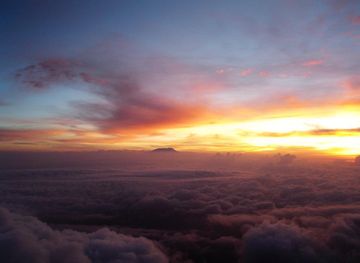
Looking beyond Selous Game Reserve? Discover Tanzania for broader travel guides, local hot-spots, and regional highlights.
Explore TanzaniaSelous Game Reserve in Photos
Browse through our photo collection highlighting the charm and character of the destination.


Wild Majesty of Selous Game Reserve
Selous Game Reserve, located in southern Tanzania, is one of the largest faunal reserves in the world. Covering an area of about 50,000 square kilometers, it is a UNESCO World Heritage Site renowned for its rich diversity of wildlife and untouched landscapes. Visitors can witness vast herds of elephants, rare African wild dogs, and thriving populations of hippos and crocodiles in the Rufiji River. The reserve is not only a haven for wildlife but also a place of stunning natural beauty. The Rufiji River, with its network of channels, swamps, and lakes, is a lifeline for the ecosystem, attracting a multitude of bird species and providing spectacular boating safaris. The varied terrain, from open grasslands to dense miombo woodlands, offers a dynamic and engaging environment for game drives and walking safaris. Accommodation options within Selous range from luxurious lodges to more rustic tented camps, ensuring that visitors can experience the wilderness in comfort. The reserve is less crowded compared to other Tanzanian parks, allowing for a more exclusive and intimate wildlife experience. The best time to visit is during the dry season from June to October, when animals congregate around water sources, making wildlife viewing more predictable and rewarding.