

Free Mikumi Region Travel Guide & Mobile App
Explore Mikumi Region with free travel guides. Discover regional history, expert tips, proposed trips, and audio guides on web or mobile app.


Mikumi Region combines accessible Tanzanian safaris, open floodplains, woodland wildlife and everyday highway life between Dar es Salaam and the southern interior.
Read more about Mikumi Region
When is the best time to visit Mikumi Region?
Best: June–August · 27–28°C| Month | High (°C) | Rainfall (mm) |
|---|---|---|
| January | 30 | 100 |
| February | 31 | 80 |
| March | 31 | 120 |
| April | 30 | 160 |
| May | 29 | 60 |
| June (best) | 28 | 20 |
| July (best) | 27 | 20 |
| August (best) | 27 | 20 |
| September | 28 | 40 |
| October | 30 | 120 |
| November | 30 | 160 |
| December | 30 | 140 |
Getting to and around Mikumi Region
How to get there
Transportation
Destinations in Mikumi Region
Resorts, valleys and scenic spots worth a trip of their own.

Swipe for more destinations
Best attractions in Mikumi Region
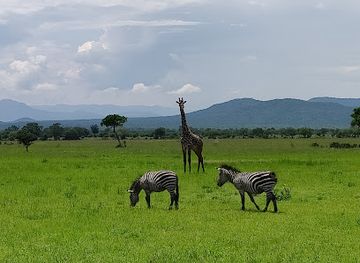
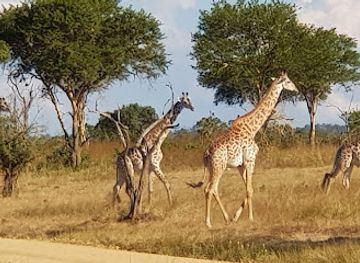
Mikumi National Park is the region’s principal attraction, offering guided game drives across the Mkata floodplain, woodland and seasonal watercourses. The open terrain can provide good opportunities to observe giraffes, zebras, wildebeest, impalas, buffaloes, elephants and hippos, with lions also present and other predators seen less consistently. Birdwatching is rewarding in both open and wooded habitats, particularly when seasonal water attracts a variety of species. The park’s appeal lies in accessible wildlife viewing rather than a dense concentration of built heritage. Outside the protected area, Mikumi town provides a practical introduction to roadside commerce, local food and the everyday movement of people and goods along the A7. The surrounding countryside is agricultural and wooded, with changing views towards the hills of the wider Morogoro landscape. Visitors may also use Mikumi as a base or transit point for longer journeys towards Udzungwa Mountains National Park, but Udzungwa is a separate destination outside the immediate Mikumi travel area and requires its own transport and arrangements. Walking, cultural visits and informal exploration should be organised through local hosts or guides, since the highway environment, wildlife risks and dispersed settlement pattern make unplanned excursions unsuitable.
-
National park
Mikumi National Park
Discover the vibrant wildlife and scenic landscapes of Mikumi National Park, a premier destination for nature lovers and adventure seekers in Tanzania.
-
National park
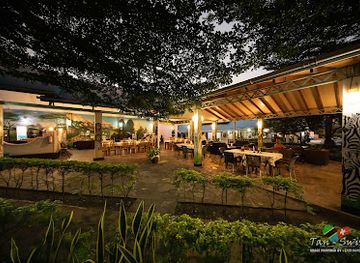
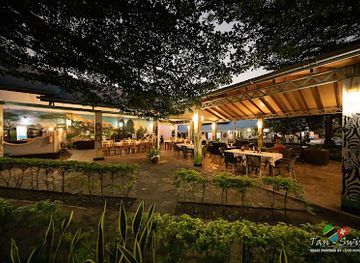
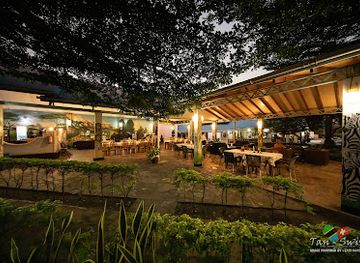
Tan-Swiss Lodge & Campsite / Restaurant & Safaris
Discover Tan-Swiss Lodge & Campsite: Your gateway to an unforgettable safari experience in the heart of Tanzania's Mikumi National Park.
-
Tourist attraction
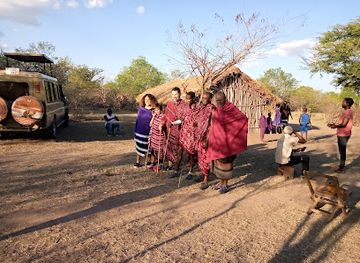
Mikumi Maasai Boma Cultural Group
Experience the rich culture and traditions of the Maasai at Mikumi Maasai Boma, a unique cultural attraction in Tanzania.
-
Tourist attraction
Mikumi Round about
Experience the vibrant culture and lively atmosphere at Mikumi Roundabout, the heartbeat of Mikumi, Tanzania, where adventure and local life intersect.

Best landmarks in Mikumi Region
Mikumi National Park itself is the region’s defining landmark: its name, protected boundary and open Mkata floodplain are closely associated with the area’s identity. The floodplain’s grassland, scattered trees and seasonal watercourses form a recognisable landscape in which wildlife viewing and geography are inseparable. The A7 highway is another important regional feature, cutting through the settled landscape beside the park and linking Mikumi with Morogoro, Dar es Salaam and Tanzania’s southern interior. Mikumi town’s roadside commercial strip, though not monumental, is a useful human landmark that shows how transport, trade and conservation coexist here. Within the park, river and waterhole areas are significant natural reference points, but their appearance changes with rainfall and they should be visited only according to official routes and guide instructions. The surrounding hills belong to the broader Morogoro and southern Tanzanian landscape; Udzungwa Mountains, while a major nearby landmark in the wider region, are not part of the immediate Mikumi destination and should not be presented as a Mikumi attraction. The area’s visual significance lies above all in the meeting of open wildlife country, wooded slopes and a busy national transport corridor.
-
National park
Mikumi National Park
Explore the vibrant wildlife and stunning landscapes of Mikumi National Park, a premier destination for nature lovers in Tanzania.
-
National park
Tan-Swiss Lodge & Campsite / Restaurant & Safaris
Experience the perfect blend of adventure and relaxation at Tan-Swiss Lodge & Campsite, your gateway to Mikumi National Park's wonders.
-
 Hotel
HotelCamp Bastian Mikumi
Experience the beauty of Mikumi National Park at Camp Bastian, your gateway to unforgettable wildlife adventures in Tanzania's stunning landscapes.
-
Tourist attraction
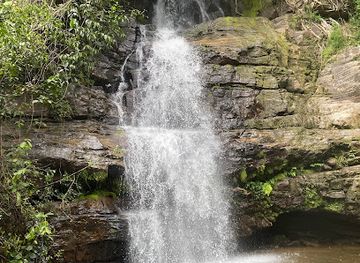
Choma Waterfalls
Experience the breathtaking beauty and tranquility of Choma Waterfalls in Mikumi National Park, a must-visit natural wonder in Tanzania.
Explore Mikumi Region on the map
Plan your trip on one map. See where the top cities, national parks and sights are, and book hotels and experiences in a few clicks.
Best hotels in Mikumi Region
Best restaurants in Mikumi Region
Dining in the Mikumi Region is shaped by Tanzanian home cooking, safari lodges, roadside stops and the practical needs of highway travellers. In Mikumi town and nearby settlements, meals commonly centre on rice, ugali, beans, grilled meat, chicken, chips, vegetables and seasonal fruit, with chapati and tea useful for breakfast or a quick journey meal. Safari accommodation usually serves a wider range of familiar international dishes alongside Tanzanian food, while packed lunches are often convenient for full-day game drives. Small eateries and food stalls provide a more local atmosphere, though standards and availability vary, so choose busy premises with good food turnover and drink treated water. Fresh produce from the surrounding agricultural districts may appear in cooked dishes and fruit stalls. Coffee and tea are widely available, but the region is not principally known for a single signature dish. Visitors should mention dietary restrictions in advance, especially when travelling on an organised safari or staying in a remote camp. Eating times can follow road and safari schedules rather than urban restaurant routines.
-
National park
Mikumi National Park
Discover diverse wildlife and breathtaking landscapes at Mikumi National Park – Tanzania's accessible natural gem.
-
Restaurant
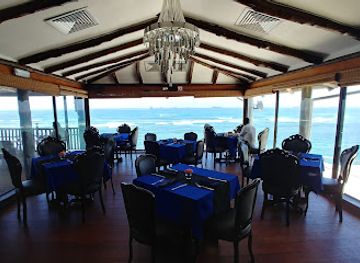
Karambezi Cafe
Experience culinary delights and breathtaking ocean views at Karambezi Cafe in Dar es Salaam.
-
Restaurant
Tan-Swiss Lodge & Campsite / Restaurant & Safaris
Discover Tan-Swiss Lodge & Campsite: A perfect blend of adventure and comfort in Mikumi National Park.
-
Hotel
Camp Bastian Mikumi
Experience comfort at Camp Bastian Mikumi, your gateway to wildlife adventures in Tanzania’s breathtaking Mikumi National Park.

Best bars in Mikumi Region
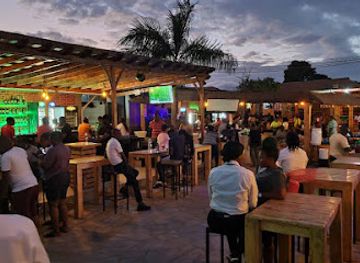
Evening life in the Mikumi Region is modest and practical, with local pubs, hotel bars, safari-lodge lounges and small restaurants providing most of the social activity. Mikumi town has places where residents and travellers can meet for soft drinks, Tanzanian beer, tea or a simple meal, but it is not a major nightlife centre and visitors should not expect a broad club scene. Lodges may offer a quieter evening around a dining area or viewing space, although guests should follow strict wildlife guidance after dark and never walk beyond designated areas alone. Music and social gatherings vary according to the venue and day of the week, while roadside establishments mainly serve passing traffic rather than late-night tourism. Those seeking a wider selection of bars, live entertainment and urban nightlife will find it in Dar es Salaam, outside the region, rather than in Mikumi. Drink responsibly, arrange transport in advance and remember that early starts are central to safari schedules.
-
River
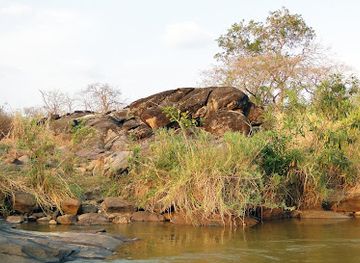
Great Ruaha River
Explore the Great Ruaha River, a stunning wildlife haven in Tanzania, offering breathtaking landscapes, thrilling safaris, and rich biodiversity.
-
Bar
Mikumi Resort Bar
Discover the vibrant Mikumi Resort Bar in Morogoro, Tanzania - the perfect spot for relaxation and local culture after your adventures.
Best nightclubs in Mikumi Region
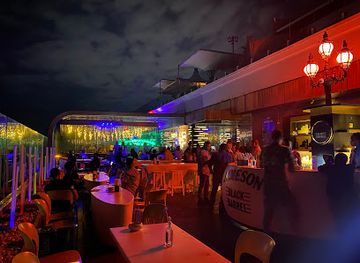
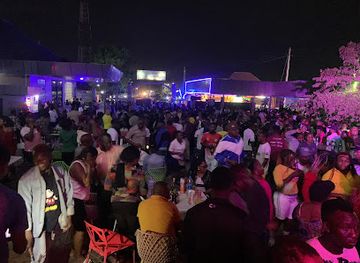
Evening life in the Mikumi Region is modest and practical, with local pubs, hotel bars, safari-lodge lounges and small restaurants providing most of the social activity. Mikumi town has places where residents and travellers can meet for soft drinks, Tanzanian beer, tea or a simple meal, but it is not a major nightlife centre and visitors should not expect a broad club scene. Lodges may offer a quieter evening around a dining area or viewing space, although guests should follow strict wildlife guidance after dark and never walk beyond designated areas alone. Music and social gatherings vary according to the venue and day of the week, while roadside establishments mainly serve passing traffic rather than late-night tourism. Those seeking a wider selection of bars, live entertainment and urban nightlife will find it in Dar es Salaam, outside the region, rather than in Mikumi. Drink responsibly, arrange transport in advance and remember that early starts are central to safari schedules.
-
Grill
Dance Club & Bar
Dive into the vibrant nightlife of Dar es Salaam at the Dance Club & Bar, where sizzling grills and infectious beats await every visitor.
-
Night club
Nyumbani Park (Samaki Spot)
Experience the vibrant nightlife of Morogoro at Nyumbani Park, where great food, drinks, and music create unforgettable moments.
-
Night club
Havoc Nightspot
Discover the ultimate nightlife experience at Havoc Nightspot, where music, cocktails, and delicious food come together for an unforgettable evening in Dar es Salaam.
-
Bar
Star Park lounge&Night Club
Discover the lively atmosphere of Star Park Lounge & Night Club, a premier nightlife destination in Morogoro, offering delicious food and vibrant entertainment.

Best shops in Mikumi Region
Shopping in the Mikumi Region is mainly local and practical rather than centred on large retail districts. Mikumi town has small shops, general stores, produce sellers and roadside stalls serving residents, drivers and safari travellers. Visitors may find fruit, roasted or packaged snacks, drinks, woven goods and simple locally made items, although selection and quality vary and should not be assumed to be available every day. Food products that travel well, such as spices, tea, coffee and packaged regional produce, can make useful purchases when bought from reputable sellers. Small craft items may be available through lodges, guides or local vendors; ask about materials and prices respectfully and avoid buying objects made from protected wildlife products or unlawfully collected natural materials. Larger shopping centres and a broader range of galleries, crafts and specialist stores are found in Dar es Salaam, outside the region. Carry modest cash in Tanzanian shillings for small transactions, and remember that informal roadside shopping is part of the local economy rather than a conventional souvenir district.
-
National park
Mikumi National Park
Explore Mikumi National Park, a wildlife haven in Tanzania rich in biodiversity, offering breathtaking landscapes and unforgettable safari experiences.
-
Souvenir store
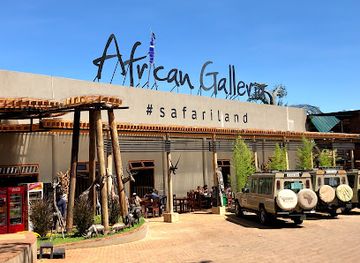
African Galleria
Explore the vibrant African Galleria in Usangi for authentic Tanzanian souvenirs and local artisan crafts, a true reflection of Tanzania's rich culture.
-
National park
Tan-Swiss Lodge & Campsite / Restaurant & Safaris
Discover the beauty of Tanzania at Tan-Swiss Lodge & Campsite, where adventure meets comfort in stunning natural surroundings.
-
Hotel
Camp Bastian Mikumi
Discover the serenity of nature at Camp Bastian Mikumi, your gateway to the stunning Mikumi National Park in Tanzania.
Get your free copy of our complete guide to Mikumi Region, delivered straight to you.
Everything on this page, from attractions and restaurants to essentials and local phrases, in one PDF you can read offline, print or share.
Already have an account? Sign in
Your Mikumi Region guide is ready.
We'll send it to · Not you? Sign out

Getting your guide ready…
We are putting together a fresh copy of the Mikumi Region guide. This can take up to a minute.
This can take a few moments. If your browser asks, choose Allow so the download can start. You'll find the guide in your Downloads folder.
Nothing happened? Download it again
Sorry, the guide is taking longer than usual. Please try again in a minute, or get it by email instead.
Mikumi Region essentials
Currency and Payment
Safety
Emergency Situations
Do's and Don'ts
Local Tips
From Eve
Local phrases worth knowing
You don't need to get them perfect. A few words go a long way, and locals appreciate the effort.
Basics
| English | Local | Say it |
|---|---|---|
| Hello | Habari | [ha-ba-ree] |
| Goodbye | Kwaheri | [kwa-heh-ree] |
| Yes | Ndio | [n-dee-oh] |
| No | Hapana | [ha-pa-na] |
| Please/You're welcome | Tafadhali | [ta-fa-dha-lee] |
| Thank you | Asante | [a-san-teh] |
| Excuse me/Sorry | Samahani | [sa-ma-ha-nee] |
| How are you? | Habari gani? | [ha-ba-ree ga-nee] |
| Fine. And you? | Nzuri. Na wewe? | [n-zu-ree. na weh-weh] |
| Do you speak English? | Unaongea Kiingereza? | [u-na-on-ge-a ki-in-ge-re-za] |
| I don't understand | Sielewi | [si-e-le-wi] |
Eating & Drinking
| English | Local | Say it |
|---|---|---|
| I'd like to see the menu, please | Ningependa kuona menyu, tafadhali | [nin-ge-pen-da ku-o-na men-yu, ta-fa-dha-lee] |
| I don't eat meat | Sikuli nyama | [si-ku-li n-ya-ma] |
| Cheers! | Afya! | [a-fya] |
| I would like to pay, please | Ningependa kulipa, tafadhali | [nin-ge-pen-da ku-li-pa, ta-fa-dha-lee] |
Emergencies
| English | Local | Say it |
|---|---|---|
| Help! | Msaada! | [m-sa-a-da] |
| Go away! | Toka mbali! | [to-ka m-ba-li] |
| Call the Police! | Piga simu polisi! | [pi-ga si-mu po-li-si] |
| Call a doctor! | Piga simu daktari! | [pi-ga si-mu dak-ta-ri] |
| I'm lost | Nimepotea | [ni-me-po-te-a] |
| I'm ill | Nina ugonjwa | [ni-na u-gon-jwa] |
Shopping
| English | Local | Say it |
|---|---|---|
| I'd like to buy... | Ningependa kununua... | [nin-ge-pen-da ku-nu-nu-a] |
| I'm just looking | Natazama tu | [na-ta-za-ma tu] |
| How much is it? | Ni bei gani? | [ni bei ga-nee] |
| That's too expensive | Hiyo ni ghali sana | [hi-yo ni gha-li sa-na] |
| Can you lower the price? | Unaweza kupunguza bei? | [u-na-we-za ku-pun-gu-za bei] |
Time & Numbers
| English | Local | Say it |
|---|---|---|
| What time is it? | Ni saa ngapi? | [ni sa-a n-ga-pi] |
| It's one o'clock | Ni saa moja | [ni sa-a mo-ja] |
| Half past (10) | Nusu ya (10) | [nu-su ya (10)] |
| Morning | Asubuhi | [a-su-bu-hi] |
| Afternoon | Mchana | [m-cha-na] |
| Evening | Jioni | [ji-o-ni] |
| Yesterday | Jana | [ja-na] |
| Today | Leo | [le-o] |
| Tomorrow | Kesho | [ke-sho] |
| 1 | Moja | [mo-ja] |
| 2 | Mbili | [m-bi-li] |
| 3 | Tatu | [ta-tu] |
| 4 | Nne | [n-ne] |
| 5 | Tano | [ta-no] |
| 6 | Sita | [si-ta] |
| 7 | Saba | [sa-ba] |
| 8 | Nane | [na-ne] |
| 9 | Tisa | [ti-sa] |
| 10 | Kumi | [ku-mi] |
Transport & Directions
| English | Local | Say it |
|---|---|---|
| Where's a/the...? | Wapi...? | [wa-pi] |
| What's the address? | Nini anwani? | [ni-ni an-wa-ni] |
| Can you show me (on the map)? | Unaweza kunionyesha (katika ramani)? | [u-na-we-za ku-ni-on-ye-sha (ka-ti-ka ra-ma-ni)] |
| When's the next (bus)? | Basi inayofuata ni lini? | [ba-si i-na-yo-fua-ta ni li-ni] |
| A ticket (to ....) | Tiketi (kwenda ...) | [ti-ke-ti (kwen-da ...)] |
History of Mikumi Region
Long-standing settlement and regional exchange
The wider Mikumi area has long been part of the human landscape of eastern Tanzania, where farming communities, seasonal movement and exchange connected the interior with the coast. The region’s modern population includes communities with different linguistic and cultural backgrounds, and its history should not be reduced to the national park alone. Markets and road settlements developed around access to agricultural land, water and routes linking Morogoro with the southern interior. Much of this earlier history is expressed through living rural landscapes and local livelihoods rather than through a concentrated collection of monumental remains.
German colonial rule and the changing interior
From the late nineteenth century, German colonial rule incorporated mainland Tanzania, then known as German East Africa, into a centralised colonial system. The Morogoro hinterland became more closely connected to administrative centres, commercial agriculture and transport routes serving the coast. Colonial policies altered land use and labour patterns, while roads and administrative arrangements strengthened links between settlements that had previously been connected mainly through local exchange. Physical evidence is less dominant around Mikumi than in older coastal towns, but the region’s later transport and settlement geography developed within these broader colonial changes.
The British mandate and road-based connections
After the First World War, Tanganyika came under British administration as a League of Nations mandate and later a United Nations trust territory. Investment and administration continued to link the interior with Dar es Salaam, while agricultural production and road transport became increasingly important. The Mikumi corridor gained significance because it connected Morogoro and the southern interior with the coast. The foundations of the modern highway journey through the region, including the concentration of services in roadside settlements, emerged from this longer period of administrative and economic integration.
Independence and the creation of Mikumi National Park
Tanganyika achieved independence in 1961 and united with Zanzibar in 1964 to form Tanzania. In the same year, Mikumi National Park was established, transforming part of the region into a protected area managed for wildlife conservation. The park forms part of Tanzania’s wider national-park system, created during a period when the new country was balancing conservation, rural development and national identity. Protection helped preserve the Mkata floodplain and its wildlife habitats, while the highway continued to bring people and goods through the region outside the park boundary.
Transport, conservation and local livelihoods
Since the late twentieth century, Mikumi’s identity has been shaped by the interaction of safari tourism, highway transport and surrounding agriculture. The A7 road has made the park one of the more accessible wildlife destinations from Dar es Salaam, but heavy traffic also gives the region a practical, working character rather than the remoteness associated with some more distant safari areas. Conservation brings employment and tourism income, while communities outside the park continue to depend on farming, trade and transport. Managing wildlife movement, road safety, land use and local benefits remains central to the region’s contemporary development.
Mikumi in contemporary Tanzania
Today, Mikumi is both a national-park destination and a strategic stop on journeys towards Tanzania’s southern highlands and neighbouring countries. The park attracts domestic and international visitors, while Mikumi town supports residents, drivers, guides and businesses serving the highway. The region’s modern story is therefore one of connection: protected habitat lies beside a major transport route, and tourism operates alongside ordinary commercial and agricultural life. This combination distinguishes Mikumi from more remote safari landscapes and explains its importance within eastern Tanzania’s travel network.
Mikumi Region in Photos
Browse through our photo collection highlighting the charm and character of the destination.
Neighbouring regions of Mikumi Region
The closest regions to Mikumi Region, if you have time for more than one.
-

-

-

-

-


Swipe for more regions
Explore more
Explore more of Tanzania
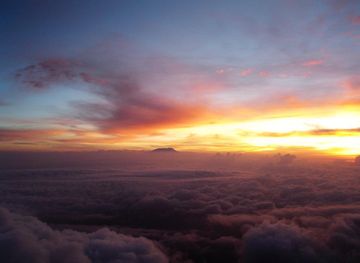
Discover Tanzania: From the majestic Mount Kilimanjaro to the stunning Serengeti and the serene beaches of Zanzibar, experience the best of nature and culture in East Africa.
Explore Tanzania