

Free Coastal Zone Travel Guide & Mobile App
Explore Coastal Zone with free travel guides. Discover regional history, expert tips, proposed trips, and audio guides on web or mobile app.


Discover the Coastal Zone of Tanzania: Pristine beaches, rich history, and vibrant culture along the stunning Indian Ocean shoreline.
Read more about Coastal Zone
When is the best time to visit Coastal Zone?
Best: June–August · 27–28°C| Month | High (°C) | Rainfall (mm) |
|---|---|---|
| January | 30 | 75 |
| February | 30 | 70 |
| March | 31 | 90 |
| April | 30 | 110 |
| May | 29 | 100 |
| June (best) | 28 | 50 |
| July (best) | 27 | 30 |
| August (best) | 27 | 30 |
| September | 28 | 50 |
| October | 29 | 70 |
| November | 30 | 90 |
| December | 30 | 100 |
Getting to and around Coastal Zone
How to get there
Transportation
Top city travel guides in Coastal Zone
The cities of Coastal Zone, and the easiest places to base yourself.
-

-

-

-

-

-



Swipe for more cities
Destinations in Coastal Zone
Resorts, valleys and scenic spots worth a trip of their own.
-

-

-


Swipe for more destinations
Best attractions in Coastal Zone
The Coastal Zone of Tanzania is a treasure trove of captivating experiences, offering a blend of stunning natural beauty, rich history, and vibrant culture. Visitors can start their journey in the historic city of Bagamoyo, a UNESCO World Heritage Site, where the echoes of ancient trade routes and colonial history come alive amidst the ruins of forts, old churches, and lively markets. For those seeking natural splendor, the pristine beaches of Pangani provide a serene escape, while the Saadani National Park offers a unique safari experience where wildlife meets the Indian Ocean's turquoise waters. The bustling port city of Dar es Salaam is a melting pot of cultures, featuring the bustling Kariakoo Market, the tranquil Botanical Gardens, and the informative National Museum. Offshore, the idyllic islands of Mafia and Zanzibar beckon with their coral reefs, perfect for diving and snorkeling, alongside the chance to explore historic Stone Town's labyrinthine alleys. Every corner of Tanzania's Coastal Zone promises a journey through time, nature, and culture, ensuring an unforgettable adventure.
-
National park
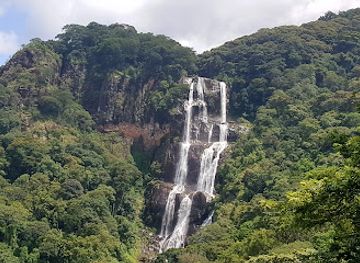
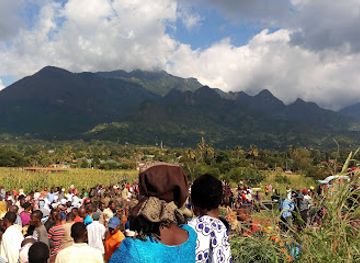
Udzungwa Mountains National Park
Discover the breathtaking beauty of Udzungwa Mountains National Park, a hidden gem in Tanzania known for its rich biodiversity and stunning landscapes.
-
Island
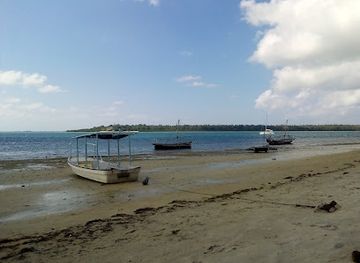
Mafia Island
Experience the tranquil beauty and rich marine life of Mafia Island, a hidden paradise for nature lovers and adventure seekers in Tanzania.
-
Tourist attraction
Pande Game Reserve
Explore Pande Game Reserve in Dar es Salaam, Tanzania – a lush wildlife sanctuary offering unforgettable nature experiences and breathtaking scenery.
-
Beach
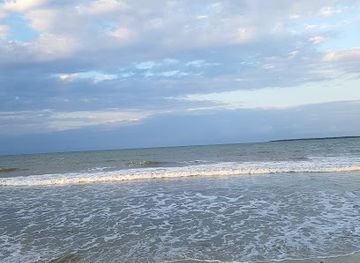
Kibo Beach
Discover the beauty of Kibo Beach in Dar es Salaam, a stunning destination where relaxation meets vibrant local culture and adventure awaits at every turn.
Best landmarks in Coastal Zone
The Coastal Zone of Tanzania is a treasure trove of historical and natural wonders waiting to be explored. Visitors can immerse themselves in the rich Swahili culture at the ancient ruins of Kilwa Kisiwani, a UNESCO World Heritage site, or stroll through the vibrant streets of Bagamoyo, once a key port in the 19th-century East African slave trade. The pristine beaches of Zanzibar offer a paradise of white sands and crystal-clear waters, perfect for snorkeling and diving to witness the stunning marine life of the Indian Ocean. The bustling markets and historic Stone Town, with its labyrinthine alleys and ornate doors, provide a captivating glimpse into the region's storied past and diverse influences. For nature enthusiasts, the Saadani National Park uniquely combines wildlife safaris with coastal landscapes, offering sightings of elephants, lions, and hippos alongside serene beachfront views. Whether you're a history buff, a beach lover, or an adventurer, the Coastal Zone of Tanzania has something unforgettable for every traveler.
-
Tourist attraction
Mikumi National Park
Explore the captivating landscapes and rich biodiversity of Mikumi National Park, a must-visit destination for wildlife enthusiasts and nature lovers in Tanzania.
-
Tourist attraction
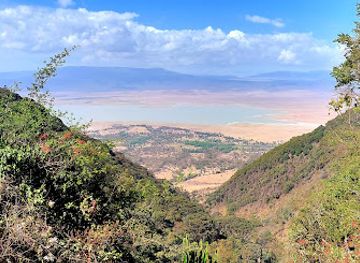
Ngorongoro Conservation Area
Discover the breathtaking Ngorongoro Conservation Area: a wildlife paradise and UNESCO World Heritage Site, rich in history and natural beauty.
-
Tourist attraction
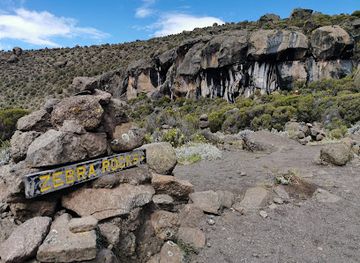
Mount Kilimanjaro National Park
Experience the breathtaking beauty and adventure of Mount Kilimanjaro National Park, a must-visit for nature lovers and adventurers alike.
-
Tourist attraction
Old Fort
Explore the historic Old Fort in Zanzibar, where rich heritage meets vibrant culture amidst stunning ocean views.

Explore Coastal Zone on the map
Plan your trip on one map. See where the top cities, national parks and sights are, and book hotels and experiences in a few clicks.
Best hotels in Coastal Zone
Best restaurants in Coastal Zone
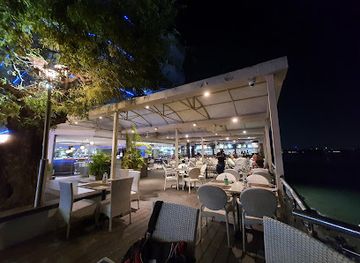
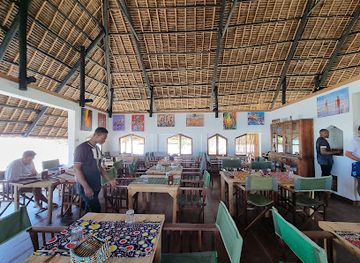
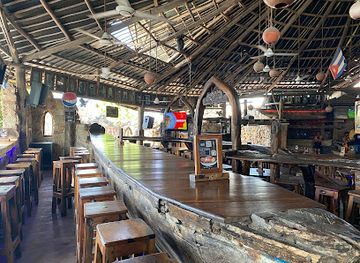
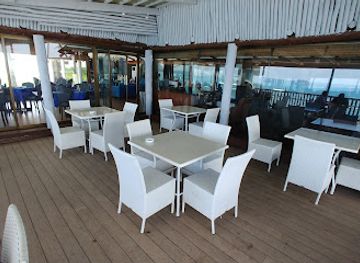
The dining scene in Tanzania's Coastal Zone is a vibrant tapestry of flavors, where the fusion of Swahili, Indian, Arab, and Portuguese influences creates a unique culinary adventure. Visitors can indulge in fresh seafood caught daily from the Indian Ocean, seasoned with aromatic spices like cloves, cinnamon, and cardamom that reflect the region's rich history as a spice trade hub. Street food stalls offer mouth-watering local delicacies such as 'mishkaki' (skewered meat), 'mandazi' (sweet fried bread), and 'zanzibar pizza' (a savory crepe-like dish), while upscale beachfront restaurants serve gourmet dishes with breathtaking views of the coastline. Whether you're savoring a traditional 'pilau' rice dish or cooling off with a refreshing 'madafu' (fresh coconut water), the Coastal Zone promises a gastronomic journey that tantalizes the taste buds and immerses you in the cultural heritage of Tanzania.
-
Seafood
Cape Town Fish Market Dar es Salaam
Experience fresh seafood delights at Cape Town Fish Market Dar es Salaam – where every meal is a celebration of coastal flavors.
-
Seafood
The Rock Restaurant Zanzibar
Discover the enchanting flavors of East Africa at The Rock Restaurant Zanzibar, where exquisite seafood meets stunning ocean views.
-
Restaurant
Samaki Samaki restaurant
Experience the vibrant tastes of Tanzania at Samaki Samaki Restaurant in Dar es Salaam—your gateway to authentic seafood delights.
-
Restaurant
Karambezi Cafe
Discover coastal dining at Karambezi Cafe in Dar es Salaam - where exquisite cuisine meets stunning ocean views.
Best bars in Coastal Zone
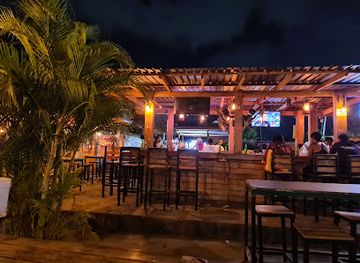
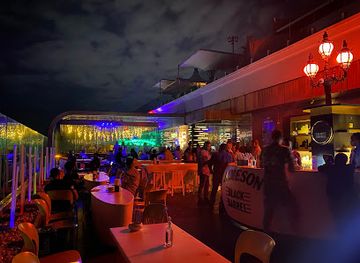
The nightlife scene in Tanzania's Coastal Zone is a vibrant tapestry of cultural fusion, offering an array of experiences from laid-back beach bars to pulsating nightclubs. As the sun dips below the horizon, the coastline comes alive with traditional taarab music performances, where the rhythmic Swahili beats and the ocean breeze create an enchanting atmosphere. For those seeking a modern touch, the cities of Dar es Salaam and Zanzibar boast upscale lounges and nightclubs where local DJs spin Afrobeat, Bongo Flava, and international hits till the early hours. Savor exotic cocktails infused with local spices, dance under the stars, and immerse yourself in the warm, welcoming spirit of Tanzanian hospitality. Whether you prefer a relaxed evening sipping drinks by the sea or an energetic night of dancing, the Coastal Zone's nightlife promises an unforgettable experience.
-
Pub
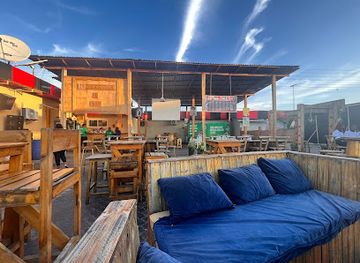
Juliana Pub
Discover the heart of Dar es Salaam's nightlife at Juliana Pub, where great food, drinks, and live music create an unforgettable experience.
-
Bar
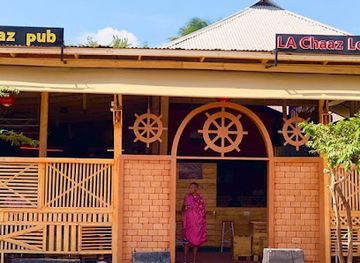
Small Planet Sinza(former La Chaaz)
Dive into Dar es Salaam's nightlife at Small Planet Sinza - a vibrant bar with local flavors and lively entertainment.
-
Grill
Dance Club & Bar
Discover the pulse of Dar es Salaam's nightlife at Dance Club & Bar, where vibrant music, delicious grills, and an electrifying atmosphere await.
-
Pub
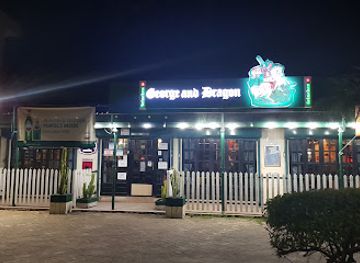
George & Dragon
Discover the vibrant British pub experience at George & Dragon in Dar es Salaam, where delicious food and sports come together in a lively atmosphere.
Best nightclubs in Coastal Zone
The nightlife scene in Tanzania's Coastal Zone is a vibrant tapestry of cultural fusion, offering an array of experiences from laid-back beach bars to pulsating nightclubs. As the sun dips below the horizon, the coastline comes alive with traditional taarab music performances, where the rhythmic Swahili beats and the ocean breeze create an enchanting atmosphere. For those seeking a modern touch, the cities of Dar es Salaam and Zanzibar boast upscale lounges and nightclubs where local DJs spin Afrobeat, Bongo Flava, and international hits till the early hours. Savor exotic cocktails infused with local spices, dance under the stars, and immerse yourself in the warm, welcoming spirit of Tanzanian hospitality. Whether you prefer a relaxed evening sipping drinks by the sea or an energetic night of dancing, the Coastal Zone's nightlife promises an unforgettable experience.
-
Grill
Dance Club & Bar
Dive into the vibrant nightlife of Dar es Salaam at the Dance Club & Bar, where great food meets pulsating music for an unforgettable experience.
-
Night club
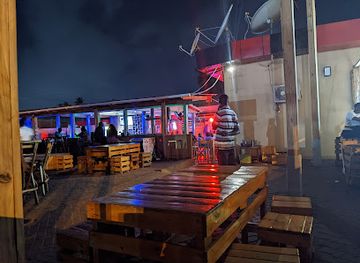
Havoc Nightspot
Experience the vibrant nightlife at Havoc Nightspot, where dining, dancing, and entertainment come together in Dar es Salaam's premier venue.
-
Night club
Mikumi Lounge
Discover the lively ambiance of Mikumi Lounge, a premier night club in Chamazi, perfect for enjoying music, drinks, and a taste of local nightlife.
-
Night club
Downtown Club And Bar
Discover the electric nightlife at Downtown Club and Bar, Morogoro's hottest destination for dancing, drinks, and unforgettable moments.


Best shops in Coastal Zone
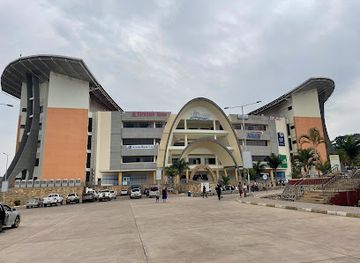
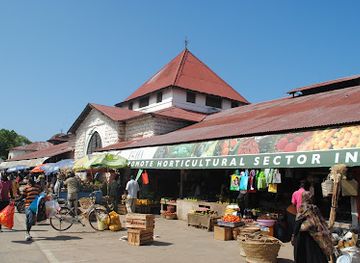
The shopping scene in Tanzania's Coastal Zone is a vibrant tapestry of traditional markets, bustling bazaars, and quaint boutiques that offer a unique blend of local craftsmanship and cultural heritage. Visitors can immerse themselves in the lively atmosphere of Dar es Salaam's Kariakoo Market, where the air is filled with the rich aromas of spices, fresh produce, and the sounds of haggling vendors. For those seeking artisanal treasures, the Tinga Tinga Art Co-operative offers colorful paintings and crafts that embody the spirit of Tanzanian creativity. Along the coastline, charming seaside shops in Bagamoyo and Zanzibar's Stone Town provide an array of handwoven textiles, intricately carved wooden sculptures, and shimmering jewelry made from seashells and local gemstones. The Coastal Zone's shopping experience is not just about purchasing souvenirs; it is an engaging journey through the region's vibrant culture and history.
-
Shopping mall
Mlimani City Shopping Mall
Experience the best of shopping, dining, and entertainment at Mlimani City Shopping Mall in Dar es Salaam, a vibrant hub for tourists and locals alike.
-
Shopping mall
Rock City Mall
Discover shopping bliss at Rock City Mall in Mwanza – a lively destination showcasing the best of local and international brands.
-
Spice exporter
Zanzibar Spice Community Shop
Explore the rich and aromatic heritage of Zanzibar at the Spice Community Shop, a sensory delight for spice lovers and culinary adventurers.
-
Shopping mall
Mkuki House
Discover Mkuki House in Dar es Salaam – a vibrant shopping mall with diverse stores, dining options, and entertainment under one roof.


Get your free copy of our complete guide to Coastal Zone, delivered straight to you.
Everything on this page, from attractions and restaurants to essentials and local phrases, in one PDF you can read offline, print or share.
Already have an account? Sign in
Your Coastal Zone guide is ready.
We'll send it to · Not you? Sign out

Getting your guide ready…
We are putting together a fresh copy of the Coastal Zone guide. This can take up to a minute.
This can take a few moments. If your browser asks, choose Allow so the download can start. You'll find the guide in your Downloads folder.
Nothing happened? Download it again
Sorry, the guide is taking longer than usual. Please try again in a minute, or get it by email instead.
Coastal Zone essentials
Currency and Payment
Safety
Emergency Situations
Do's and Don'ts
Local Tips
From Eve
Local phrases worth knowing
You don't need to get them perfect. A few words go a long way, and locals appreciate the effort.
Basics
| English | Local | Say it |
|---|---|---|
| Hello | Hi | [hai] |
| Goodbye | See you | [si yu] |
| Yes | Yup | [yup] |
| No | Nah | [nah] |
| Please/You're welcome | You're welcome | [yu'r welkum] |
| Thank you | Thanks | [thangks] |
| Excuse me/Sorry | Sorry | [sari] |
| How are you? | How's it going? | [hauz it goin] |
| Fine. And you? | Good. You? | [gud. yu?] |
| Do you speak English? | Do you speak English? | [du yu spik inglish] |
| I don't understand | I don't get it | [ai dont get it] |
Eating & Drinking
| English | Local | Say it |
|---|---|---|
| I'd like to see the menu, please | Can I see the menu? | [kan ai si the menu] |
| I don't eat meat | I’m vegetarian | [aim vejetarian] |
| Cheers! | Cheers! | [cheers] |
| I would like to pay, please | Can I get the check? | [kan ai get the chek] |
Emergencies
| English | Local | Say it |
|---|---|---|
| Help! | Help! | [help] |
| Go away! | Leave me alone! | [liv mi alon] |
| Call the Police! | Call 911! | [kal nine one one] |
| Call a doctor! | Get a doctor! | [get a doktor] |
| I'm lost | I can't find my way | [ai kant faind mai wei] |
| I'm ill | I'm not feeling well | [aim not feeling wel] |
Shopping
| English | Local | Say it |
|---|---|---|
| I'd like to buy... | I want to buy... | [ai want to bai] |
| I'm just looking | Just browsing | [jast browsing] |
| How much is it? | What’s the price? | [wats the prais] |
| That's too expensive | That's pricey | [thats praisi] |
| Can you lower the price? | Can you give me a better price? | [kan yu giv mi a beter prais] |
Time & Numbers
| English | Local | Say it |
|---|---|---|
| What time is it? | What time is it? | [wat taim iz it] |
| It's one o'clock | It's one o'clock | [its wan o'klok] |
| Half past (10) | Half past ten | [haf past ten] |
| Morning | Morning | [morning] |
| Afternoon | Afternoon | [afternun] |
| Evening | Evening | [evening] |
| Yesterday | Yesterday | [yesturday] |
| Today | Today | [tudei] |
| Tomorrow | Tomorrow | [tumoro] |
| 1 | One | [wan] |
| 2 | Two | [tu] |
| 3 | Three | [thri] |
| 4 | Four | [for] |
| 5 | Five | [faiv] |
| 6 | Six | [siks] |
| 7 | Seven | [seven] |
| 8 | Eight | [eit] |
| 9 | Nine | [nain] |
| 10 | Ten | [ten] |
Transport & Directions
| English | Local | Say it |
|---|---|---|
| Where's a/the...? | Where is the...? | [wher iz the] |
| What's the address? | What’s the address? | [wats the adres] |
| Can you show me (on the map)? | Can you point it out to me? | [kan yu point it aut tu mi] |
| When's the next (bus)? | When is the next bus? | [wen iz the nekst bus] |
| A ticket (to ....) | One ticket to... | [wan tikit tu] |
History of Coastal Zone
Ancient Trade Routes and the Swahili Coast
The Coastal Zone of Tanzania has been a hub of maritime trade for centuries. From as early as the 1st century AD, the region was part of the ancient trade routes connecting the Middle East, Indian subcontinent, and Africa. The Swahili Coast, stretching along the Tanzanian shoreline, was a melting pot of cultures, languages, and religions. The Swahili people, who emerged from the blending of Arab, Persian, and African influences, played a crucial role in the development of trade and urban centers such as Kilwa Kisiwani, Bagamoyo, and Zanzibar.
Kilwa Kisiwani: A UNESCO World Heritage Site
Kilwa Kisiwani, an island off the southeastern coast of Tanzania, was once one of the most powerful city-states on the Swahili Coast. Established around the 9th century, Kilwa became a major trading hub for gold, ivory, and slaves. Its prosperity peaked between the 13th and 15th centuries, with the construction of grand structures such as the Great Mosque of Kilwa and the Husuni Kubwa palace. Today, Kilwa Kisiwani is a UNESCO World Heritage Site, offering a glimpse into the region's rich history and architectural achievements.
The Arrival of the Portuguese
In the late 15th century, the Portuguese explorer Vasco da Gama arrived on the East African coast, marking the beginning of European influence in the region. By 1505, the Portuguese had established control over several key ports, including Kilwa, to secure their dominance in the Indian Ocean trade. Their presence, however, was met with resistance from local rulers and other competing powers such as the Omani Arabs. The Portuguese influence waned by the late 17th century, but their legacy is still visible in the ruins of their forts and settlements.
The Omani Sultanate and the Rise of Zanzibar
The 18th and 19th centuries saw the rise of the Omani Sultanate's influence over the Coastal Zone of Tanzania. In 1840, Sultan Said bin Sultan moved his capital from Muscat to Zanzibar, transforming the island into a thriving center for the spice trade, particularly cloves, and the slave trade. Zanzibar's Stone Town, with its narrow streets, bustling markets, and historic buildings, stands as a testament to this period of prosperity and cultural fusion. The island became a cosmopolitan hub, attracting traders, explorers, and settlers from around the world.
German and British Colonial Rule
The late 19th century marked the beginning of European colonial rule in Tanzania. In 1885, Germany declared the Coastal Zone part of German East Africa, leading to significant changes in the region's administration, infrastructure, and economy. Following Germany's defeat in World War I, the League of Nations mandated that the territory be administered by Britain. Under British rule, the Coastal Zone continued to grow as a commercial and cultural center, but also faced challenges related to colonial exploitation and resistance movements.
Independence and the Formation of Tanzania
The struggle for independence in Tanzania gained momentum in the mid-20th century, with leaders like Julius Nyerere advocating for self-governance. Tanganyika, which included the Coastal Zone, gained independence from British rule in 1961. In 1964, Tanganyika merged with the island of Zanzibar to form the United Republic of Tanzania. This union brought together diverse cultures and histories, shaping the modern identity of the Coastal Zone. Today, the region remains a vibrant testament to its storied past, attracting visitors with its rich cultural heritage and historical landmarks.
Coastal Zone in Photos
Browse through our photo collection highlighting the charm and character of the destination.
Neighbouring regions of Coastal Zone
The closest regions to Coastal Zone, if you have time for more than one.
-

-

-

-

-


Swipe for more regions
Explore more
Explore more of Tanzania
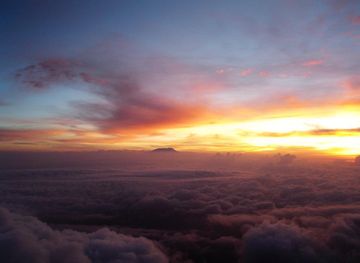
Discover Tanzania: From the majestic Mount Kilimanjaro to the stunning Serengeti and the serene beaches of Zanzibar, experience the best of nature and culture in East Africa.
Explore Tanzania