

Free Zanzibar Archipelago Travel Guide & Mobile App
Explore Zanzibar Archipelago with free travel guides. Discover regional history, expert tips, proposed trips, and audio guides on web or mobile app.


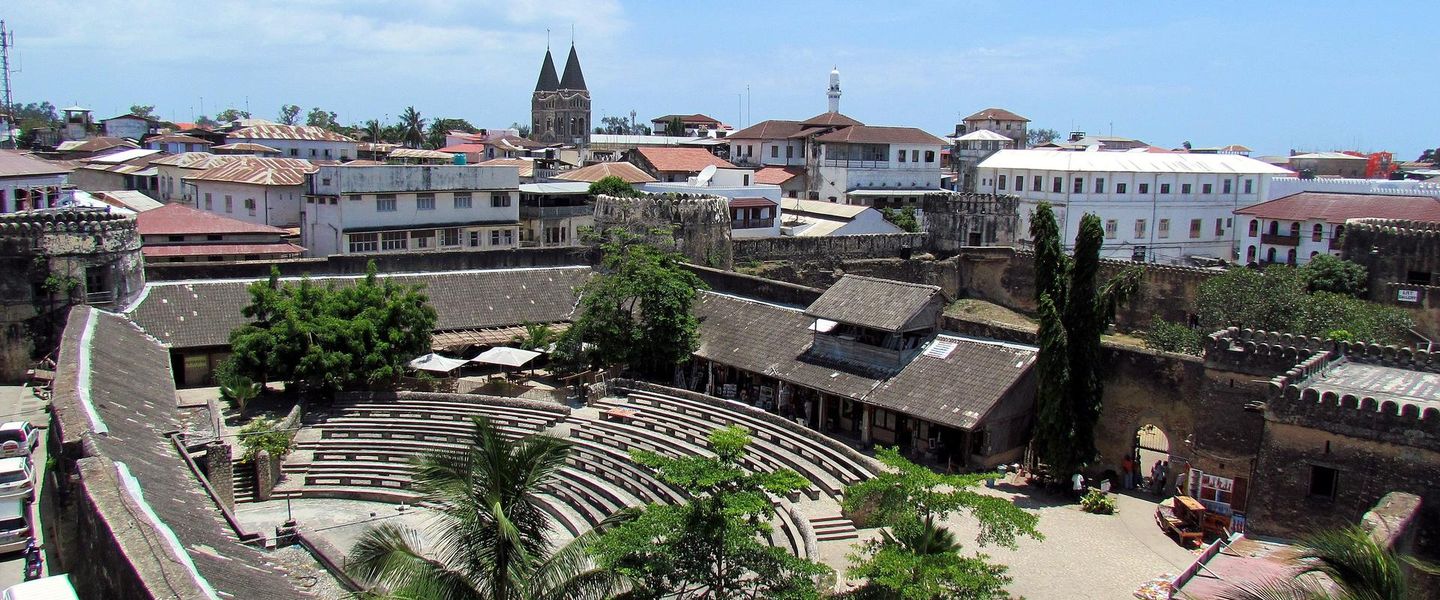


Explore the Zanzibar Archipelago for Stone Town heritage, spice farms, coral reefs, island beaches and the quieter landscapes of Pemba.
Read more about Zanzibar Archipelago
When is the best time to visit Zanzibar Archipelago?
Best: June–August · 28°C| Month | High (°C) | Rainfall (mm) |
|---|---|---|
| January | 32 | 75 |
| February | 32 | 50 |
| March | 33 | 150 |
| April | 31 | 250 |
| May | 29 | 200 |
| June (best) | 28 | 75 |
| July (best) | 28 | 50 |
| August (best) | 28 | 50 |
| September | 28 | 75 |
| October | 29 | 150 |
| November | 30 | 200 |
| December | 31 | 150 |
Getting to and around Zanzibar Archipelago
How to get there
Transportation
Best attractions in Zanzibar Archipelago
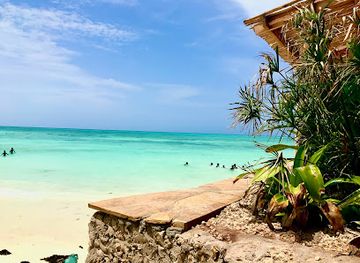
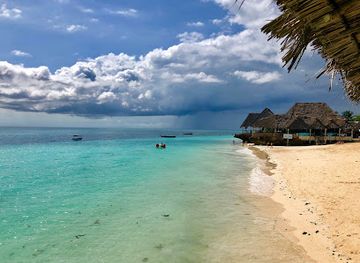
The archipelago’s attractions range from Stone Town’s lanes and waterfront heritage to forests, spice farms, villages and marine environments. On Unguja, guided walks through Stone Town introduce coral-rag architecture, former merchant houses, markets and sites associated with the island’s trading history, while spice tours explain the cultivation of cloves, cinnamon, pepper and other crops. Jozani Chwaka Bay National Park offers forest trails and the chance to see Zanzibar red colobus monkeys, alongside wetlands and coastal habitats. Around the island, boat trips, snorkelling, diving, fishing and carefully managed dolphin excursions reveal coral reefs, seagrass beds and mangroves. Pemba suits travellers seeking quieter landscapes, rural communities, forest walks and serious diving around its steep reef walls and channels. Beach recreation differs by coast: northern Unguja is generally more resort-oriented, while the east and southeast are shaped by broad tidal flats, seaweed farming and water sports. Smaller islands and sandbanks can be visited by boat, but conditions, conservation rules and local access vary. The strongest experiences usually combine environmental awareness with cultural context rather than treating the coastline as scenery alone.
-
Tourist attraction
Mtende Beach
Experience the untouched beauty and serenity of Mtende Beach, a hidden gem on Tanzania's eastern coastline, perfect for relaxation and adventure.
-
Tourist attraction
Lubaacris tours & Safaris
Discover the beauty and adventure at Lubaacris Tours & Safaris, an unforgettable experience on the stunning shores of Kendwa Beach, Zanzibar.
-
Tourist attraction
Kuza Cave
Explore the stunning natural beauty and rich cultural heritage of Kuza Cave in Jambiani, a must-visit tourist attraction in Tanzania.
-
Aquarium
Nungwi Mnarani Aquarium
Explore the vibrant marine life at Nungwi Mnarani Aquarium, a unique attraction in Zanzibar offering unforgettable experiences swimming with turtles and more.
Best landmarks in Zanzibar Archipelago
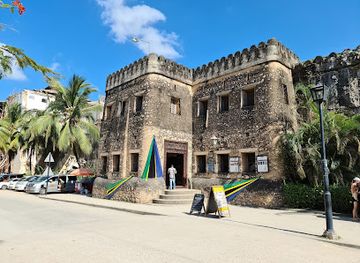
Stone Town is the archipelago’s principal historic landmark, with a dense townscape of coral-rag walls, carved doors, balconies, mosques, churches, former merchant residences and waterfront buildings shaped by centuries of Indian Ocean commerce. The Old Fort, built during the Omani period on the site of earlier Portuguese and Swahili structures, is one of its most recognisable monuments, while the House of Wonders remains an important symbol of the town’s sultanic-era history despite changing access and restoration conditions. The Anglican Cathedral occupies the site associated with the former slave market and is a significant place for understanding abolition and memory. Outside the capital, the rural landscape of Pemba’s clove plantations and forested interior provides a different kind of landmark, less monumental but closely tied to island history. On Unguja, the ancient mosque and settlement remains at Kizimkazi reflect the long Islamic history of the coast, while the mangroves, reef flats and beaches around Chwaka Bay and the eastern shore are geographical landmarks shaped daily by the tides. The archipelago’s strongest sense of place comes from the relationship between built heritage, ocean routes and changing coastal landscapes.
-
Fortress
Old Fort
Discover the Old Fort of Zanzibar, a historical landmark blending rich culture, stunning views, and vibrant local artistry in the heart of Stone Town.
-
Island
Unguja
Discover the stunning beaches, rich culture, and vibrant history of Unguja, the enchanting main island of Zanzibar, a true tropical paradise.
-
National reserve
Jozani Forest
Discover the mesmerizing biodiversity and scenic beauty of Jozani Forest, a must-visit national reserve on Zanzibar Island.
-
Tourist attraction
Lubaacris tours & Safaris
Discover the beauty and adventure of Zanzibar with Lubaacris Tours & Safaris at stunning Kendwa Beach.
Explore Zanzibar Archipelago on the map
Plan your trip on one map. See where the top cities, national parks and sights are, and book hotels and experiences in a few clicks.
Best hotels in Zanzibar Archipelago
Best restaurants in Zanzibar Archipelago
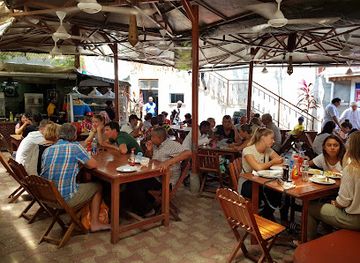
Zanzibar’s food reflects Swahili, African, Arab, Indian and broader Indian Ocean influences. In Stone Town, visitors encounter spiced rice and pilau, grilled seafood, samosas, flatbreads, coconut-based dishes and the evening food stalls of Forodhani Gardens, where preparation and freshness matter as much as presentation. Across Unguja and Pemba, fish, octopus, prawns and other seafood appear in homes, local cafés and hotel kitchens, often seasoned with lime, chilli, coconut or spice blends. Cloves, cardamom, cinnamon and black pepper are important agricultural products, though their role is often as seasoning rather than a single defining dish. Tropical fruit, sugar-cane juice and coconut are common refreshments, while tea culture reflects long commercial connections with South Asia and the wider coast. Dining ranges from simple local restaurants and market stalls to resort kitchens and contemporary venues in Stone Town. Prices, hygiene standards and menus vary, so choose busy establishments with good food turnover and ask whether a listed seafood dish is locally caught or imported.
-
Seafood
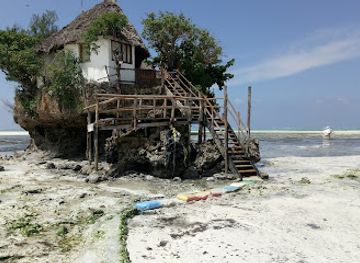
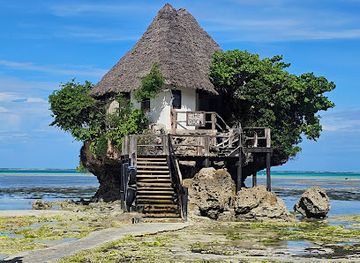
The Rock Restaurant Zanzibar
Experience exquisite seafood dining at The Rock Restaurant Zanzibar with stunning ocean views and unforgettable culinary delights.
-
Restaurant
Lukmaan Restaurant
Experience authentic Zanzibari cuisine at Lukmaan Restaurant in Stone Town - a must-visit for every traveler seeking local flavors.
-
Fusion restaurant
Beach House Zanzibar
Experience the vibrant flavors of Zanzibar at Beach House – where local cuisine meets international flair in a stunning oceanfront setting.
-
Restaurant
Baraka Beach Restaurant
Discover authentic Zanzibari cuisine at Baraka Beach Restaurant in Nungwi - where every meal is a taste of paradise.
Best bars in Zanzibar Archipelago
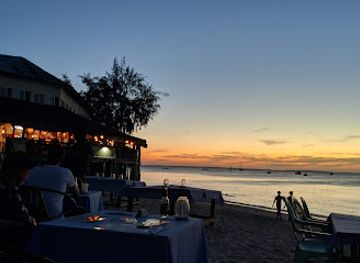
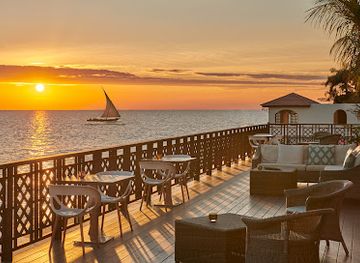
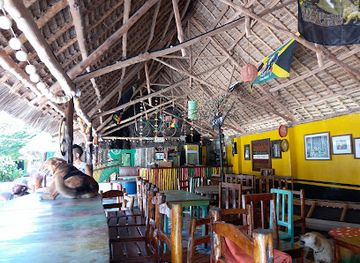
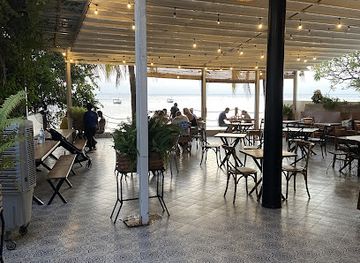
Evening life is varied rather than concentrated in one large nightlife district. Stone Town has a modest selection of hotel bars, cafés, restaurants and occasional live-music venues, while many historic and residential streets become quiet after dinner. Beach areas on Unguja, particularly around the north coast and the resort belts of the east and southeast, provide more regular evening entertainment, including beachfront restaurants, informal music, cultural performances and seasonal parties. Paje has a noticeable social scene linked partly to kitesurfing and international visitors, though its atmosphere changes with the season. Traditional establishments and hotel lounges are more common than large nightclubs, especially on Pemba, where evenings often centre on dining, conversation and small local venues. Zanzibar is predominantly Muslim, so alcohol is not available everywhere and should be consumed discreetly and only where permitted. Confirm transport back to accommodation in advance, particularly outside Stone Town and in rural coastal areas.
-
Fusion restaurant
Beach House Zanzibar
Indulge in a culinary adventure at Beach House Zanzibar, where international flavors meet local charm in a stunning oceanfront setting.
-
Bar
Coccobello Zanzibar
Experience the vibrant culture of Zanzibar at Coccobello, a dynamic bar and dance restaurant in Nungwi, perfect for dining, nightlife, and relaxation.
-
Bar
Olive's Zanzibar
Experience the vibrant atmosphere and exquisite cocktails at Olive's Zanzibar, where relaxation meets the beauty of tropical paradise.
-
Restaurant
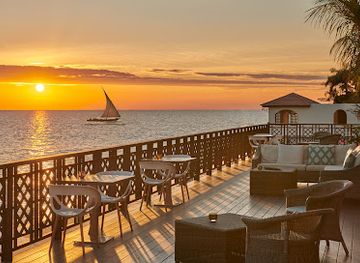
Archipelago Waterfront Zanzibar
Experience the rich flavors of Zanzibar at Archipelago Waterfront, where culinary tradition meets the beauty of the Indian Ocean.
Best nightclubs in Zanzibar Archipelago
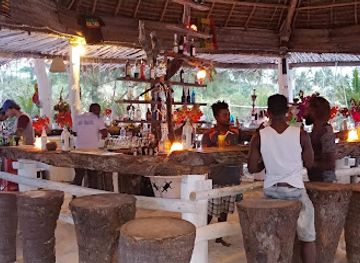
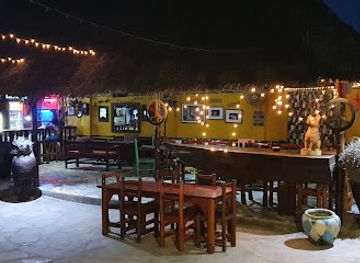
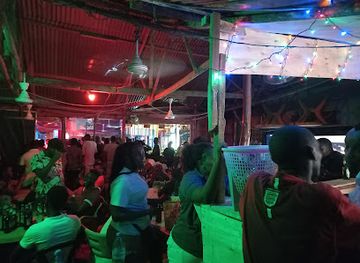
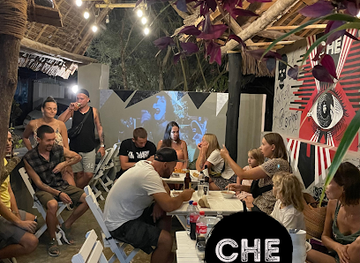
Evening life is varied rather than concentrated in one large nightlife district. Stone Town has a modest selection of hotel bars, cafés, restaurants and occasional live-music venues, while many historic and residential streets become quiet after dinner. Beach areas on Unguja, particularly around the north coast and the resort belts of the east and southeast, provide more regular evening entertainment, including beachfront restaurants, informal music, cultural performances and seasonal parties. Paje has a noticeable social scene linked partly to kitesurfing and international visitors, though its atmosphere changes with the season. Traditional establishments and hotel lounges are more common than large nightclubs, especially on Pemba, where evenings often centre on dining, conversation and small local venues. Zanzibar is predominantly Muslim, so alcohol is not available everywhere and should be consumed discreetly and only where permitted. Confirm transport back to accommodation in advance, particularly outside Stone Town and in rural coastal areas.
-
Dance restaurant
Coccobello Zanzibar
Coccobello Zanzibar: A vibrant dance restaurant offering exceptional dining and nightlife experiences in the heart of Nungwi.
-
Night club
KB Bar & Night Club
Dive into the lively nightlife at KB Bar & Night Club in Dar es Salaam, where music, drinks, and culture collide for an unforgettable experience.
-
Rock music club
CHE Rock Bar & Restaurant
Immerse yourself in the vibrant music and delicious cuisine at CHE Rock Bar & Restaurant in Zanzibar, a must-visit for every traveler.
-
Bar
Bot club Zanzibar
Discover the vibrant nightlife at Bot Club Zanzibar, where delicious food meets a lively bar atmosphere in the heart of Mpendae.
Best shops in Zanzibar Archipelago
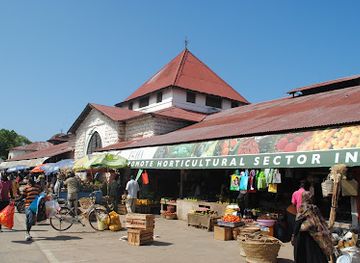
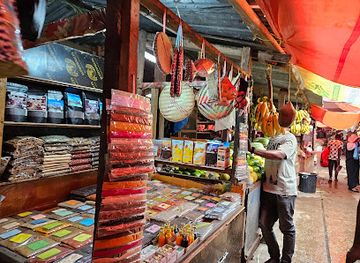
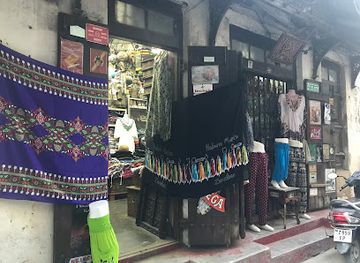
Shopping is most varied in Stone Town, where small shops, market stalls and galleries sell textiles, baskets, carved wood, jewellery, paintings, spices and locally produced food items. The Darajani area is useful for seeing everyday commerce and buying packaged spices, tea, coffee and dried goods, although visitors should check labelling and packaging before taking agricultural products across borders. Curio shops and craft outlets are widespread in tourist areas, so compare quality and ask about materials and provenance, particularly for shells, coral and wildlife-related products. Outside the capital, beach settlements offer modest selections of clothing, handicrafts and souvenirs rather than large retail centres. Pemba is better suited to buying local produce and crafts through small shops or arranged community visits than to extensive browsing. Markets are part of ordinary island life, not simply attractions, so dress respectfully, ask before photographing vendors and bargain courteously where bargaining is customary. Good practical purchases include well-labelled spices, woven goods, locally made soaps and artwork, provided they can be transported legally and sustainably.
-
Spice exporter
Zanzibar Spice Community Shop
Explore the vibrant Zanzibar Spice Community Shop, your gateway to exotic spices and local culture in the heart of Stone Town, Zanzibar.
-
Bazar
Darajani Bazaar
Experience the vibrant colors, scents, and flavors of Zanzibar at Darajani Bazaar, a bustling marketplace filled with local treasures.
-
Souvenir store
Memories Of Zanzibar
Discover authentic souvenirs and unique gifts at Memories of Zanzibar, where every item tells a story of the island's vibrant culture.
-
Antique store
The Zanzibar Curio Shop
Explore The Zanzibar Curio Shop for unique antiques and handcrafted treasures that embody the spirit of Zanzibar's vibrant culture.

Get your free copy of our complete guide to Zanzibar Archipelago, delivered straight to you.
Everything on this page, from attractions and restaurants to essentials and local phrases, in one PDF you can read offline, print or share.
Already have an account? Sign in
Your Zanzibar Archipelago guide is ready.
We'll send it to · Not you? Sign out

Getting your guide ready…
We are putting together a fresh copy of the Zanzibar Archipelago guide. This can take up to a minute.
This can take a few moments. If your browser asks, choose Allow so the download can start. You'll find the guide in your Downloads folder.
Nothing happened? Download it again
Sorry, the guide is taking longer than usual. Please try again in a minute, or get it by email instead.
Zanzibar Archipelago essentials
Currency and Payment
Safety
Emergency Situations
Do's and Don'ts
Local Tips
From Eve
Local phrases worth knowing
You don't need to get them perfect. A few words go a long way, and locals appreciate the effort.
Basics
| English | Local | Say it |
|---|---|---|
| Hello | Hujambo | [hoo-jam-bo] |
| Goodbye | Kwaheri | [kwa-heh-ree] |
| Yes | Ndiyo | [n-dee-yo] |
| No | Hapana | [ha-pa-na] |
| Please/You’re welcome | Tafadhali | [ta-fa-dha-li] |
| Thank you | Asante | [a-san-te] |
| Excuse me/Sorry | Pole | [po-le] |
| How are you? | Habari gani? | [ha-ba-ri ga-ni] |
| Fine. And you? | Nzuri. Na wewe? | [n-zuri na we-we] |
| Do you speak English? | Unazungumza Kiingereza? | [u-na-zun-gum-za ki-in-ge-re-za] |
| I don't understand | Sielewi | [si-e-le-wi] |
Eating & Drinking
| English | Local | Say it |
|---|---|---|
| I’d like to see the menu, please | Ningependa kuona menyu, tafadhali | [nin-ge-pen-da ku-o-na men-yu ta-fa-dha-li] |
| I don't eat meat | Sikula nyama | [si-ku-la nya-ma] |
| Cheers! | Afya! | [a-fya] |
| I would like to pay, please | Ningependa kulipa, tafadhali | [nin-ge-pen-da ku-li-pa ta-fa-dha-li] |
Emergencies
| English | Local | Say it |
|---|---|---|
| Help! | Nisaidie! | [ni-sai-di-e] |
| Go away! | Ondoka! | [on-do-ka] |
| Call the Police! | Piga simu polisi! | [pi-ga si-mu po-li-si] |
| Call a doctor! | Piga simu daktari! | [pi-ga si-mu dak-ta-ri] |
| I’m lost | Nimepotea | [ni-me-po-te-a] |
| I’m ill | Ninaumwa | [ni-na-umwa] |
Shopping
| English | Local | Say it |
|---|---|---|
| I’d like to buy... | Ningependa kununua... | [nin-ge-pen-da ku-nu-nu-a] |
| I’m just looking | Natazama tu | [na-ta-za-ma tu] |
| How much is it? | Ni kiasi gani? | [ni ki-a-si ga-ni] |
| That’s too expensive | Hiyo ni ghali sana | [hi-yo ni gha-li sa-na] |
| Can you lower the price? | Unaweza kupunguza bei? | [u-na-we-za ku-pun-gu-za bei] |
Time & Numbers
| English | Local | Say it |
|---|---|---|
| What time is it? | Ni saa ngapi? | [ni saa ng-a-pi] |
| It’s one o'clock | Ni saa moja | [ni saa mo-ja] |
| Half past (10) | Nusu ya (10) | [nu-su ya (10)] |
| Morning | Asubuhi | [a-su-bu-hi] |
| Afternoon | Mchana | [m-cha-na] |
| Evening | Jioni | [ji-o-ni] |
| Yesterday | Jana | [ja-na] |
| Today | Leo | [le-o] |
| Tomorrow | Kesho | [ke-sho] |
| 1 | Moja | [mo-ja] |
| 2 | Mbili | [m-bi-li] |
| 3 | Tatu | [ta-tu] |
| 4 | Nne | [n-ne] |
| 5 | Tano | [ta-no] |
| 6 | Sita | [si-ta] |
| 7 | Saba | [sa-ba] |
| 8 | Nane | [na-ne] |
| 9 | Tisa | [ti-sa] |
| 10 | Kumi | [ku-mi] |
Transport & Directions
| English | Local | Say it |
|---|---|---|
| Where's a/the...? | Wapi...? | [wa-pi] |
| What's the address? | Nini anwani? | [ni-ni an-wa-ni] |
| Can you show me (on the map)? | Unaweza kunionyesha (katika ramani)? | [u-na-we-za ku-nyo-ny-e-sha ka-ti-ka ra-ma-ni] |
| When's the next (bus)? | Basi inayofuata ni lini? | [ba-si i-na-yofu-a-ta ni li-ni] |
| A ticket (to ....) | Tiketi (kwenda....) | [ti-ke-ti kwen-da] |
History of Zanzibar Archipelago
Early settlement and Indian Ocean exchange
The islands have been inhabited for many centuries by communities connected to the East African coast. Archaeological evidence and historical traditions point to farming, fishing and seafaring societies whose lives were shaped by monsoon navigation across the Indian Ocean. Unguja and Pemba became part of a wider commercial world linking the Swahili coast with southern Arabia, Persia, India and, indirectly, the Mediterranean and China. Trade in foodstuffs, timber and other commodities helped establish coastal settlements, while Islam gradually became an important influence in island society and architecture.
Swahili towns and Islamic culture
From the medieval period onwards, Zanzibar’s coastal settlements participated in the development of Swahili civilisation, a maritime culture formed through African foundations and Indian Ocean connections. Mosques, coral-stone buildings and trading communities developed around the coast, while Kiswahili became the region’s principal language of everyday communication. Pemba’s fertile interior supported agriculture alongside coastal commerce, and Unguja’s western harbour grew in importance. Surviving archaeological remains and religious traditions reflect a history that was neither solely African nor simply imported from overseas, but produced through long-term interaction.
Portuguese intervention and Omani rule
Portuguese forces established influence along the East African coast in the sixteenth century, disrupting established trading networks and imposing control over strategic ports. Omani power later expanded in the region, and Zanzibar became increasingly important to the Omani sultanate during the eighteenth and nineteenth centuries. Sultan Said bin Sultan moved his court to Zanzibar in the nineteenth century, strengthening the islands’ role as a political and commercial centre. Stone Town’s coral buildings, waterfront and merchant houses bear architectural traces of this period, although its prosperity was inseparable from coercive labour systems and the slave trade.
Clove cultivation and the nineteenth-century trading economy
Under Omani rule and later sultanic administration, Zanzibar became one of the world’s major clove-producing areas. Plantations on Unguja and Pemba relied on enslaved labour, while the islands also traded ivory and other goods from the African interior. Indian merchant communities played a significant role in finance, retail and long-distance commerce. The wealth generated by plantations and trade transformed Stone Town, producing grand residences, warehouses and public buildings. Pemba retained a more agricultural and dispersed character, but its clove economy also connected villages to global markets and left a lasting mark on landholding and rural society.
The abolition of the slave trade and changing sovereignty
The suppression of the slave trade during the nineteenth century and the eventual abolition of slavery profoundly altered Zanzibar’s economy and society. The islands remained under the authority of the sultanate while British influence increased, and a British protectorate was established in 1890. Commercial agriculture continued, but plantation systems and social inequalities persisted in different forms. Zanzibar became independent from British rule in December 1963. Its modern history cannot be separated from debates about representation, land, class, ethnicity and the legacy of the sultanate.
The 1964 Revolution and union with Tanganyika
In January 1964, a revolution overthrew the sultanate and the post-independence government. The upheaval brought major political and social change, with violence and displacement affecting communities associated with the former ruling order and Arab and South Asian minorities. In April 1964, Zanzibar united with Tanganyika to form the United Republic of Tanzania. Zanzibar retains a constitutionally recognised degree of internal self-government within Tanzania, including its own institutions for many domestic matters. The revolution and union remain central to public memory and political life across the islands.
Tourism, conservation and contemporary Zanzibar
From the late twentieth century, tourism became a major part of Zanzibar’s economy, alongside cloves, fishing, farming and maritime trade. Stone Town gained international recognition for its historic urban fabric, while beach development expanded around Unguja’s north, east and southeast coasts. Pemba has seen more limited development, helping preserve a quieter rural character but also leaving it with fewer visitor services. Contemporary debates concern coastal access, environmental pressure, water and waste management, marine conservation, employment and how historic communities benefit from tourism. These issues are important parts of the archipelago’s present identity.
Zanzibar Archipelago in Photos
Browse through our photo collection highlighting the charm and character of the destination.
Neighbouring regions of Zanzibar Archipelago
The closest regions to Zanzibar Archipelago, if you have time for more than one.
-

-

-

-

-


Swipe for more regions
Explore more

Explore more of Tanzania
Discover Tanzania: From the majestic Mount Kilimanjaro to the stunning Serengeti and the serene beaches of Zanzibar, experience the best of nature and culture in East Africa.
Explore Tanzania