

Beale Street (Memphis) Travel Guide - Free
Explore Beale Street in Memphis with Evendo's free guide. Find the best shops, historic streets, restaurants, and gems on web or mobile.


Beale Street in Memphis brings blues history, live music, barbecue, historic clubs and downtown nightlife together along Tennessee’s legendary strip.
Blues, History and Downtown Energy
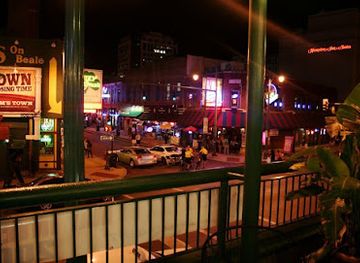
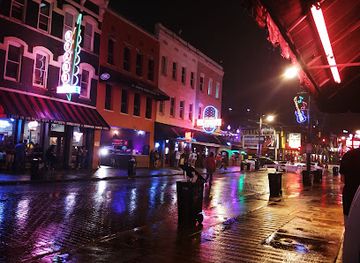
Beale Street is Memphis’s most concentrated expression of African American musical history, stretching through the centre of downtown from the Mississippi River side towards the Victorian Village area. Its best-known visitor zone is a compact, pedestrian-friendly entertainment district lined with clubs, restaurants, neon signs and open-air music, while the wider street retains landmarks connected with the people and institutions that shaped Memphis blues. The atmosphere changes noticeably through the day: mornings are relatively quiet, afternoons bring visitors exploring its history and shops, and evenings fill with live performances spilling from venues along the central blocks.Read more about Beale Street
A Street of Local Memory
Exploring the District
Best attractions in Beale Street
Beale Street’s attractions are concentrated along a few walkable downtown blocks, where neon signs, blues memorabilia, live-music venues and restored façades create a strong sense of place. Handy Park provides an open-air setting associated with performances and public events, while the W.C. Handy Memphis Home and Museum at 352 Beale Street explores the composer’s life and his connection with the city’s musical history. A. Schwab combines retail with historic atmosphere, and the New Daisy Theatre remains one of the street’s best-known performance buildings, even as programming and access can change. Visitors can also examine plaques, murals and shopfronts while moving between clubs and restaurants. The National Civil Rights Museum, FedExForum and the Orpheum Theatre are close to Beale Street in downtown Memphis but are separate attractions rather than part of the street itself.
-
Cultural landmark
Elvis Statue
Explore the vibrant culture of Memphis at the Elvis Statue, a must-visit tribute to the legendary King of Rock 'n' Roll.
2 min walk · 0.1 km from neighbourhood centre
-
Tourist attraction
Beale Street “Home of the Blues” Arch
Explore Beale Street in Memphis, the iconic 'Home of the Blues,' where live music, delicious food, and rich history come together for an unforgettable experience.
2 min walk · 0.1 km from neighbourhood centre
-
Tourist attraction
African Americans from Memphis
Explore the rich cultural heritage of African Americans in Memphis, a city steeped in history and resilience, and a key player in the civil rights movement.
1 min walk · 0.1 km from neighbourhood centre


Best landmarks in Beale Street
Beale Street’s landmarks are mainly modest-scale buildings and public places whose importance comes from their connection with Black business, music and civic life. The W.C. Handy Memphis Home and Museum at 352 Beale Street commemorates the composer whose Beale Street Blues helped define the road’s international reputation. Handy Park, named for him, occupies a central public position in the entertainment district. The New Daisy Theatre is a prominent performance building, while Beale Street Baptist Church represents the religious and community institutions that have long formed part of the corridor’s identity. A. Schwab is another notable survivor, retaining the character of an old-fashioned commercial establishment. Together, these sites show that Beale Street is not simply a row of nightlife venues but a historic district shaped by commerce, worship, performance and African American cultural life.
-
 Museum
Memphis Rock 'n' Soul Museum
Discover the origins of rock and soul music at the Memphis Rock 'n' Soul Museum, a vibrant celebration of Memphis's rich musical heritage.
3 min walk · 0.3 km from neighbourhood centre
-
Park
Handy Park
Discover the lively ambiance of Handy Park, a historic gem on Beale Street where music, culture, and relaxation blend seamlessly in Memphis.
4 min walk · 0.3 km from neighbourhood centre
-
Cultural landmark
Elvis Statue
Explore the Elvis Statue on Beale Street, a must-visit cultural landmark celebrating the legacy of the King of Rock 'n' Roll in vibrant Memphis.
2 min walk · 0.1 km from neighbourhood centre
-
Historical landmark
Ida B. Wells Marker
Explore the Ida B. Wells Marker in Memphis, a historical landmark celebrating civil rights and the enduring legacy of a fearless activist.
4 min walk · 0.3 km from neighbourhood centre


Explore Beale Street on the map
A handpicked selection of must-see spots in Beale Street, mapped for you.
Best hotels in Beale Street
Best restaurants in Beale Street
Dining on Beale Street is closely tied to the music district, with barbecue, Southern comfort food, soul-food influences, burgers, fried dishes and casual late-evening meals forming the most recognisable choices. Blues City Cafe and other long-established street venues are known for combining food with live entertainment, while the surrounding blocks offer bars, cafés and restaurants aimed at visitors exploring downtown. The atmosphere ranges from informal counter service to sit-down dining, and menus often reflect Memphis’s wider reputation for smoked meats and generous Southern portions. During busy evenings, eating places can be as much part of a music outing as a separate restaurant visit. The street’s culinary scene is visitor-oriented, but its links to Black-owned enterprise, regional cooking and Memphis’s performance culture remain important to understanding why food and music coexist so closely here.
-
Barbecue
B.B. King's Blues Club
Immerse yourself in the vibrant sounds and flavors of Memphis at B.B. King's Blues Club—where great barbecue meets live blues in an unforgettable setting.
2 min walk · 0.2 km from neighbourhood centre
-
Barbecue
Blues City Cafe
Experience authentic Memphis barbecue at Blues City Cafe on Beale Street—where soul food meets vibrant culture.
2 min walk · 0.2 km from neighbourhood centre
-
Grill
Silky O'Sullivan's
Discover delicious Cajun cuisine and vibrant live music at Silky O'Sullivan's in Memphis' iconic Beale Street.
3 min walk · 0.3 km from neighbourhood centre
-
Hamburger
Dyer's Burgers
Discover Dyer's Burgers on Beale Street: savor historic flavors in Memphis' vibrant music district with delicious deep-fried burgers.
4 min walk · 0.3 km from neighbourhood centre


Best bars in Beale Street
Nightlife is Beale Street’s defining contemporary activity, centred on blues clubs, live-music rooms, sports bars and venues where performers play for audiences moving between adjoining establishments. The central blocks become busiest after dark, with amplified music, illuminated signs and outdoor crowds creating an atmosphere quite different from the relatively quiet daytime street. Silky O’Sullivan’s, Rum Boogie Cafe and B.B. King’s history are associated with Beale Street’s entertainment identity, although individual venues, ownership and programming can change. Music is not limited to one prescribed style: blues remains the core association, while rock, soul, rhythm and blues and contemporary acts may also appear. Check current age, entry and performance arrangements directly with venues, and remember that the surrounding downtown area is quieter away from the main entertainment corridor.
-
Bar
B.B. King's Blues Club
Discover B.B. King's Blues Club in Memphis: A lively venue for authentic blues music, delicious barbecue, and unforgettable Southern hospitality.
2 min walk · 0.2 km from neighbourhood centre
-
Grill
Silky O'Sullivan's
Discover Silky O'Sullivan's, a vibrant grill and live music bar in downtown Memphis, where Southern flavors meet lively entertainment.
3 min walk · 0.3 km from neighbourhood centre
-
Bar
Rum Boogie Cafe
Discover the heart and soul of Memphis at Rum Boogie Cafe, where Southern cuisine meets live music on iconic Beale Street.
4 min walk · 0.3 km from neighbourhood centre
-
Bar
Wet Willie's
Experience the vibrant nightlife of Memphis at Wet Willie's, known for its famous frozen cocktails and lively atmosphere on Beale Street.
4 min walk · 0.3 km from neighbourhood centre


Best nightclubs in Beale Street
Nightlife is Beale Street’s defining contemporary activity, centred on blues clubs, live-music rooms, sports bars and venues where performers play for audiences moving between adjoining establishments. The central blocks become busiest after dark, with amplified music, illuminated signs and outdoor crowds creating an atmosphere quite different from the relatively quiet daytime street. Silky O’Sullivan’s, Rum Boogie Cafe and B.B. King’s history are associated with Beale Street’s entertainment identity, although individual venues, ownership and programming can change. Music is not limited to one prescribed style: blues remains the core association, while rock, soul, rhythm and blues and contemporary acts may also appear. Check current age, entry and performance arrangements directly with venues, and remember that the surrounding downtown area is quieter away from the main entertainment corridor.
-
Live music bar
Tin Roof
Discover the lively atmosphere of Tin Roof, a premier live music bar in Memphis, serving delicious food and drinks with top-notch entertainment.
5 min walk · 0.4 km from neighbourhood centre
-
Night club
Alfred's On Beale
Discover the electric nightlife of Memphis at Alfred's On Beale, where live music, delicious food, and vibrant energy create unforgettable experiences.
4 min walk · 0.3 km from neighbourhood centre
-
Lounge
Beck & Call
Experience the vibrant nightlife of Memphis at Beck & Call, where live jazz and craft cocktails create an unforgettable lounge atmosphere.
3 min walk · 0.3 km from neighbourhood centre
-
Bar
Club Handy
Discover the heart of Memphis nightlife at Club Handy, a vibrant bar on Beale Street known for its live music and lively atmosphere.
4 min walk · 0.4 km from neighbourhood centre


Best shops in Beale Street
Shopping on Beale Street is compact and strongly connected to music, Memphis souvenirs and the district’s historic identity rather than to mainstream fashion retail. A. Schwab is the best-known individual shop, combining general-store traditions with gifts, memorabilia, clothing and items associated with Memphis culture. Other small retailers sell blues-themed merchandise, records, T-shirts, instruments, crafts and keepsakes aimed at visitors exploring the clubs. The most interesting shopping is found in the contrast between newer souvenir businesses and the street’s older commercial fabric, including restored façades and long-established interiors. Beale Street is not a large shopping district, and visitors seeking department stores or a broader collection of independent boutiques should look elsewhere in downtown Memphis. Its retail appeal lies in objects that carry the street’s musical associations and in the chance to enter businesses embedded in its entertainment corridor.
-
Variety store
A. Schwab
Explore A. Schwab, a historic variety store on Beale Street offering eclectic merchandise, local souvenirs, and a glimpse into Memphis culture.
3 min walk · 0.2 km from neighbourhood centre
-
Gift shop
Beale Street Gift Shop
Explore Beale Street Gift Shop for unique Memphis souvenirs and local crafts that capture the city's vibrant culture and charm.
4 min walk · 0.4 km from neighbourhood centre
-
Electronics store
Memphis Music
Explore the vibrant musical heritage of Memphis at Memphis Music, your destination for unique souvenirs and live performances.
2 min walk · 0.2 km from neighbourhood centre
-
Gift shop
Strange Cargo
Explore the heart of Memphis at Strange Cargo, a vibrant gift shop offering unique treasures and local art in Downtown Memphis.
3 min walk · 0.3 km from neighbourhood centre


Beale Street essentials
Getting There
Getting Around
Safety
Emergency Situations
Do's and Don'ts
Local Tips

From Eve
Local phrases worth knowing
You don't need to get them perfect. A few words go a long way, and locals appreciate the effort.
Basics
| English | Local | Say it |
|---|---|---|
| Hello | Howdy | [haʊ-di] |
| Goodbye | See ya | [siː jɑː] |
| Yes | Yessir | [jɛsər] |
| No | Nah | [nɑː] |
| Please/You're welcome | Please/You're welcome | [pliːz/jʊr ˈwɛlkəm] |
| Thank you | Much obliged | [mʌtʃ əˈblaɪdʒd] |
| Excuse me/Sorry | Pardon me | [ˈpɑːrdn miː] |
| How are you? | How y'all doin'? | [haʊ jɔːl ˈduːɪn] |
| Fine. And you? | Fine. And y'all? | [faɪn. ænd jɔːl] |
| Do you speak English? | Y'all speak English? | [jɔːl spiːk ˈɪŋɡlɪʃ] |
| I don't understand | I don't reckon | [aɪ doʊnt ˌrɛkən] |
Eating & Drinking
| English | Local | Say it |
|---|---|---|
| I'd like to see the menu, please | Kin I check out the menu, please | [kɪn aɪ tʃɛk aʊt ðə ˈmɛnjuː pliːz] |
| I don't eat meat | I don't eat no meat | [aɪ doʊnt it noʊt ˈmit] |
| Cheers! | Cheers! | [ʧɪrz] |
| I would like to pay, please | I aim to settle up, please | [aɪ eɪm tuː ˈsɛtl ʌp pliːz] |
Emergencies
| English | Local | Say it |
|---|---|---|
| Help! | Send help! | [sɛnd hɛlp] |
| Go away! | Git outta here! | [ɡɪt ˈaʊtə hɪr] |
| Call the Police! | Holler for the Law! | [ˈhɑlər fɔr ðə lɔ] |
| Call a doctor! | Fetch a sawbones! | [fɛʧ ə ˈsɔˌboʊnz] |
| I'm lost | I'm all turned around | [aɪm ɔːl tɜrnd əˈraʊnd] |
| I'm ill | I'm feelin' poorly | [aɪm ˈfiːlɪn ˈpʊrli] |
Shopping
| English | Local | Say it |
|---|---|---|
| I'd like to buy... | I'm fixin' to buy... | [aɪm ˈfɪksɪn tuː baɪ] |
| I'm just looking | I'm just browsin' | [aɪm ʤʌst ˈbraʊzɪn] |
| How much is it? | How much y'all askin'? | [haʊ mʌtʃ jɔːl ˈæskɪn] |
| That's too expensive | That's mighty steep | [ðæts ˈmaɪdi stiːp] |
| Can you lower the price? | Kin y'all come down on the price? | [kɪn jɔːl kʌm daʊn ɒn ðə praɪs] |
Time & Numbers
| English | Local | Say it |
|---|---|---|
| What time is it? | What's the time o' day? | [wʌts ðə taɪm oʊ deɪ] |
| It's one o'clock | It's one o'clock | [ɪts wʌn əˈklɑːk] |
| Half past (10) | Half past (10) | [hæf pæst (10)] |
| Morning | Mornin' | [ˈmɔrnɪn] |
| Afternoon | Afternoon | [ˌæftərˈnun] |
| Evening | Evenin' | [ˈiːvnɪn] |
| Yesterday | Yest'day | [ˈjɛst deɪ] |
| Today | Today | [təˈdeɪ] |
| Tomorrow | Tomorrer | [təˈmɔrər] |
| 1 | One | [wʌn] |
| 2 | Two | [tuː] |
| 3 | Three | [θriː] |
| 4 | Four | [fɔːr] |
| 5 | Five | [faɪv] |
| 6 | Six | [sɪks] |
| 7 | Seven | [ˈsɛvən] |
| 8 | Eight | [eɪt] |
| 9 | Nine | [naɪn] |
| 10 | Ten | [tɛn] |
Transport & Directions
| English | Local | Say it |
|---|---|---|
| Where's a/the...? | Where's a/the...? | [wɛərz eɪ ðə] |
| What's the address? | What's the address? | [wʌts ðə əˈdrɛs] |
| Can you show me (on the map)? | Kin y'all point it out (on the map)? | [kɪn jɔːl pɔɪnt ɪt aʊt ɒn ðə mæp] |
| When's the next (bus)? | When's the next (bus)? | [wɛnz ðə nɛkst bʌs] |
| A ticket (to ....) | A ticket (to ....) | [eɪ ˈtɪkɪt tuː] |
History of Beale Street
A Street Takes Shape
Beale Street was laid out in the nineteenth century and is generally understood to have been named for Edward Fitzgerald Beale, the United States military officer and explorer. Its position between the Mississippi River and the expanding town made it useful for trade and movement. As Memphis grew after the Civil War, Beale Street developed into a commercial corridor serving a substantial Black population, with shops, restaurants, churches, fraternal organisations and offices giving it a social importance that extended well beyond its later reputation as a nightlife destination.
Black Commerce and Civic Life
By the late nineteenth and early twentieth centuries, Beale Street had become one of Memphis’s principal centres of Black business and public life. Robert R. Church Sr., a formerly enslaved entrepreneur who became one of the city’s wealthiest African American citizens, invested heavily in nearby property and established Church’s Park, now associated with Handy Park. Newspapers, churches and businesses made the area a place for political discussion and community organisation, while travelling performers and local musicians found audiences in its theatres, clubs and outdoor gatherings.
W.C. Handy and the Blues Era
The arrival of W.C. Handy in Memphis in the early twentieth century strengthened Beale Street’s musical identity. Handy worked as a bandleader and composer in the city and drew on musical ideas he encountered in the region; his 1916 composition Beale Street Blues helped give the street international cultural resonance. In the following decades, blues, jazz and rhythm-and-blues performers used the district’s clubs and theatres, linking Beale Street to the wider development of modern American popular music without reducing its history to a single performer or style.
Decline, Preservation and Revival
Urban change, highway construction, suburbanisation and the wider economic decline affecting downtown Memphis weakened Beale Street after the mid-twentieth century. Historic buildings were threatened, and parts of the corridor lost their earlier commercial role. Federal recognition as a National Historic Landmark in 1966 helped establish the importance of preserving the district. Redevelopment and restoration efforts gathered pace in the late twentieth century, creating the concentrated entertainment area visitors see today. The result is a managed revival built around music and tourism, set among surviving buildings and institutions that point to Beale Street’s older community life.
Beale Street in Photos
Browse through our photo collection highlighting the charm and character of the destination.
Neighbourhoods near Beale Street
The closest neighbourhoods to Beale Street, if you have time for more than one stop.
-

-

-


Swipe for more neighbourhoods
Explore more

Explore more of Memphis
Memphis, Tennessee explores blues, barbecue, civil rights history and riverfront landmarks for culture-rich sightseeing and local experiences year-round.
Explore Memphis