

Free Paducah Travel Guide & Mobile App
Plan your Paducah trip with Evendo. Get free guides to top attractions, restaurants, hotels, and bars. Web access or download the mobile app.


Paducah, Kentucky blends Ohio River history, vivid floodwall murals, quilt artistry, museums, galleries and small-city Southern culture for curious travellers.
Rivers, Murals and Memory
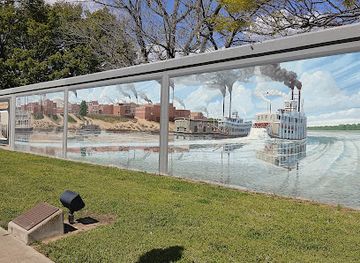
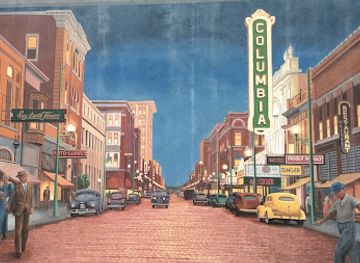
Paducah occupies a distinctive position at the meeting of the Ohio and Tennessee rivers in western Kentucky, a setting that has shaped its fortunes as a transport town, trading centre and cultural destination. The riverfront rises towards a compact historic core where brick commercial buildings, mature streets and restored façades reflect the city's nineteenth-century development. Along the floodwall, the Paducah Wall to Wall murals tell the story of local settlement, river commerce, industry and community life in a sequence of large-scale painted panels.Read more about Paducah
A City Shaped by Making
Exploring Western Kentucky
When is the best time to visit Paducah?
Best: May, September–October · 21–27°C| Month | High (°C) | Rainfall (mm) |
|---|---|---|
| January | 8 | 91 |
| February | 10 | 89 |
| March | 16 | 109 |
| April | 21 | 114 |
| May (best) | 26 | 127 |
| June | 31 | 107 |
| July | 33 | 100 |
| August | 32 | 96 |
| September (best) | 27 | 85 |
| October (best) | 21 | 89 |
| November | 15 | 105 |
| December | 9 | 107 |
Getting to and around Paducah
How to get there
Transportation
Best attractions in Paducah
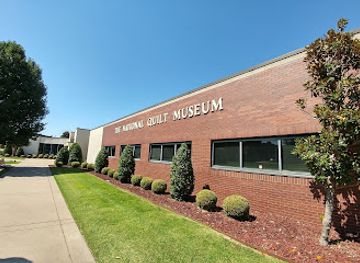
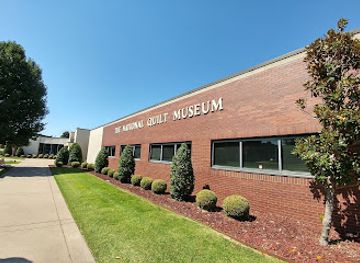
Paducah's principal attractions cluster around its riverfront, historic centre and creative districts. The National Quilt Museum presents changing exhibitions of contemporary quilt art and is the city's best-known cultural institution, while the Paducah Wall to Wall murals turn the floodwall into an outdoor gallery of local history. Downtown's historic buildings lead towards the Lower Town Arts District, where former homes and commercial spaces accommodate studios, galleries and arts events. The riverside offers open views across the Ohio and a useful sense of the city's geography, while the nearby River Discovery Center explores inland waterways, navigation and river commerce. Market House Theatre provides locally rooted performing arts in a restored downtown setting, and the Paducah Railroad Museum adds another perspective on regional transport. Seasonal markets, public art and independent exhibitions add variety without making the city feel crowded or over-programmed.
-
Tourist attraction
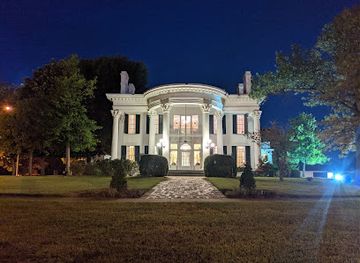
Whitehaven Welcome Center
Experience the rich history and warm hospitality at the Whitehaven Welcome Center, a must-visit tourist attraction in Paducah, Kentucky.
18 min drive · 5.9 km from city centre
-
Tourist attraction
The National Quilt Museum
Discover the artistry and history of quilt-making at The National Quilt Museum in Paducah, KY, where every stitch tells a unique story.
9 min walk · 0.7 km from city centre
-
Tourist attraction
The National Quilt Museum
Explore the rich artistry of quilting at The National Quilt Museum in Paducah, Kentucky, where creativity weaves a tapestry of culture and history.
9 min walk · 0.7 km from city centre
-
Tourist attraction
Historic Riverfront
Discover the Historic Riverfront in Paducah, KY, where stunning views meet rich history and vibrant local culture for an unforgettable experience.
10 min walk · 0.8 km from city centre

Best landmarks in Paducah
Paducah's most distinctive landmarks express its relationship with rivers, trade and creative work. The floodwall along the Ohio River is both protective infrastructure and the setting for Paducah Wall to Wall, whose large painted panels form a public historical narrative. Downtown's historic commercial buildings and Market House Theatre preserve the architectural scale of the old trading city, while the Lower Town Arts District is notable for its concentration of older homes adapted as studios and galleries. The National Quilt Museum has become a modern cultural landmark through its purpose-built presentation of quilt art. Whitehaven Welcome Center, a historic antebellum house near the city, represents the region's nineteenth-century domestic architecture and later role as a visitor centre. Together these places show how Paducah's civic identity grew from river commerce into a city known for arts and making.
-
Tourist information center
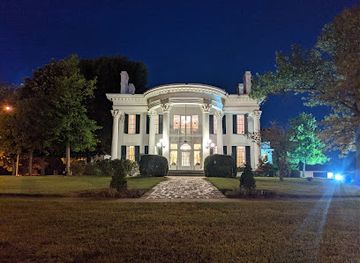
Whitehaven Welcome Center
Explore the rich history and culture of Paducah, Kentucky at the Whitehaven Welcome Center, your gateway to local attractions and experiences.
18 min drive · 5.9 km from city centre
-
Art gallery
The National Quilt Museum
Explore the rich tapestry of quilting artistry at The National Quilt Museum in Paducah, Kentucky, a vibrant cultural hub celebrating this timeless craft.
9 min walk · 0.7 km from city centre
-
Historical landmark
Historic Riverfront
Explore Paducah's Historic Riverfront: A Stunning Blend of History, Culture, and Scenic Beauty Along the Ohio River.
10 min walk · 0.8 km from city centre
-
Park
Bob Noble Park
Experience the beauty of nature at Bob Noble Park in Paducah, Kentucky, featuring trails, playgrounds, and serene landscapes for all visitors.
10 min drive · 3.4 km from city centre
Explore Paducah on the map
Plan your Paducah trip on one map. See where the top attractions, landmarks, restaurants, bars and hotels are, find what's near where you're staying, and book hotels and experiences in a few clicks.
Best hotels in Paducah
Best restaurants in Paducah
Paducah's dining scene reflects western Kentucky's position between the Ohio Valley and the broader traditions of the American South. Barbecue, fried catfish, burgers, biscuits and other comfort-food staples appear alongside modern American cooking, international restaurants and cafés serving the downtown and Lower Town communities. River trade and agricultural surroundings have helped keep hearty, practical food at the centre of local eating culture, while contemporary cooks draw on regional produce when available. Independent coffee shops, bakeries and casual restaurants suit a day spent visiting museums and galleries, and farmers' markets provide opportunities to encounter seasonal produce and prepared foods. Dining is generally relaxed rather than formal, with the greatest concentration of options in and around the central districts; travellers staying farther out may find a car useful for evening meals.
-
Steak
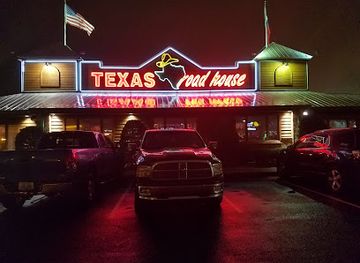
Texas Roadhouse
Discover Texas Roadhouse in Paducah for mouthwatering steaks and authentic American cuisine served in a lively atmosphere.
22 min drive · 7.4 km from city centre
-
Cajun
Broussard’s Cajun Cuisine
Discover authentic Cajun cuisine at Broussard’s in Paducah—where every bite tells a story of Louisiana's rich culinary heritage.
8 min walk · 0.6 km from city centre
-
American
Cracker Barrel Old Country Store
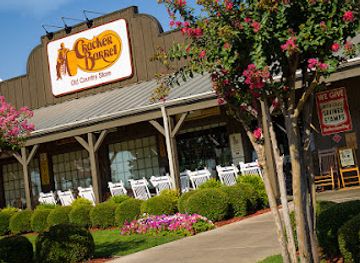
Experience Southern hospitality at Cracker Barrel Old Country Store in Paducah – where delicious home-cooked meals meet charming gift shopping.
23 min drive · 7.7 km from city centre
-
Steak
LongHorn Steakhouse
Discover the best steak experience at LongHorn Steakhouse in Paducah, where tradition meets taste in a family-friendly environment.
24 min drive · 7.9 km from city centre
Best bars in Paducah
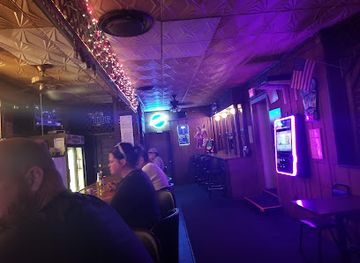
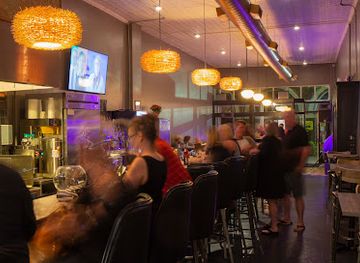
Paducah's evening scene is modest and sociable rather than centred on large nightclubs. Downtown and Lower Town provide the main setting for bars, craft beer, cocktails, casual drinks and occasional live music, with venues such as Paducah Beer Werks and Dry Ground Brewing Company representing the city's brewing culture. Market House Theatre and local arts organisations add performances, concerts and community events that broaden the choice beyond drinking establishments. Gallery openings, seasonal festivals and public programmes can bring extra activity to the centre, while evenings by the river offer a quieter alternative. Opening patterns and entertainment schedules vary, so the most reliable way to find current activity is through local venue and arts listings rather than assuming a dense nightlife district.
-
American
Rafferty's Restaurant & Bar
Experience the best of American cuisine at Rafferty's Restaurant & Bar, a vibrant dining destination in Paducah, Kentucky, perfect for all occasions.
21 min drive · 6.9 km from city centre
-
American
O'Charley's Restaurant & Bar
Experience the best of American cuisine at O'Charley's Restaurant & Bar in Paducah, where comfort food meets a lively atmosphere.
20 min drive · 6.7 km from city centre
-
Restaurant
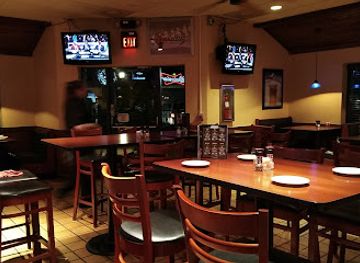
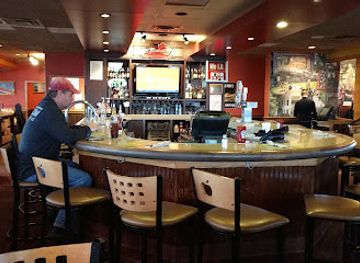
Applebee's Grill + Bar
Discover a delightful blend of classic American cuisine and a vibrant bar atmosphere at Applebee's Grill + Bar in Paducah, perfect for all occasions.
21 min drive · 7.0 km from city centre
-
American
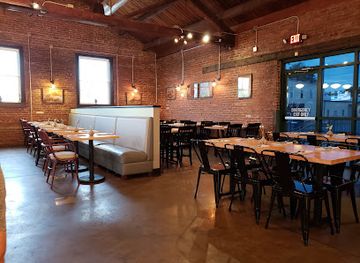
Freight House
Experience the essence of Southern cuisine at Freight House, Paducah's premier American restaurant and cocktail bar.
6 min walk · 0.5 km from city centre
Best nightclubs in Paducah
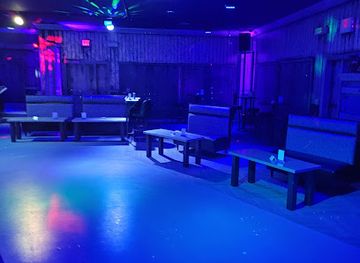
Paducah's evening scene is modest and sociable rather than centred on large nightclubs. Downtown and Lower Town provide the main setting for bars, craft beer, cocktails, casual drinks and occasional live music, with venues such as Paducah Beer Werks and Dry Ground Brewing Company representing the city's brewing culture. Market House Theatre and local arts organisations add performances, concerts and community events that broaden the choice beyond drinking establishments. Gallery openings, seasonal festivals and public programmes can bring extra activity to the centre, while evenings by the river offer a quieter alternative. Opening patterns and entertainment schedules vary, so the most reliable way to find current activity is through local venue and arts listings rather than assuming a dense nightlife district.
-
Grill
Driftwood Lounge
Discover Driftwood Lounge in Paducah, KY: A lively grill and bar offering delicious food, refreshing drinks, and unforgettable live music experiences.
16 min drive · 5.2 km from city centre
-
Bar
Silver Bullet
Discover the lively ambiance of Silver Bullet Bar in Paducah, Kentucky—your go-to destination for affordable drinks and good company.
6 min walk · 0.5 km from city centre
-
Lounge
NY Lounge
Discover NY Lounge in Paducah, a lively venue offering delicious pizzas, refreshing drinks, and an unforgettable nightlife experience.
10 min drive · 3.2 km from city centre
-
Bar
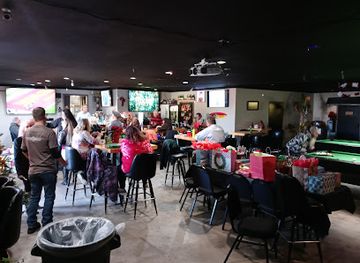
The Bully Gorilla Bar
Experience the vibrant nightlife of Paducah at The Bully Gorilla Bar, renowned for its creative cocktails and inviting atmosphere.
7 min walk · 0.6 km from city centre
Best shops in Paducah
Shopping in Paducah is concentrated around downtown, Lower Town and the city's independent retail areas rather than a single enclosed luxury district. Galleries and studios offer paintings, ceramics, jewellery, woodwork and textiles, while specialist quilt and fabric shops reflect the city's connection with contemporary quiltmaking. Visitors can also find antiques, locally produced gifts, books and regional food products in small independent businesses, with seasonal farmers' markets adding produce and prepared foods when operating. Lower Town's creative atmosphere makes browsing part of the neighbourhood experience, whereas the central streets combine retail with cafés, historic façades and cultural venues. Quilt-related purchases are especially characteristic, but it is worth distinguishing locally made work from generic souvenirs and asking galleries about the artists and materials behind individual pieces.
-
Discount store
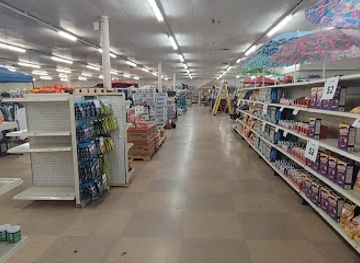
Bargain Hunt
Explore Bargain Hunt in Paducah, KY, for unbeatable deals on a wide range of quality products, from home essentials to fashion finds.
7 min drive · 2.3 km from city centre
-
Department store
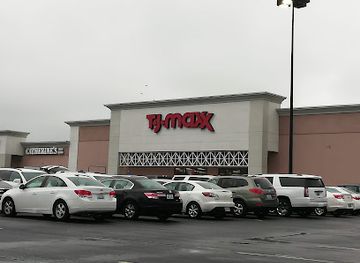
T.J. Maxx
Shop T.J. Maxx for trendy apparel, chic accessories, and unbeatable prices in Paducah, Kentucky.
23 min drive · 7.7 km from city centre
-
Boutique
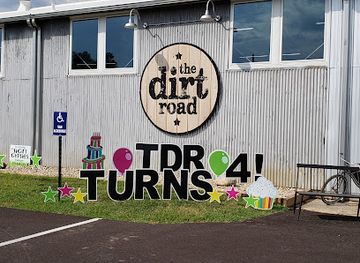
The Dirt Road
Explore The Dirt Road Boutique in Paducah, KY for unique fashion finds and a welcoming shopping experience that reflects local style.
12 min drive · 3.9 km from city centre
-
Gift shop
Five Below
Discover an amazing array of gifts, toys, accessories, and candy at Five Below in Paducah, KY, where everything is $5 or less!
23 min drive · 7.8 km from city centre
Get your free copy of our complete guide to Paducah, delivered straight to you.
Everything on this page, from attractions and restaurants to essentials and local phrases, in one PDF you can read offline, print or share.
Already have an account? Sign in
Your Paducah guide is ready.
We'll send it to · Not you? Sign out

Getting your guide ready…
We are putting together a fresh copy of the Paducah guide. This can take up to a minute.
This can take a few moments. If your browser asks, choose Allow so the download can start. You'll find the guide in your Downloads folder.
Nothing happened? Download it again
Sorry, the guide is taking longer than usual. Please try again in a minute, or get it by email instead.
Paducah essentials
Currency and Payment
Safety
Emergency Situations
Do's and Don'ts
Local Tips
From Eve
Local phrases worth knowing
You don't need to get them perfect. A few words go a long way, and locals appreciate the effort.
Basics
| English | Local | Say it |
|---|---|---|
| Hello | Howdy | [haw-dee] |
| Goodbye | See ya later | [see ya lay-tur] |
| Yes | Yep | [yep] |
| No | Nah | [nah] |
| Please/You're welcome | Please/No problem | [pleez/no problem] |
| Thank you | Thanks | [thanks] |
| Excuse me/Sorry | Pardon me/My bad | [pahr-dun me/my bad] |
| How are you? | How y'all doin'? | [how y'all doin'] |
| Fine. And you? | Fine. How 'bout you? | [fine. how 'bout you?] |
| Do you speak English? | Ya speak English? | [ya speak english?] |
| I don't understand | I ain't gettin' ya | [I ain't get-tin' ya] |
Eating & Drinking
| English | Local | Say it |
|---|---|---|
| I'd like to see the menu, please | I wanna check out the menu, please | [I wanna check out the menu, please] |
| I don't eat meat | I don't eat meat | [I don't eat meat] |
| Cheers! | Cheers! | [Cheers!] |
| I would like to pay, please | I need to settle up, please | [I need to settle up, please] |
Emergencies
| English | Local | Say it |
|---|---|---|
| Help! | Help! | [Help!] |
| Go away! | Git! | [Git!] |
| Call the Police! | Call the Po-lice! | [Call the Po-lice!] |
| Call a doctor! | Call a doc! | [Call a doc!] |
| I'm lost | I'm lost | [I'm lost] |
| I'm ill | I'm sick | [I'm sick] |
Shopping
| English | Local | Say it |
|---|---|---|
| I'd like to buy... | I wanna buy... | [I wanna buy...] |
| I'm just looking | Just browsin' | [Just browsin'] |
| How much is it? | How much does it cost? | [How much does it cost?] |
| That's too expensive | That's too high | [That's too high] |
| Can you lower the price? | Can ya bring the price down? | [Can ya bring the price down?] |
Time & Numbers
| English | Local | Say it |
|---|---|---|
| What time is it? | What time is it? | [What time is it?] |
| It's one o'clock | It's one o'clock | [It's one o'clock] |
| Half past (10) | Half past ten | [Half past ten] |
| Morning | Mornin' | [Mornin'] |
| Afternoon | Afternoon | [Afternoon] |
| Evening | Evenin' | [Evenin'] |
| Yesterday | Yest'day | [Yest'day] |
| Today | Today | [Today] |
| Tomorrow | Tomorra | [Tomorra] |
| 1 | One | [Wun] |
| 2 | Two | [Too] |
| 3 | Three | [Three] |
| 4 | Four | [Four] |
| 5 | Five | [Fahv] |
| 6 | Six | [Six] |
| 7 | Seven | [Sev'n] |
| 8 | Eight | [Ate] |
| 9 | Nine | [Nine] |
| 10 | Ten | [Ten] |
Transport & Directions
| English | Local | Say it |
|---|---|---|
| Where's a/the...? | Where's the...? | [Where's the...?] |
| What's the address? | What's the address? | [What's the address?] |
| Can you show me (on the map)? | Can you show me (on the map)? | [Can you show me (on the map)?] |
| When's the next (bus)? | When's the next (bus)? | [When's the next (bus)?] |
| A ticket (to ....) | A ticket (to ....) | [A ticket (to ....)] |
History of Paducah
River Communities Before Paducah
The confluence of the Ohio and Tennessee rivers made the area around present-day Paducah important long before the modern city was established. Indigenous peoples used the waterways and surrounding lands for travel, trade and settlement, and the broader region contains evidence of long Native histories. European-American expansion followed the changing political and territorial order of the late eighteenth and early nineteenth centuries. The city's name is commonly linked to the Paducah or Padouca people, although the precise historical connection is not fully settled. River geography, rather than a single founding episode, explains why this location later became attractive to surveyors, merchants and steamboat operators.
William Clark and the Founding
Paducah was laid out in 1827 by William Clark, the explorer who later served as superintendent of Indian affairs and governor of the Missouri Territory. Clark acquired land at the confluence and planned a town that he named Paducah. Its position on navigable rivers offered access to inland trade routes linking the Ohio Valley with the Mississippi basin and the American interior. Early growth depended on river traffic, agricultural exchange and the arrival of settlers and merchants. The street plan and surviving central buildings belong to the longer process by which a planned river town developed into a regional commercial centre.
Steamboats, Trade and Industry
During the nineteenth century, Paducah expanded through the commerce of the Ohio and Tennessee rivers. Steamboats carried agricultural goods, timber, manufactured products and passengers, while warehouses, wharves and retail businesses grew around the river landing. The arrival of rail connections later strengthened the city's role as a distribution point and reduced its dependence on river schedules alone. Paducah's economy also became associated with sawmills, repair work and other river-linked industries. Much of the historic centre's commercial architecture reflects this period of expansion, when movement through the port connected western Kentucky with markets far beyond the town.
Civil War on the Rivers
Paducah's river position gave it strategic importance during the American Civil War. Union forces occupied the city in September 1861, securing a base on the Ohio River and access towards the Tennessee waterways. Military control disrupted ordinary commerce and brought soldiers, refugees and wartime administration into the community. In March 1864, Confederate cavalry under Nathan Bedford Forrest attacked Paducah, but Union troops retained control. The conflict left the city embedded in the military geography of the western theatre, and its riverfront location helps explain why Paducah became contested despite its relatively modest size.
Floods and the Modern Riverfront
The rivers that supported Paducah's prosperity also exposed it to repeated flooding. Major floods, including the devastating Ohio River flood of 1937, prompted increasingly substantial protective works and altered the relationship between the built city and the water. The floodwall now protects the central area while also serving as a surface for the Paducah Wall to Wall mural project, begun in the 1990s under muralist Robert Dafford and a team of artists. These paintings transformed an essential piece of infrastructure into a public historical record, presenting local stories through scenes visible from the riverfront.
From Regional Town to Creative City
In the late twentieth and early twenty-first centuries, Paducah developed a cultural identity alongside its older river and industrial traditions. The National Quilt Museum opened in 1991, giving contemporary quiltmaking a major public platform and helping draw makers, collectors and visitors to the city. Restoration in the Lower Town Arts District supported studios, galleries and creative businesses, while the city invested in arts education and cultural programming. UNESCO designated Paducah a Creative City of Crafts and Folk Art in 2013. The designation reflects an established network of artists and institutions that has become part of the city's civic identity.
Paducah in Photos
Browse through our photo collection highlighting the charm and character of the destination.
Cities near Paducah
The closest cities to Paducah, if you have time for more than one stop.
-
-

-
-

-


Swipe for more cities
Explore more

Explore more of Kentucky
Discover Kentucky, a land of natural wonders, historic landmarks, and rich cultural heritage. From horse racing to bourbon distilleries, this state has it all.
Explore Kentucky