

Free Lubbock Travel Guide & Mobile App
Plan your Lubbock trip with Evendo. Get free guides to top attractions, restaurants, hotels, and bars. Web access or download the mobile app.


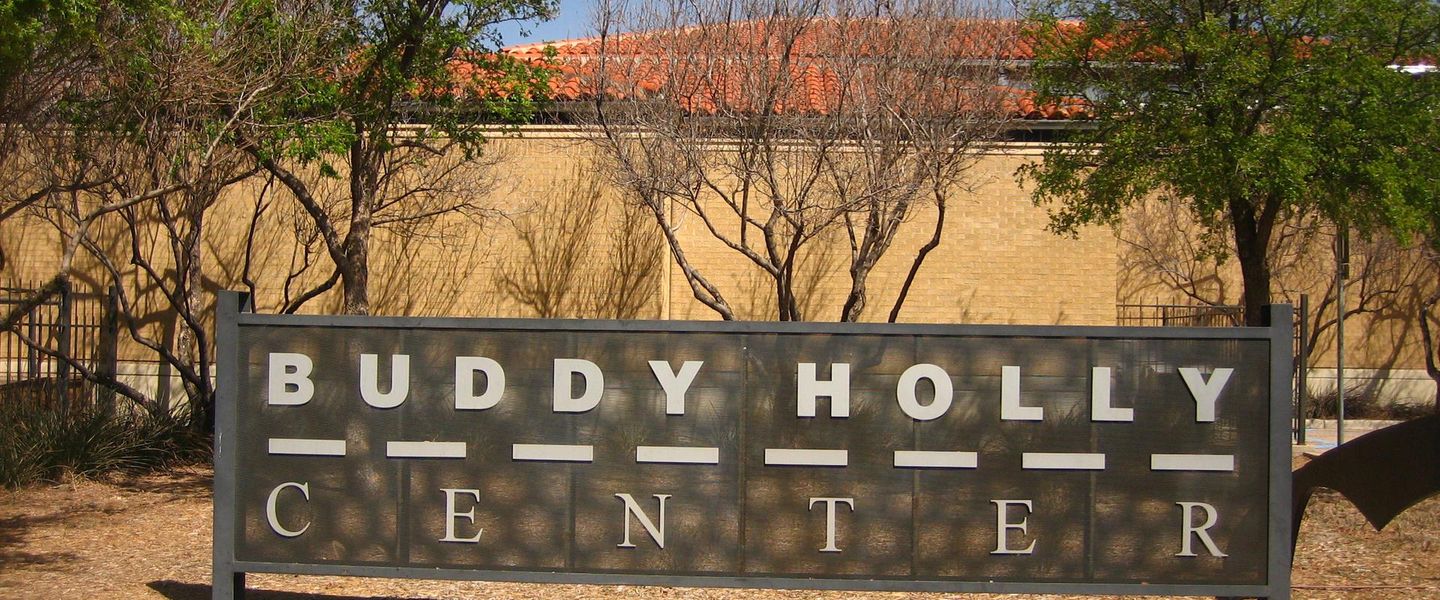


Lubbock, Texas, pairs Buddy Holly heritage, cotton-country history, West Texas museums, live music and wide-open Llano Estacado skies for curious visitors.
A High-Plains City
Lubbock stands on the broad, level Llano Estacado of north-west Texas, where cotton fields, red-brown earth and immense skies define the landscape. Its setting gives the city a spacious, sunlit character, but Lubbock is more than an agricultural centre: it is the cultural and educational hub of the South Plains. Texas Tech University brings a substantial student population, museums and performing arts, while the surrounding farming country remains central to the city's identity.Read more about Lubbock
Music and Memory
Museums and West Texas Culture
When is the best time to visit Lubbock?
Best: April–May, October · 23–28°C| Month | High (°C) | Rainfall (mm) |
|---|---|---|
| January | 11 | 15 |
| February | 14 | 18 |
| March | 18 | 25 |
| April (best) | 23 | 31 |
| May (best) | 28 | 61 |
| June | 32 | 66 |
| July | 34 | 58 |
| August | 33 | 61 |
| September | 29 | 51 |
| October (best) | 23 | 41 |
| November | 16 | 25 |
| December | 11 | 20 |
Getting to and around Lubbock
How to get there
Transportation
Best attractions in Lubbock
Lubbock's principal attractions reveal the different strands of South Plains life. The Buddy Holly Center combines music exhibitions with local history and the legacy of the city's best-known cultural figure, while the nearby West Texas Walk of Fame and Buddy Holly statue extend that story into the downtown streetscape. At Texas Tech University, the Museum of Texas Tech University presents collections spanning art, archaeology, anthropology and natural history, and the adjoining National Ranching Heritage Center preserves historic structures that illustrate frontier ranching and settlement. Families can explore hands-on science at the Science Spectrum and Omni Theater, while the Silent Wings Museum examines the role of glider pilots during the Second World War. For a wider perspective on the region's ancient landscape, Lubbock Lake Landmark, north of the central city, offers archaeological interpretation and open-air trails in a setting shaped by the High Plains.
-
Tourist attraction
Mackenzie Main City Park
Explore the beauty of Mackenzie Main City Park in Lubbock, TX – an ideal spot for relaxation, recreation, and connecting with nature.
16 min drive · 5.5 km from city centre
-
Science museum
Science Spectrum & OMNI Theater
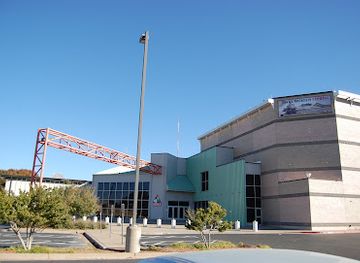
Explore the Science Spectrum & OMNI Theater in Lubbock, Texas - a family-friendly destination with interactive exhibits, an aquarium, and an immersive IMAX experience.
11 min drive · 3.6 km from city centre
-
Tourist attraction
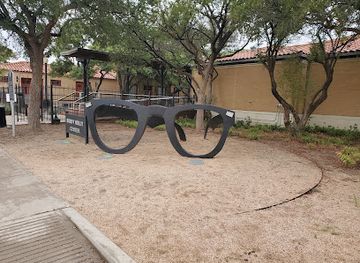
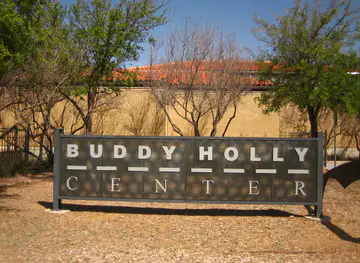
Buddy Holly Center
Experience the rich musical legacy of Buddy Holly at the Buddy Holly Center, a must-visit art museum in Lubbock, Texas, dedicated to rock 'n' roll history.
11 min drive · 3.5 km from city centre
-
Tourist attraction
Buddy Holly Center
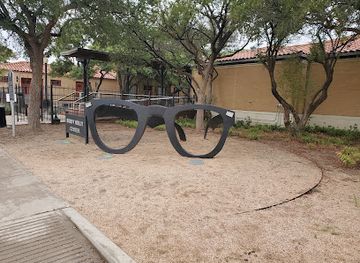
Explore the Buddy Holly Center, a vibrant museum celebrating the music legacy of Buddy Holly and the rich cultural heritage of Lubbock, Texas.
11 min drive · 3.5 km from city centre
Best landmarks in Lubbock
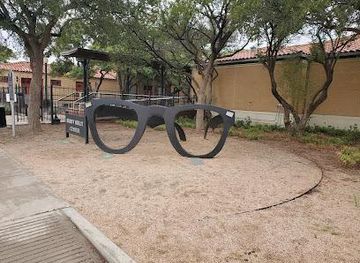
The Buddy Holly statue and West Texas Walk of Fame form one of Lubbock's most recognisable cultural landmarks, commemorating the musician's connection with the city and its place in rock-and-roll history. In the Depot District, restored railway buildings and the old Santa Fe-associated streetscape recall the transport links that helped turn Lubbock into a regional centre. Texas Tech University's campus is distinguished by its Spanish Renaissance-inspired architectural tradition, visible in prominent academic and administrative buildings. The Lubbock County Courthouse represents the civic importance of the county seat, while the National Ranching Heritage Center preserves historic ranch structures rather than presenting a single monumental building. The Cactus Theater, a former cinema converted for live performance, adds an architectural link between early twentieth-century entertainment and the city's contemporary cultural life.
-
City park
Mackenzie Main City Park
Mackenzie Main City Park: A Lubbock gem featuring lush landscapes, family-friendly spaces, and serene walking paths for a perfect day outdoors.
16 min drive · 5.5 km from city centre
-
Science museum
Science Spectrum & OMNI Theater
Explore the Science Spectrum & OMNI Theater in Lubbock, TX, where education meets entertainment through interactive exhibits and immersive films.
11 min drive · 3.6 km from city centre
-
 Hotel
HotelOverton Hotel & Conference Center
Experience luxury and convenience at Overton Hotel & Conference Center, your ideal Lubbock retreat for business and leisure.
16 min drive · 5.3 km from city centre
-
Art museum
Buddy Holly Center
Explore the Buddy Holly Center in Lubbock, Texas—dive into the life of rock and roll's pioneer and enjoy engaging exhibits and live music.
11 min drive · 3.5 km from city centre
Explore Lubbock on the map
Plan your Lubbock trip on one map. See where the top attractions, landmarks, restaurants, bars and hotels are, find what's near where you're staying, and book hotels and experiences in a few clicks.
Neighbourhoods in Lubbock
-

-
-

-


Swipe for more neighbourhoods
Best hotels in Lubbock
Best restaurants in Lubbock
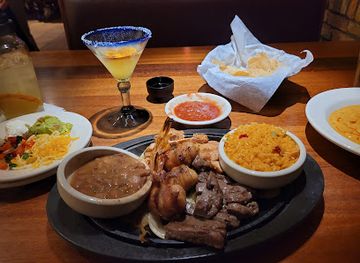
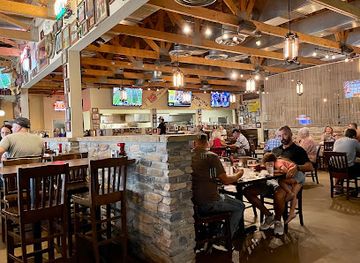
Lubbock's food culture reflects West Texas agriculture, Mexican-American traditions and the preferences of a large university community. Tex-Mex staples, breakfast tacos, enchiladas, brisket and other forms of Texas barbecue sit alongside burgers, steaks and contemporary American cooking. Local produce and cotton-country hospitality are more evident in farmers' markets, bakeries and independent cafés than in a single defining dish. The Depot District and downtown offer a concentration of restaurants and casual dining, while 50th Street and the university area provide varied everyday options shaped by students and residents. Food trucks and informal eateries add flexibility, and regional wines from the High Plains are increasingly represented on local menus. Dining tends to be relaxed and spacious, with counter-service, family restaurants and independently run venues more characteristic than a tightly packed historic restaurant quarter.
-
Mexican
50th Street Caboose
Discover vibrant flavors at 50th Street Caboose - a family-friendly restaurant blending Mexican zest with American comfort in Lubbock.
21 min drive · 7.1 km from city centre
-
Mexican
Abuelo's Mexican Restaurant
Savor authentic Mexican cuisine at Abuelo's Mexican Restaurant in Lubbock—where every meal is a celebration of flavor and tradition.
19 min drive · 6.4 km from city centre
-
American
Teddy Jack's Hub City Grill
Experience the best of American cuisine at Teddy Jack's Hub City Grill - where flavor meets fun in Lubbock.
31 min drive · 11 km from city centre
-
Restaurant
Spanky's
Experience the heart of American comfort food at Spanky's in Lubbock – where flavor meets hospitality.
15 min drive · 5.1 km from city centre
Best bars in Lubbock
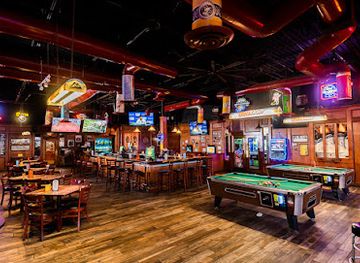
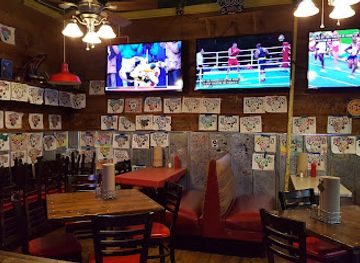
Lubbock's evening life is concentrated around the Depot District, downtown, Broadway and parts of 50th Street, with a customer base influenced by Texas Tech University as well as long-established local residents. The Depot District is associated with live music, bars and late-evening socialising in adapted railway buildings, while the historic Cactus Theater provides a more performance-led setting for concerts and theatrical events. Local venues may feature country, rock, singer-songwriters and other live acts, reflecting the city's connection with West Texas music and Buddy Holly's legacy. The scale is regional rather than metropolitan: nightlife consists mainly of bars, music rooms, casual entertainment and university events rather than a large club scene. Evening plans should be checked against current calendars, and rideshare, taxis or a designated driver are sensible when moving between dispersed districts.
-
Steak
Triple J Chophouse & Brew Co.
Discover the ultimate dining experience at Triple J Chophouse & Brew Co. in Lubbock, where premium steaks meet craft beer in a vibrant atmosphere.
11 min drive · 3.5 km from city centre
-
Hotel
Overton Hotel & Conference Center
Discover unparalleled comfort and amenities at Overton Hotel & Conference Center, your ideal retreat in Lubbock, Texas.
16 min drive · 5.3 km from city centre
-
Bar
The Funky Door Bistro & Wine Room
Experience culinary excellence with a European flair at The Funky Door Bistro & Wine Room in Lubbock, Texas, featuring exceptional dining and live music.
30 min drive · 10 km from city centre
-
Grill
Flippers Tavern
Discover Flippers Tavern in Lubbock, Texas - where delicious grilled dishes meet a friendly atmosphere perfect for unwinding.
12 min drive · 4.1 km from city centre
Best nightclubs in Lubbock
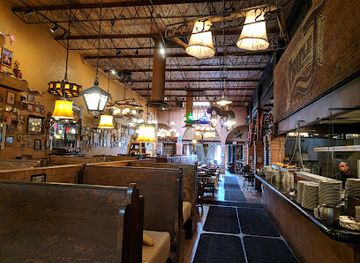
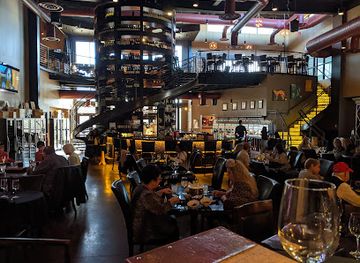
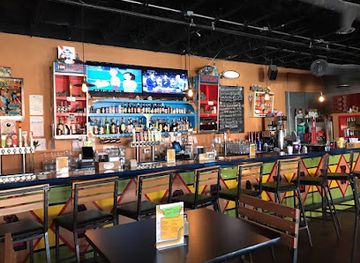
Lubbock's evening life is concentrated around the Depot District, downtown, Broadway and parts of 50th Street, with a customer base influenced by Texas Tech University as well as long-established local residents. The Depot District is associated with live music, bars and late-evening socialising in adapted railway buildings, while the historic Cactus Theater provides a more performance-led setting for concerts and theatrical events. Local venues may feature country, rock, singer-songwriters and other live acts, reflecting the city's connection with West Texas music and Buddy Holly's legacy. The scale is regional rather than metropolitan: nightlife consists mainly of bars, music rooms, casual entertainment and university events rather than a large club scene. Evening plans should be checked against current calendars, and rideshare, taxis or a designated driver are sensible when moving between dispersed districts.
-
Night club
El Rodeo
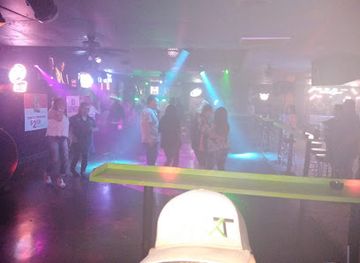
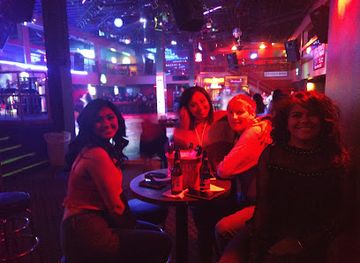
Experience the vibrant nightlife of El Rodeo, the ultimate Mexican restaurant and night club in Lubbock, Texas, for an unforgettable evening.
14 min walk · 1.1 km from city centre
-
Night club
Bar PM
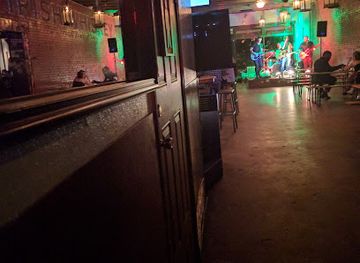
Experience the vibrant nightlife of Lubbock at Bar PM, where live music, delicious food, and great vibes come together for an unforgettable evening.
14 min drive · 4.8 km from city centre
-
Live music bar
Cowpokes
Discover the heart of Lubbock's nightlife at Cowpokes, a live music bar showcasing local talent and vibrant atmosphere.
9 min drive · 3.1 km from city centre
-
Bar
The Roof
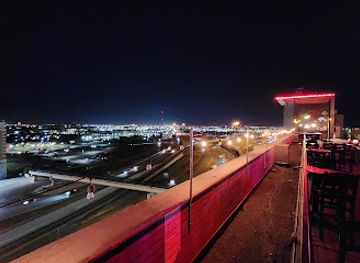
Discover the vibrant nightlife of Lubbock at The Roof, where crafted cocktails and live music create unforgettable moments.
18 min drive · 5.9 km from city centre
Best shops in Lubbock
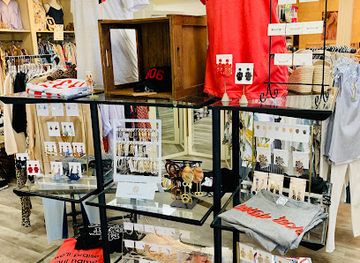
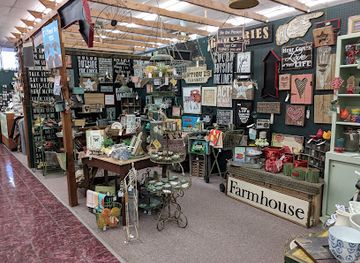
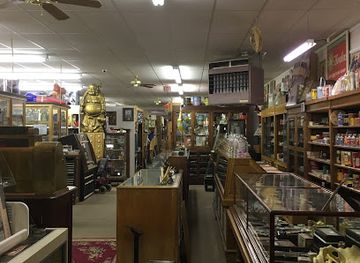
Shopping in Lubbock combines practical regional retail with independent businesses, vintage finds and locally made goods. South Plains Mall is the city's principal enclosed shopping centre, while larger commercial corridors provide national retailers and everyday services. Downtown and the Depot District are better suited to browsing boutiques, galleries, antiques, gifts and locally produced items, with the selection changing as independent businesses and events develop. Farmers' markets and seasonal makers' markets offer opportunities to find regional food products, baked goods, crafts and artwork, and Texas Tech-related merchandise is widely available around the university area. Visitors interested in West Texas character may find ranch-inspired goods, handmade pieces and music memorabilia more distinctive than generic souvenirs. Opening patterns vary among small retailers, particularly outside major commercial centres, so market and event schedules should be checked locally.
-
Boutique
j. hoffman's
Explore j. hoffman's Boutique in Lubbock for unique fashion accessories, stylish shoes, and exquisite women's clothing that inspire every wardrobe.
20 min drive · 6.7 km from city centre
-
Gift shop
KK's Corner Mall
Discover unique gifts, antiques, and handcrafted treasures at KK's Corner Mall in Lubbock, Texas - a haven for all shopping enthusiasts.
12 min drive · 4.1 km from city centre
-
Antique store
Antique Mall of Lubbock
Explore a captivating collection of antiques and collectibles at the Antique Mall of Lubbock, where every item tells a story from the past.
34 min drive · 14 km from city centre
-
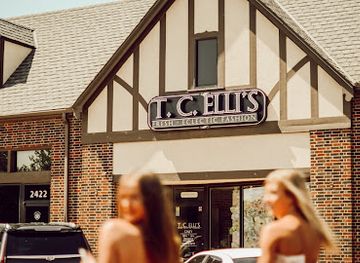
Boutique
T C Elli's
Discover T C Elli's, Lubbock's boutique haven for unique fashion and local artistry, perfect for memorable gifts and stylish finds.
14 min drive · 4.8 km from city centre
Get your free copy of our complete guide to Lubbock, delivered straight to you.
Everything on this page, from attractions and restaurants to essentials and local phrases, in one PDF you can read offline, print or share.
Already have an account? Sign in
Your Lubbock guide is ready.
We'll send it to · Not you? Sign out

Getting your guide ready…
We are putting together a fresh copy of the Lubbock guide. This can take up to a minute.
This can take a few moments. If your browser asks, choose Allow so the download can start. You'll find the guide in your Downloads folder.
Nothing happened? Download it again
Sorry, the guide is taking longer than usual. Please try again in a minute, or get it by email instead.
Lubbock essentials
Currency and Payment
Safety
Emergency Situations
Do's and Don'ts
Local Tips
From Eve
Local phrases worth knowing
You don't need to get them perfect. A few words go a long way, and locals appreciate the effort.
Basics
| English | Local | Say it |
|---|---|---|
| Hello | Howdy | [haw-dee] |
| Goodbye | See ya | [see yuh] |
| Yes | Yep | [yep] |
| No | Nah | [nah] |
| Please/You're welcome | Please/No problem | [pleez / no prob-lem] |
| Thank you | Thanks | [thanks] |
| Excuse me/Sorry | Pardon me/My bad | [par-dun me / mah bad] |
| How are you? | Howdy | [haw-dee] |
| Fine. And you? | Doing fine. How 'bout you? | [doin fine. how bout yuh?] |
| Do you speak English? | Ya speak English? | [yah speak ing-lish?] |
| I don't understand | I ain't catchin' on | [I aint catch-in on] |
Eating & Drinking
| English | Local | Say it |
|---|---|---|
| I'd like to see the menu, please | Can I check the menu, please | [can eye check the menu, please] |
| I don't eat meat | I don't do meat | [I don't do meat] |
| Cheers! | Cheers! | [Cheers!] |
| I would like to pay, please | I'm ready to settle up, please | [I'm ready to settle up, please] |
Emergencies
| English | Local | Say it |
|---|---|---|
| Help! | Help! | [Help!] |
| Go away! | Git! | [Git!] |
| Call the Police! | Call the Cops! | [Call the Cops!] |
| Call a doctor! | Get a doc! | [Get a doc!] |
| I'm lost | I'm turned around | [I'm turned around] |
| I'm ill | I'm feelin' under the weather | [I'm feelin' under the weather] |
Shopping
| English | Local | Say it |
|---|---|---|
| I'd like to buy... | I'm fixin' to purchase... | [I'm fixin' to purchase...] |
| I'm just looking | Just browsin' | [Just browsin'] |
| How much is it? | What's the damage? | [What's the damage?] |
| That's too expensive | That's a bit steep | [That's a bit steep] |
| Can you lower the price? | Can you come down on the price? | [Can you come down on the price?] |
Time & Numbers
| English | Local | Say it |
|---|---|---|
| What time is it? | What's the time? | [What's the time?] |
| It's one o'clock | It's one | [It's one] |
| Half past (10) | Half past ten | [Half past ten] |
| Morning | Mornin' | [Mornin'] |
| Afternoon | Afternoon | [Afternoon] |
| Evening | Evenin' | [Evenin'] |
| Yesterday | Yesterdee | [Yesterdee] |
| Today | Today | [Today] |
| Tomorrow | Tomorra | [Tomorra] |
| 1 | One | [One] |
| 2 | Two | [Two] |
| 3 | Three | [Three] |
| 4 | Four | [Four] |
| 5 | Five | [Five] |
| 6 | Six | [Six] |
| 7 | Seven | [Seven] |
| 8 | Eight | [Eight] |
| 9 | Nine | [Nine] |
| 10 | Ten | [Ten] |
Transport & Directions
| English | Local | Say it |
|---|---|---|
| Where's a/the...? | Where's the...? | [Where's the...?] |
| What's the address? | What's the addy? | [What's the addy?] |
| Can you show me (on the map)? | Can you point it out (on the map)? | [Can you point it out (on the map)?] |
| When's the next (bus)? | When's the next (bus)? | [When's the next (bus)?] |
| A ticket (to ....) | A ticket (to ....) | [A ticket (to ....)] |
History of Lubbock
Indigenous Plains and Early Settlement
The Lubbock area lies on the Llano Estacado, a high plateau long used and travelled by Indigenous peoples, including Comanche, Kiowa and Apache communities. Their histories are part of the wider story of the Southern Plains, where seasonal movement, hunting and later conflict with expanding United States settlement shaped the region. The modern city emerged only after the displacement of Indigenous communities and the extension of ranching and farming across the plateau. Archaeological work in the region, including investigations associated with the Lubbock Lake Landmark north of the city, has revealed evidence of human occupation stretching back thousands of years, giving the South Plains a far deeper history than its relatively recent civic development suggests.
Founding of Lubbock County
Lubbock was established in the late nineteenth century as Anglo-American settlement expanded across West Texas. The town was named for Thomas Saltus Lubbock, a Confederate officer and former governor of Texas, and became the seat of the newly organised Lubbock County in 1891. Early development depended on cattle, small-scale farming, water availability and the practical need for a regional administrative centre. The town remained modest in its first decades, with widely spaced buildings and a difficult relationship with the dry plains. Its position eventually became more valuable as transport links improved and agricultural settlement intensified.
Railways and Agricultural Growth
Railway connections in the early twentieth century transformed Lubbock from an isolated county seat into a regional trading centre. The arrival of the Santa Fe railway in 1909 strengthened links with markets and encouraged population growth, commercial construction and the shipment of cattle and crops. Cotton became especially important as irrigation, mechanisation and improved farming methods expanded production across the South Plains. The railway also helped shape the city's urban form, leaving a legacy visible in downtown buildings and the area now known as the Depot District. Lubbock's civic incorporation and rapid early-century growth reflected the broader modernisation of West Texas.
Texas Technological College and a Changing City
The establishment of Texas Technological College in 1923, now Texas Tech University, gave Lubbock an educational and cultural institution whose influence has steadily expanded. Its Spanish Renaissance-inspired campus architecture and later research, arts and sporting programmes helped distinguish the city from surrounding agricultural communities. The college attracted students, academics and professional services, while its museums and public events broadened Lubbock's cultural life. During the same period, residents faced the economic difficulties of the Great Depression and the environmental pressures associated with the Dust Bowl, when drought, wind erosion and agricultural hardship affected much of the Great Plains.
Buddy Holly and Modern Lubbock
Lubbock's twentieth-century identity also became closely associated with popular music through Charles Hardin Holley, known as Buddy Holly. Born in Lubbock in 1936, he developed a concise, influential rock-and-roll style before his death in 1959. His legacy connected the city with the formative years of modern popular music and later inspired memorials, exhibitions and cultural events. Post-war Lubbock continued to grow through cotton production, education, healthcare, retail and regional services, while suburban expansion changed the city's scale. Today, museums, university institutions, music venues and agricultural businesses reflect the combined influence of the South Plains landscape, education, commerce and cultural memory.
Lubbock in Photos
Browse through our photo collection highlighting the charm and character of the destination.
Cities near Lubbock
The closest cities to Lubbock, if you have time for more than one stop.
-

-

-
-

-


Swipe for more cities
Explore more
Explore more of Texas
Discover the diverse landscapes, rich history, vibrant cities, and culinary delights of Texas, the Lone Star State, where adventure and culture await at every turn.
Explore Texas