

Amarillo, Texas Travel Guide
Discover Amarillo, Texas: A blend of cowboy culture, stunning natural beauty, and modern attractions in the heart of the Texas Panhandle.
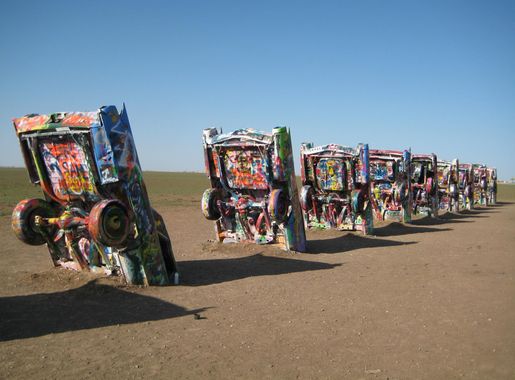
Amarillo, situated in the vast expanse of the Texas Panhandle, welcomes tourists with its unique blend of western heritage, natural beauty, and modern attractions. Known as 'The Yellow Rose of Texas,' Amarillo offers a rich tapestry of experiences, from historic Route 66 and cowboy culture to stunning natural parks and vibrant arts scenes. One of the city's highlights is the Cadillac Ranch, an iconic art installation featuring ten graffiti-covered Cadillacs buried nose-first in the ground. It's a must-see for art enthusiasts and photographers alike. Another notable attraction is the Palo Duro Canyon State Park, the second-largest canyon in the United States. Here, visitors can hike, bike, or even take in a musical under the stars at the outdoor amphitheater. For those interested in history and culture, the American Quarter Horse Hall of Fame & Museum and the Panhandle-Plains Historical Museum offer fascinating insights into the region's past. Amarillo's downtown area is home to a variety of shops, restaurants, and entertainment options, ensuring there's something for everyone to enjoy. Whether you're looking to explore the great outdoors, delve into local history, or simply relax and enjoy some Texas hospitality, Amarillo has it all.

Know before you go
Hi, I'm Eve. Here are a few practical things to know before exploring Amarillo.
- Visit Cadillac Ranch early in the morning or late in the evening to avoid crowds and capture the best photos.
- Bring plenty of water and sun protection when exploring Palo Duro Canyon, especially during the hot summer months.
- Take a stroll down Historic Route 66 for unique shops, antique stores, and local dining options.
- Check the schedule for the TEXAS Outdoor Musical at Palo Duro Canyon for a memorable evening experience.
- Consider renting a car to easily explore Amarillo's spread-out attractions and nearby natural wonders.
Explore Amarillo: Things to Do, Places to Eat, Hotels & More
Handpicked recommendations for top attractions, local dining, accommodations, and more

Best attractions in Amarillo
Top-rated picks
Best Attractions

The Big Texan Steak Ranch & Brewery
Experience the legendary 72-ounce steak challenge at The Big Texan Steak Ranch & Brewery in Amarillo, where Texas hospitality meets hearty cuisine.

Cadillac Ranch
Explore Cadillac Ranch in Amarillo, Texas—a vibrant, interactive art installation celebrating classic American cars and creativity.

Cadillac Ranch
Discover Cadillac Ranch in Amarillo, Texas - a vibrant roadside attraction showcasing buried Cadillacs transformed into colorful works of art.

Palo Duro Canyon State Park
Experience the breathtaking beauty and adventure at Palo Duro Canyon State Park, Texas' Grand Canyon, perfect for outdoor enthusiasts and nature lovers.

Best landmarks in Amarillo
Top-rated picks
Best Landmarks

The Big Texan Steak Ranch & Brewery
Discover the essence of Texas at The Big Texan Steak Ranch & Brewery, where legendary steaks and rich history create an unforgettable dining experience.

Cadillac Ranch
Discover the whimsical Cadillac Ranch in Amarillo, Texas, a vibrant outdoor art installation where creativity and classic cars collide in a colorful display.

Hodgetown Stadium
Unleash your love for baseball and entertainment at Hodgetown Stadium in Amarillo, Texas, where excitement and community spirit come alive.

Wonderland Amusement Park
Experience thrills and family fun at Wonderland Amusement Park in Amarillo, Texas—an unforgettable destination for adventure seekers.

Best restaurants in Amarillo
Top-rated picks
Best Restaurants

The Big Texan Steak Ranch & Brewery
Experience Texas tradition at The Big Texan Steak Ranch & Brewery – home of the famous 72-ounce steak challenge and hearty Texas hospitality.

Texas Roadhouse
Experience authentic Texas flavors at Texas Roadhouse in Amarillo - where hand-cut steaks meet Southern hospitality in a lively setting.

Cracker Barrel Old Country Store
Discover Southern comfort food and unique gifts at Cracker Barrel Old Country Store in Amarillo – where every meal feels like home.

Bubba's 33
Experience the best of American cuisine at Bubba's 33 in Amarillo – where delicious food meets exciting sports!

Best bars in Amarillo
Top-rated picks
Best Bars

Six Car Pub & Brewery
Discover the vibrant flavors of craft brews and hearty American cuisine at Amarillo's Six Car Pub & Brewery, a must-visit for food and beer lovers.

Zombiez Bar & Grill
Discover the fun and flavors at Zombiez Bar & Grill, your go-to spot for chicken wings, burgers, and tacos in Amarillo, Texas.

Broken Spoke Lounge
Discover the lively Broken Spoke Lounge in Amarillo, TX, where great drinks, delicious food, and a vibrant atmosphere await every visitor.

Pub 26
Discover the lively spirit of Amarillo at Pub 26, a vibrant bar offering great drinks, live entertainment, and a welcoming atmosphere for all.

Best nightclubs in Amarillo
Top-rated picks
Best Nightclubs

Rounders Club
Discover the vibrant nightlife at Rounders Club, Amarillo's ultimate destination for dancing, drinks, and unforgettable entertainment.

Chesney's Whiskey Saloon (Bodegas)
Experience Amarillo's nightlife at Chesney's Whiskey Saloon, where great drinks and live music create unforgettable memories.

Guitars & Cadillacs
Experience the vibrant nightlife of Amarillo at Guitars & Cadillacs, where music, dancing, and fun collide under one roof.

Marshall's Tavern
Discover the vibrant nightlife at Marshall's Tavern, Amarillo's top night club, where music and fun come together for an unforgettable experience.

Best shops in Amarillo
Top-rated picks
Best Shops

Alley Katz Unique Emporium
Explore Alley Katz Unique Emporium for a delightful shopping experience filled with vintage treasures and unique finds in Amarillo, Texas.

The NAT Antiques
Explore The NAT Antiques in Amarillo for a unique collection of vintage furniture, clothing, and treasures that tell stories of the past.

Aunt Eek's Books and Curiosities
Discover a treasure trove of vintage books, antiques, and curiosities at Aunt Eek's in Amarillo, Texas – where every item has a story.

THE RUSTIC LEOPARD
Explore The Rustic Leopard in Amarillo, Texas - a charming boutique filled with unique fashion, home decor, and local artisan treasures.

Explore Amarillo on the Map
A handpicked selection of must-see spots in Amarillo, mapped for you.
Amarillo Essentials
-
Amarillo is easily accessible by air, road, and rail. The Rick Husband Amarillo International Airport (AMA) serves the city and offers flights from major U.S. cities. By car, Amarillo is located along Interstate 40, which is part of the historic Route 66, and is also accessible via U.S. Highways 60, 87, and 287. For those preferring train travel, Amtrak provides services to Amarillo with connections to various cities across the country.
-
Amarillo offers various transportation options. The Amarillo City Transit operates several bus routes throughout the city, providing an affordable way to get around. Taxis and rideshare services like Uber and Lyft are also available. For those wishing to explore the surrounding areas, renting a car is a convenient option. Biking is also a popular mode of transport, and there are bike lanes on many streets.
-
The official currency in Amarillo, as in the rest of the United States, is the U.S. Dollar (USD). Credit and debit cards are widely accepted in hotels, restaurants, and shops. ATMs are readily available throughout the city for cash withdrawals. It is advisable to have some cash on hand for small purchases and in case of establishments that do not accept cards.
-
Amarillo is generally a safe city for tourists. However, it is advisable to take standard safety precautions such as avoiding poorly lit areas at night and keeping an eye on personal belongings in crowded places. Some areas, like certain parts of downtown and the eastern neighborhoods, have higher crime rates, particularly for petty theft. Always stay vigilant and aware of your surroundings.
-
In case of an emergency, dial 911 for immediate assistance from police, fire, or medical services. Amarillo has several hospitals and urgent care centers available for medical emergencies. It is recommended to have travel insurance that covers medical emergencies. Pharmacies are also available for over-the-counter medications and minor health issues.
-
Fashion: Do dress comfortably and appropriately for the weather, which can be hot in summer and cold in winter. Casual attire is generally acceptable. Religion: Do respect local customs and traditions. There are various places of worship, and it's polite to dress modestly when visiting. Public Transport: Do be respectful and give up your seat to elderly or disabled passengers. Don't eat or drink on public transport. Greetings: Do greet people with a friendly handshake or a nod. Texans value politeness and friendliness. Eating & Drinking: Do try local delicacies like BBQ and Tex-Mex cuisine. Don't forget to tip in restaurants, as it is customary.
-
To experience Amarillo like a local, visit the Historic Route 66 District for unique shops and dining experiences. The Palo Duro Canyon State Park offers stunning natural beauty and outdoor activities. Attend a rodeo or a performance of the musical 'Texas' at the Pioneer Amphitheater for a true taste of local culture. Engage with locals, who are often friendly and willing to share insights about the best spots in the city.
When is the best time to visit Amarillo?
Useful Local Phrases for Amarillo
You don't need to speak the language perfectly. Even learning a few simple words can make conversations warmer—and locals usually appreciate the effort.
— Eve

Here are the phrases I use most often in Amarillo. Try a few—you'll be surprised how far they go! 😊
❤️
-
- HelloHowdy
[haw-dee] - GoodbyeSee ya
[see yuh] - YesYup
[yuhp] - NoNope
[nohp] - Please/You're welcomePlease/You're welcome
[pleez/yur welcome] - Thank youThank ya
[thank yuh] - Excuse me/SorryPardon me/My bad
[par-dun me/my bad] - How are you?Howdy, how are ya?
[haw-dee, how are yuh] - Fine. And you?Fine. And you?
[fine. and yuh?] - Do you speak English?Ya speak English?
[yuh speak ing-glish?] - I don't understandI don't reckon
[I don't reh-kin]
- HelloHowdy
-
- I'd like to see the menu, pleaseCan I take a gander at the menu?
[kan eye take uh gan-der at the men-yoo?] - I don't eat meatI don't eat meat
[I don't eat meet] - Cheers!Cheers!
[cheers] - I would like to pay, pleaseI reckon it's time to settle up
[I reh-kin its time tuh set-ul up]
- I'd like to see the menu, pleaseCan I take a gander at the menu?
-
- Help!Help!
[help!] - Go away!Git!
[git!] - Call the Police!Call the Po-lice!
[Call the Po-lice!] - Call a doctor!Call a doc-tor!
[Call a doc-tor!] - I'm lostI'm lost
[I'm lost] - I'm illI'm feelin' poorly
[I'm feelin' poor-ly]
- Help!Help!
-
- I'd like to buy...I'm fixin' to buy...
[I'm fix-in' tuh buy...] - I'm just lookingI'm just lookin'
[I'm just look-in'] - How much is it?How much is this here?
[How much is this here?] - That's too expensiveThat's too pricey
[That's too prahy-see] - Can you lower the price?Can you do any better on the price?
[Can you do any bet-ter on the prahys?]
- I'd like to buy...I'm fixin' to buy...
-
- What time is it?What time is it?
[What time is it?] - It's one o'clockIt's one o'clock
[It's one o'clock] - Half past (10)Half past ten
[Half past ten] - MorningMorning
[Morning] - AfternoonAfternoon
[Afternoon] - EveningEvening
[Evening] - YesterdayYesterday
[Yesterday] - TodayToday
[Today] - TomorrowTomorrow
[Tomorrow] - 1One
[Wun] - 2Two
[Too] - 3Three
[Three] - 4Four
[For] - 5Five
[Fahyv] - 6Six
[Siks] - 7Seven
[Sev-un] - 8Eight
[Ayt] - 9Nine
[Nahyn] - 10Ten
[Ten]
- What time is it?What time is it?
-
- Where's a/the...?Where's a/the...?
[Where's a/the...?] - What's the address?What's the address?
[What's the address?] - Can you show me (on the map)?Can you show me (on the map)?
[Can you show me (on the map)?] - When's the next (bus)?When's the next (bus)?
[When's the next (bus)?] - A ticket (to ....)A ticket (to ....)
[A ticket (to ....)]
- Where's a/the...?Where's a/the...?
History of Amarillo
-
Amarillo was established in 1887 as a railroad town in the Texas Panhandle. Initially named Oneida, it was later renamed Amarillo, which means 'yellow' in Spanish, inspired by the color of the soil and the nearby Amarillo Creek.
-
The Fort Worth and Denver City Railroad played a pivotal role in Amarillo's development. Arriving in the late 1880s, the railroad turned Amarillo into a regional cattle-marketing center, facilitating the transportation of cattle to markets across Texas and beyond.
-
In the early 20th century, the discovery of oil in the Texas Panhandle brought economic prosperity to Amarillo. The Santa Rita No. 1 well, drilled in 1921, marked the beginning of a lucrative oil industry that attracted workers and businesses to the area.
-
During World War II, Amarillo became home to the Pantex Ordnance Plant, which produced munitions for the war effort. After the war, Pantex transitioned into a nuclear weapons assembly and disassembly facility, playing a significant role in national defense.
-
Amarillo is famously located along the historic Route 66, also known as the 'Main Street of America.' This iconic highway brought travelers from across the country through Amarillo, contributing to the city's reputation as a vibrant and welcoming stopover.
-
Amarillo earned the nickname 'Helium Capital of the World' due to the discovery of vast helium reserves in the early 20th century. The federal government established the Amarillo Helium Plant in 1929, cementing the city's status as a key player in the global helium industry.
-
Created in 1974 by the art group Ant Farm, Cadillac Ranch is an iconic art installation featuring ten half-buried Cadillacs. This outdoor sculpture has become a symbol of Amarillo's quirky and artistic spirit, attracting tourists and artists from around the world.
-
Polk Street, the historic heart of downtown Amarillo, boasts a rich architectural heritage with buildings dating back to the early 20th century. This district reflects the city's growth and evolution, featuring a blend of historic landmarks, restaurants, and cultural attractions.
-
Since its establishment in 1935, the Amarillo Livestock Auction has been a central hub for cattle ranchers in the region. The weekly auctions attract buyers and sellers from across the country, highlighting Amarillo's enduring connection to the cattle industry.
-
Founded in 1960, the Big Texan Steak Ranch is renowned for its 72-ounce steak challenge. This iconic restaurant embodies the larger-than-life spirit of Texas and has become a must-visit destination for both locals and tourists.
Cities near Amarillo
The closest cities to Amarillo, if you have time for more than one stop.



Your all‑in‑one travel companion app
Explore expert travel guides, compare and book tours, experiences, hotels, and more—all from the palm of your hand. Download now for seamless trip planning wherever your wanderlust takes you.


Amarillo in Photos
Browse through our photo collection highlighting the charm and character of the destination.


Amarillo: The Heart of the Texas Panhandle
Amarillo, situated in the vast expanse of the Texas Panhandle, welcomes tourists with its unique blend of western heritage, natural beauty, and modern attractions. Known as 'The Yellow Rose of Texas,' Amarillo offers a rich tapestry of experiences, from historic Route 66 and cowboy culture to stunning natural parks and vibrant arts scenes. One of the city's highlights is the Cadillac Ranch, an iconic art installation featuring ten graffiti-covered Cadillacs buried nose-first in the ground. It's a must-see for art enthusiasts and photographers alike. Another notable attraction is the Palo Duro Canyon State Park, the second-largest canyon in the United States. Here, visitors can hike, bike, or even take in a musical under the stars at the outdoor amphitheater. For those interested in history and culture, the American Quarter Horse Hall of Fame & Museum and the Panhandle-Plains Historical Museum offer fascinating insights into the region's past. Amarillo's downtown area is home to a variety of shops, restaurants, and entertainment options, ensuring there's something for everyone to enjoy. Whether you're looking to explore the great outdoors, delve into local history, or simply relax and enjoy some Texas hospitality, Amarillo has it all.
Explore More of Texas
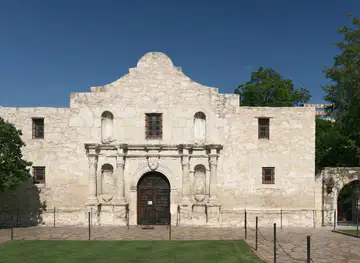
Looking beyond Amarillo? Discover Texas for broader travel guides, local hot-spots, and regional highlights.
Explore Texas